Categorization skills Normal Science Worksheets for Ages 6-7
4 filtered results
-
From - To
Enhance your child's learning experience with our "Categorization Skills Normal Science Worksheets" designed for ages 6-7. These engaging worksheets introduce young learners to the fundamental concept of categorization, helping them group and classify various objects and living things based on shared characteristics. Through fun and interactive activities, kids will develop critical thinking and organizational skills while exploring the wonders of science. Each worksheet is tailored to align with educational standards, ensuring your child gains a solid foundation. Perfect for classroom or at-home learning, our worksheets provide a valuable resource for helping children discover the exciting world of science through categorization. Access them today!
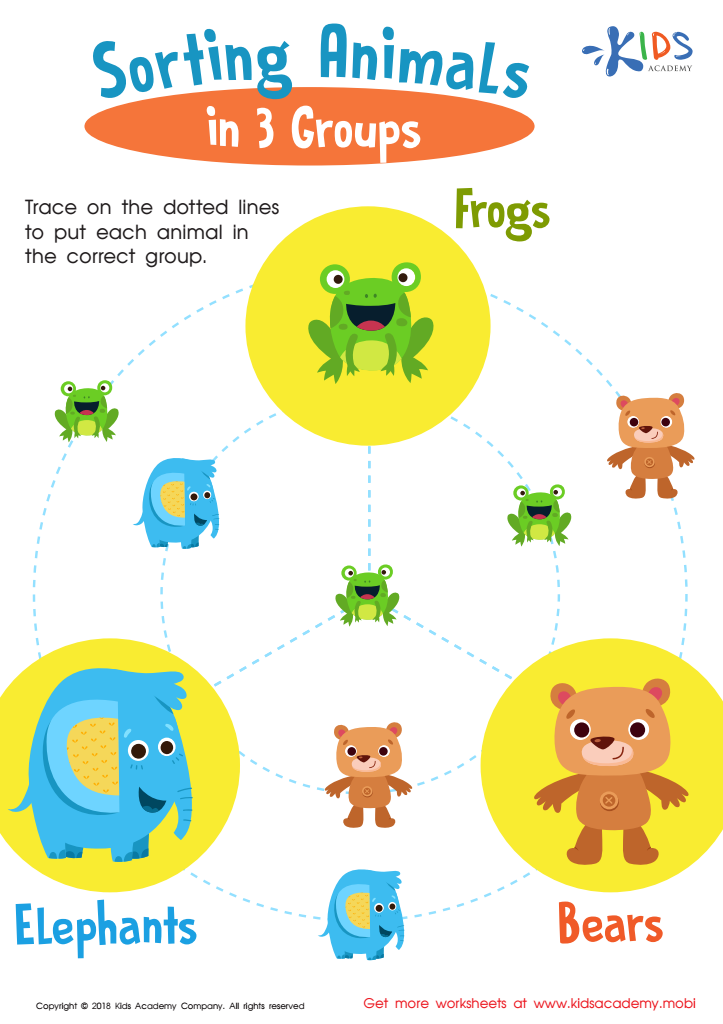
Sorting Animals in 3 Groups Worksheet
 Assign to My Students
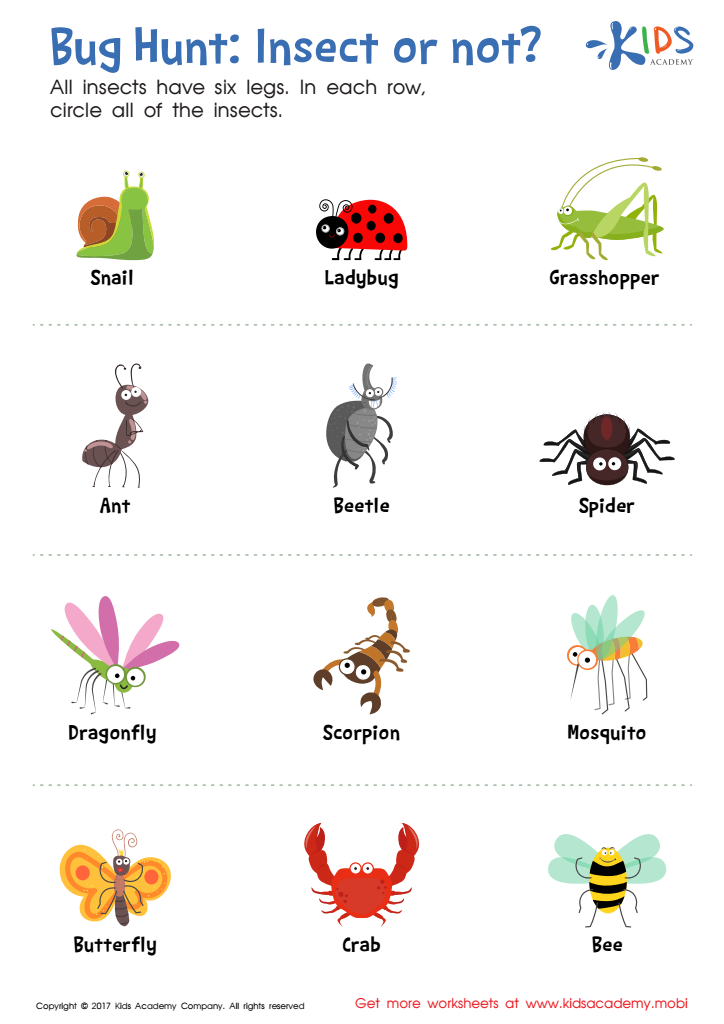
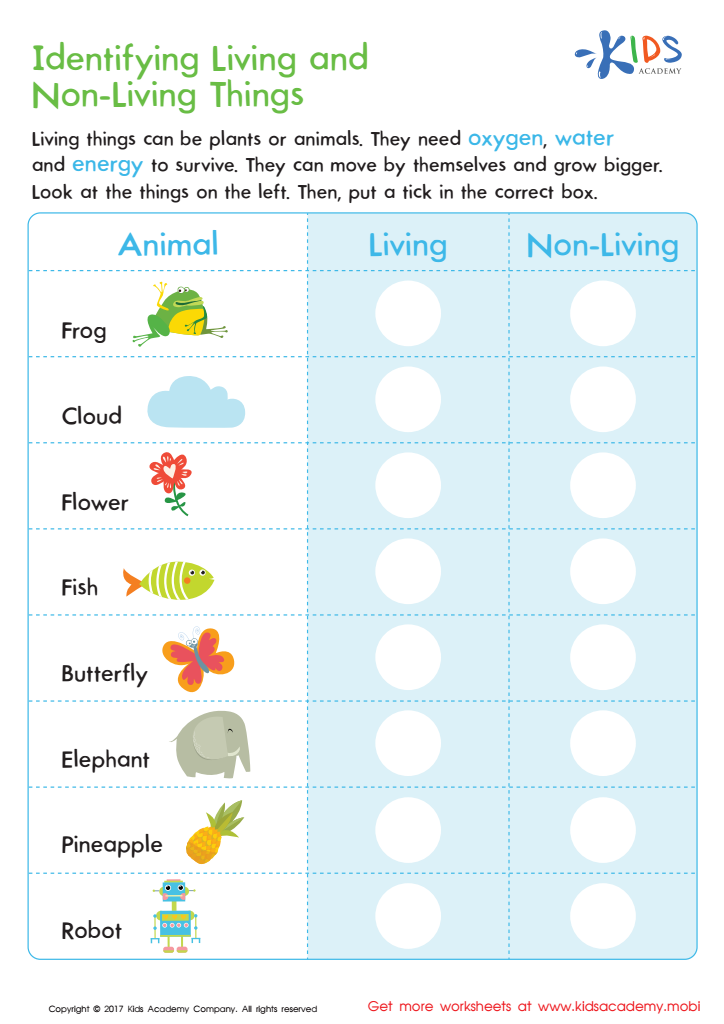
Identifying Living or Non–living Worksheet
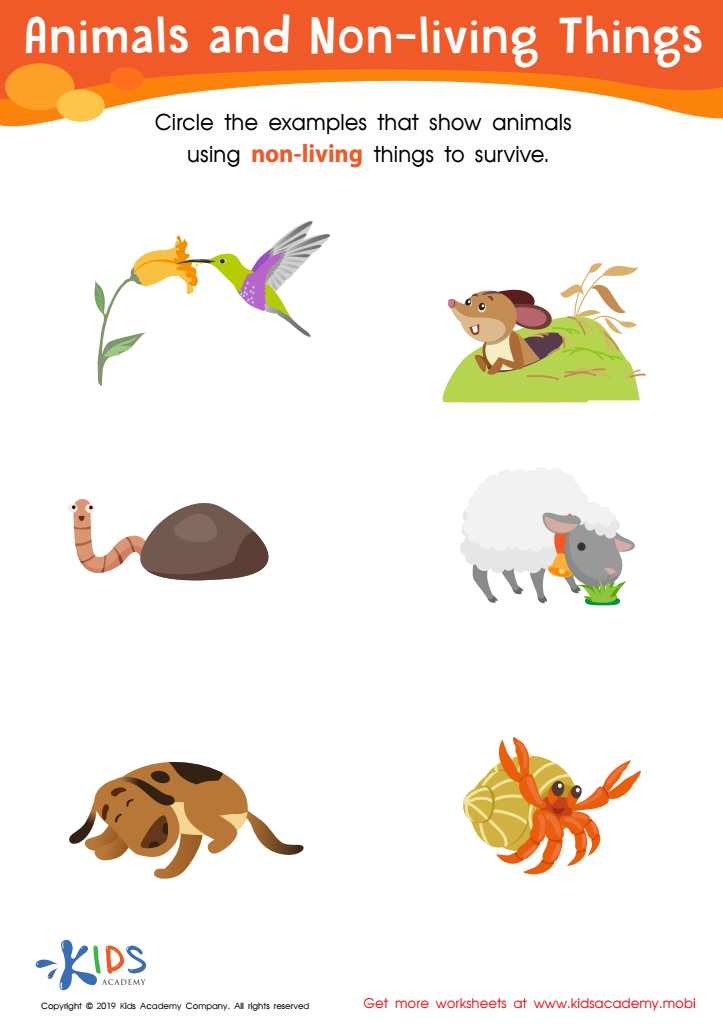
Animals and Non-Living Things Worksheet





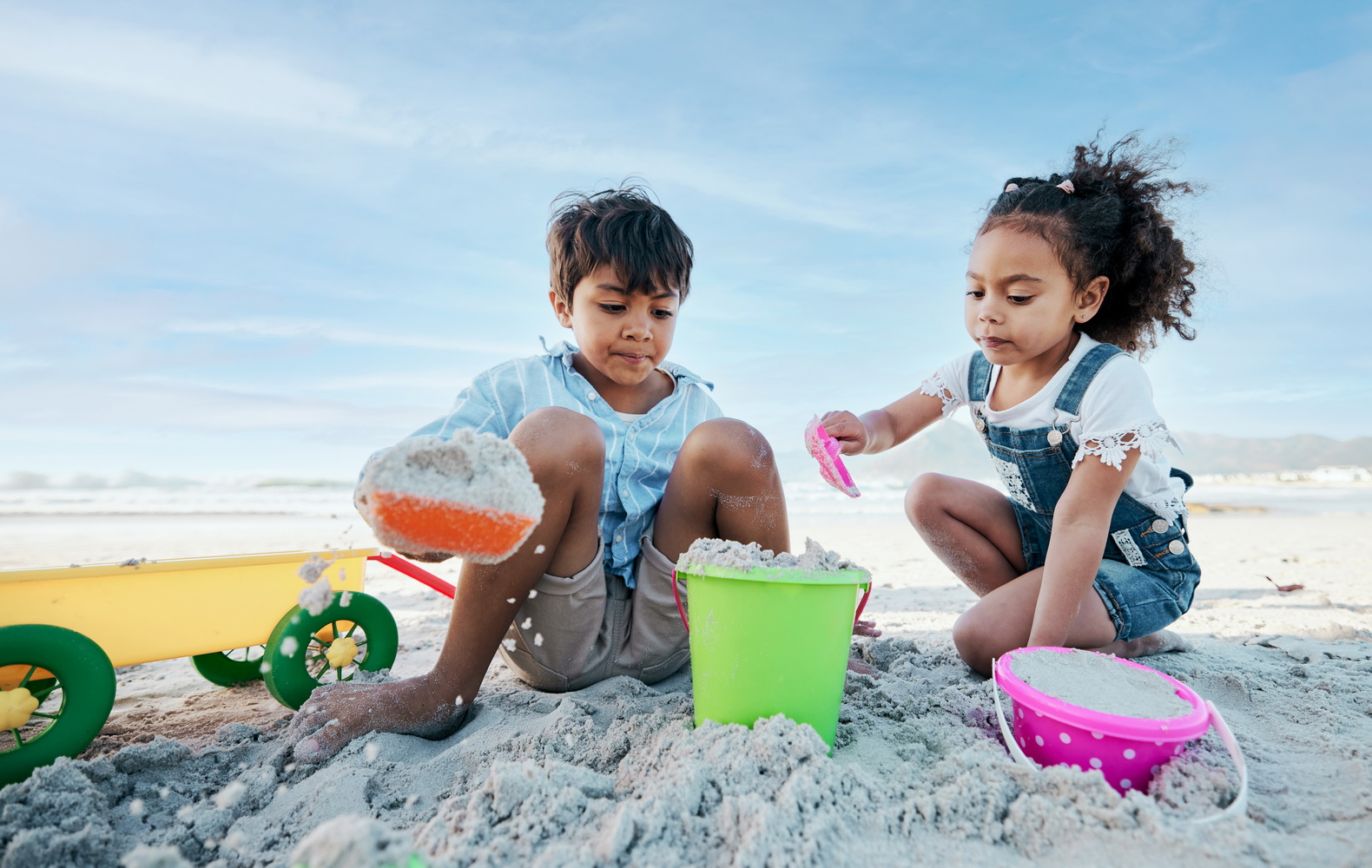


Categorization skills are vital for children aged 6-7 as they lay the foundation for critical thinking and understanding of the world around them. At this age, children are naturally curious, and developing their ability to group objects, concepts, and ideas helps them make sense of their environment. For parents and teachers, nurturing these skills can enhance children's cognitive development, enabling them to recognize similarities and differences effectively.
Mastering categorization supports subjects such as science, math, and literacy. For instance, when children categorize animals by their habitats or classify shapes by their properties, they engage in experiential learning that deepens their comprehension. Moreover, these skills encourage problem-solving and reasoning, crucial competencies for academic success and everyday decision-making.
Besides cognitive benefits, categorization also aids in social development. Children learn to understand social relationships and cultural differences through grouping, promoting inclusiveness and empathy. When teachers and parents prioritize these skills, they equip children with tools to navigate their social and educational landscapes. Ultimately, fostering categorization skills ensures that children not only gain knowledge but also develop a framework for lifelong learning, adaptability, and critical engagement with the world around them.







