Filters

57 filtered results

Clear all filters
Favorites
With answer key
Interactive

57 filtered results

Difficulty Level

Grade


Check out this FREE Trial Lesson on Science for age 6-7!

Inherited Traits

Favorites
With answer key
Interactive
  • 6-7
  • Reading comprehension
  • Science
  • Normal
What's the Weather? Worksheet

What's the Weather? Worksheet

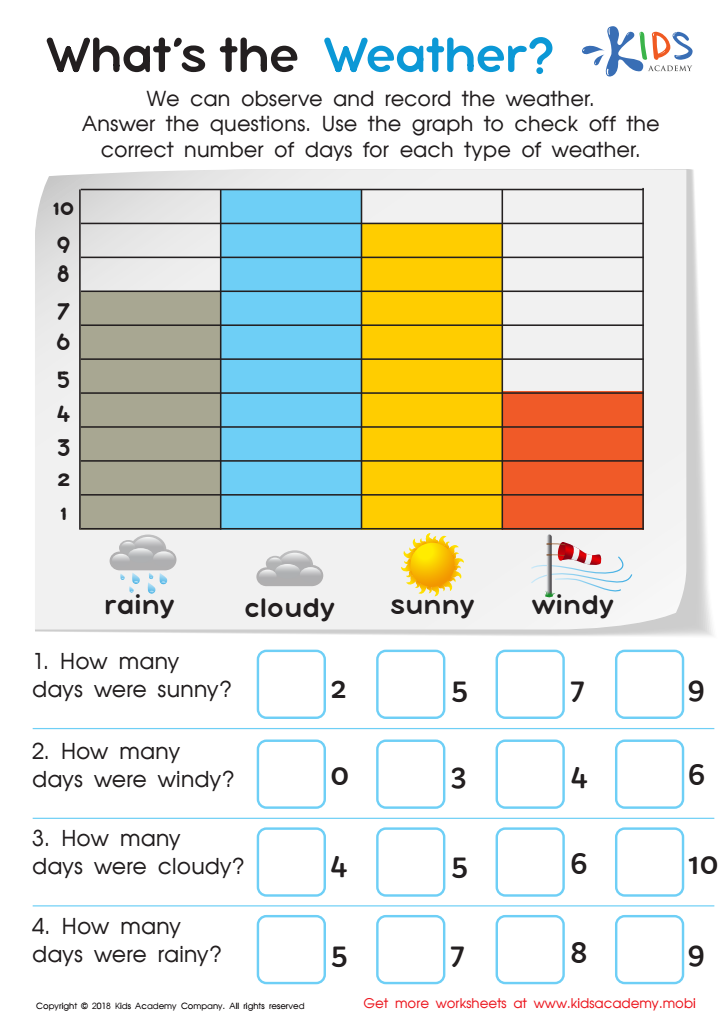
Check the weather outside. Help kids learn and practice science and math by tracking different types of days using this printable worksheet. Have them count bars next to weather types like cloudy, sunny, windy, and rainy. Answer the questions and take the lesson further by creating a bar graph to show the monthly weather.
What's the Weather? Worksheet
Worksheet
Siblings Quiz Worksheet

Siblings Quiz Worksheet

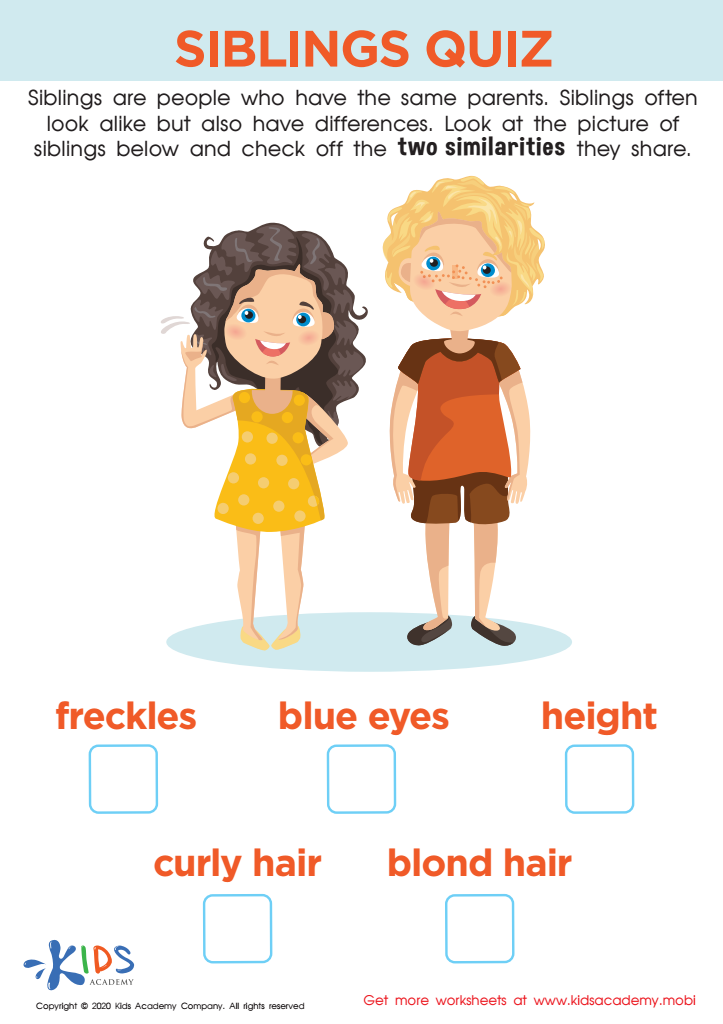
Your children may know a sibling is a sister or brother, but not realize what it means to be one. Siblings share the same parents, which means they share many genes. They are alike in many ways, but also have their own unique traits. Help your future scientist understand this early biology concept with this fun worksheet. They'll be tasked with finding similarities between two siblings on the page.
Siblings Quiz Worksheet
Worksheet
Space: Assessment 2 Worksheet
Space: Assessment 2 Worksheet

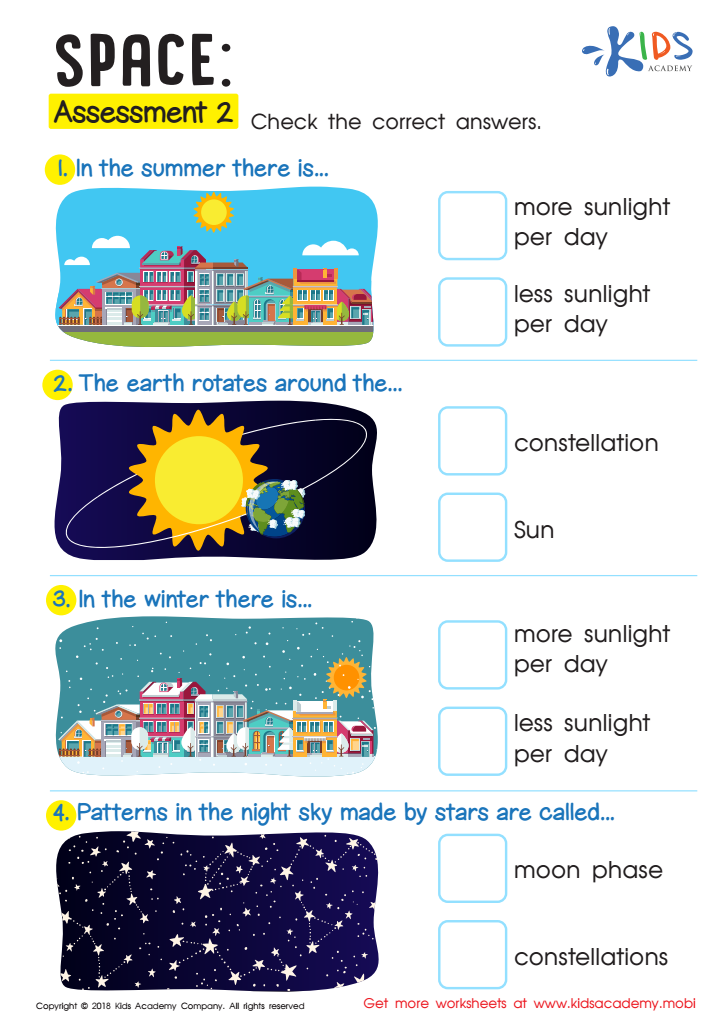
Test your kids' knowledge of the weather, constellations and Earth with this worksheet. Show them the 4 images and ask what's happening; then read the questions and options and help them pick the right answers. This printout is a helpful and fun way to learn!
Space: Assessment 2 Worksheet
Worksheet
Weather Matching Worksheet

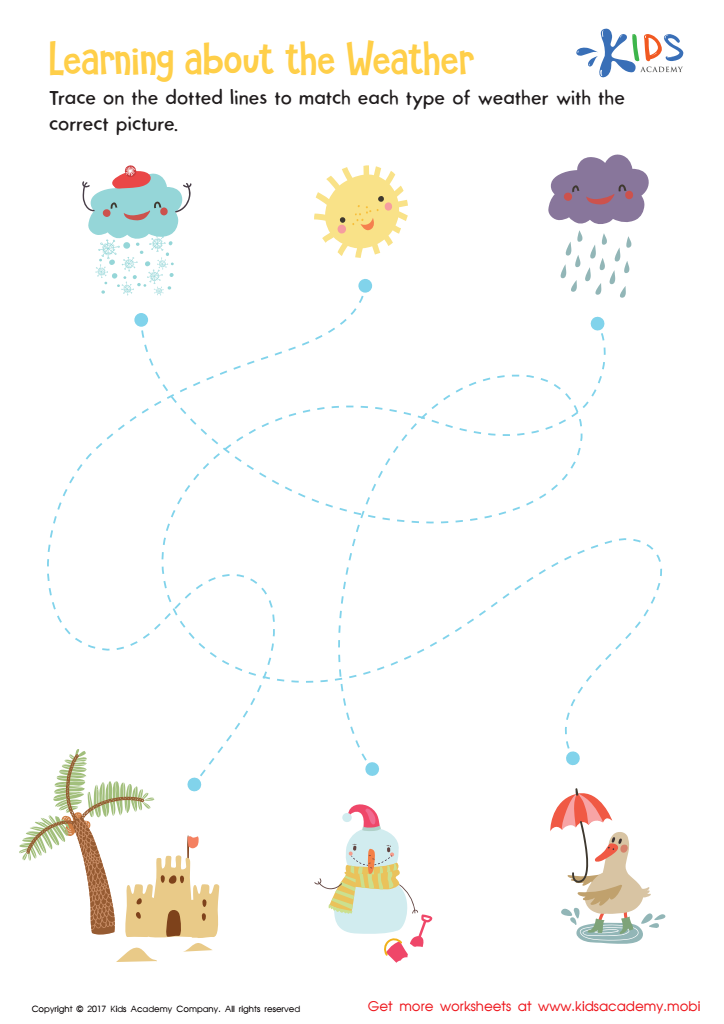
Learning About the Weather Worksheet

Learning About the Weather Worksheet
Worksheet
Helpful Health Worksheet

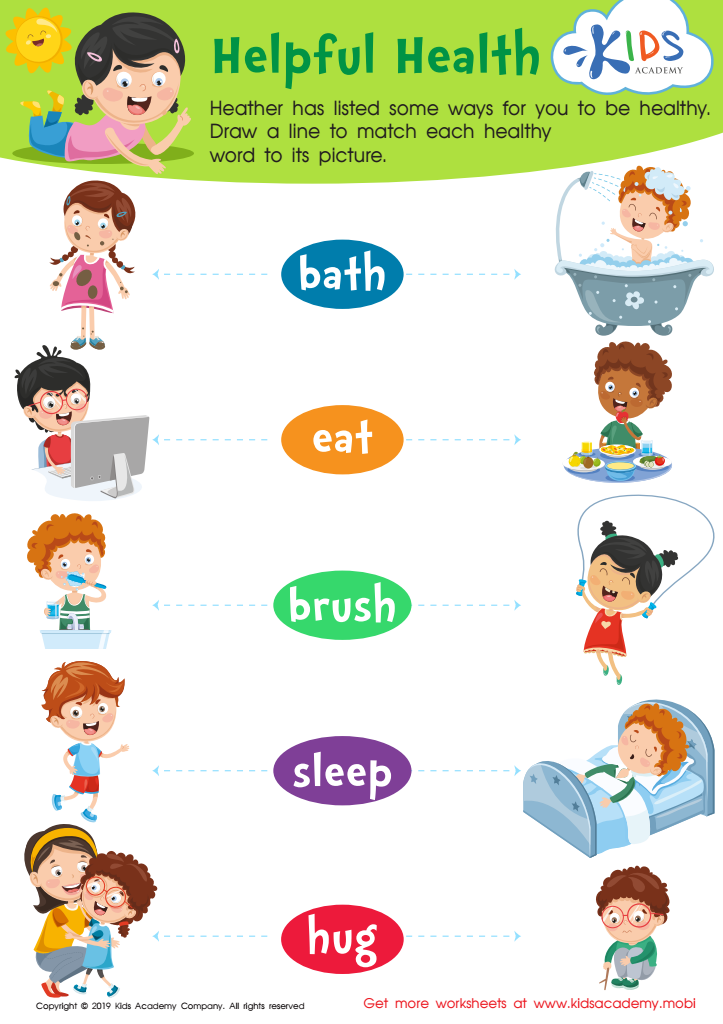
Helpful Health Worksheet

Kids can learn healthy habits with this free worksheet! With their pal Heather, they'll trace lines to connect health words with pictures like brushing teeth, hugging, and getting enough sleep. It's a great way to help young ones understand healthy activities.
Helpful Health Worksheet
Worksheet
Healthy Eyes Worksheet

Healthy Eyes Worksheet

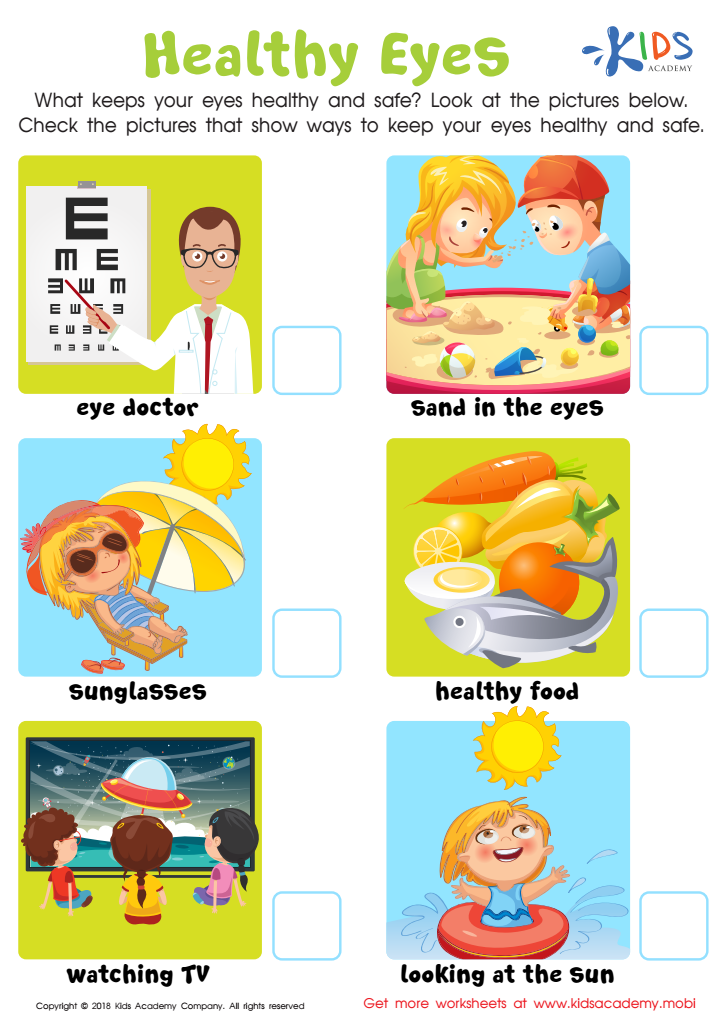
Does your child know how to care for their eyes? Help them understand with this worksheet. Look through the pictures together and discuss the different ways to keep the eyes healthy and safe. These include visits to the doctor, wearing sunglasses, and eating healthy food.
Healthy Eyes Worksheet
Worksheet
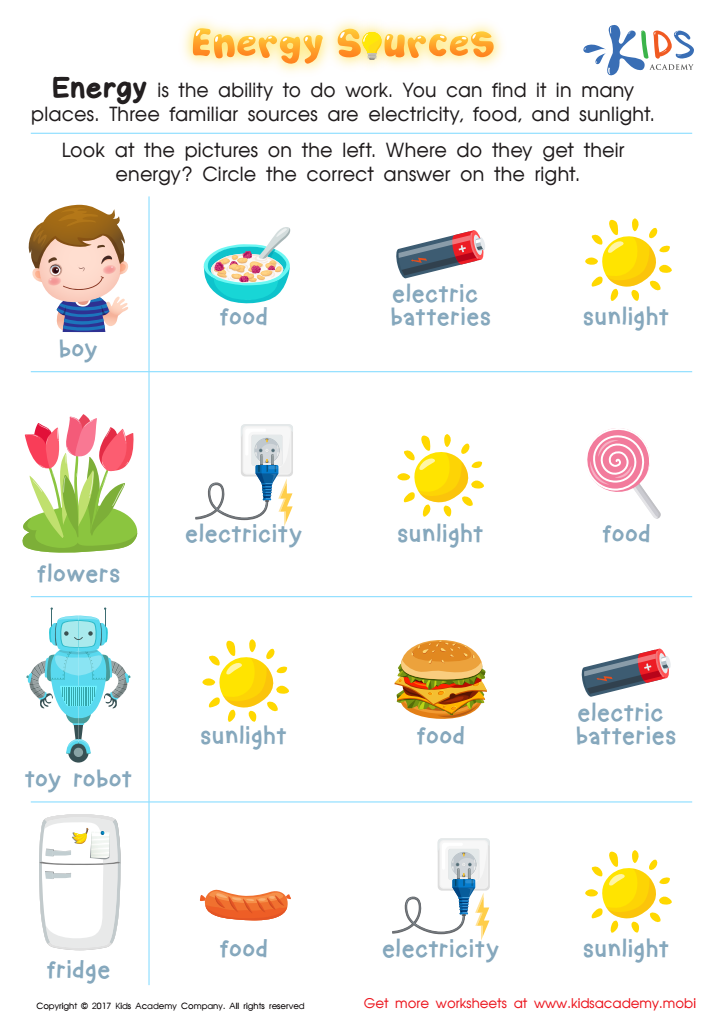
Energy sources worksheet PDF

Energy Sources Printable

Introduce energy sources with this worksheet PDF — explore the sun, batteries, and more! Get your mini scientist excited about energy and power up their learning.
Energy Sources Printable
Worksheet
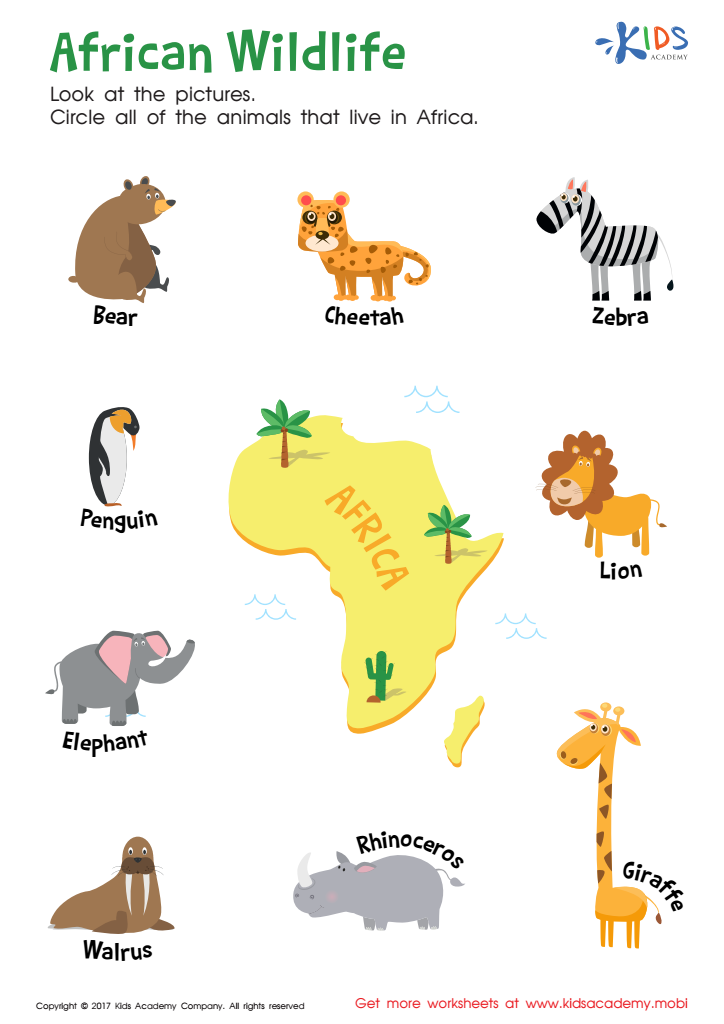
African Wildlife Printable Worksheet

African Wildlife Worksheet

African Wildlife Worksheet
Worksheet
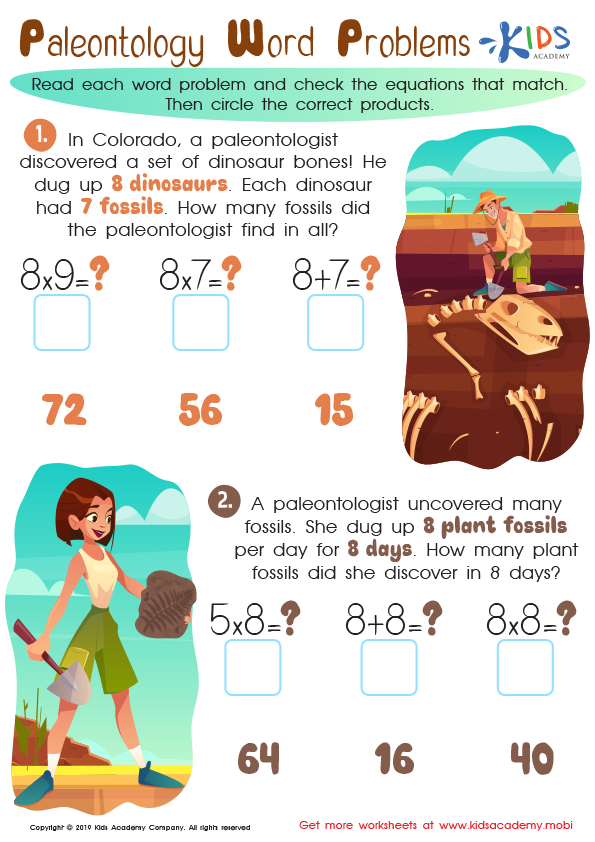
Archeology Word Problems Worksheet


Archeology Word Problems Worksheet

Encourage your child to explore their career options! Show them an archeologist's job with this worksheet - featuring a picture of a dinosaur bone discovery. Read the accompanying text, then solve the word problems. Help your kids circle the correct answers to better understand this profession.
Archeology Word Problems Worksheet

Worksheet


... 2 3

Reading comprehension in early science education forms a crucial foundation for young learners, especially between the ages of 6-7. At this stage, children's cognitive and language skills are rapidly developing. Fostering reading comprehension in science helps them make sense of the world by enhancing critical thinking, expanding vocabulary, and promoting curiosity.

When children understand what they read, they can engage more deeply with scientific concepts, fostering a long-lasting interest and a positive attitude towards science. This comprehension allows them to interpret information, sequence events, and understand cause and effect, which are essential skills in scientific inquiry.

Moreover, integrating reading comprehension with science boosts overall academic performance. Children who are proficient in reading scientific texts tend to perform better across subjects, as they can better understand instructions, explanations, and content in other areas of learning.

For parents, supporting reading comprehension in science nurtures a shared learning experience, encouraging discussions and explorations at home. For teachers, it ensures that children are equipped with the skills needed for future educational challenges. Therefore, both parents and teachers should prioritize reading comprehension in early science education to build a strong academic foundation and inspire a lifelong love of learning.