Reading comprehension Normal Science Worksheets for Ages 6-7 - Page 2
57 filtered results
-
From - To
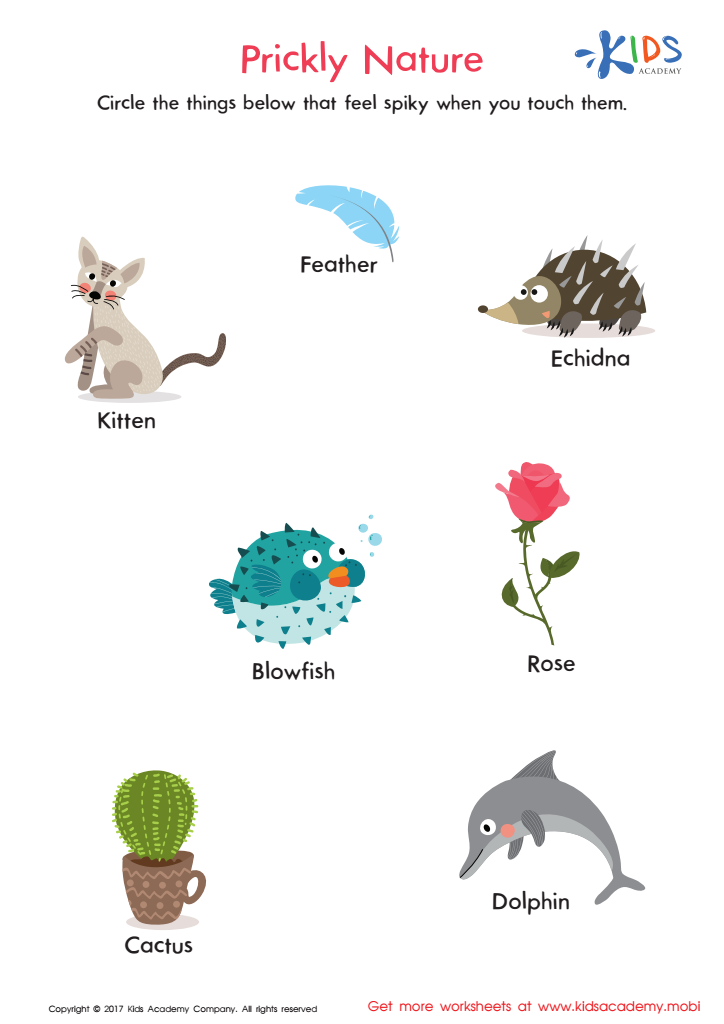
Prickly Nature Worksheet
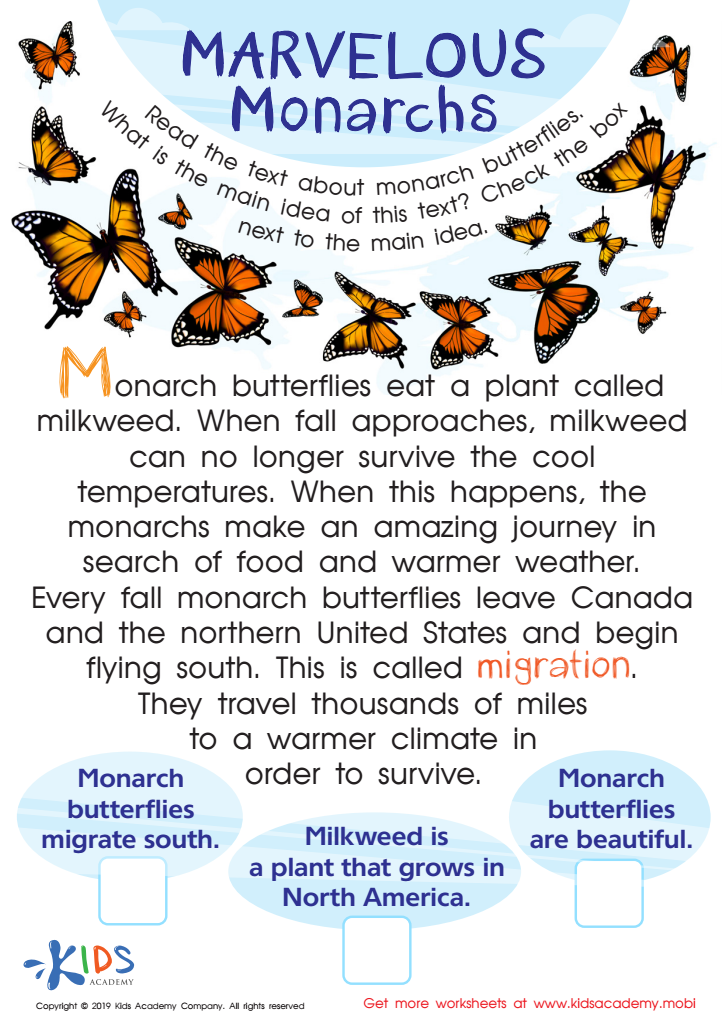
Marvelous Monarchs Worksheet
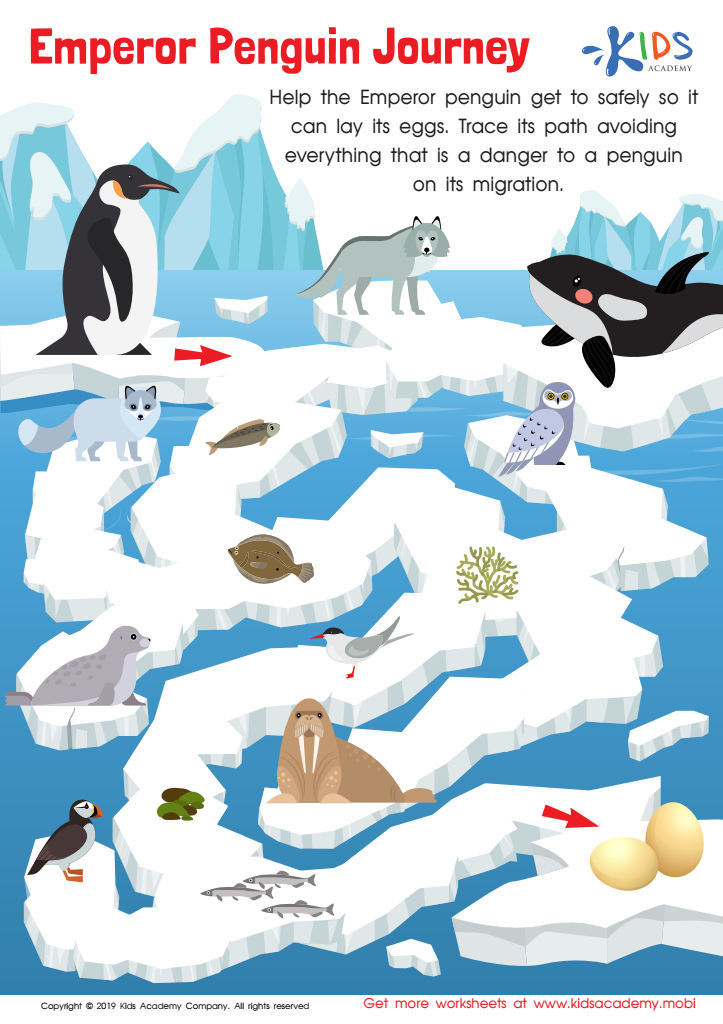
Emperor Penguin Journey Worksheet
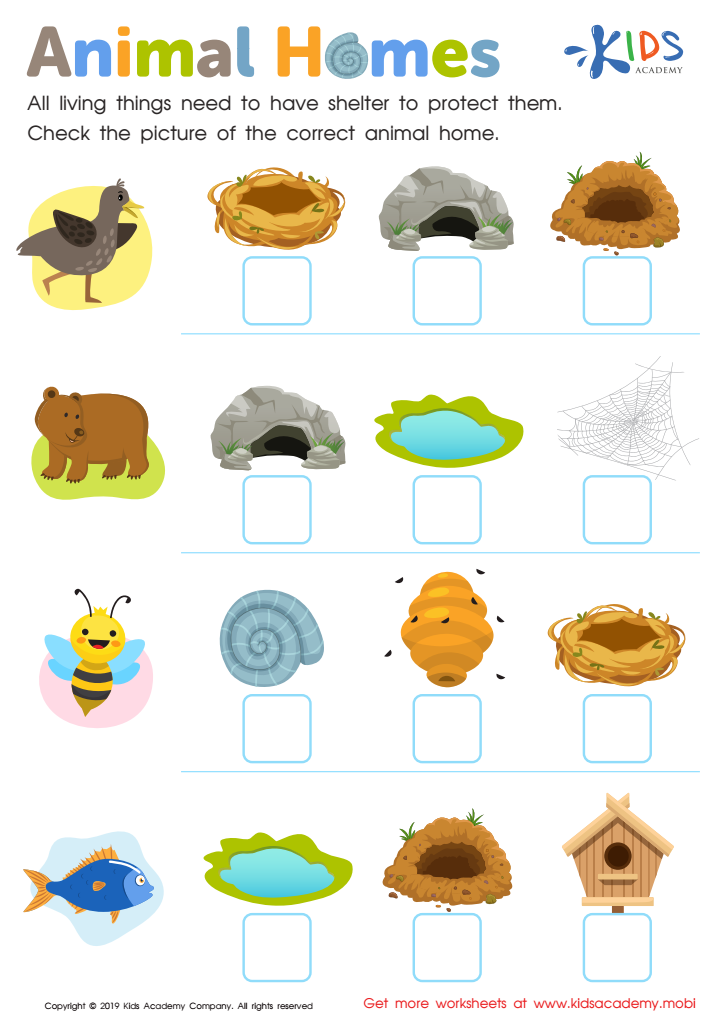
Animal Homes Worksheet
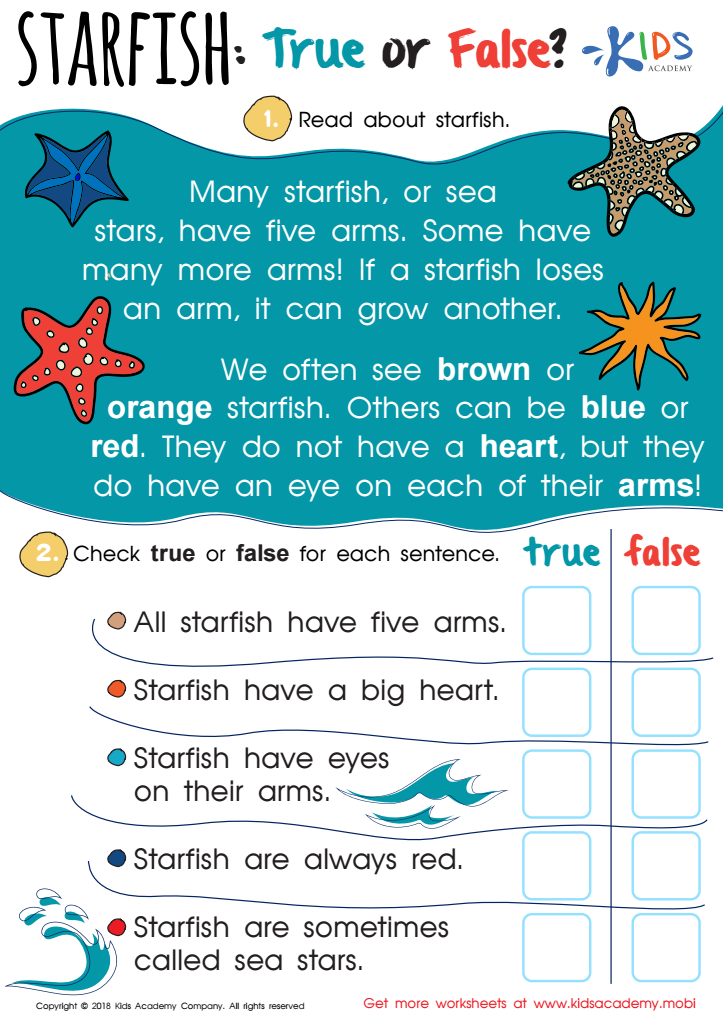
Starfish: True or False Worksheet
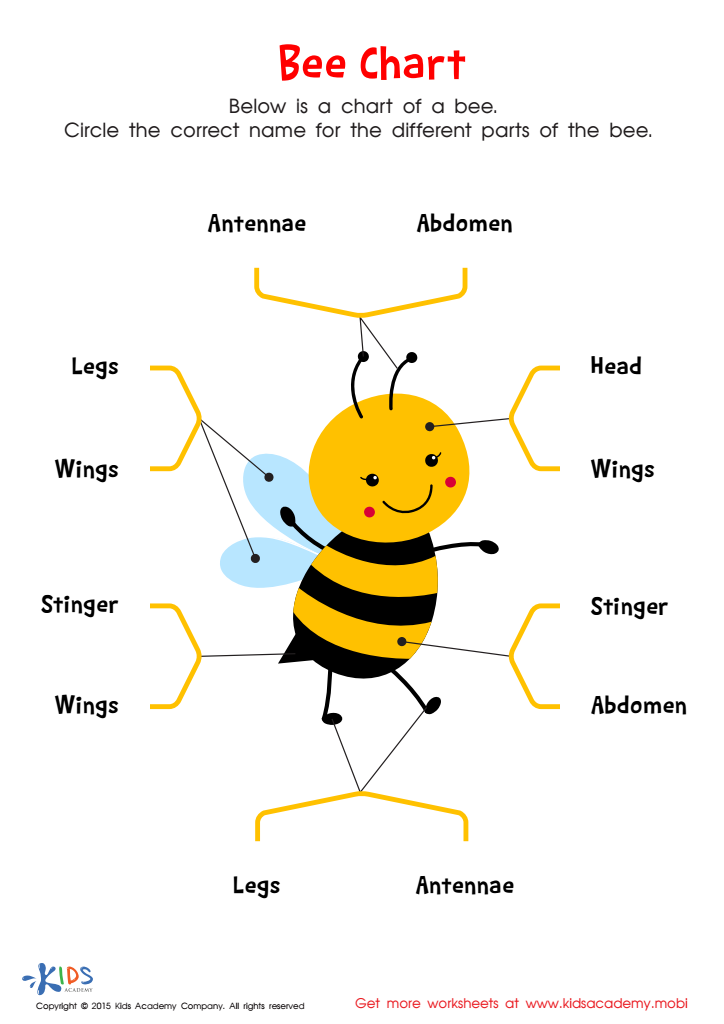
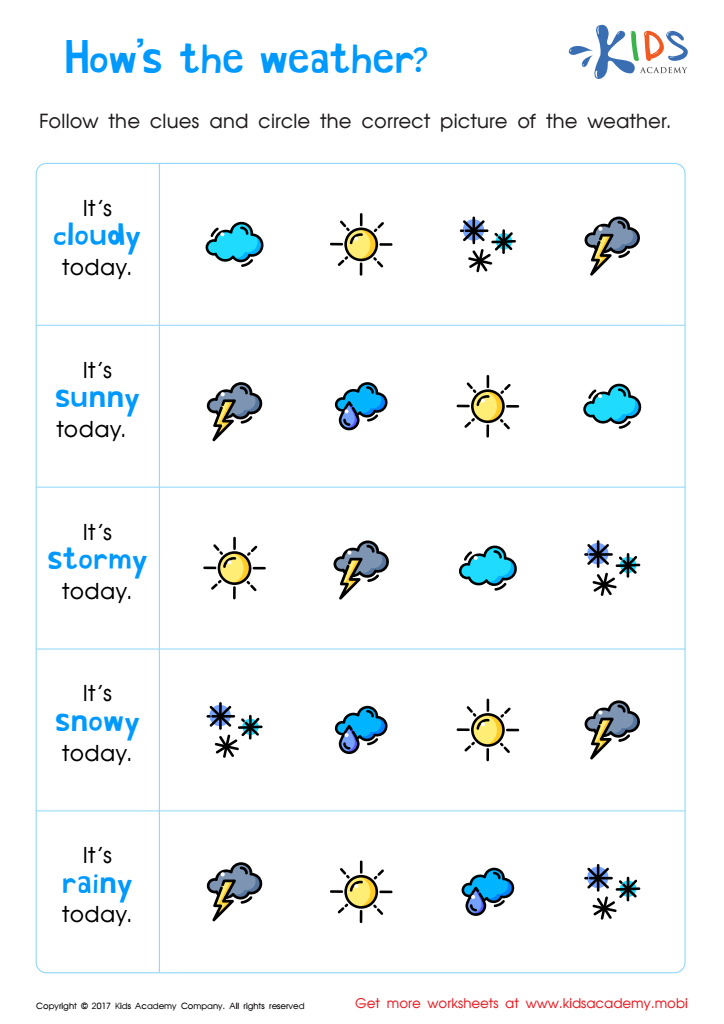
Hows the Weather Worksheet
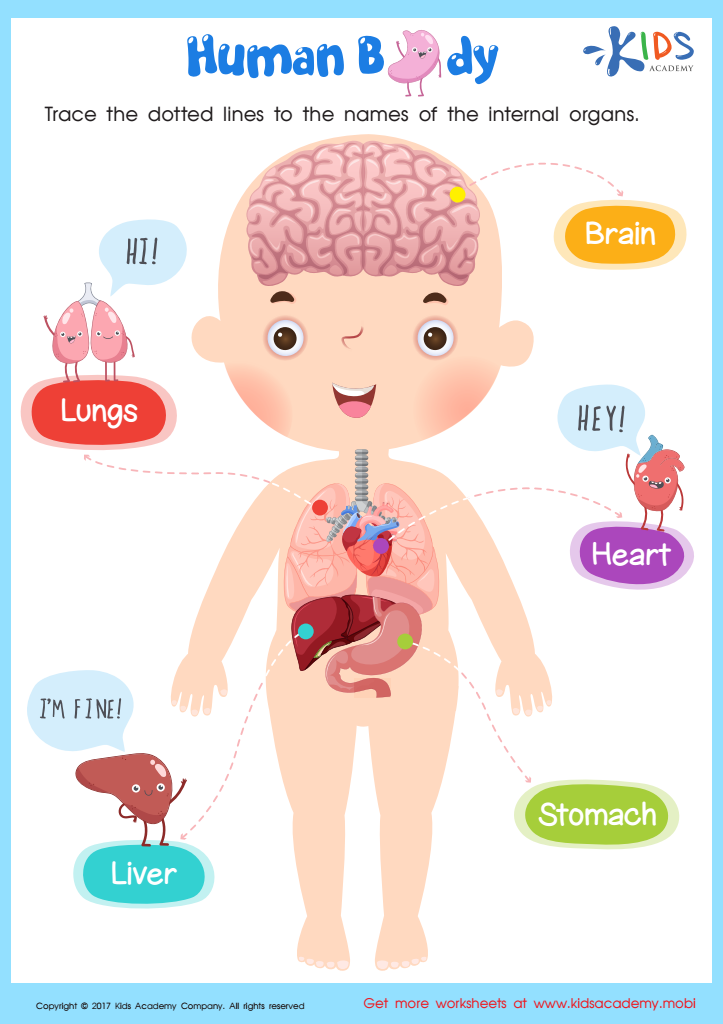
Human Body Worksheet
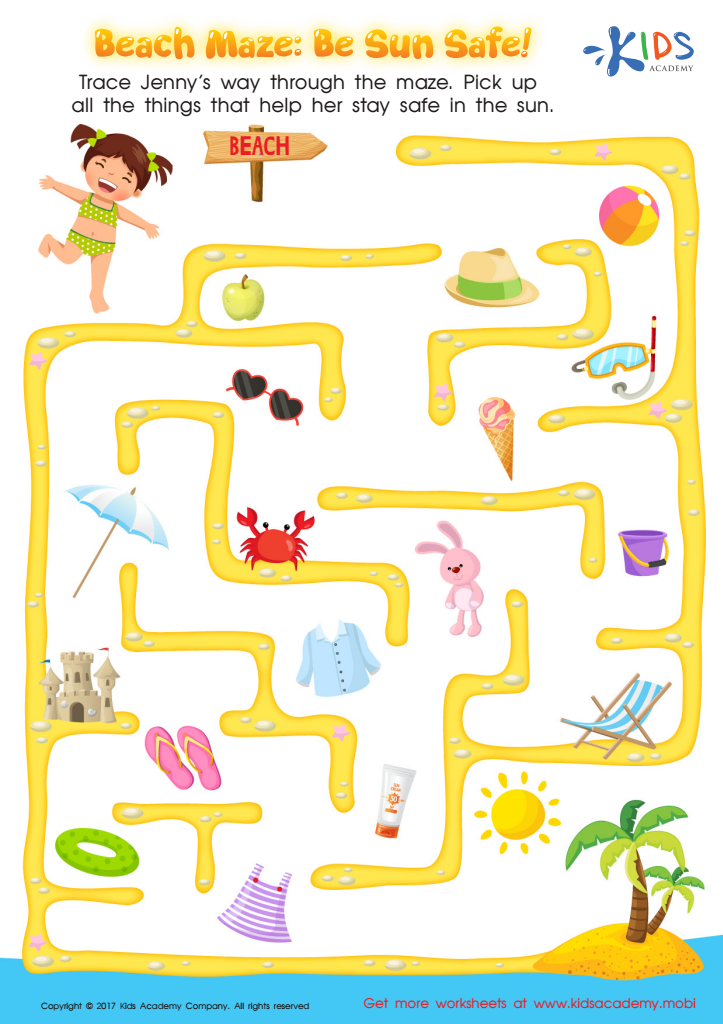
Beach Maze: Sun Safe Worksheet
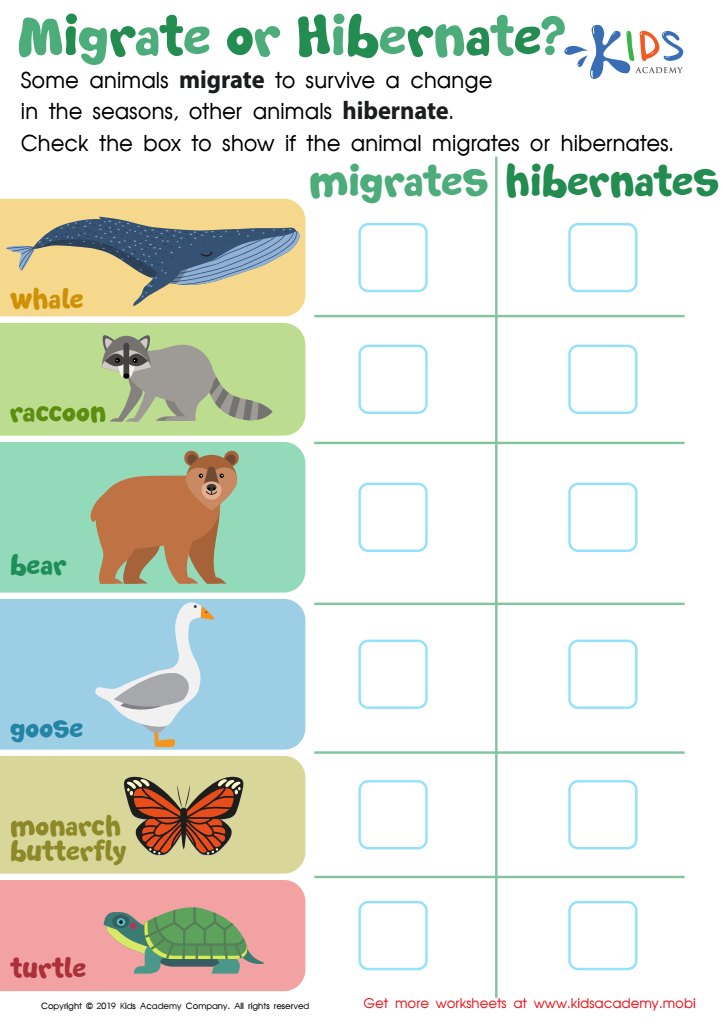
Migrate or Hibernate? Worksheet
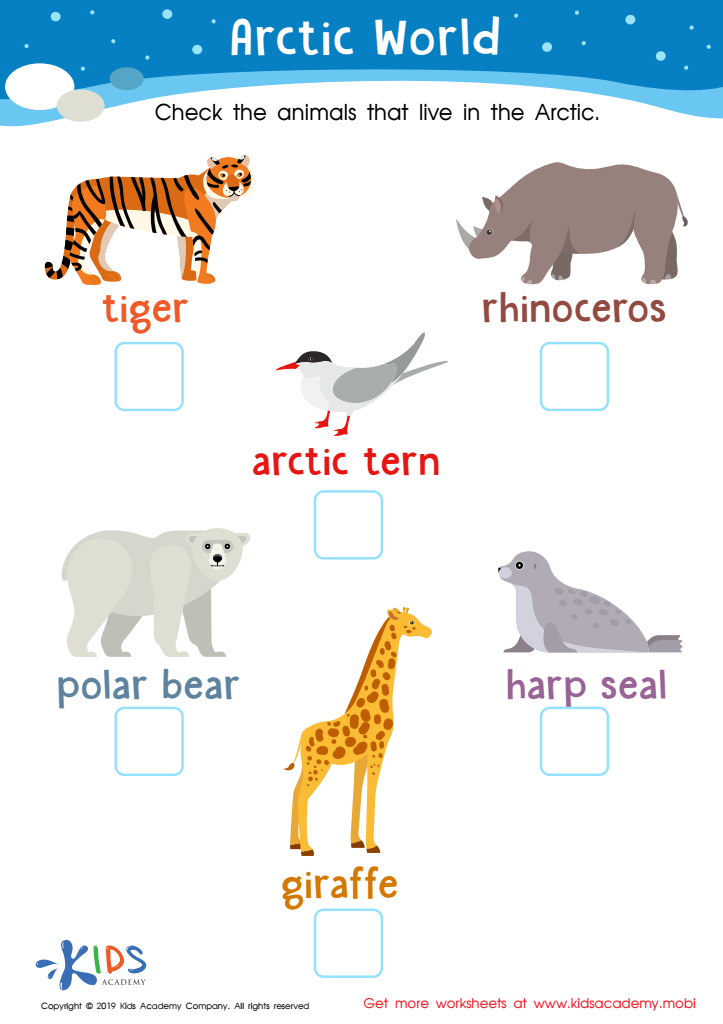
Arctic World Worksheet
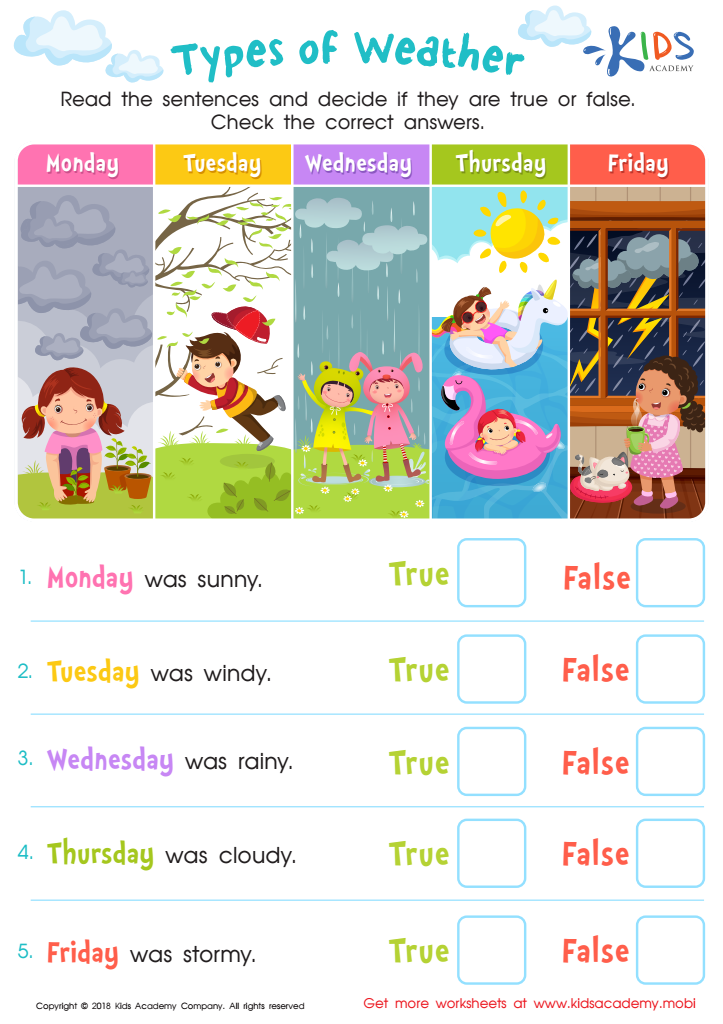
Types of Weather Worksheet
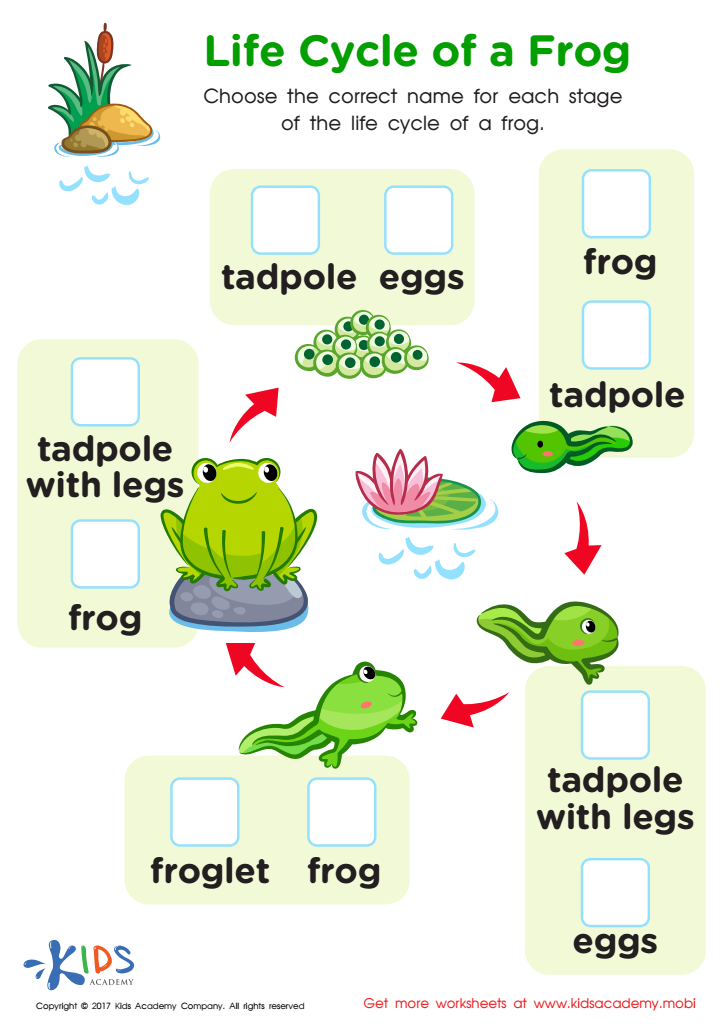
Life Cycle Frog Printable
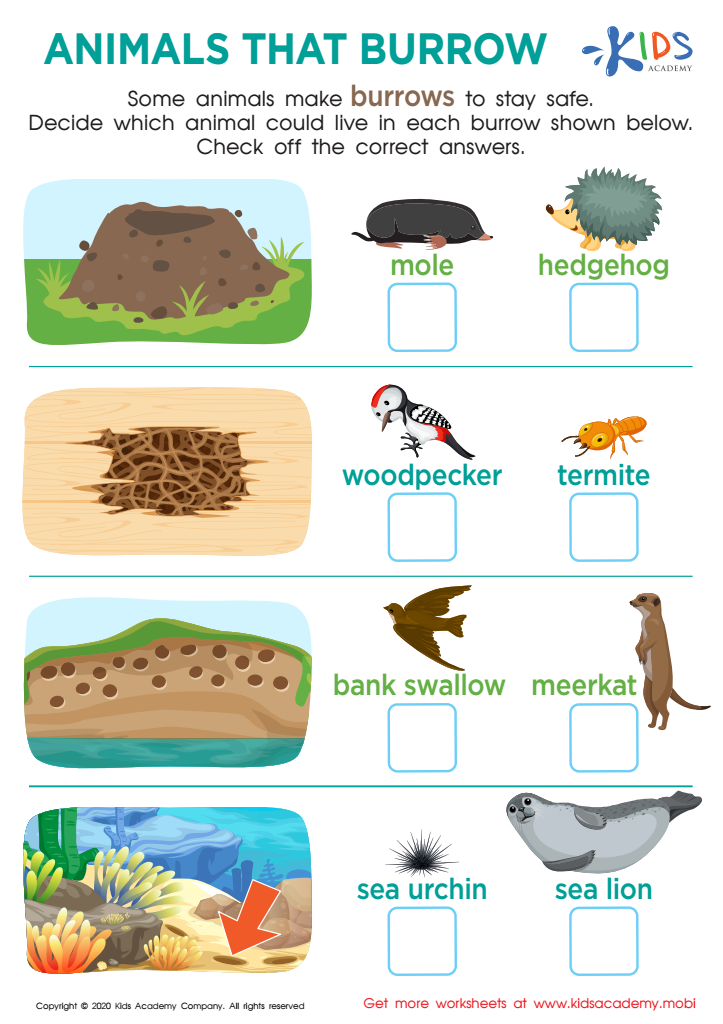
Animals That Burrow Worksheet
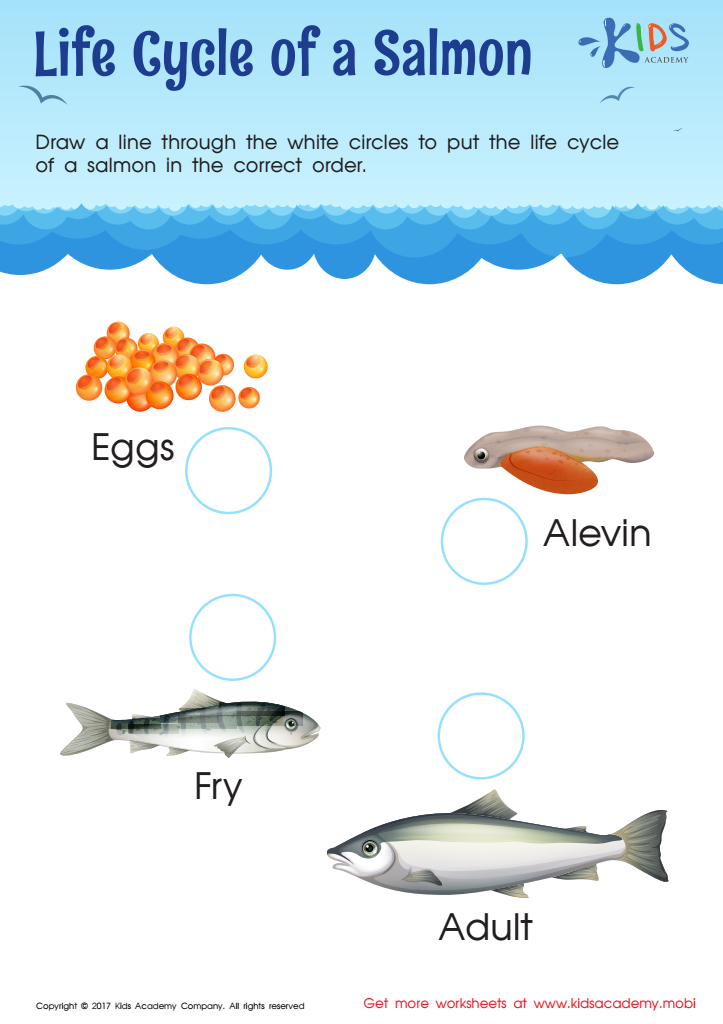
Cycle Of Salmon Worksheet
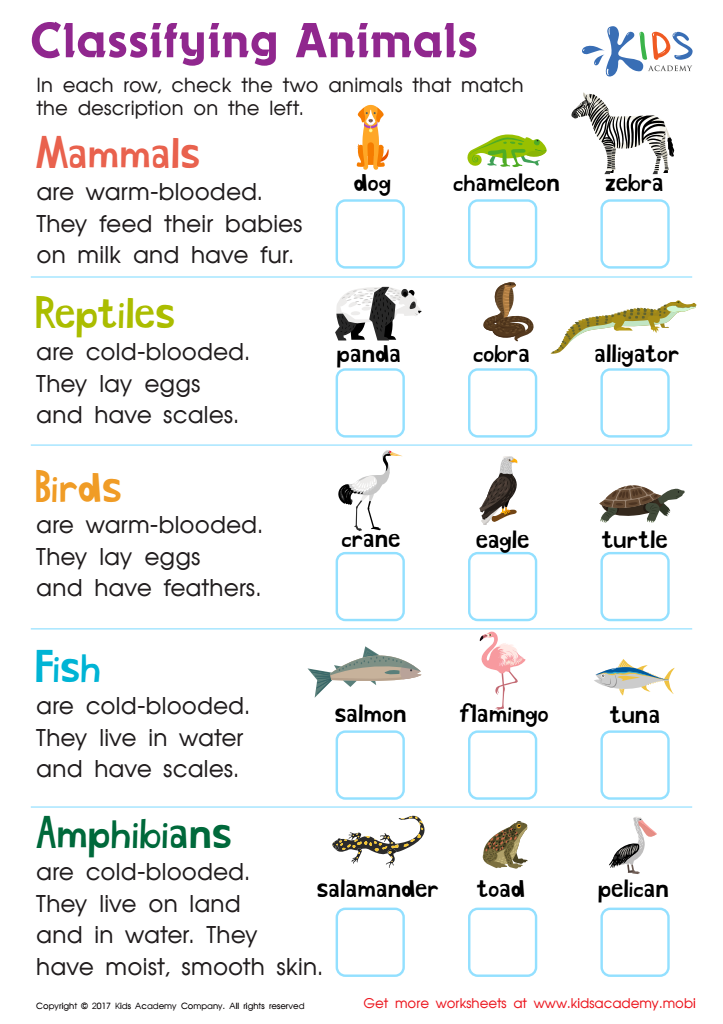
Classifying Animals Worksheet
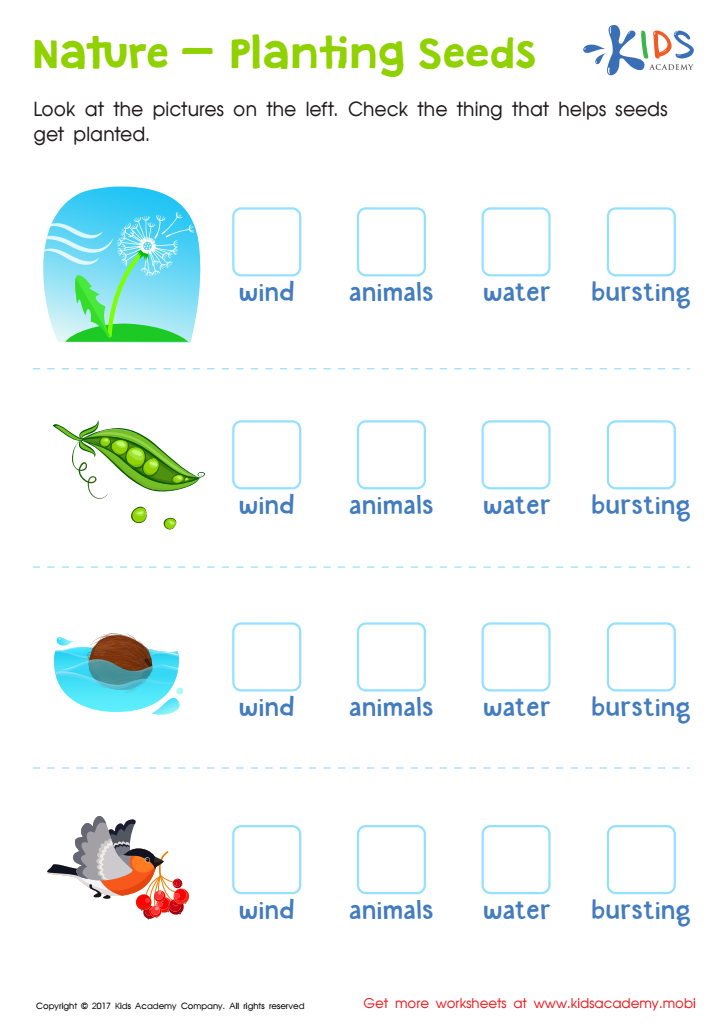
Nature Planting Seeds Worksheet
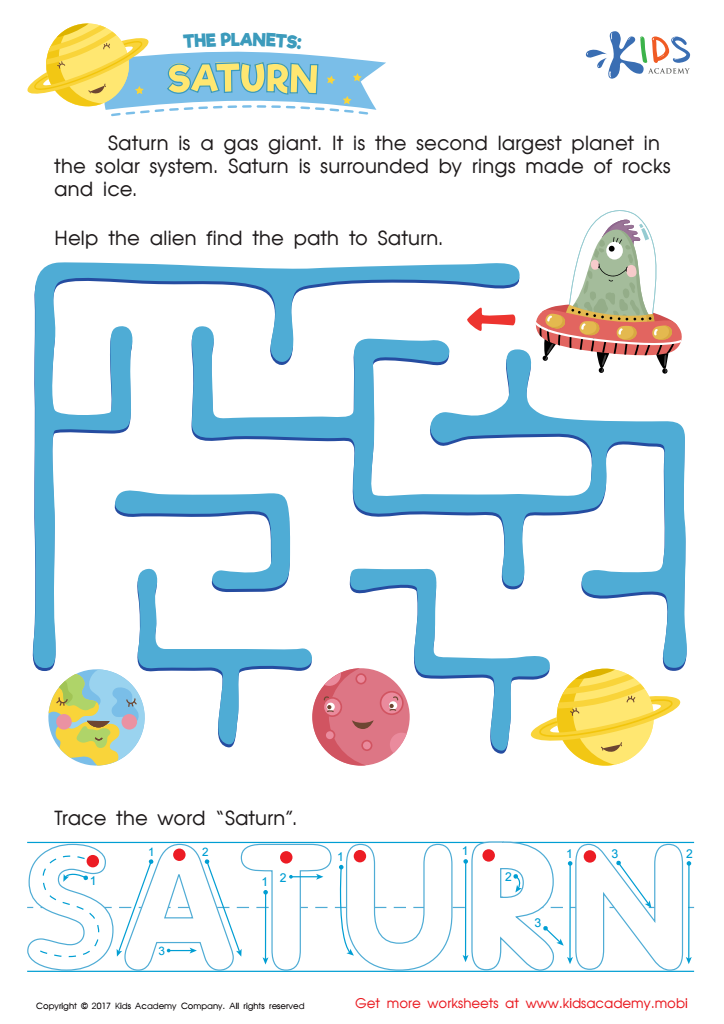
The Planets: Saturn Printable
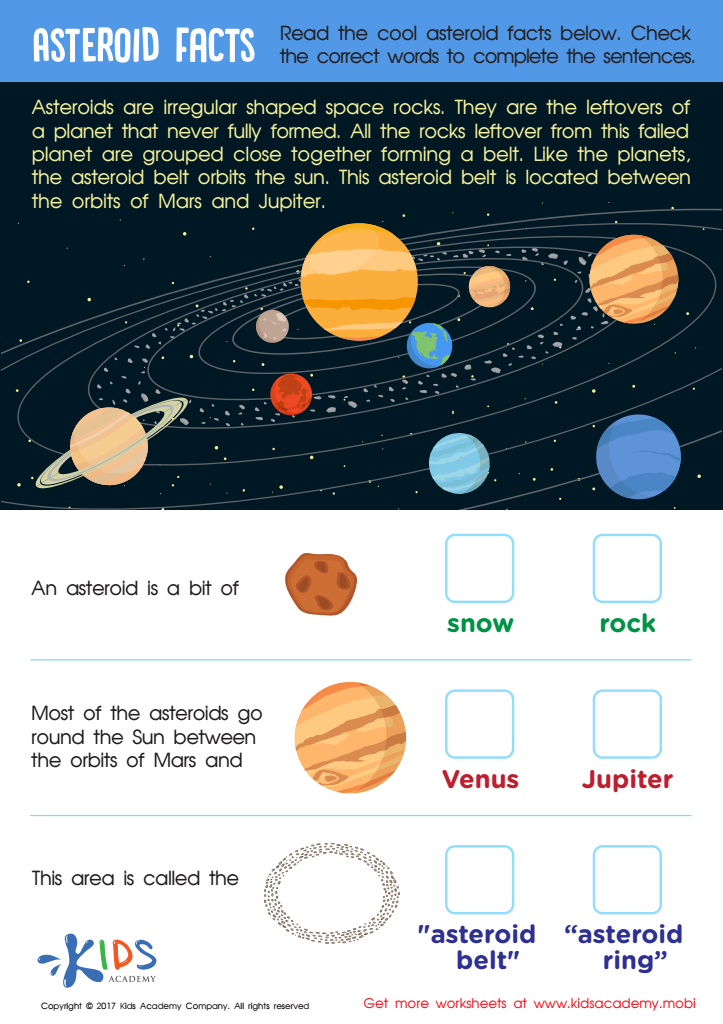
Asteroid Facts Worksheet
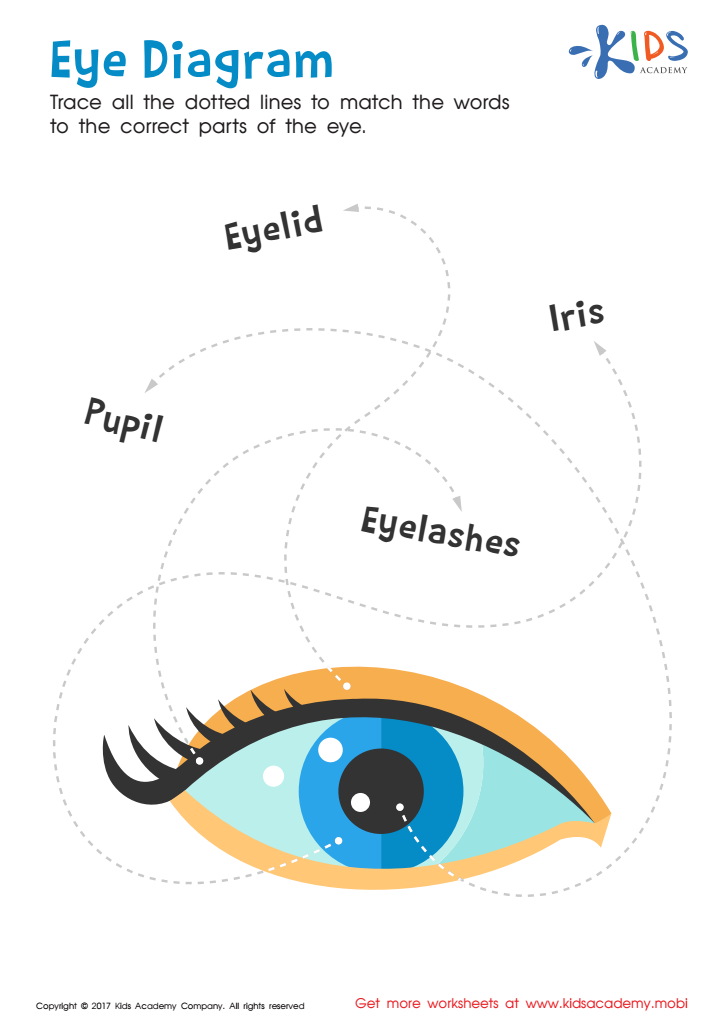
Eye Diagram Printable
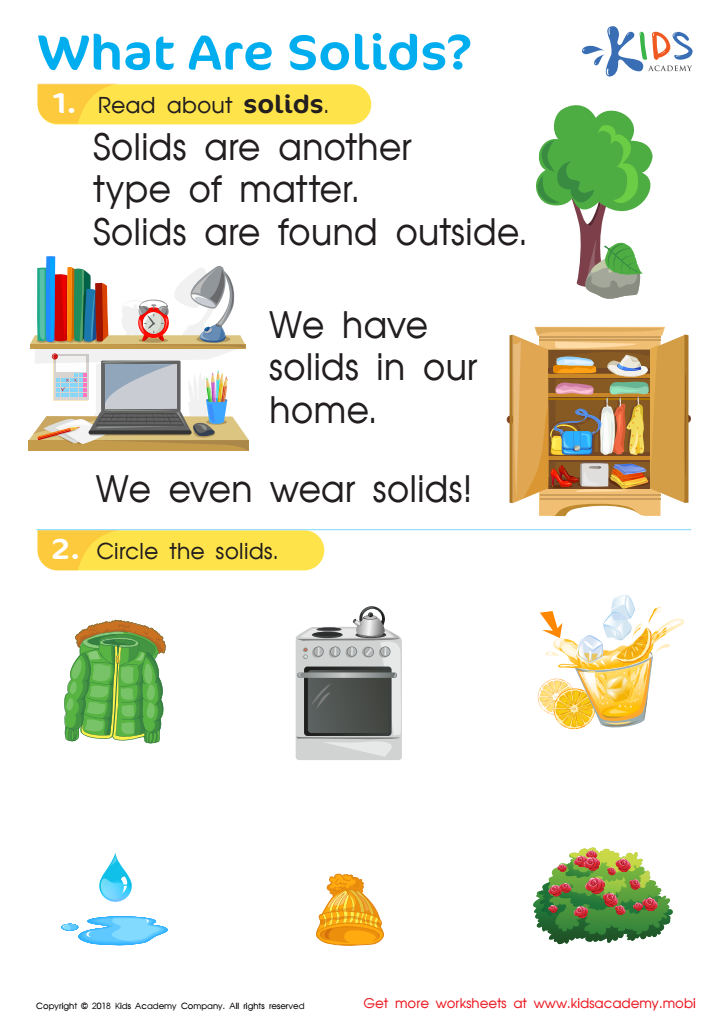
What Are Solids? Worksheet
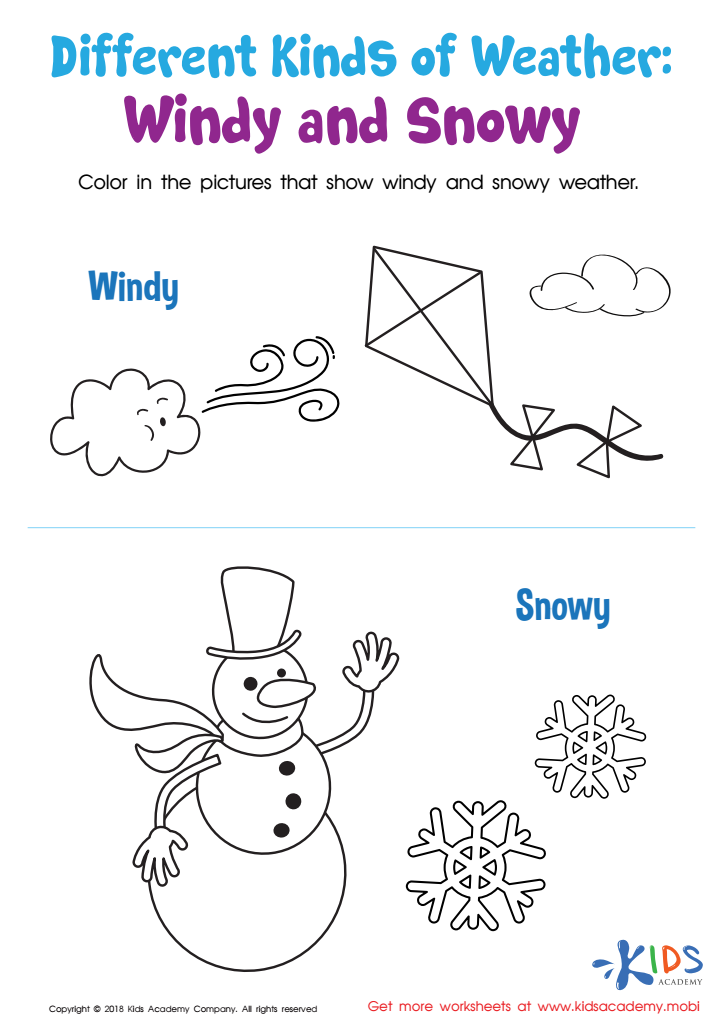
Different Kinds of Weather: Windy and Snowy Worksheet
 Assign to My Students
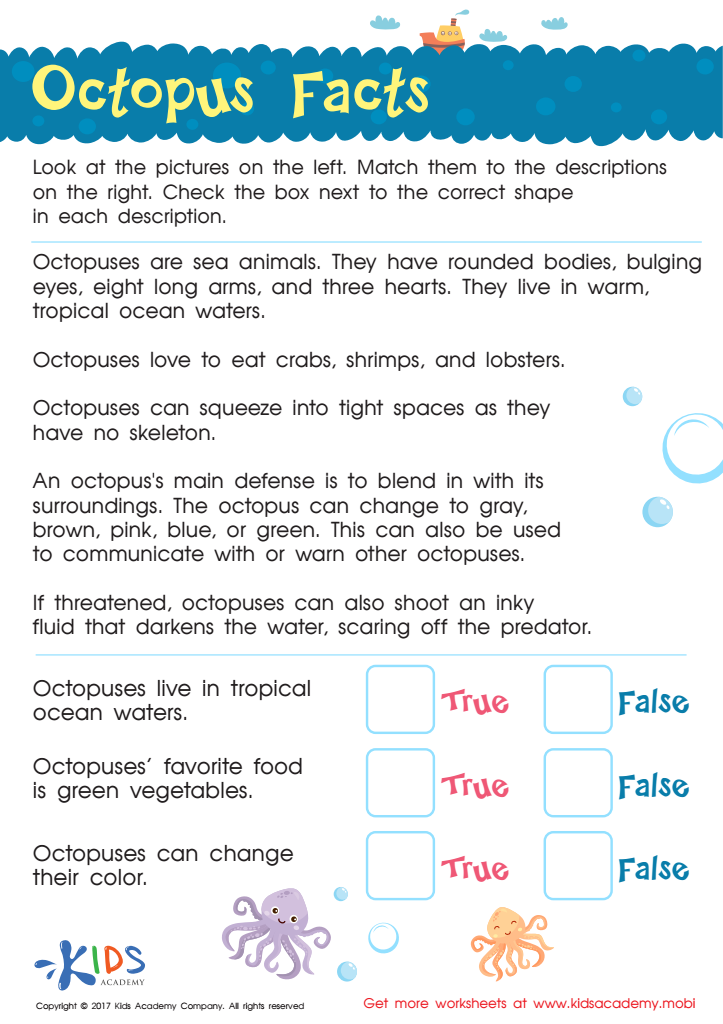
Octopus Facts Worksheet For Kids
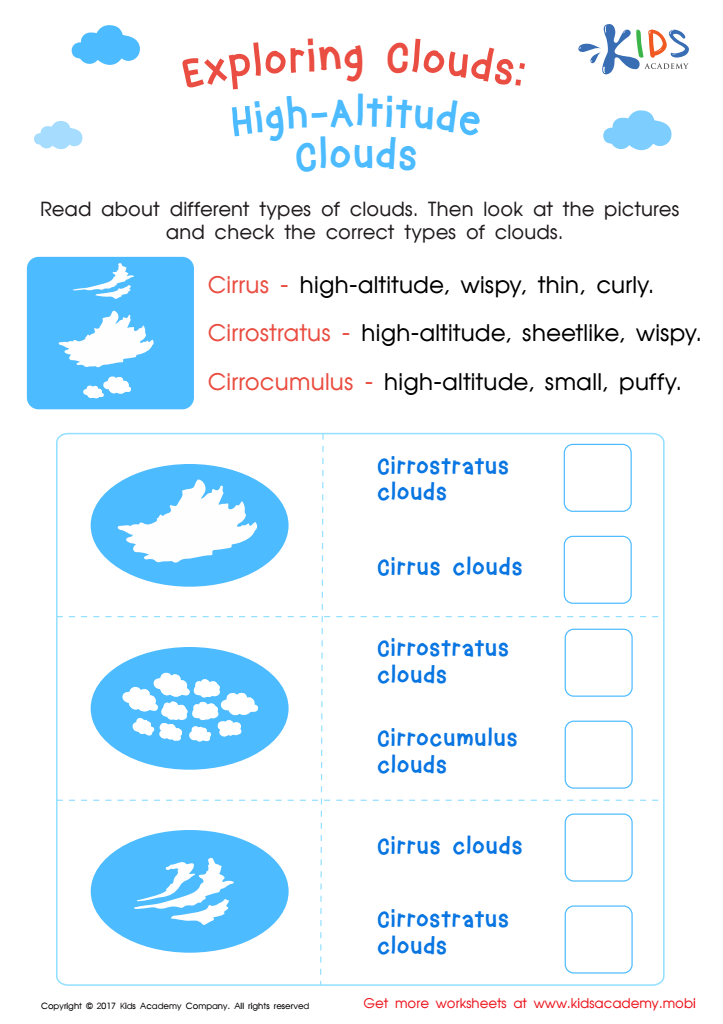
Exploring Clouds: High Altitude Clouds Worksheet





Reading comprehension in early science education forms a crucial foundation for young learners, especially between the ages of 6-7. At this stage, children's cognitive and language skills are rapidly developing. Fostering reading comprehension in science helps them make sense of the world by enhancing critical thinking, expanding vocabulary, and promoting curiosity.
When children understand what they read, they can engage more deeply with scientific concepts, fostering a long-lasting interest and a positive attitude towards science. This comprehension allows them to interpret information, sequence events, and understand cause and effect, which are essential skills in scientific inquiry.
Moreover, integrating reading comprehension with science boosts overall academic performance. Children who are proficient in reading scientific texts tend to perform better across subjects, as they can better understand instructions, explanations, and content in other areas of learning.
For parents, supporting reading comprehension in science nurtures a shared learning experience, encouraging discussions and explorations at home. For teachers, it ensures that children are equipped with the skills needed for future educational challenges. Therefore, both parents and teachers should prioritize reading comprehension in early science education to build a strong academic foundation and inspire a lifelong love of learning.







