Understanding ecosystems Normal Plants and Animals Worksheets for Ages 6-7
4 filtered results
-
From - To
Explore the fascinating world of ecosystems with our "Understanding Ecosystems: Normal Plants and Animals" worksheets, crafted for ages 6-7. These engaging resources help young learners discover the intricate relationships between plants and animals within their natural habitats. Each worksheet is designed to sharpen critical thinking, observation, and comprehension skills through interactive activities and vibrant illustrations. From identifying plant parts to understanding animal roles in ecosystems, these worksheets foster a love for nature and a foundational grasp of environmental science. Perfect for both classrooms and at-home learning, ignite curiosity and ecological understanding with these thoughtfully created materials.
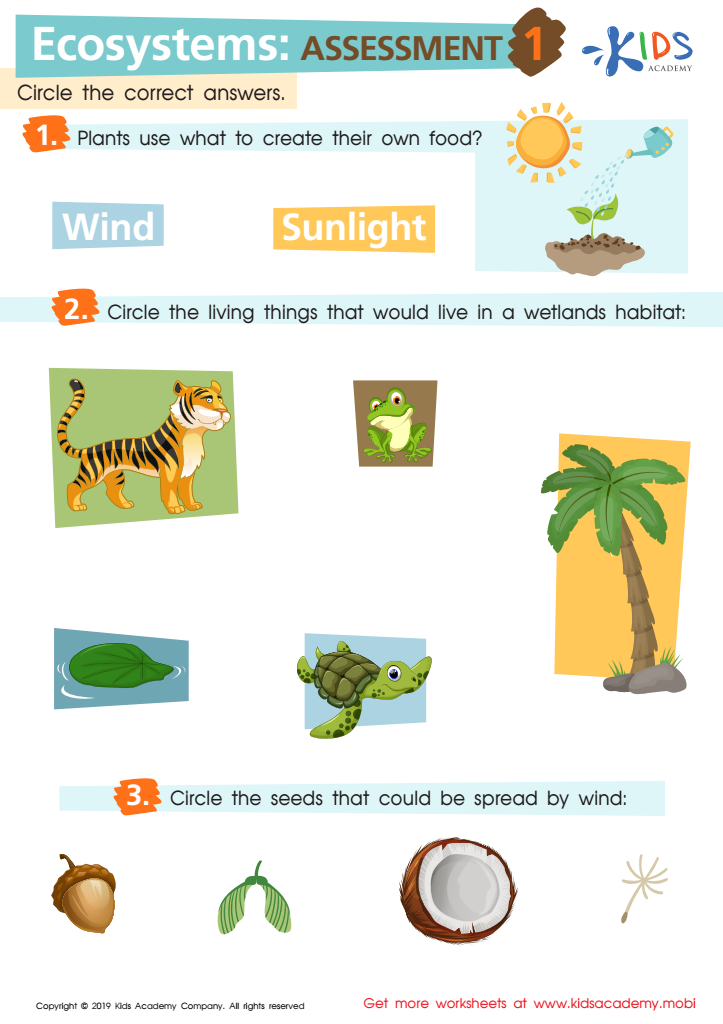
Ecosystems: Assessment 1 Worksheet
 Assign to My Students

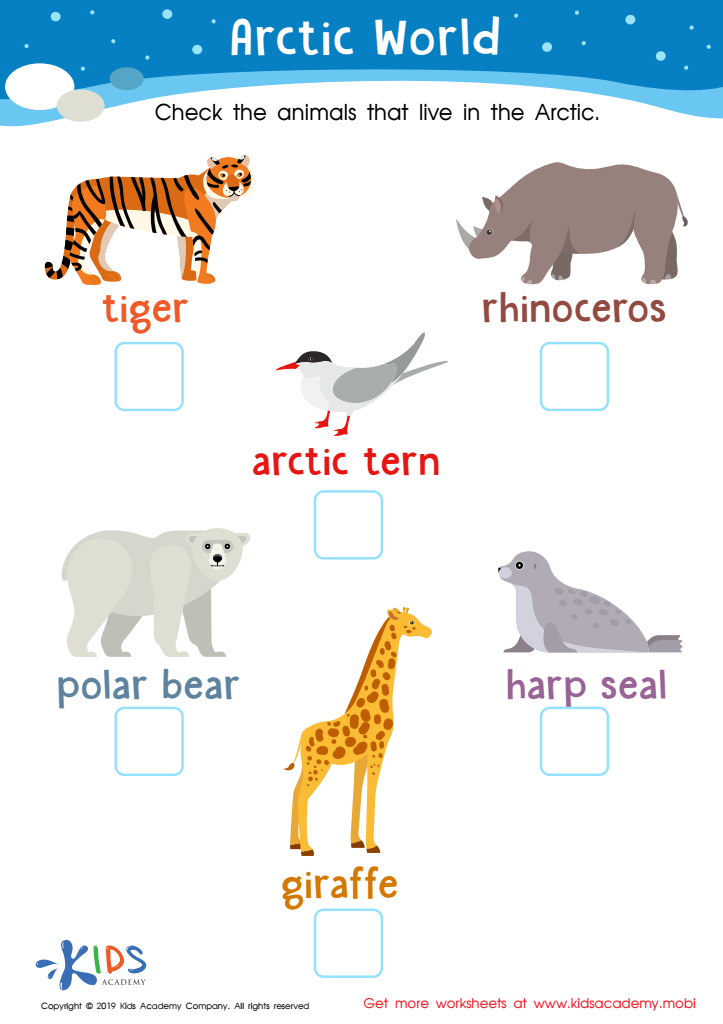
Arctic World Worksheet
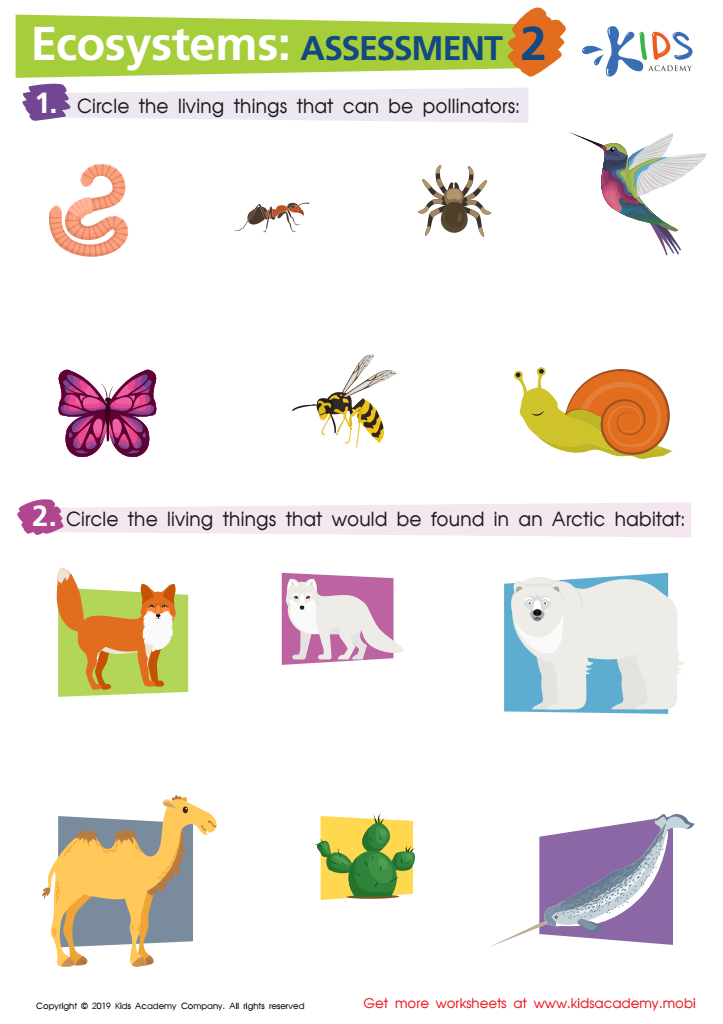
Ecosystems: Assessment 2 Worksheet
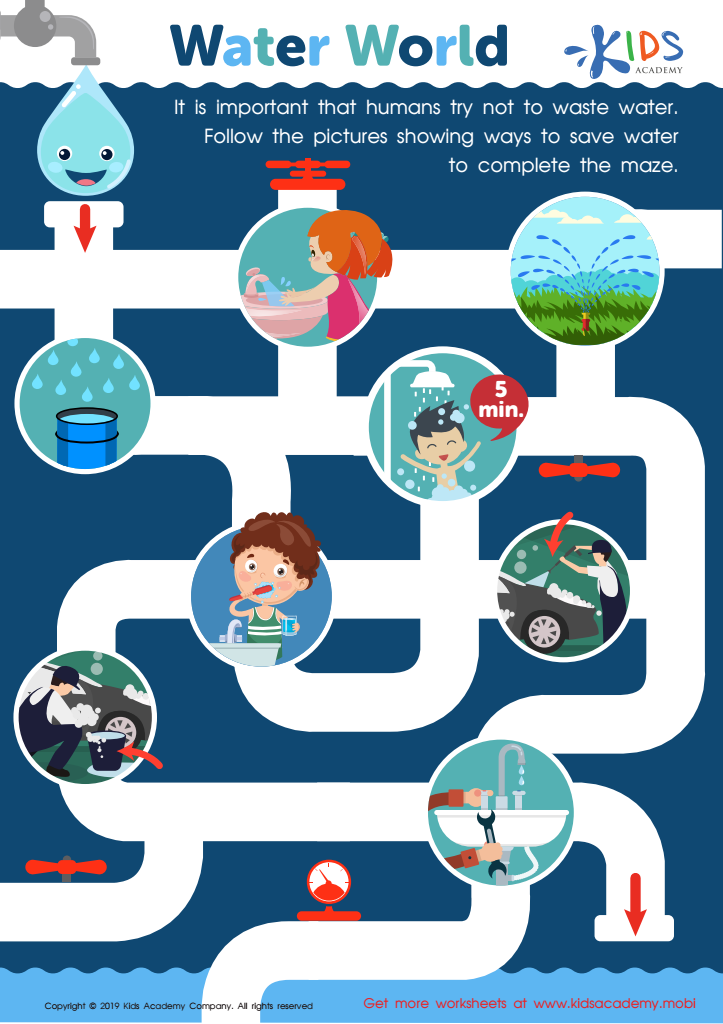
Water World Worksheet







Understanding ecosystems, normal plants, and animals is crucial for children ages 6-7 for several important reasons. At this early age, kids are incredibly curious about the world around them and are at a prime stage for learning about nature. Teaching them about ecosystems helps them understand the interconnectedness of life. When children learn how plants, animals, and other elements of an ecosystem depend on each other, they develop a sense of responsibility and respect for the environment.
Moreover, early exposure to ecological concepts can spark a lifelong interest in science and nature. It helps young learners develop critical thinking skills as they ask questions and seek answers about their surroundings. Knowledge about local plants and animals fosters a sense of place and belonging, encouraging kids to explore and appreciate their local environment.
Equally important, understanding ecosystems from an early age sets the foundation for responsible environmental stewardship. As these children grow, they will be more likely to make environmentally conscious decisions and advocate for conservation efforts. By nurturing this awareness, parents and teachers can empower the next generation to care for the planet, ensuring a healthier and more sustainable future for all. This early education paves the way for informed and compassionate adults who value the natural world.







