Critical Thinking Normal Social Studies Worksheets for Ages 6-7
12 filtered results
-
From - To
Unlock the potential of young minds with our "Critical Thinking Normal Social Studies Worksheets for Ages 6-7." Designed to challenge and engage, these worksheets foster essential critical thinking skills through interactive social studies lessons. Each sheet incorporates thought-provoking questions and scenarios, promoting analytical thinking and problem-solving. Perfect for classroom use or at-home learning, they complement standard curricula, ensuring kids grasp foundational social studies concepts while honing their intellectual abilities. Encourage curiosity, enhance cognitive development, and inspire a lifelong love for learning with our expertly crafted worksheets. Ideal for teachers and parents aiming to boost critical thinking in young learners.
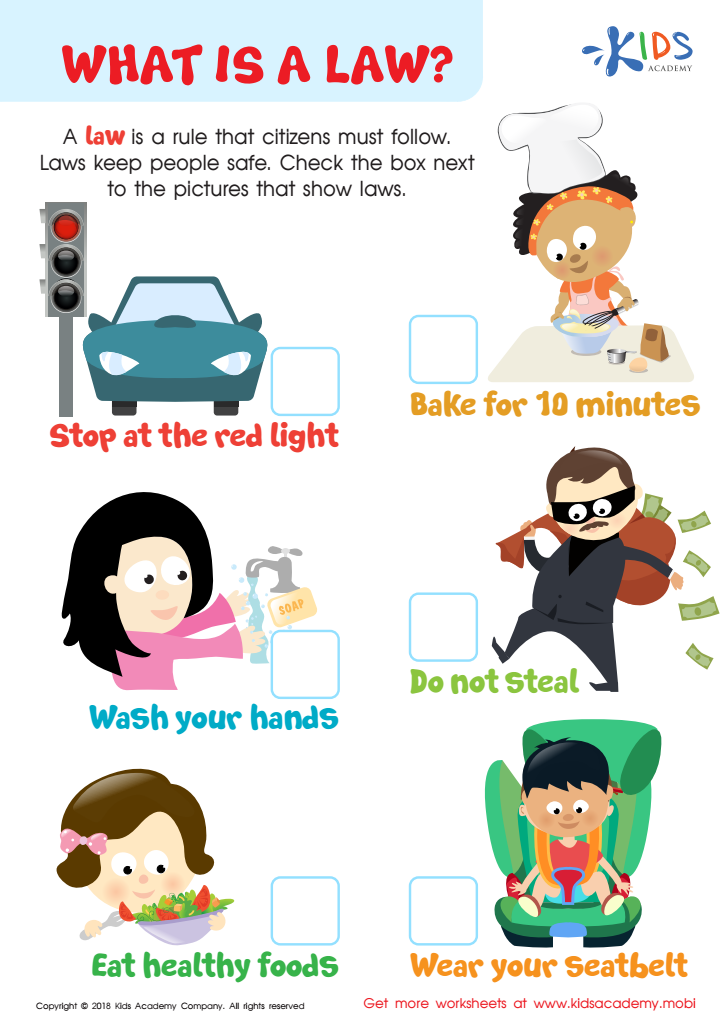
What is a Law? Worksheet
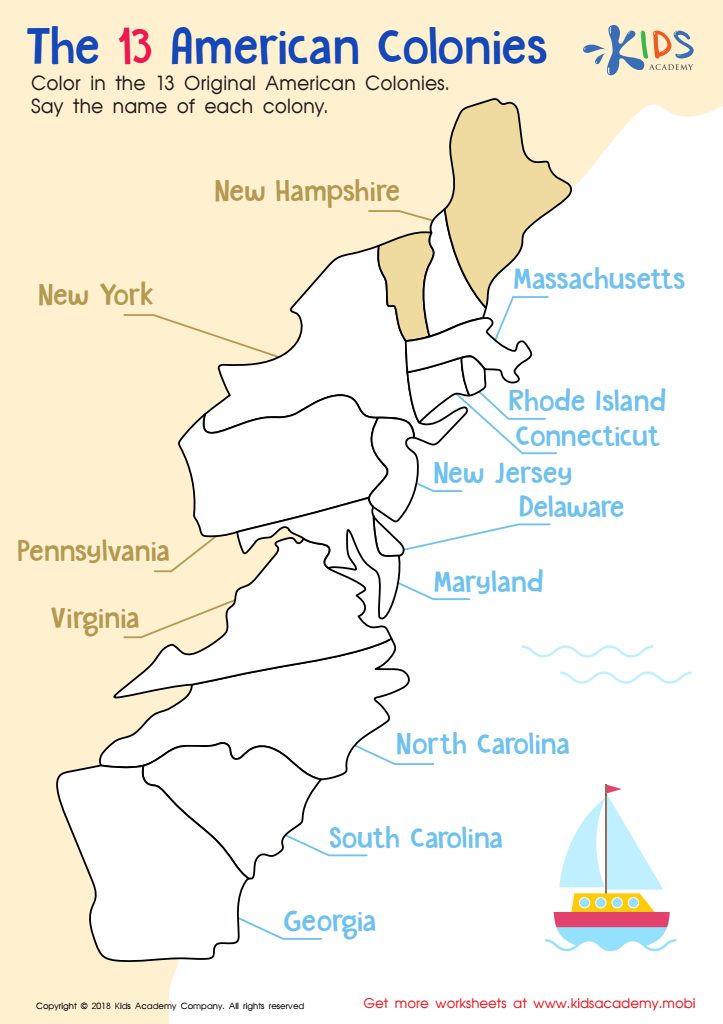
The 13 American Colonies Worksheet
 Assign to My Students
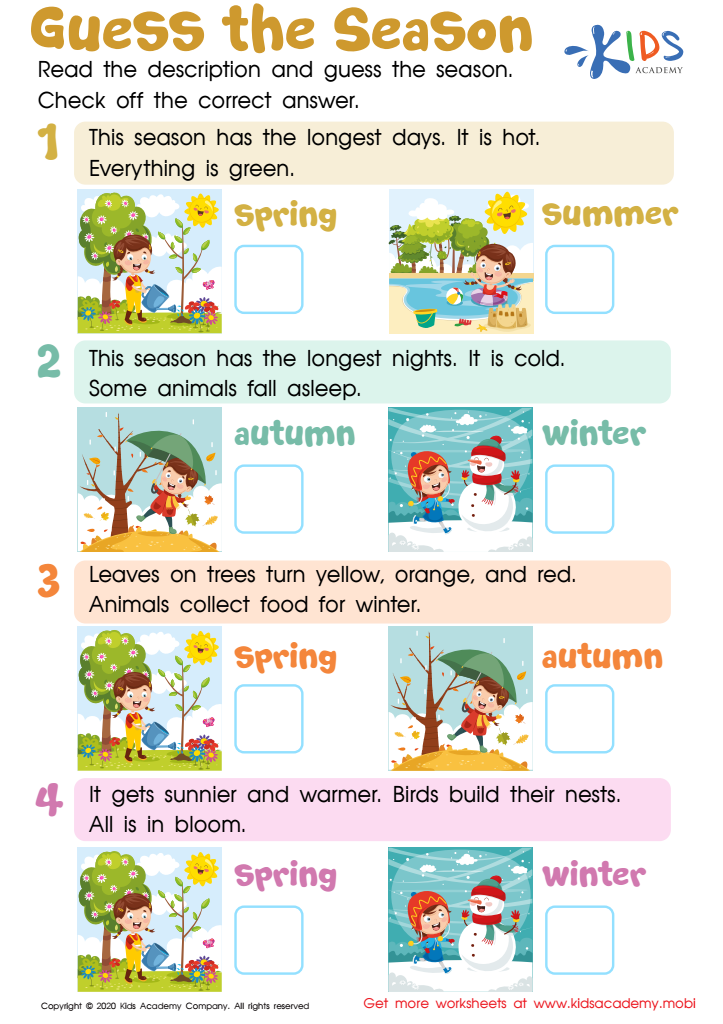
Guess the Season Worksheet
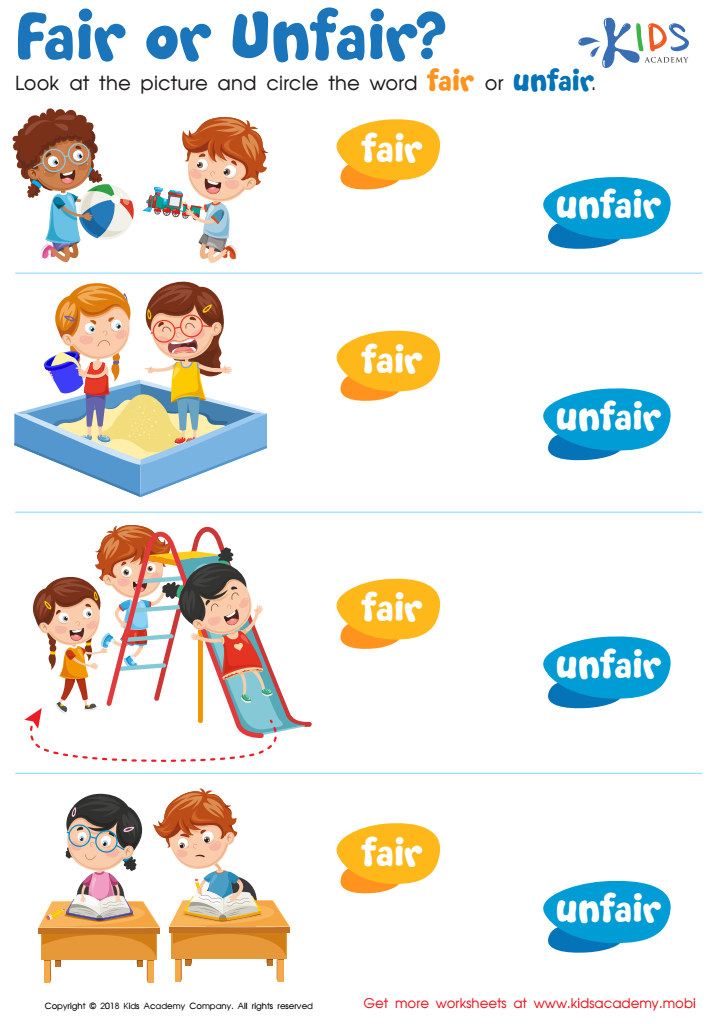
Fair or Unfair Worksheet
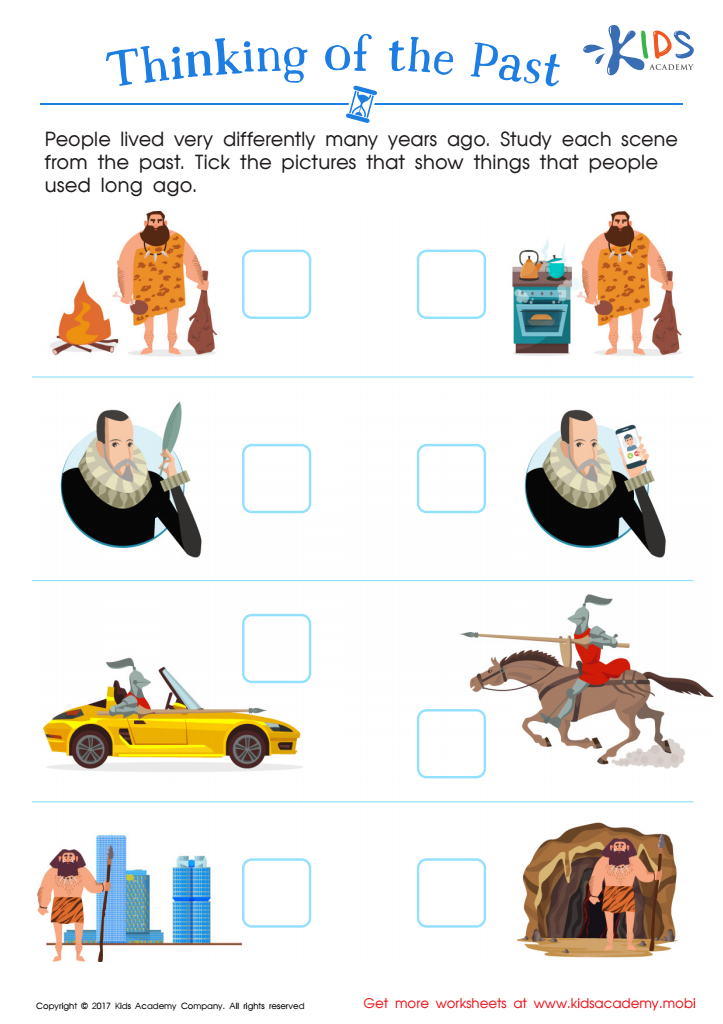
Thinking Past Printable

Thanksgiving Holiday Printable

What Do Teachers Need Worksheet

Traditional Music Worksheet
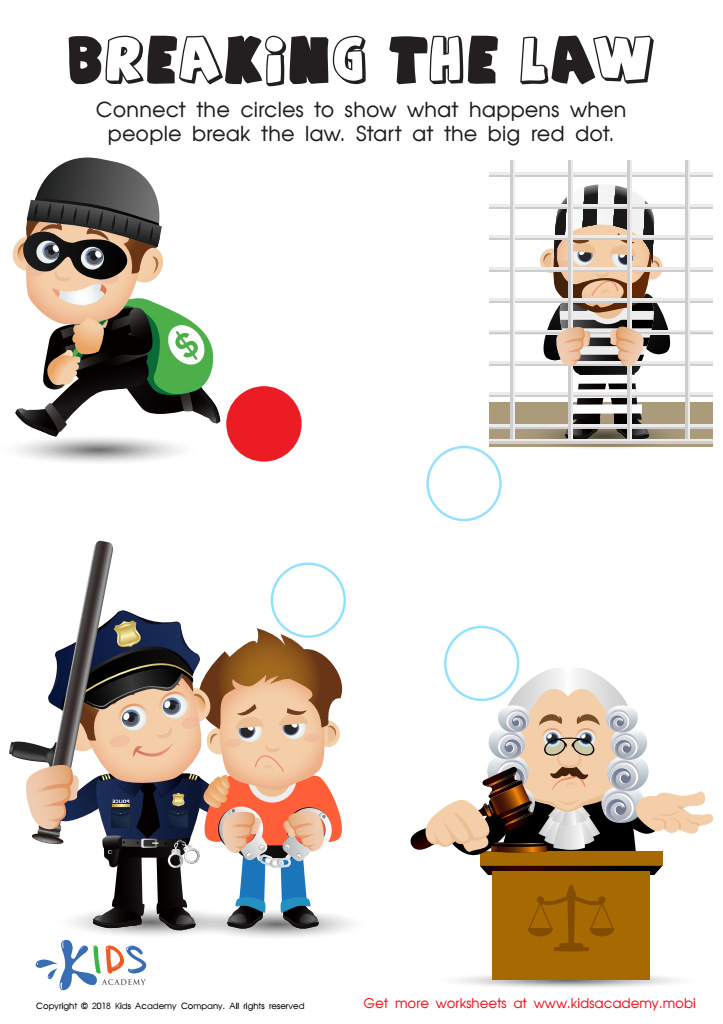
Breaking the Law Worksheet
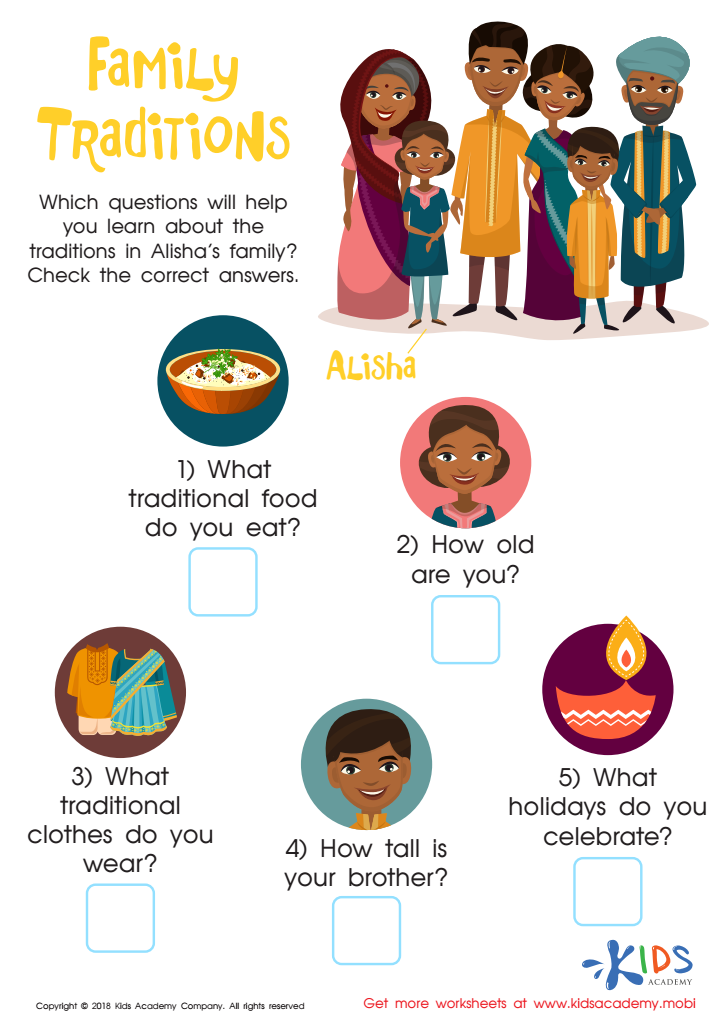
Family Traditions Worksheet

Assessment: First Thanksgiving Worksheet
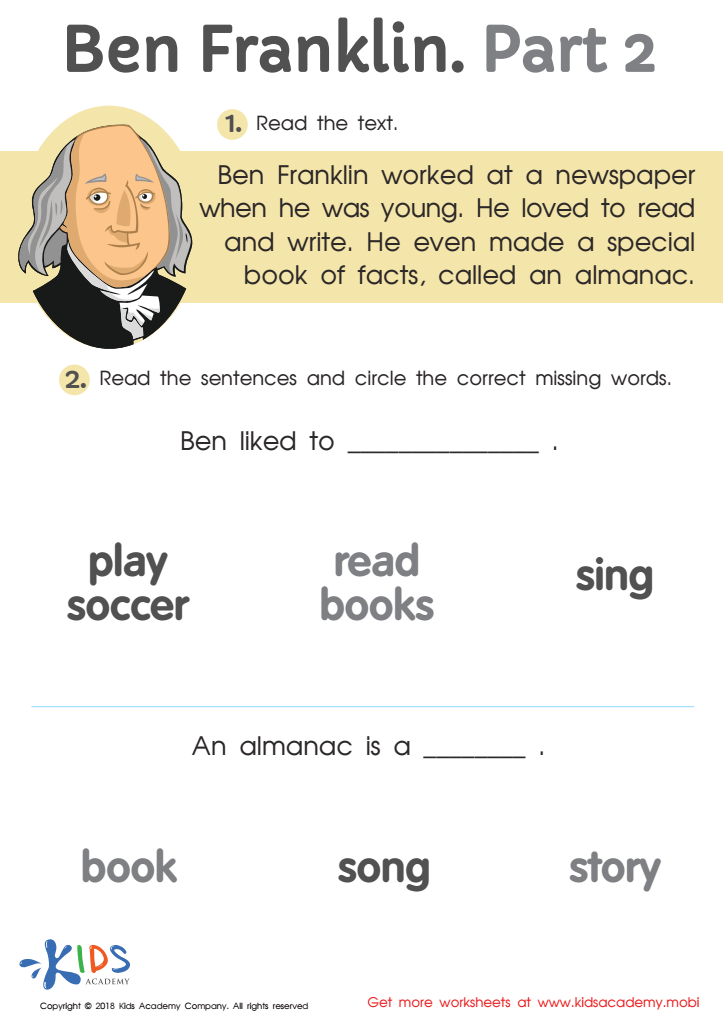
Ben Franklin Part 2 Worksheet







Critical thinking in social studies is crucial for children ages 6-7 because it lays the groundwork for important life skills. At this developmental stage, students are naturally curious and begin to grasp basic concepts about community and the world around them. Introducing critical thinking at this age helps them learn to analyze information, question assumptions, and make informed decisions.
Teaching critical thinking skills helps children become active, rather than passive, learners. Instead of just memorizing facts about history or geography, they start to understand the "why" and "how" behind different events and ideas. This deepens their learning and makes the lessons more relevant to their lives. For example, when learning about how communities function, children can discuss real-life problems and brainstorm solutions, thereby enhancing their problem-solving skills.
Incorporating critical thinking into social studies also develops empathy and perspective-taking. By exploring different cultures, traditions, and viewpoints, children learn to appreciate diversity and the value of multiple perspectives. This is essential for building respectful and informed future citizens who can engage thoughtfully with the world around them.
Overall, nurturing critical thinking within social studies equips young learners with essential cognitive tools, promotes active engagement, fosters empathy, and lays a solid foundation for lifelong learning and responsible citizenship.