Handwriting practice Normal Tracing Letters Worksheets for Ages 6-8
15 filtered results
-
From - To
Discover our "Handwriting Practice Normal Tracing Letters Worksheets" designed specifically for kids aged 6-8. These engaging, printable worksheets help young learners develop essential handwriting skills through fun tracing exercises. Each worksheet features clear, easy-to-follow letter forms that guide children as they practice both uppercase and lowercase letters. By honing their fine motor skills and reinforcing letter recognition, these worksheets provide a solid foundation for writing proficiency. Perfect for classroom use or at-home learning, our resources foster a love for writing while making practice enjoyable. Watch your child’s confidence grow as they master their handwriting with our educational tools!
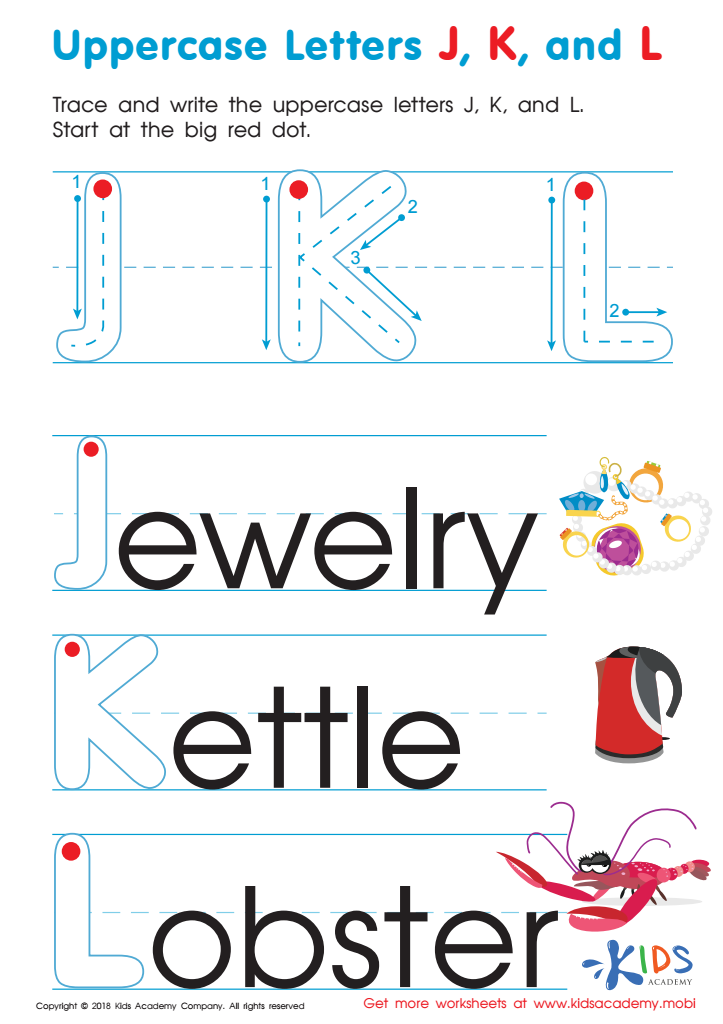
Uppercase Letters J, K, and L Worksheet
 Assign to My Students
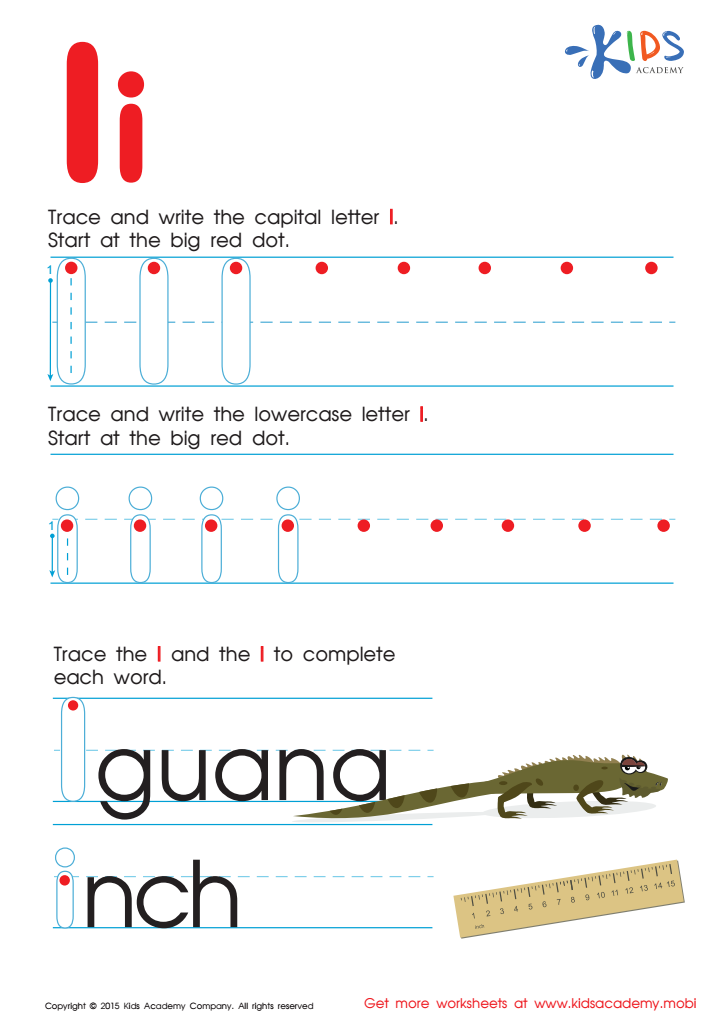
Letter I Tracing Page
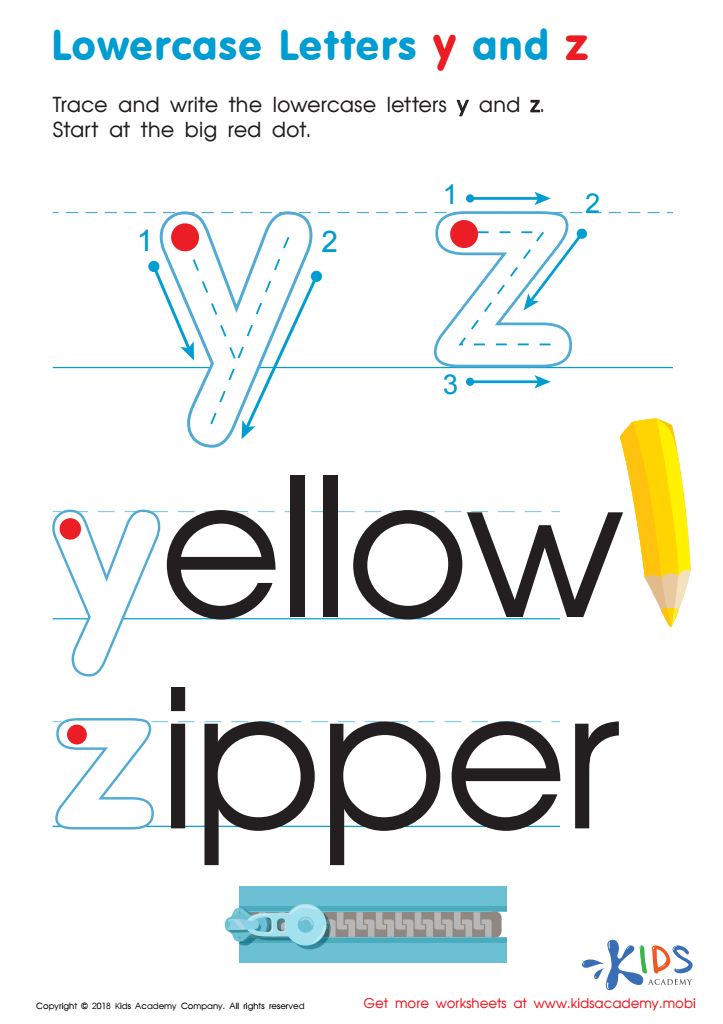
Lowercase Letters y z Worksheet

Letter C Tracing Page
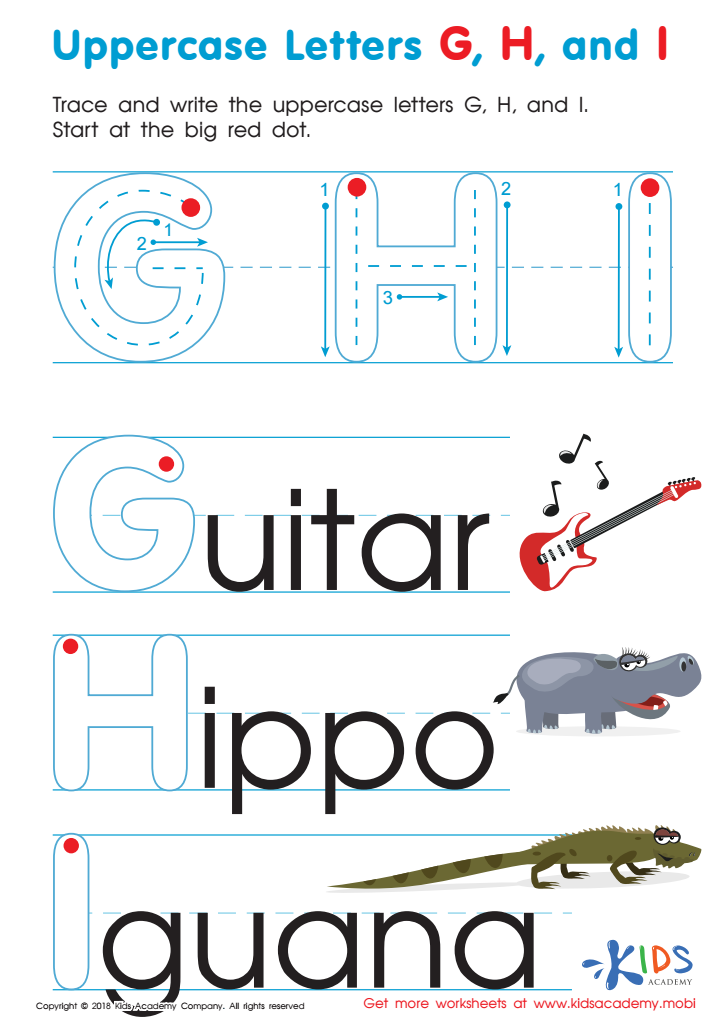
Uppercase Letters G, H, and I Worksheet
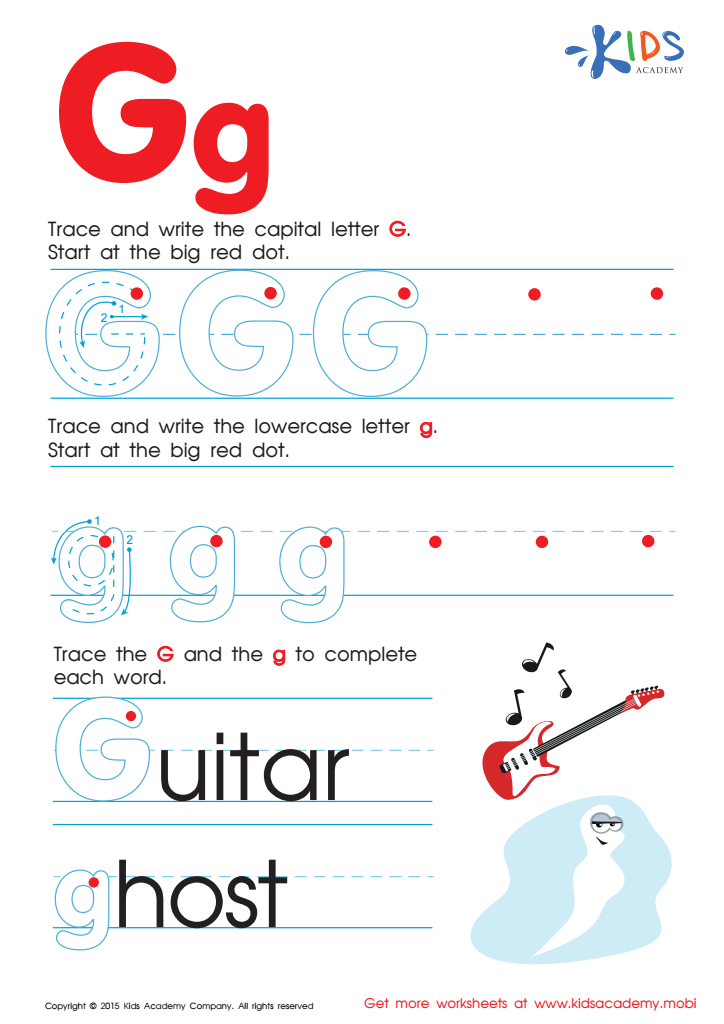
Letter G Tracing Page
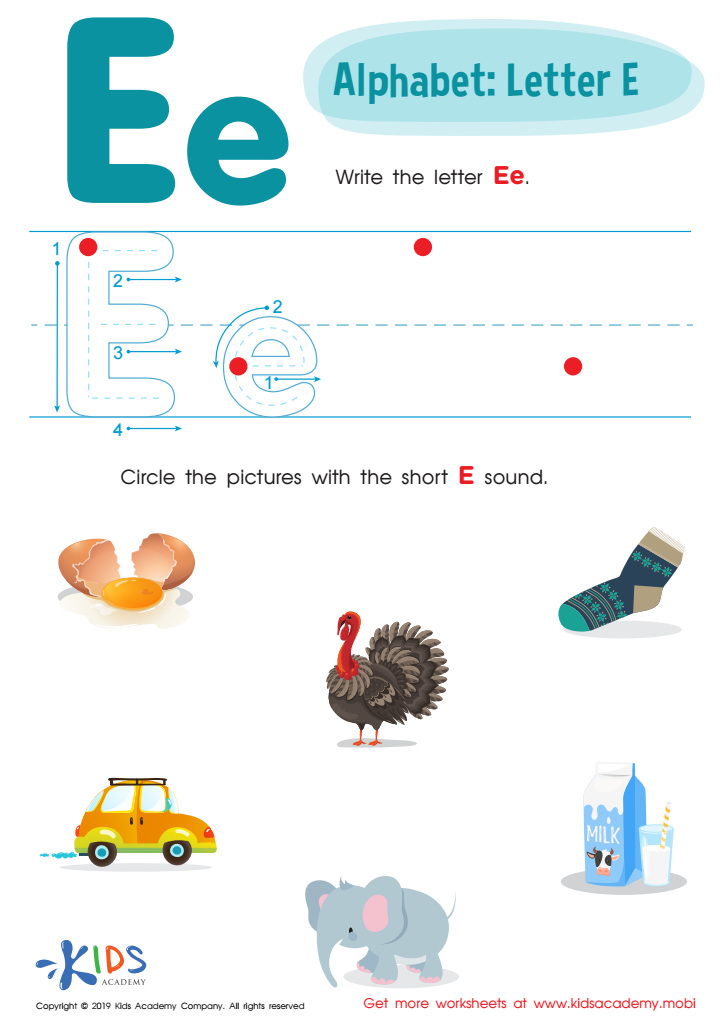
Letter E Tracing Worksheet
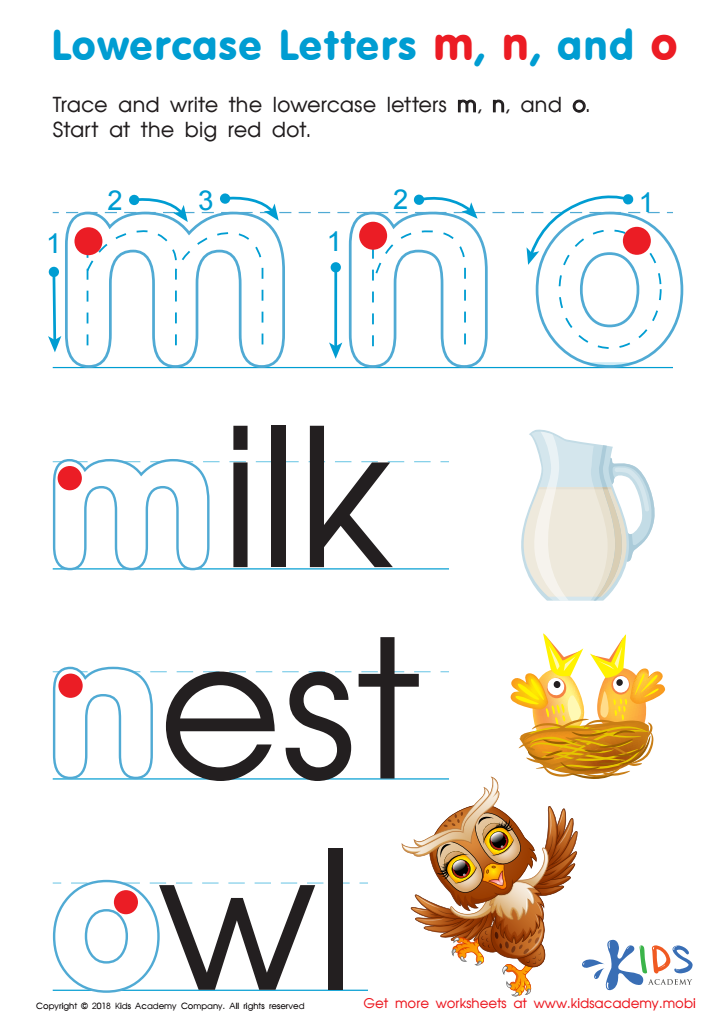
Lowercase Letters m n o Worksheet
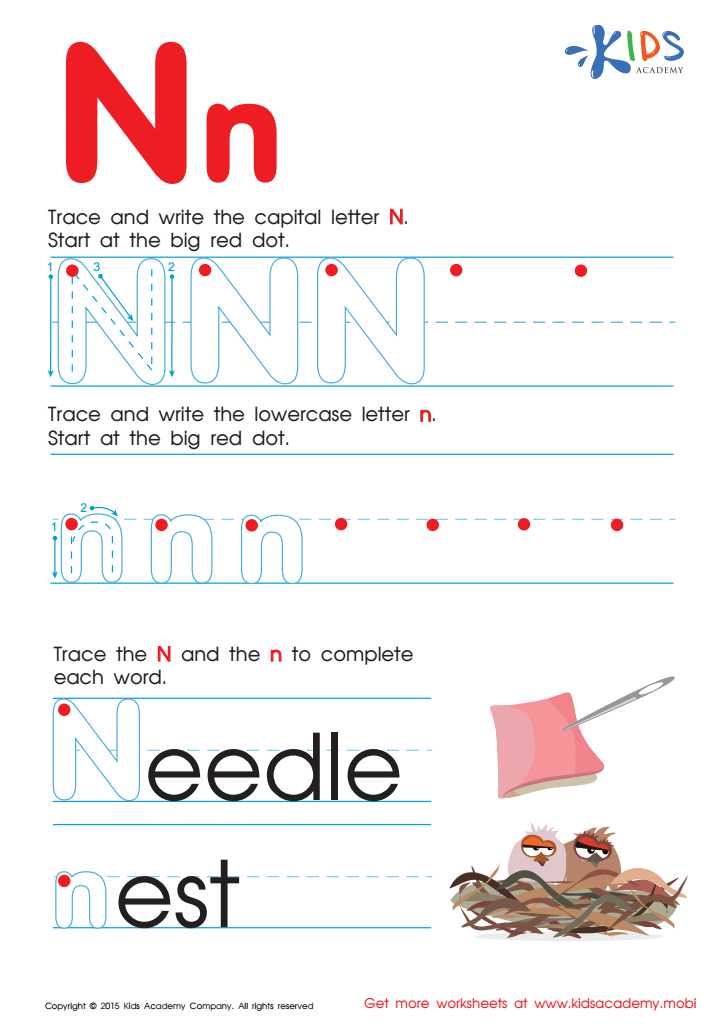
Letter N Tracing Page
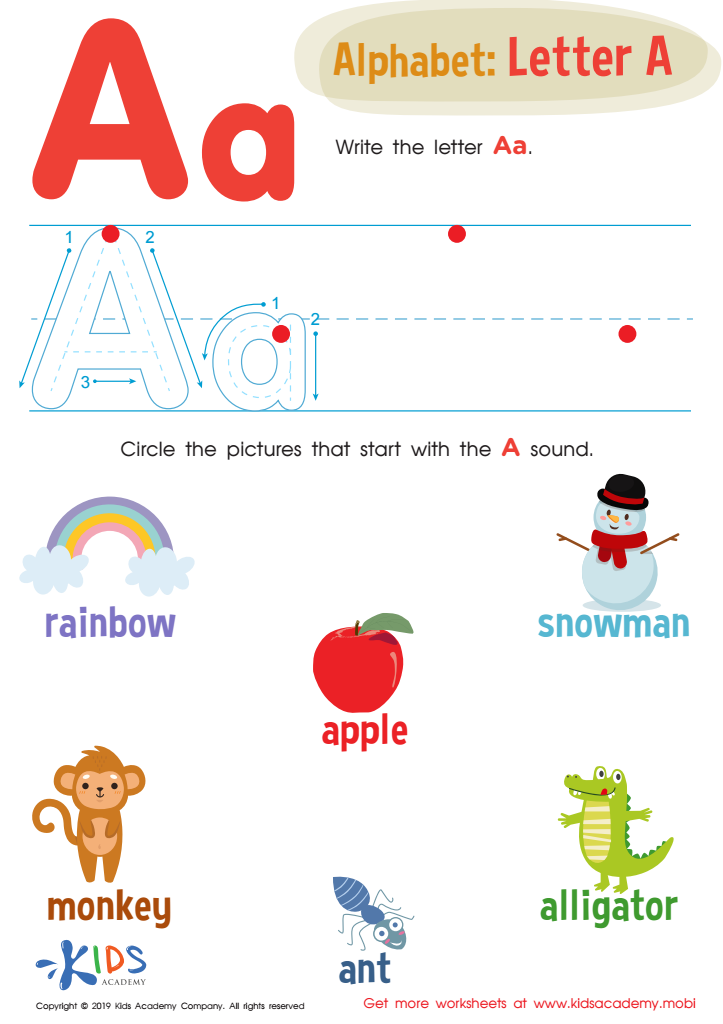
Letter A Tracing Worksheet
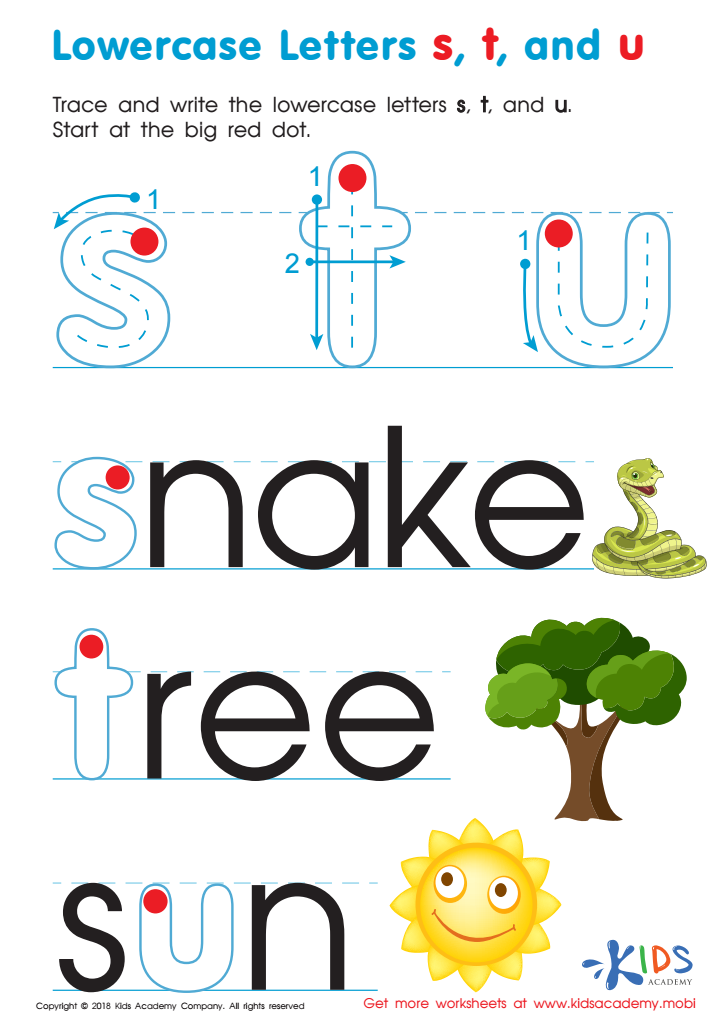
Lowercase Letters s t u Worksheet
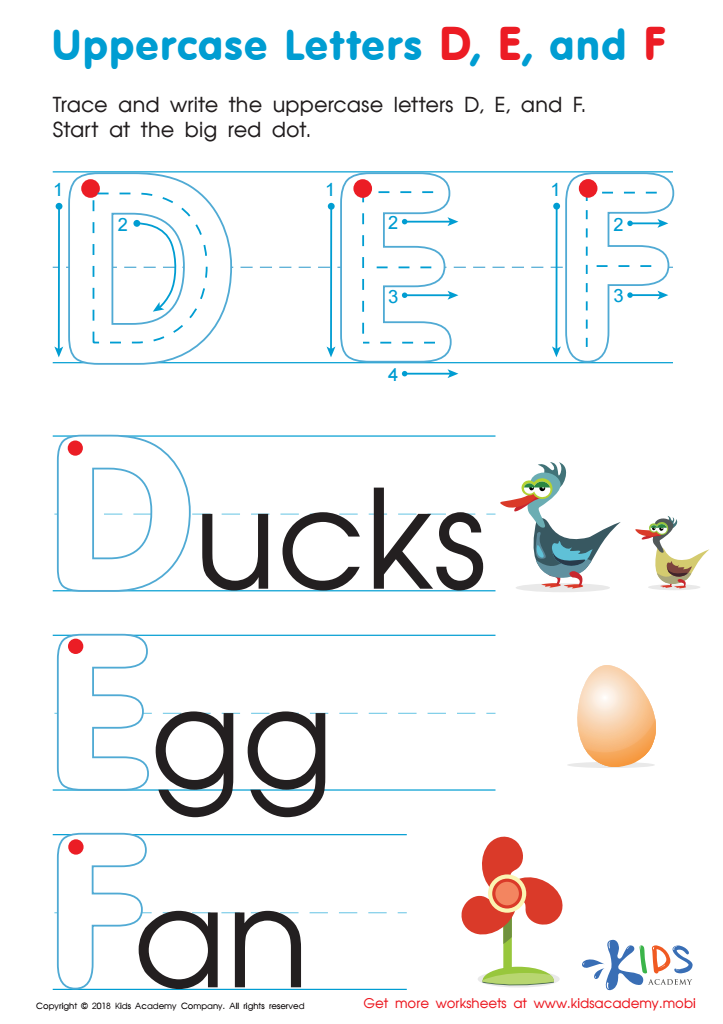
Uppercase Letters D, E, and F Worksheet
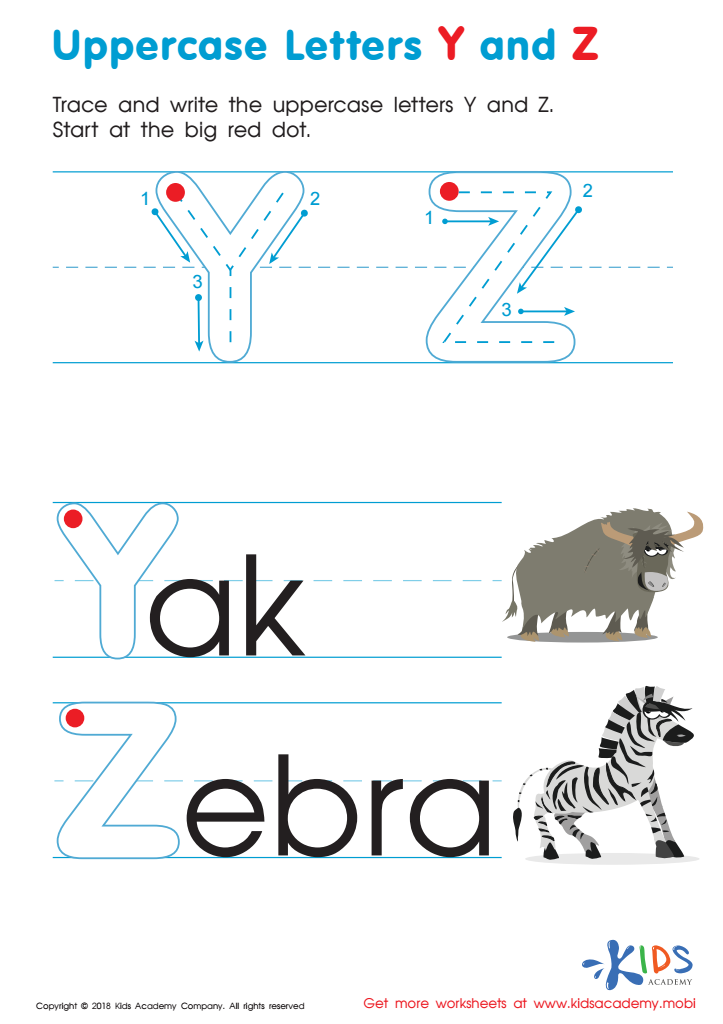
Uppercase Letters Y Z Worksheet
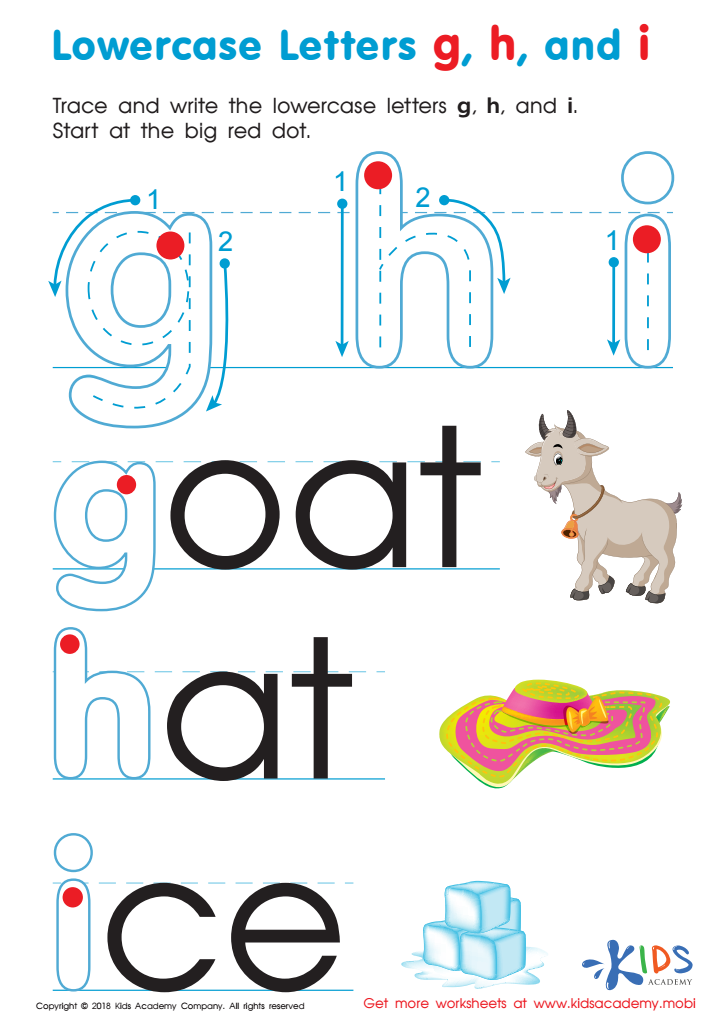
Lowercase Letters g h i Worksheet
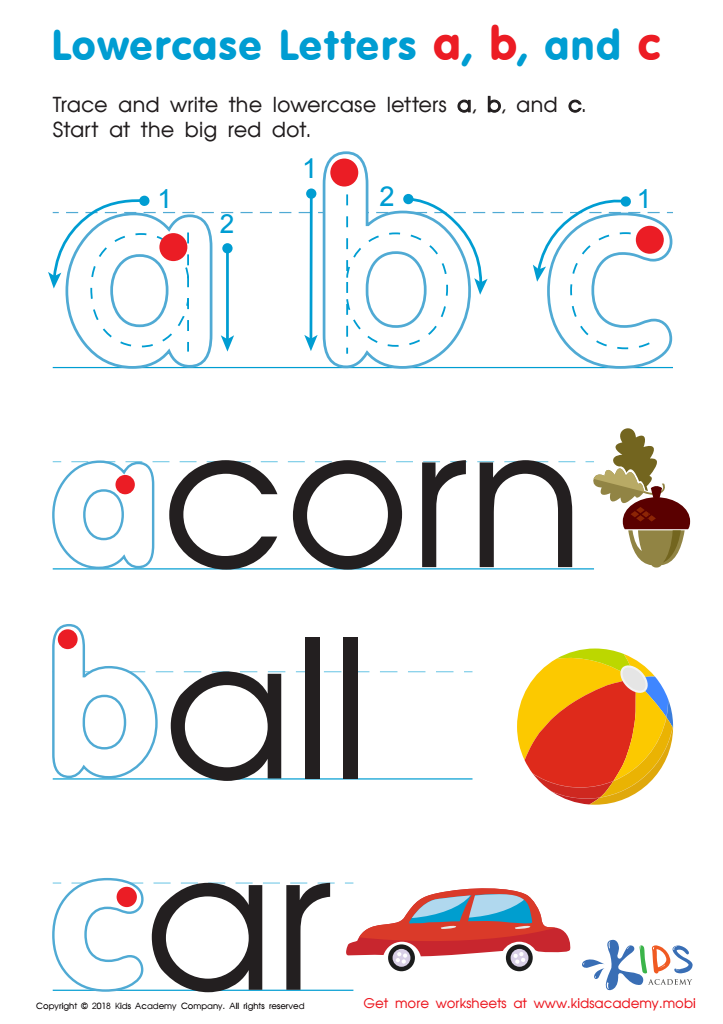
Lowercase Letters a b c Worksheet








Handwriting practice, specifically tracing letters, is crucial for children aged 6-8 because it lays the foundation for both literacy and fine motor skills development. At this age, children are transitioning from learning to write to writing to learn. Regular practice helps them internalize the shapes and sounds of letters, boosting their reading and writing abilities.
Furthermore, tracing letters enhances fine motor skills, which are essential for writing and other daily tasks. As children develop these skills, they improve their hand-eye coordination, dexterity, and muscle control. This not only aids in handwriting but also supports other activities such as drawing, cutting, and using utensils.
Moreover, consistent handwriting practice helps children build confidence in their writing abilities. When they master letter formation through tracing, they are more likely to express their thoughts and ideas in writing. Good handwriting also contributes positively to a child’s overall presentation of work, which can impact their motivation and self-esteem.
Finally, handwriting is linked to cognitive and emotional development. The rhythmic nature of tracing can be calming and meditative, providing a therapeutic outlet for children. Therefore, encouraging handwriting practice through tracing is essential for holistic development in early childhood.








