Enhancing Counting Skills Normal Worksheets for Ages 6-8
9 filtered results
-
From - To
Enhancing Counting Skills Normal Worksheets for Ages 6-8 are designed to support young learners in developing solid mathematical foundations. These printable worksheets from Kids Academy provide engaging and educational activities aimed at improving counting skills through fun and interactive exercises. Perfect for classroom and home use, these worksheets help children practice numbers and deepen their understanding of basic math concepts. With colorful designs and thoughtful progressions, children stay motivated and challenged as they advance through various levels of counting proficiency. Ideal for parents, teachers, and tutors, these resources ensure effective and enjoyable learning experiences for kids aged 6-8.
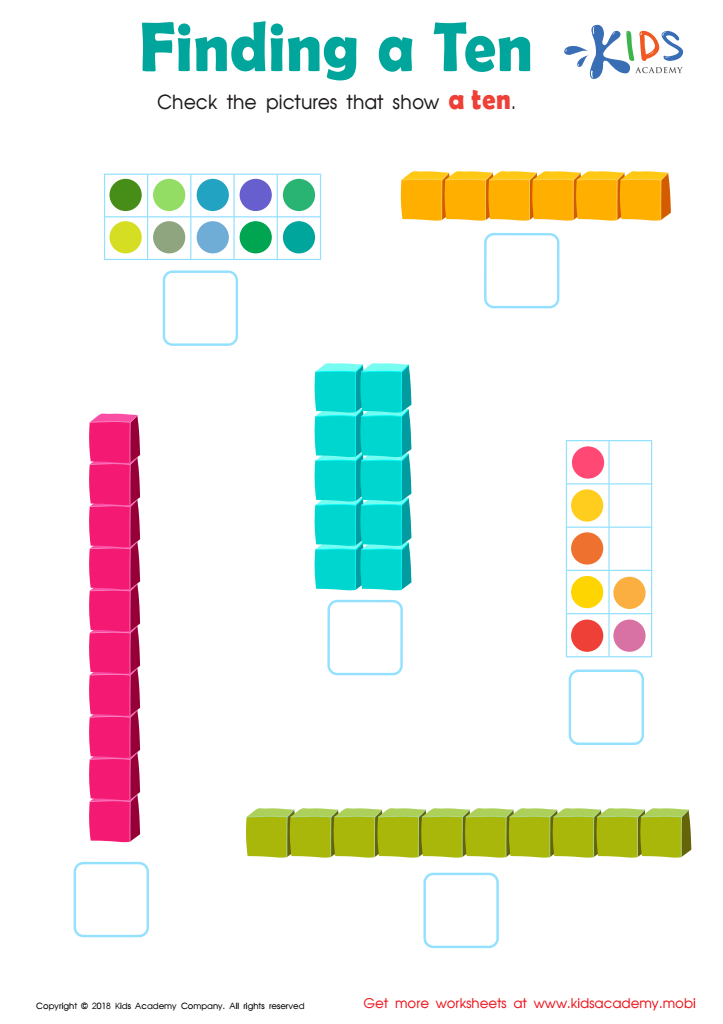
Finding a Ten Worksheet
 Assign to My Students
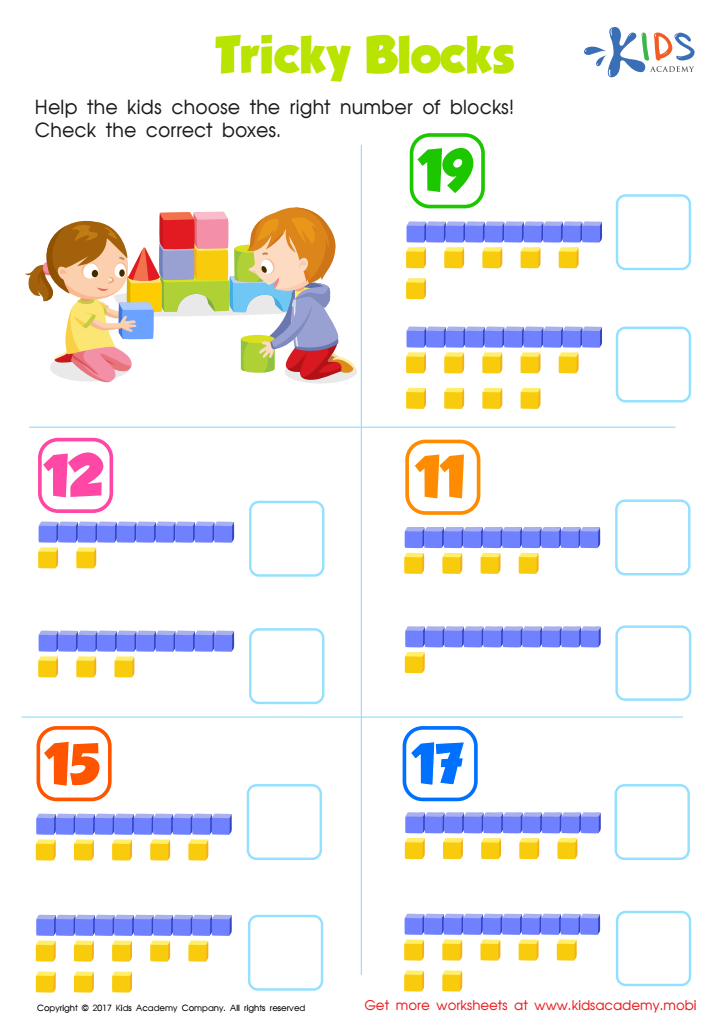
Tricky Blocks Worksheet
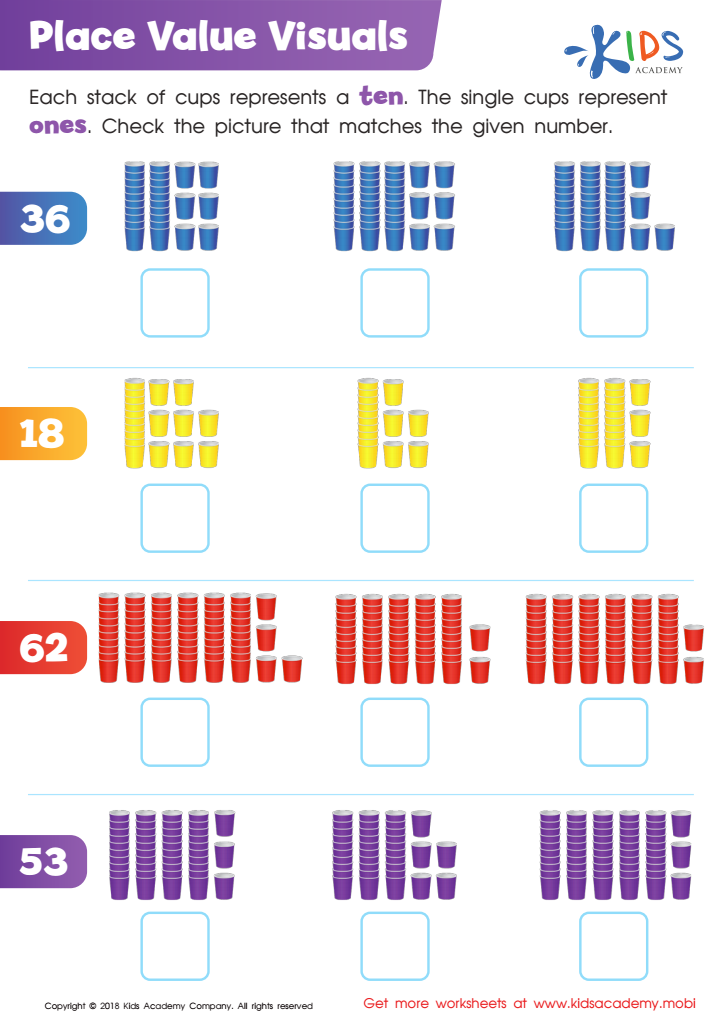
Place Value Visuals Worksheet
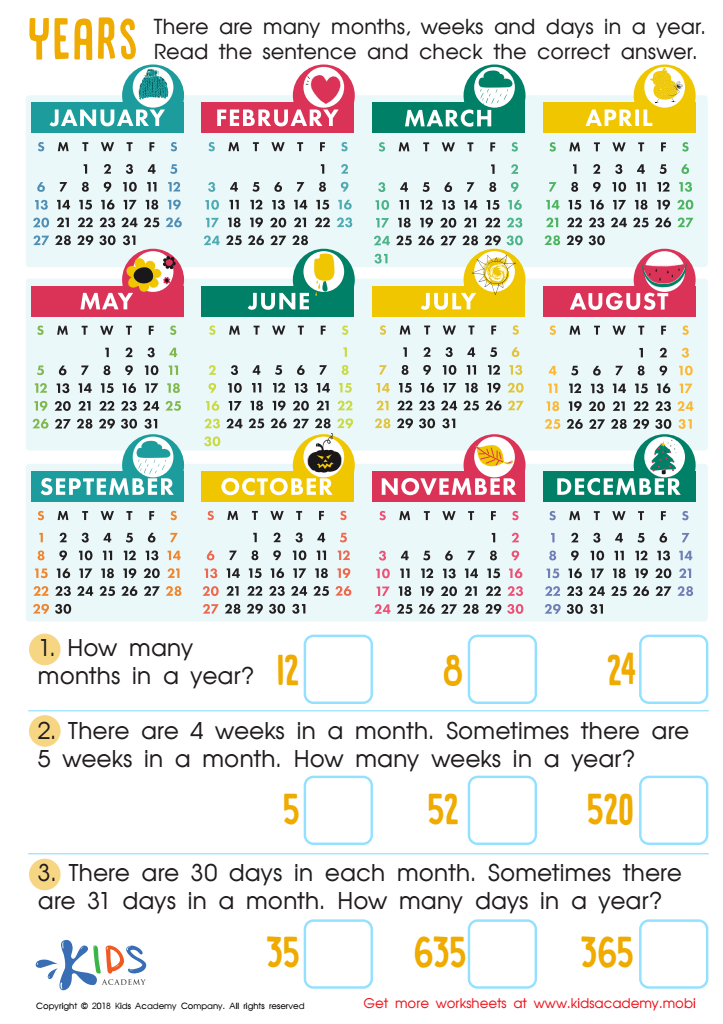
Years Worksheet
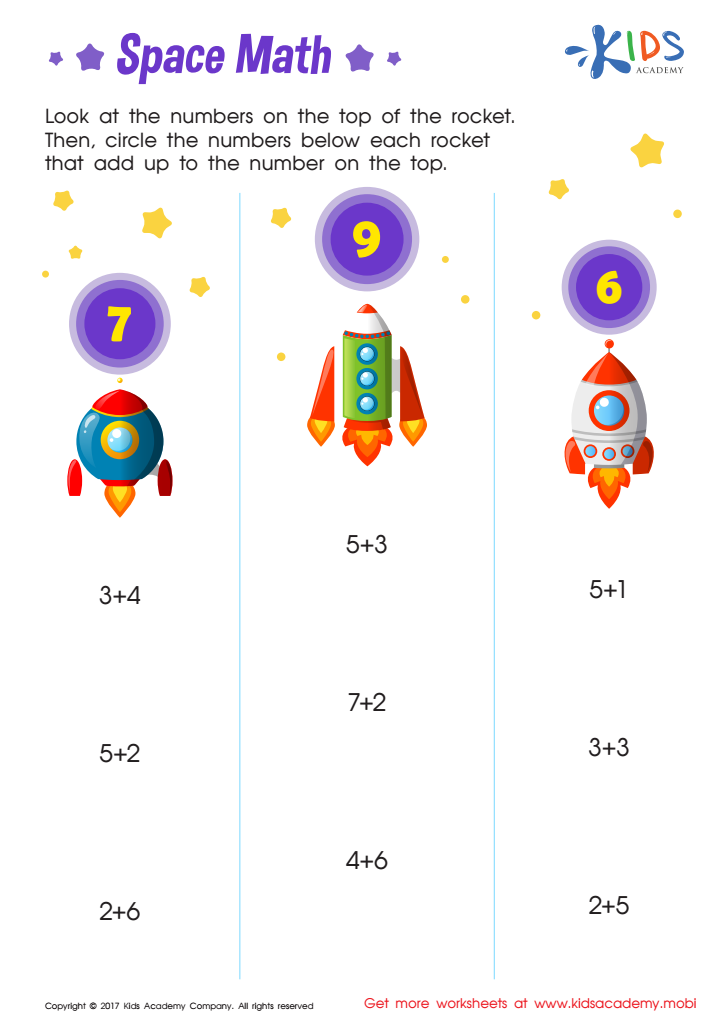
Addition: Space Math Worksheet
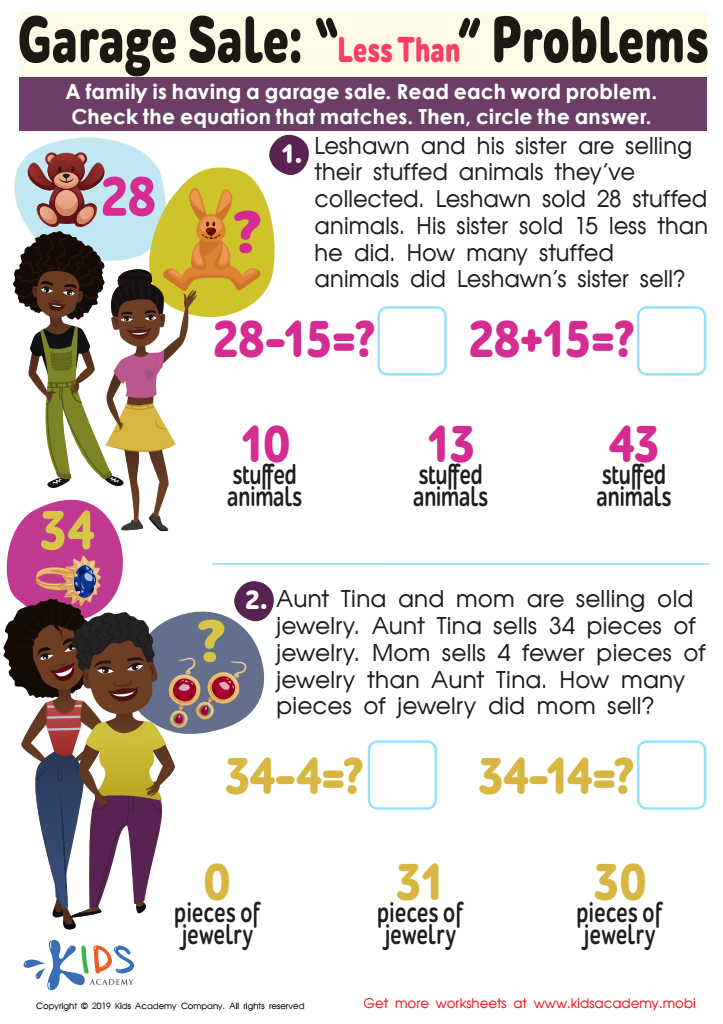
Garage Sale Less Than Worksheet
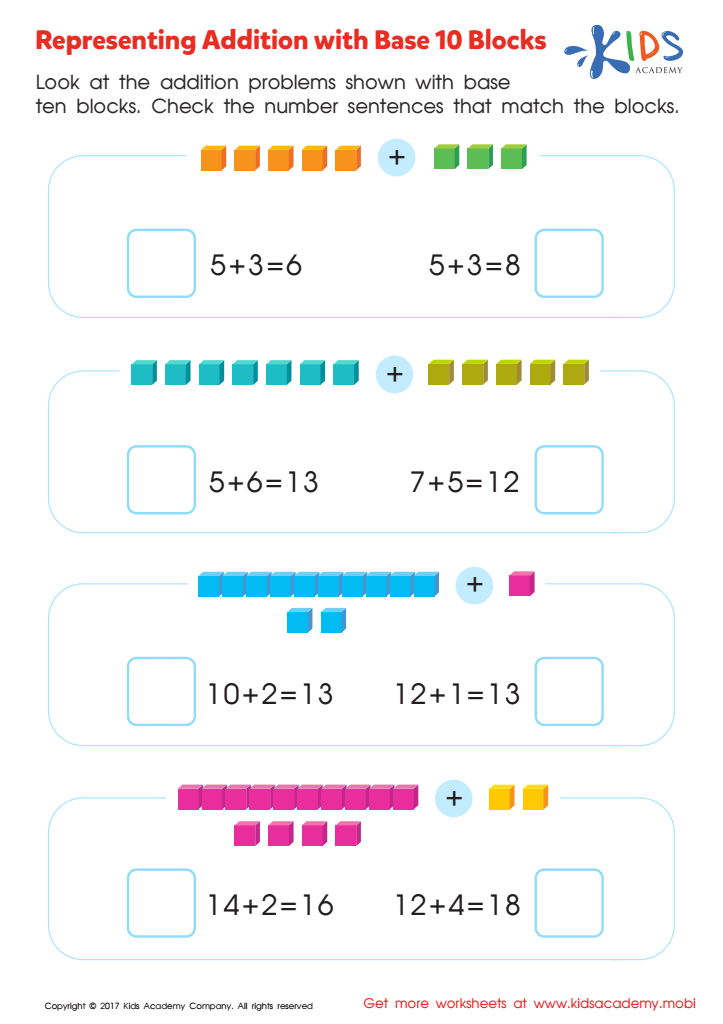
Representing Addition with Base 10 Blocks Worksheet
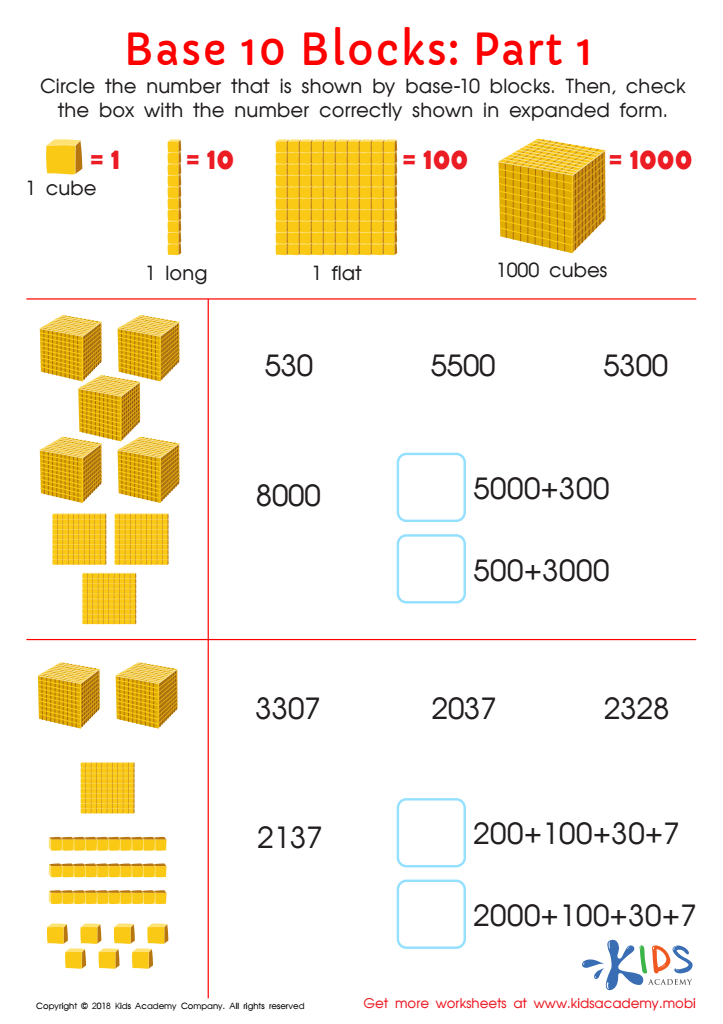
Base 10 Blocks Worksheet: Part 1
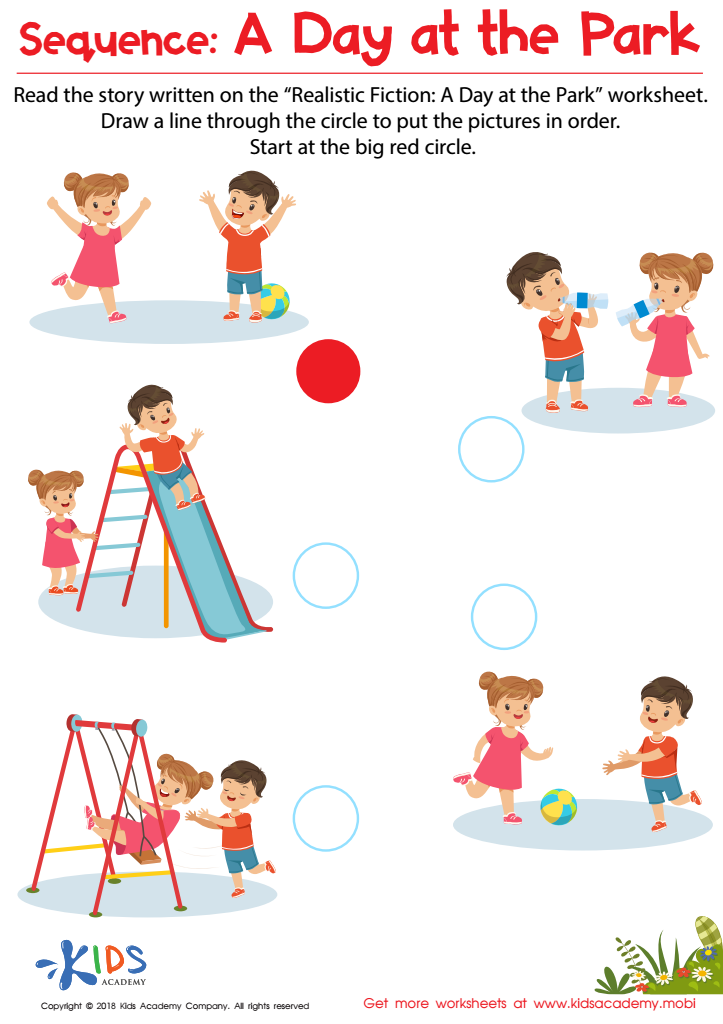
Sequence: A Day at the Park Worksheet





Enhancing counting skills in children ages 6-8 is crucial for several reasons, impacting both their academic growth and everyday life. At this developmental stage, a strong foundation in counting sets the groundwork for more advanced mathematical concepts like addition, subtraction, and problem-solving. Mastering counting boosts not only their numerical literacy but also enhances their cognitive abilities, such as logical thinking and pattern recognition.
Counting also helps in developing fine motor skills when children use physical objects like beads or blocks. It promotes attention to detail and improves memory as they navigate sequences and number patterns. Additionally, it strengthens their ability to follow instructions and understand order, key skills for classroom learning and daily tasks.
From a social perspective, proficient counting skills enable children to participate fully in group activities in class or play, developing interpersonal skills and confidence. It fosters an environment where they feel competent and capable, reducing anxiety around mathematics—commonly known as math anxiety—a critical psychological factor as they progress through school.
Parents and teachers who emphasize the importance of counting create a supportive learning environment, encouraging curiosity and enhancing overall academic enthusiasm. Ensuring that children find joy and ease in mathematics paves the way for lifelong confidence and a positive relationship with learning.








