
Enhancing critical thinking Normal Worksheets for Ages 6-8
11 filtered results
Difficulty Level
Grade
Age
-
From - To
Subject
Activity
Standards
Unlock your child's potential with our "Enhancing Critical Thinking" worksheets, designed for ages 6-8! These engaging, age-appropriate activities help young learners develop essential problem-solving and decision-making skills. The fun and interactive worksheets focus on enhancing critical thinking, providing youngsters with the tools to think analytically and creatively. Perfect for both classroom and home use, our worksheets are tailored to challenge kids while keeping them motivated and eager to learn. Foster your child's intellectual growth and pave the way for future academic success by integrating these critical thinking exercises into their daily routine!
Favorites
With answer key
Interactive
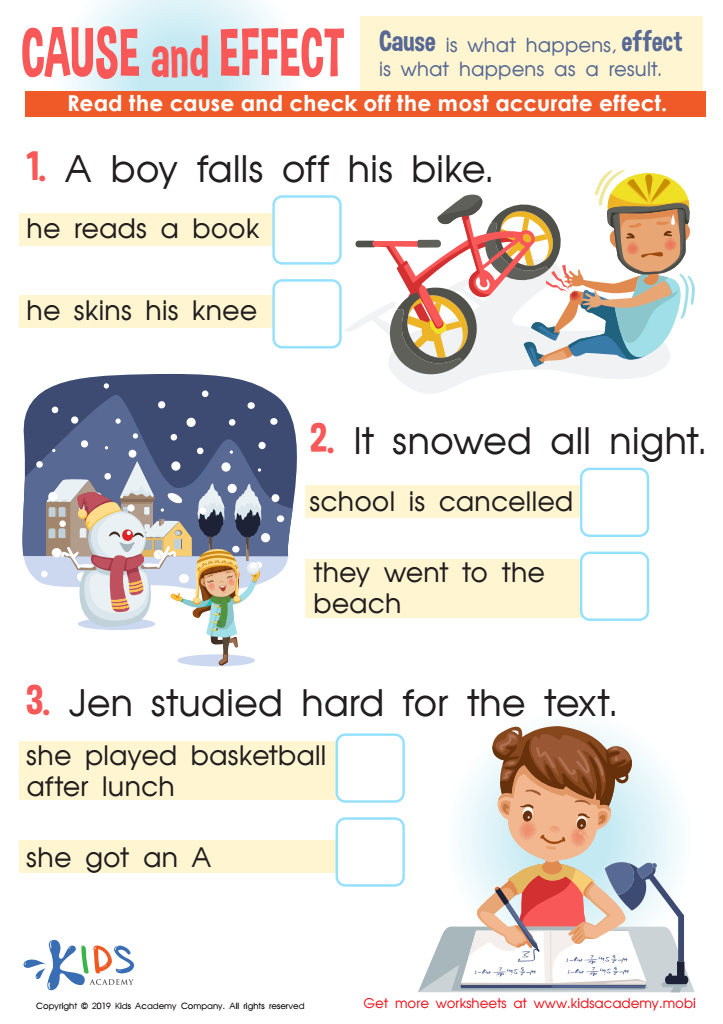
Cause And Effect Worksheet
Help your kids understand cause and effect with this worksheet. Explain that cause is what happens, and effect is the result of an action or event. Ask if they understand, then direct them to read the cause in the pictures and choose the most accurate effect from the options.
 Assign to My Students
Cause And Effect Worksheet
Worksheet
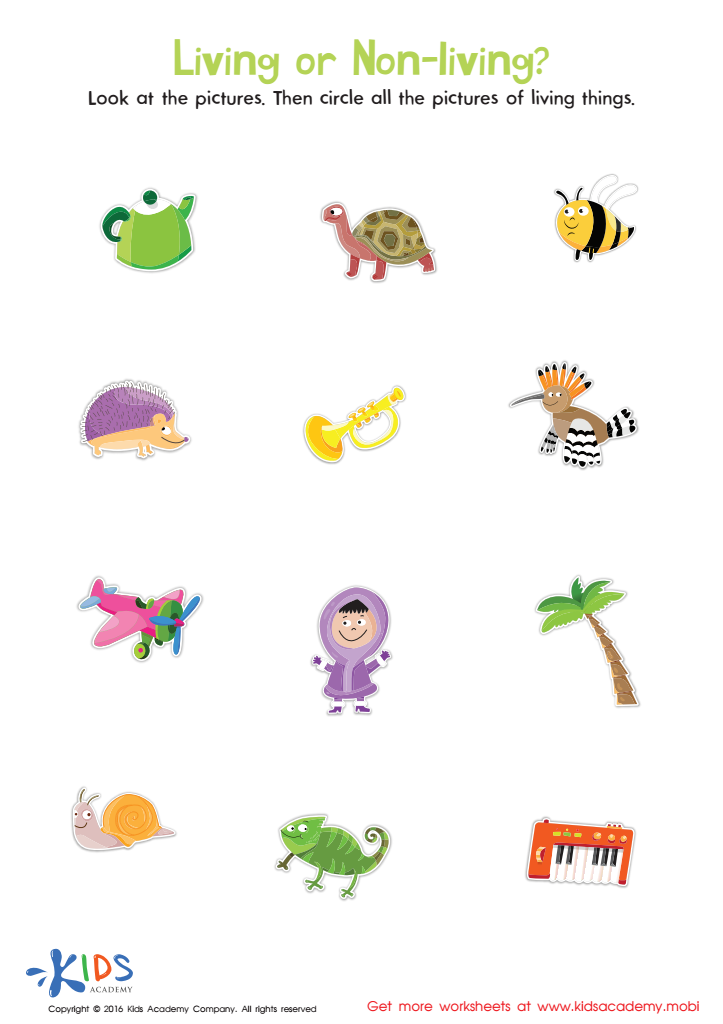
Identifying Living and Non–living Things Sorting Worksheet
Help your child sort living and non-living objects with this cute worksheet. Kids will use problem-solving skills to recognize and categorize the images they see. Matching worksheets available to help their skills soar.
Identifying Living and Non–living Things Sorting Worksheet
Worksheet
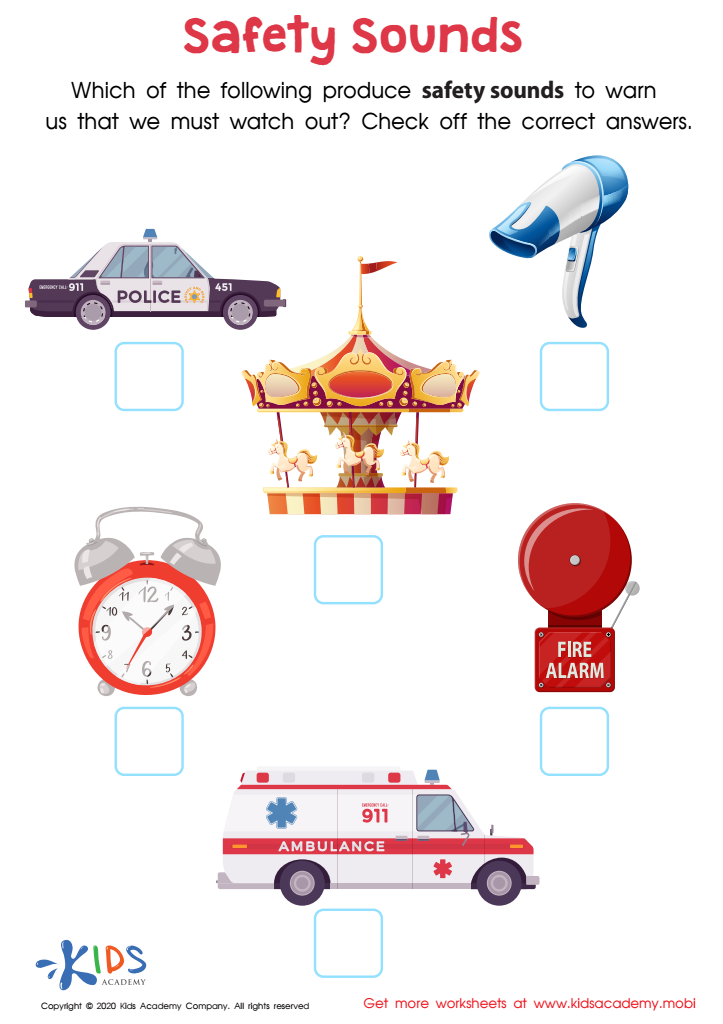
Safety Sounds Worksheet
Teach your kids about safety. Explain the rules and let them know what sounds to be aware of. Review the worksheet with pictures of objects and ask them to recognize which ones produce safety sounds. Have them check their answers. Doing this will help ensure their safety and that of others.
Safety Sounds Worksheet
Worksheet
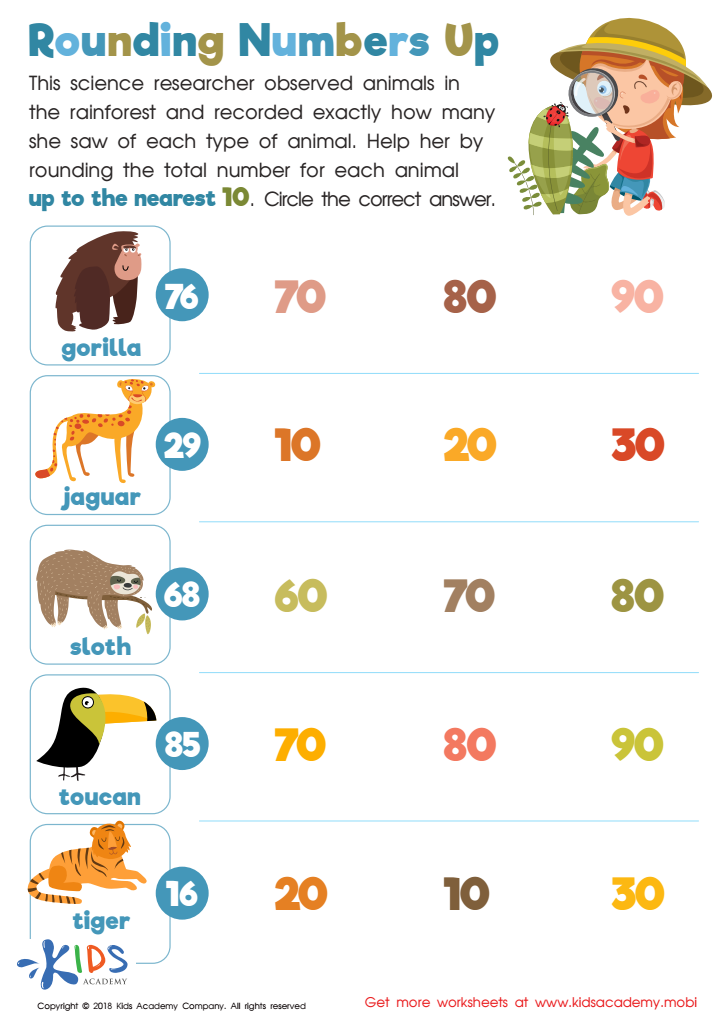
Rounding Numbers Up Worksheet
Does your child want to be a science researcher? If so, they share something in common with the person in this worksheet. She observed rainforest animals and counted them. Your child can help by rounding the totals to the nearest 10 and circling the correct answer for each type.
Rounding Numbers Up Worksheet
Worksheet
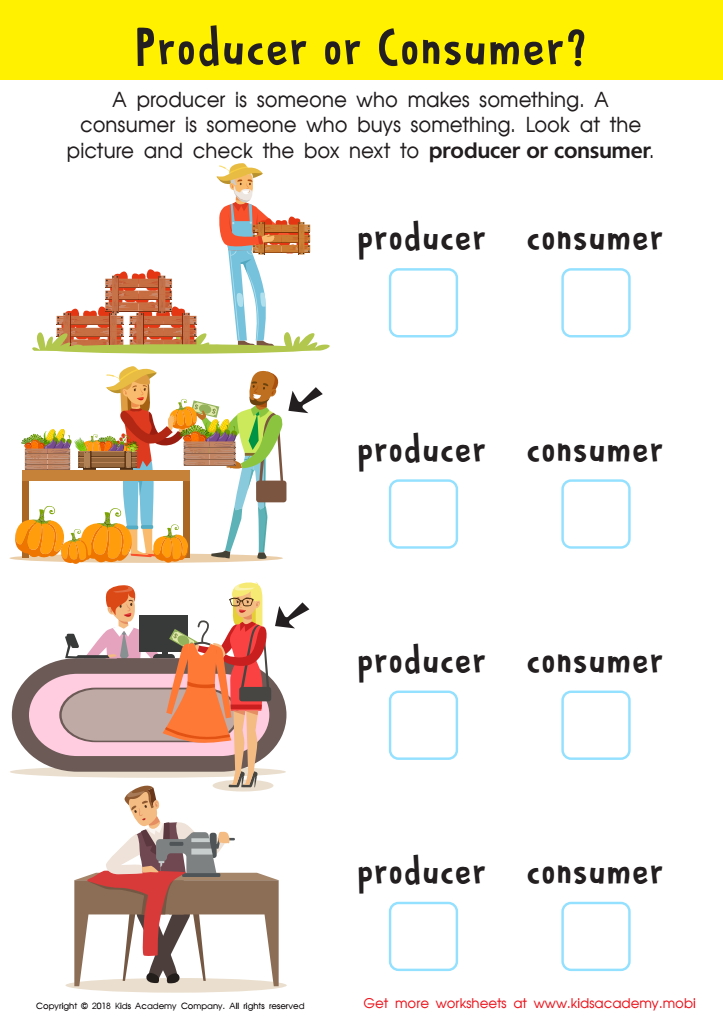
Producer or Consumer? Worksheet
Test your child's knowledge by asking who's a producer and consumer. Explain producer makes things and consumer buys them. Use a snack example. Look at the picture with your kids and help them check the box next to producer or consumer.
Producer or Consumer? Worksheet
Worksheet
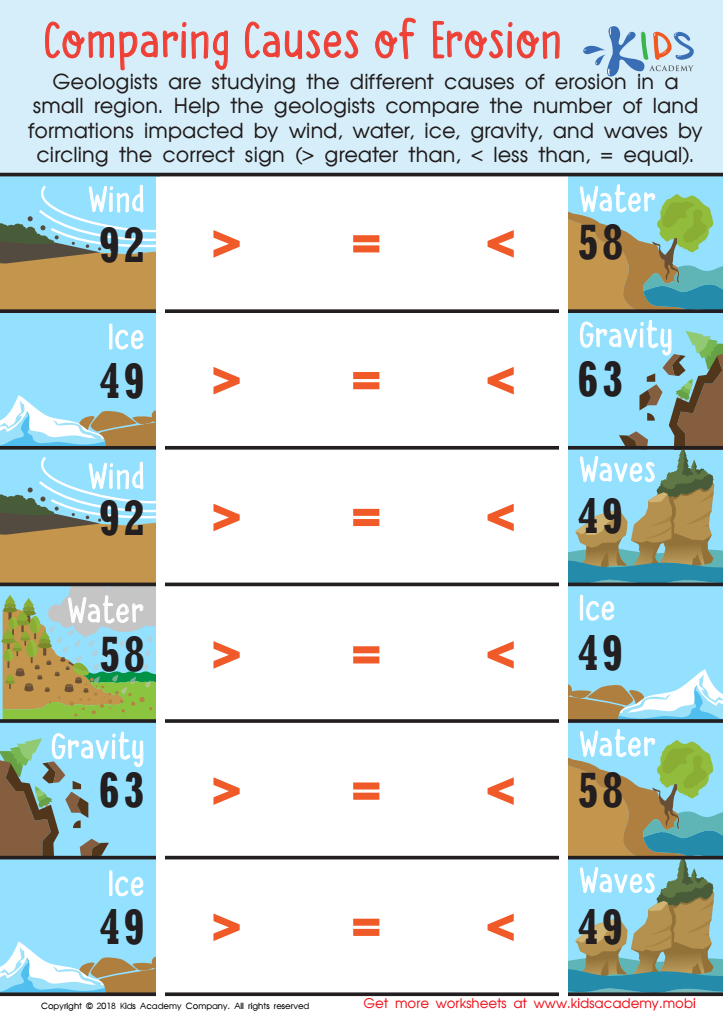
Comparing Causes of Erosion Worksheet
This free PDF worksheet combines science, number sense and comparing numbers to teach kids about the causes of erosion. They'll compare numbers related to ice, wind, water, gravity and waves and decide if each cause is greater, less than or equal to another. It's an interdisciplinary and meaningful way to learn that kids will enjoy.
Comparing Causes of Erosion Worksheet
Worksheet
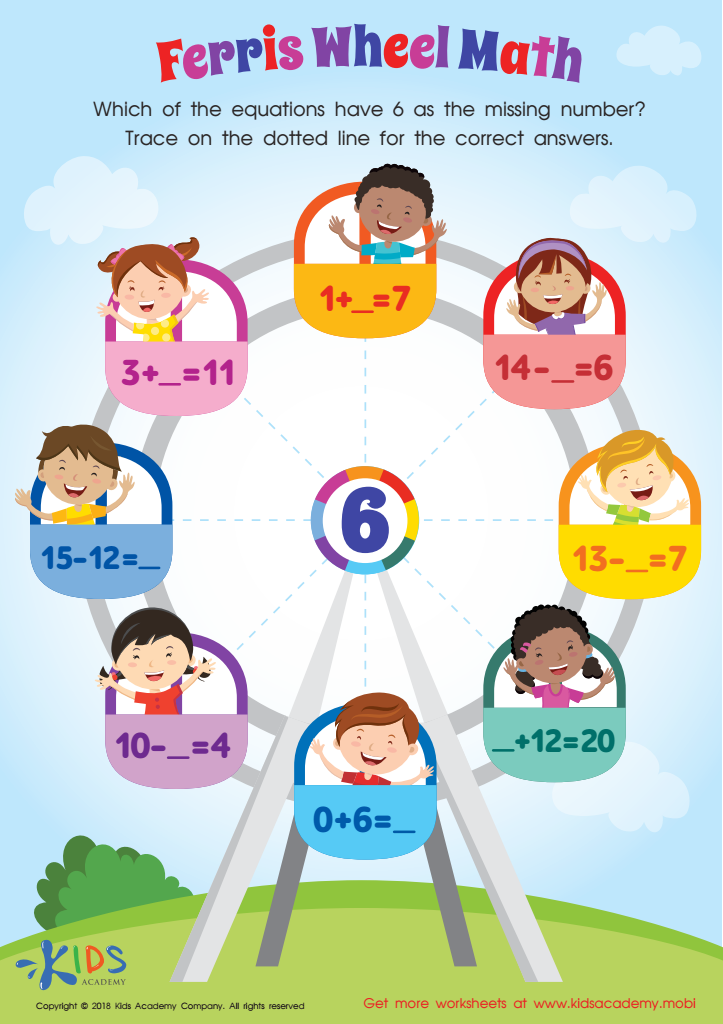
Missing Number: Ferris Wheel Math Worksheet
Hop on the Ferris wheel and solve the equations in the baskets! If the missing number is 6, draw a line from the basket to the middle of the wheel. Kids Academy's addition worksheet will not only help practice pre-algebra but also keep kids entertained with its vibrant illustrations. So, go round and round and have fun with math!
Missing Number: Ferris Wheel Math Worksheet
Worksheet
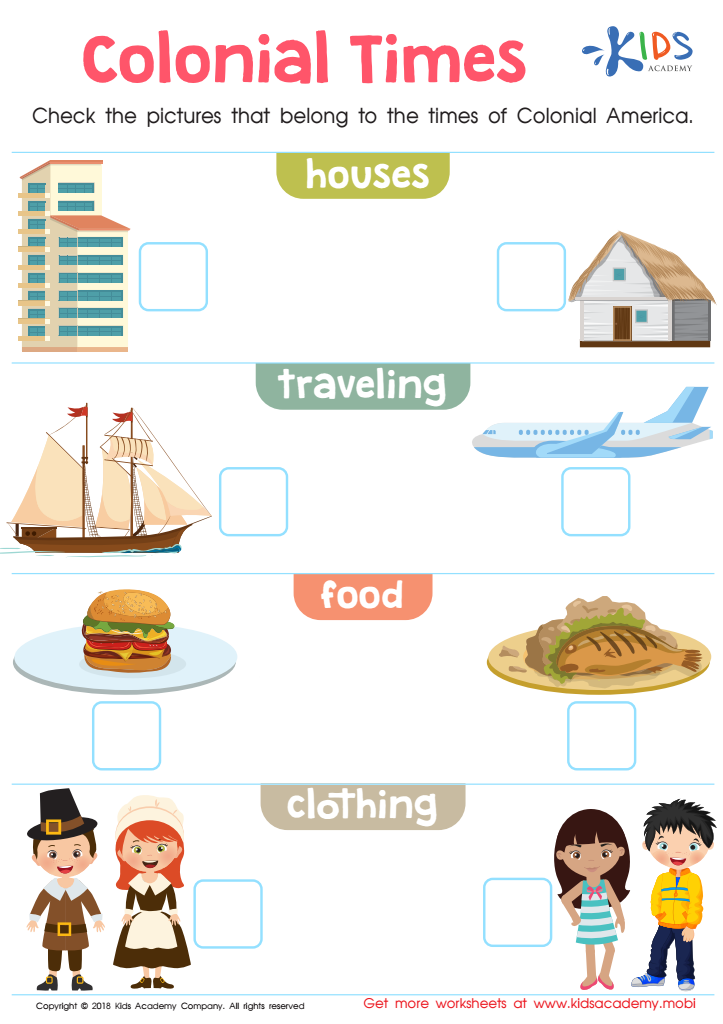
Colonial Times Worksheet
Test your students' knowledge of colonial times with this easy social studies worksheet. Look at the pictures to see how people lived back then. See if your little ones understand what structures they had, what food they ate, and what type of clothing they wore. You might be surprised by how much or how little they know!
Colonial Times Worksheet
Worksheet
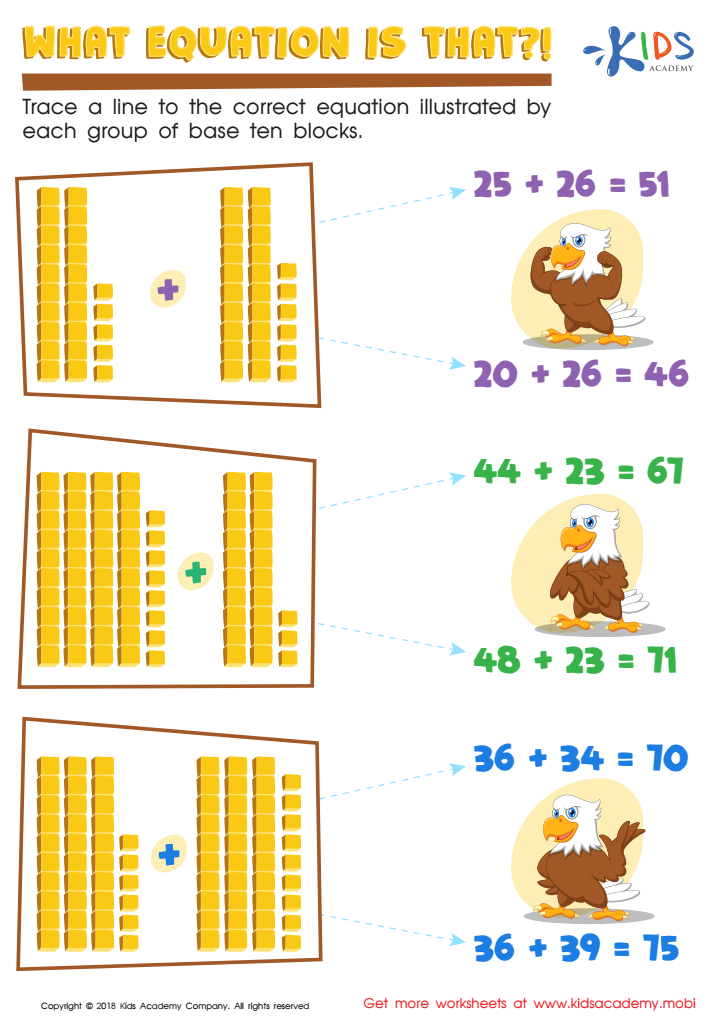
What Equation Is That? Worksheet
Have your students practice counting with base ten blocks. This will help them with math struggles. Homework and worksheets will help them improve; ask them to trace lines to the correct equation on a tracing sheet. Guide them as they count the blocks and trace the lines.
What Equation Is That? Worksheet
Worksheet
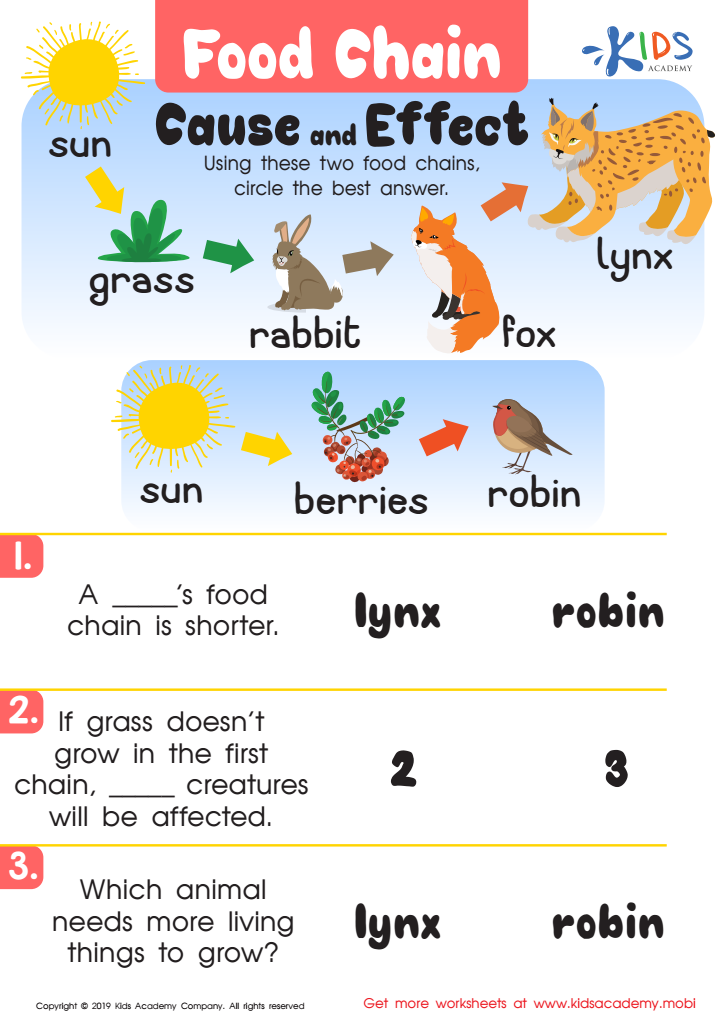
Food Chain Cause Worksheet
Help your little learner analyze ecosystems and compare food chains with this Kids Academy worksheet! Kids will compare a carnivore's and herbivore's food chain; which is longer and why? Questions at the bottom of the page will help them compare and circle the best answers. A great way to understand animal food chains!
Food Chain Cause Worksheet
Worksheet
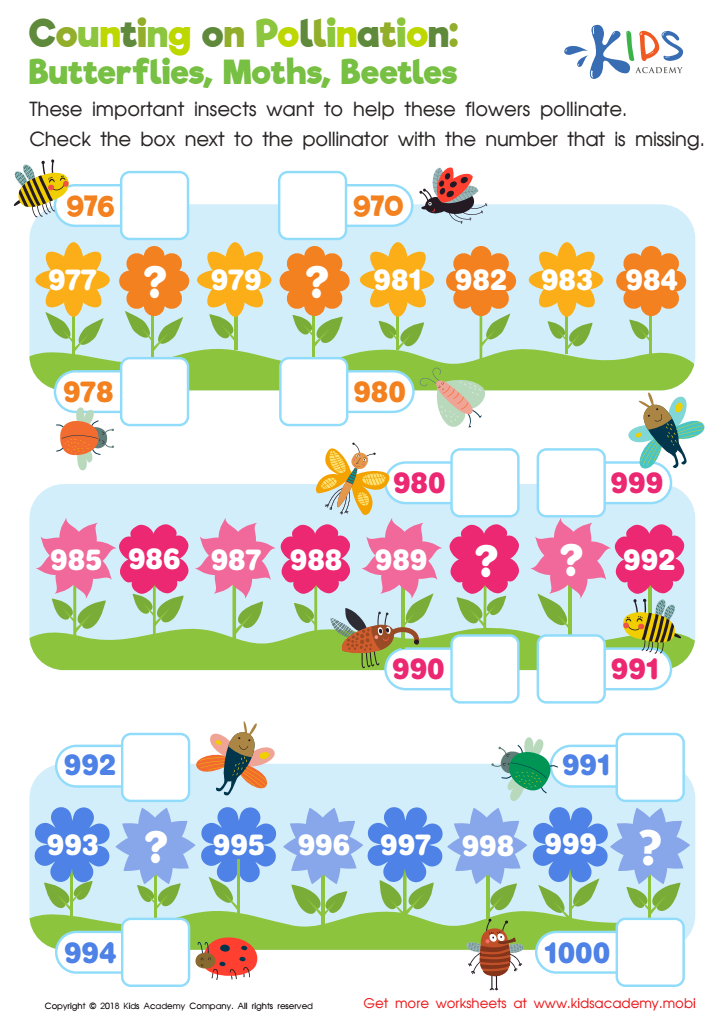
Counting on Pollination: Butterflies, Moths, Beetles Worksheet
A number line can help boost computation accuracy and efficiency. It can also be used with more advanced numbers. Help your child practice by having them identify missing numbers in sequences. This fun worksheet lets them help the pollinators in the process, as they strengthen their number sense.
Counting on Pollination: Butterflies, Moths, Beetles Worksheet
Worksheet
Learning Skills
Join Kids Academy for Free
Who is primarily going to use this learning content?







Enhancing critical thinking in children aged 6-8 is crucial for their cognitive and emotional development. At this stage, children's brains are especially receptive to learning new skills and habits. Introducing critical thinking encourages them to analyze information, ask questions, and make reasoned decisions. These abilities are foundational for all future learning and problem-solving.
For parents and teachers, focusing on critical thinking fosters a deeper engagement in the child's learning process. It moves their understanding beyond rote memorization to a nuanced comprehension of subjects. When children think critically, they develop curiosity and an eagerness to explore the world around them, which can lead to a lifelong love of learning.
Furthermore, critical thinking aids in social situations by teaching children to consider different perspectives and resolve conflicts effectively. This skill helps them to navigate the increasingly complex social dynamics they will encounter as they grow older.
Incorporating critical thinking through play, discussion, and problem-solving activities can be fun and engaging, making it easier for young children to embrace. The ability to think critically not only bolsters academic performance but also builds resilience and adaptability, skills that are indispensable for their future success. Therefore, investing time and effort in cultivating critical thinking in young children is an investment in their overall development and well-being.








