Geographic Understanding Normal Worksheets for Ages 6-8
3 filtered results
-
From - To
Discover our engaging Geographic Understanding Normal Worksheets designed for children aged 6-8! These vibrant and interactive worksheets help young learners explore essential geographical concepts, including maps, continents, and natural features. Our thoughtfully crafted activities develop critical thinking and foster a love for geography, making learning both fun and educational. Whether you’re teaching at home or in the classroom, these worksheets provide a valuable resource to support students' understanding of the world around them. Easily printable and suitable for various learning styles, these worksheets will enhance your child’s knowledge and confidence in geographical exploration. Start their journey to becoming global citizens today!
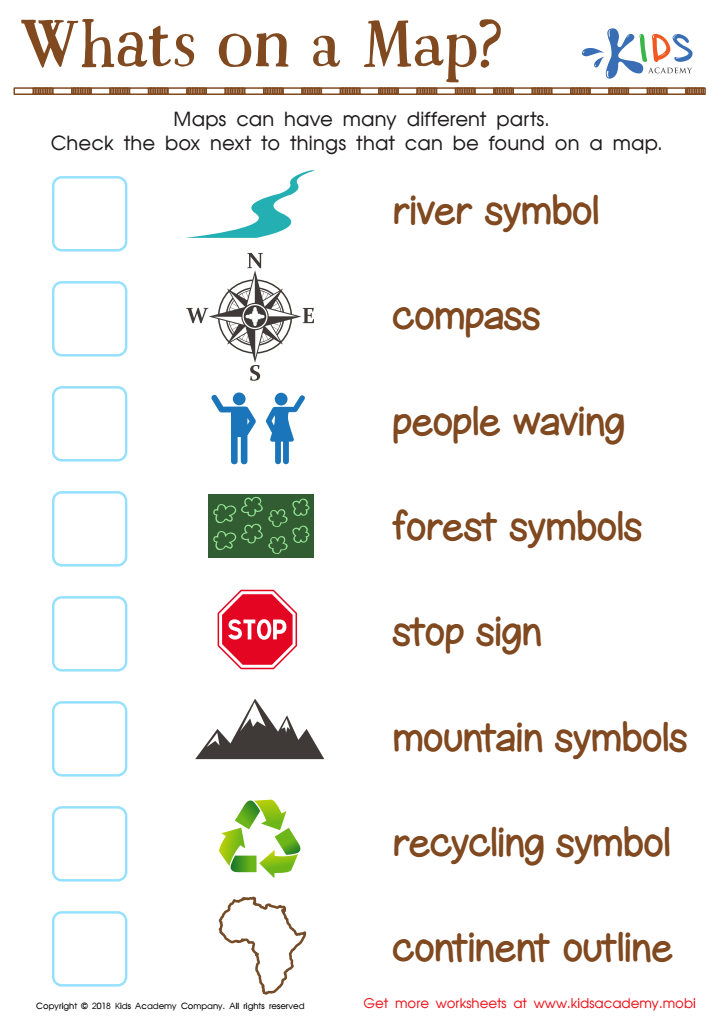
Whats on a Map? Worksheet
 Assign to My Students
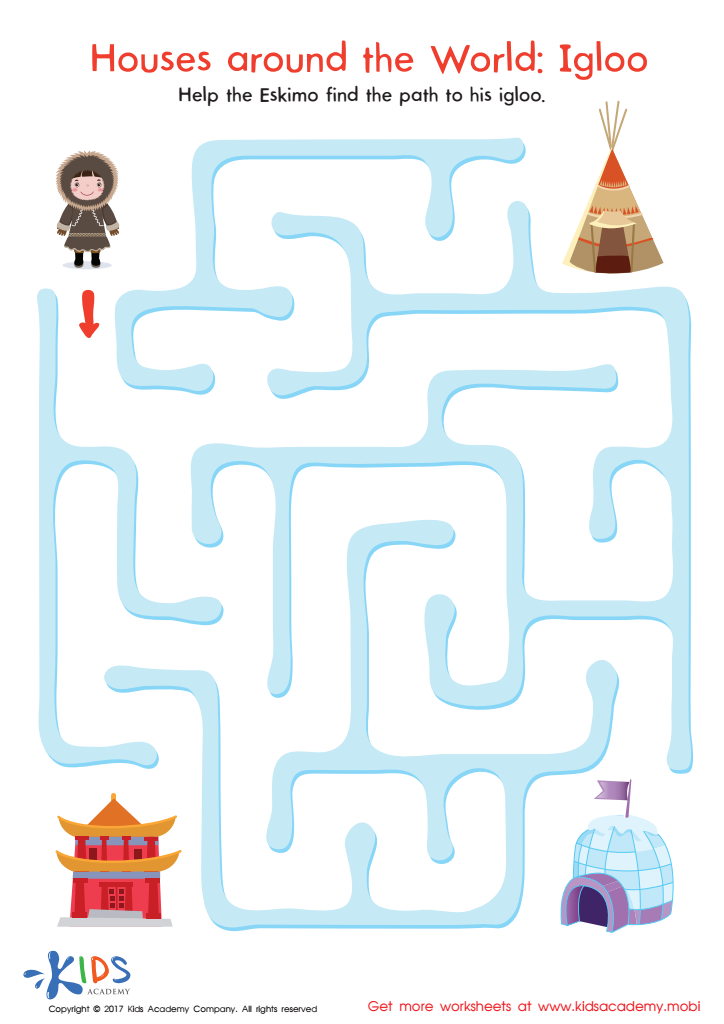
Houses Around the World: Igloo Printable
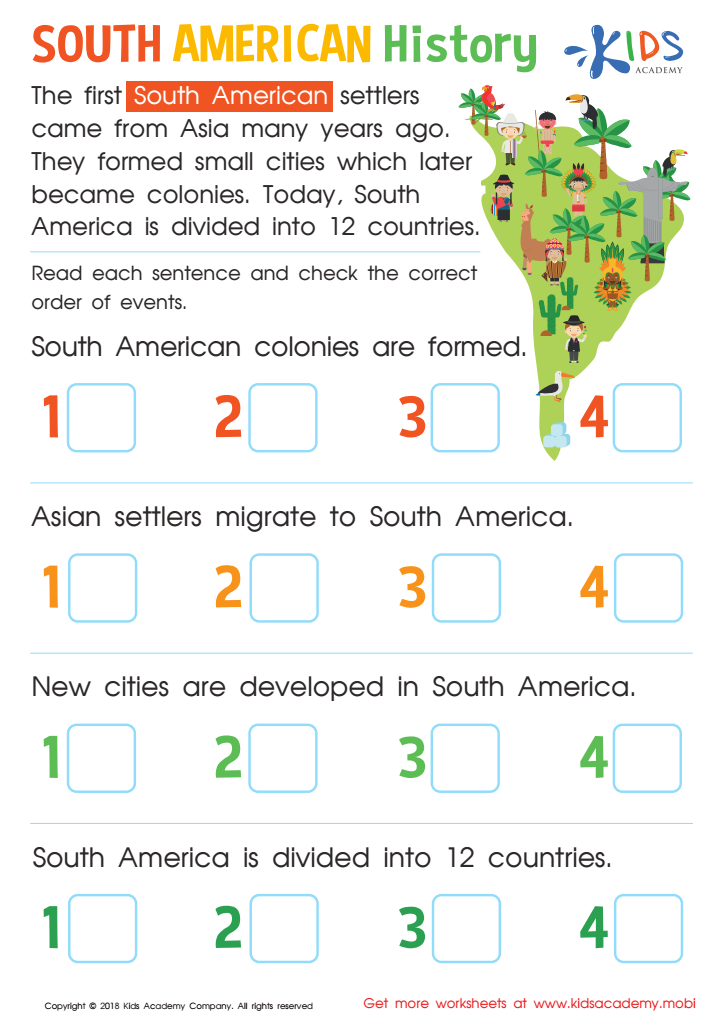
South American History Worksheet





Geographic understanding for children aged 6-8 is crucial as it lays the foundation for their awareness of the world around them. At this age, children are naturally curious, making it an ideal time to introduce concepts like maps, continents, countries, and basic geographic terms. This foundation cultivates spatial awareness and enhances their understanding of communities and cultures, helping them become informed, responsible global citizens.
Parents and teachers should prioritize geographic understanding to develop critical thinking and problem-solving skills. As children learn to interpret maps and explore different environments, they gain abilities that extend beyond geography into subjects such as history and science. Additionally, understanding geographic concepts can foster empathy, as children learn about diverse cultures and perspectives, enhancing their social awareness.
Moreover, being geographically informed encourages environmental stewardship. By understanding their place within the world, children are more likely to engage in discussions about global issues like climate change and conservation. Overall, fostering geographic understanding equips children with essential skills for lifelong learning and personal growth, ultimately contributing to their development as engaged and knowledgeable members of society.








