Learning about ecosystems Normal Worksheets for Ages 6-8
3 filtered results
-
From - To
Explore our engaging "Learning about Ecosystems Normal Worksheets" designed specifically for ages 6-8. These carefully crafted worksheets help young learners discover the fascinating world of ecosystems through fun activities and colorful illustrations. Kids will enhance their understanding of the environment, including plants, animals, and their habitats. Each worksheet promotes critical thinking while making learning enjoyable. From identifying different types of ecosystems to understanding food chains, our resources provide a well-rounded introduction to ecology. Perfect for classrooms or home learning, these worksheets foster curiosity and empower children to appreciate and protect their natural surroundings. Dive into the wonders of nature today!
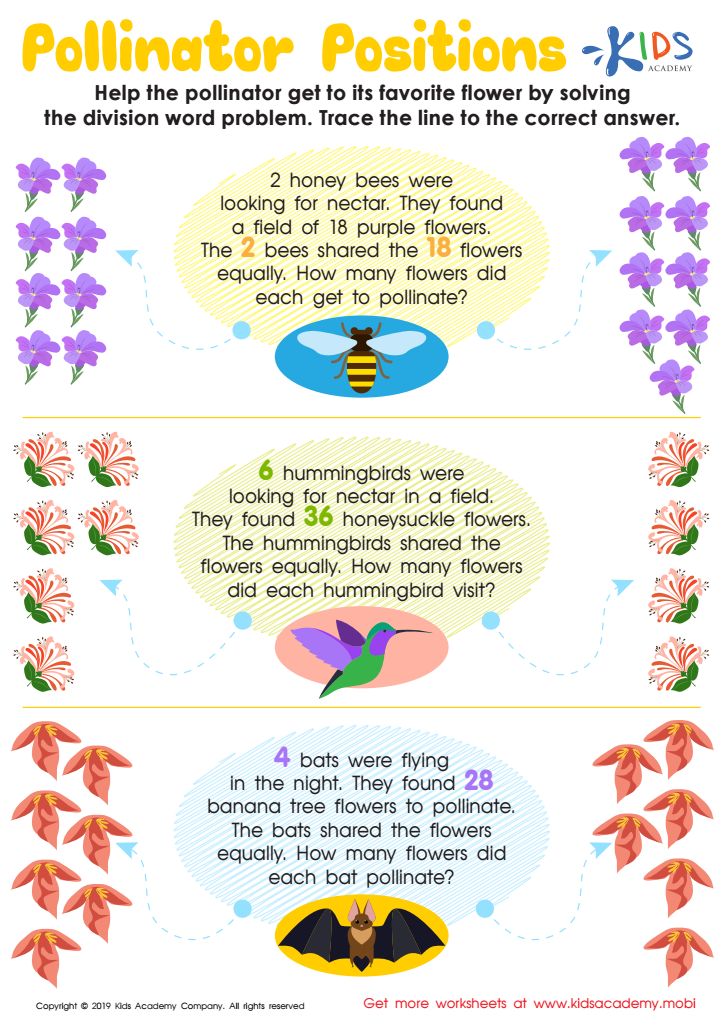
Pollinator Positions Worksheet
 Assign to My Students
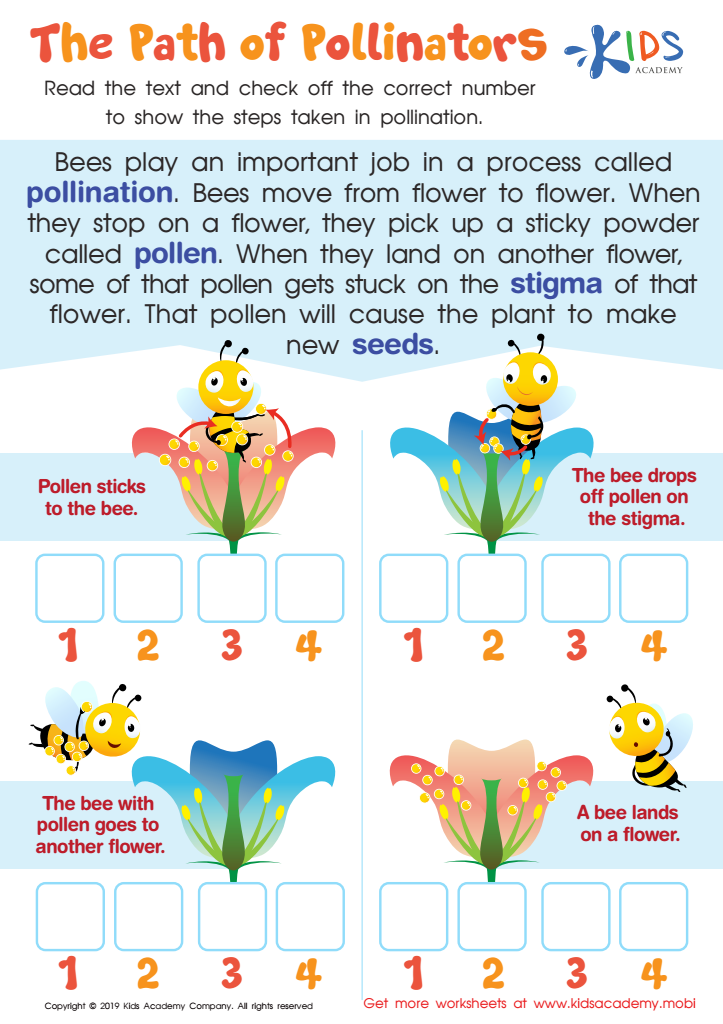
The Path of Pollinators Worksheet
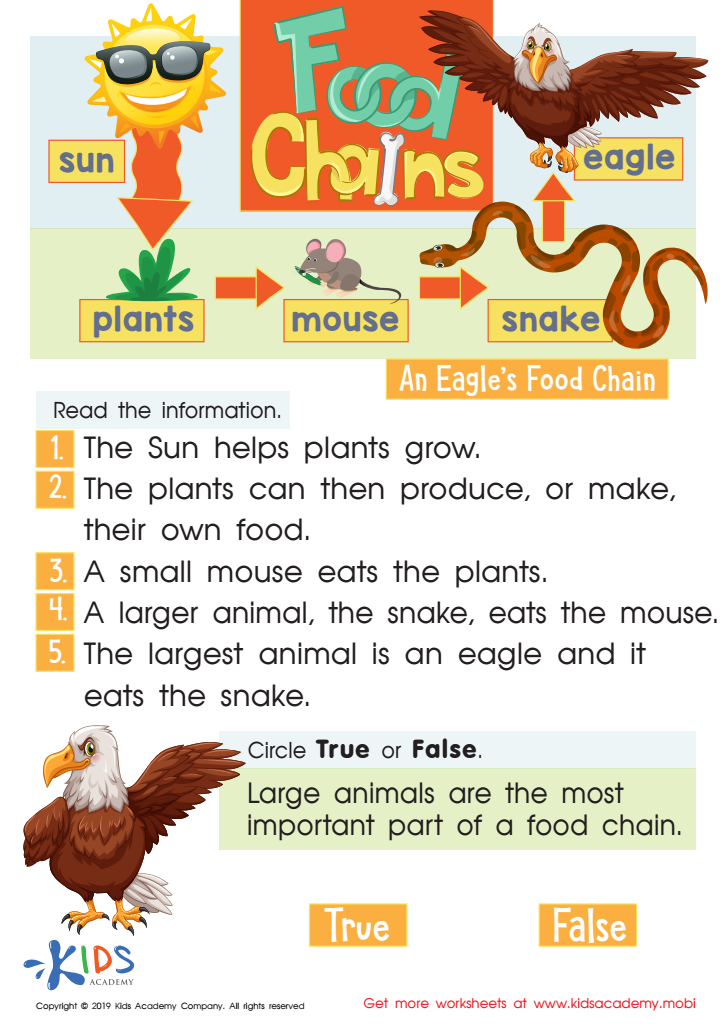
Food Chains Worksheet







Learning about ecosystems is vital for children aged 6-8 because it helps them understand the world around them. Ecosystems are communities made up of living (plants and animals) and non-living things (water, air, and soil) that interact with each other. When parents and teachers guide children in exploring ecosystems, they spark curiosity and imagination. This knowledge fosters a sense of responsibility towards the environment.
Understanding ecosystems teaches kids about interdependence. For instance, they learn how bees help flowers grow by pollinating them, and how trees provide oxygen for both animals and humans. These lessons nurture empathy and a sense of belonging to a larger community.
Additionally, as children engage with ecosystems through simple activities like nature walks or observing their backyard, they develop critical thinking and observation skills. They also learn the importance of caring for their surroundings, which can inspire action to protect nature.
Moreover, in a world facing environmental challenges, instilling a love for ecosystems in young children lays the foundation for responsible and informed adults. By caring about how ecosystems function, we help kids grow into stewards of the earth, prepared to make positive changes for a sustainable future.








