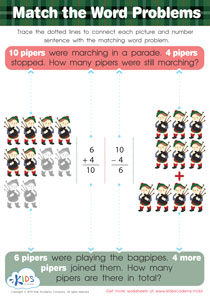
Problem-Solving Skills Normal Addition Worksheets for Ages 6-8
10 filtered results
-
From - To
Empower your young learners with our Problem-Solving Skills Normal Addition Worksheets designed for ages 6-8! These expertly crafted printables help children develop essential addition skills through engaging and age-appropriate activities. Each worksheet presents real-world problems and visual aids to enhance understanding and boost critical thinking. Tailored specifically for early grade students, these resources support the mastery of foundational math concepts. Ideal for classroom use or home practice, our worksheets offer a fun and effective way for children to improve their addition abilities while building confidence in their problem-solving skills. Start your child's math journey with us today!
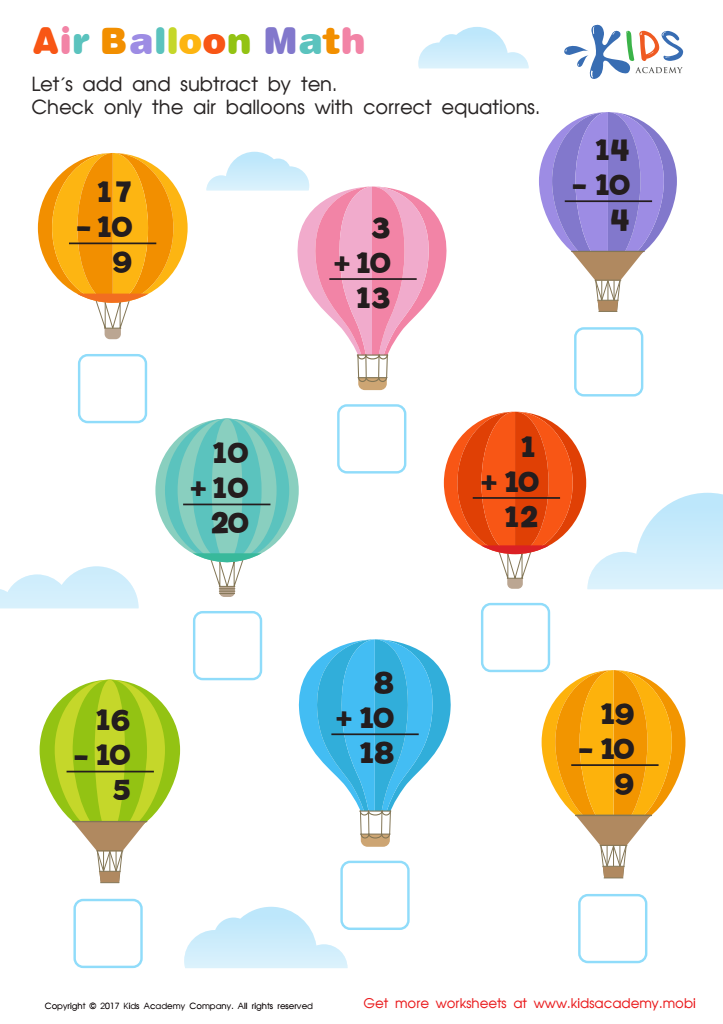
Air Balloon Math Worksheet
 Assign to My Students
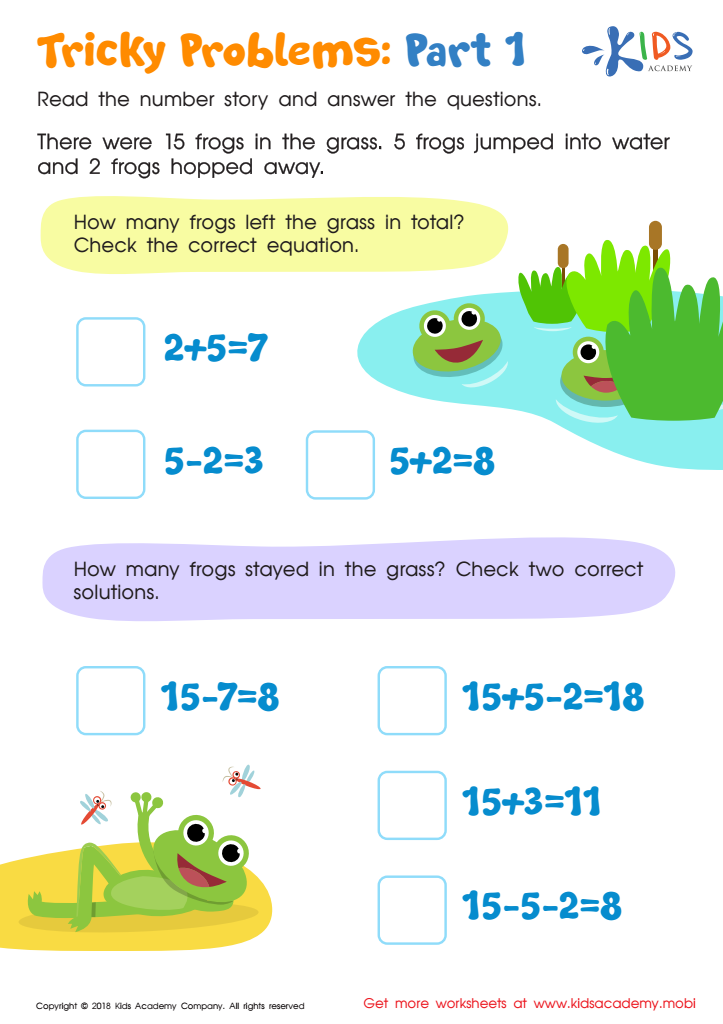
Tricky Problems Worksheet: Part 1
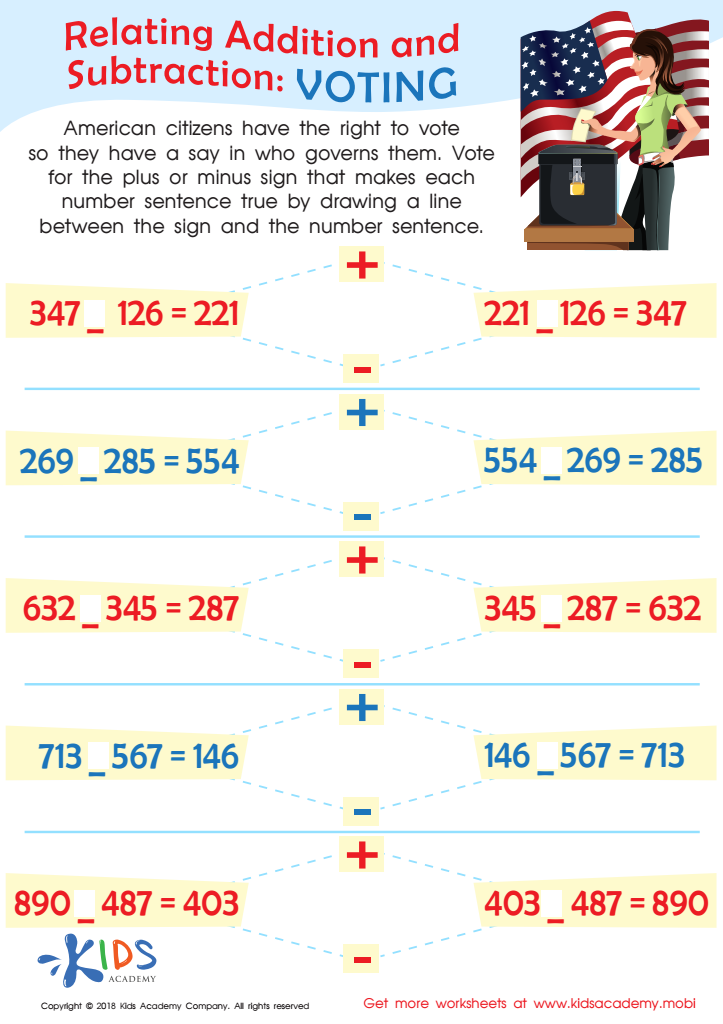
Voting Worksheet
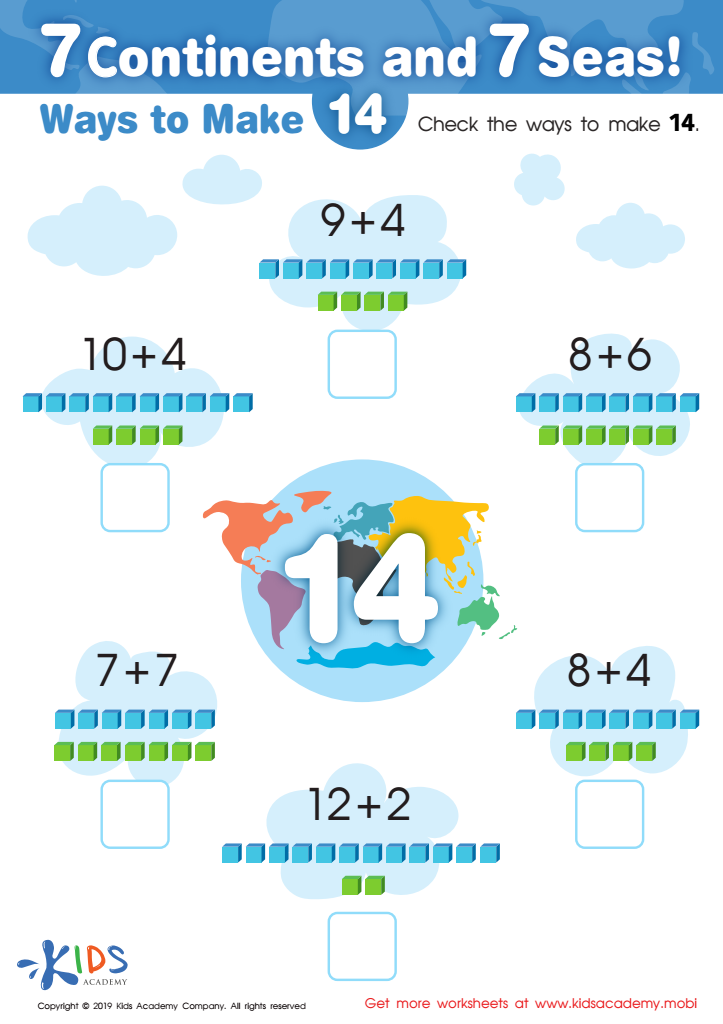
7 Continents and 7 Seas Worksheet
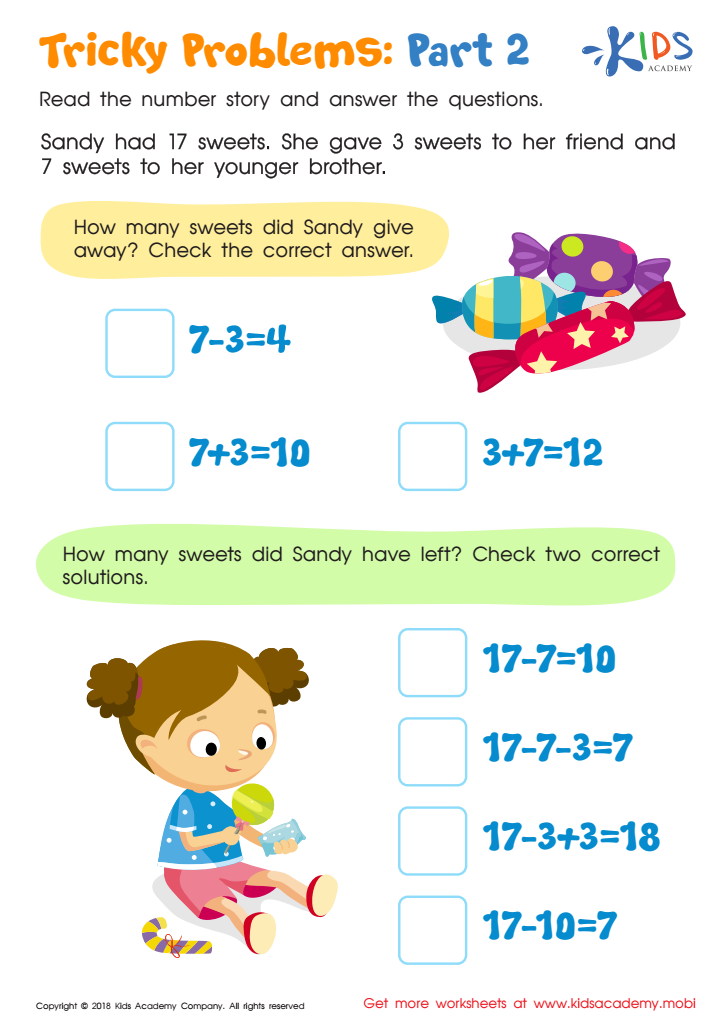
Tricky Problems Worksheet: Part 2
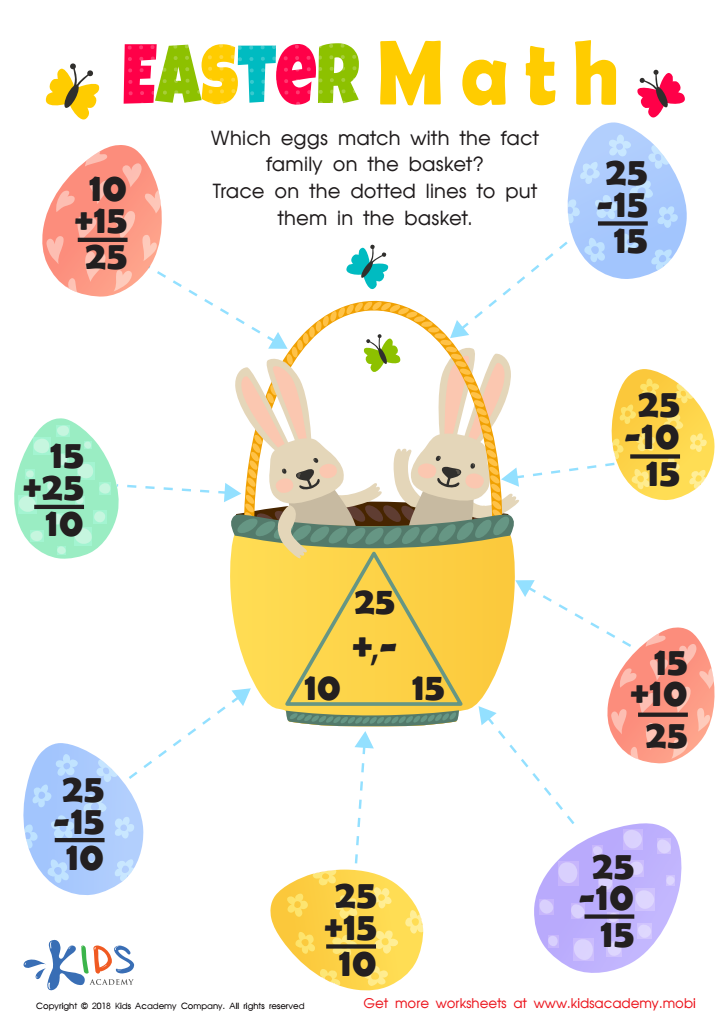
Fact Families: Easter Math Worksheet
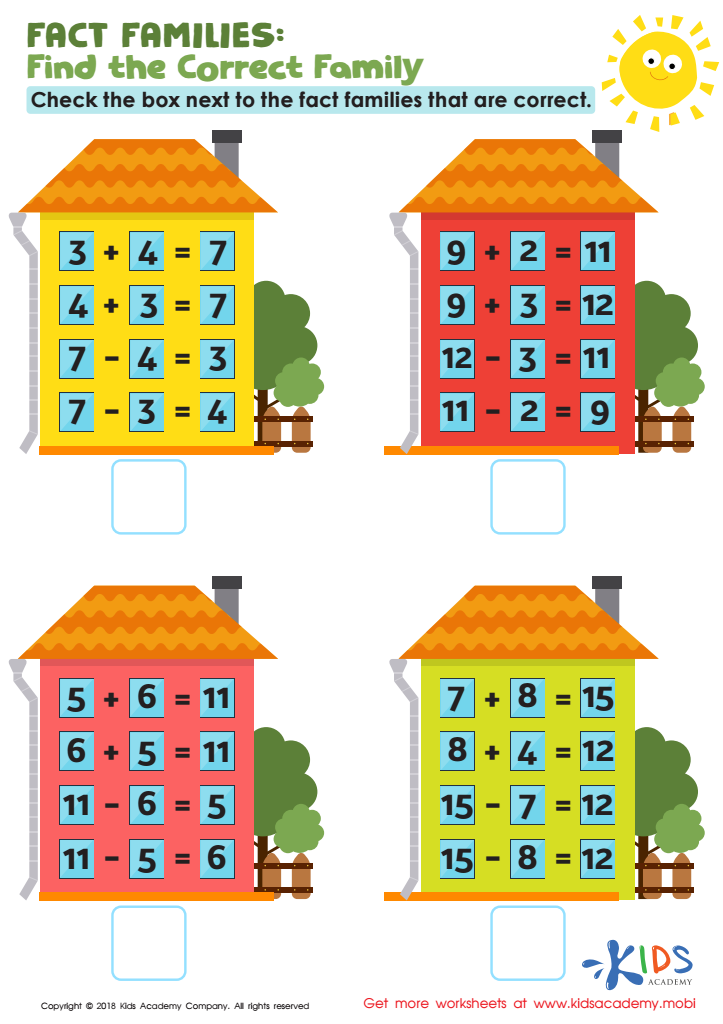
Fact Families: Find Correct Family Worksheet
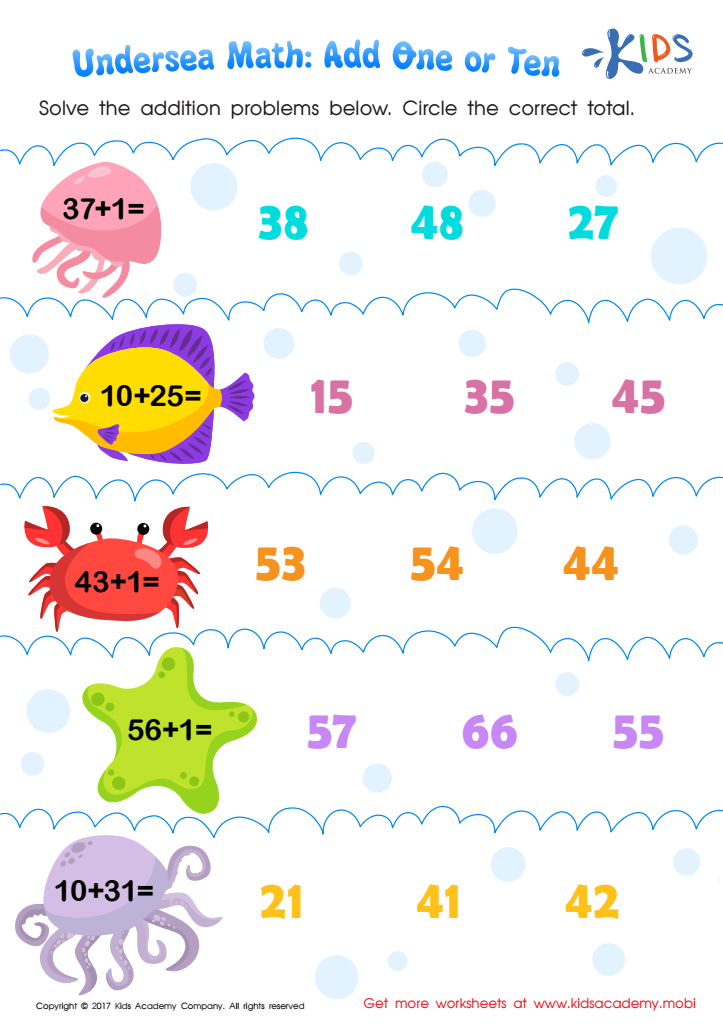
Undersea Math Worksheet
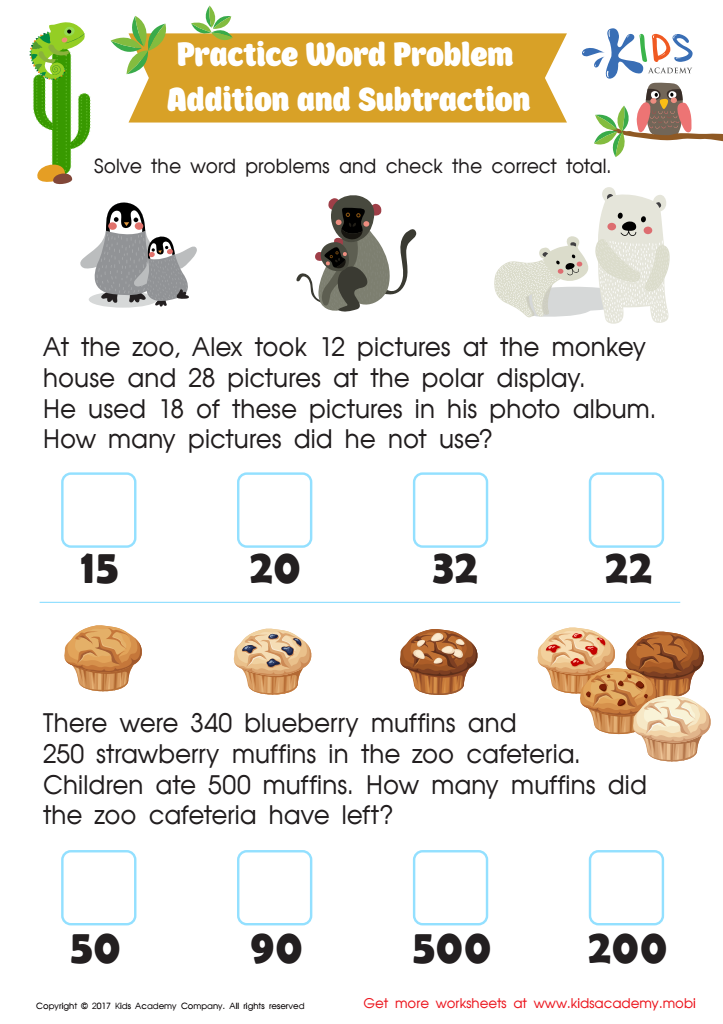
Addition and Subtraction: Word Problems Worksheet
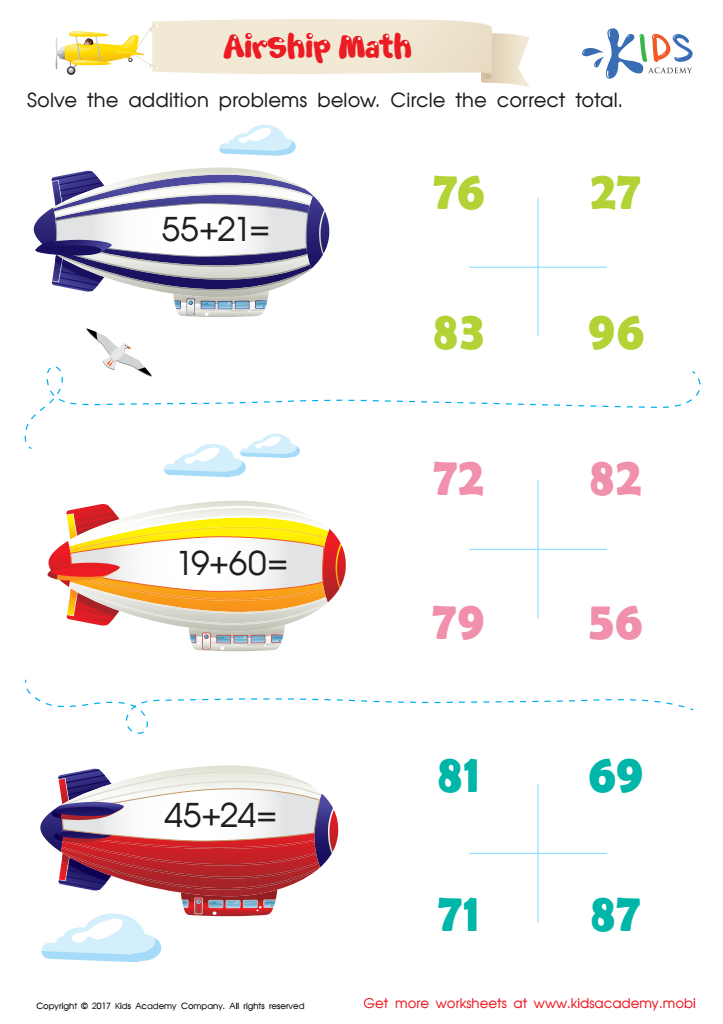
Airship Math Addition Printable








Developing problem-solving skills through normal addition is crucial for 6- to 8-year-olds as it lays the foundation for their future cognitive abilities and academic success. Problem-solving in mathematics enhances critical thinking, encouraging children to analyze situations and devise strategies, which are skills they will use daily in various contexts.
First, learning addition helps solidify a child's understanding of number sense and arithmetic, core components of more complex math concepts they'll encounter later. It's not just about memorizing facts; it's about grasping how numbers interact and function within a system.
Additionally, mastering these skills early boosts their confidence and competence in math, reducing the likelihood of math anxiety, which is a common barrier to learning. By providing them with real-world problems and puzzles, parents and teachers can make learning engaging and meaningful, fostering a positive attitude toward math.
Lastly, problem-solving through addition fosters patience and persistence. Young learners develop the ability to approach a problem step-by-step, making adjustments as needed. These character traits are invaluable beyond academics, contributing to personal growth and resilience.
In summary, focusing on normal addition problem-solving skills at a young age builds essential mathematical comprehension, enhances critical thinking, instills confidence, and develops character, all of which are mechanisms for future success.