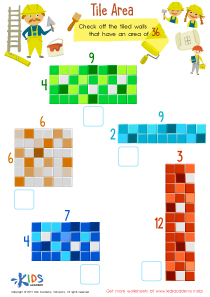
Enhancing Counting Skills Normal Numbers Worksheets for Ages 6-8
5 filtered results
-
From - To
Boost your child's counting skills with our "Enhancing Counting Skills Normal Numbers Worksheets" designed specifically for ages 6-8. This comprehensive collection of engaging worksheets offers a variety of fun activities aimed at improving number recognition, counting proficiency, and basic mathematical concepts. Perfect for home or classroom use, these worksheets challenge young learners with interactive exercises that captivate their interest. Children will practice counting objects, identifying numbers, and filling in missing sequences, all while building a strong foundation in math. Empower your child to become confident in their counting abilities and set them on the path to mathematical success with these essential resources!
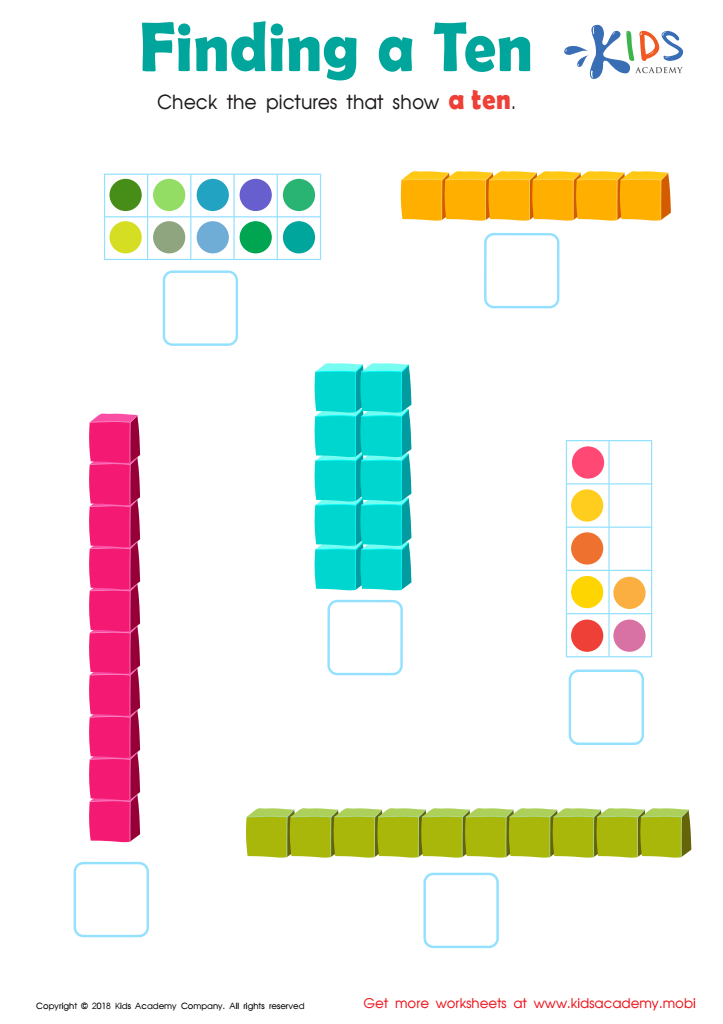
Finding a Ten Worksheet
 Assign to My Students
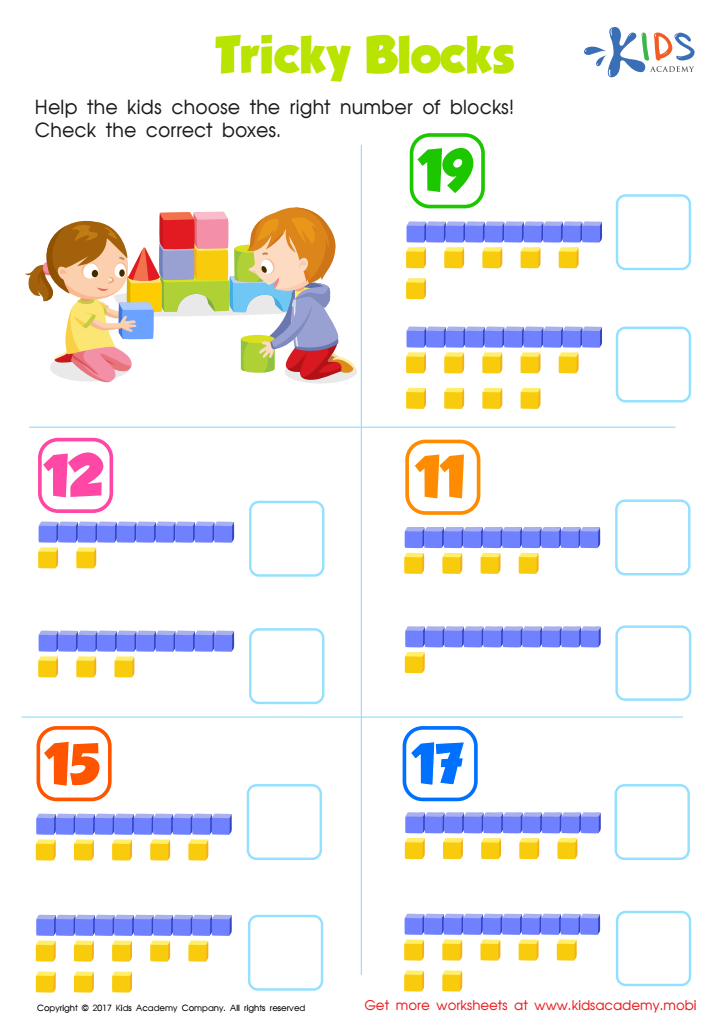
Tricky Blocks Worksheet
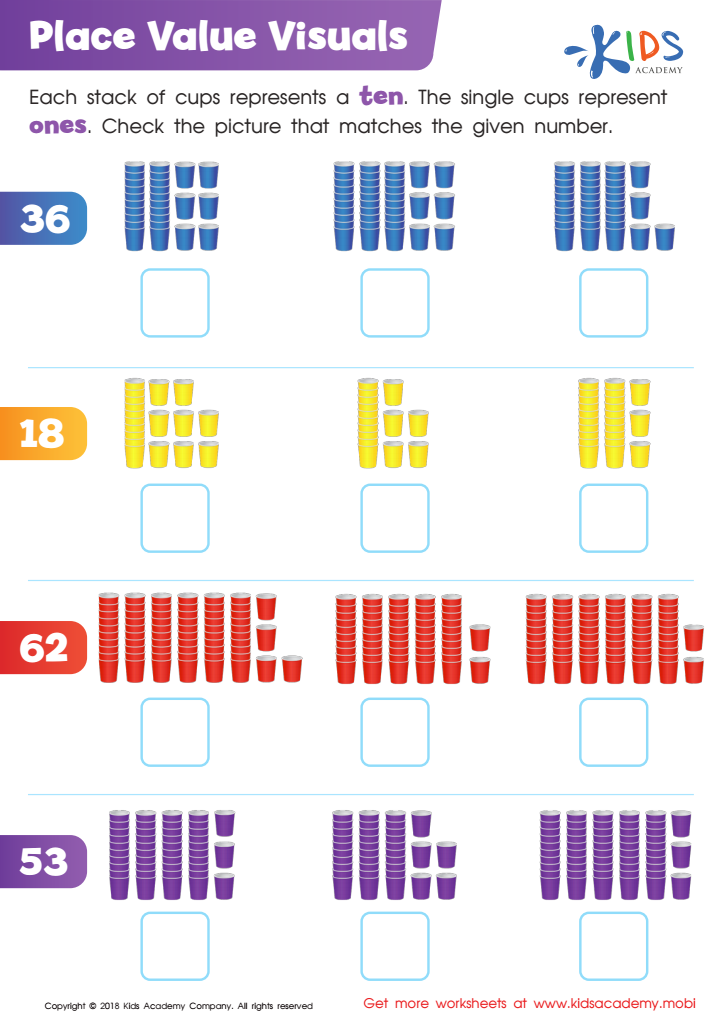
Place Value Visuals Worksheet
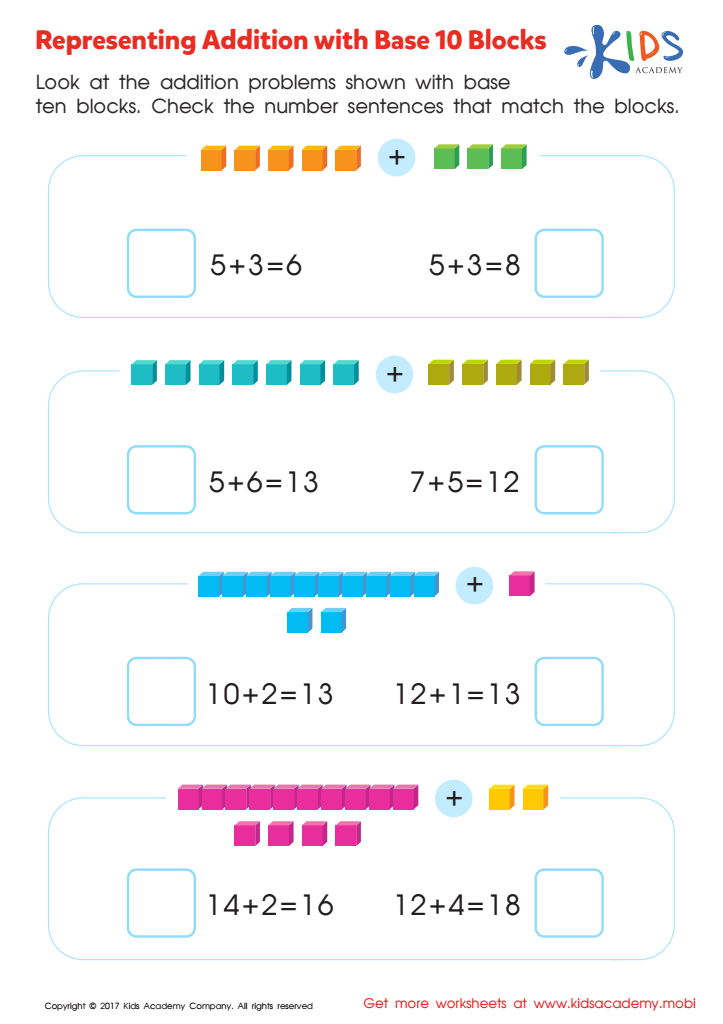
Representing Addition with Base 10 Blocks Worksheet
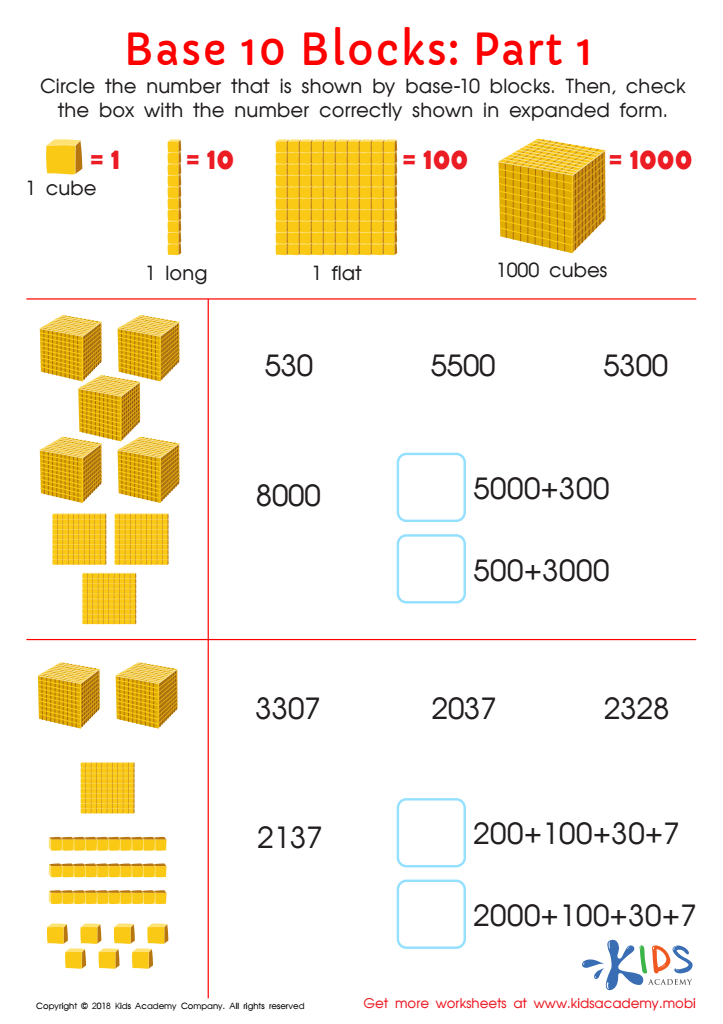
Base 10 Blocks Worksheet: Part 1








Enhancing counting skills with normal numbers for ages 6-8 is crucial for several reasons. First, foundational math skills established during these early years serve as a building block for more complex mathematical concepts later on. When children develop proficient counting abilities, they increase their numeracy, critical for understanding addition, subtraction, and future topics like multiplication and division.
Moreover, counting is not just a mathematical skill; it fosters cognitive development and problem-solving abilities. Engaging in counting exercises helps children develop their observational skills, attention to detail, and perseverance when tackling challenges. These skills contribute to enhanced reasoning abilities across various subjects, including science and reading.
Furthermore, strong counting skills support everyday life skills. Children learn to navigate real-world scenarios, such as managing money, telling time, and measuring ingredients in cooking.
Lastly, early mastery of counting boosts a child’s confidence in math, leading to a more positive attitude toward learning and a stronger likelihood of continuing to pursue mathematical studies. Therefore, parents and teachers should prioritize enhancing counting skills, recognizing the long-term academic benefits and overall confidence they provide to children during this critical developmental stage.