Associative learning Normal Math Worksheets for Ages 6-8
3 filtered results
-
From - To
Discover a fun and effective way to boost your child’s mathematical skills with our "Associative Learning Normal Math Worksheets for Ages 6-8." Our expertly crafted worksheets focus on engaging young minds through patterns and relationships, enabling kids to grasp fundamental math concepts seamlessly. These worksheets are designed to enhance associative learning, helping children recognize connections between numbers and operations. Perfect for both classroom and at-home use, they ensure a solid foundation in arithmetic, logic, and problem-solving skills. Make learning fun and interactive, and watch your child’s confidence and competence in math grow exponentially! Perfect for ages 6-8.
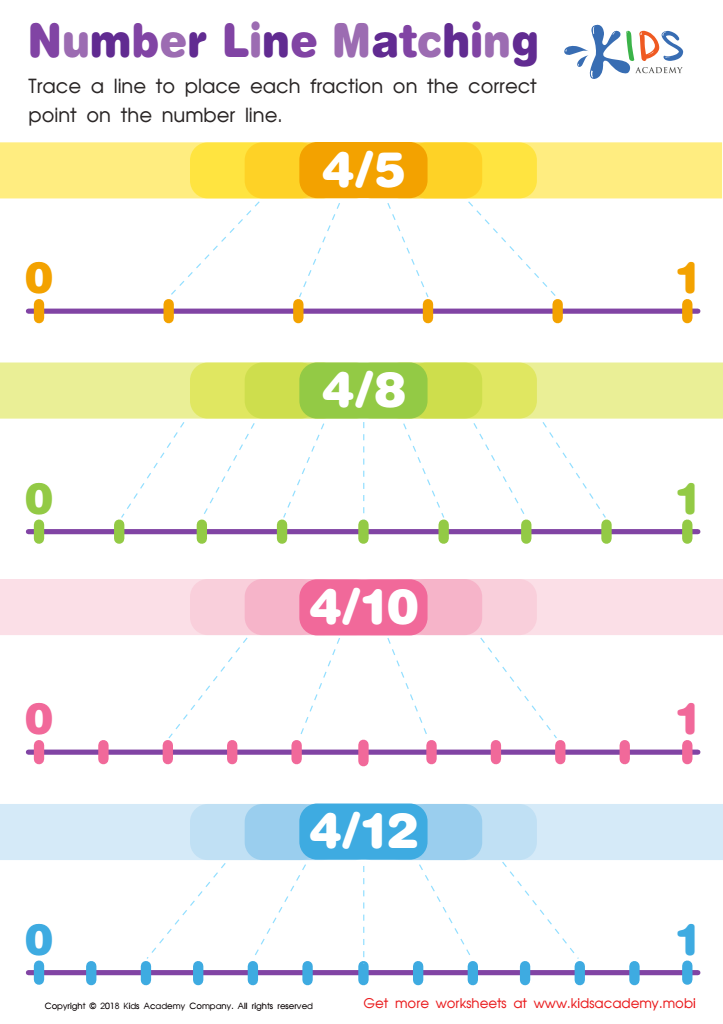
Number Line Matching Worksheet
 Assign to My Students
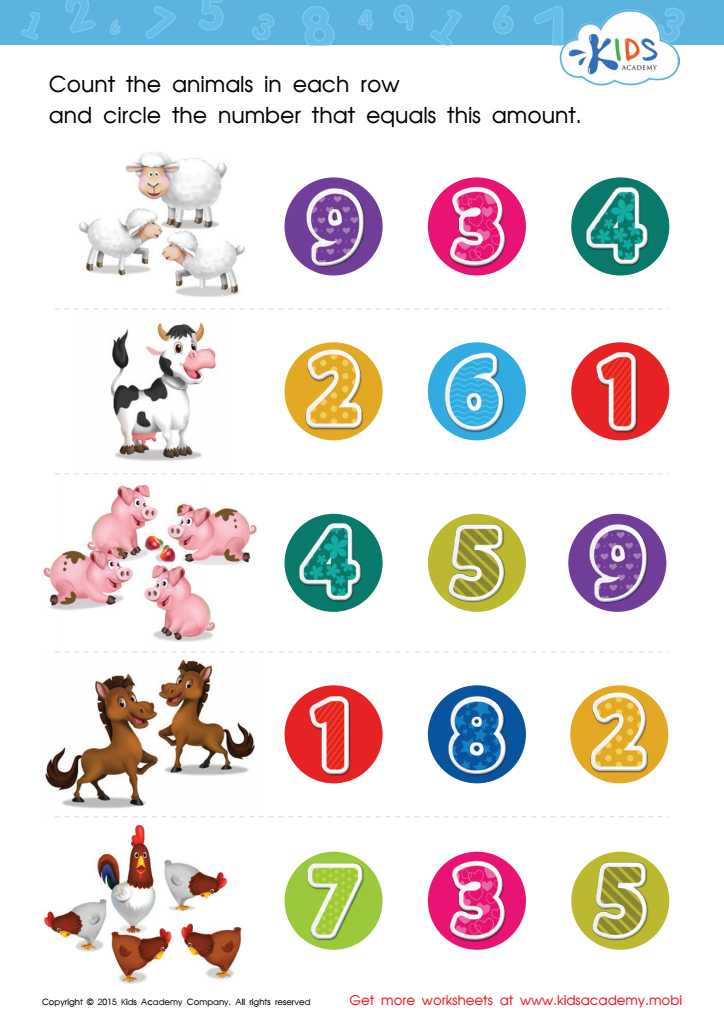
Count and Match 1 – 5 Math Worksheet
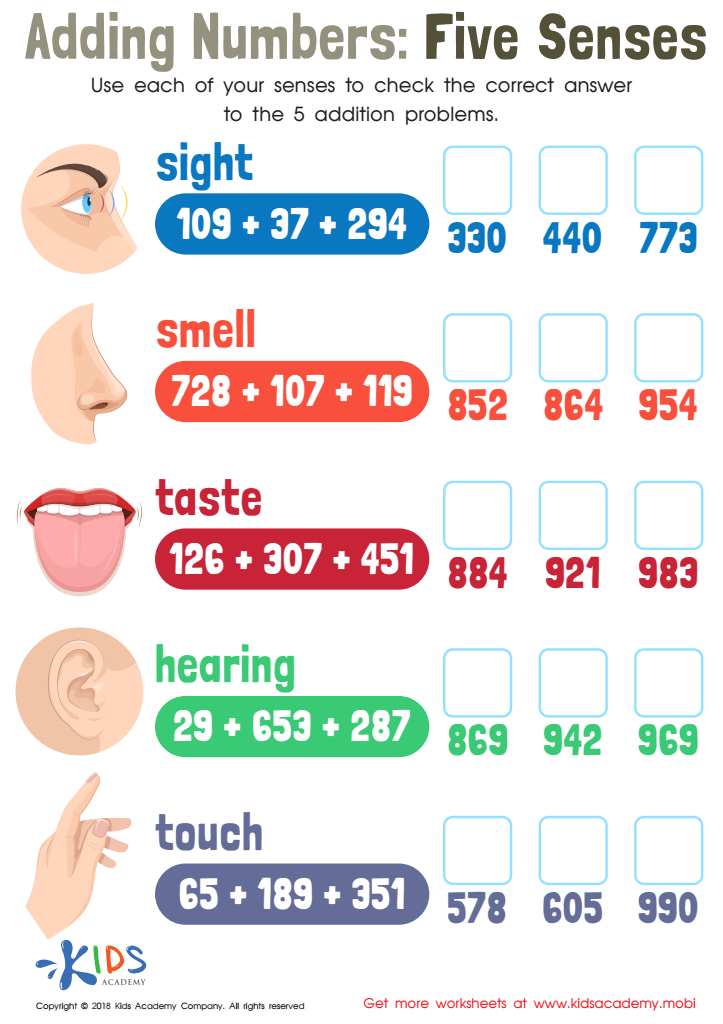
Adding Numbers: Five Senses Worksheet







Associative learning in math for ages 6-8 is crucial for building a strong educational foundation. At this early stage, children are not only learning basic arithmetic but also developing crucial problem-solving and critical-thinking skills. Associative learning ensures that students recognize patterns and relationships between numbers, which is fundamental for understanding more complex mathematical concepts later on.
For parents and teachers, fostering associative learning means creating an engaging and supportive environment where children can explore and connect different mathematical ideas. This involves interactive activities, visual aids, and real-life examples that enable kids to see the relevance of math in their everyday lives. By making these connections, children are more likely to retain information and apply it effectively, both in and out of the classroom.
Additionally, early mastery of associative learning in math builds confidence. When children understand how numbers relate to one another, they feel more capable of tackling new challenges, enhancing their overall academic self-esteem. For teachers, this means employing varied teaching methods to address different learning styles, while parents can reinforce these concepts at home through games and everyday tasks, such as cooking or shopping.
Ultimately, investing in associative learning at a young age sets the stage for future success in math, helping children become critical thinkers and competent problem solvers.








