Fine Motor Skills Normal Math Worksheets for Ages 6-8 - Page 2
38 filtered results
-
From - To
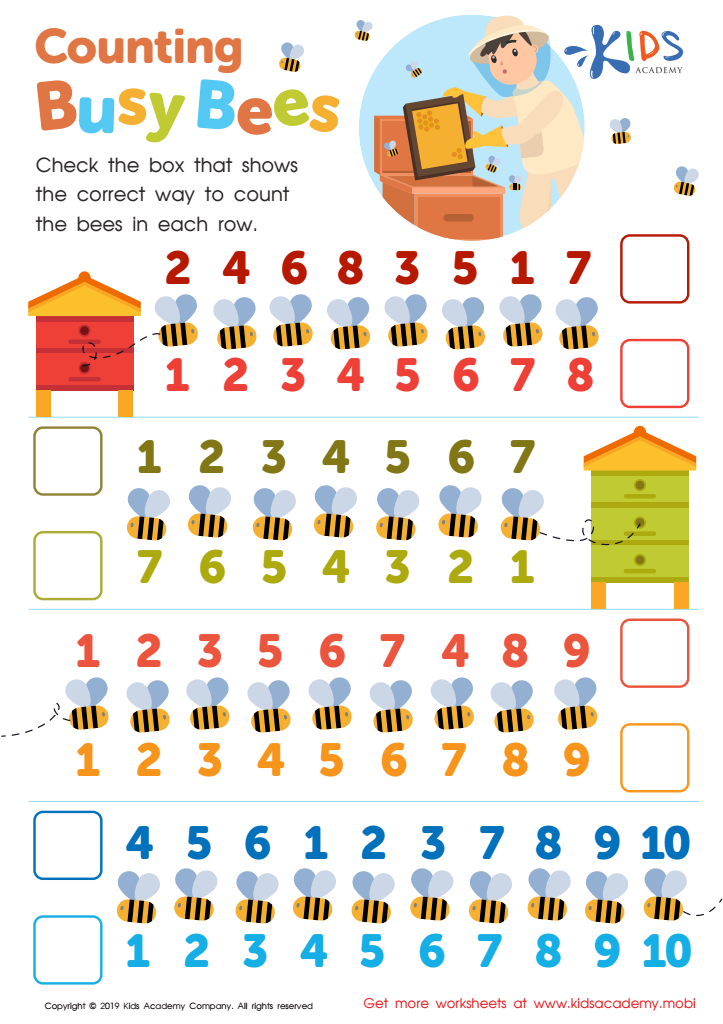
Counting Busy Bees Worksheet
 Assign to My Students
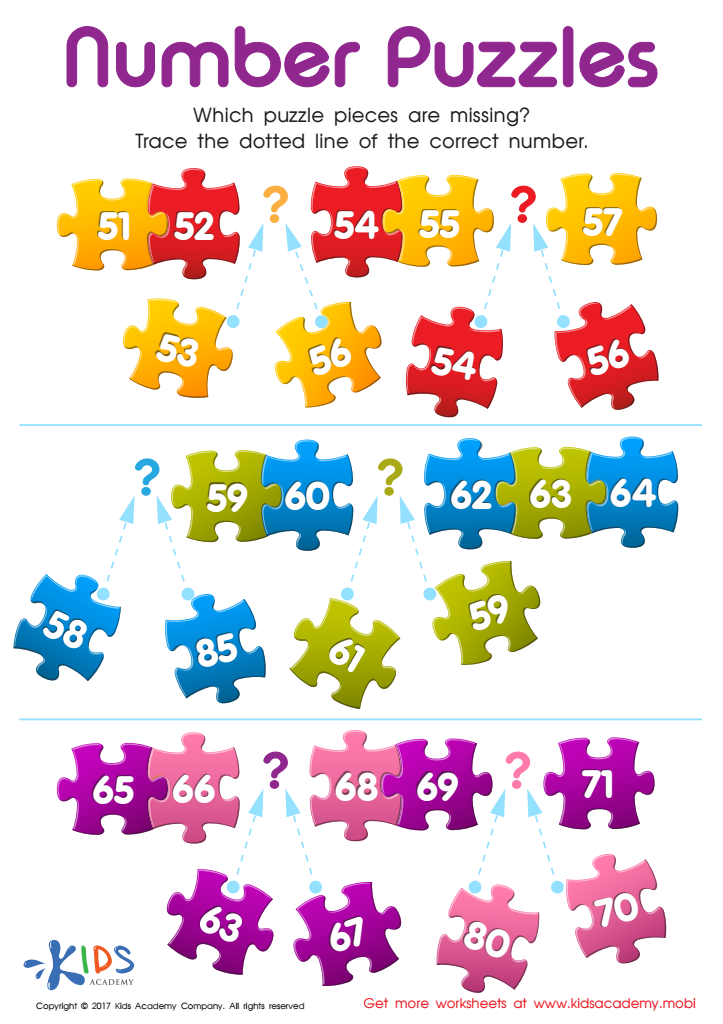
Number Puzzles Worksheet
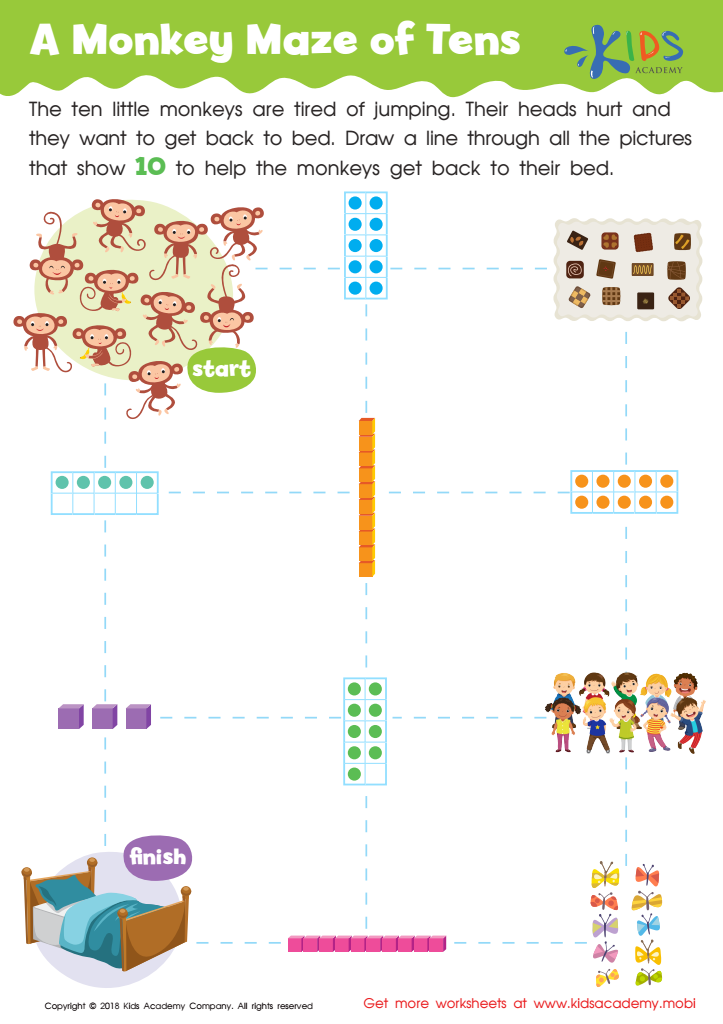
A Monkey Maze of Tens Worksheet
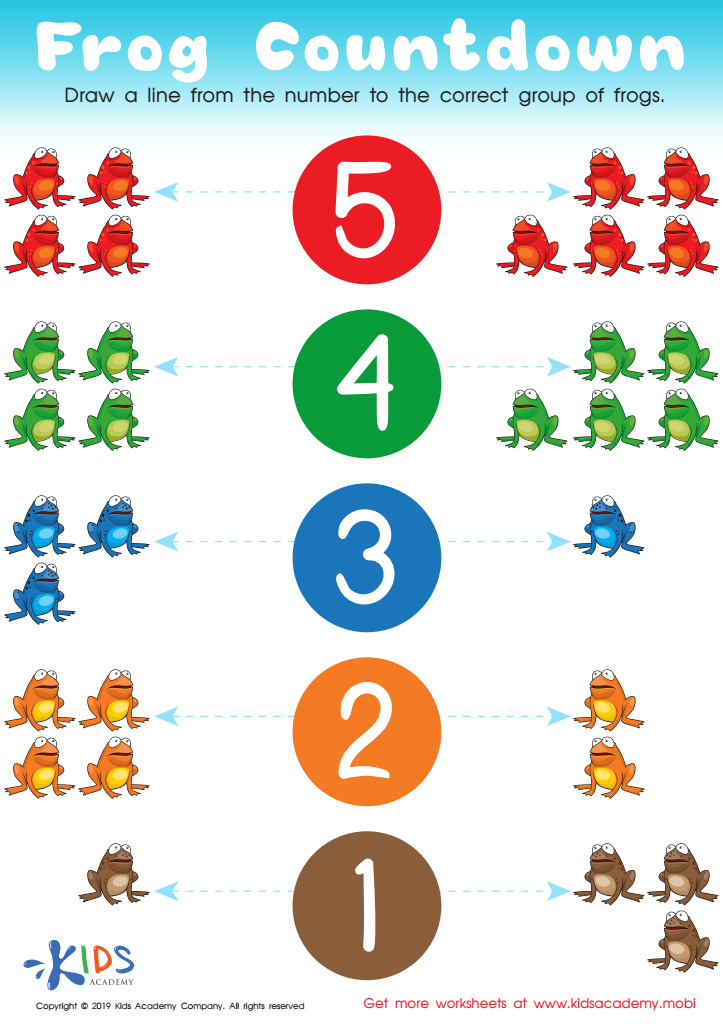
Frog Countdown Worksheet
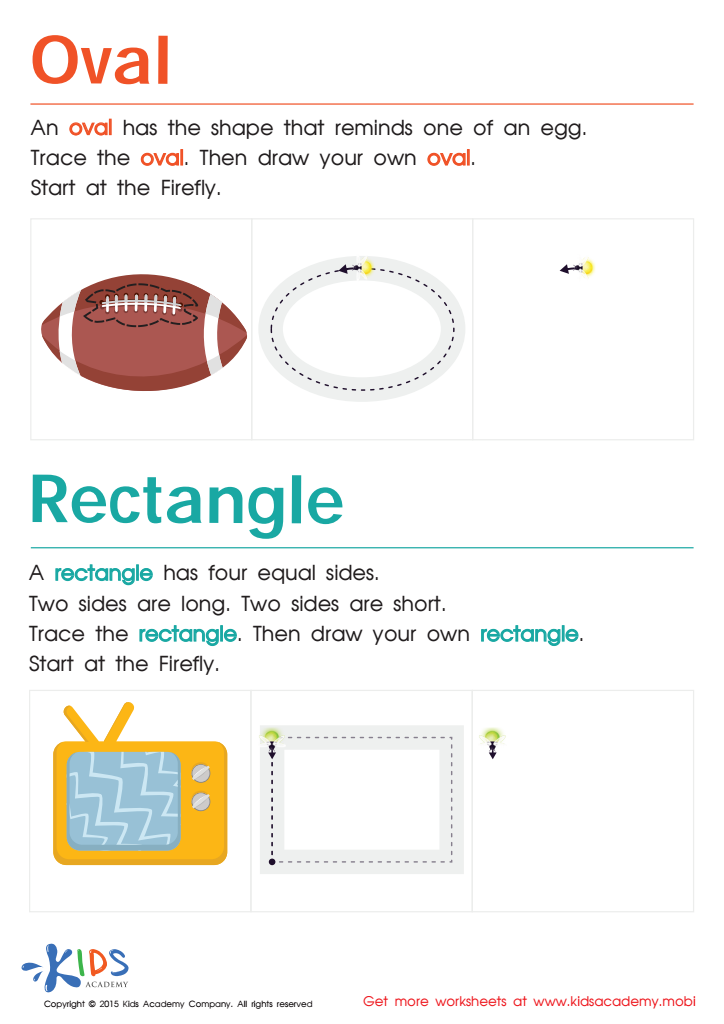
Easy Drawing of Ovals And Rectangles Worksheet
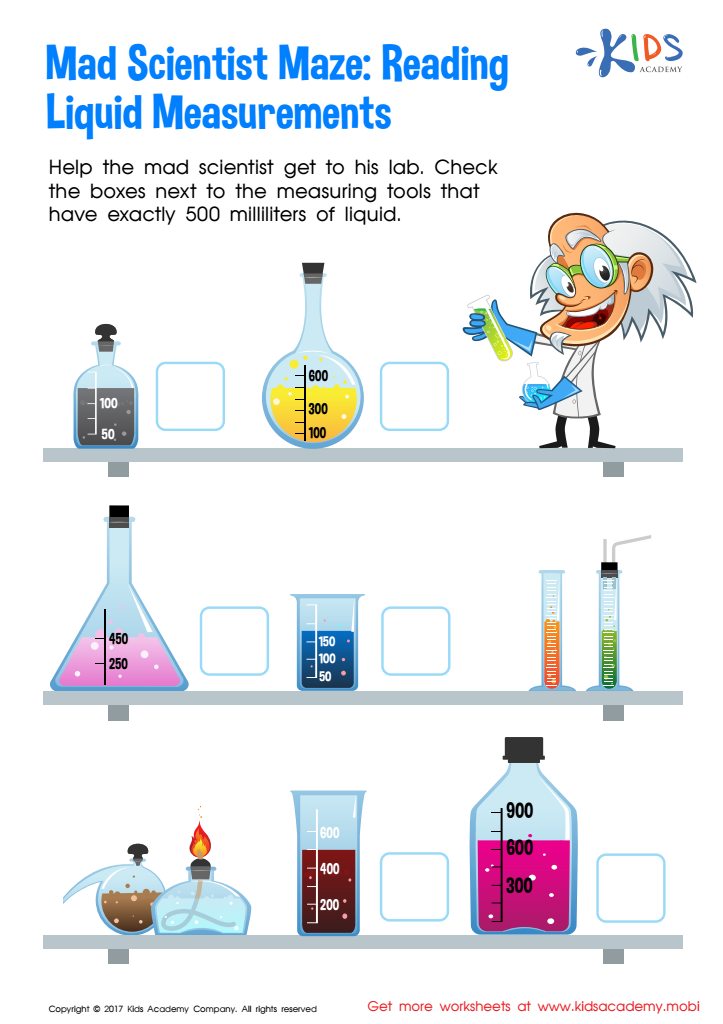
Reading Liquid Measurement Worksheet
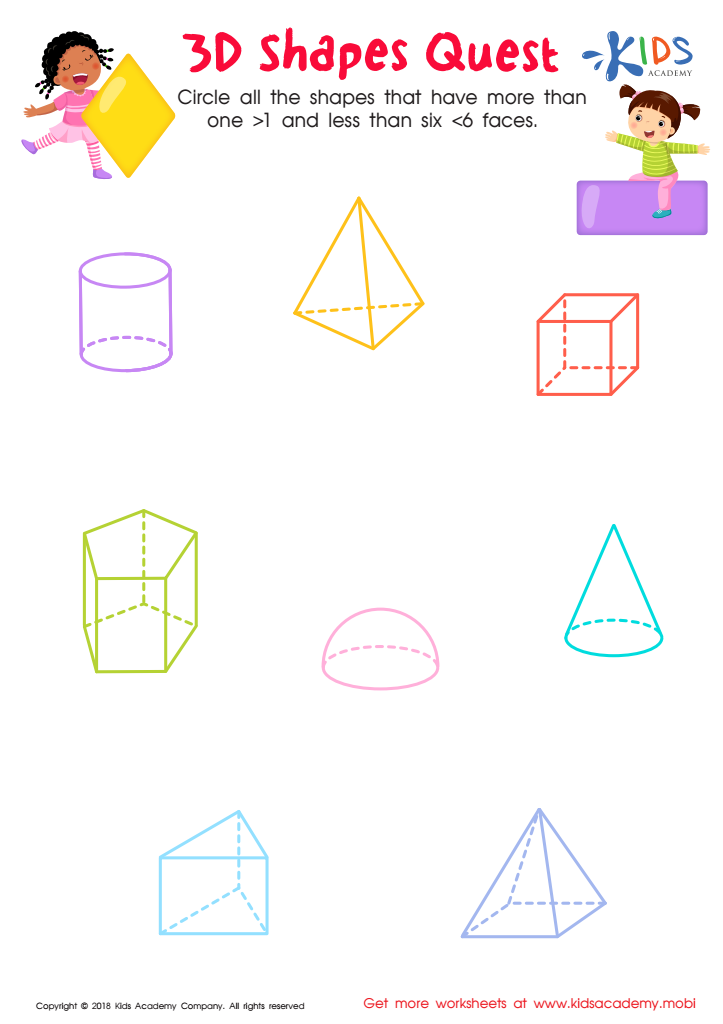
3D Shapes Quest Worksheet
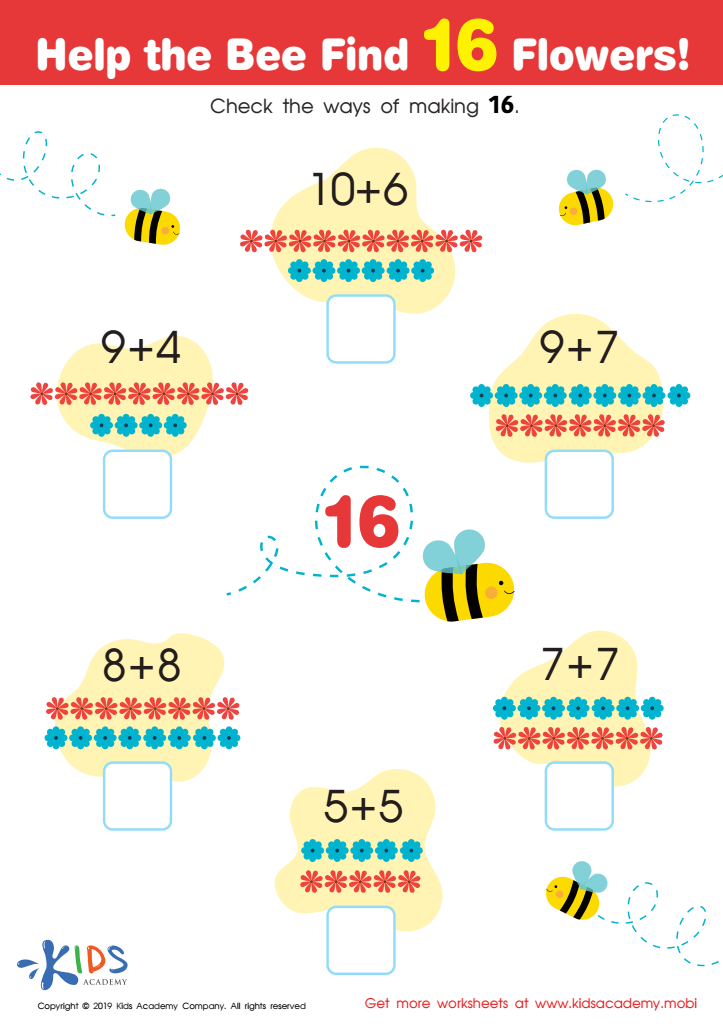
Help the Bee Find 16 Flowers Worksheet
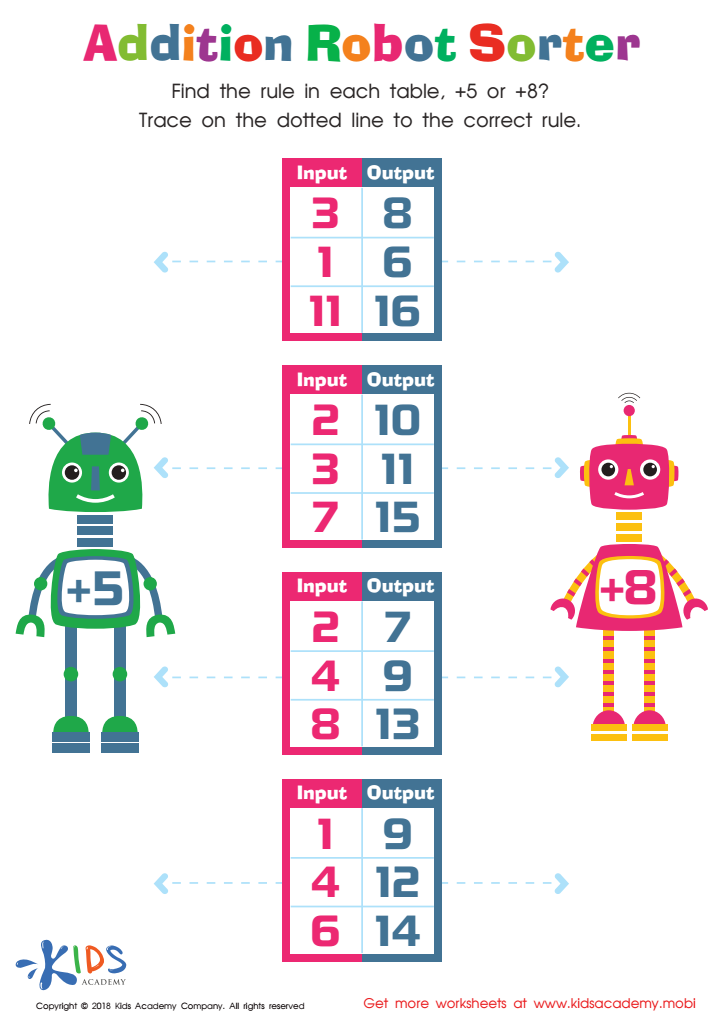
Addition Robot Sorter Worksheet
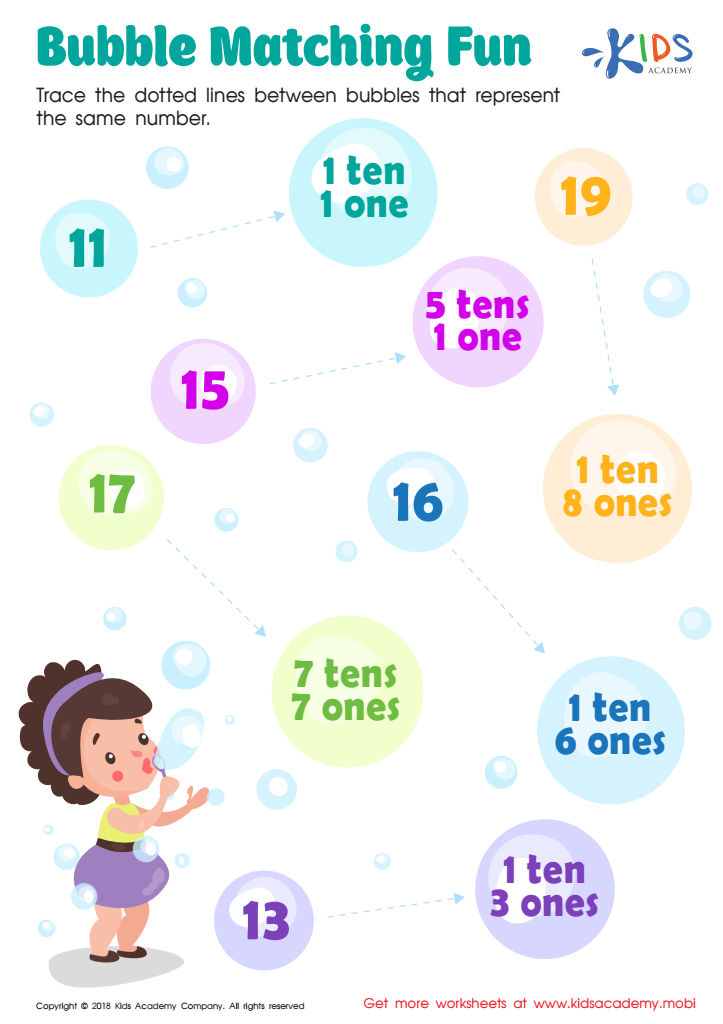
Bubble Matching Fun Worksheet
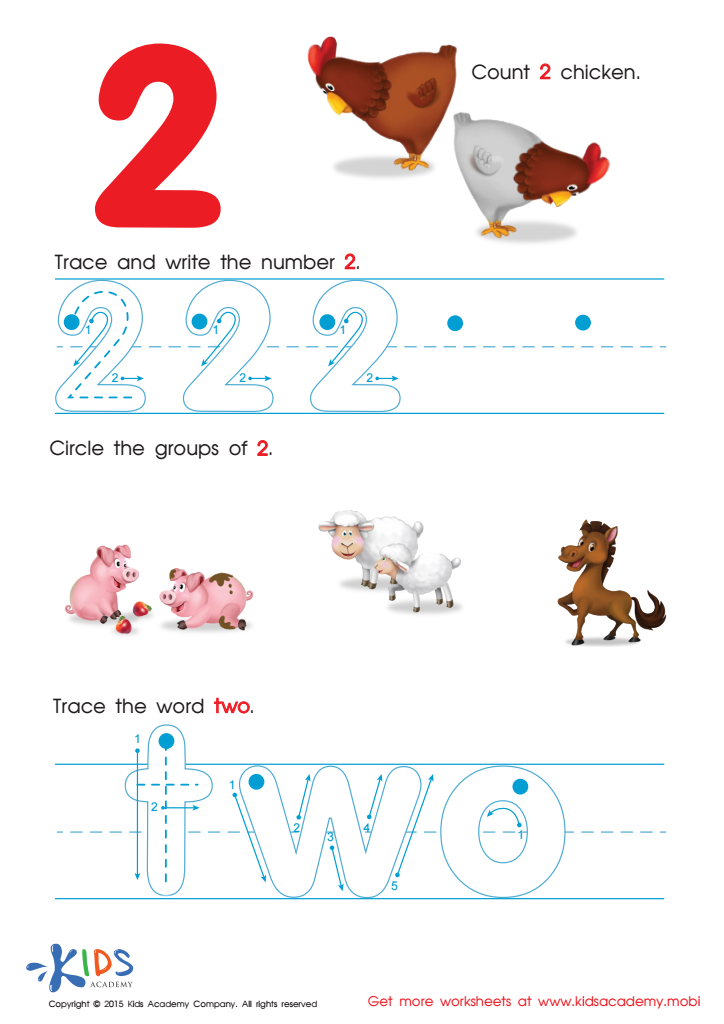
Learn to Write the Number 2 Worksheet
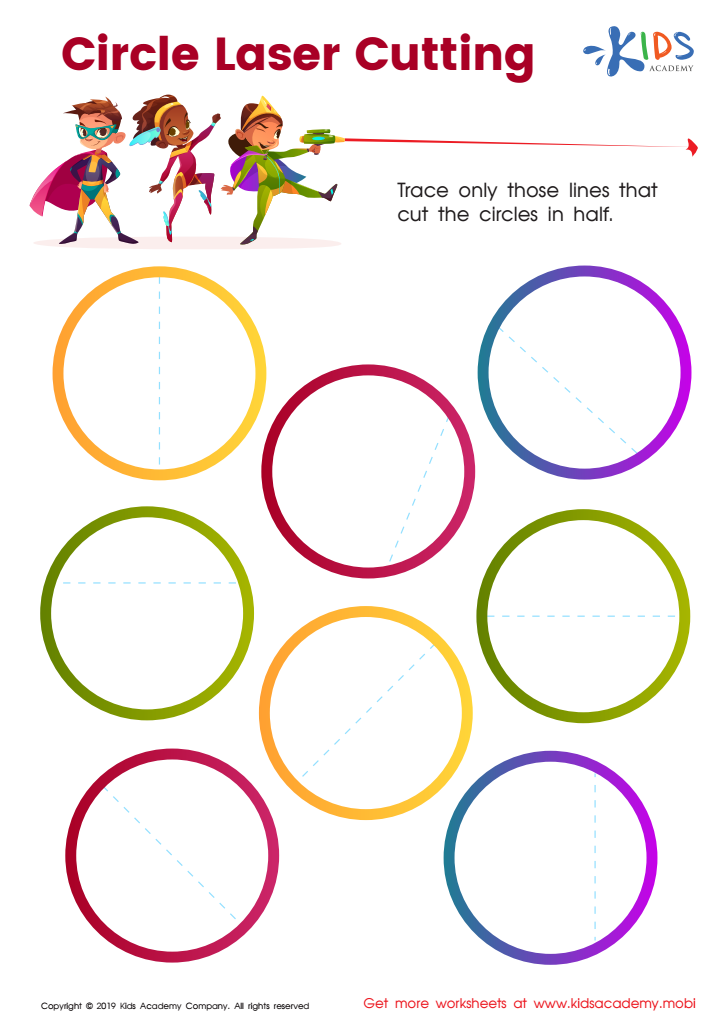
Circle Laser Cutting Worksheet
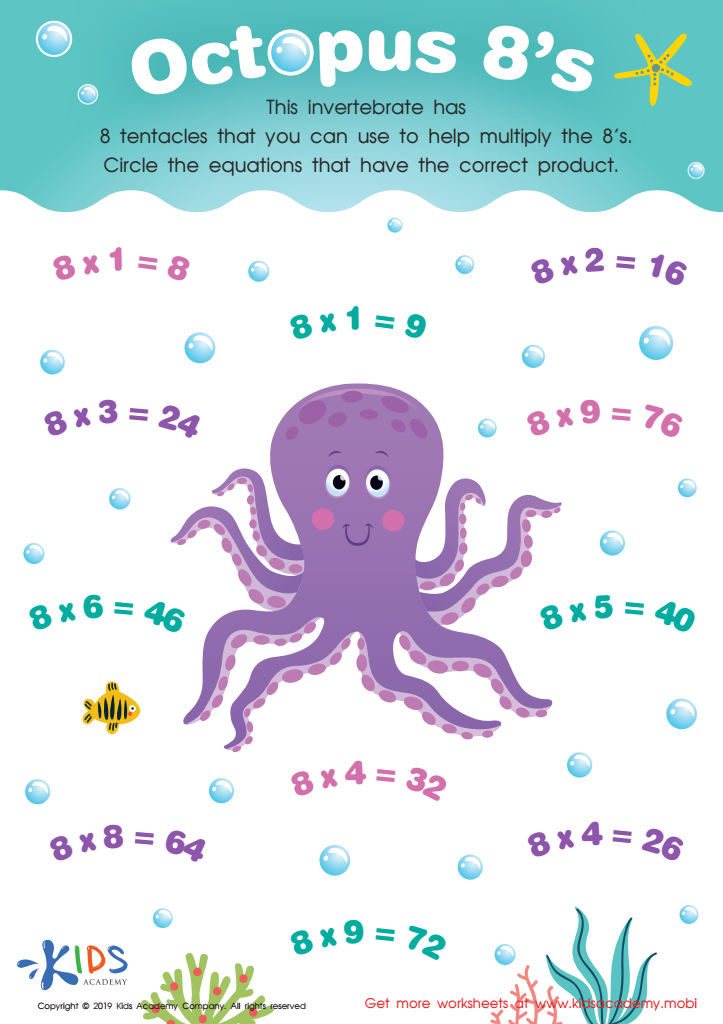
Octopus 8’s Worksheet
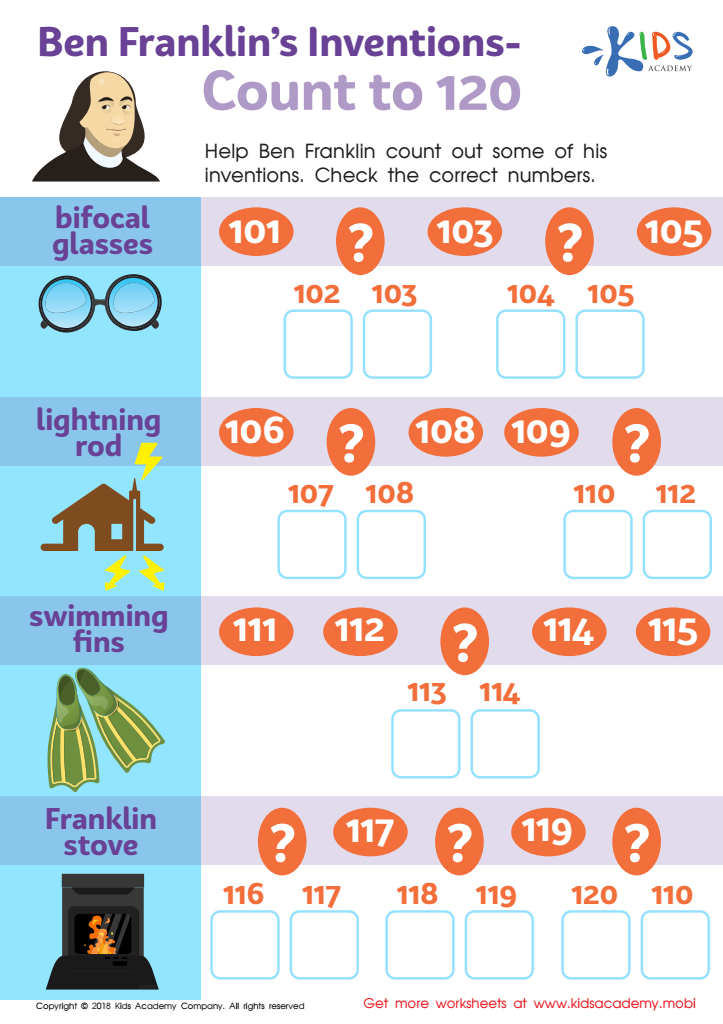
Ben Franklin’s Inventions – Count to 120 Worksheet




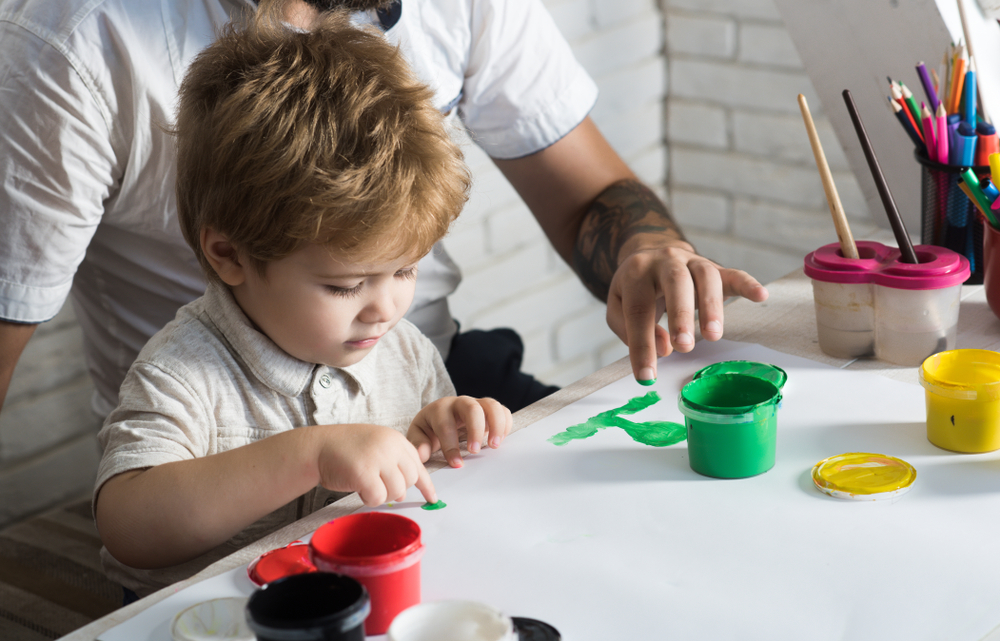



Fine motor skills refer to the coordinated movements of the small muscles in the hands and fingers, which are essential for everyday activities, especially for children aged 6-8. As a parent or teacher, understanding and nurturing these skills is crucial for several reasons. Firstly, fine motor skills directly impact a child’s ability to perform tasks that are fundamental in both academic and personal life, such as writing, drawing, and cutting with scissors. At this age, children are transitioning from basic scribbles to more refined hand movements that are necessary for legible handwriting and detailed illustrations, which are integral aspects of their learning process.
Secondly, fine motor skills are closely linked to cognitive development. Tasks that require precise hand movements also engage the brain in planning, focus, and problem-solving. For instance, math activities that involve manipulating small objects, such as counting beads or arranging number tiles, help enhance their numerical understanding and spatial awareness.
Moreover, practicing fine motor skills fosters independence and boosts self-esteem. When children can tie their shoes, button their clothes, or pack their school bags without adult help, they gain a sense of accomplishment and confidence. Therefore, caring about fine motor skills means supporting holistic development, ensuring children are well-prepared for future challenges, both in and out of the classroom.








