Normal Governance and Civics Worksheets for Ages 6-8 - Page 2
41 filtered results
-
From - To
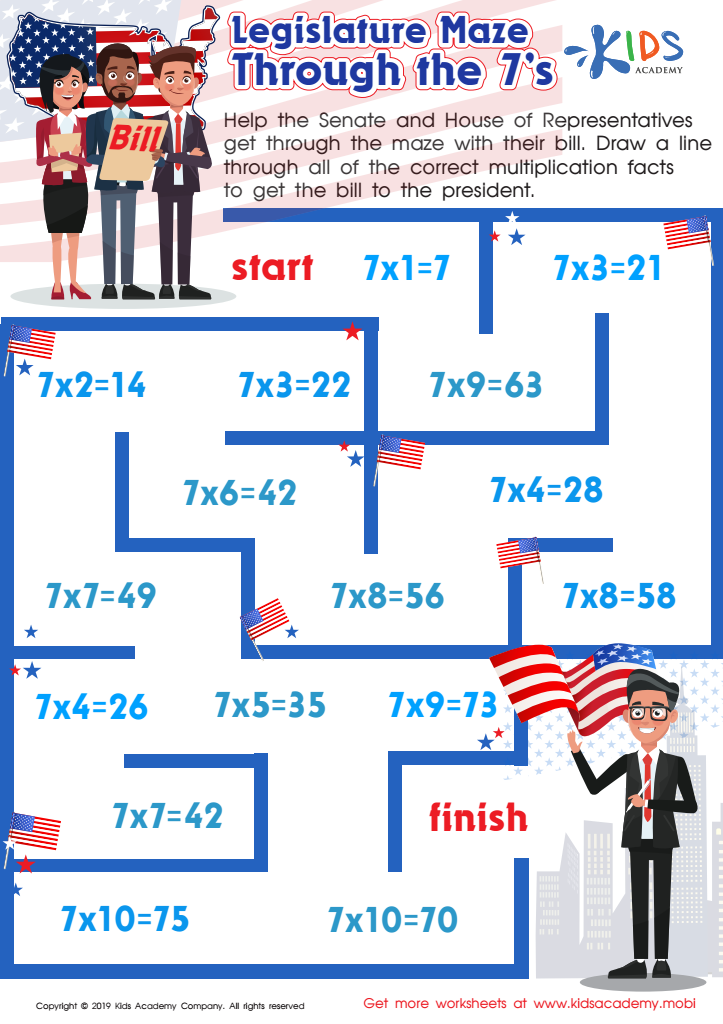
Legislature Maze Through the 7’s Worksheet
 Assign to My Students
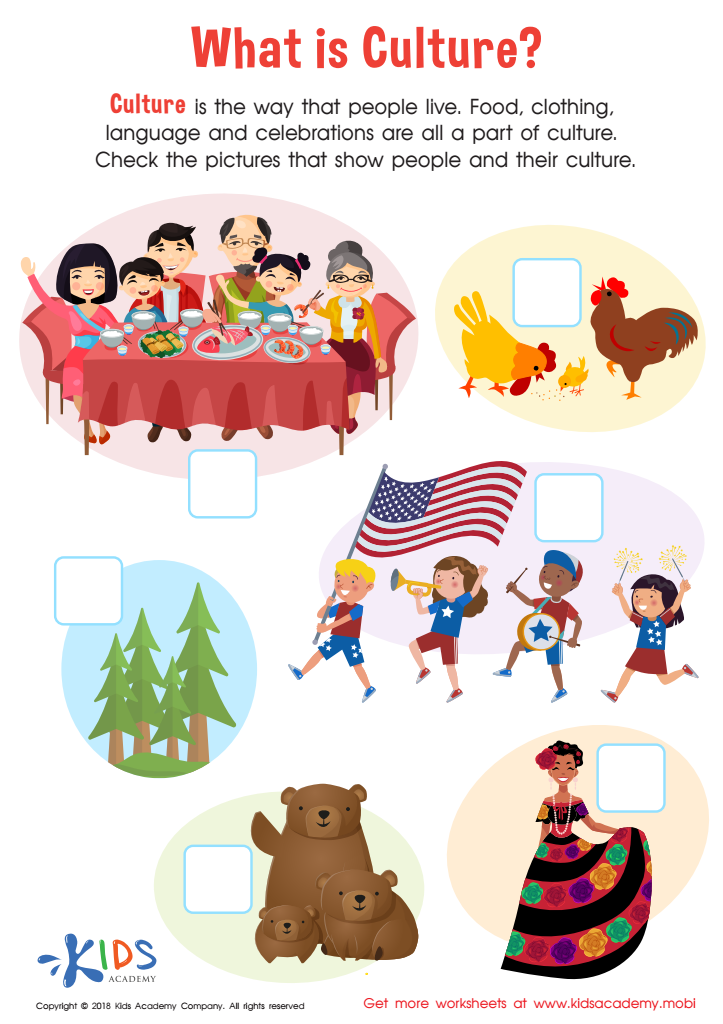
What Is Culture? Worksheet
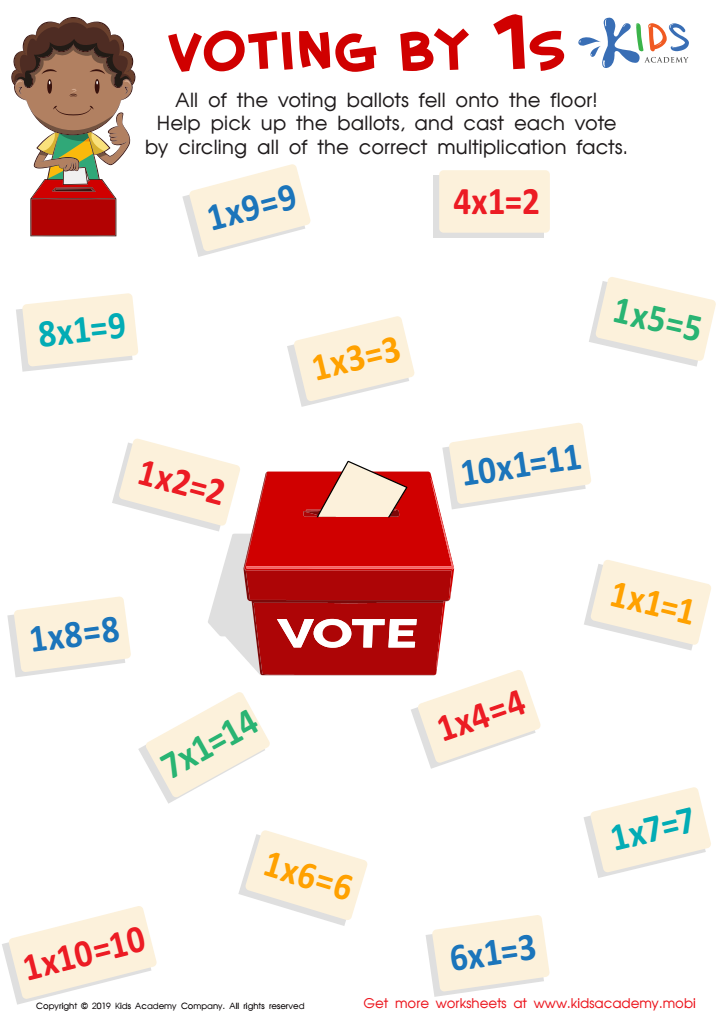
Voting by 1s Worksheet
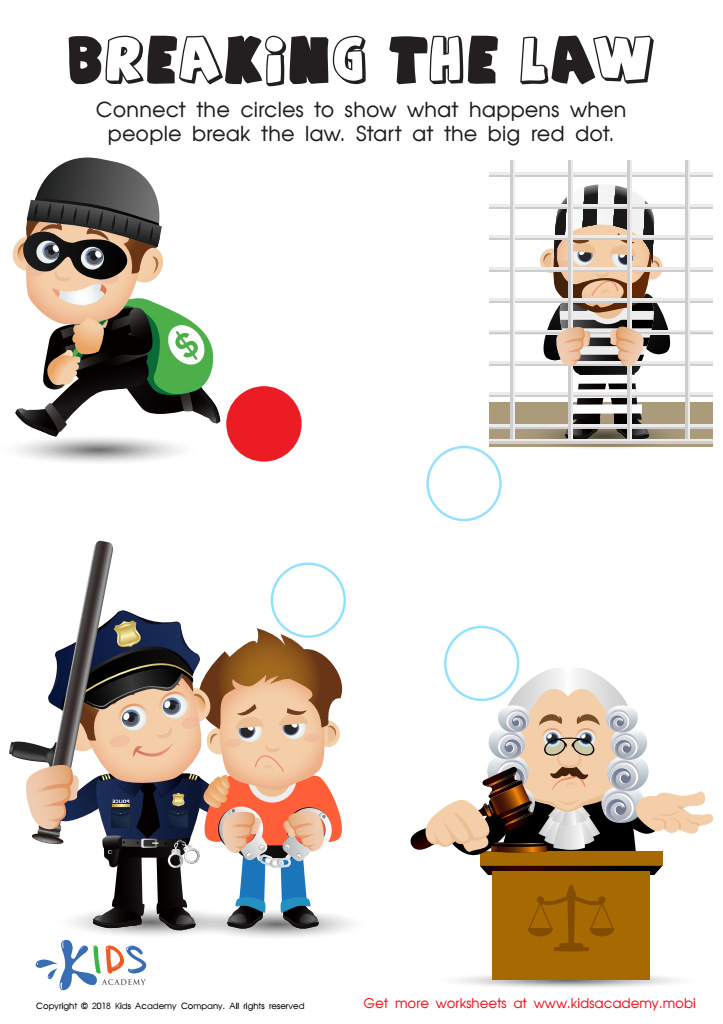
Breaking the Law Worksheet
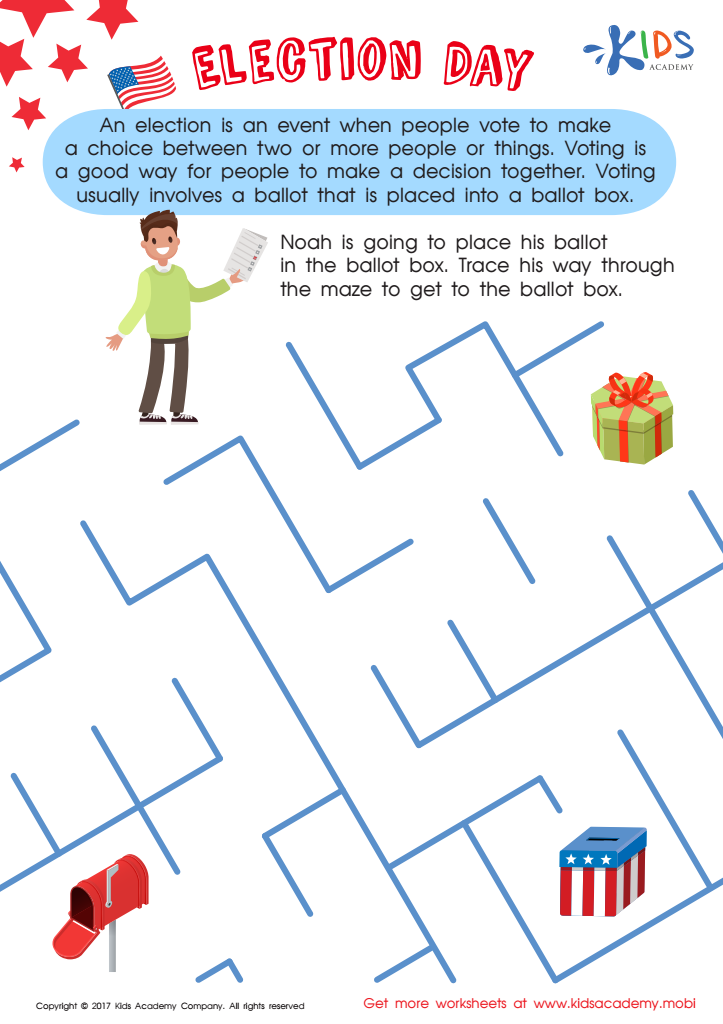
Election Day Worksheet
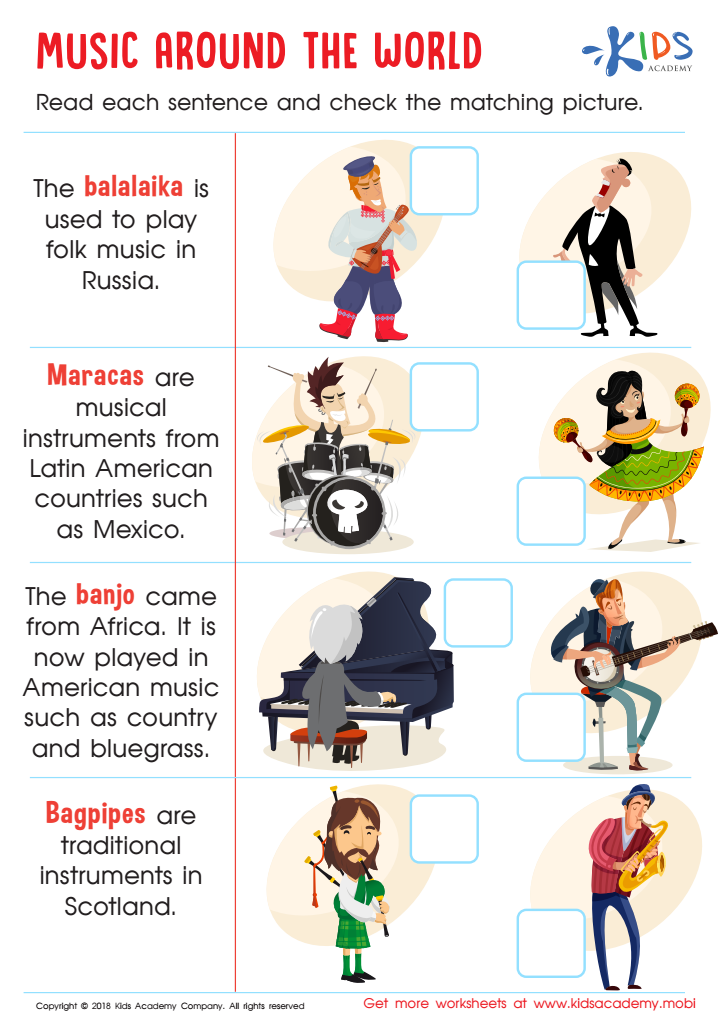
Music Around the World Worksheet
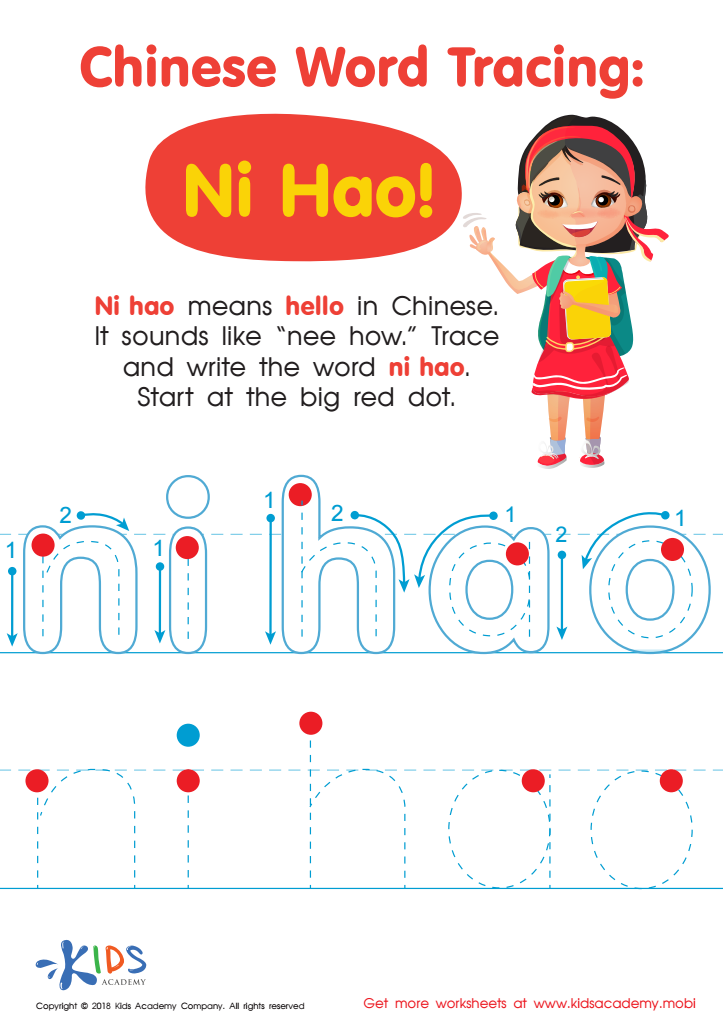
Chinese Word Tracing: Ni Hao Worksheet
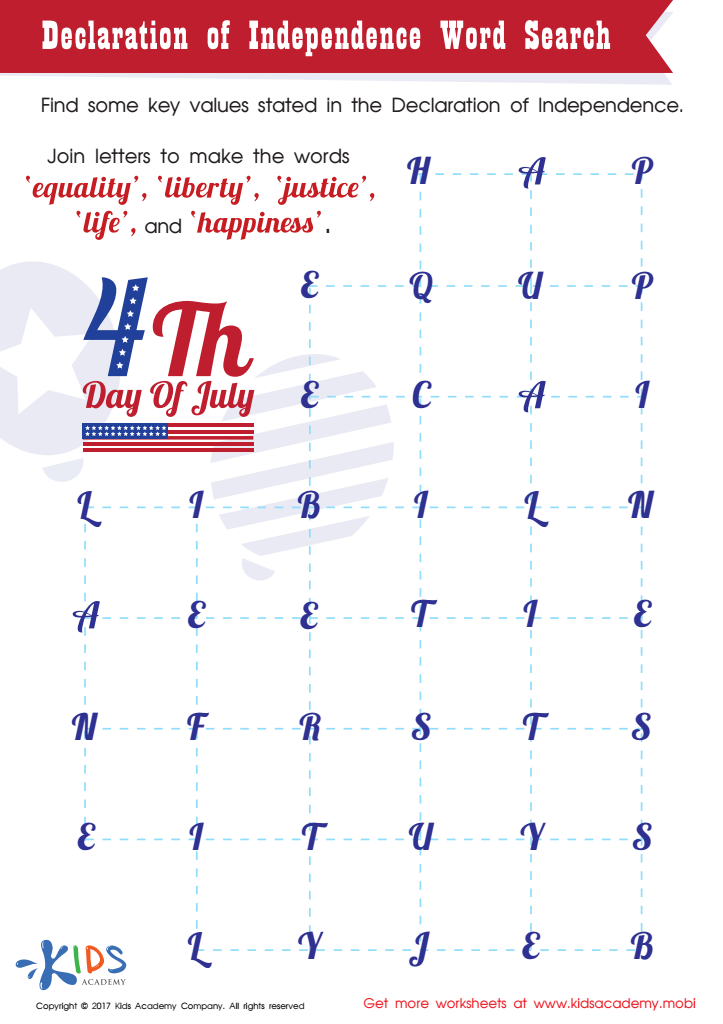
Declaration of Independence Word Search Printable
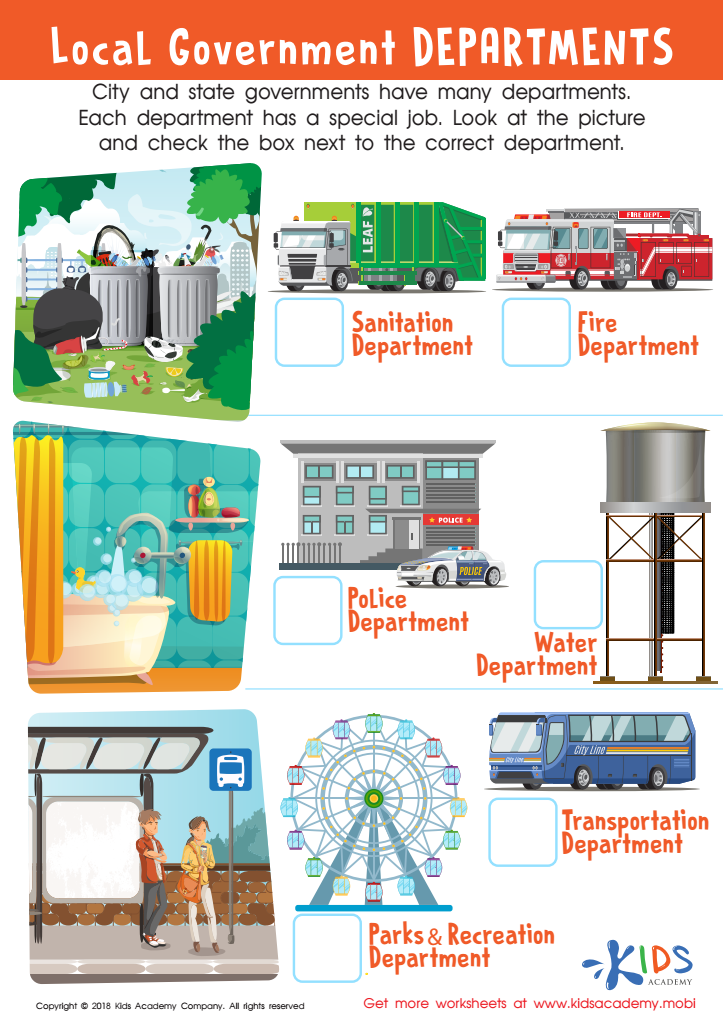
Local Government Departments Worksheet
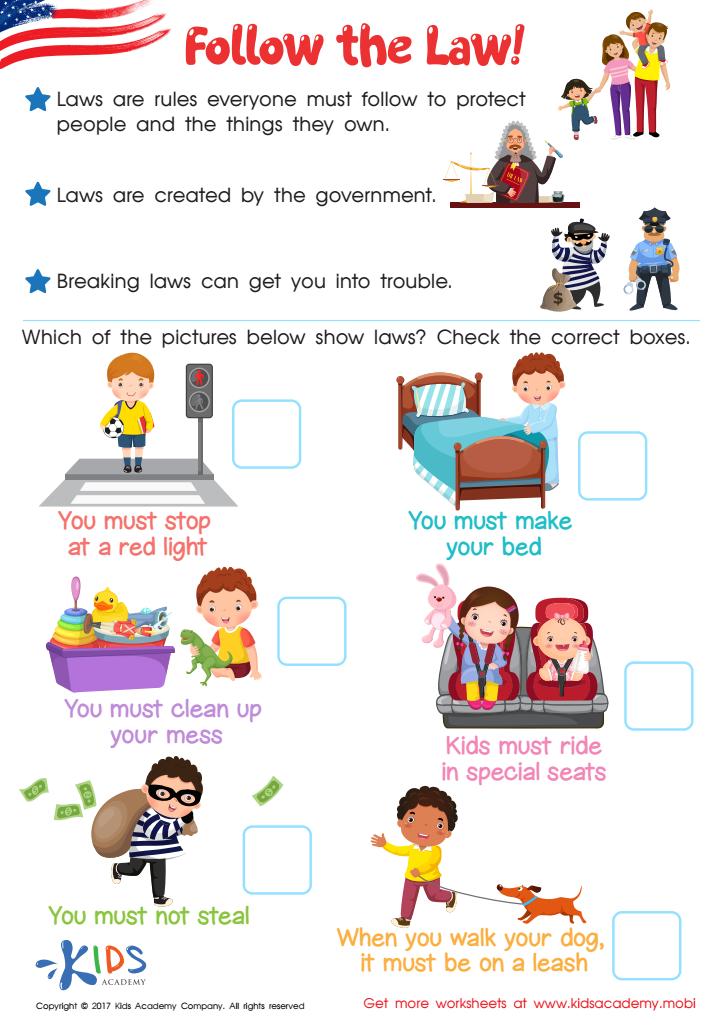
Follow the Law Worksheet
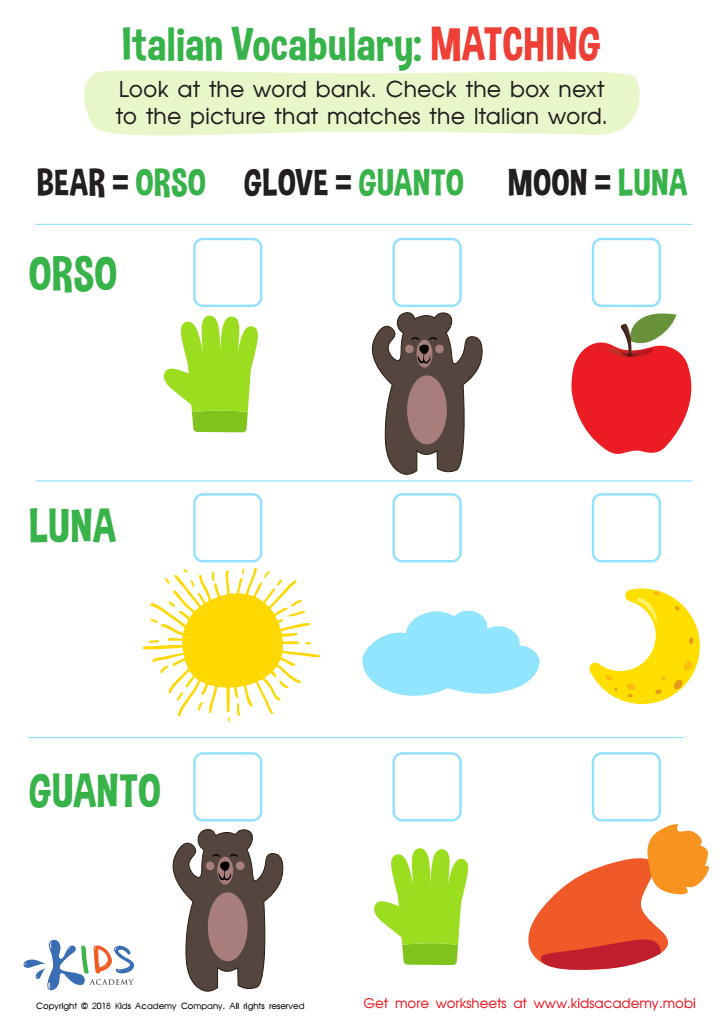
Italian Vocabulary Matching Worksheet
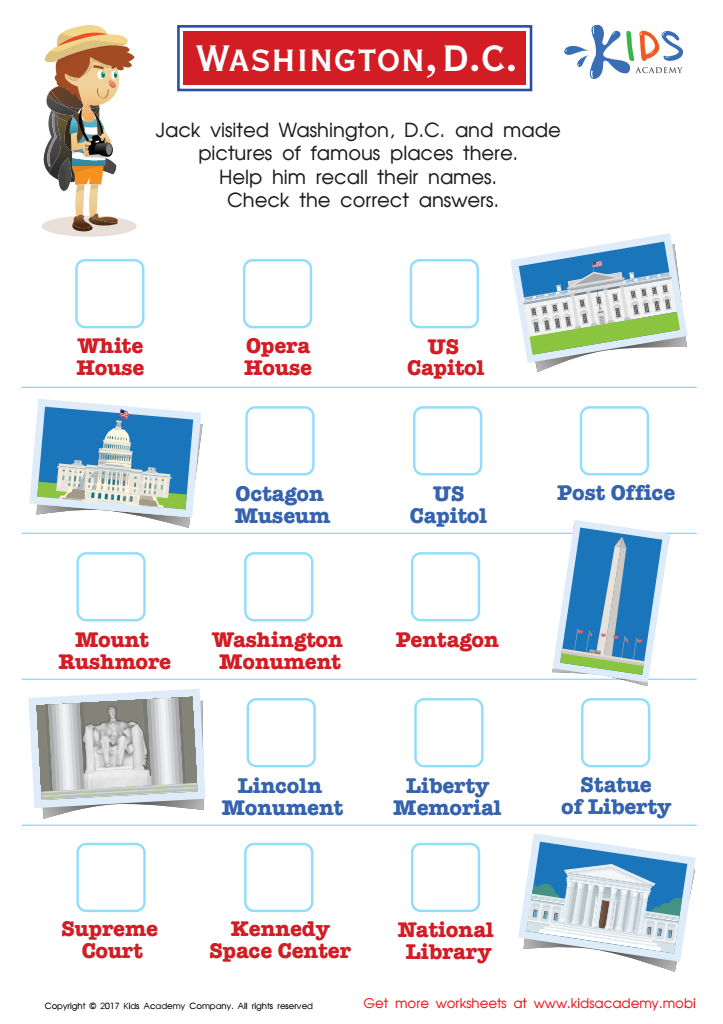
Washington D.C. Printable Worksheet
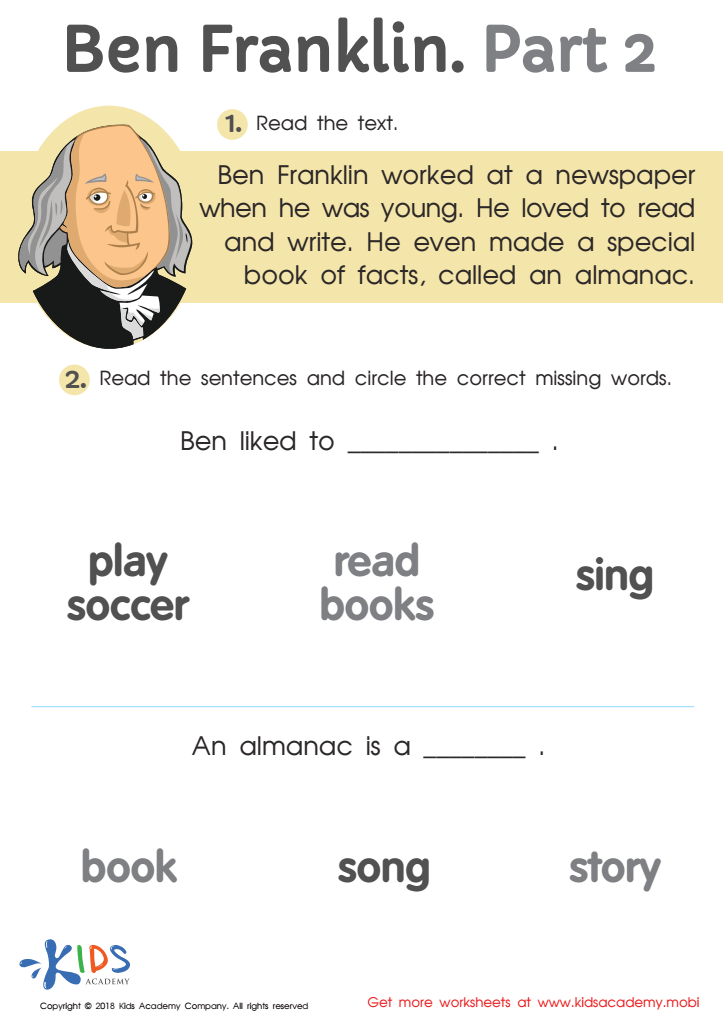
Ben Franklin Part 2 Worksheet
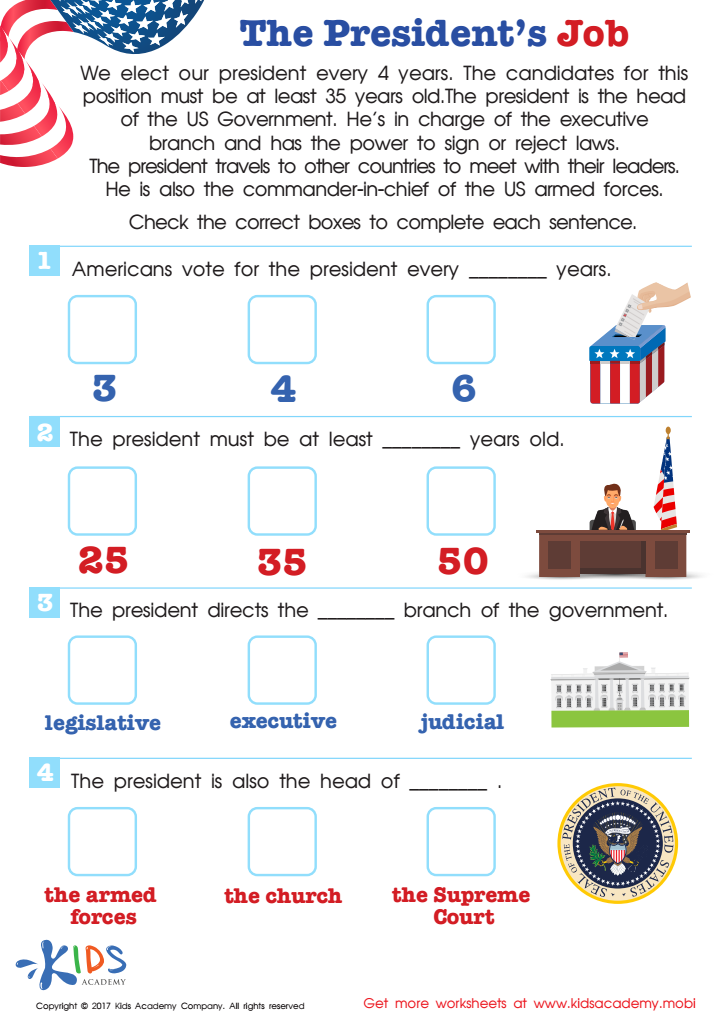
President of the USA Job Description Worksheet
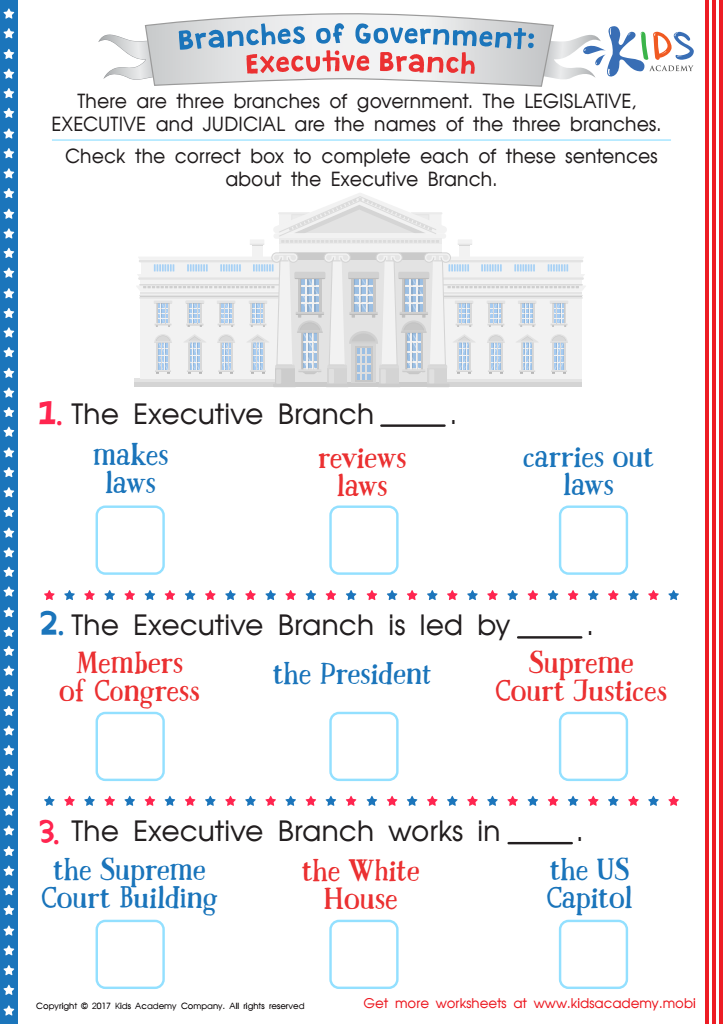
Branches of the Government: Executive Branch Printable
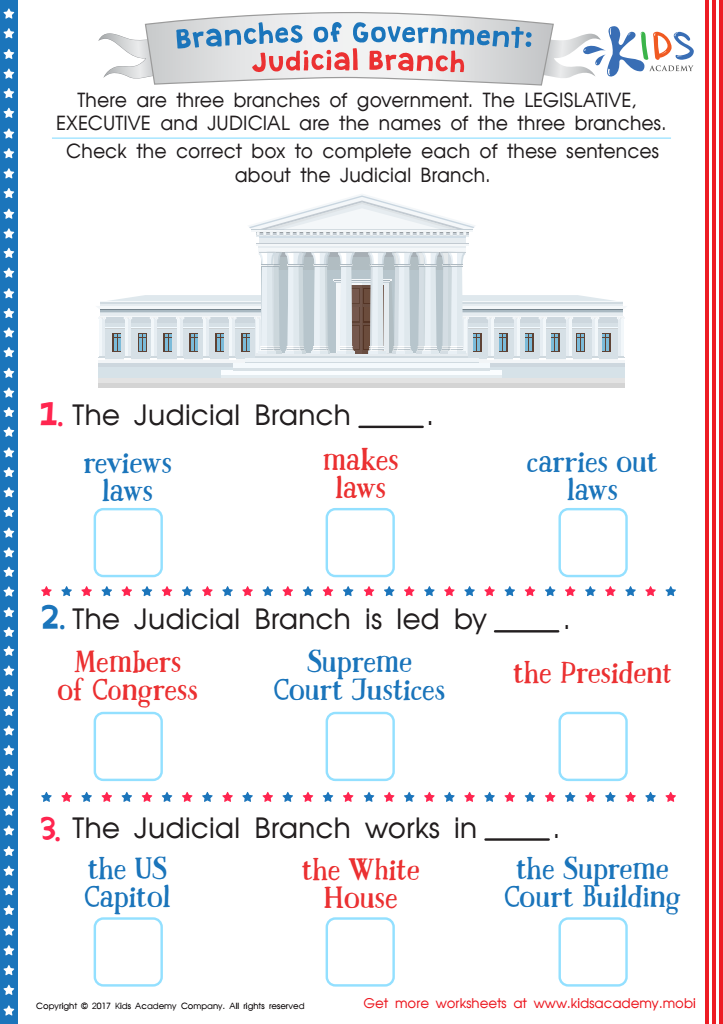
Braches of the Government: Judicial Branch Worksheet
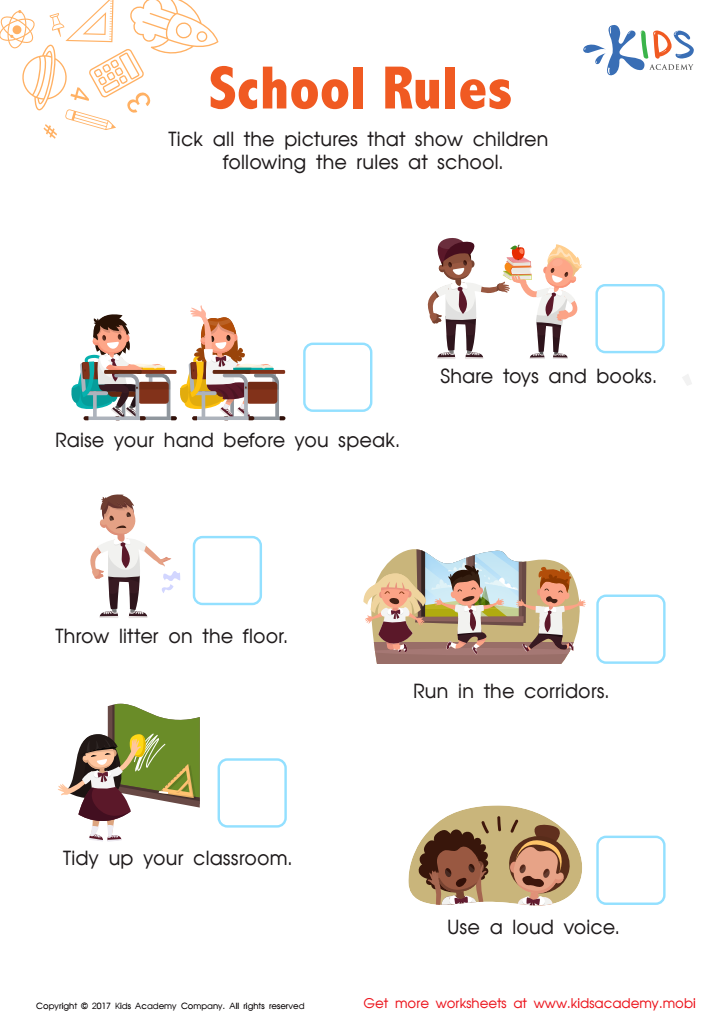
School Rules Worksheet


Parents and teachers should prioritize teaching Normal Governance and Civics to children aged 6-8 as it lays the foundational understanding of how society operates. At this developmental stage, children are highly impressionable and curious about the world around them. Introducing concepts of governance, such as rules, fairness, and community roles, helps them grasp the importance of cooperation and civic responsibility.
Learning civics at this age fosters critical thinking and promotes informed citizenship. It empowers children to understand their rights and responsibilities within a group, encouraging them to participate actively and voice their opinions in a respectful manner. This early exposure helps children develop empathy and respect for diverse viewpoints, key components in a democratic society.
Furthermore, instilling a sense of community and responsibility nurtures their connection to local issues, motivating them to contribute positively. Teaching governance concepts like decision-making, leadership, and conflict resolution equips children with essential life skills.
Ultimately, investing in civics education from a young age enriches children’s development, enabling them to grow into thoughtful and engaged citizens who appreciate democracy and work towards communal well-being. This nurturing environment benefits not only individuals but society as a whole.