Color recognition Normal Writing Worksheets for Ages 6-8
10 filtered results
-
From - To
Enhance your child's color recognition skills with our engaging Normal Writing Worksheets designed specifically for ages 6-8. These worksheets offer a fun and interactive way for young learners to identify and practice different colors through writing exercises and creative activities. Tailored to support early literacy development, our resources make learning enjoyable while helping kids improve their writing abilities. With vibrant visuals and easy-to-follow instructions, children will be inspired to explore their artistic side while mastering color names and concepts. Perfect for parents and teachers, these worksheets are an essential tool for fostering foundational skills in a playful, educational environment.
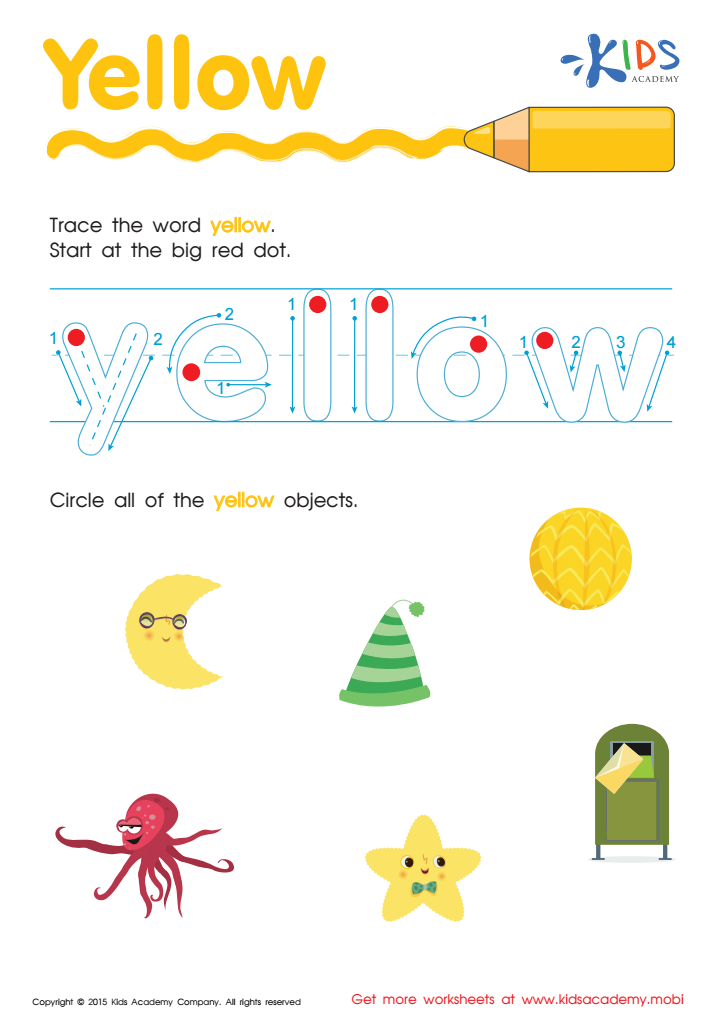
Yellow Tracing Color Words Worksheet
 Assign to My Students
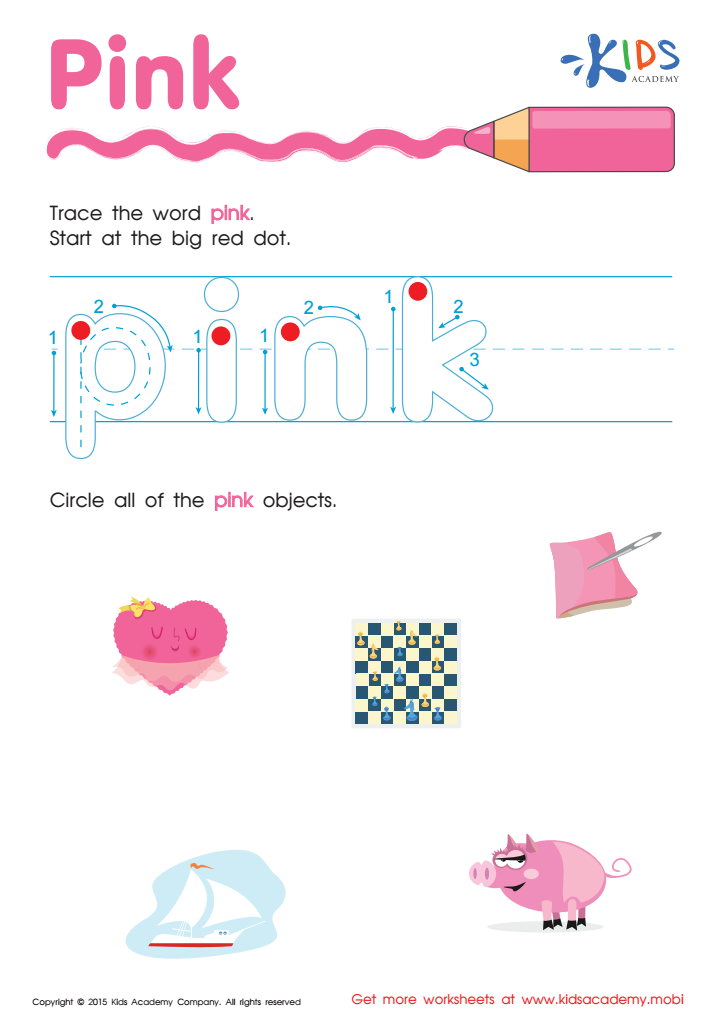
Pink Tracing Color Words Worksheet
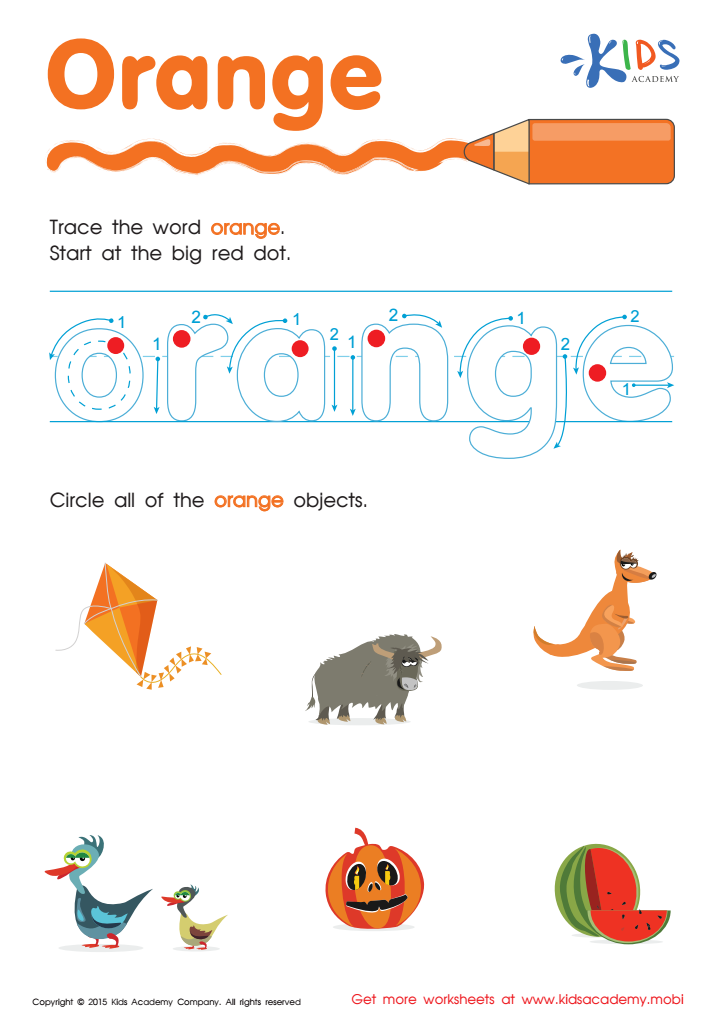
Orange Tracing Color Words Worksheet
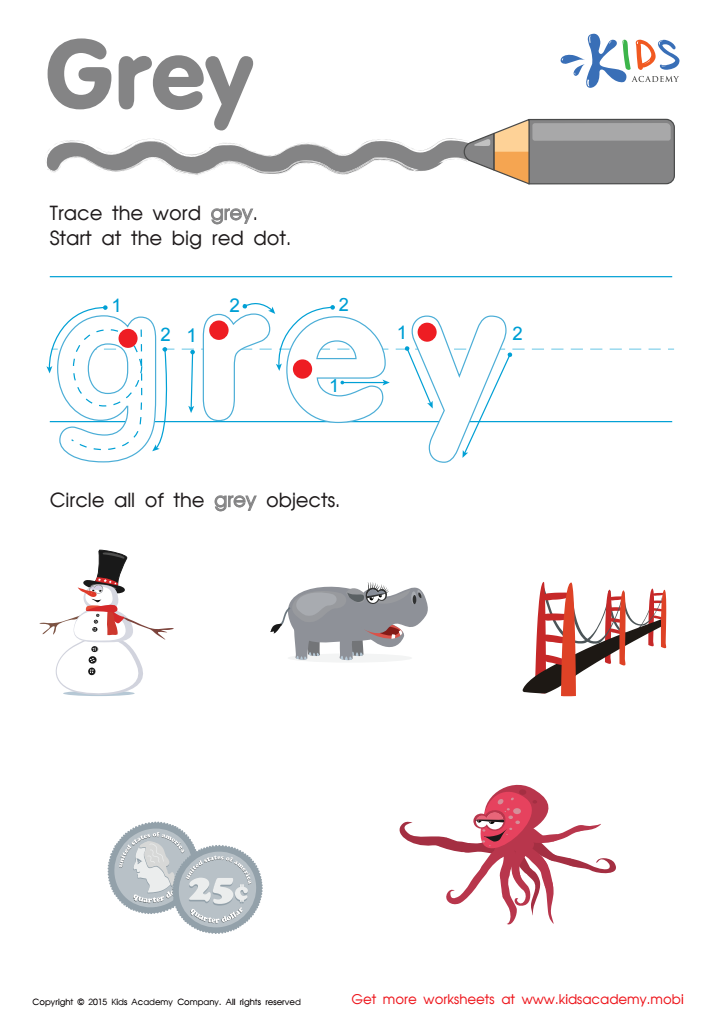
Grey Tracing Color Words Worksheet
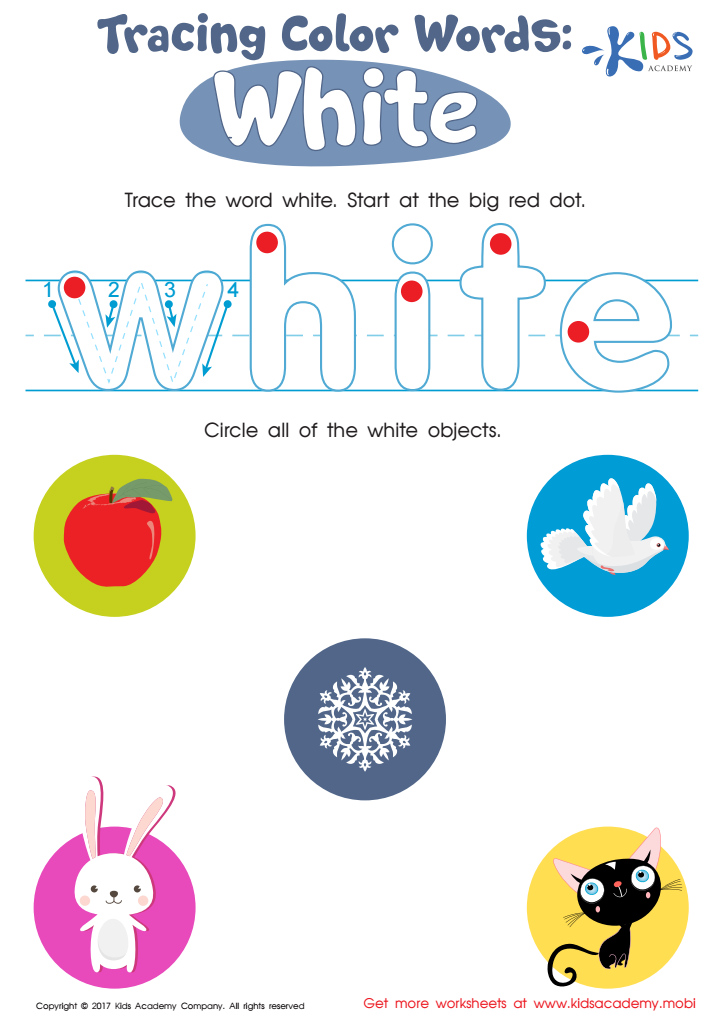
White Tracing Color Words Worksheet
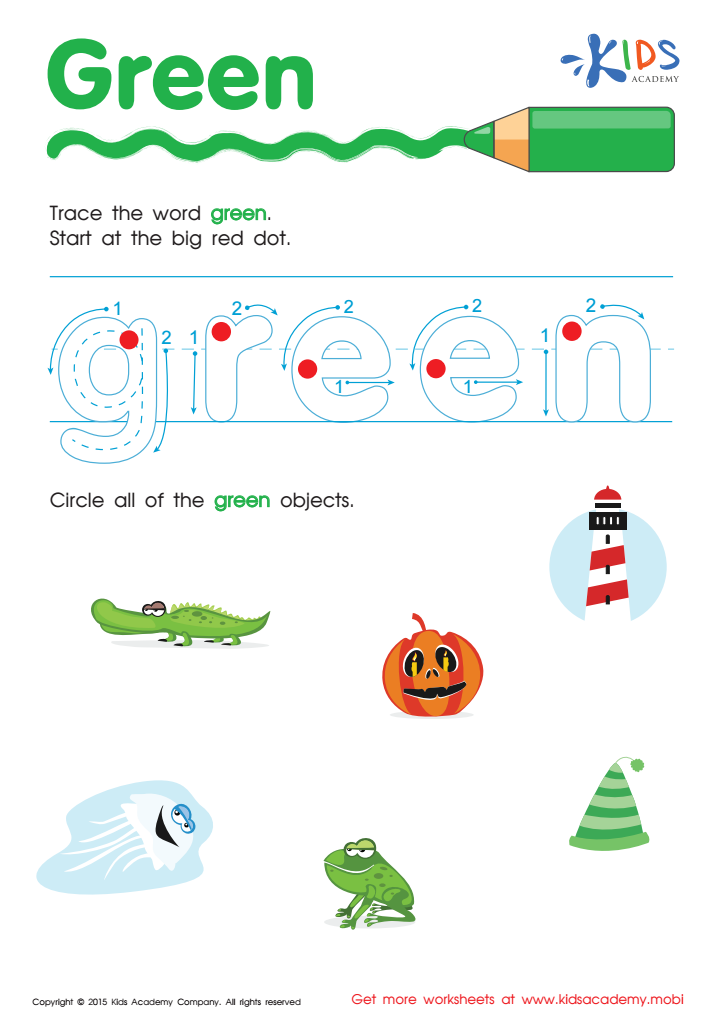
Green Tracing Color Words Worksheet
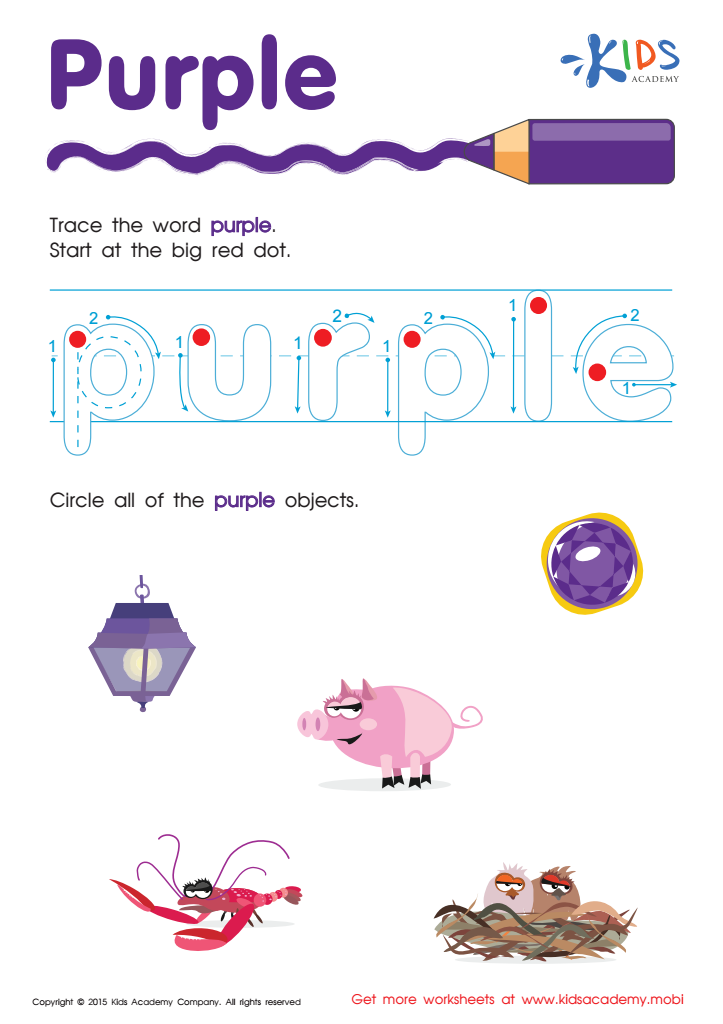
Purple Tracing Color Words Worksheet
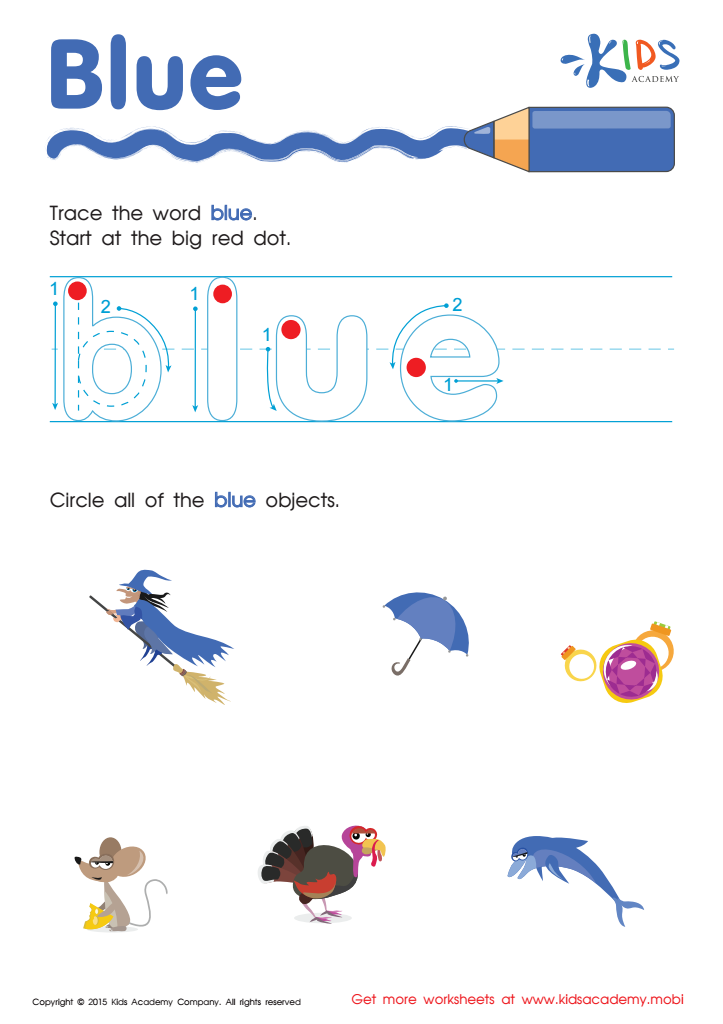
Blue Tracing Color Words Printable
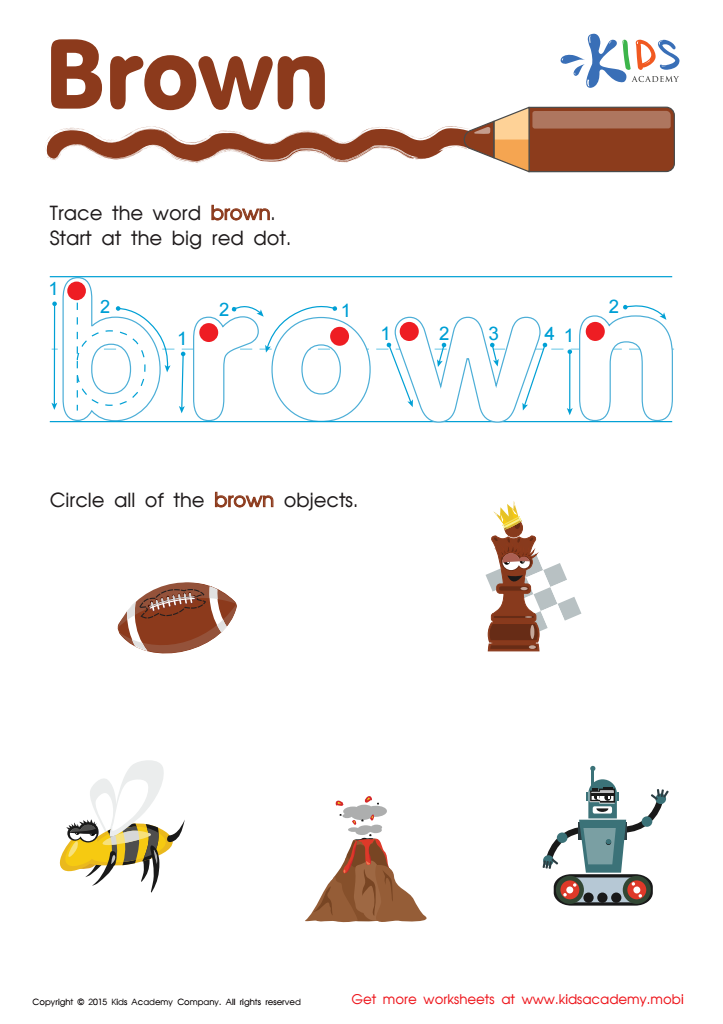
Brown Tracing Color Words Worksheet
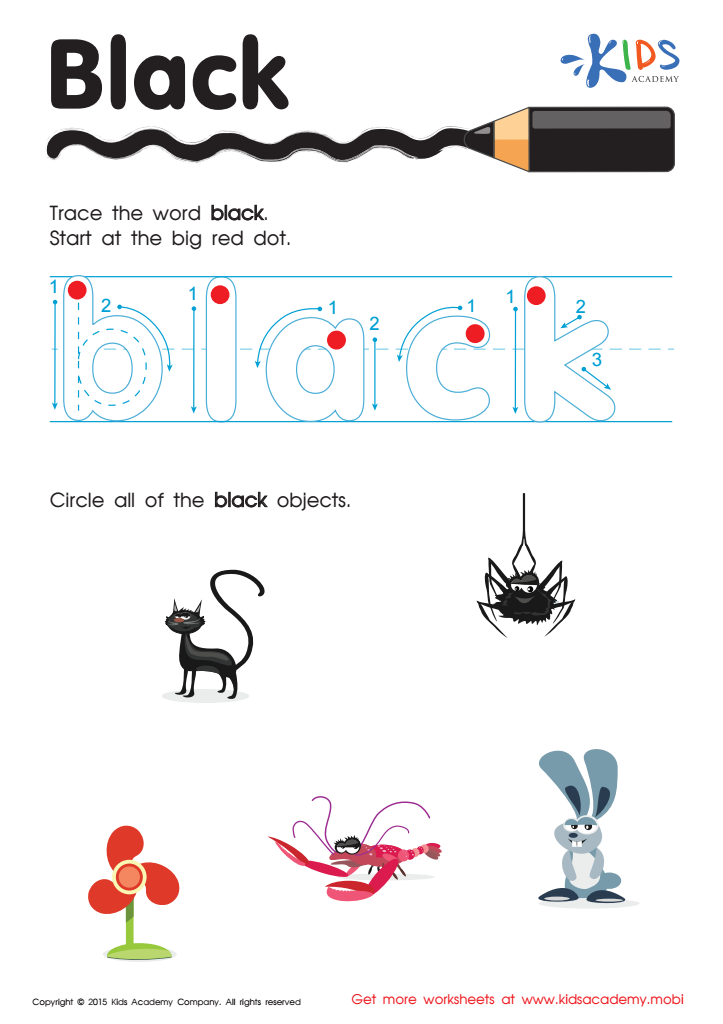
Black Tracing Color Words Printable







Color recognition is an essential skill for children aged 6-8 for several reasons that parents and teachers should value. Firstly, it fosters early cognitive development. Recognizing colors aids in building a child’s ability to categorize and differentiate objects, which can enhance critical thinking skills. Secondly, color recognition plays a vital role in language development; children learn to associate colors with words, helping to improve their vocabulary and communication skills.
Moreover, mastering colors can boost creativity and self-expression. When children engage in activities involving colors, such as art or imaginative play, they learn to convey their thoughts and feelings visually. Encouraging colorful expressions can also enhance emotional growth, as children can describe emotions through colors (e.g., "I feel blue").
Additionally, color recognition is foundational in subjects like math and science, helping children understand patterns and classifications essential in these areas. Furthermore, everyday tasks, such as choosing clothes or sorting toys, require color identification, affecting a child's independence and decision-making skills.
Overall, supporting color recognition in this crucial developmental phase encourages well-rounded growth, empowering children to engage with their environment, enhance their creativity, and build essential skills for future learning.