Filters

1622 filtered results

Clear all filters
Favorites
With answer key
Interactive

1622 filtered results

Difficulty Level

Grade


Check out this FREE Trial Lesson for age 6-9!

Multiplication Facts 9

Favorites
With answer key
Interactive
  • 6-9
  • Normal
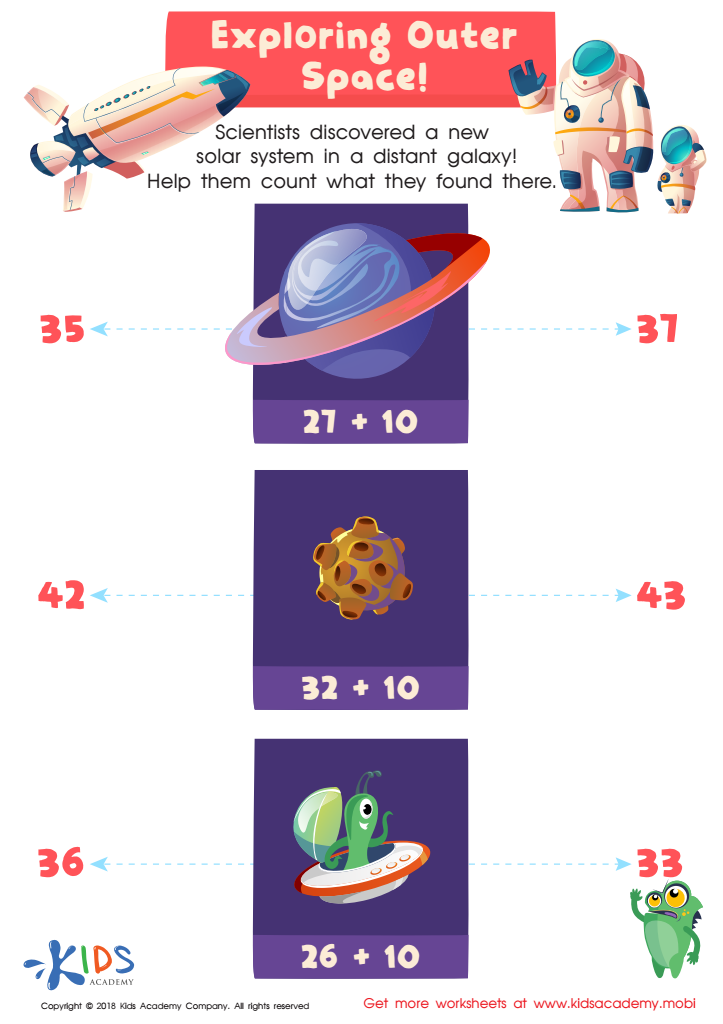
Exploring Outer Space Worksheet

Exploring Outer Space Worksheet

Outer space is an intriguing world. Physics behave differently than on Earth, and much remains to be uncovered. In this worksheet, scientists have located a new solar system in a distant galaxy. Explain to your kids what these two things are, then have them help count the findings. Solve the math problems, then link the lines to the right answer.
Exploring Outer Space Worksheet
Worksheet
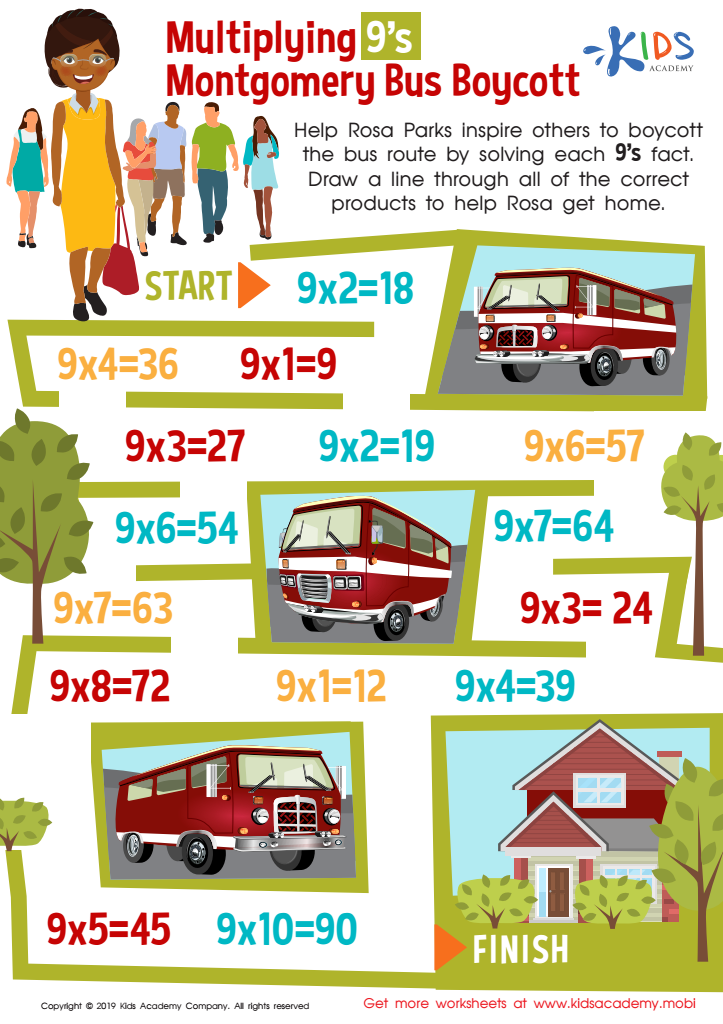
Multiplying 9’s Montgomery Bus Boycott Worksheet
Multiplying 9’s Montgomery Bus Boycott Worksheet
As your students learn math, the numbers get bigger. This worksheet is great for learning the nine times table. Help Rosa Park get home - ask them to solve each multiplication fact, then draw a line through the correct products. Encourage your students to stand up for what's right!
Multiplying 9’s Montgomery Bus Boycott Worksheet
Worksheet
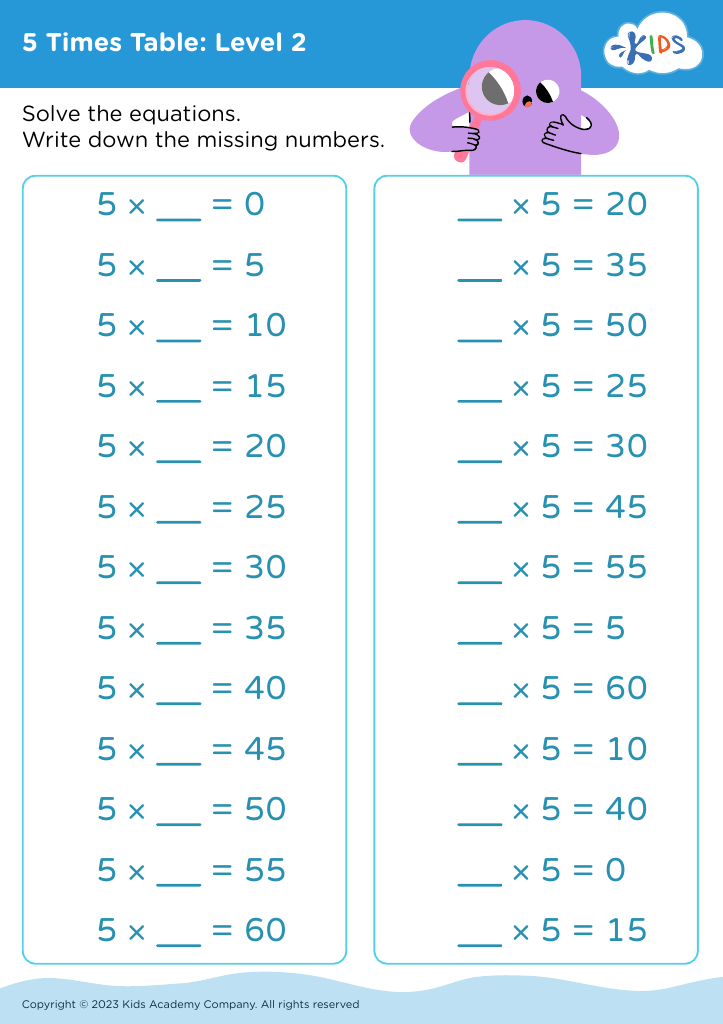
5 Times Table: Level 2

5 Times Table: Level 2

5 Times Table: Level 2
Worksheet
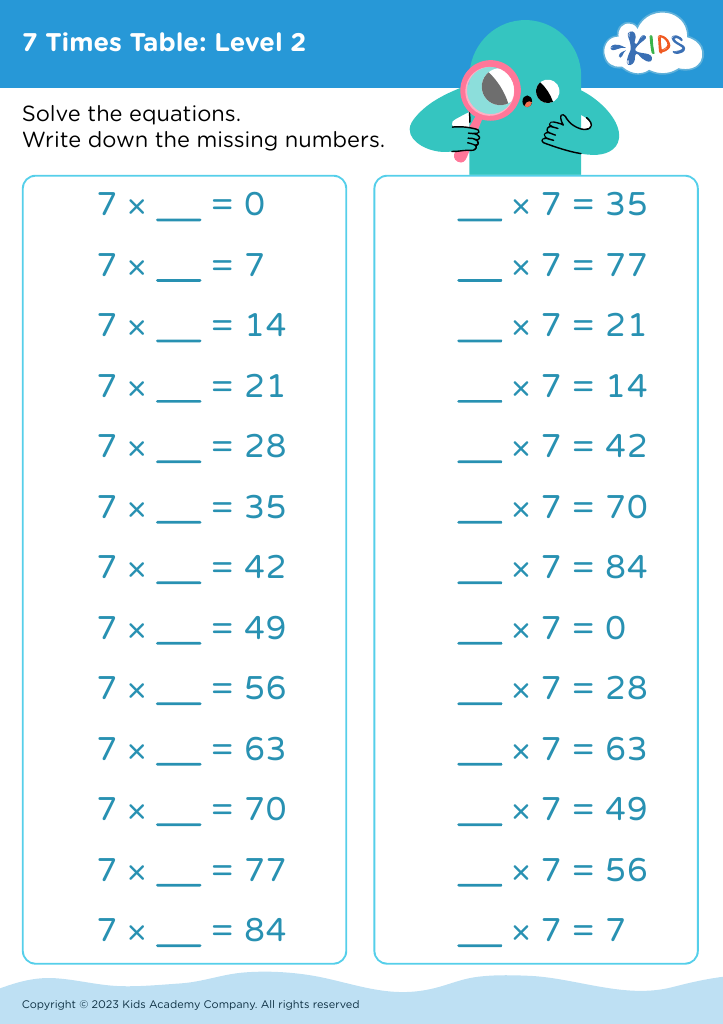
7 Times Table: Level 2

7 Times Table: Level 2

7 Times Table: Level 2
Worksheet
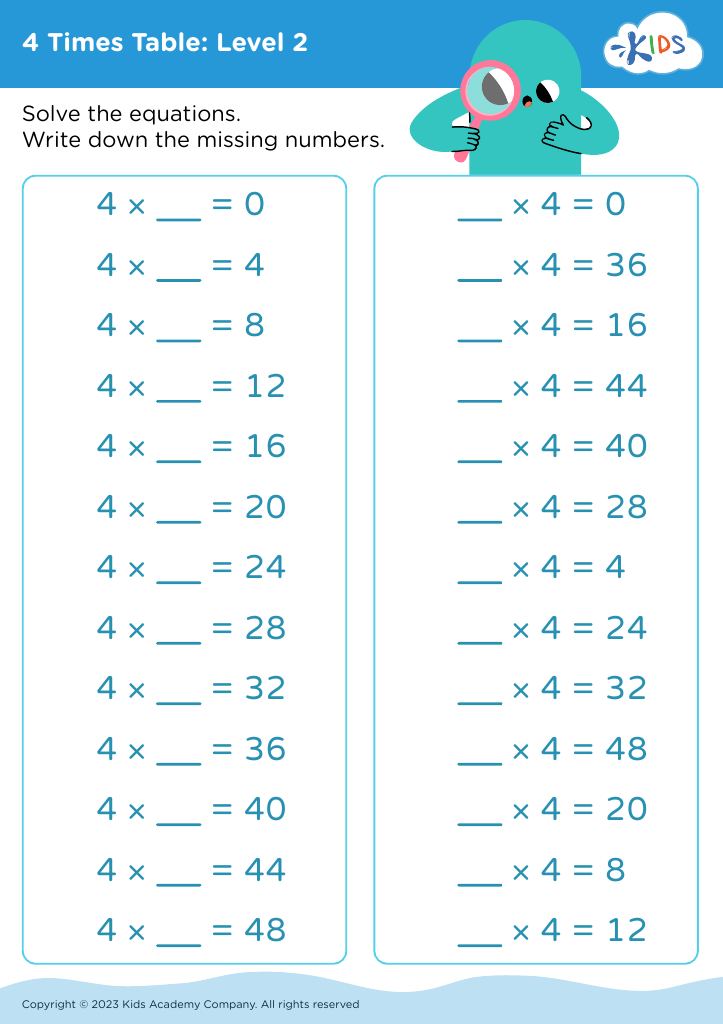
4 Times Table: Level 2

4 Times Table: Level 2

4 Times Table: Level 2
Worksheet
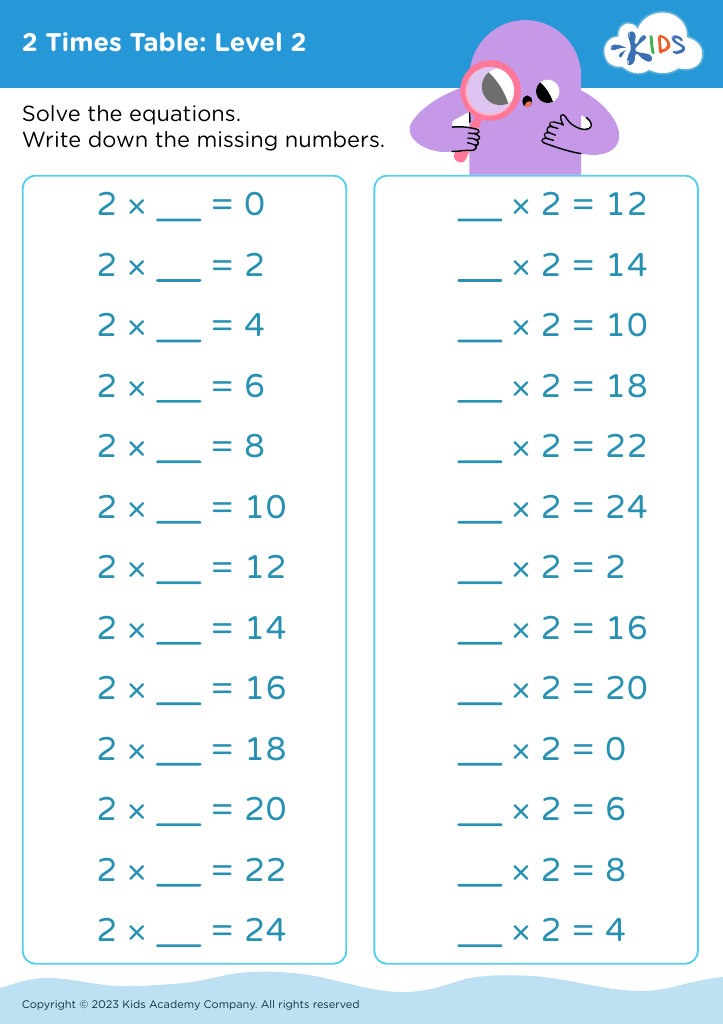
2 Times Table: Level 2

2 Times Table: Level 2

2 Times Table: Level 2
Worksheet
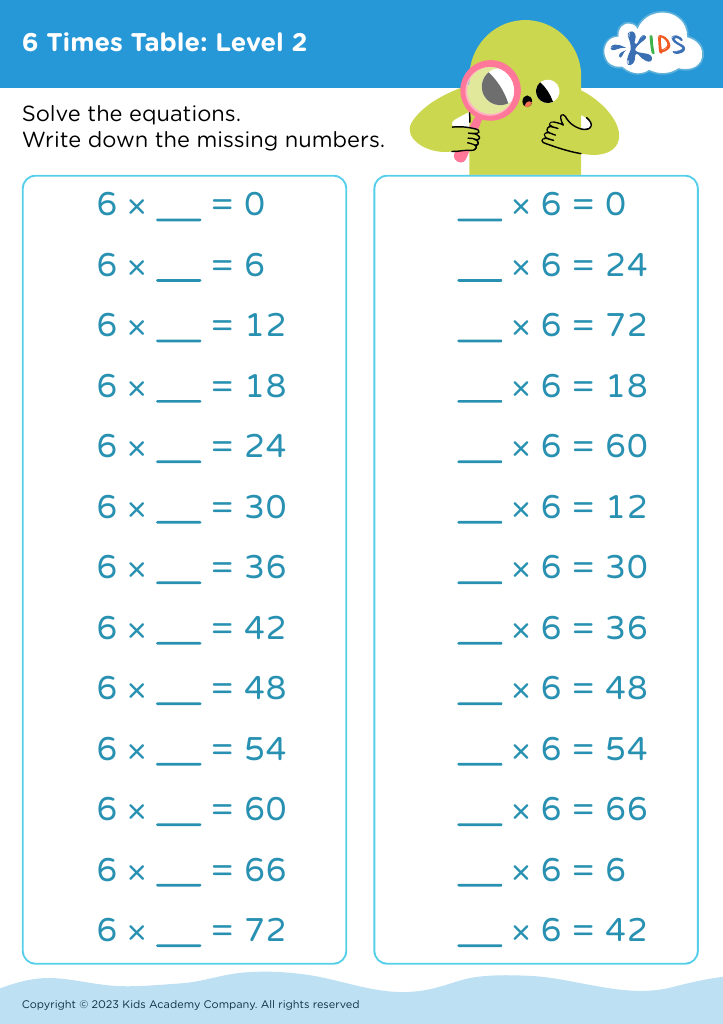
6 Times Table: Level 2

6 Times Table: Level 2

6 Times Table: Level 2
Worksheet
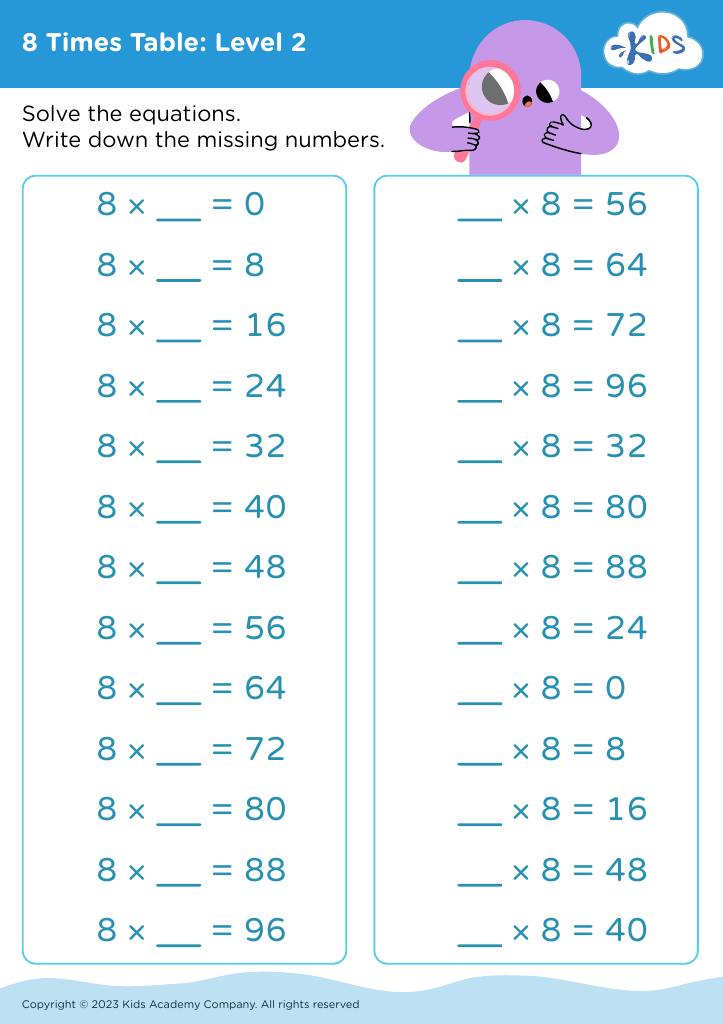
8 Times Table: Level 2

8 Times Table: Level 2

8 Times Table: Level 2
Worksheet
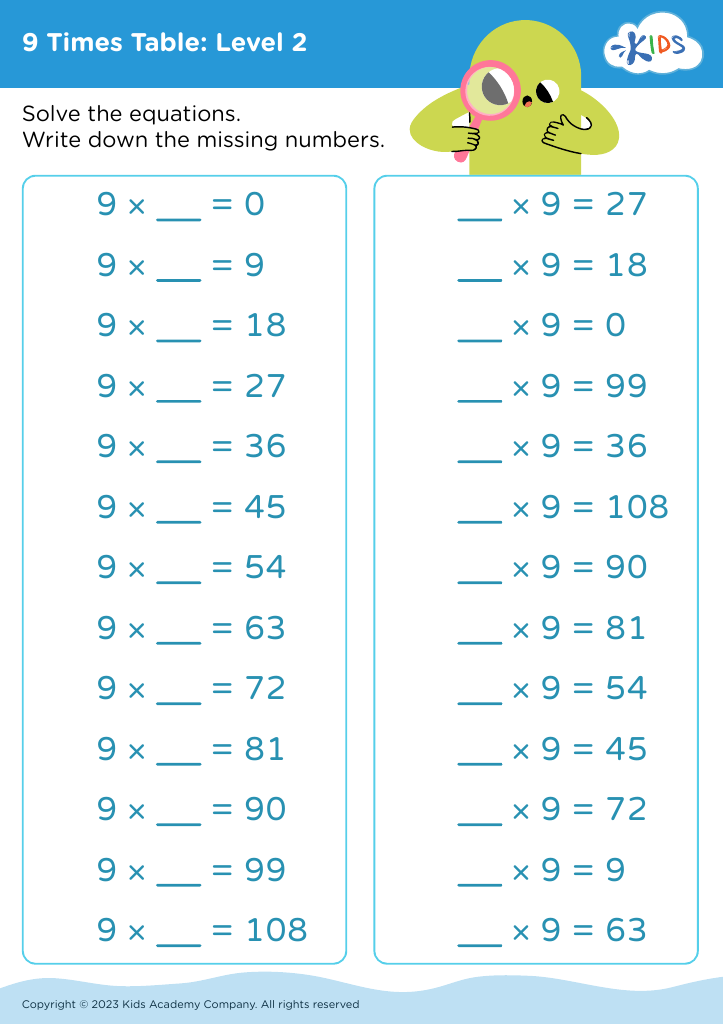
9 Times Table: Level 2

9 Times Table: Level 2

9 Times Table: Level 2
Worksheet
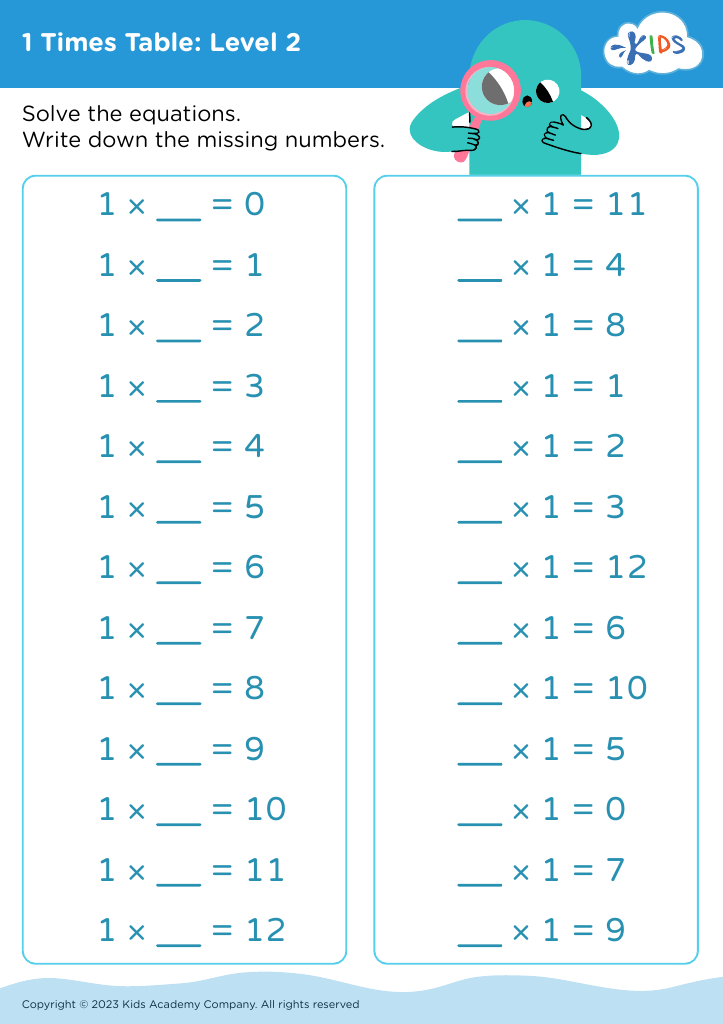
1 Times Table: Level 2

1 Times Table: Level 2

1 Times Table: Level 2
Worksheet
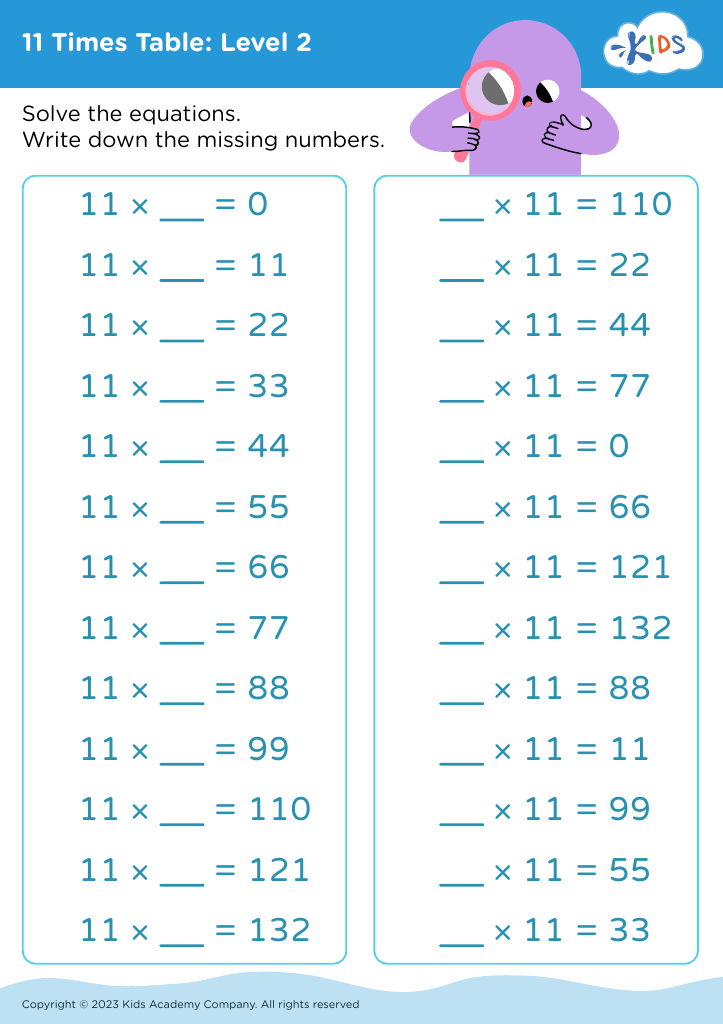
11 Times Table: Level 2

11 Times Table: Level 2

11 Times Table: Level 2
Worksheet
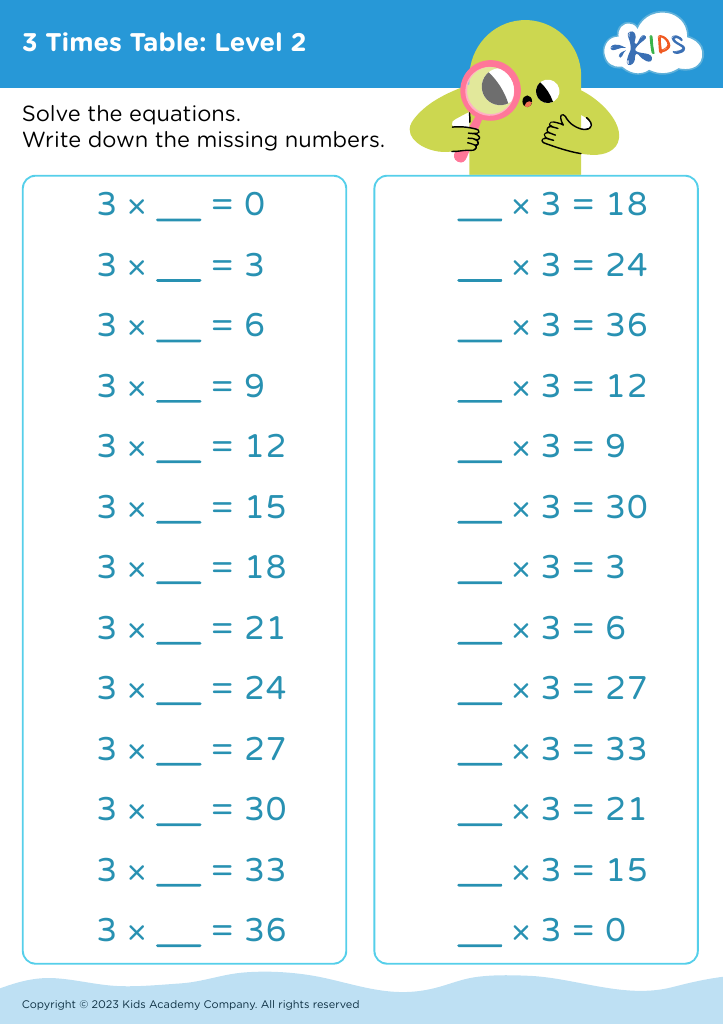
3 Times Table: Level 2

3 Times Table: Level 2

3 Times Table: Level 2
Worksheet
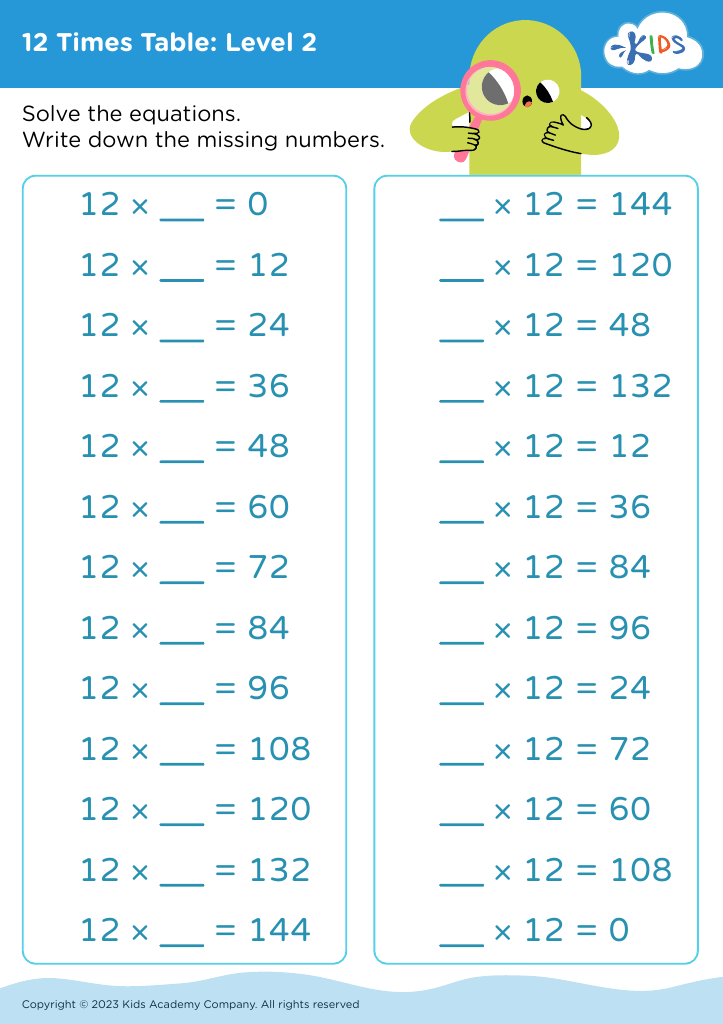
12 Times Table: Level 2

12 Times Table: Level 2

12 Times Table: Level 2
Worksheet
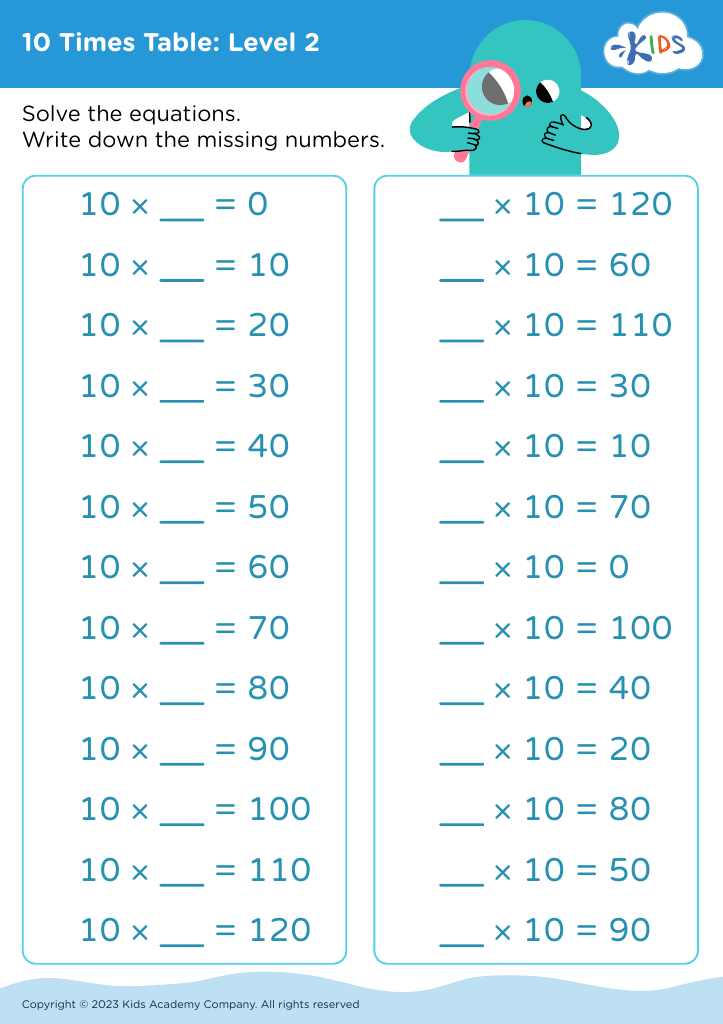
10 Times Table: Level 2

10 Times Table: Level 2

10 Times Table: Level 2
Worksheet


... 67 68

Parents and teachers should care about understanding what is considered “normal” for children aged 6-9, because it helps in accurately assessing each child’s development, addressing any concerns, and offering appropriate support. During this period, kids experience significant growth physically, cognitively, emotionally, and socially. Knowing the milestones for these ages allows adults to distinguish between typical variations in development and potential red flags.

For instance, in the realm of cognitive development, children in this age group should start reading more fluently, develop basic math skills, and employ logical thinking. Physically, they might gain competency in motor skills such as riding a bike or handwriting. Socially, friendships become more significant, and emotionally, kids learn to manage a wider array of feelings.

Observers familiar with these milestones can spot if a child struggles with reading, faces difficulty forming peer connections, or lags in motor coordination. Early identification of issues like learning disabilities or the need for social-emotional support means interventions can be put in place sooner, increasing the likelihood of positive educational and developmental outcomes.

Ultimately, caring about normal development equips parents and teachers to nurture each child's unique path, encourage their strengths, and support their weaknesses, fostering a well-rounded and confident individual.