Normal Consonants Worksheets for Ages 6-9 - Page 2
26 filtered results
-
From - To
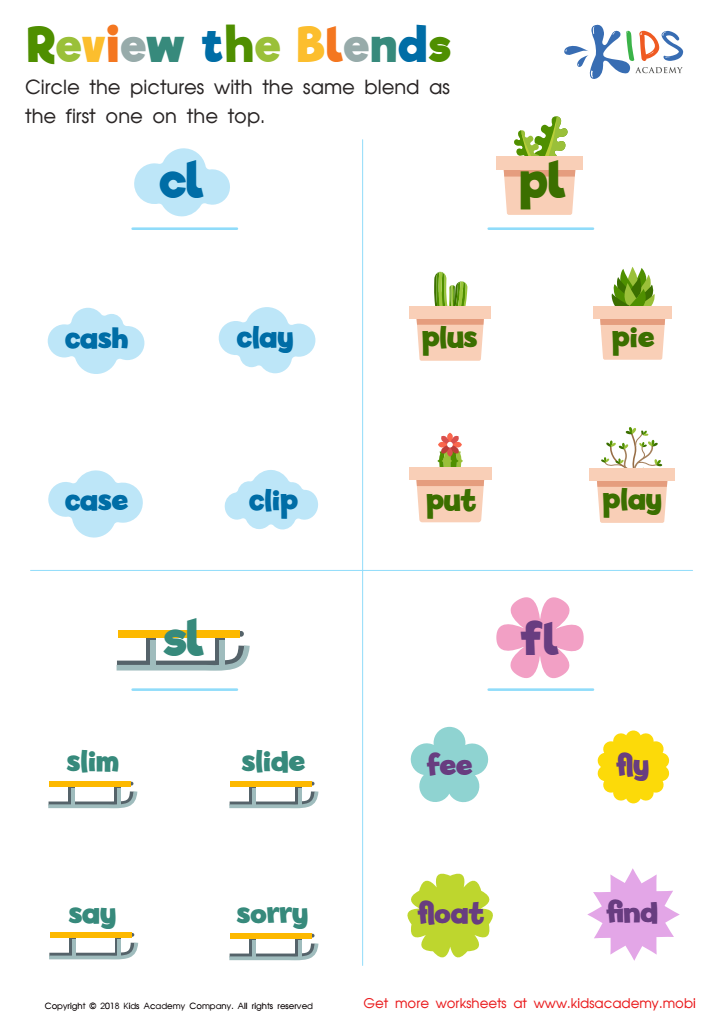
Review the Blends Worksheet
 Assign to My Students
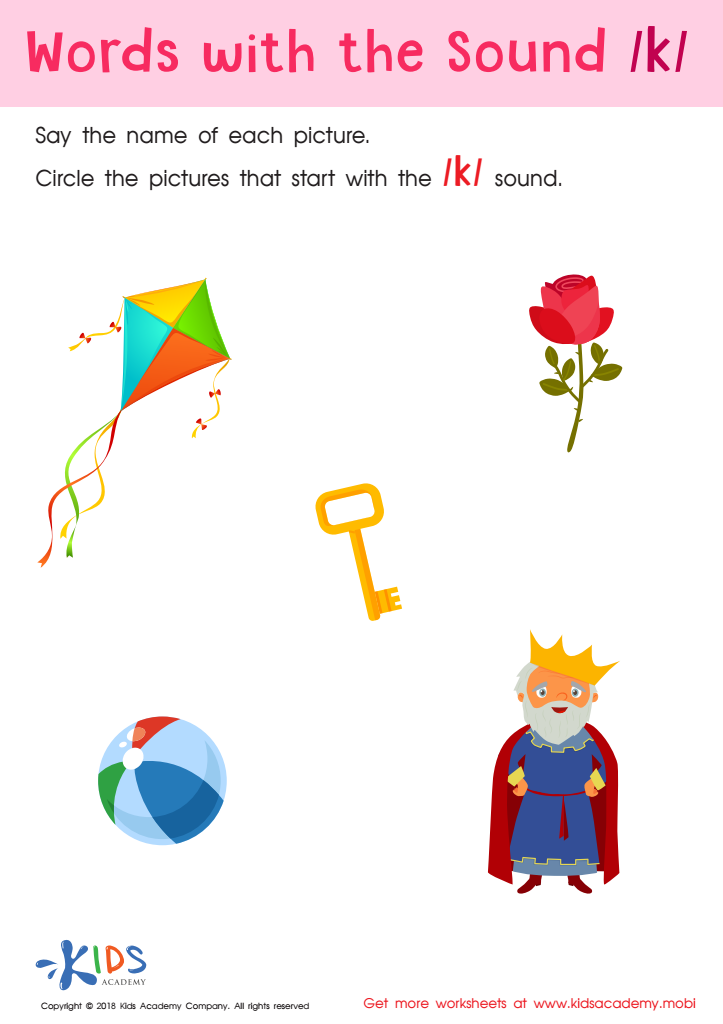
Words with sound k Reading Worksheet



Normal consonants play a vital role in early literacy development for children aged 6-9. At this stage, children are fine-tuning their reading and writing skills, and understanding consonants is foundational for phonics and decoding words. When parents and teachers focus on normal consonants, they help children recognize and articulate these sounds, which is crucial for successful reading fluency and comprehension.
Emphasizing consonant sounds allows children to improve their spelling skills, broadening their vocabulary and enhancing their ability to construct sentences effectively. This proficiency boosts their confidence in communication and promotes a love for reading and writing. Furthermore, targeting consonant sounds through engaging activities can make learning enjoyable and interactive, encouraging children to be active participants in their educational journey.
Additionally, recognizing normal consonants lays the groundwork for introducing more complex language concepts, such as blends and digraphs, later in their education. With a solid grasp of consonants, children are better equipped to tackle advanced literacy challenges as they progress through school. Overall, awareness of normal consonants supports cognitive development, enhances academic performance, and fosters a nurturing environment for lifelong learning. Therefore, parents and teachers should prioritize consonant instruction to cultivate essential language skills.