Vocabulary expansion Normal Alphabet Worksheets for Ages 6-9 - Page 2
39 filtered results
-
From - To
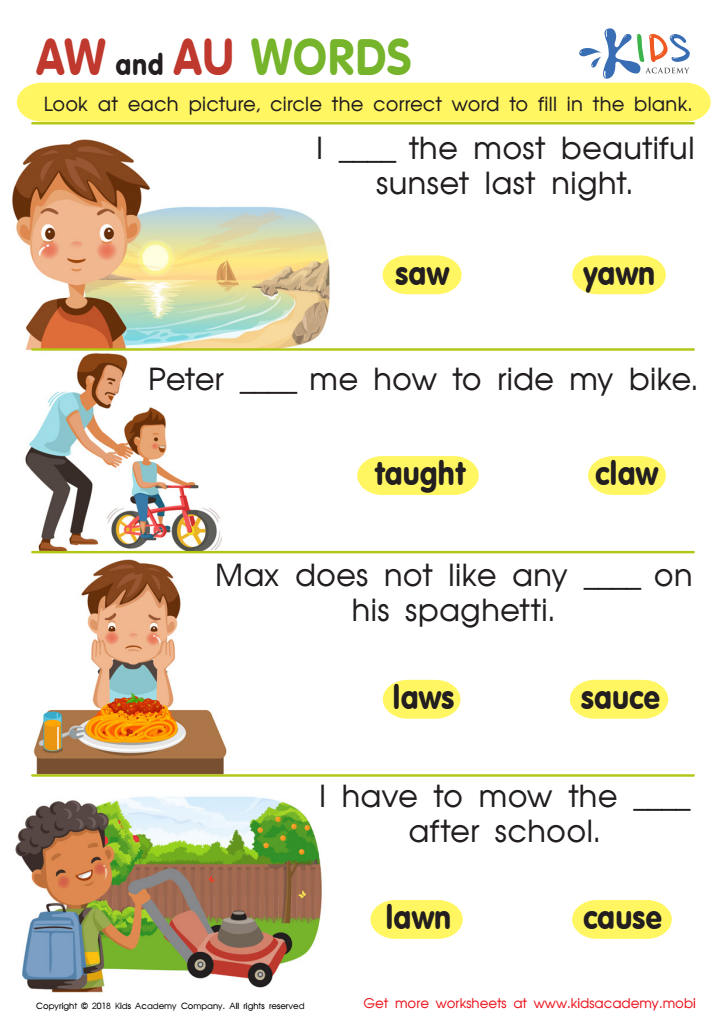
Reading: AW and AU Words Worksheet
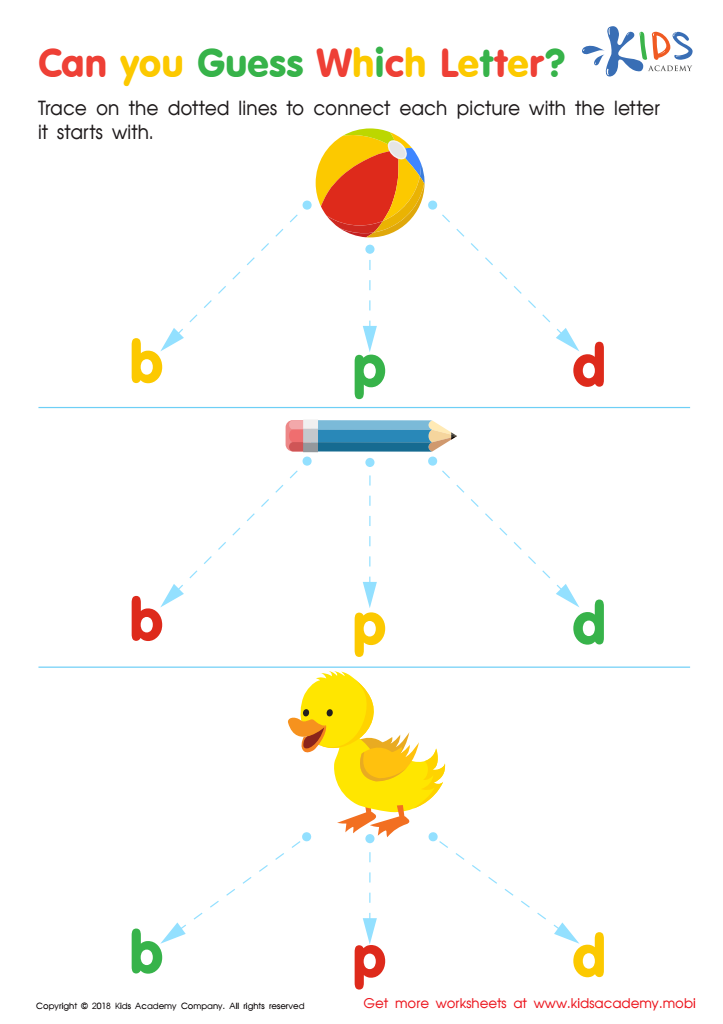
Can you Guess Which Letter? Worksheet
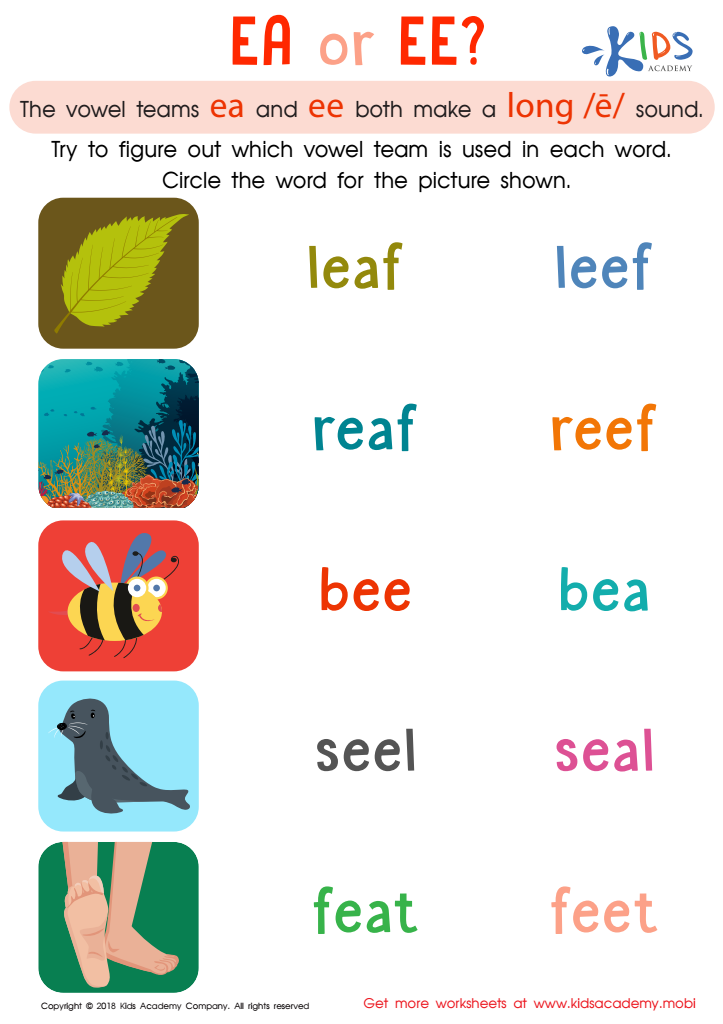
Reading: EA and EE Worksheet
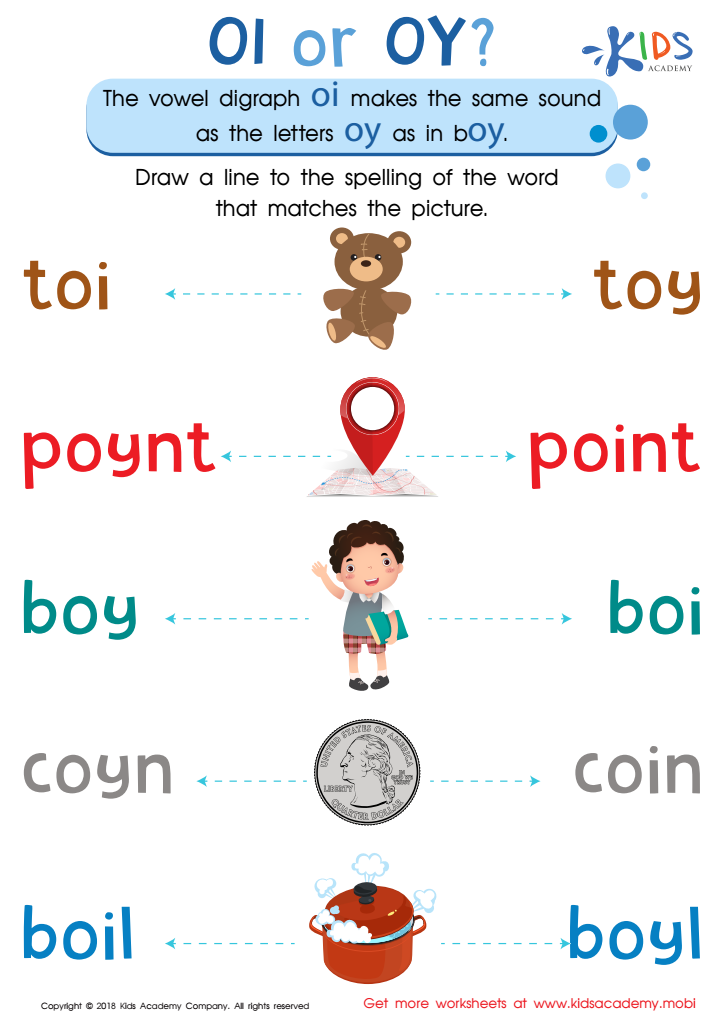
Reading: OI and OY Worksheet
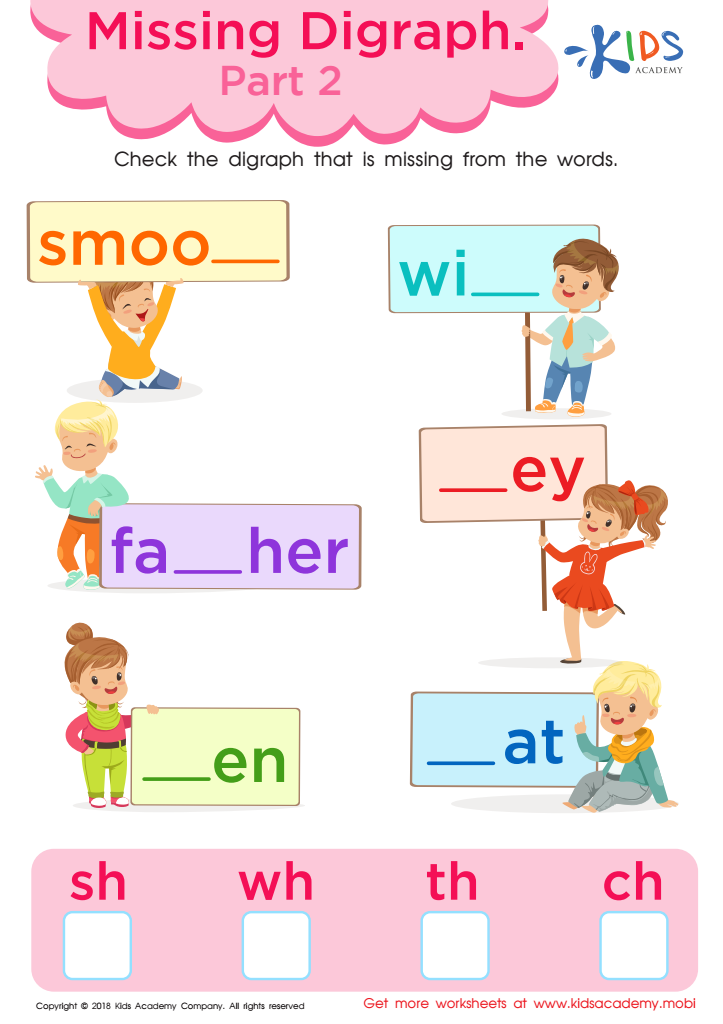
Missing Digraph: Part 2 Worksheet
Long and Short O Worksheet
 Assign to My Students
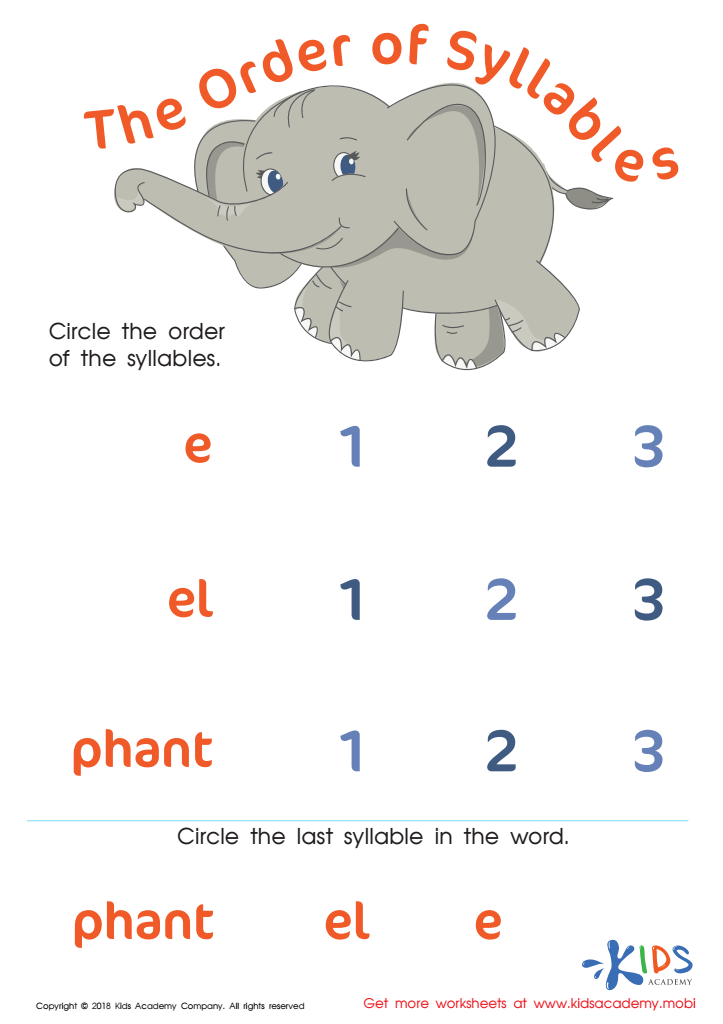
The Order of Syllables Worksheet
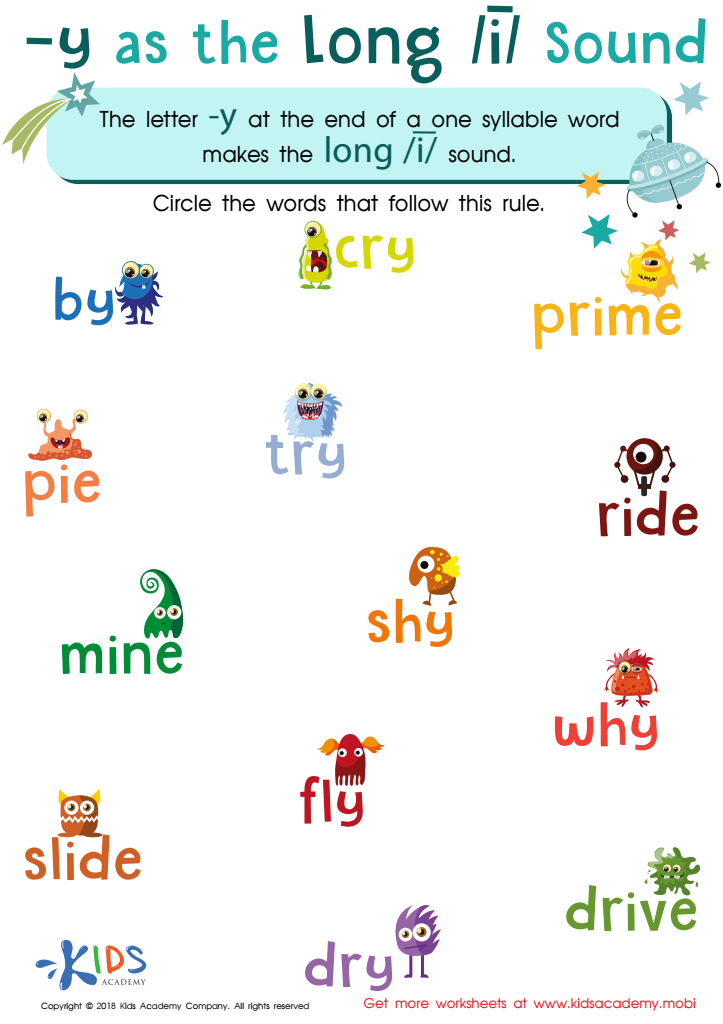
Reading: Y as Long I Worksheet
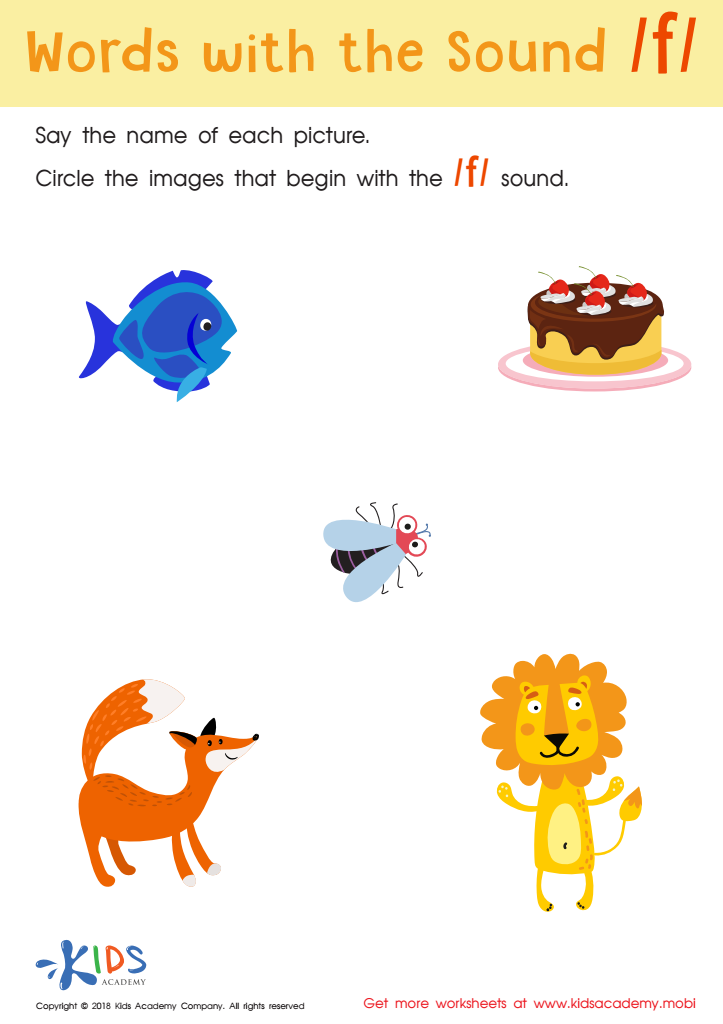
Words with sound f Reading Worksheet
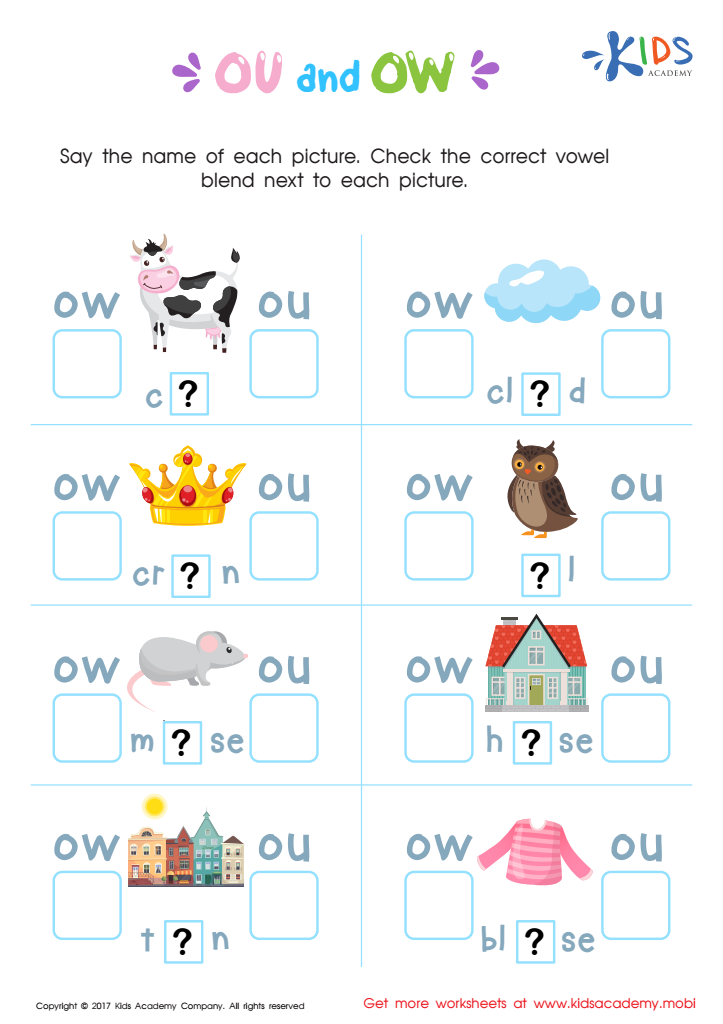
OU and OW Words Worksheet
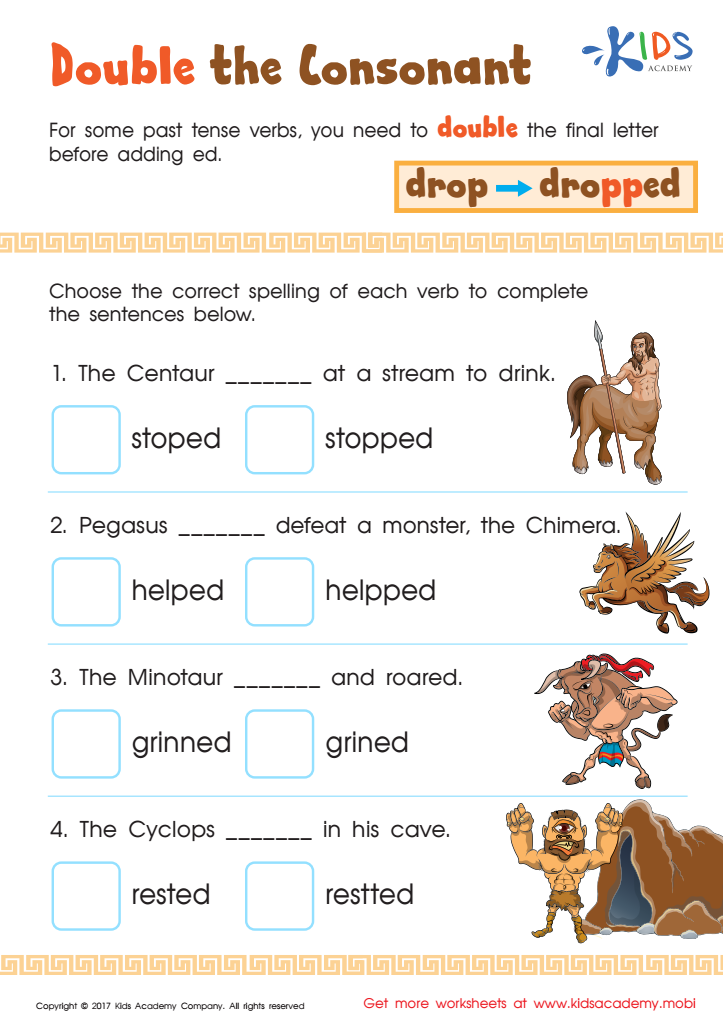
Double Consonant Spelling Worksheet
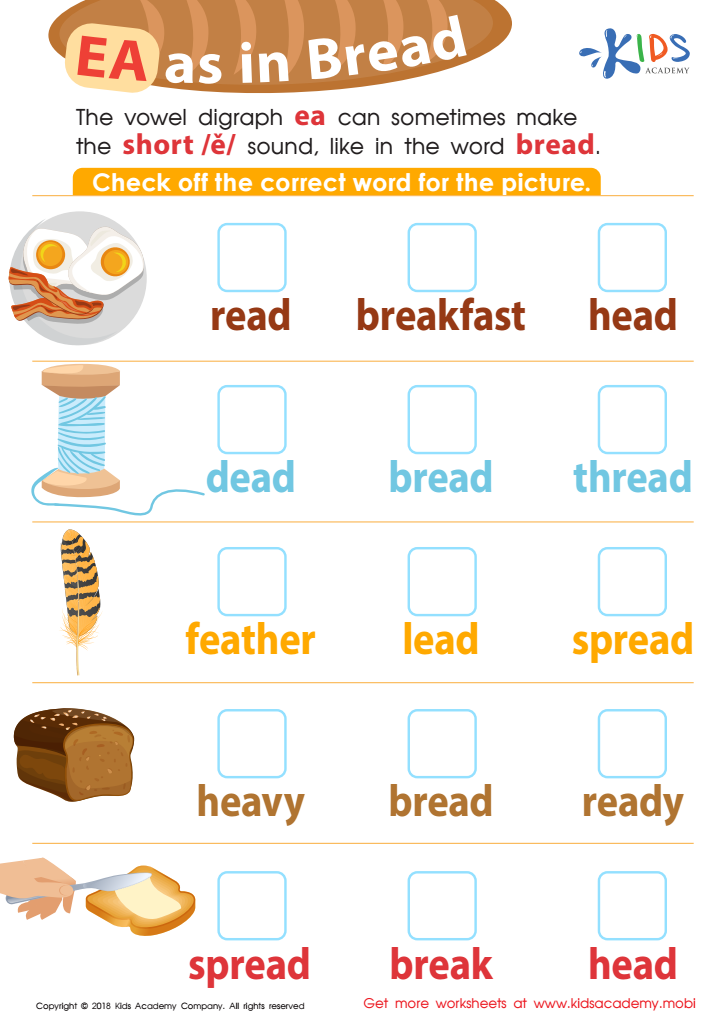
Reading: EA as in Bread Worksheet
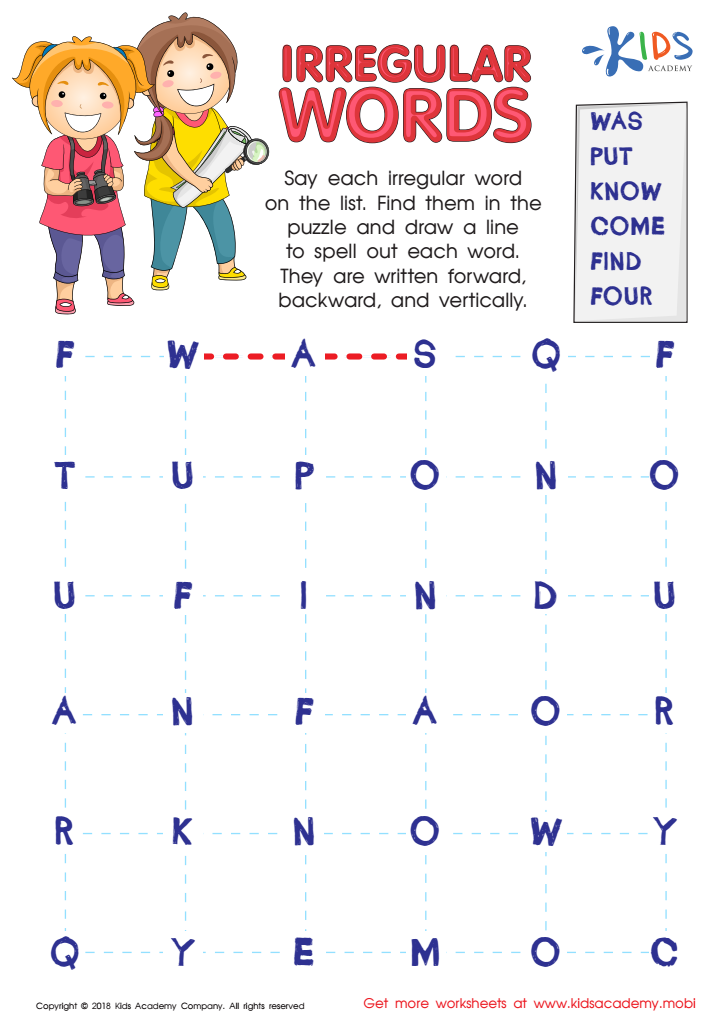
Irregular Words Worksheet
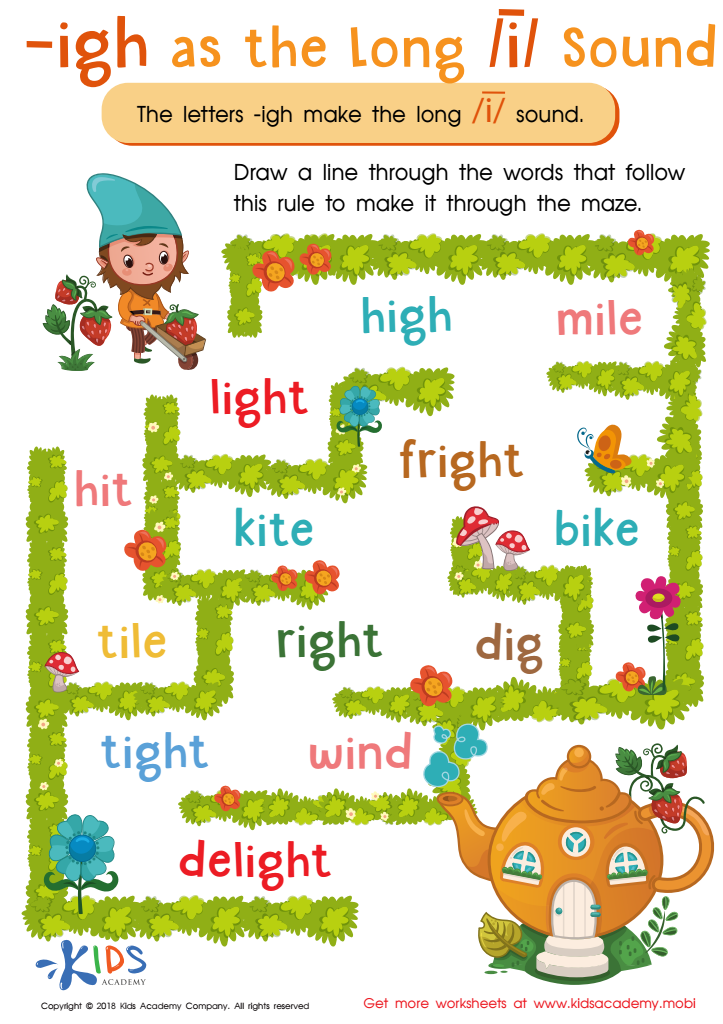
Reading: IGH as Long I Worksheet
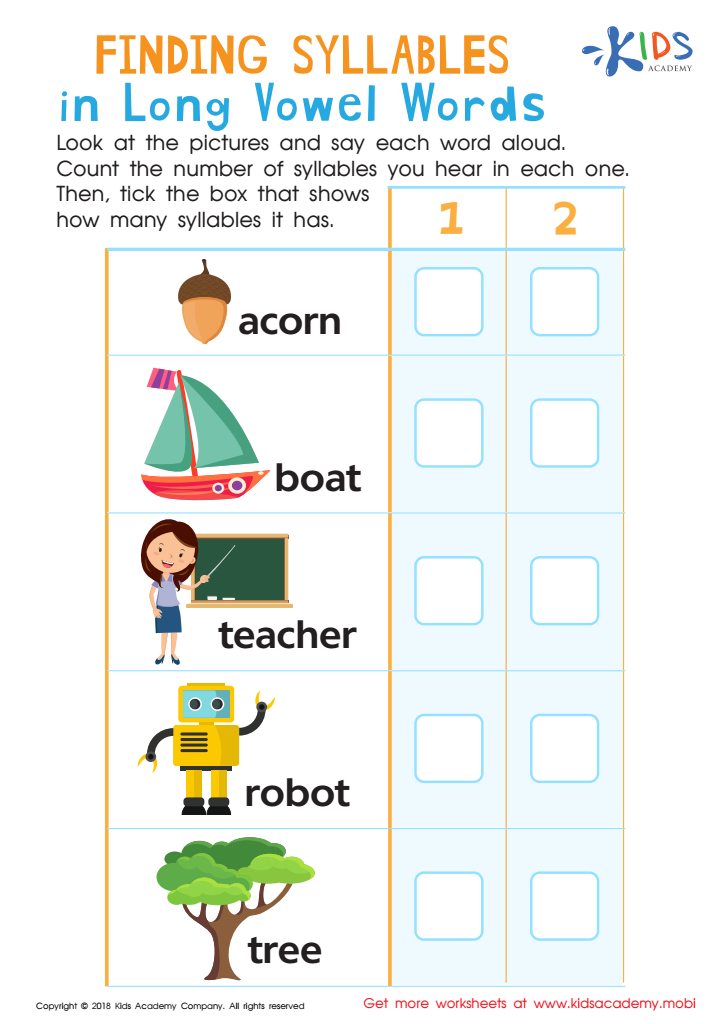
Finding Syllables in Long Vowel Words Worksheet






Vocabulary expansion during the ages of 6-9 is crucial for developing a child's literacy and overall cognitive skills. At this stage, children are transitioning from learning to read to reading to learn. A rich vocabulary enables them to engage with more complex texts, understand intricate concepts, and express their thoughts effectively. By fostering vocabulary growth, parents and teachers help children enhance their reading comprehension, critical thinking, and communication abilities.
Additionally, a wide vocabulary builds confidence in children, encouraging them to participate in discussions and express their opinions. This engagement fosters a love for learning and enhances social interactions as children can articulate their feelings and ideas better. Implementing vocabulary enrichment activities, such as word games, storytelling, and interactive discussions, can seamlessly integrate learning into daily routines.
Furthermore, early vocabulary development can have lasting effects on academic achievement. Research indicates that students with robust vocabularies tend to perform better in various subjects, particularly language arts and sciences, as they can comprehend and analyze content more readily. In essence, dedicating time and resources to vocabulary expansion in early childhood education lays the foundation for lifelong learning and success. Parents and teachers should thus take proactive steps to enrich children's vocabulary experiences.







