Normal Short Vowels Worksheets for Ages 6-9
17 filtered results
-
From - To
Boost your child's reading and writing skills with our Normal Short Vowels Worksheets, specially designed for ages 6-9! These engaging, printable activities help young learners master the short vowel sounds through fun exercises that encourage letter recognition and phonetic awareness. Each worksheet features colorful illustrations and interactive tasks, making learning enjoyable and effective. Suitable for both classroom and home use, these worksheets support foundational literacy skills essential for early education. Enhance your child's confidence in reading by exploring the world of short vowels! Download your free worksheets today and watch their skills flourish!
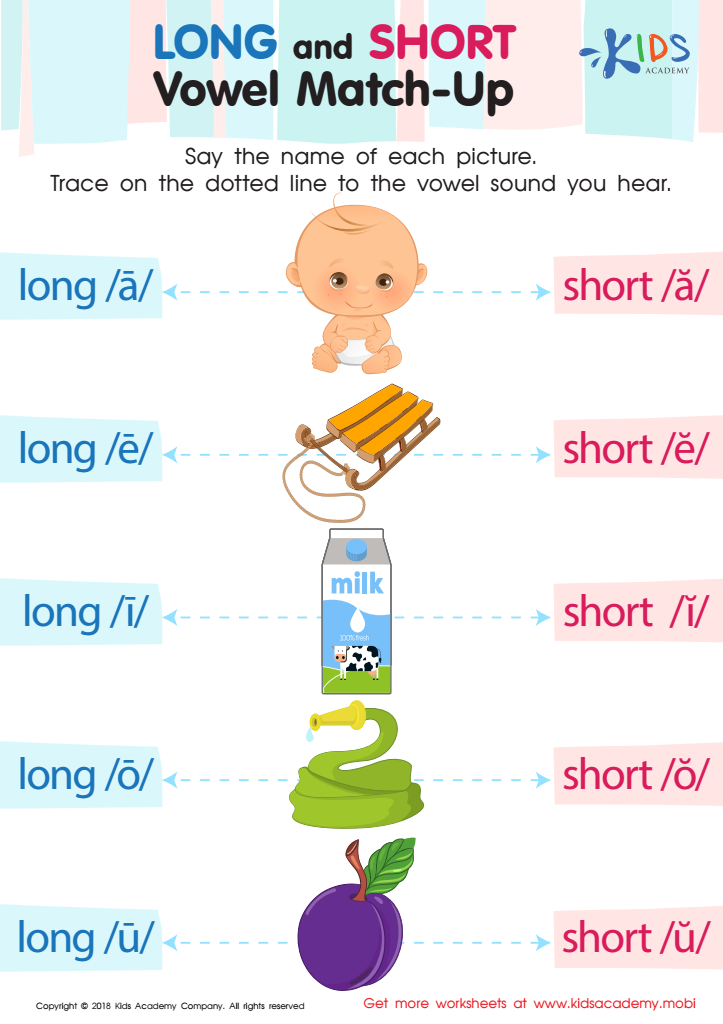
Long and Short Vowel Match up Reading Worksheet
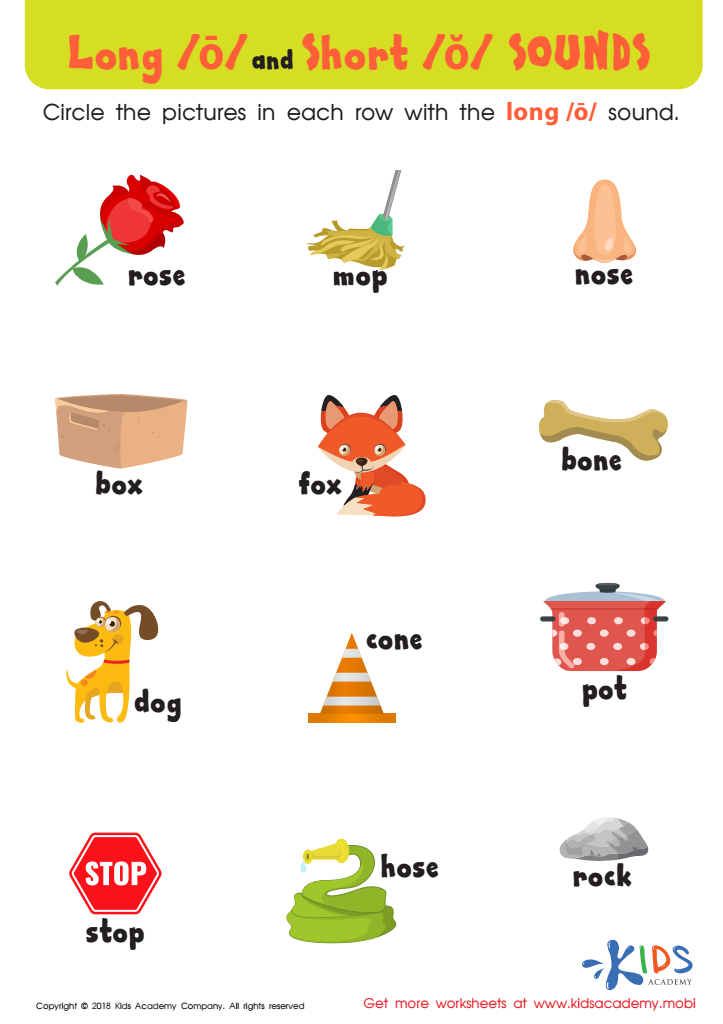
Reading: Long O and Short O Sounds Worksheet
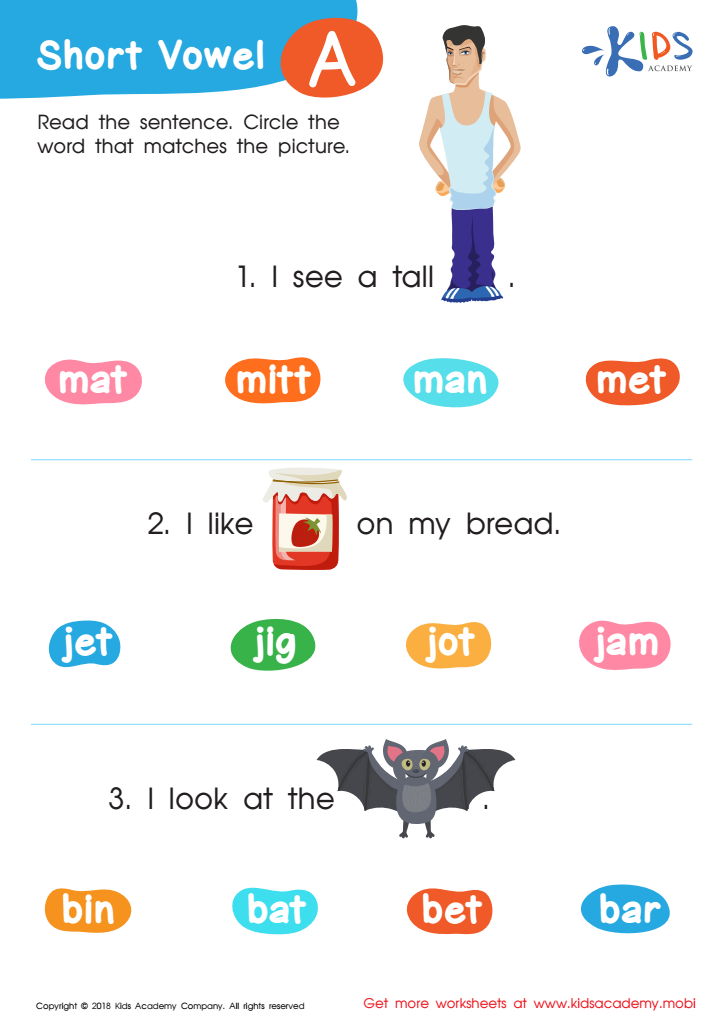
Short Vowel /a/ Worksheet
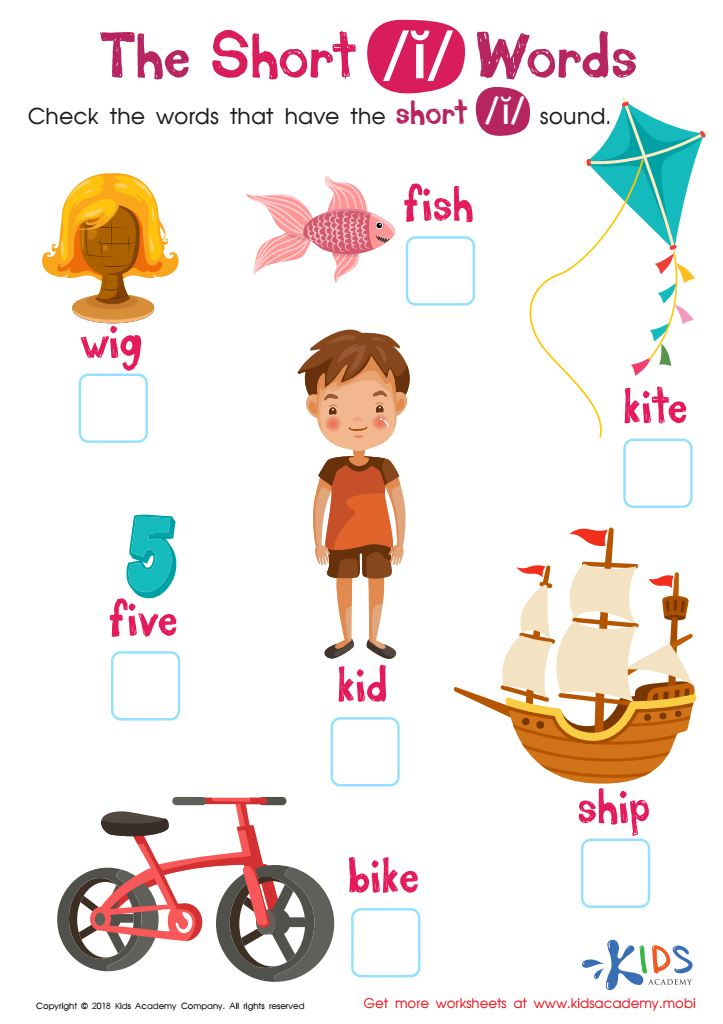
The Short I Words Reading Worksheet
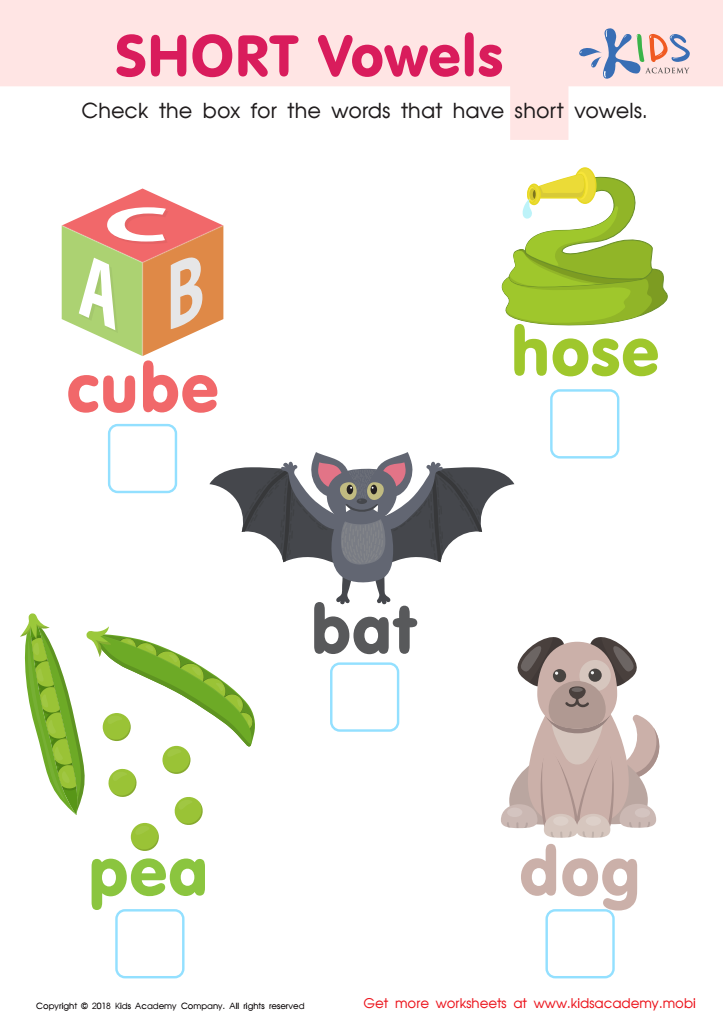
short vowels Worksheet
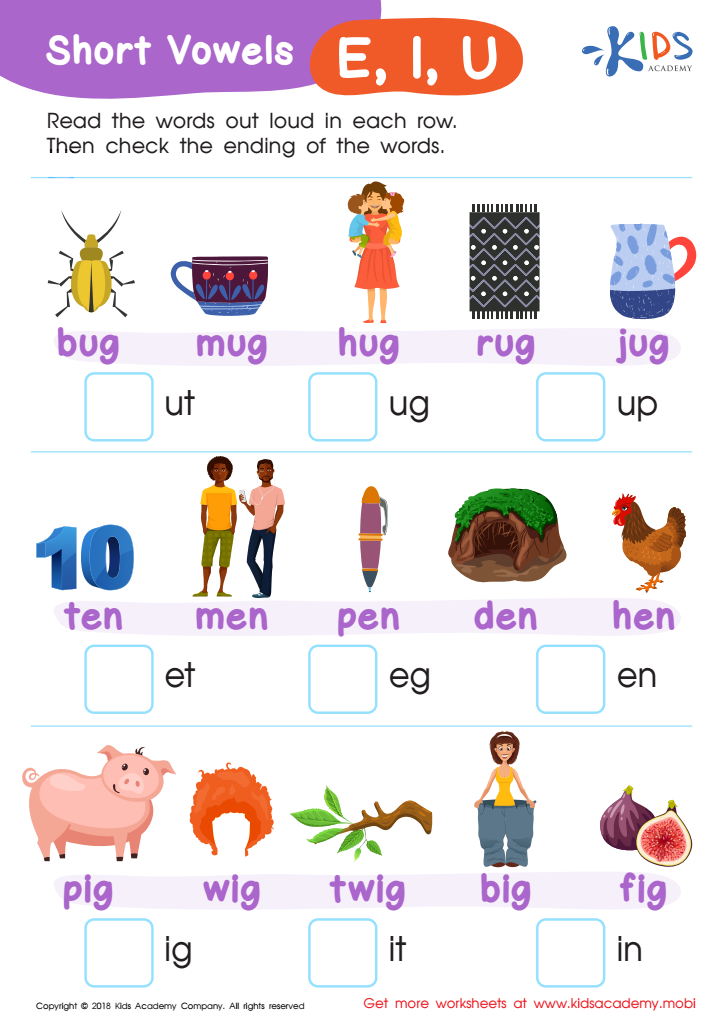
Short Vowels /e/, /i/, and /u/ Worksheet
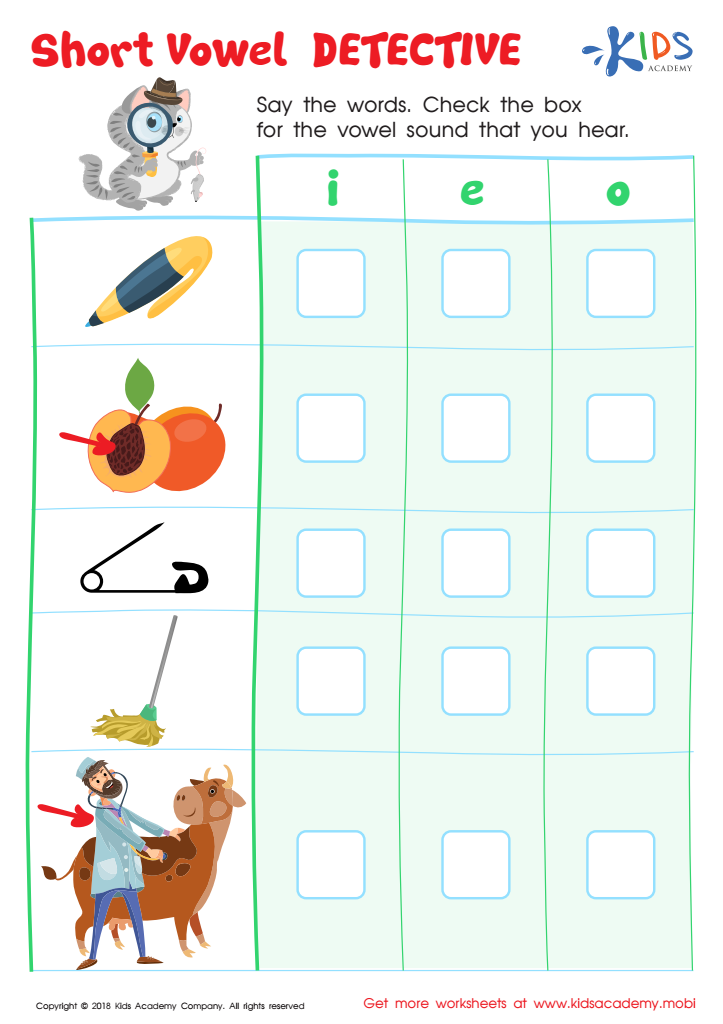
Short Vowel Detective Worksheet
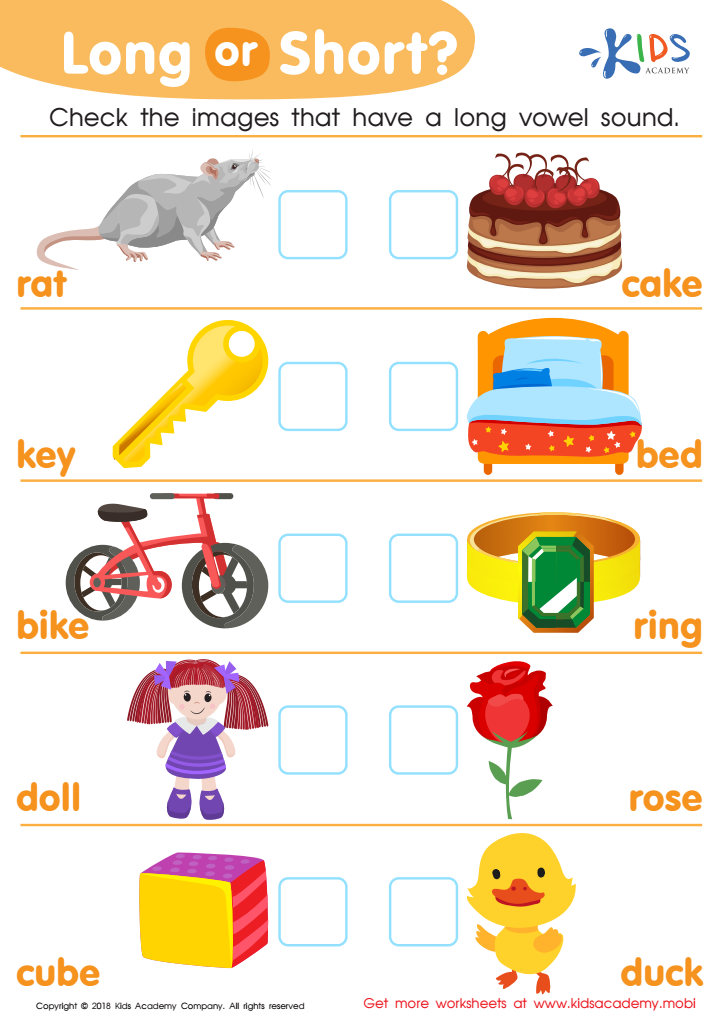
Long or Short Reading Worksheet
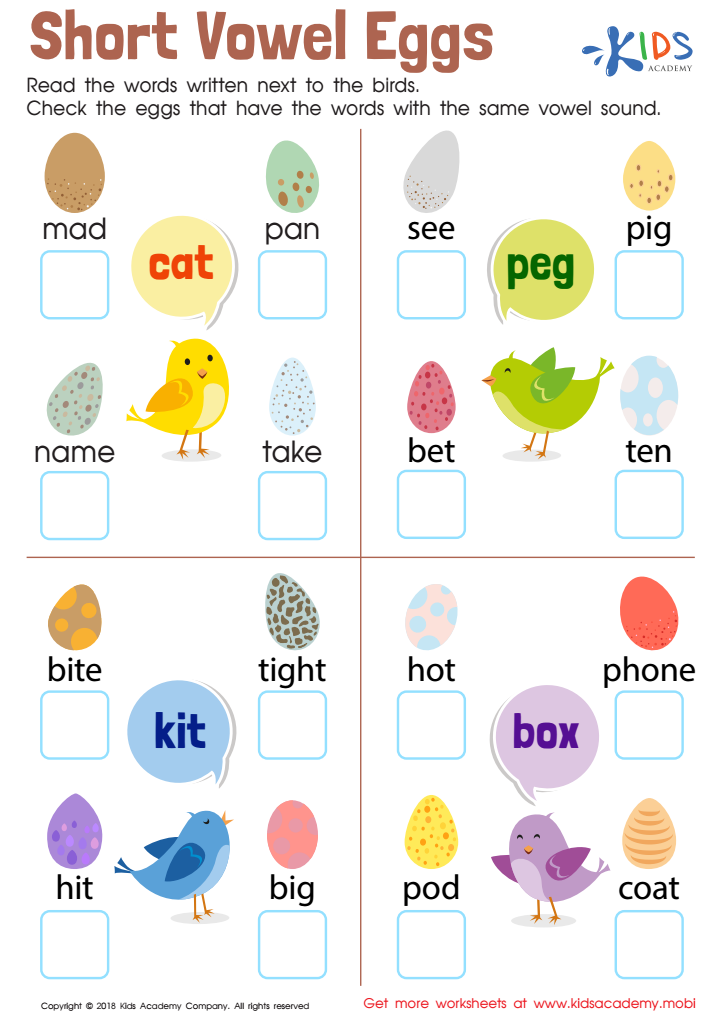
Short Vowel Eggs Worksheet
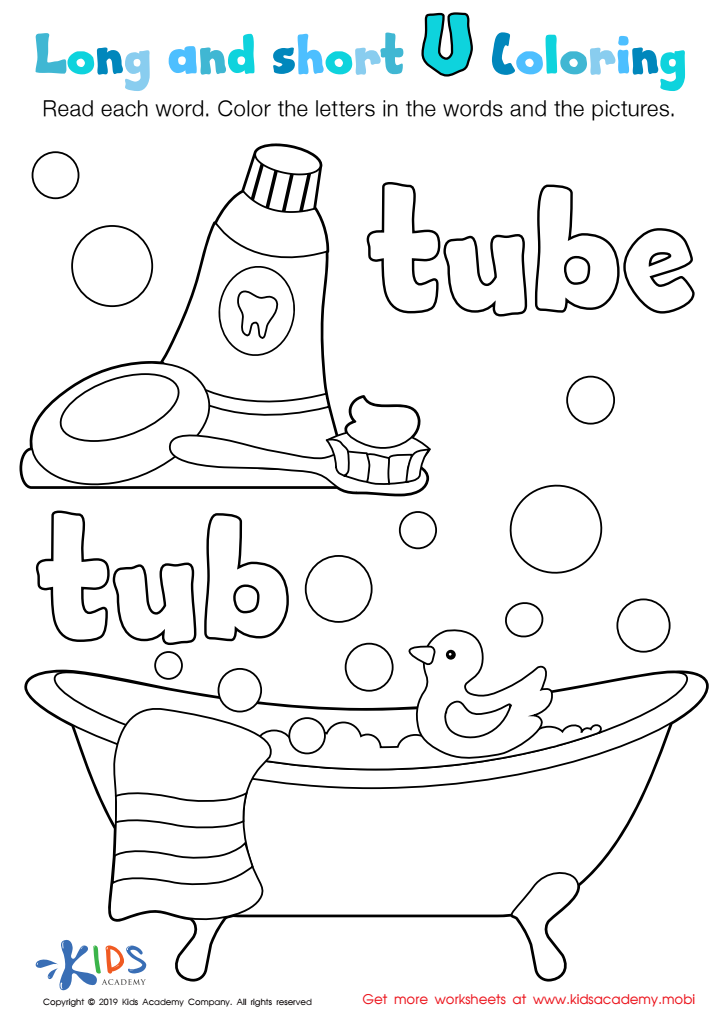
Long and Short U Worksheet
 Assign to My Students
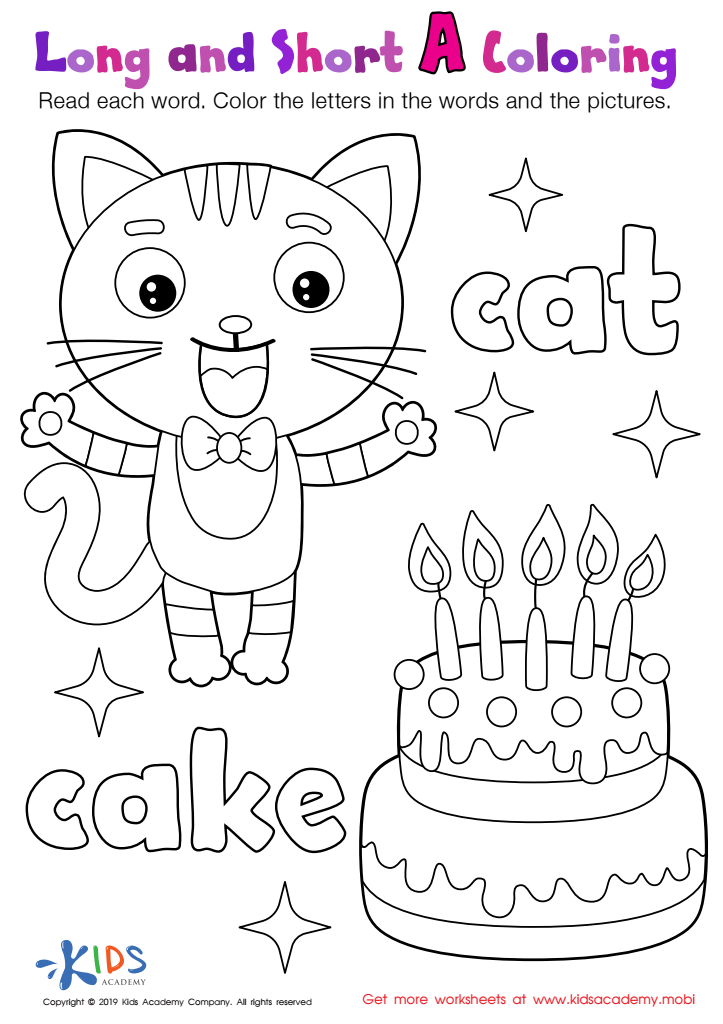
Long and Short A Worksheet
Assign to My Students
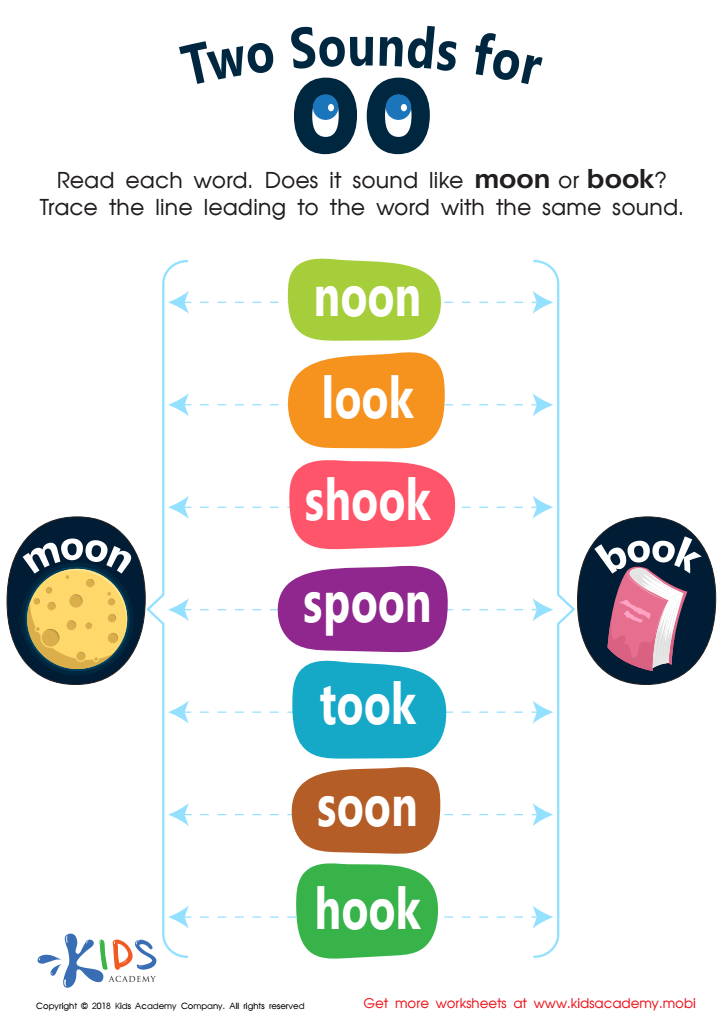
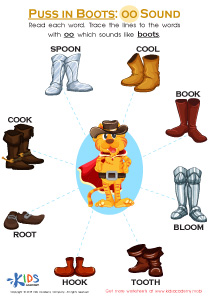
Two Sounds for OO Worksheet
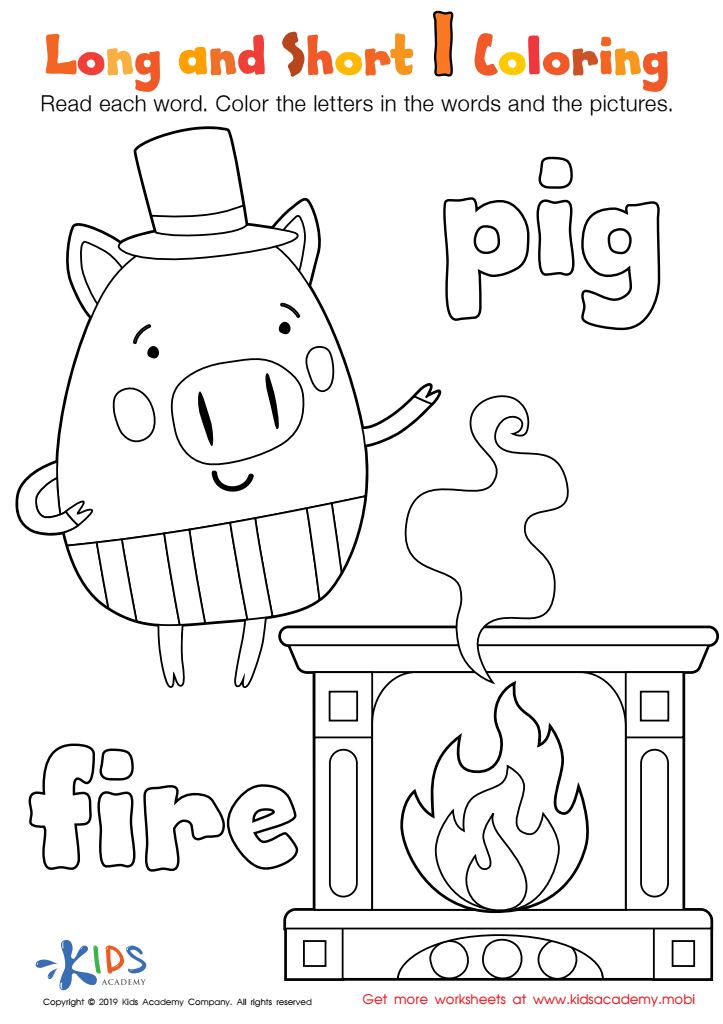
Long and Short I Worksheet
Assign to My Students
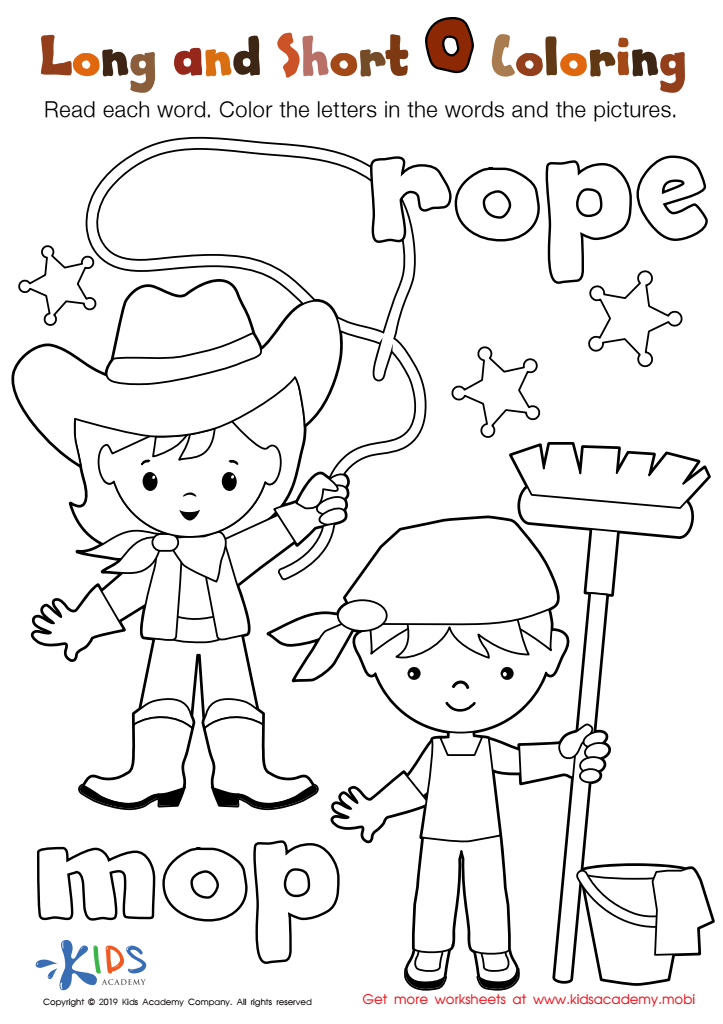
Long and Short O Worksheet
Assign to My Students
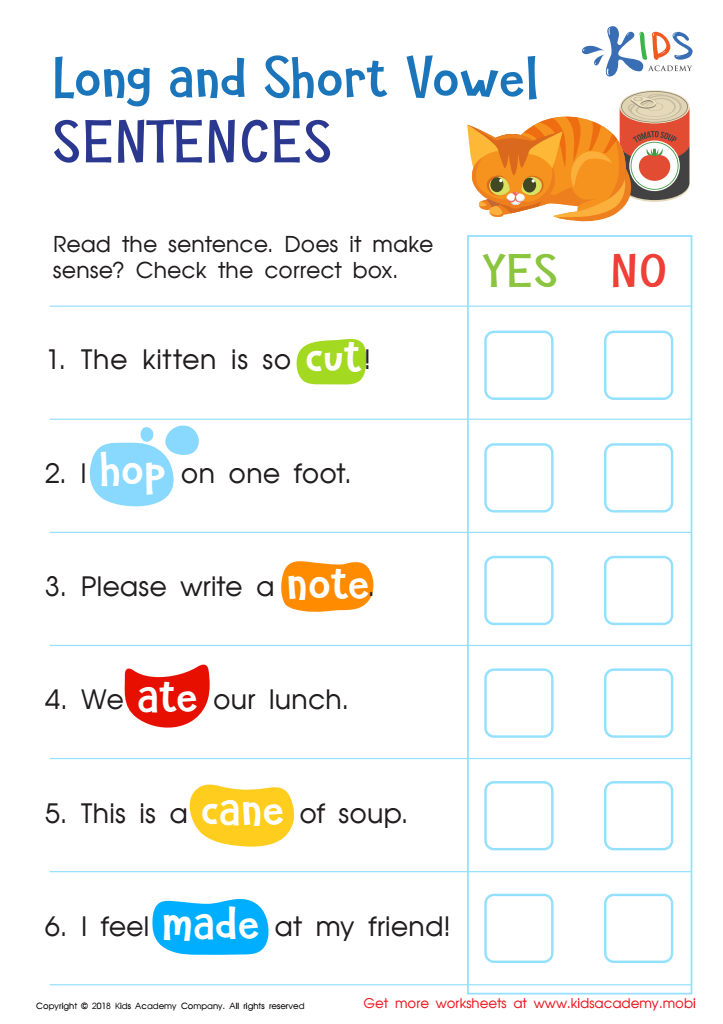
Long and Short Vowel Sentences: Assessment Worksheet
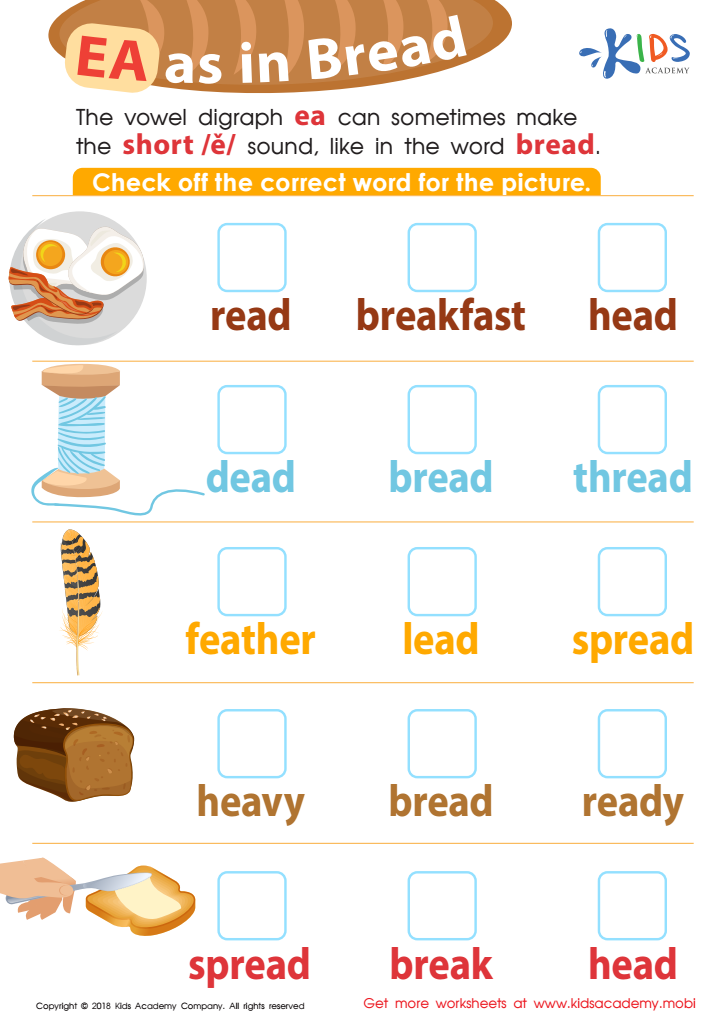
Reading: EA as in Bread Worksheet

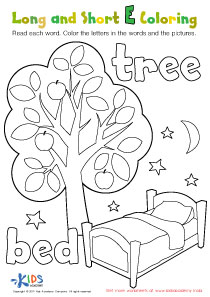
Long and Short E Worksheet
Assign to My Students



Normal short vowels play a crucial role in early literacy development for children aged 6 to 9. Understanding short vowels—like 'a' in "cat," 'e' in "bed," 'i' in "sit," 'o' in "top," and 'u' in "hut"—is foundational for reading and writing.
First, short vowels help children decode words, allowing them to read with confidence. As they encounter unfamiliar words, recognizing short vowels enables them to break down words phonetically and make educated guesses about pronunciation. This skill fosters a love for reading and ultimately enhances comprehension.
Second, mastering short vowels contributes to spelling proficiency. Many common words, especially in early readers’ vocabulary, contain short vowels. When children are familiar with these sounds, they can phonetically spell words, which boosts their writing abilities.
Lastly, short vowels facilitate language development. As children learn to hear and produce these sounds, they improve their overall phonemic awareness—a critical skill for later reading success.
In summary, parents and teachers should prioritize normal short vowels, as they are essential for fostering reading, writing, and language skills that are vital for academic achievement and lifelong learning.