Basic Addition Normal Worksheets for Ages 6-9
15 filtered results
-
From - To
Welcome to our Basic Addition Normal Worksheets for Ages 6-9! Designed to make learning fun and engaging, these worksheets are perfect for young learners to master essential addition skills. Each worksheet features colorful illustrations and age-appropriate tasks that motivate children to practice addition in various ways, helping them build confidence and proficiency in math. With a mix of exercises, including single-digit problems and simple word problems, these resources are ideal for homeschoolers or classroom use. Encourage your child’s love for learning with our comprehensive, printable worksheets that will guide them towards math success while enhancing their cognitive development!
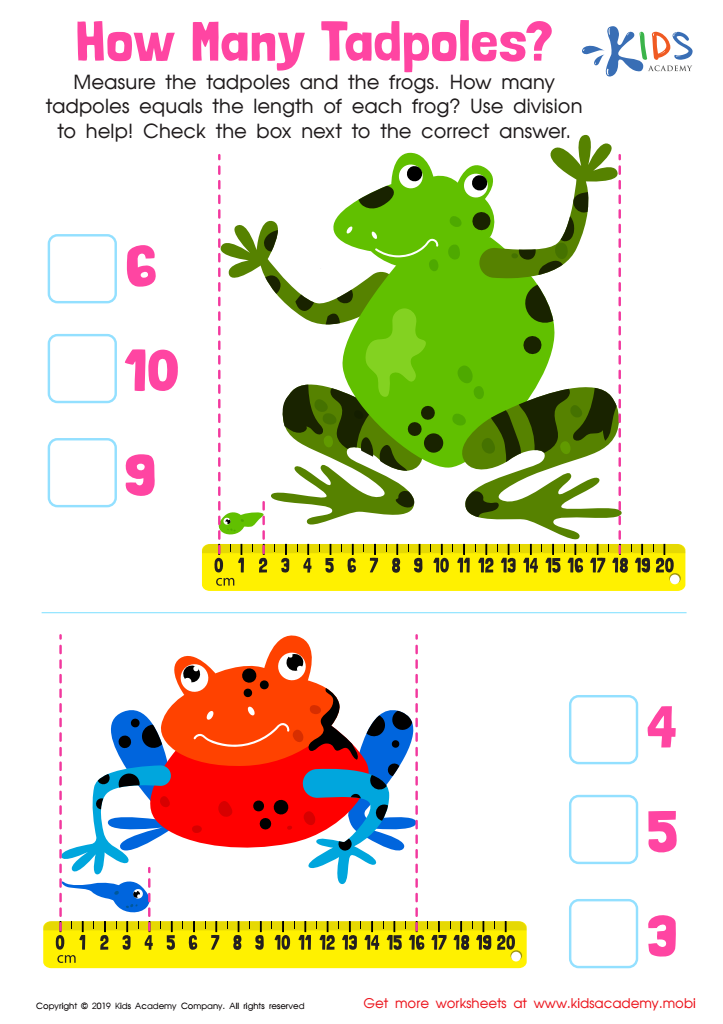
How Many Tadpoles Worksheet
 Assign to My Students

African Wildlife: Giraffe Worksheet
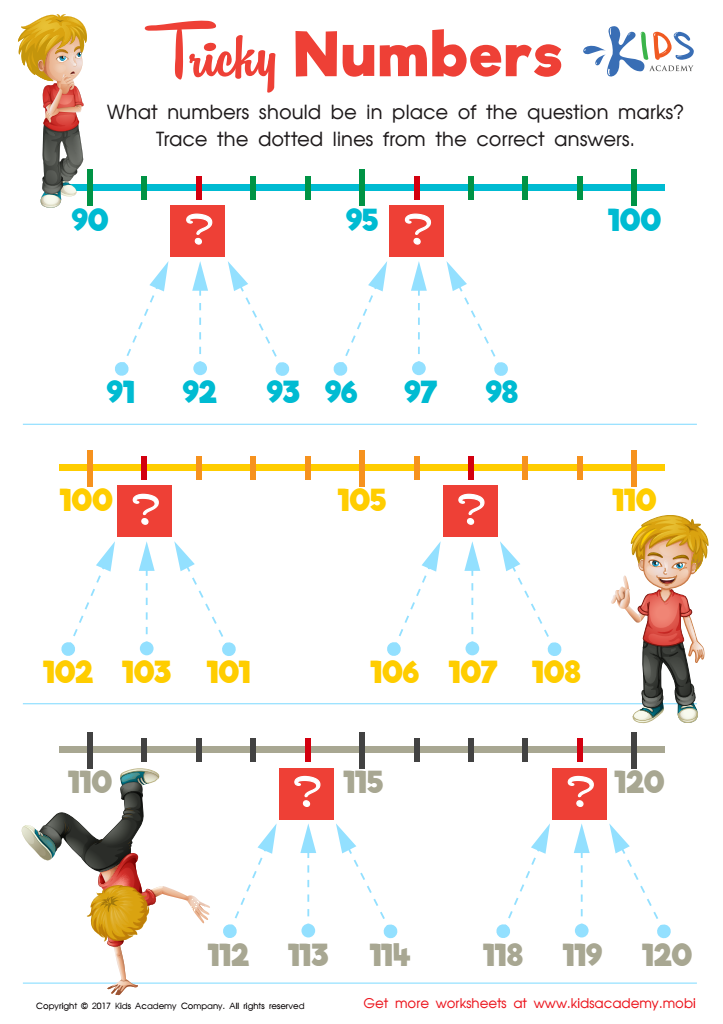
Tricky Numbers Worksheet
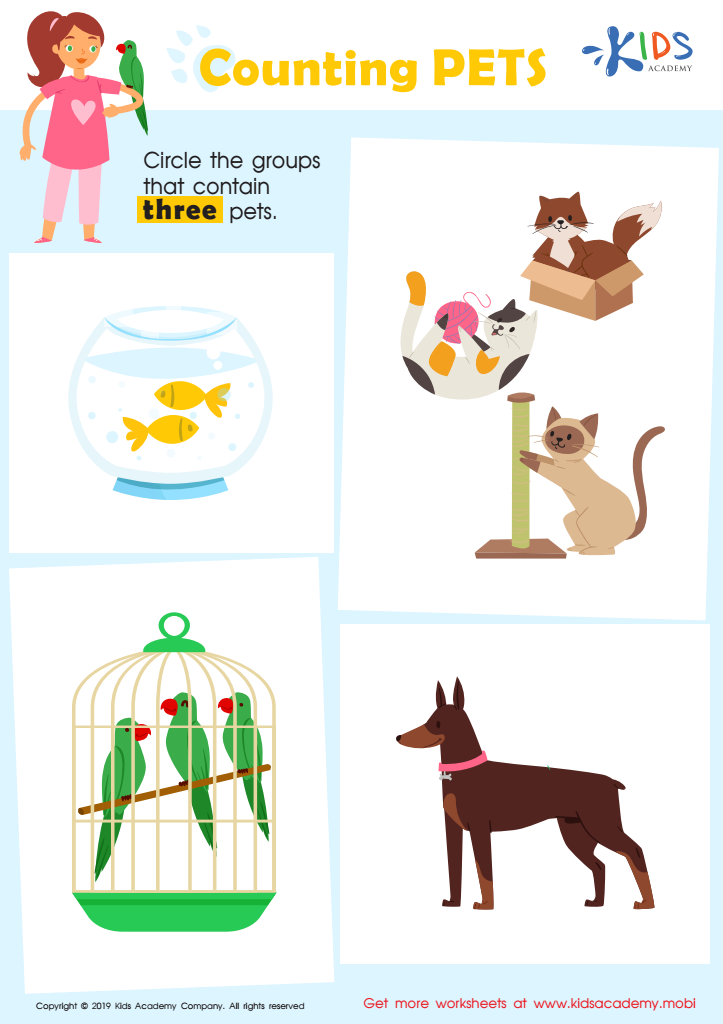
Counting Pets Worksheet
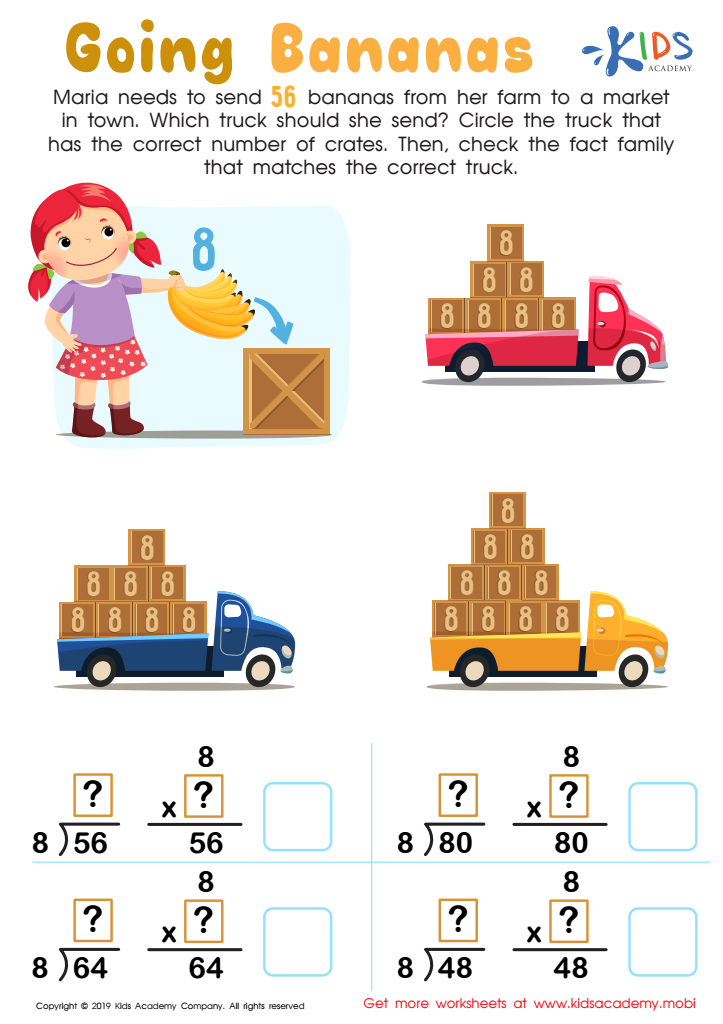
Going Bananas Worksheet
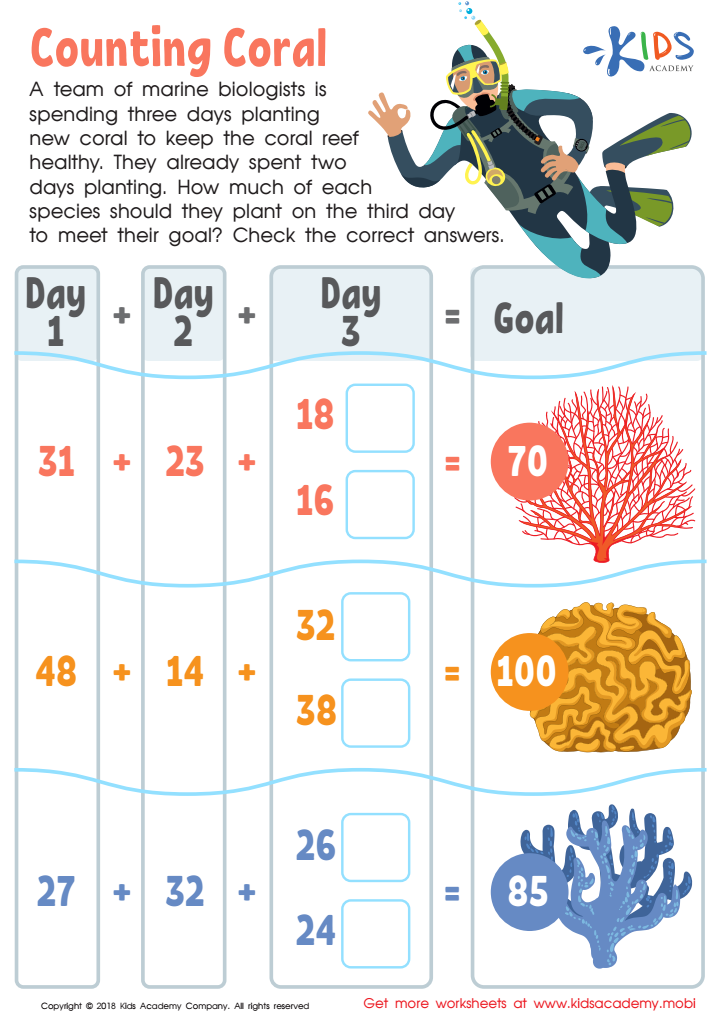
Counting Coral Worksheet
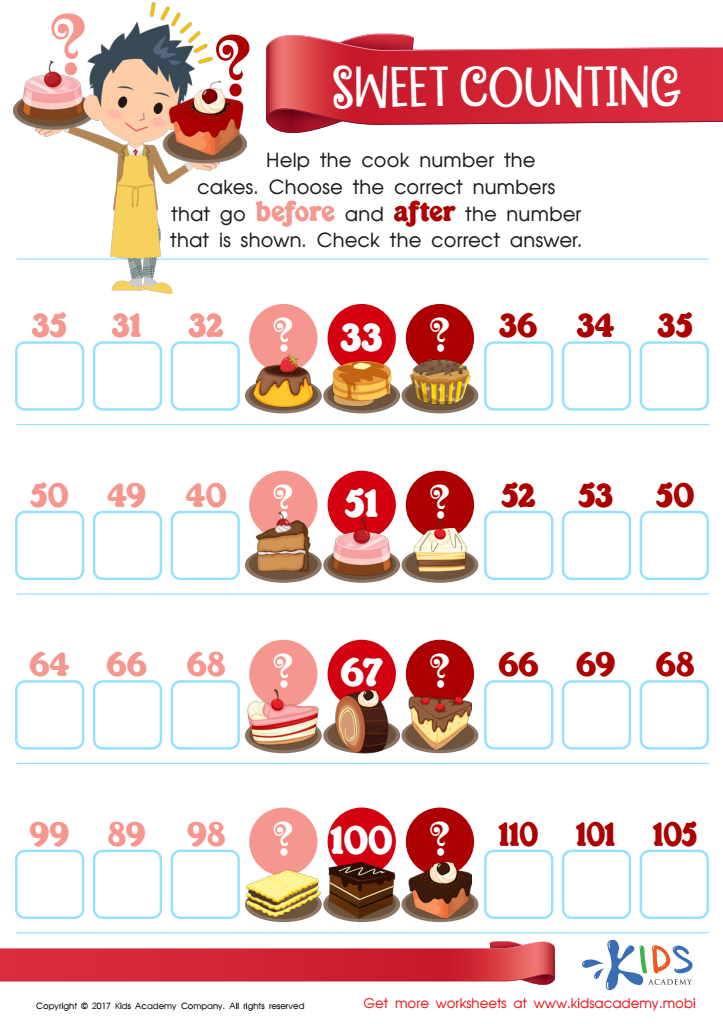
Sweet Counting - Part 1 Worksheet
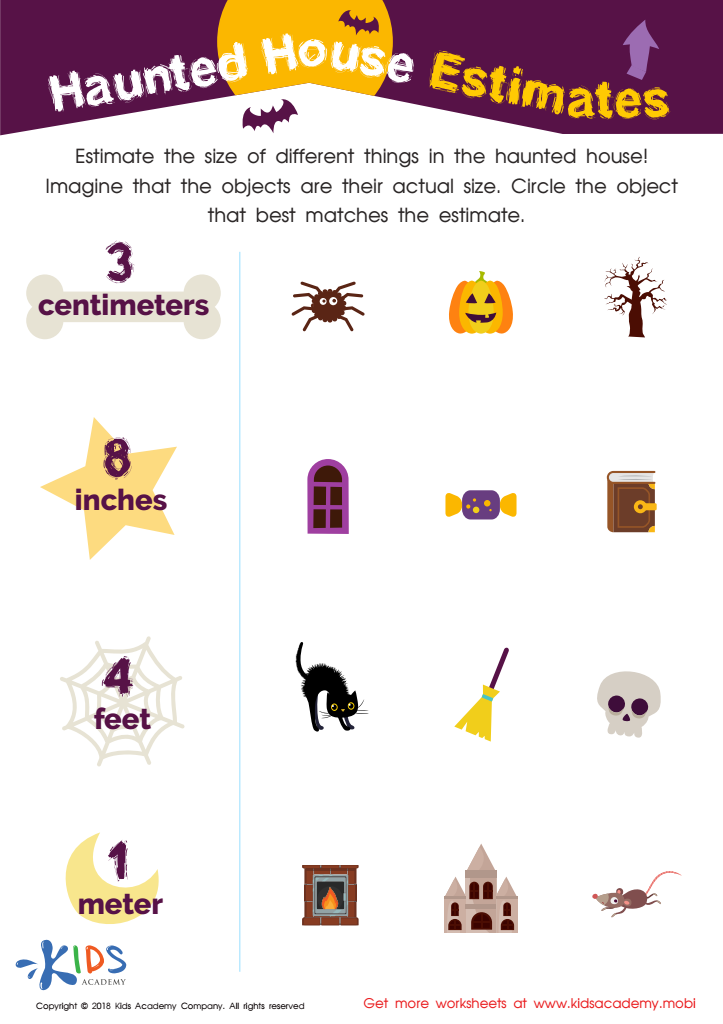
Haunted House Estimates Worksheet

Lily Pad Pond Counting Worksheet
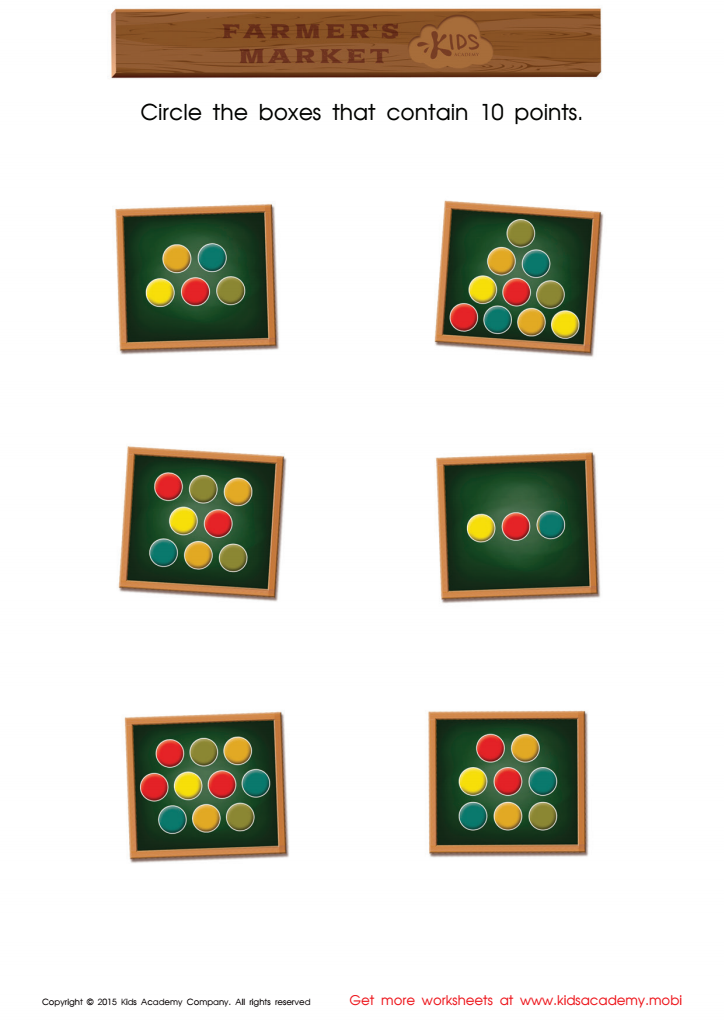
Count and Match Points 10 Math Worksheet
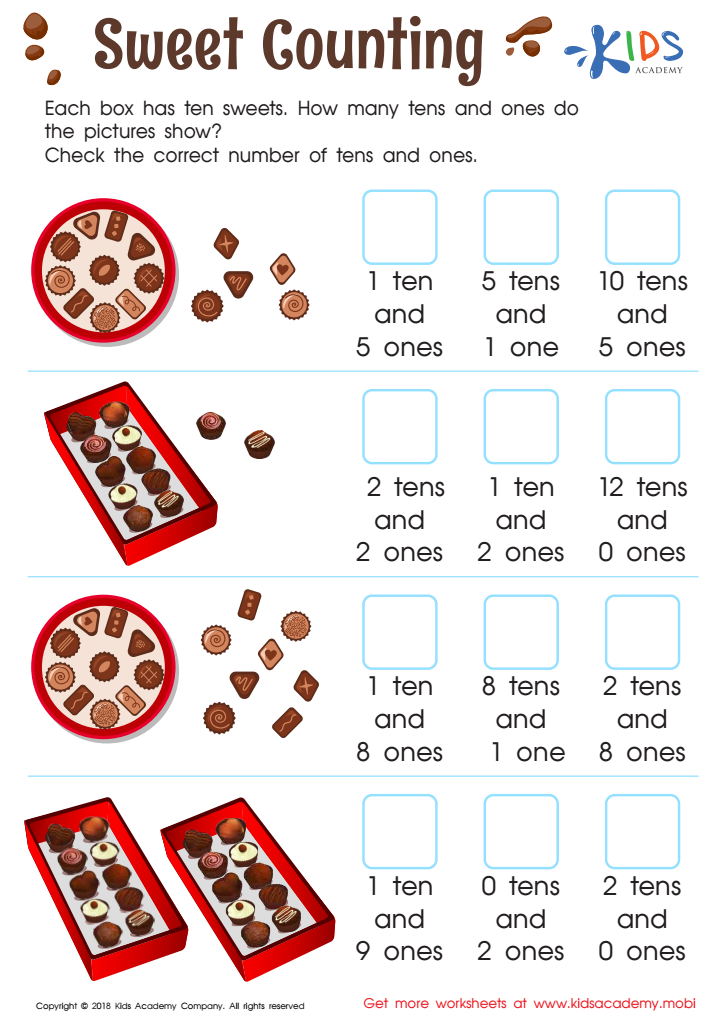
Sweet Counting - Part 2 Worksheet
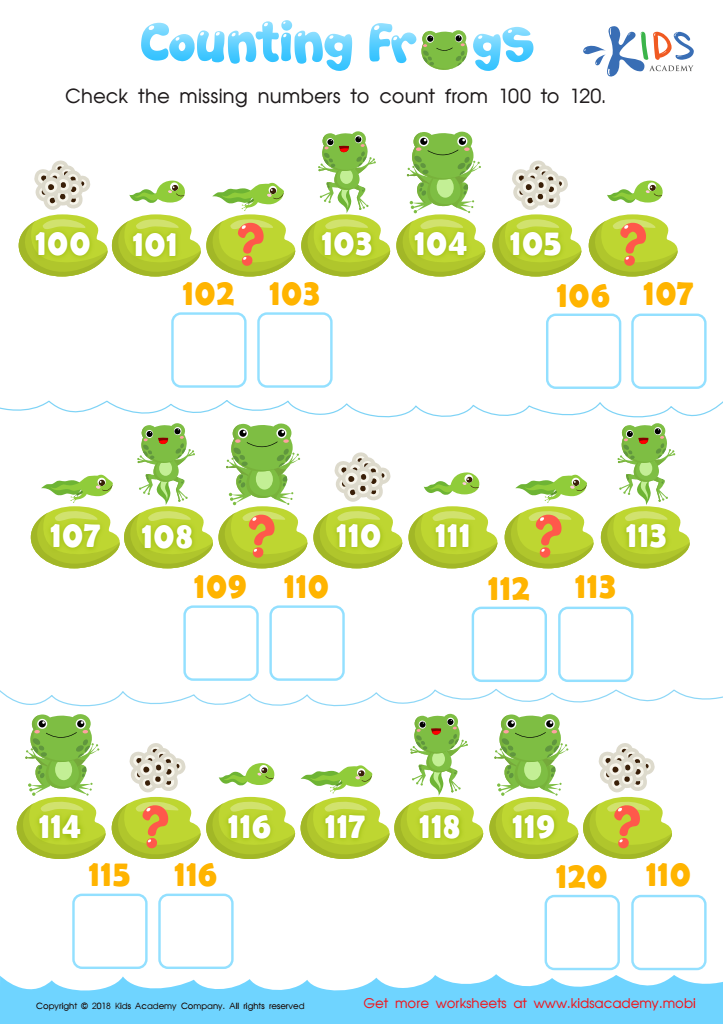
Counting Frogs Worksheet
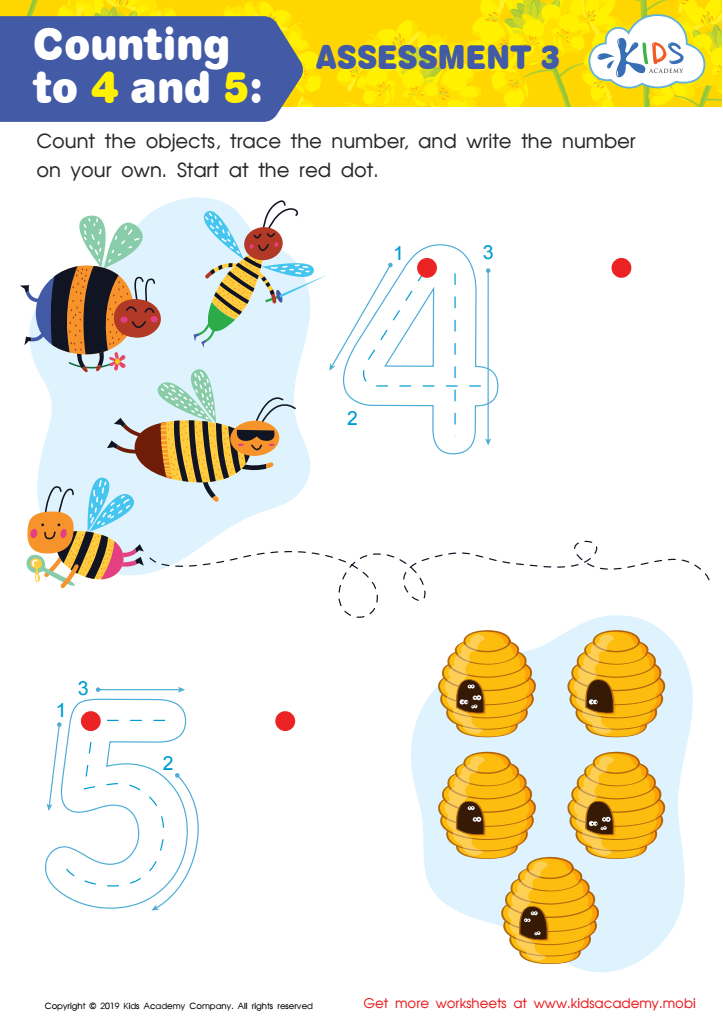
Counting to 4 and 5: Assessment 3 Worksheet
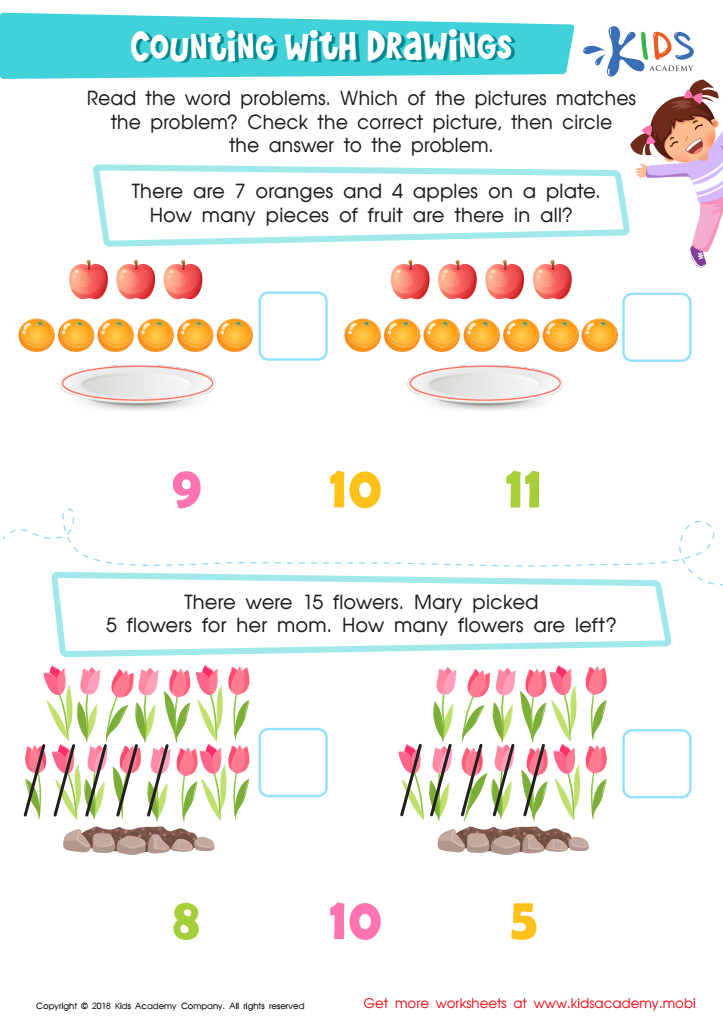
Counting with Drawings:Fruits & Flowers Worksheet


.jpg)





Basic addition is a foundational math skill crucial for children ages 6-9, as it forms the building block for more complex mathematical concepts. During this developmental stage, children transition from concrete to abstract thinking, making it an ideal time to establish a strong understanding of numbers and their relationships.
Parents and teachers should care about this skill because it significantly impacts a child's overall academic success and confidence. Proficiency in basic addition enables students to tackle more advanced topics like subtraction, multiplication, and even fractions later on. Additionally, strong addition skills promote everyday problem-solving, helping children handle real-world situations involving budget planning, time management, and logical reasoning.
Moreover, early mastery of addition can foster a sense of accomplishment and motivation in children, enhancing their love for learning. Parents and teachers play a vital role in providing engaging learning experiences—through games, visual aids, and interactive activities—to reinforce these skills. When children feel supported in their learning journey, they are more likely to cultivate resilience and a growth mindset, leading to continued success in all academic areas. In summary, nurturing basic addition skills is critical for the holistic development of children and should be a collaborative effort between caregivers and educators.








