Categorizing objects Normal Worksheets for Ages 6-9
4 filtered results
-
From - To
Discover engaging "Categorizing Objects" worksheets designed for children ages 6-9. These printable worksheets from Kids Academy help improve essential learning skills by allowing kids to sort and classify objects based on different attributes. Fun and interactive activities encourage logical thinking, problem-solving, and observational skills. Perfect for classroom or at-home use, these worksheets are a valuable resource for young learners to develop a strong foundation in organizing data and understanding relationships between objects. Equip your child with the tools they need to succeed and make learning an enjoyable journey! Download now and start categorizing.
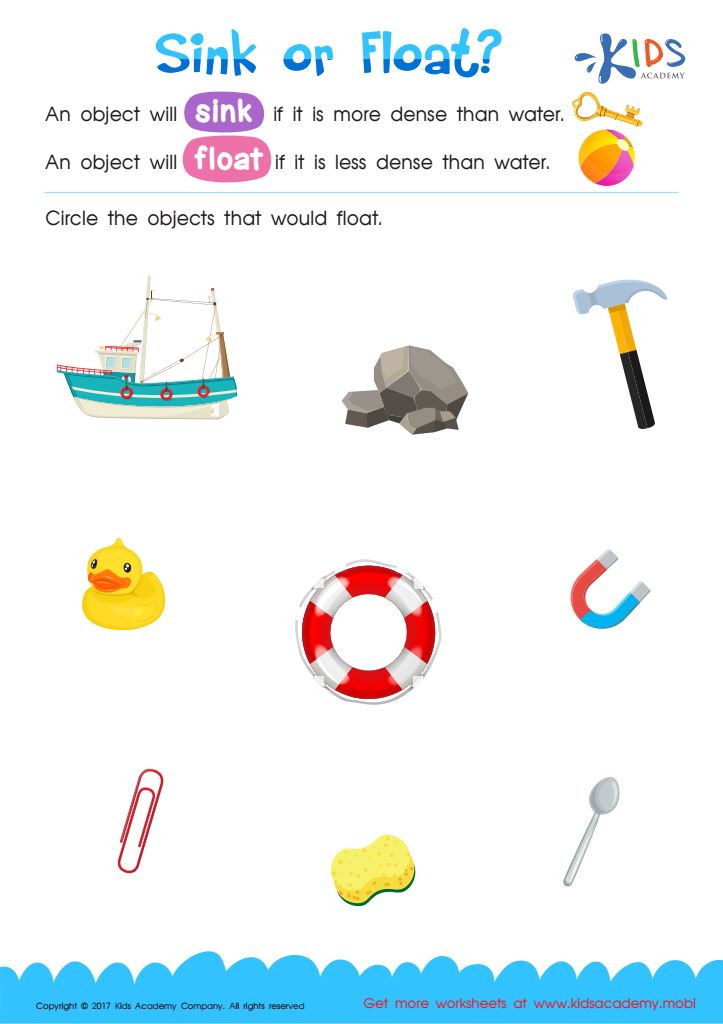
Sink or Float Printable
 Assign to My Students
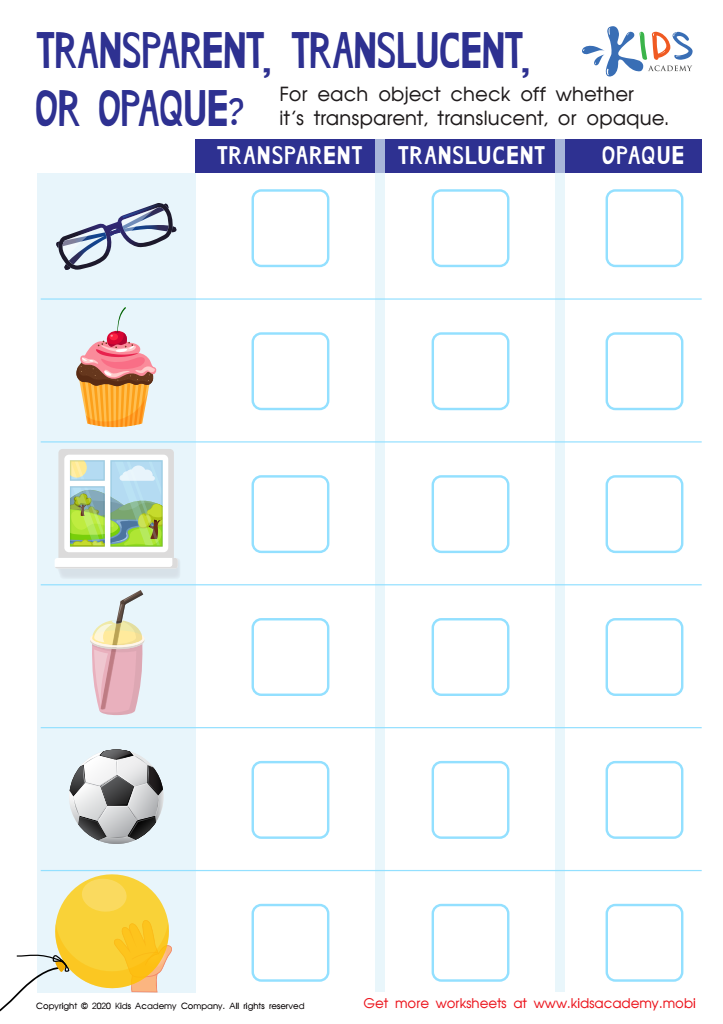
Transparent, Translucent, or Opaque Worksheet
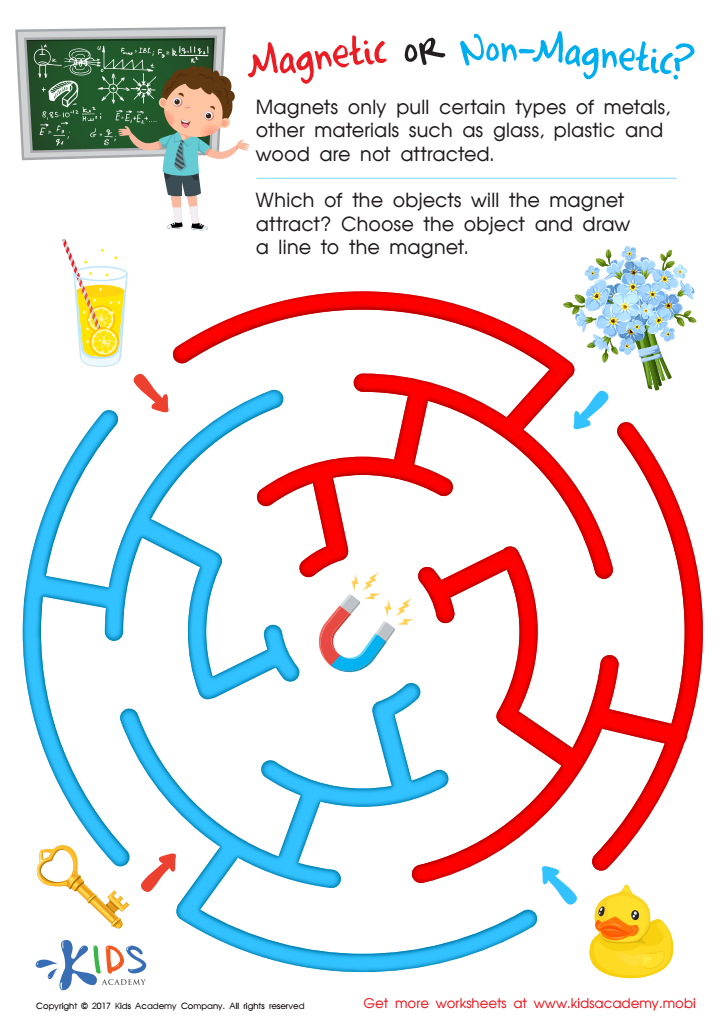
Magnetic or Non–Magnetic Worksheet
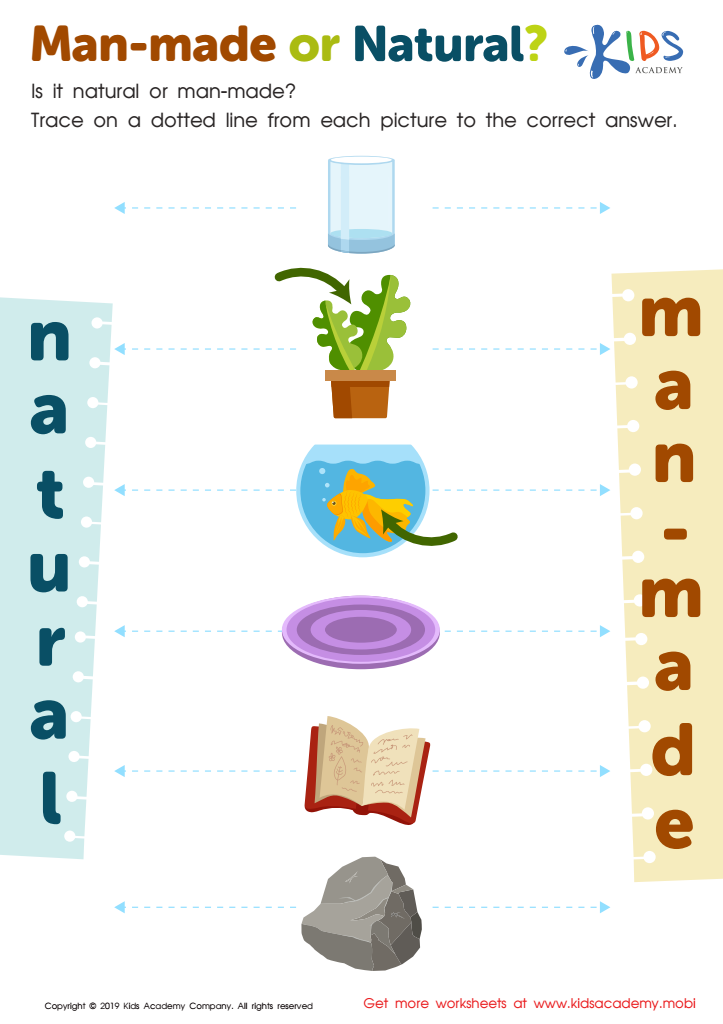
Man-Made or Natural? Worksheet




Categorizing objects is a fundamental cognitive skill essential for children aged 6-9. Parents and teachers should care about this because it lays the foundation for logical thinking, organization, and problem-solving. By learning to sort objects into categories, children enhance their ability to understand and make sense of the world around them. For instance, classifying animals by species or grouping toys by color helps deepen their understanding and memory retention.
Moreover, categorization supports academic growth. It builds skills vital for subjects like math and science, where children may need to sort numbers or identify plant types. This skill also boosts language development by expanding vocabulary; children learn to associate new words with grouped items, enhancing both comprehension and communication.
Socially and emotionally, categorizing can foster better organizational habits and reduce frustration. A child who knows to put blocks with blocks and crayons with crayons can manage their play space more efficiently, leading to a cleaner and less chaotic environment. Importantly, categorization exercises improve focus and attention to detail.
Lastly, children who categorize well can employ these skills in everyday problem-solving and decision-making, abilities that are crucial throughout life. Thus, fostering this skill set in early childhood development significantly benefits their overall cognitive growth and practical daily functioning.








