Hand-eye Coordination Normal Worksheets for Ages 6-9 - Page 2
31 filtered results
-
From - To
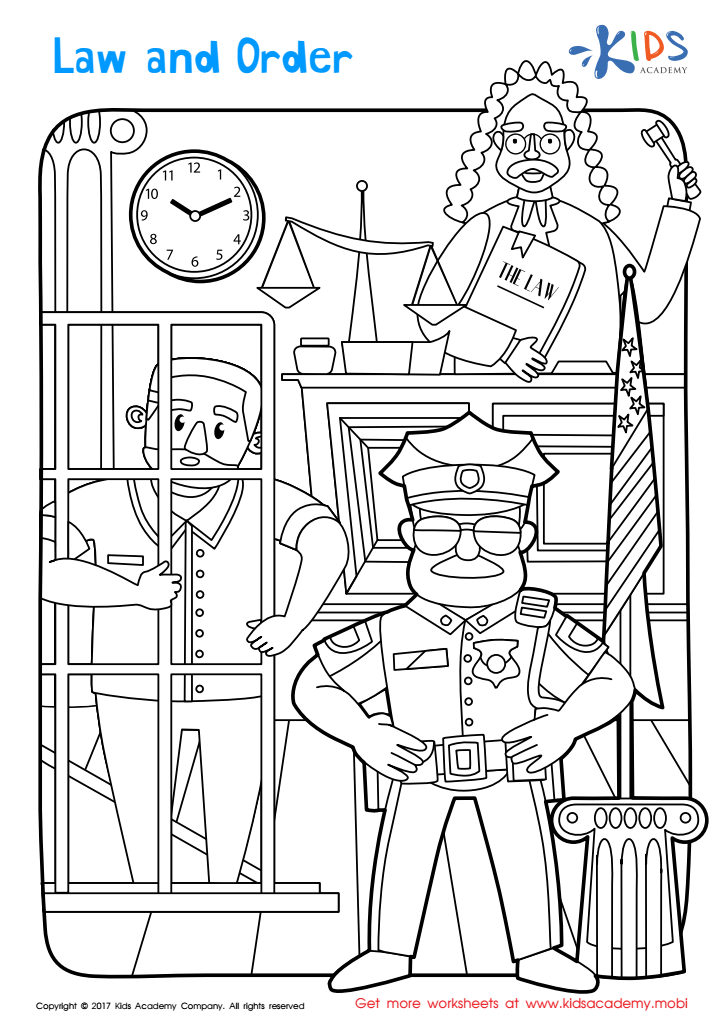
Law and Order Coloring Page Worksheet
 Assign to My Students
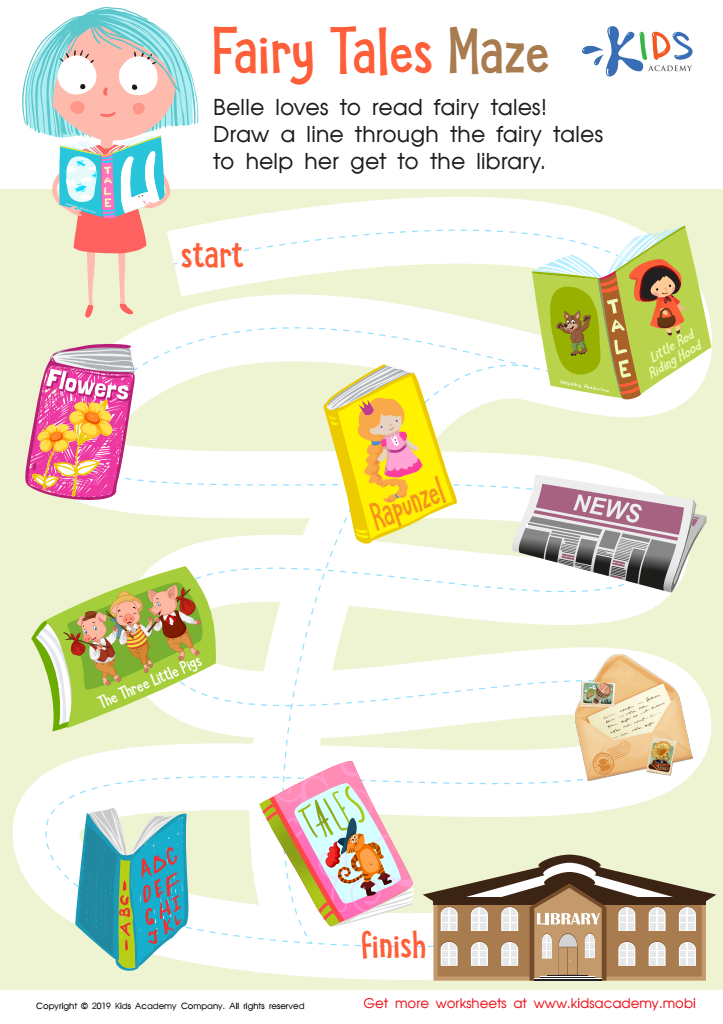
Fairy Tales Maze Worksheet
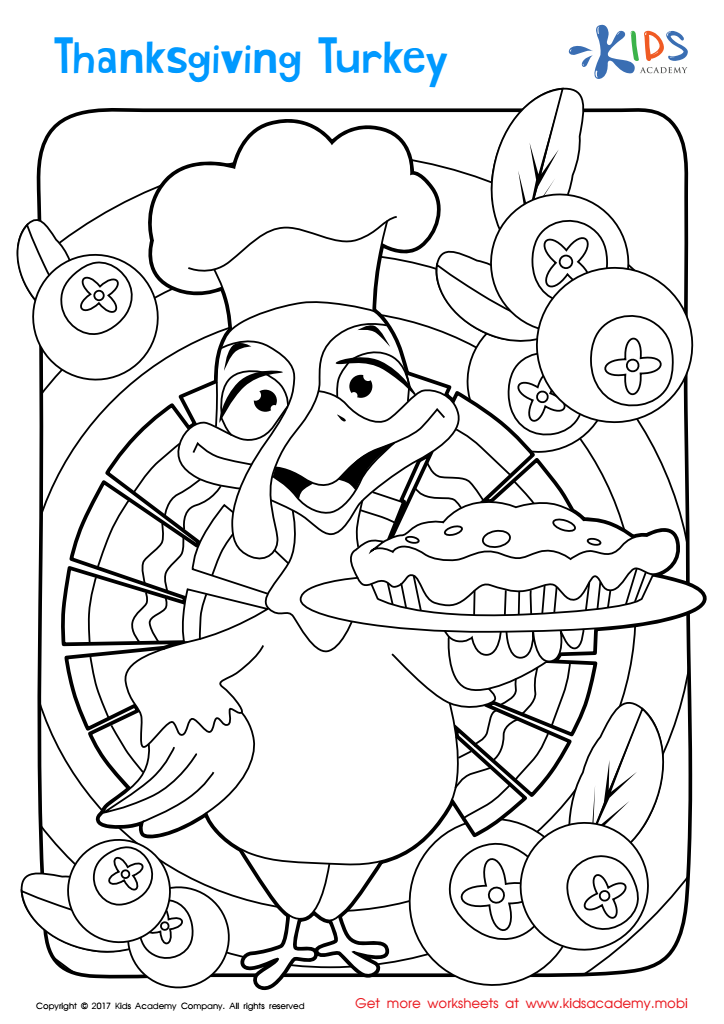
Turkey Thanksgiving Day Worksheet
Assign to My Students
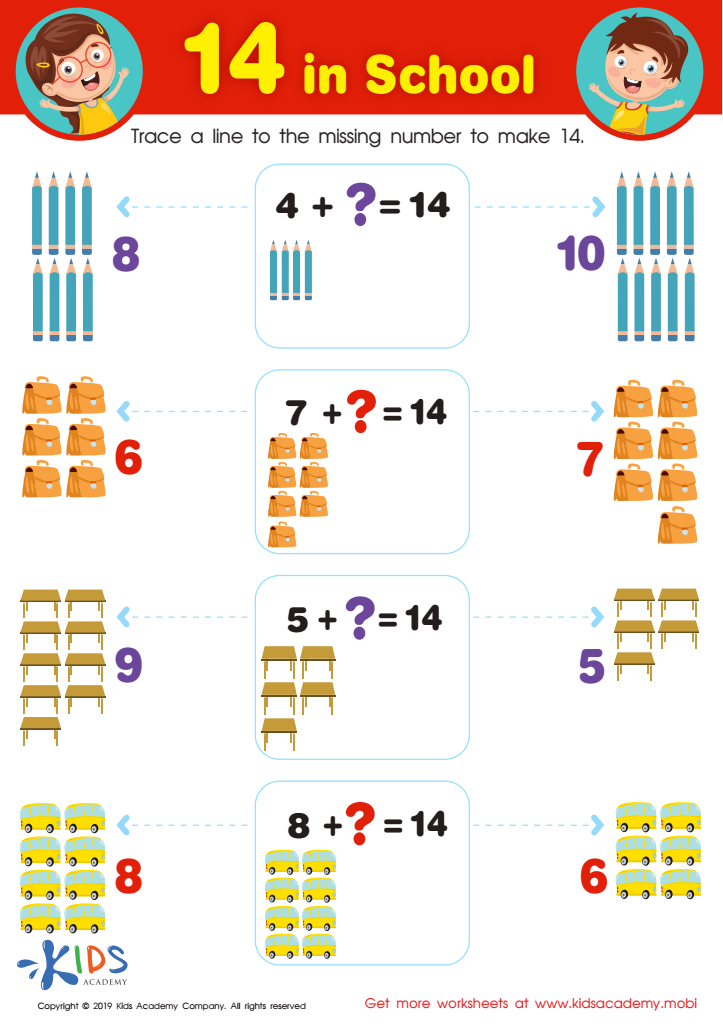
14 in School Worksheet
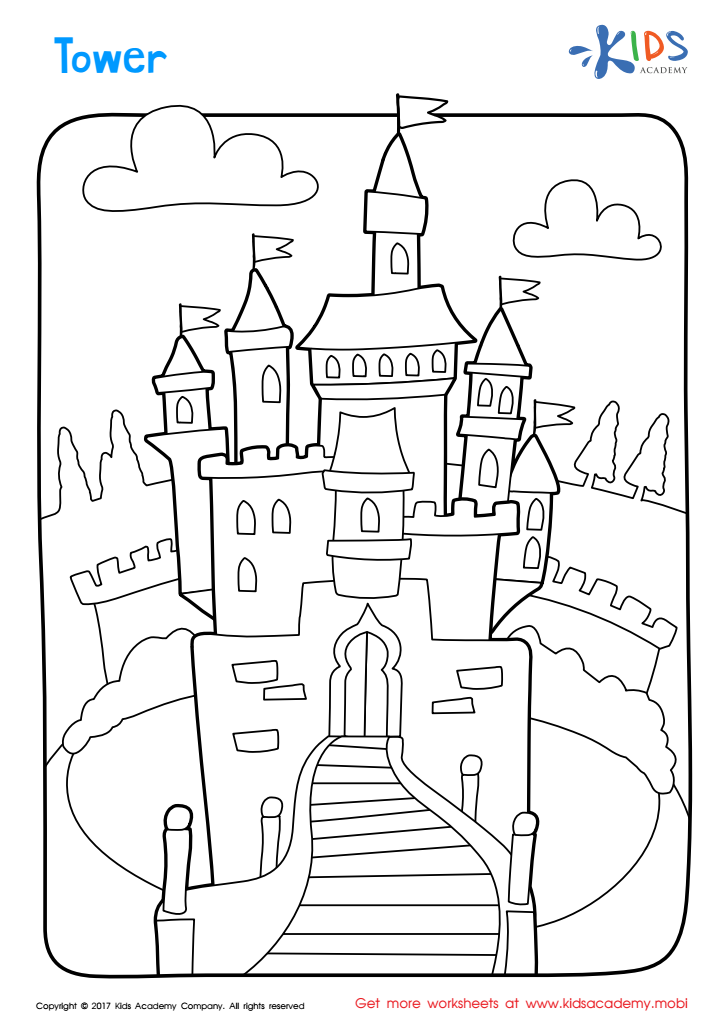
Tower Coloring Page
Assign to My Students

Long and Short E Worksheet
Assign to My Students

Letter D Tracing Page






Hand-eye coordination is a crucial skill that significantly impacts a child's overall development, particularly between ages 6-9. During this developmental stage, children are refining their motor skills, and coordination becomes vital for success in various activities, both academic and recreational.
Strong hand-eye coordination enhances a child's ability to engage in tasks such as writing, reading, participating in sports, and using tools or utensils during art and social activities. It assists with integrating sensory input with motor output, leading to more precise movements and better control in their actions. This skill can positively influence a child's confidence and engagement in school and extracurricular activities.
Furthermore, proficient hand-eye coordination can contribute to a child’s cognitive development. It encourages problem-solving as children navigate their environment and experiment with different ways to achieve tasks successfully.
Teachers and parents should actively monitor and support the development of hand-eye coordination by incorporating fun activities like sports, games, and crafting that promote this skill effectively. In doing so, they equip children with the tools necessary for thriving, ensuring they are prepared for more complex tasks as they approach adolescence. Investing time in developing hand-eye coordination ultimately lays the groundwork for children’s future learning and success.








