Improving math skills Normal Worksheets for Ages 6-9
13 filtered results
-
From - To
Enhance your child's math abilities with our expertly crafted worksheets, designed for children ages 6-9. Improving Math Skills Normal Worksheets offer engaging and comprehensive exercises to nurture key mathematical concepts, including basic arithmetic, pattern recognition, and problem-solving. Each worksheet promotes critical thinking and boosts confidence through fun, interactive activities. Perfect for both classroom and at-home learning, these resources are meticulously aligned with age-appropriate learning standards. Empower your young learner to master math fundamentals with enjoyable practice that turns learning into an adventure. Explore our extensive collection and watch your child's math skills soar!
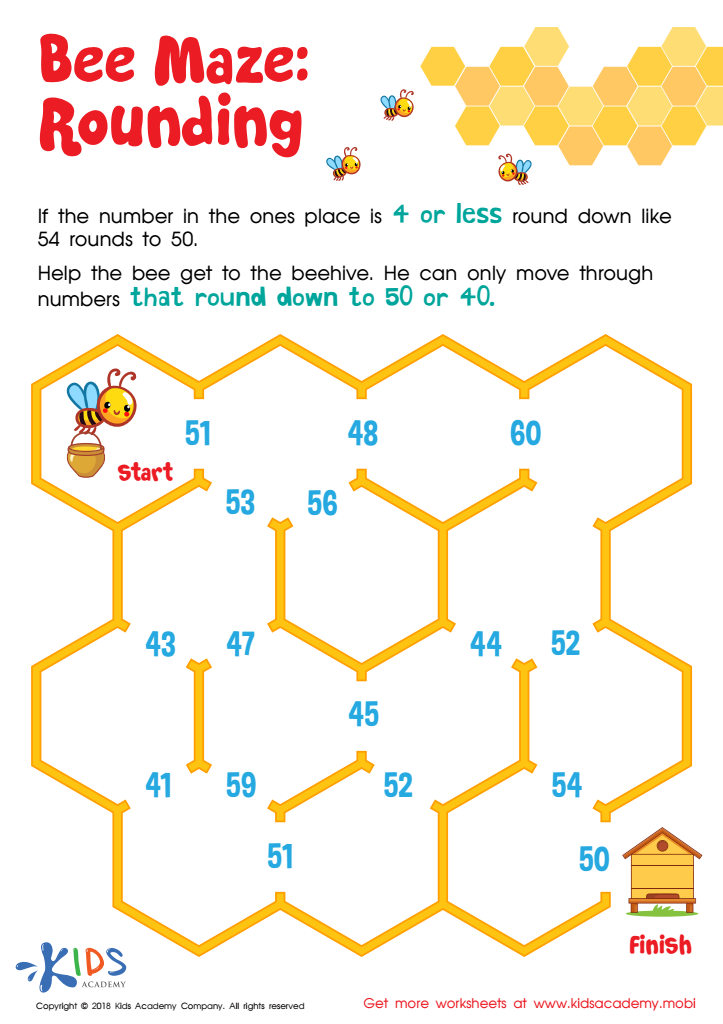
Rounding Down Printable Worksheet
 Assign to My Students
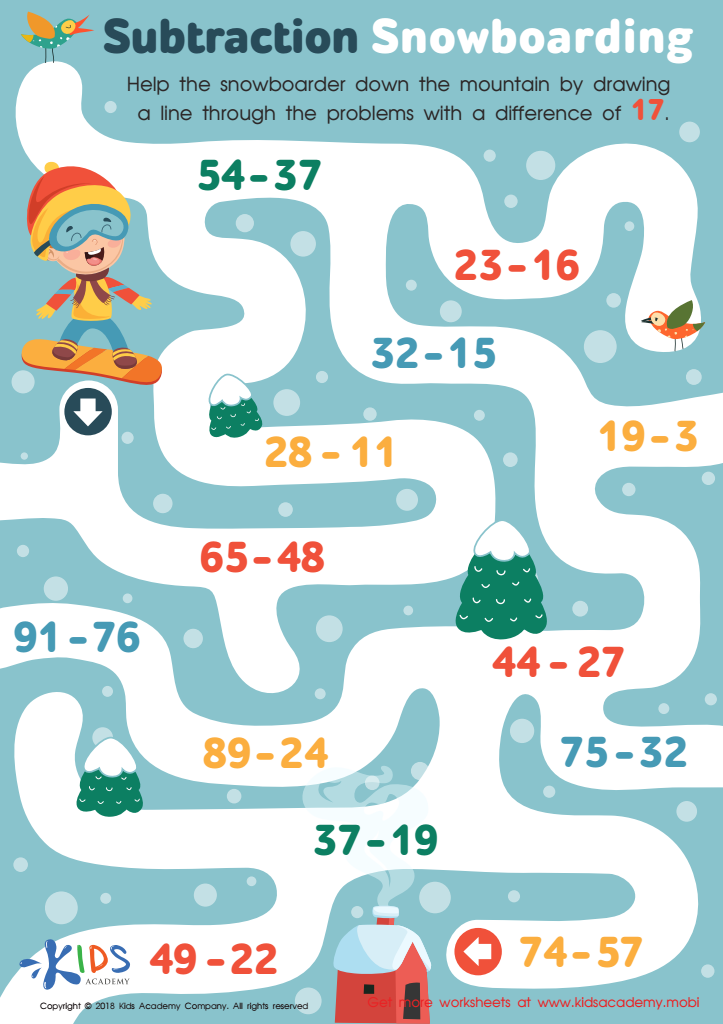
Subtraction Snowboarding Worksheet
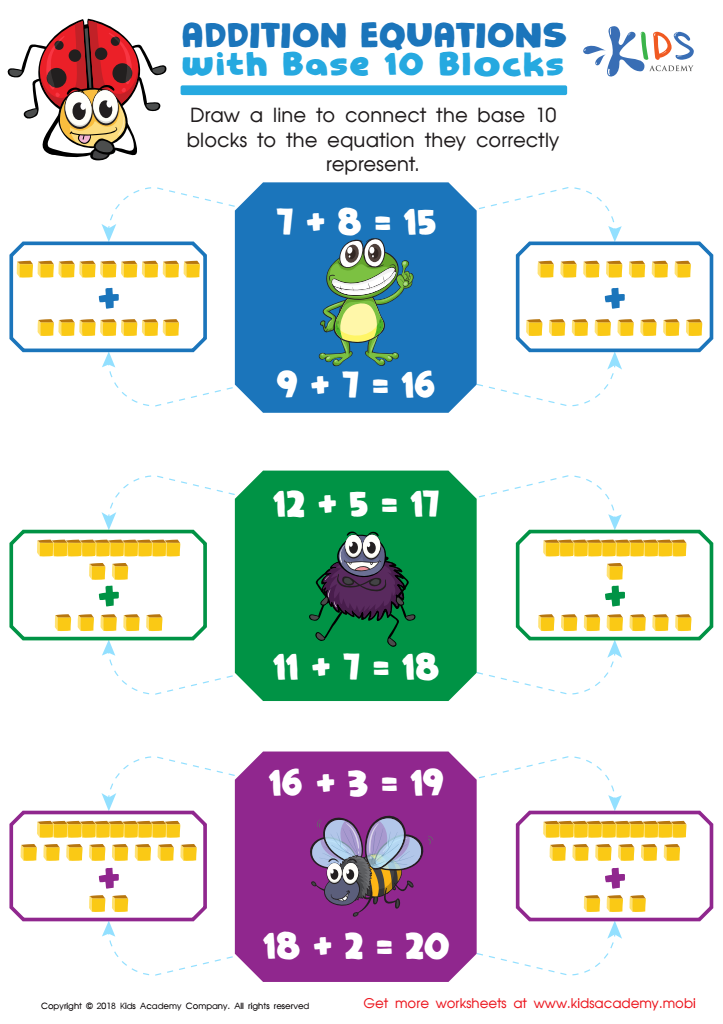
Addition Equations With Base 10 Blocks Worksheet
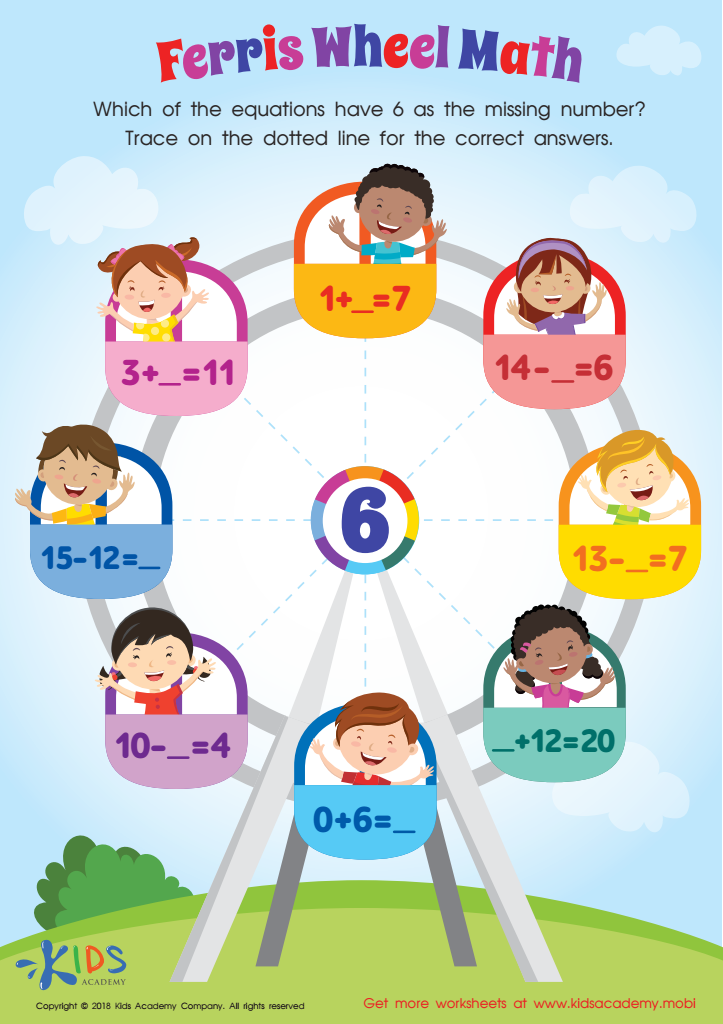
Missing Number: Ferris Wheel Math Worksheet
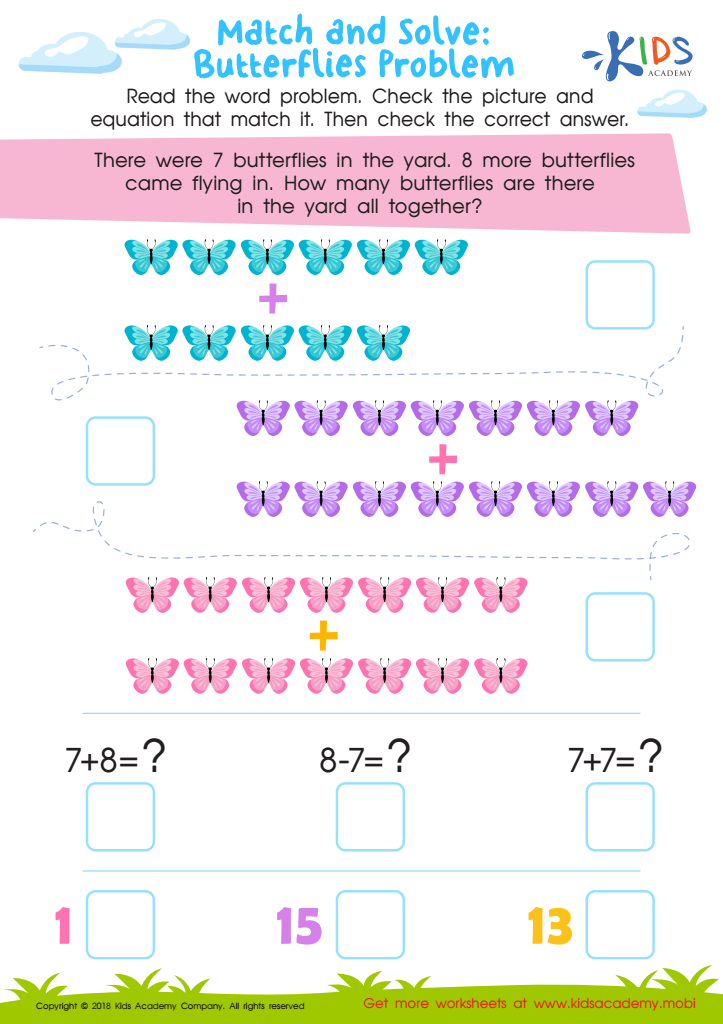
Match and Solve: Butterfly Problem Worksheet
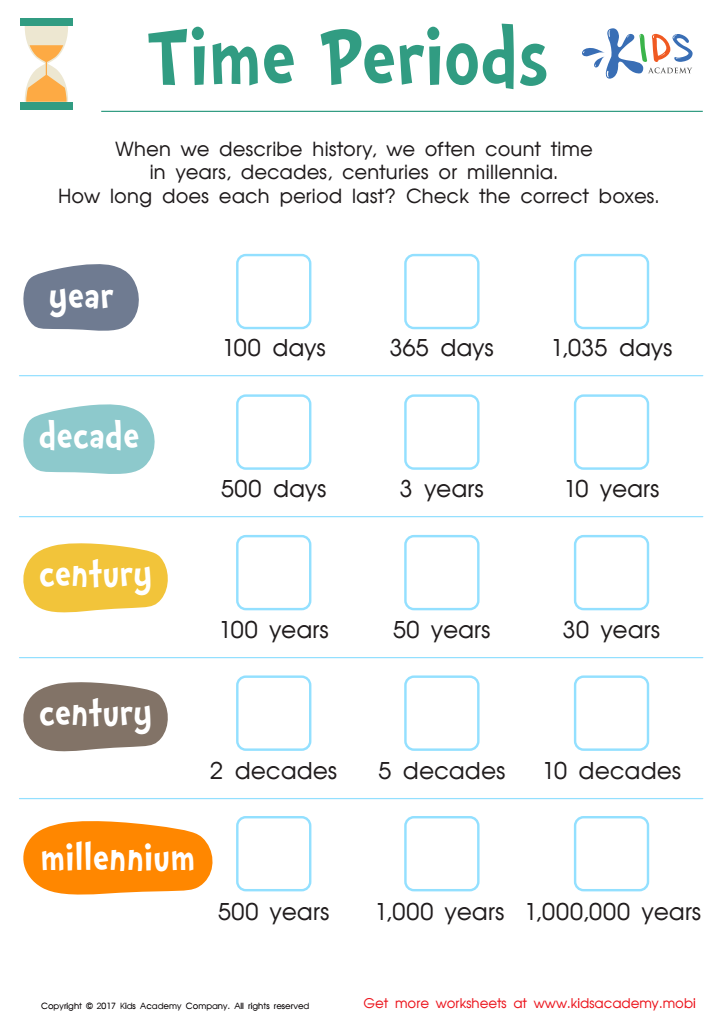
Time Periods Worksheet
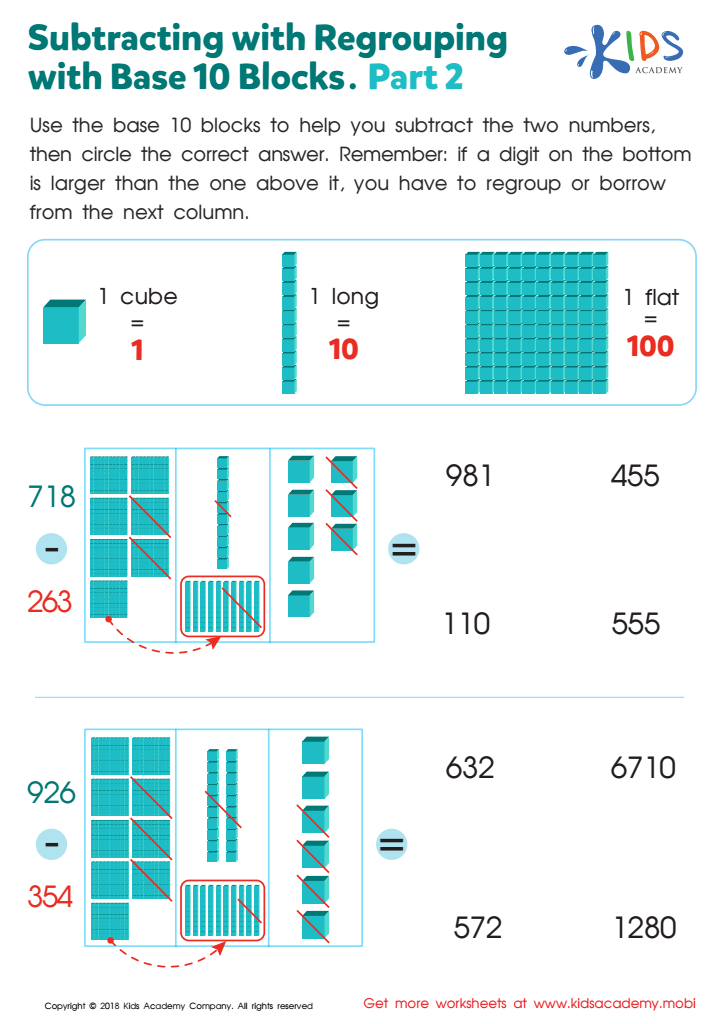
Subtracting with Regrouping with Base 10 Blocks. Part 2 Worksheet
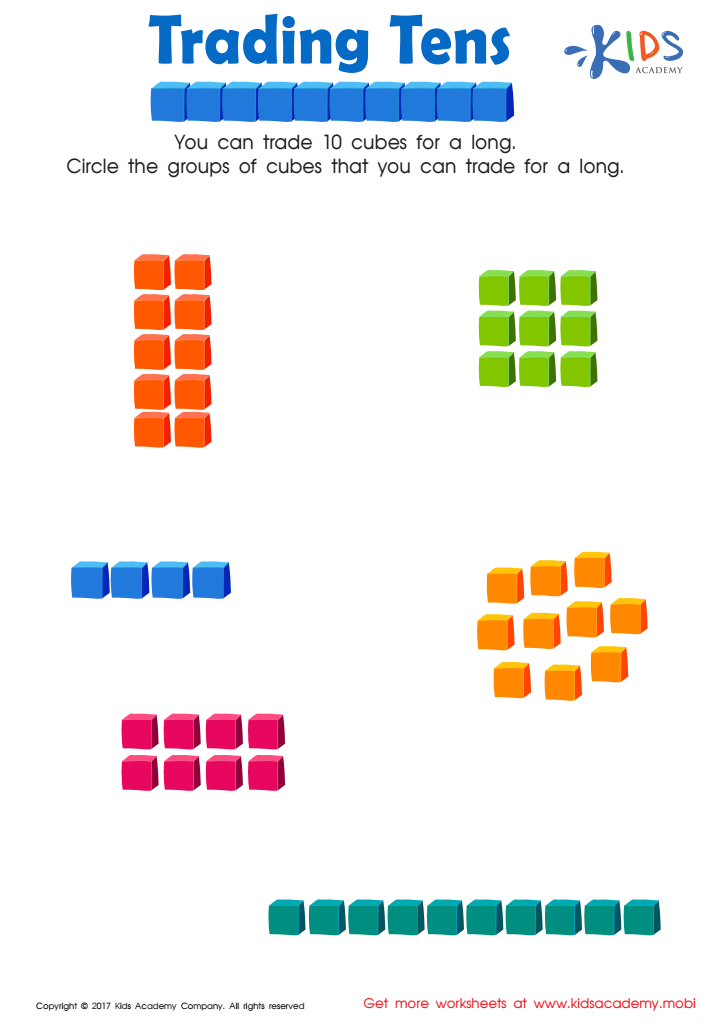
Trading Tens Worksheet
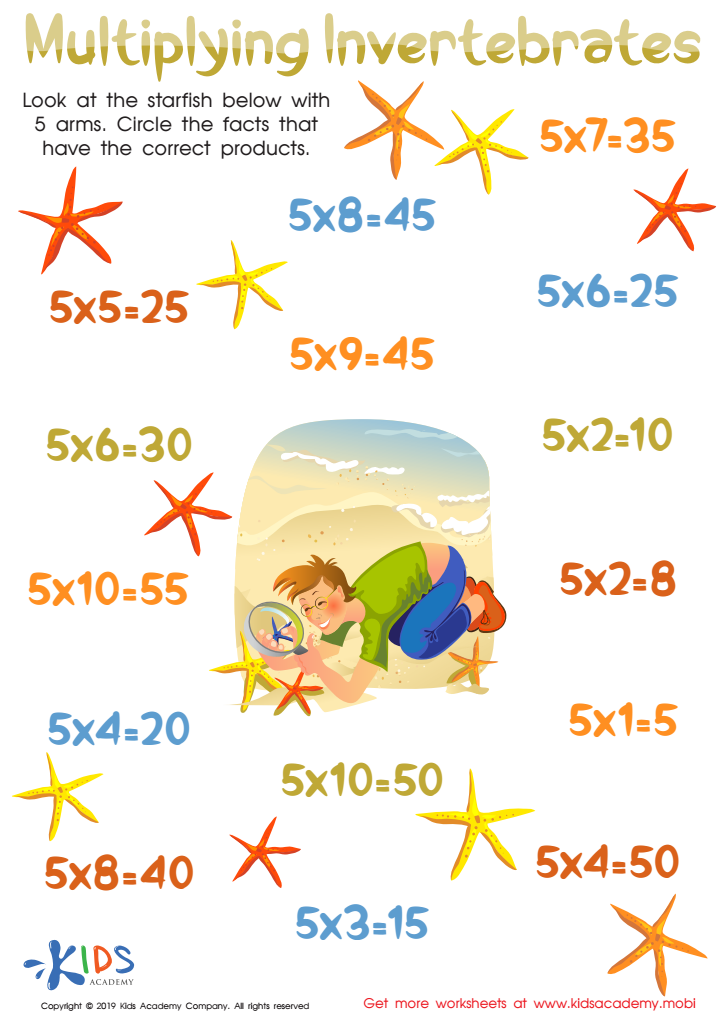
Multiplying Invertebrates Worksheet
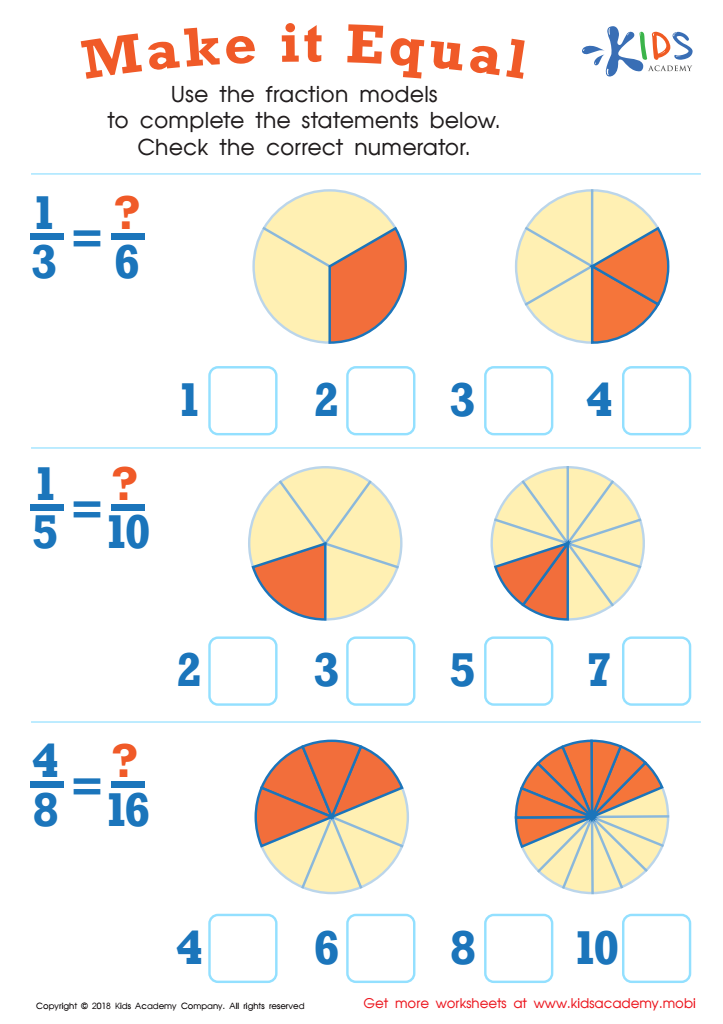
Make It Equal Worksheet
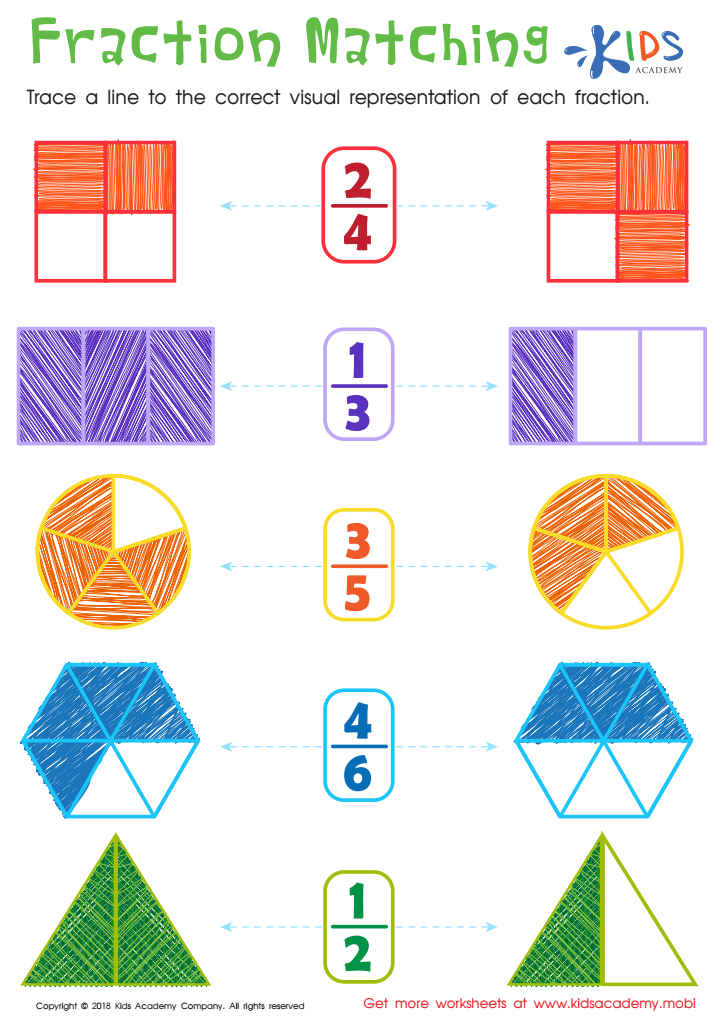
Fraction Matching Worksheet
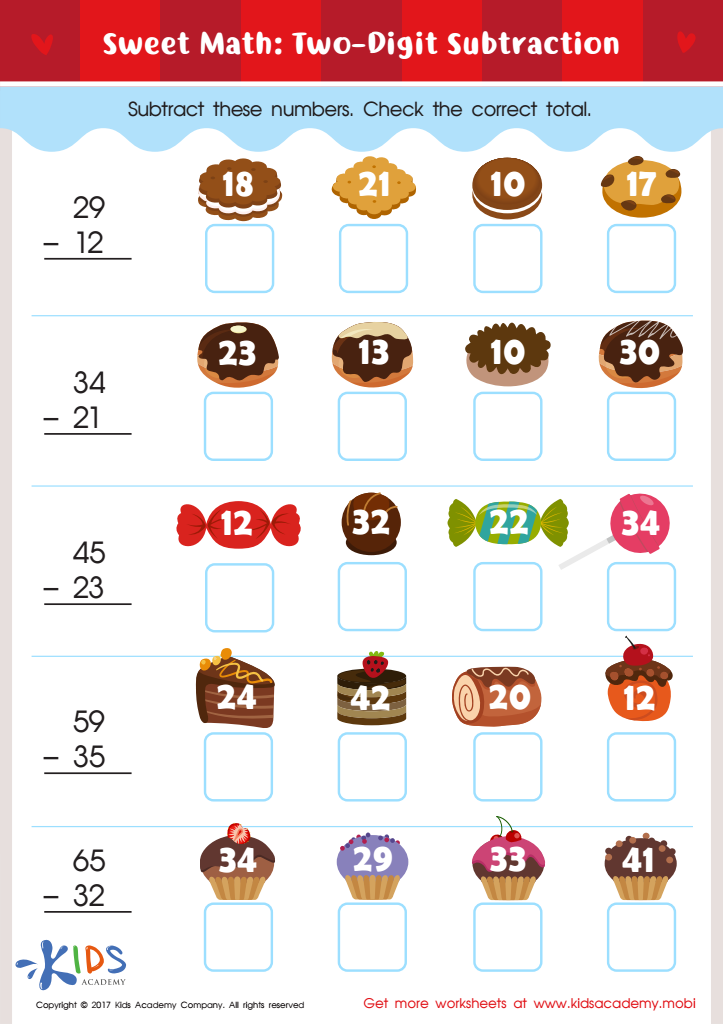
Two Digit Subtraction Worksheet
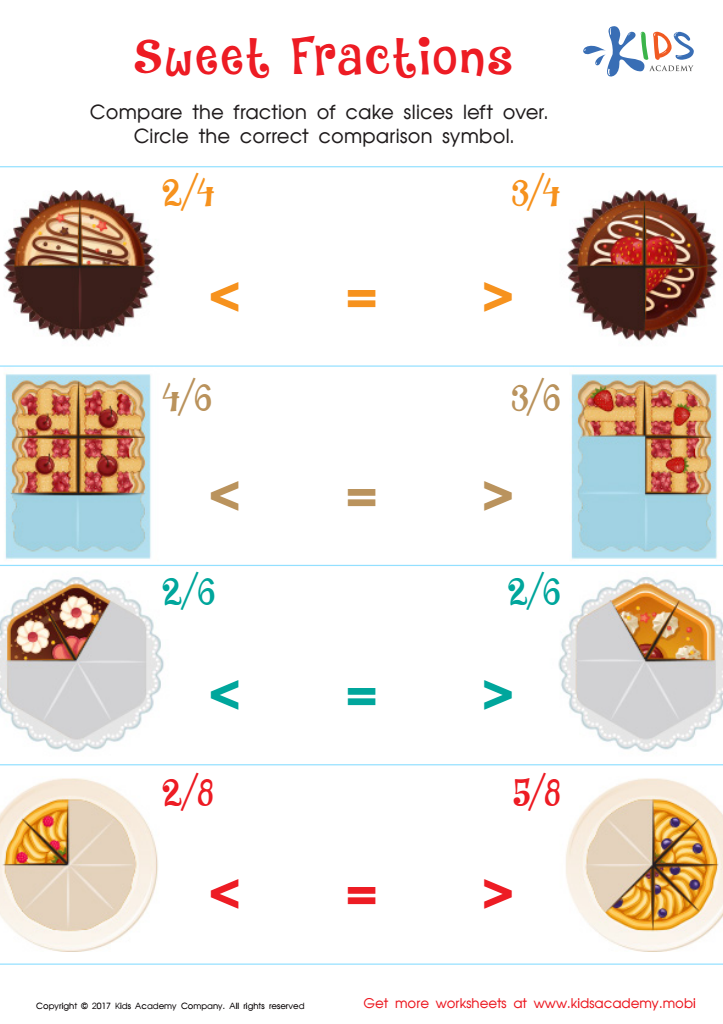
Compare Fractions Worksheet








Improving math skills for children aged 6-9 is essential, as it lays the foundation for their future academic and everyday success. During these formative years, children develop critical thinking, problem-solving, and logical reasoning abilities that are crucial for their cognitive development. A strong grasp of basic math concepts like addition, subtraction, multiplication, and division sets the stage for more advanced mathematical learning and applications.
At this age, children are highly impressionable, and positive experiences with math can lead to a lifelong appreciation for the subject, reducing math anxiety later on. For parents and teachers, fostering a supportive and engaging environment for math learning can ignite curiosity and a love for learning.
Furthermore, math is not just about numbers; it enhances life skills such as time management, budgeting, and decision-making. Proficiency in math can also improve performance in other subjects, including science and technology, which are increasingly important in the modern world.
Investing energy and resources into improving math skills from a young age also promotes academic equity, helping to bridge gaps for children who may struggle and providing a boost for those who excel. When parents and teachers prioritize early math skill development, they are contributing to the holistic growth and future opportunities of the child.








