Number identification Normal Worksheets for Ages 6-9
6 filtered results
-
From - To
Discover our engaging Number Identification Worksheets, specially designed for children ages 6-9. These educational resources are perfect for helping kids build confidence and proficiency in recognizing and identifying numbers. Each worksheet offers a variety of fun, interactive activities that cater to different learning styles, ensuring that every child can thrive. With a focus on fundamental numerical skills, our worksheets support classroom learning and make at-home practice simple and enjoyable. Empower your child’s mathematical journey with our expertly crafted printable worksheets and watch them excel in their number knowledge and problem-solving abilities.
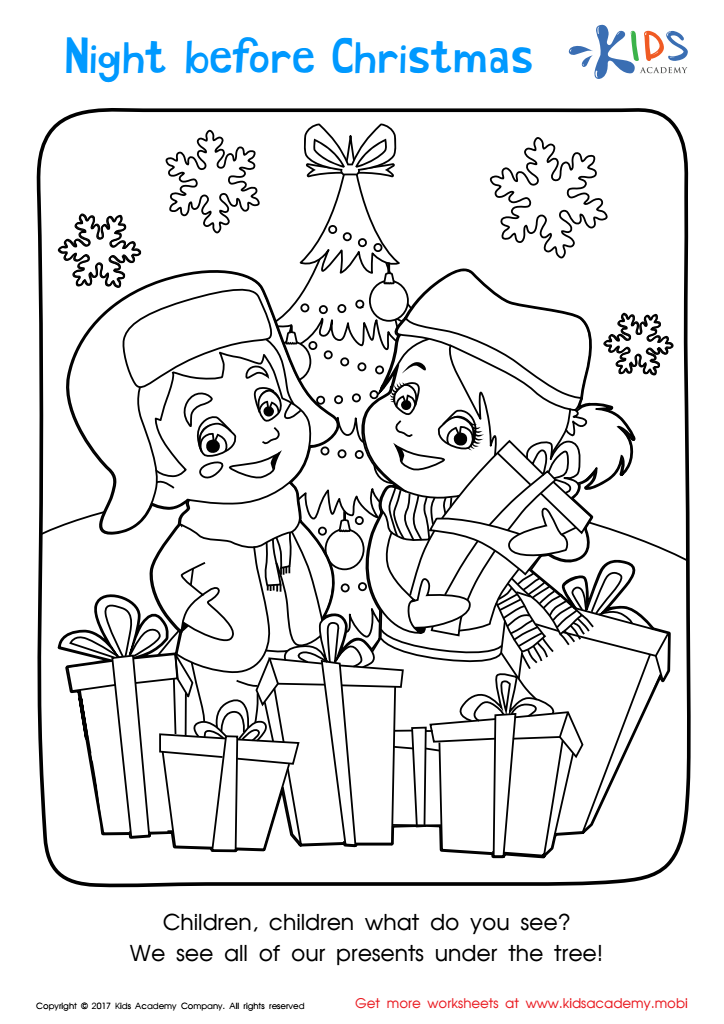
Christmas: Night Before Christmas Printable
 Assign to My Students
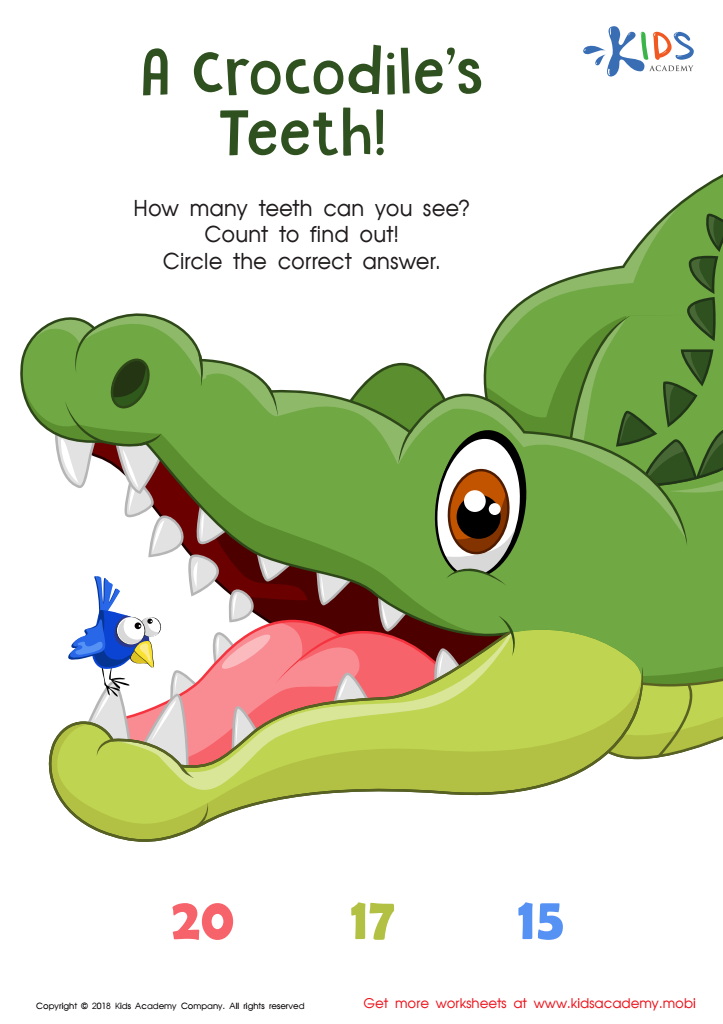
A Crocodile's Teeth Worksheet

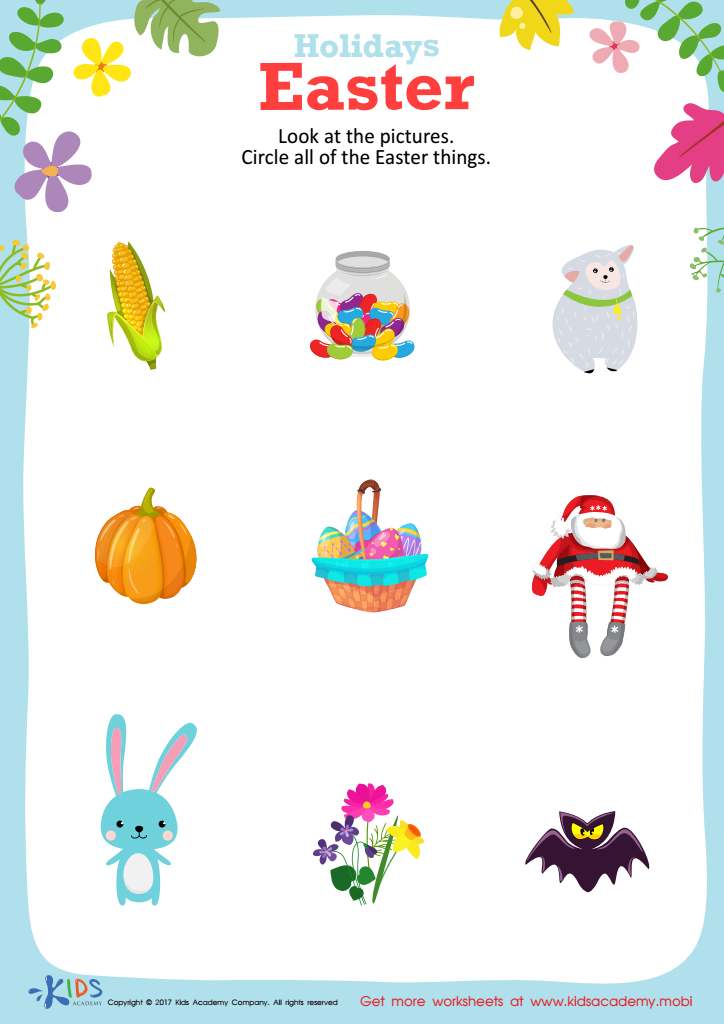
Easter Holiday Printable
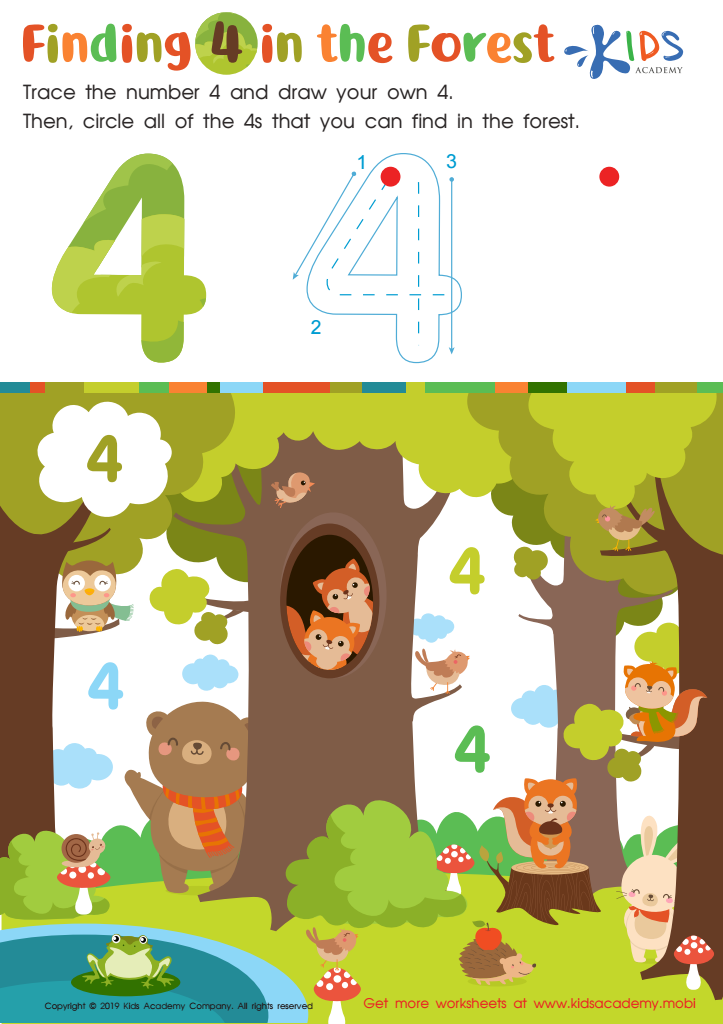
Finding 4 in the Forest Worksheet
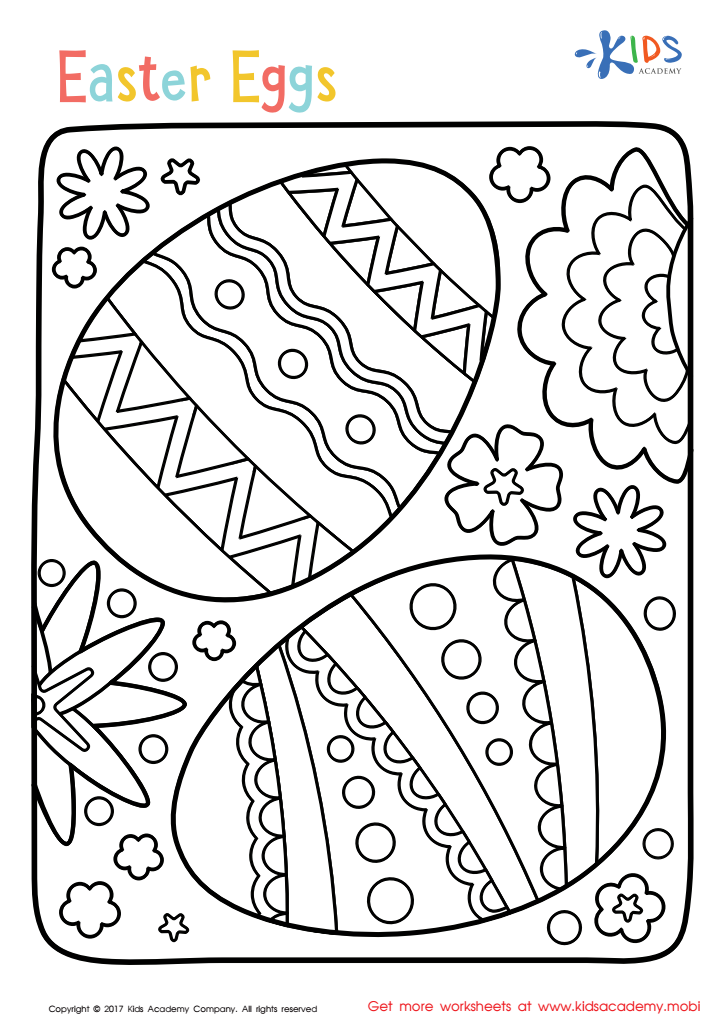
Easter: Easter Eggs Worksheet
Assign to My Students







Number identification is a foundational skill for children aged 6-9 and holds significant value for their overall academic development. At this age, children are typically in early elementary school, laying the groundwork for their future mathematical understanding. Mastering number identification means recognizing and naming numbers accurately, a critical milestone that precedes more complex arithmetic skills like addition, subtraction, multiplication, and division.
When parents and teachers prioritize number identification, they help children gain confidence in their ability to work with numbers. This confidence can reduce math anxiety, which commonly develops during these early years. Strong number recognition also aids in understanding the value of numbers, which is essential for concepts such as place value, ordering, and basic computation.
Moreover, number identification supports learning in other areas. For instance, navigating calendars, reading clocks, and handling money all require a solid grasp of numbers. It even extends to literacy, as numeric data is often embedded in stories and informational texts.
By emphasizing the importance of number identification, parents and teachers can create engaging learning experiences, develop supportive learning environments, and use tools and games to reinforce these skills. This not only ensures that children keep pace with curriculum standards but also fosters a lifelong appreciation for mathematics.








