Reading Improvement Normal Worksheets for Ages 6-9
16 filtered results
-
From - To
Unlock your child's potential with our "Reading Improvement Normal Worksheets" designed specifically for ages 6-9! These engaging worksheets focus on enhancing foundational reading skills, making learning fun and interactive. With a variety of activities such as vocabulary building, comprehension exercises, and phonics practice, these resources cater to different learning styles. Each worksheet is thoughtfully created to encourage critical thinking while boosting confidence in young readers. Perfect for both classroom and home use, our worksheets will help your child develop a love for reading and lay a strong foundation for future academic success. Start your child’s reading journey today!
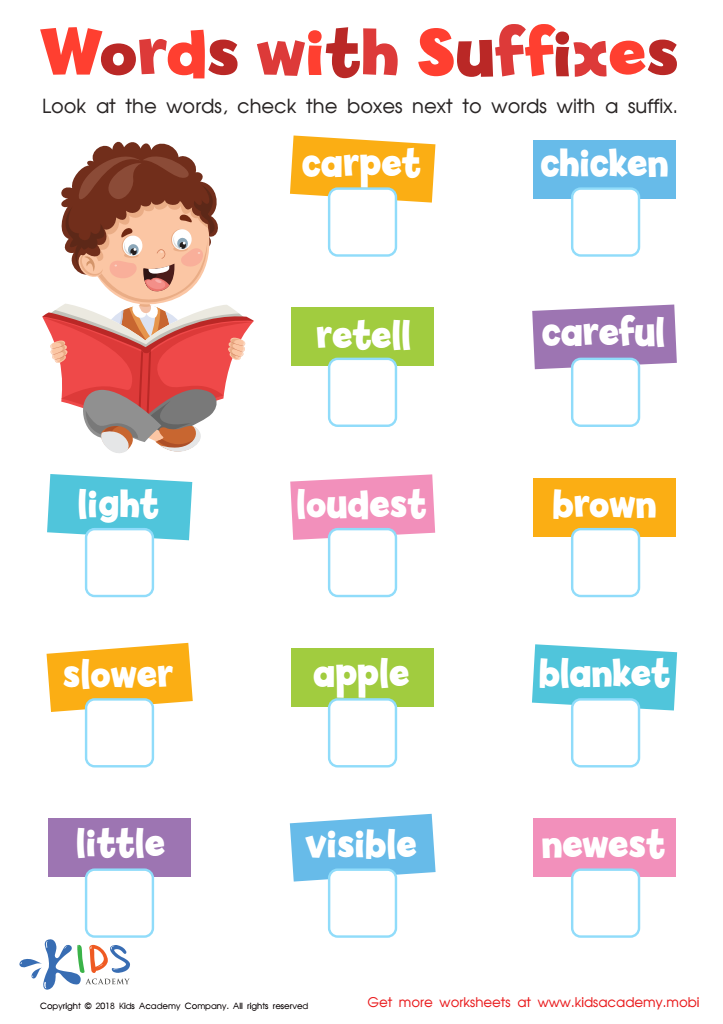
Reading: Words With Suffixes Worksheet
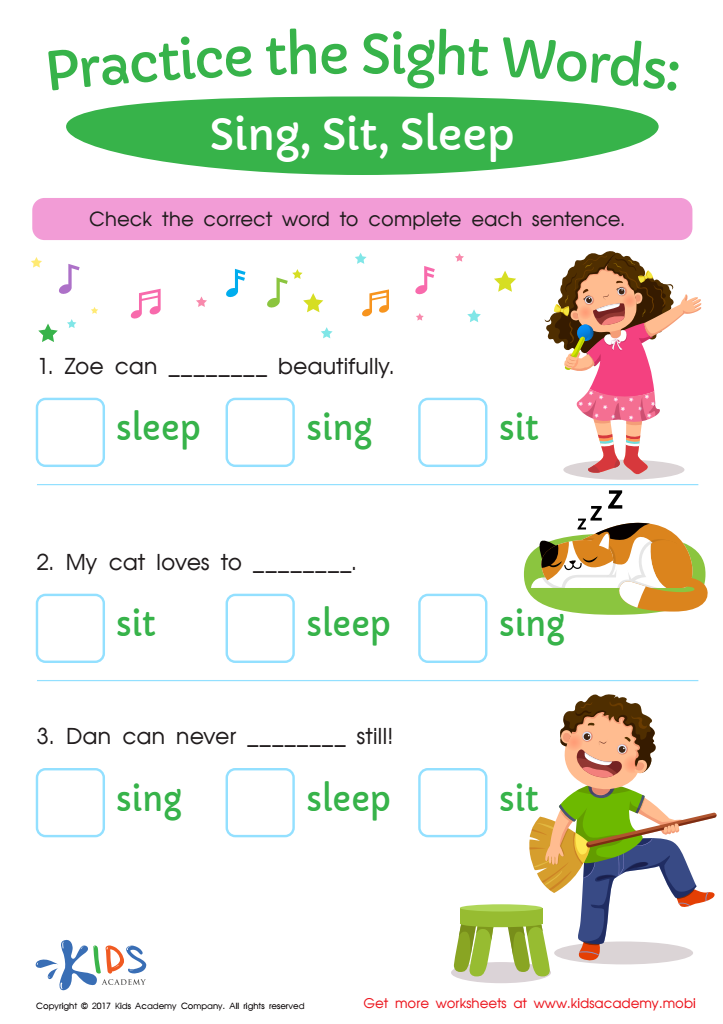
Sing, Sit, Sleep Sight Words Worksheet
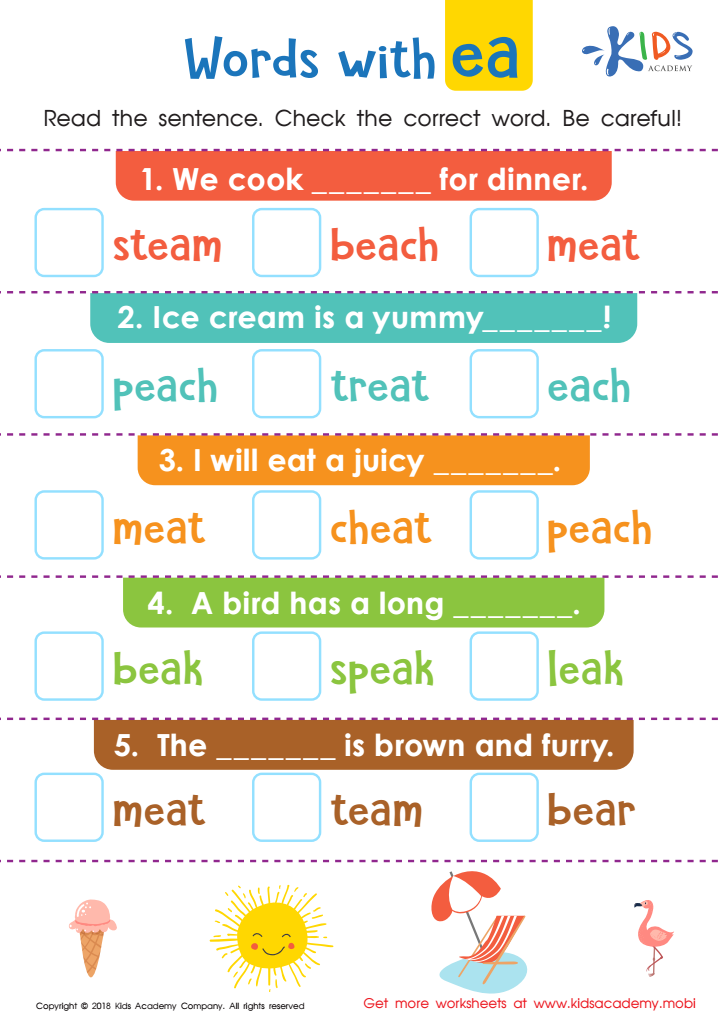
Words with ea Worksheet
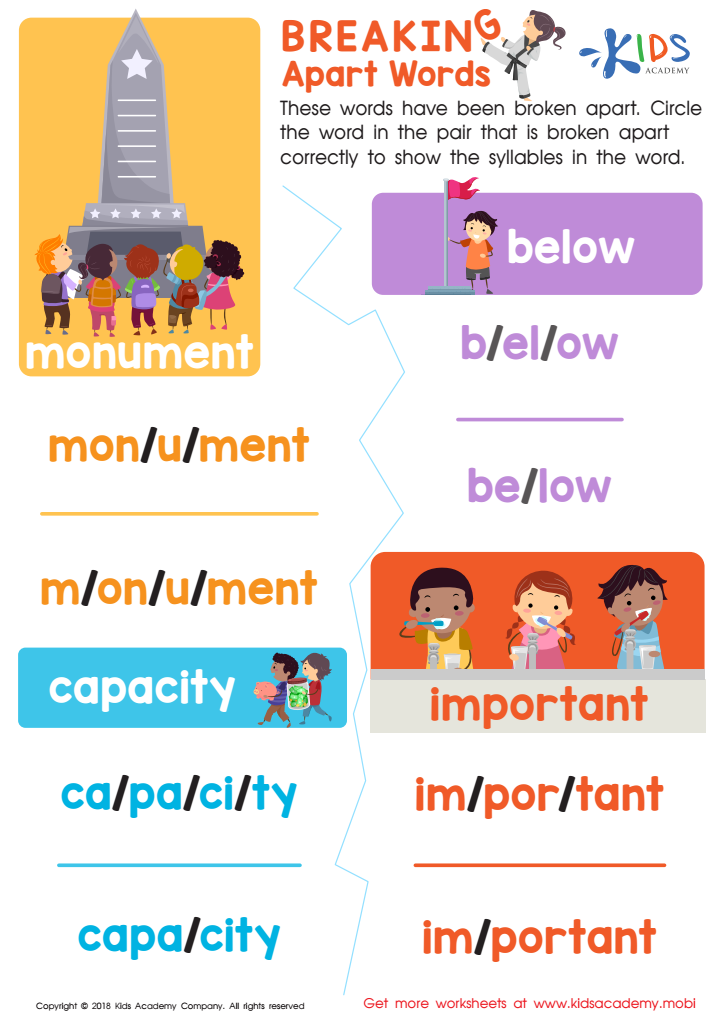
Breaking Apart Words Worksheet
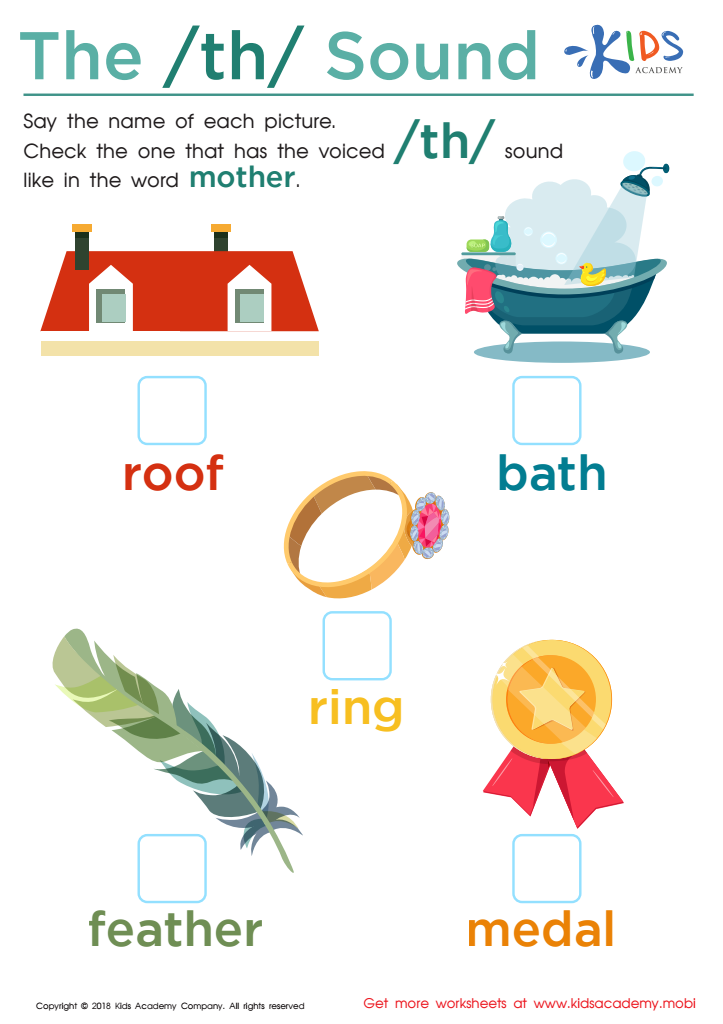
The /th/ Sound Worksheet
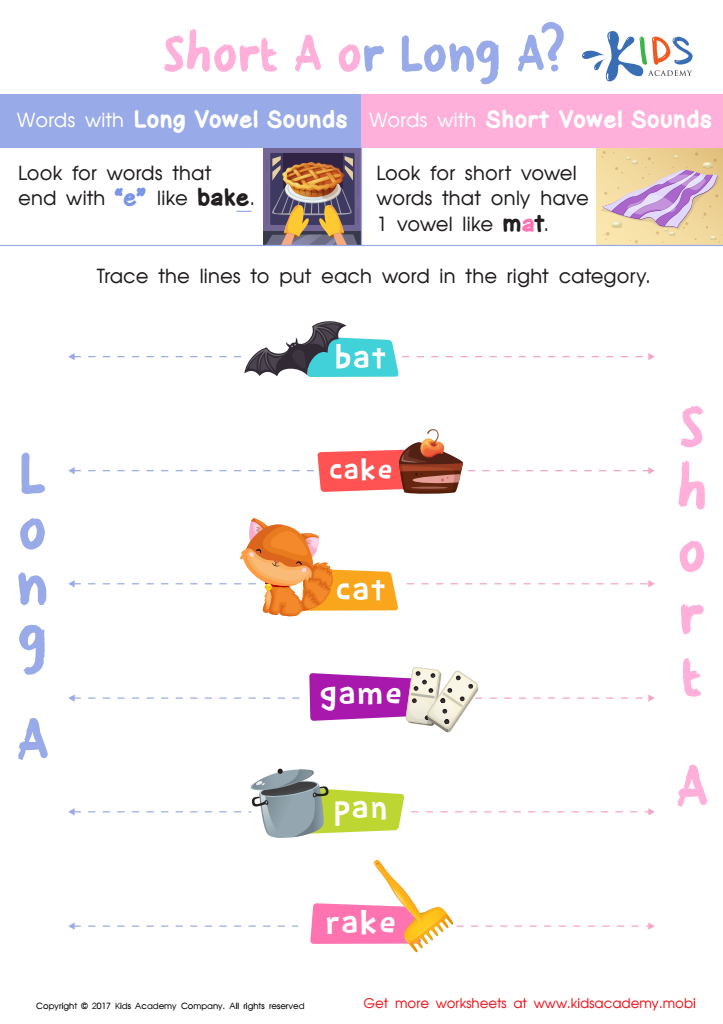
Short /a/ or Long /a/? Worksheet
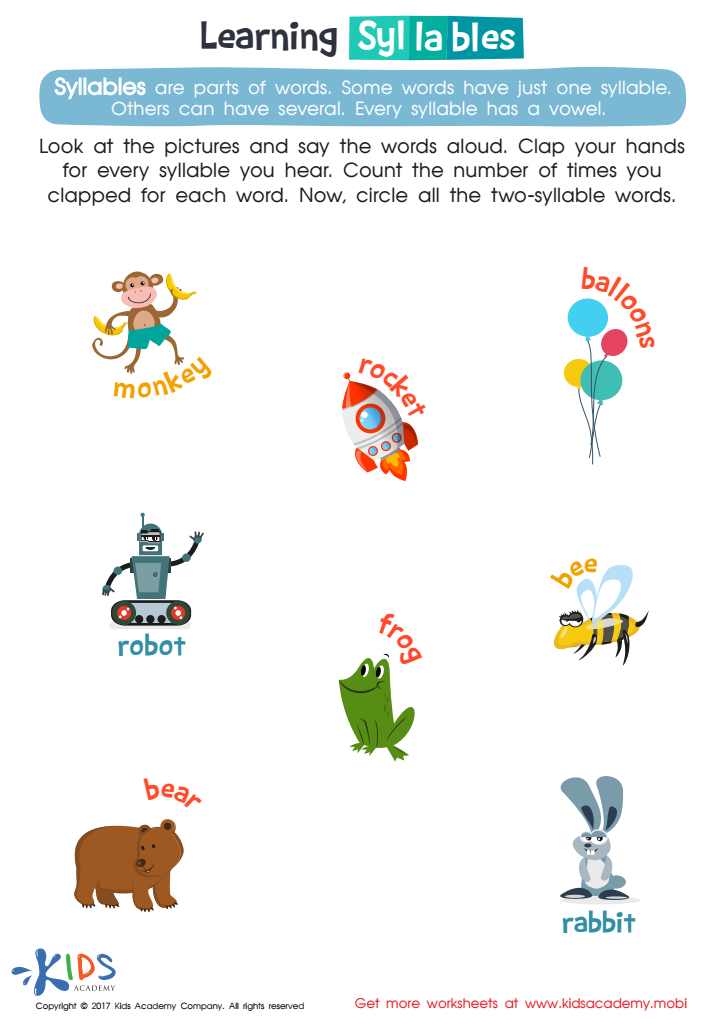
Learning Syllables Word Structure Worksheet
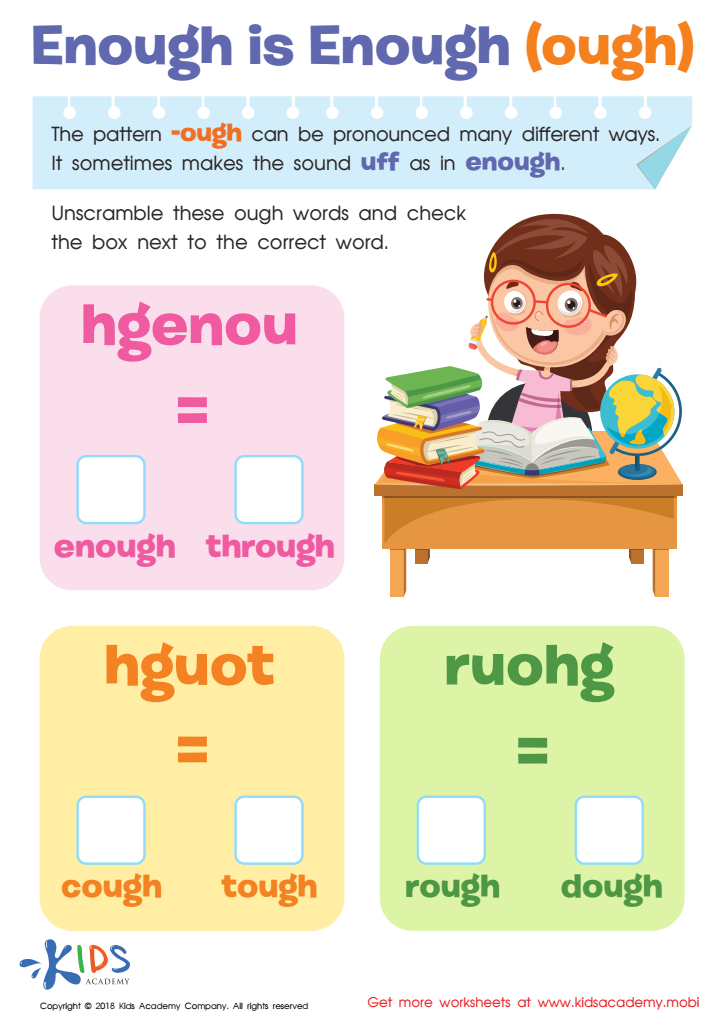
Enough Is Enough (ough) Worksheet
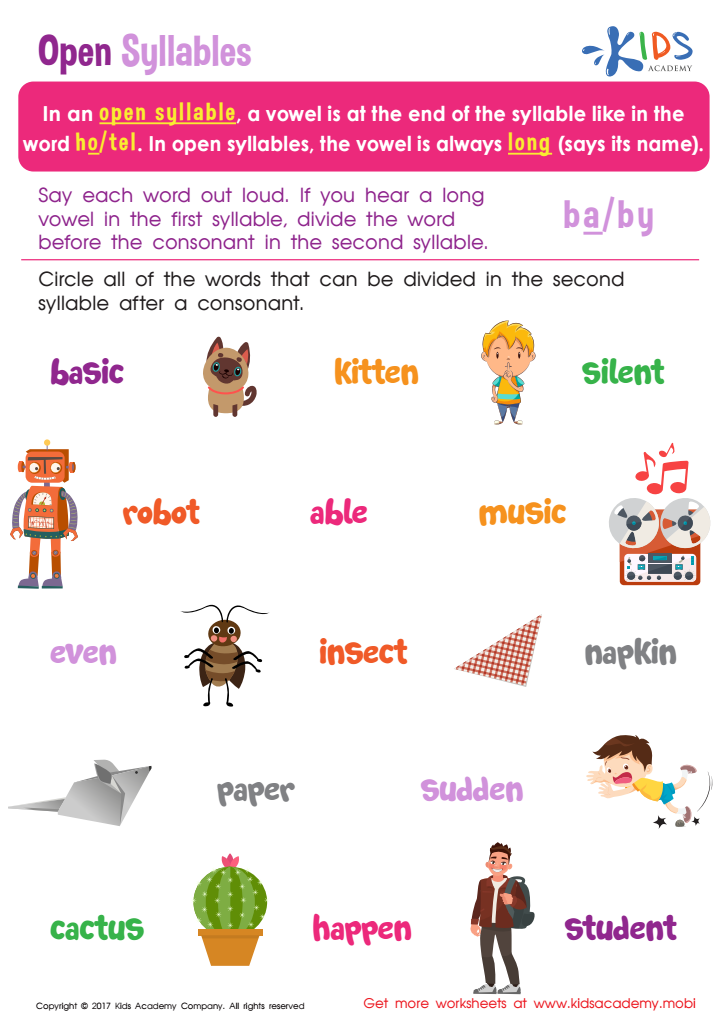
Open Syllable Printable Worksheet
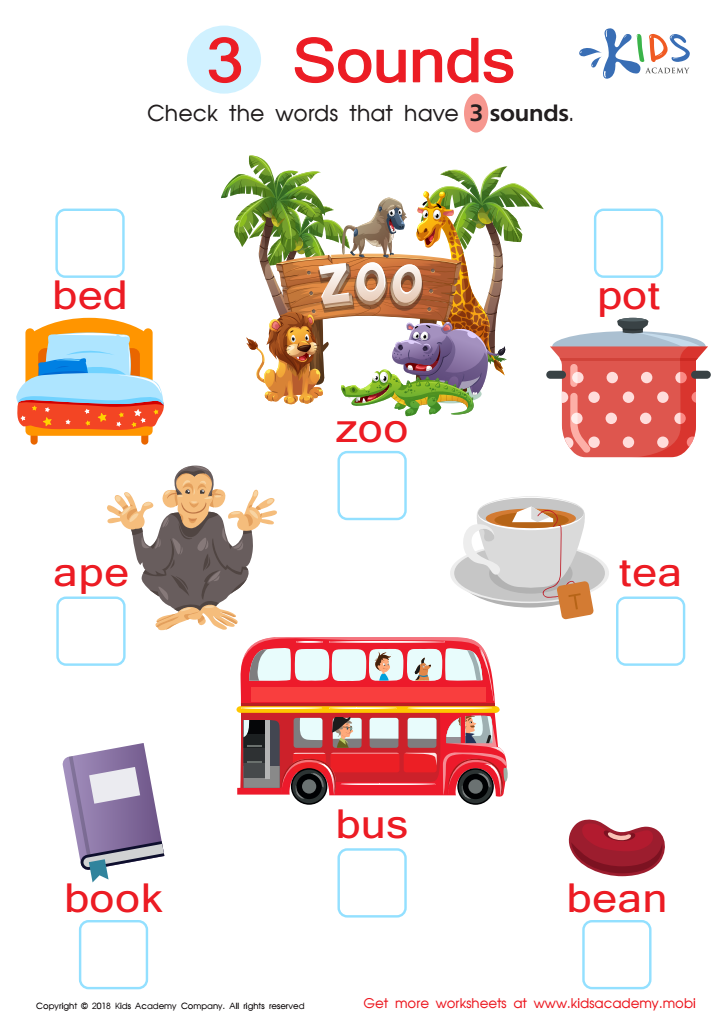
3 Sounds Worksheet
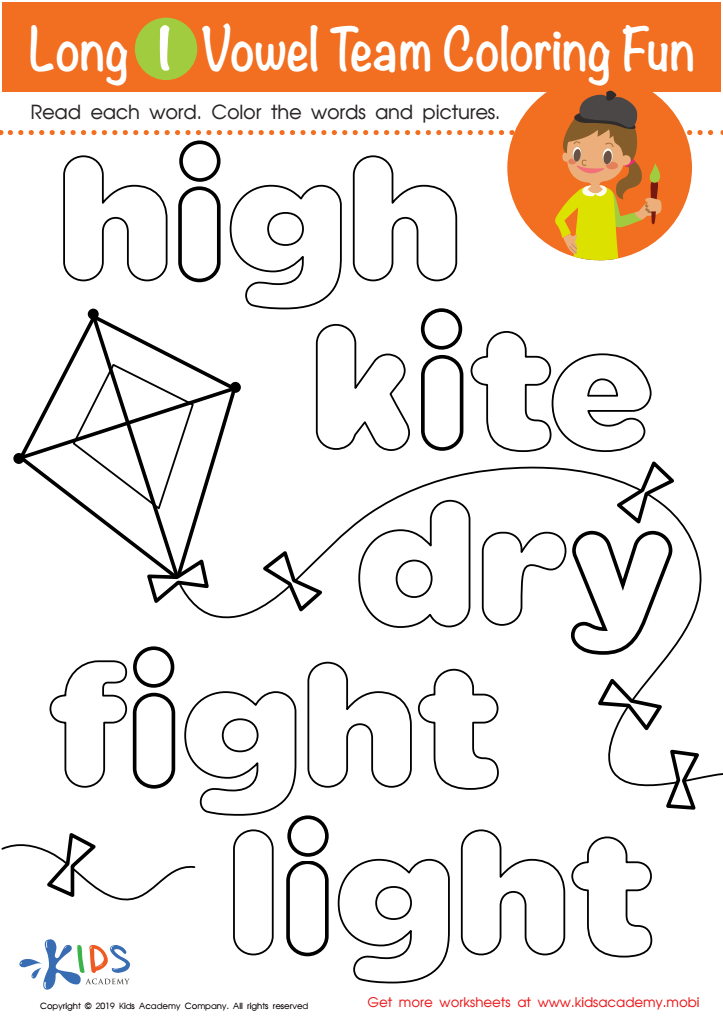
Long I Vowel Team Coloring Worksheet
 Assign to My Students
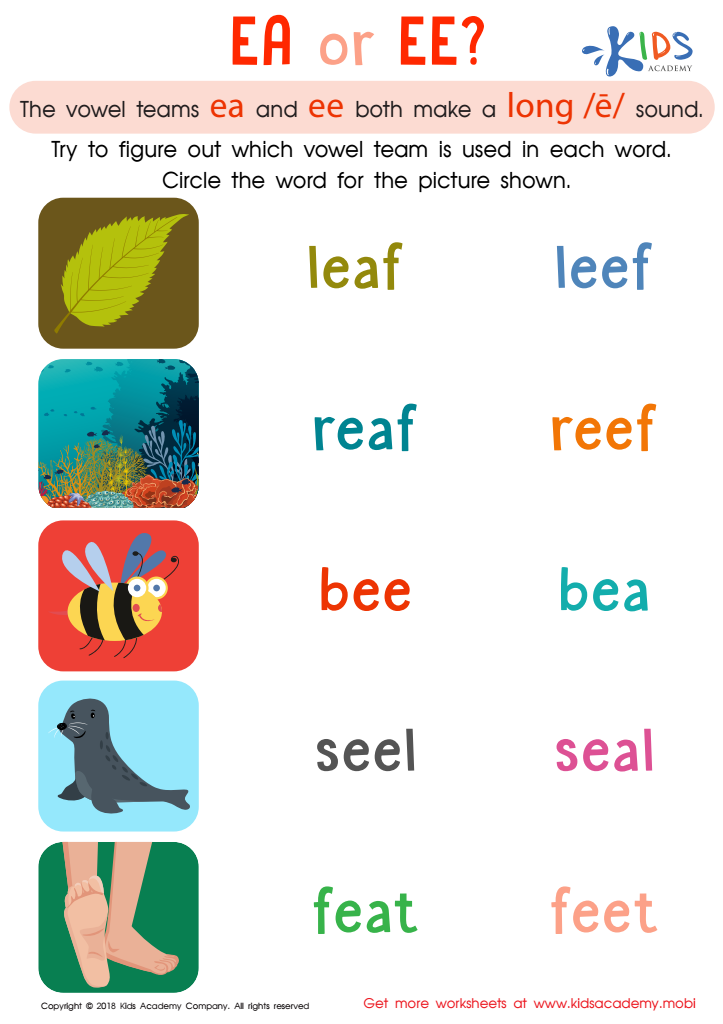
Reading: EA and EE Worksheet
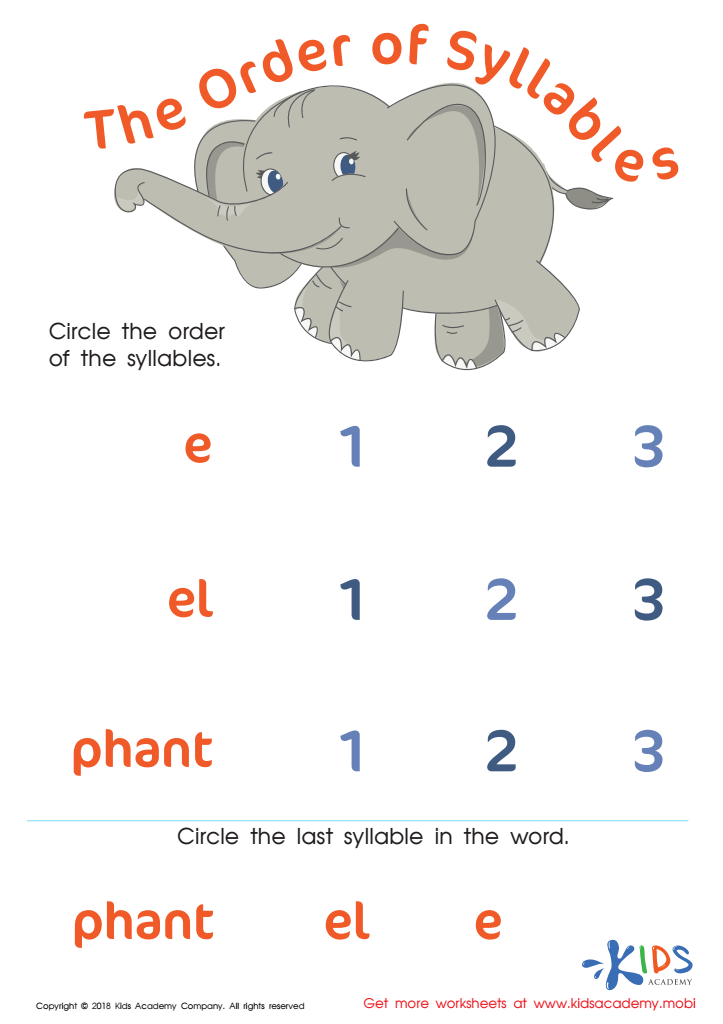
The Order of Syllables Worksheet
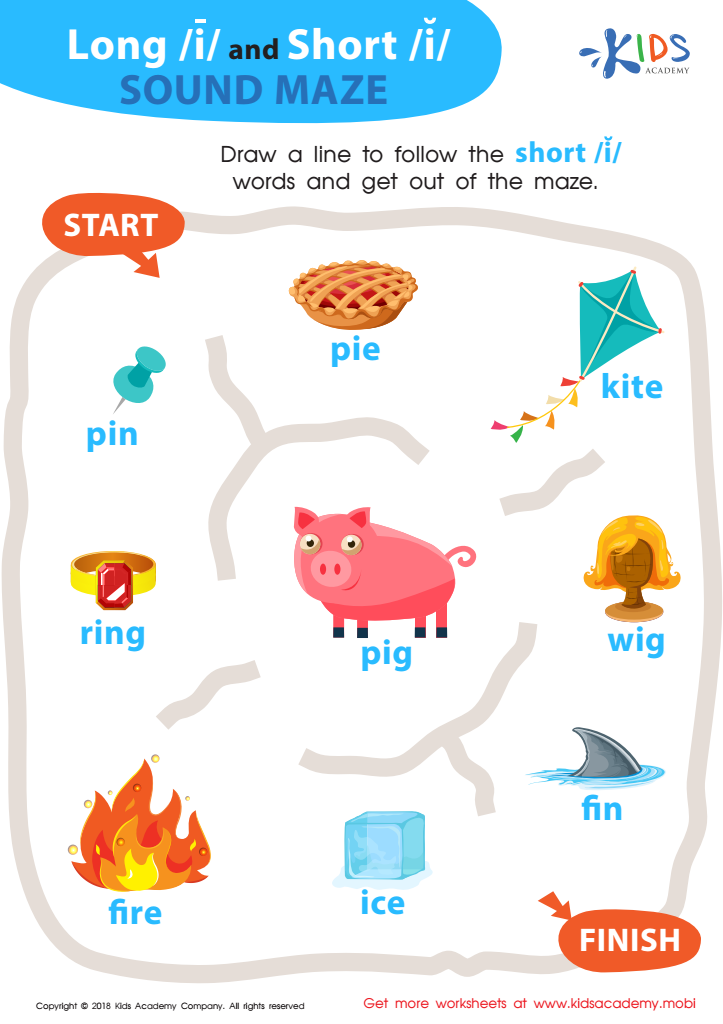
Reading: Long I and Short I Sound Maze Worksheet
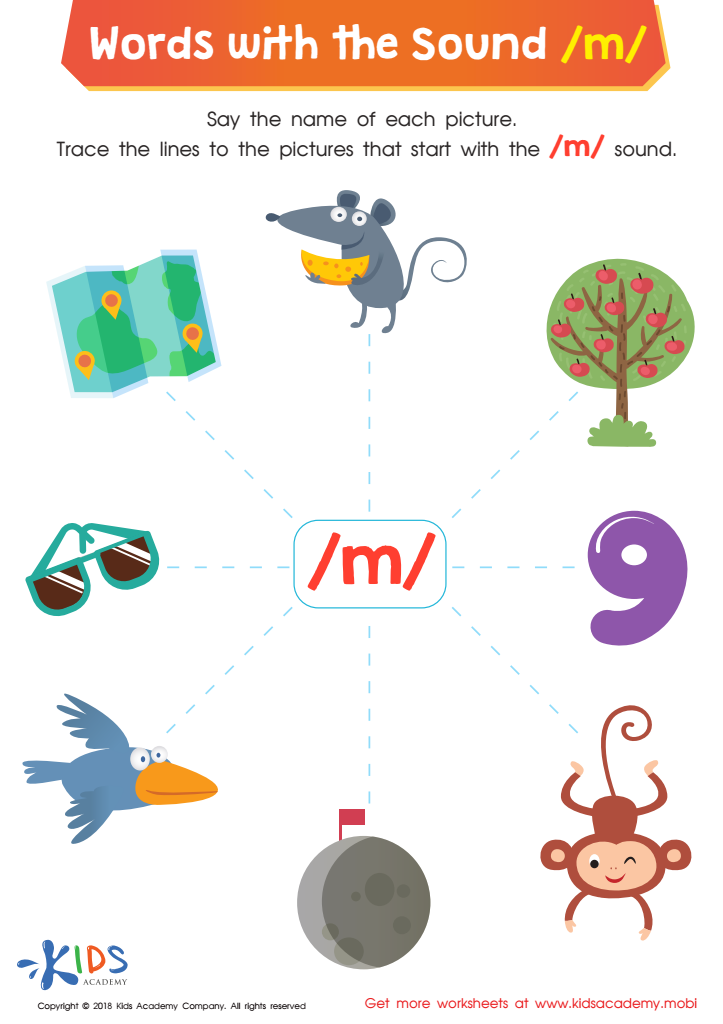
Words with Sound M Reading Worksheet
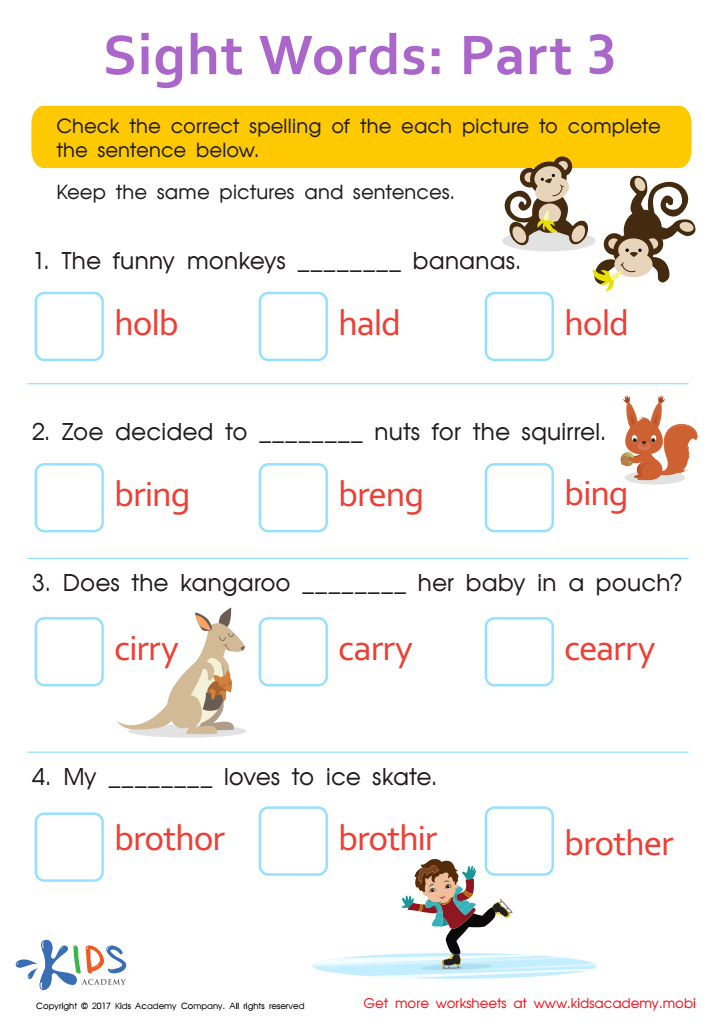
Hold, Bring, Carry, Brother Sight Words Worksheet








Reading improvement for children aged 6-9 is crucial for their academic success and overall development. During these formative years, children transition from learning to read to reading to learn, and fostering strong reading skills lays the foundation for future educational endeavors. Parents and teachers play a vital role in this transformation, as reading proficiency enhances vocabulary, comprehension, and critical thinking skills.
Moreover, proficient reading at this age influences children's confidence and motivation towards learning. Struggling with reading can lead to frustration, which may result in a dislike for school and hinder their enthusiasm for learning. By prioritizing reading improvement, adults can help cultivate a positive reading experience that ignites curiosity and fosters a lifelong love for reading.
Encouraging interactive reading practices, such as shared storytime or reading together, can also strengthen the bond between children and adults. This interactive approach not only aids reading fluency but also develops important social and communication skills. Ultimately, focusing on reading improvement in early childhood enriches a child's educational journey, prepares them for future challenges, and empowers them to become engaged, informed, and successful individuals. Parents and teachers, therefore, must actively support and promote reading initiatives for children in this critical age group.








