Vocabulary Building Normal Worksheets for Ages 6-9 - Page 2
45 filtered results
-
From - To
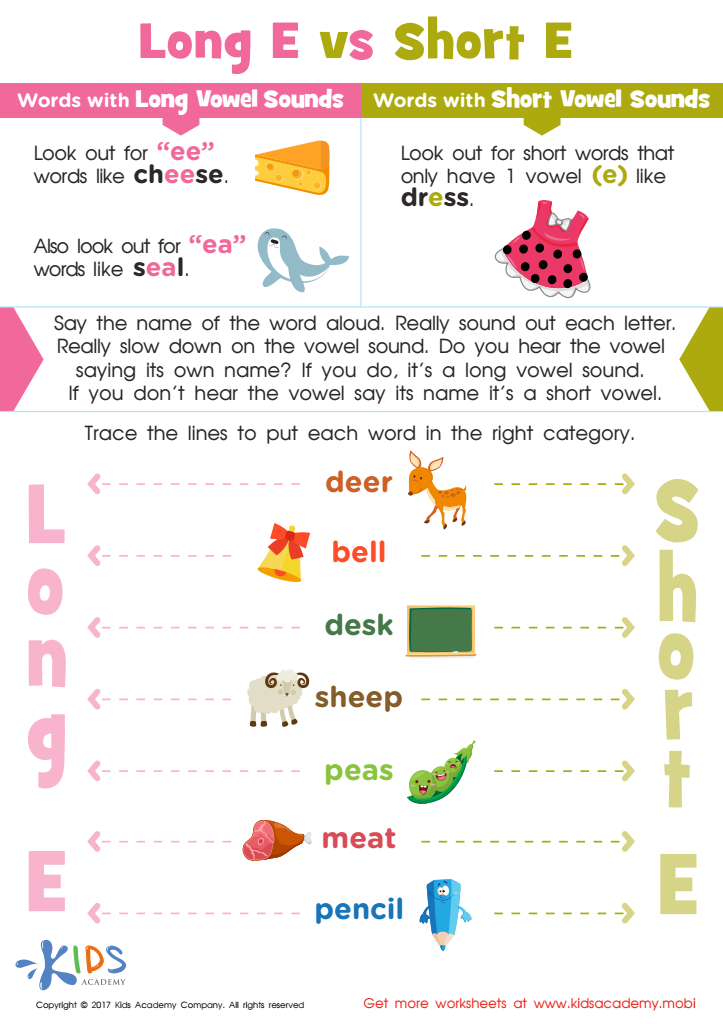
Long and Short Vowel E Spelling Worksheet
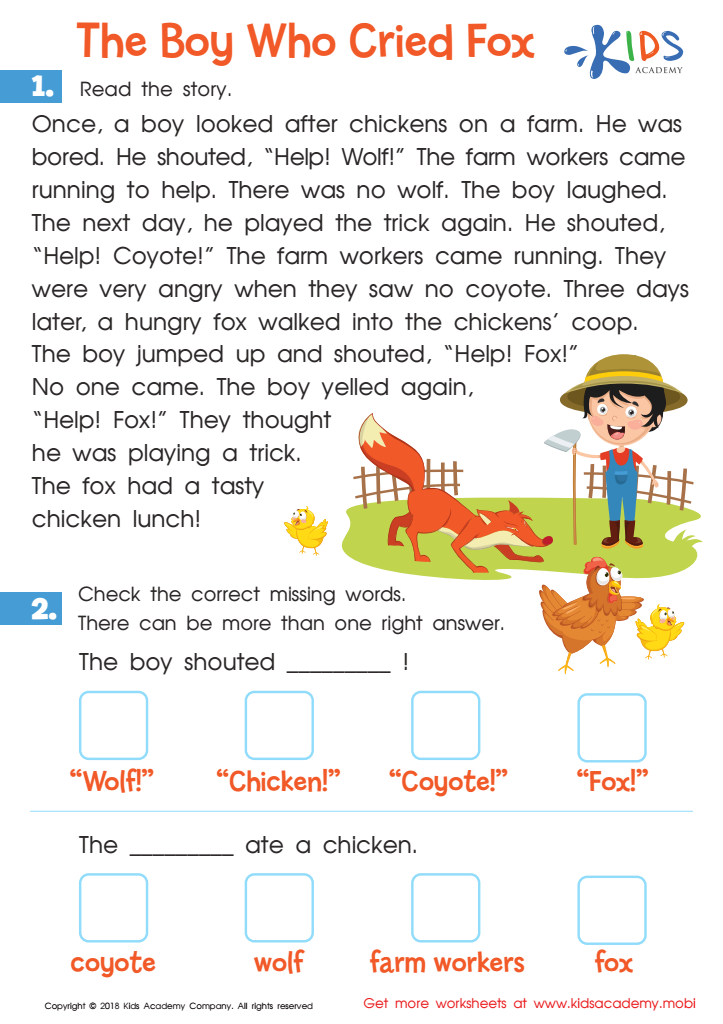
The Boy Who Cried Fox Worksheet
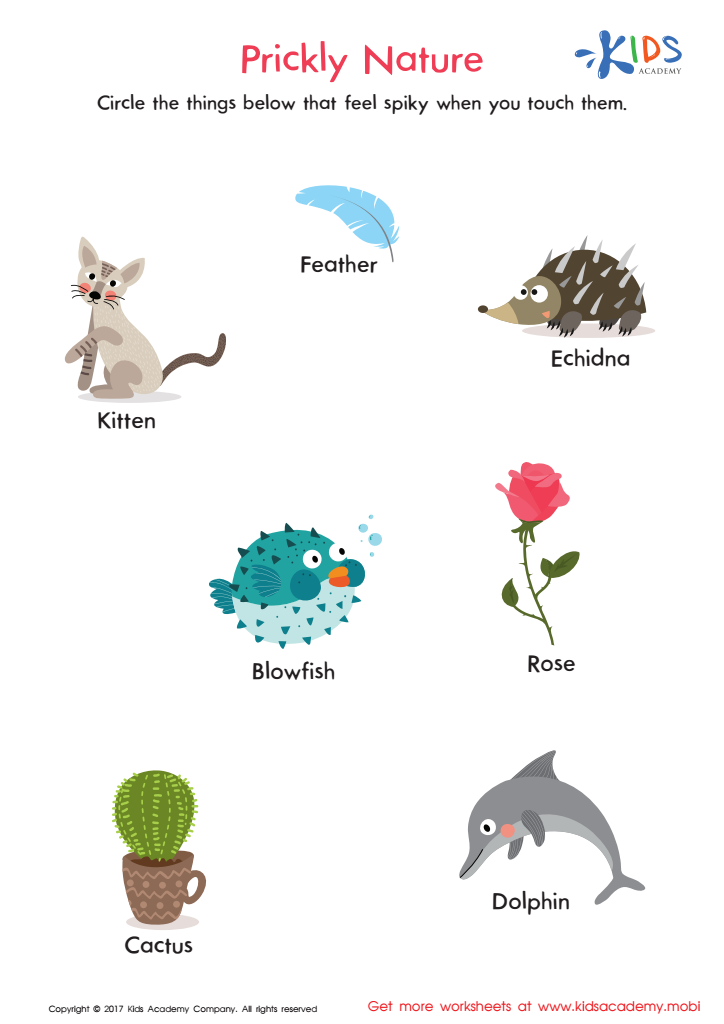
Prickly Nature Worksheet
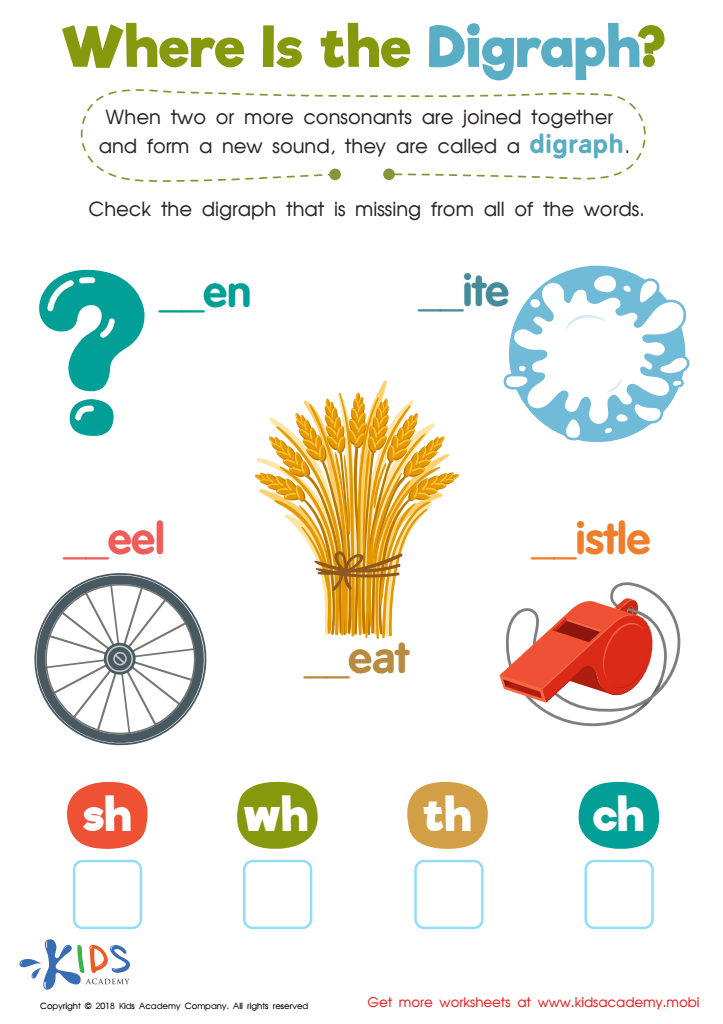
Where Is the Digraph? Worksheet
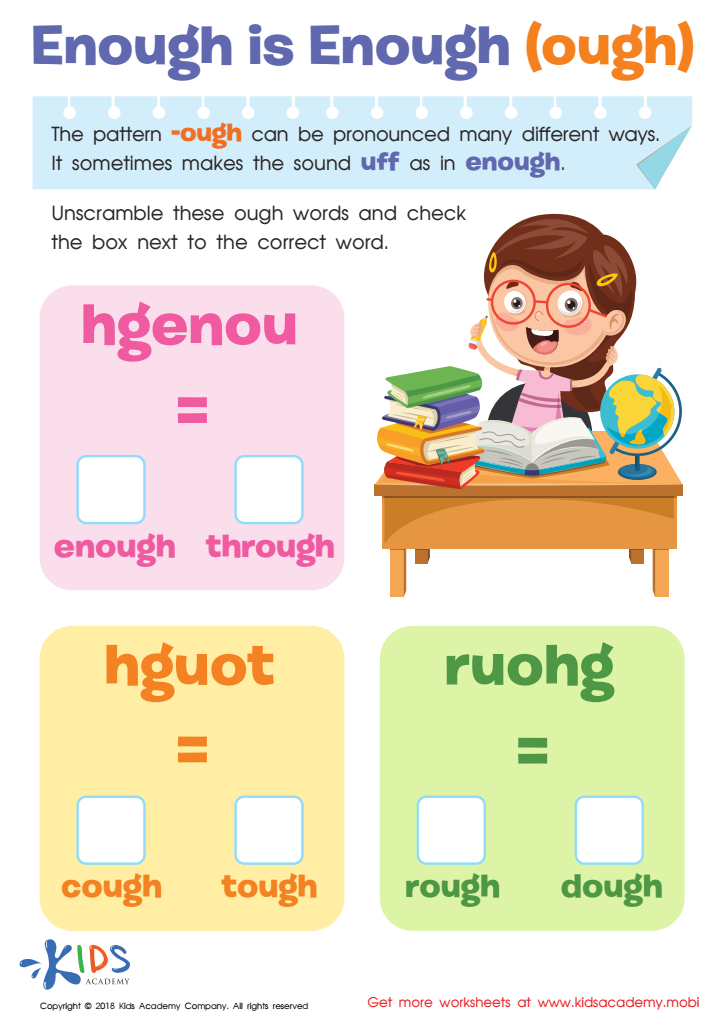
Enough Is Enough (ough) Worksheet
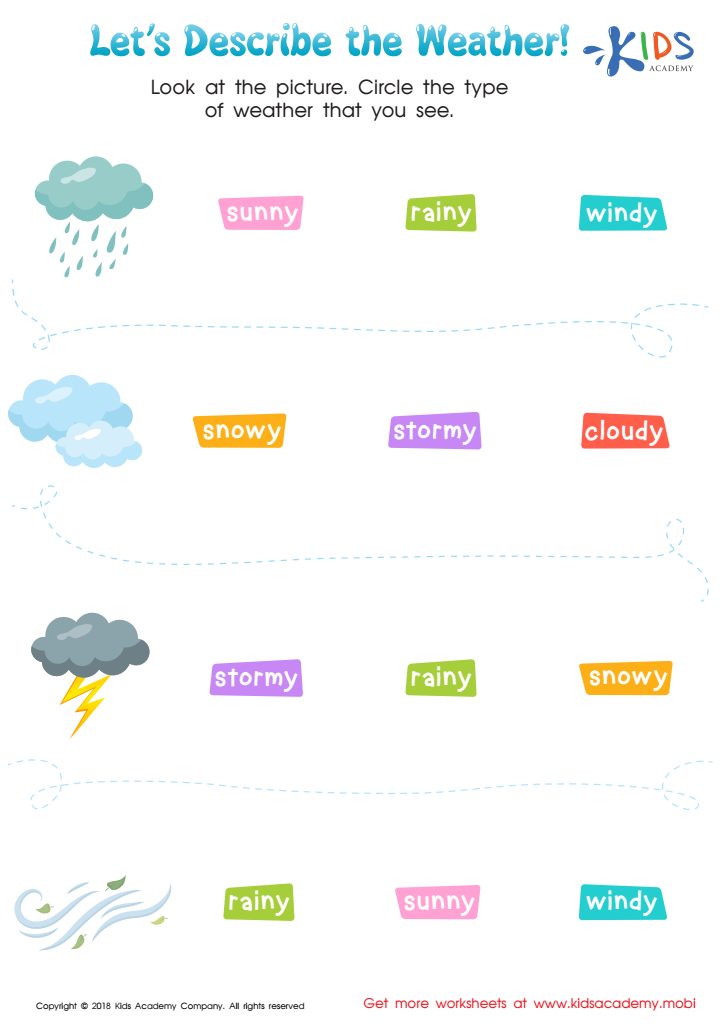
Let's Describe the Weather! Worksheet
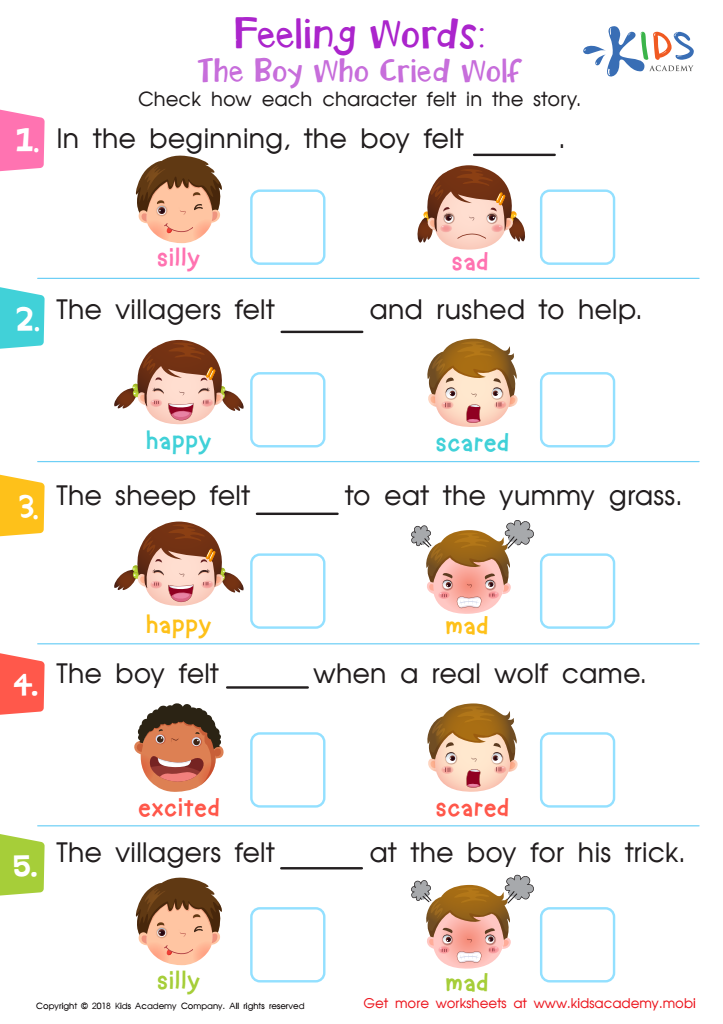
Feeling Words: The Boy Who Cried Wolf Worksheet
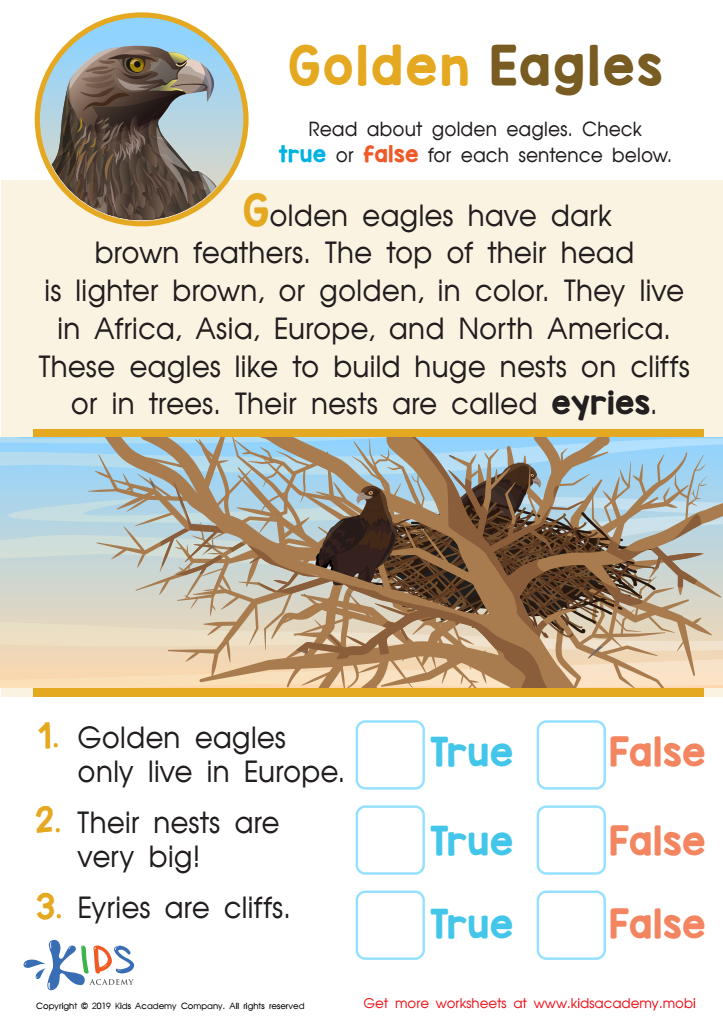
Golden Eagles Worksheet
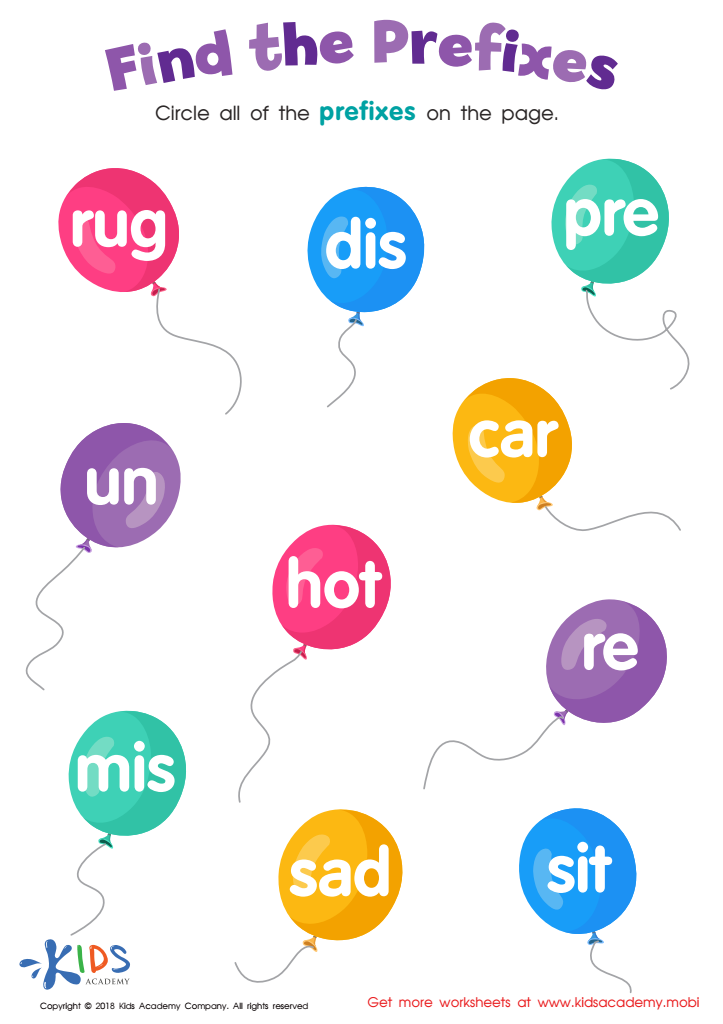
Reading: Find the Prefixes Worksheet
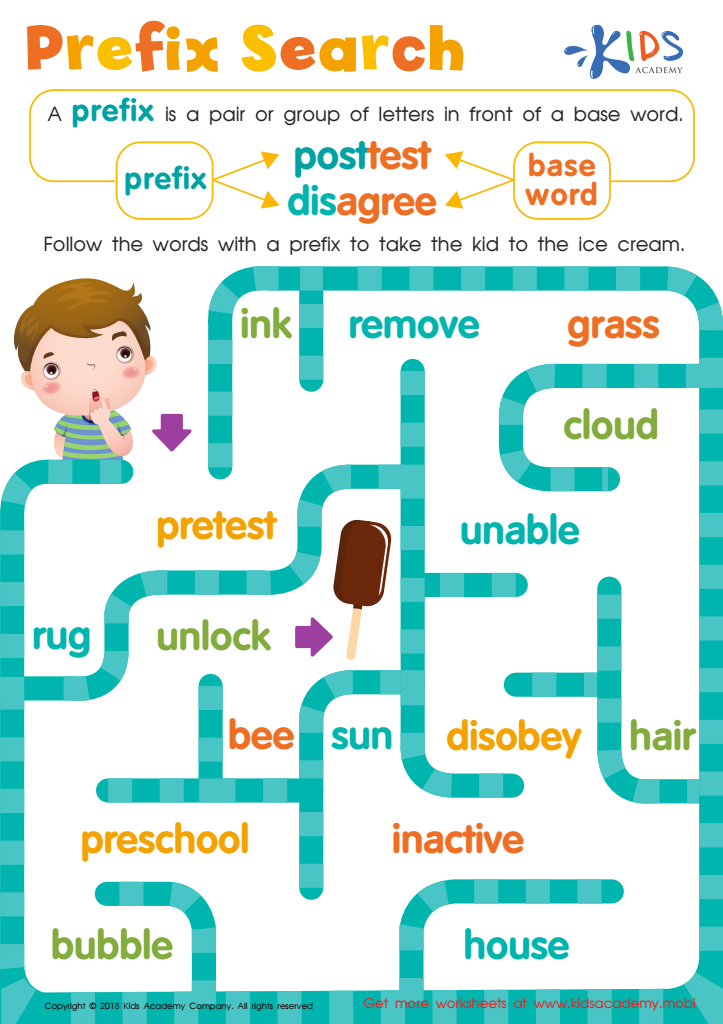
Reading: Prefix Search Worksheet
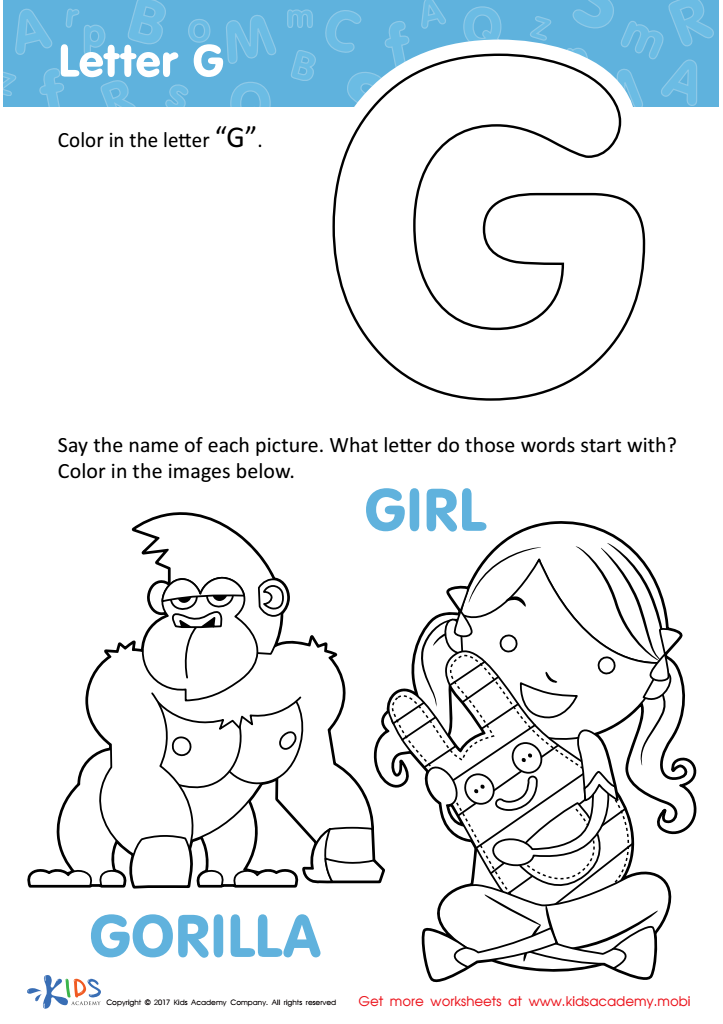
Letter G Coloring Sheet
 Assign to My Students
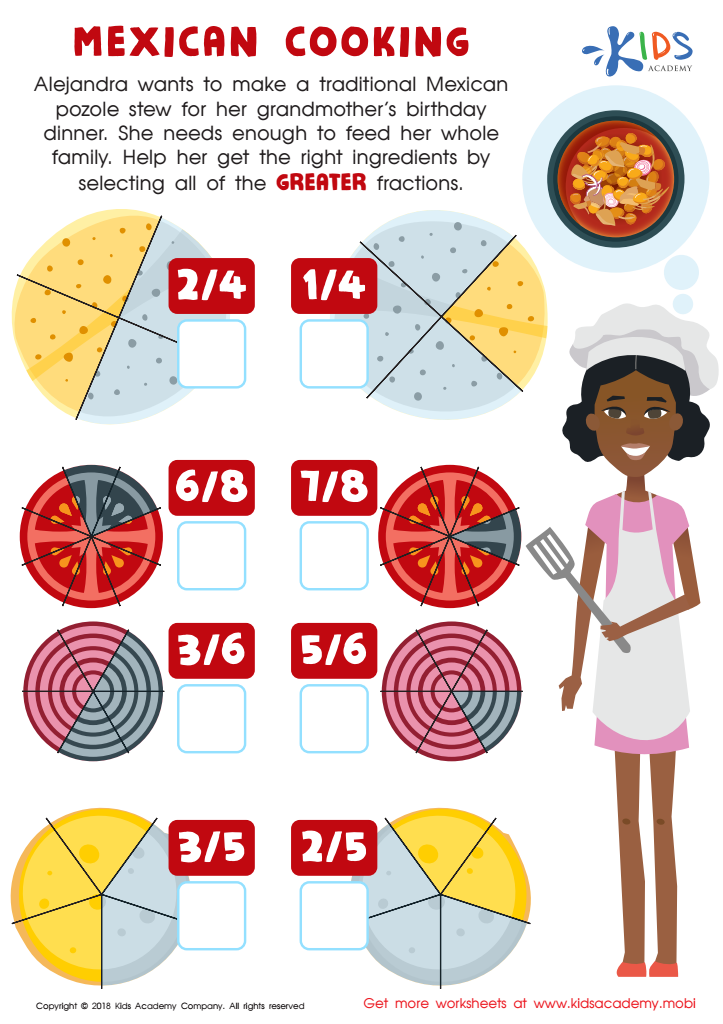
Mexican Cooking Worksheet
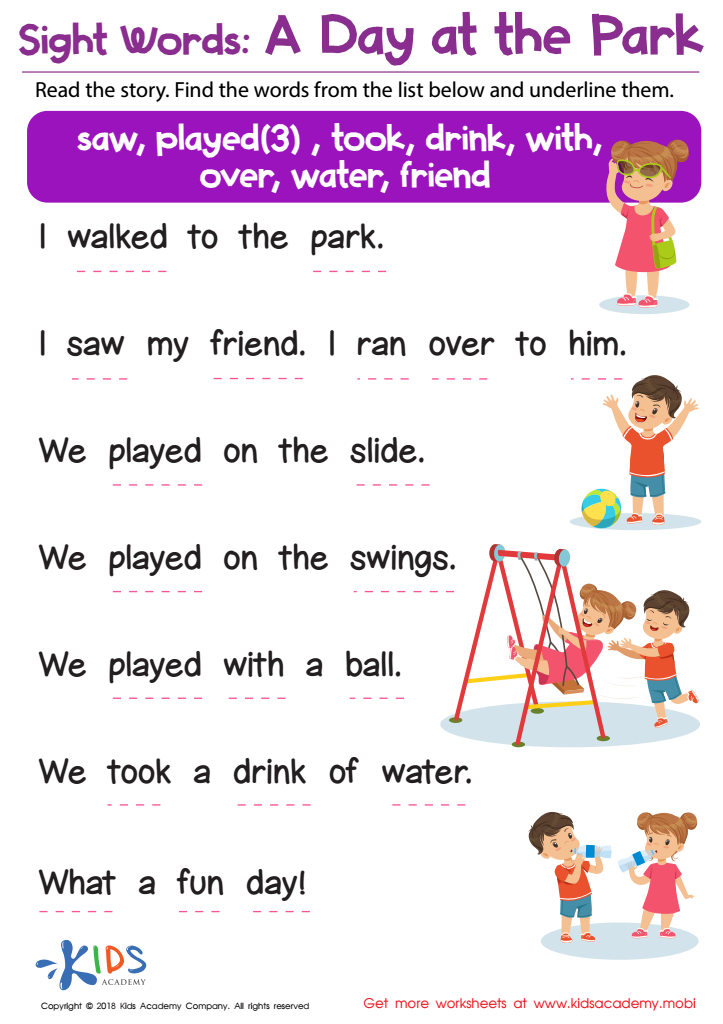
Sight Words: A Day at the Park Worksheet
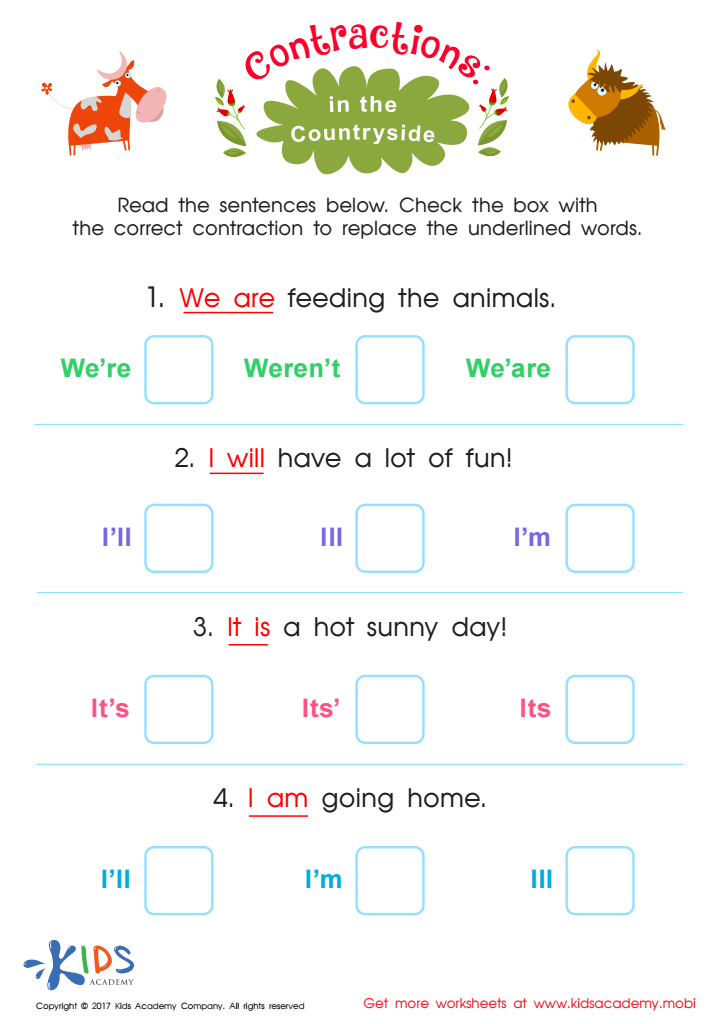
Contractions: In the Countryside Worksheet
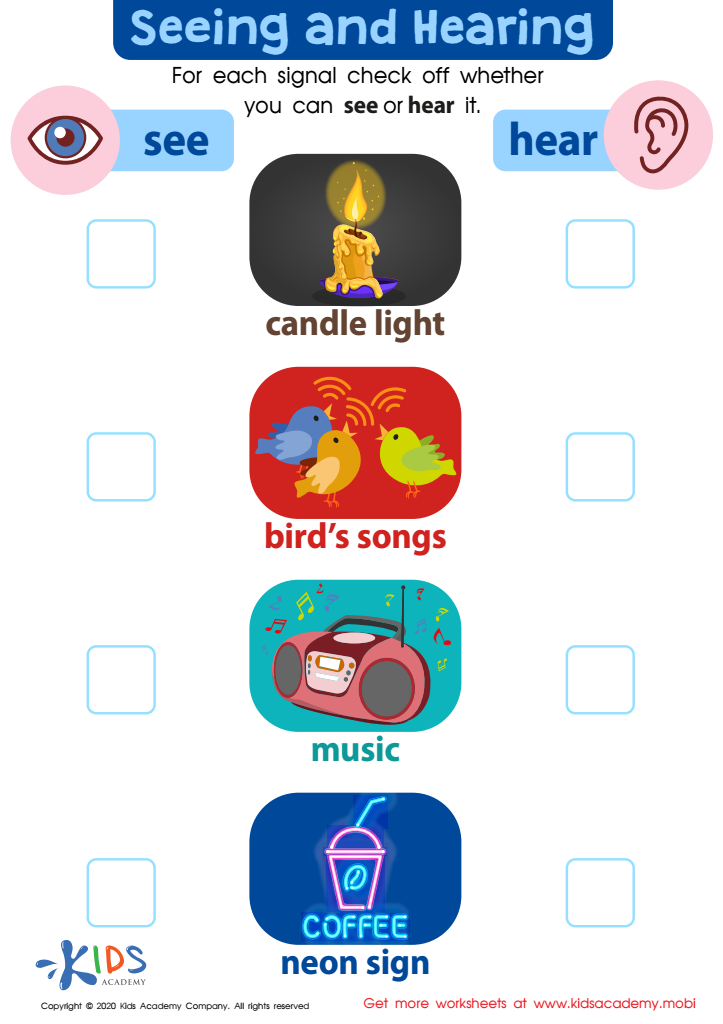
Seeing and Hearing Worksheet
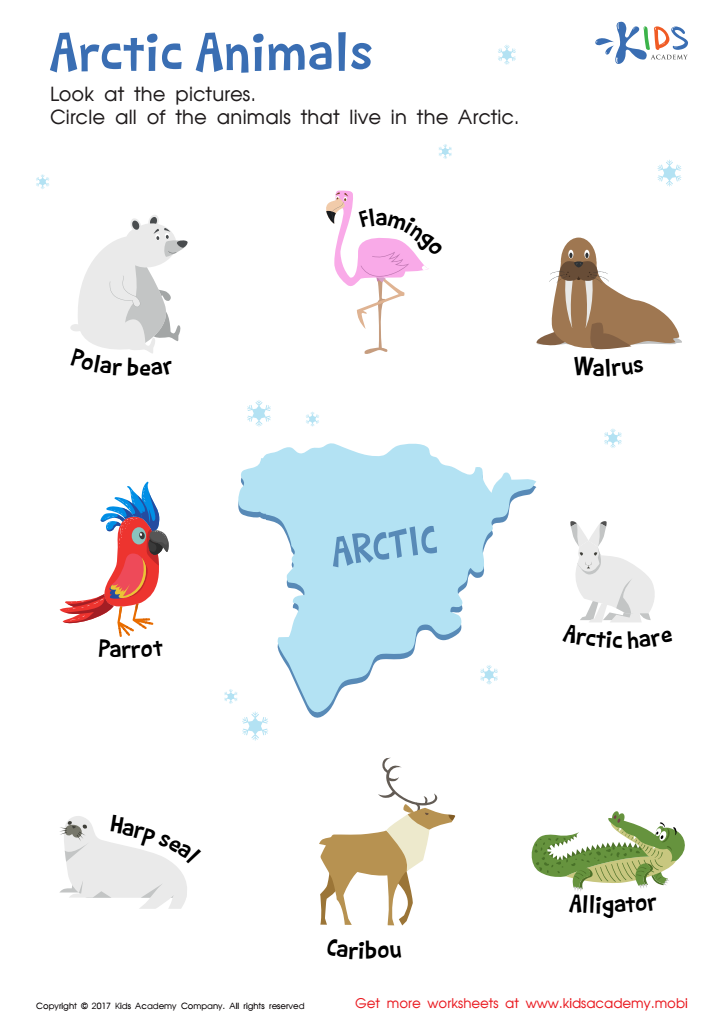
Arctic Animals Worksheet
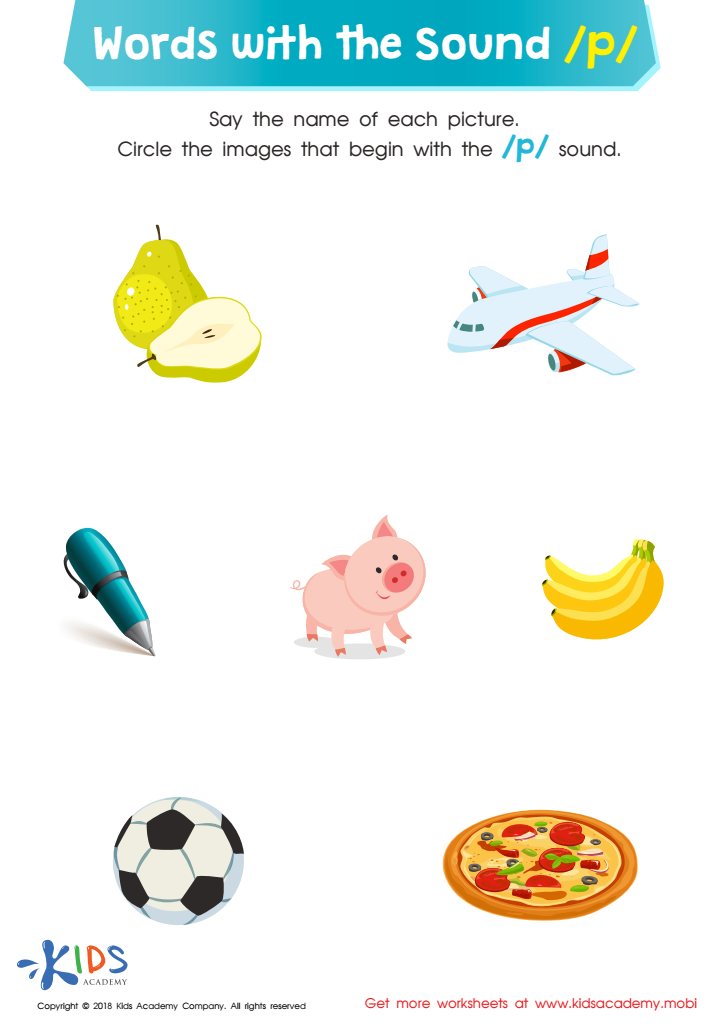
Words with sound p Reading Worksheet
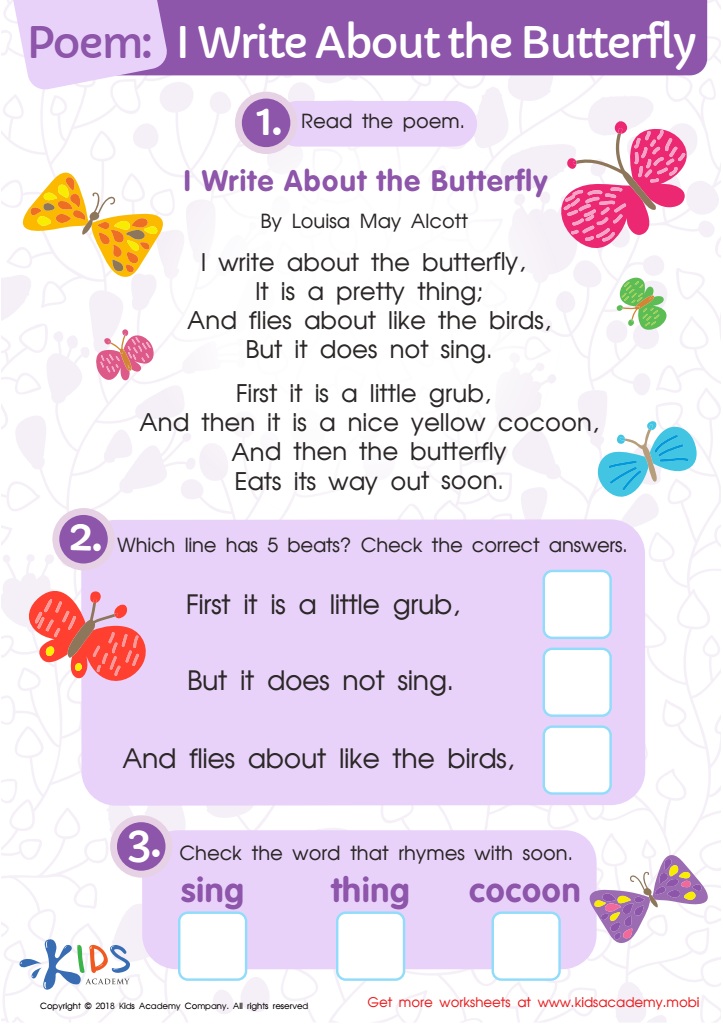
Poem: I Write About The Butterfly Worksheet
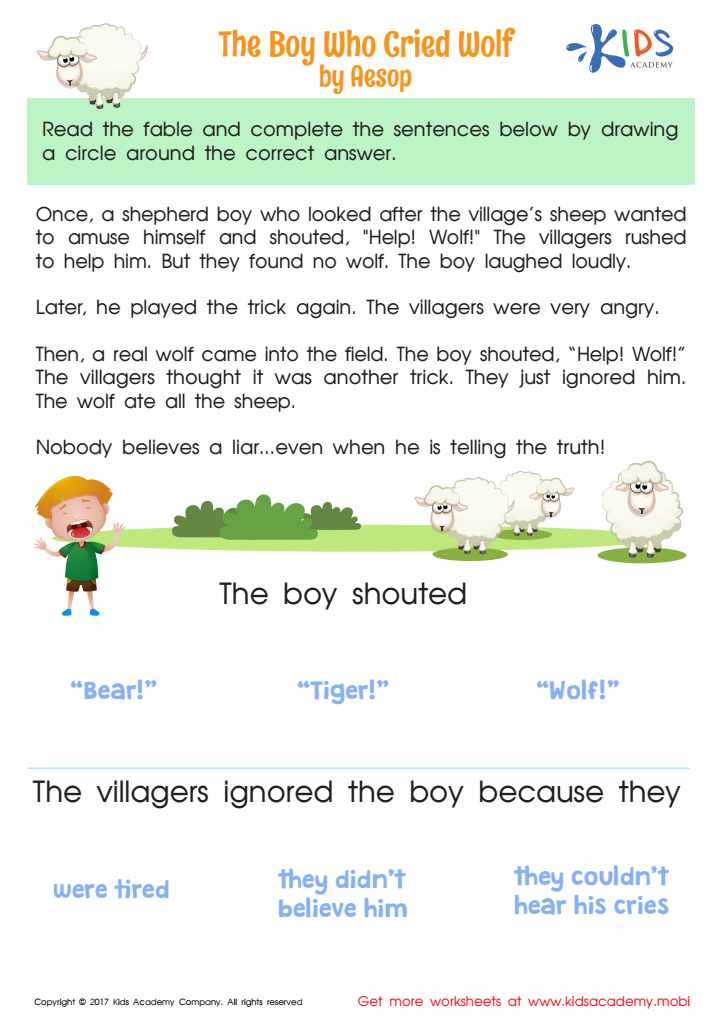
The Boy Who Cried Wolf Worksheet
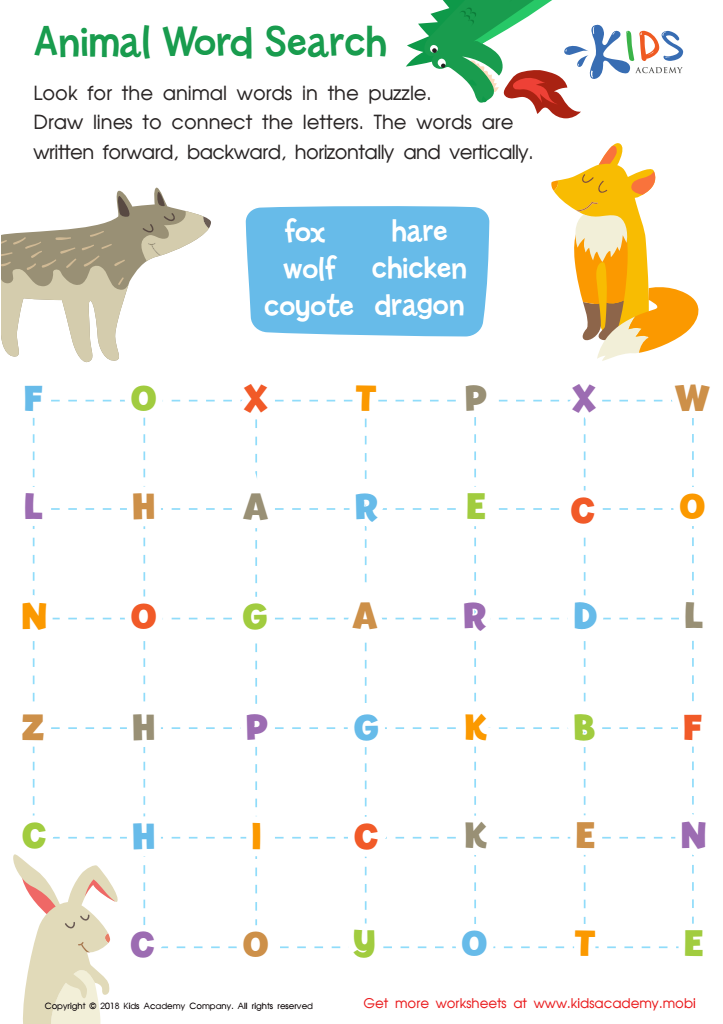
Animal Word Search Worksheet




.jpg)



Vocabulary building is crucial for children aged 6-9, as this stage marks a significant period of cognitive and linguistic development. During these years, children rapidly acquire skills that will lay the foundation for later academic success. An extensive vocabulary enhances reading comprehension, writing proficiency, and overall communication abilities, ultimately enabling children to express their thoughts and emotions more effectively.
Parents and teachers should prioritize vocabulary building because language proficiency supports critical thinking and problem-solving skills. As children encounter new words in context, they learn to make connections and gain deeper insights into various subjects. This also enriches their social interactions, allowing them to engage meaningfully with peers and adults.
Additionally, a strong vocabulary is linked to improved academic performance across subjects. When children can comprehend and utilize diverse vocabulary, they are more likely to explore complex concepts in science, math, and literature. Early vocabulary acquisition promotes a love for reading, encouraging lifelong learning. Involvement from both parents and teachers in vocabulary activities, such as reading together, storytelling, and discussing new words, can make this learning experience enjoyable. Overall, investing in vocabulary development is a key component in nurturing well-rounded, confident, and articulate individuals.








