Problem Solving Normal Addition & Subtraction Worksheets for Ages 6-9
9 filtered results
-
From - To
Enhance your child's mathematical skills with our Problem Solving Normal Addition & Subtraction Worksheets for Ages 6-9! Specially designed to blend learning with fun, these printable worksheets challenge young minds with engaging problems that develop critical thinking and problem-solving abilities. With a variety of age-appropriate exercises that cover basic addition and subtraction, children will build a solid foundation in math while boosting their confidence. Perfect for both classroom use and at-home practice, these resources are an essential tool for any young learner's academic journey. Discover the joy of learning math with our expertly crafted worksheets!
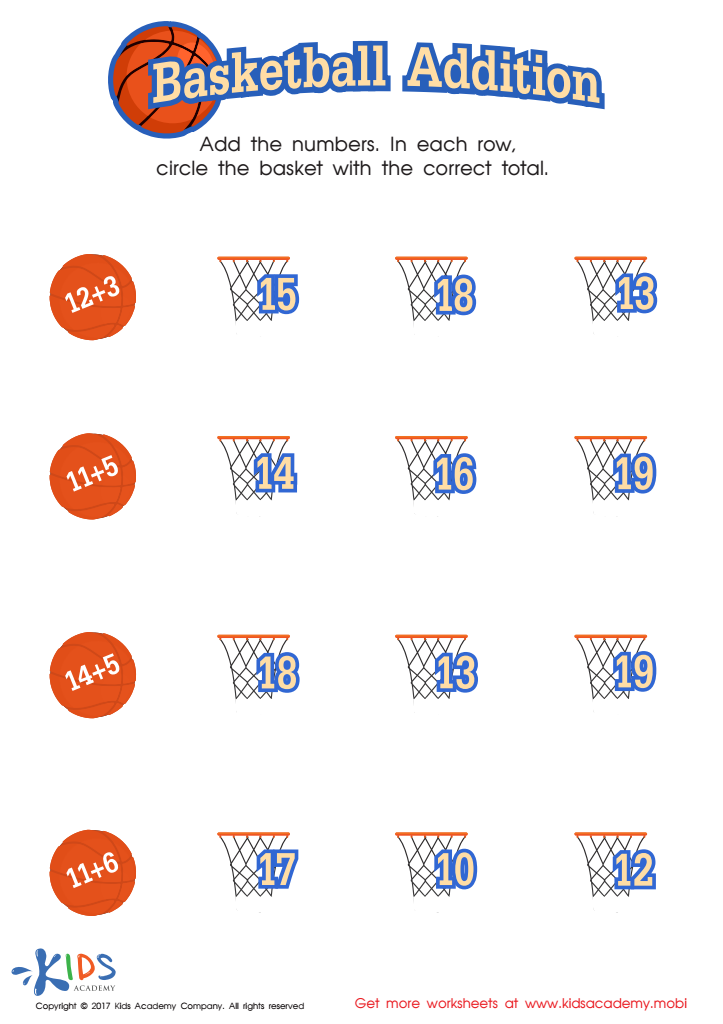
 Assign to My Students
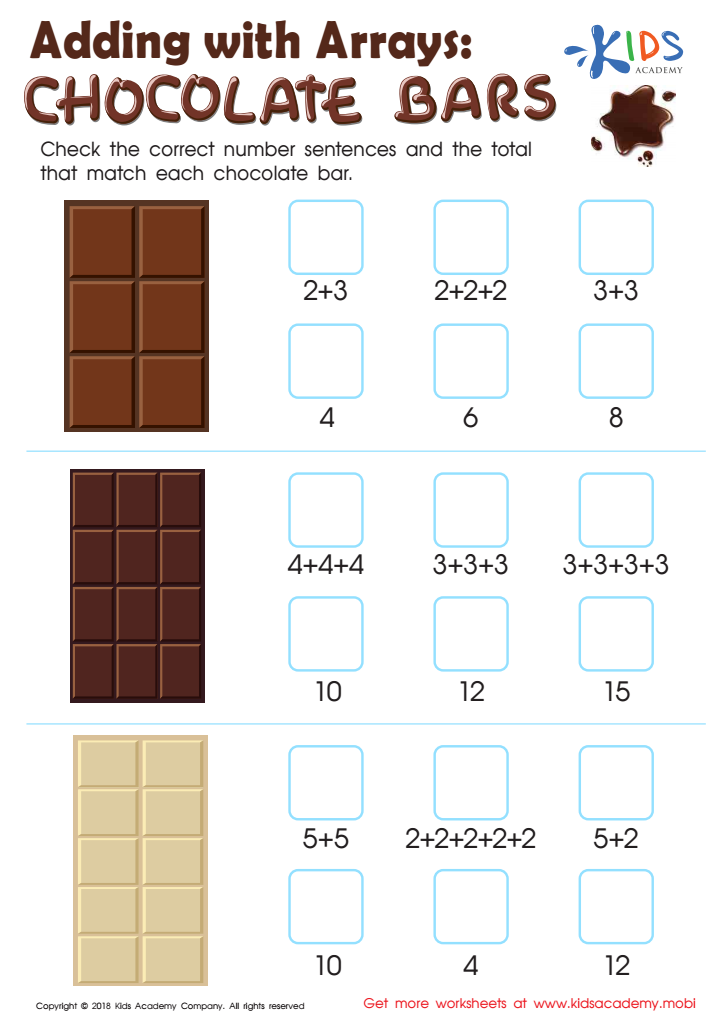
Adding with Arrays: Chocolate Bars Worksheet
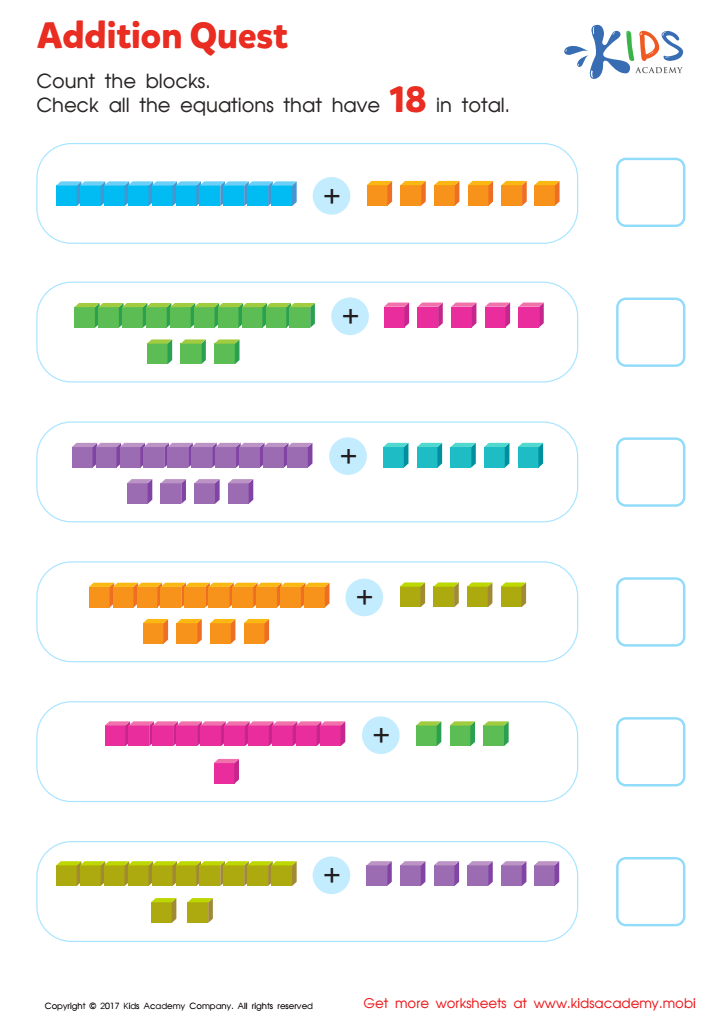
Addition Quest Worksheet: Part 2
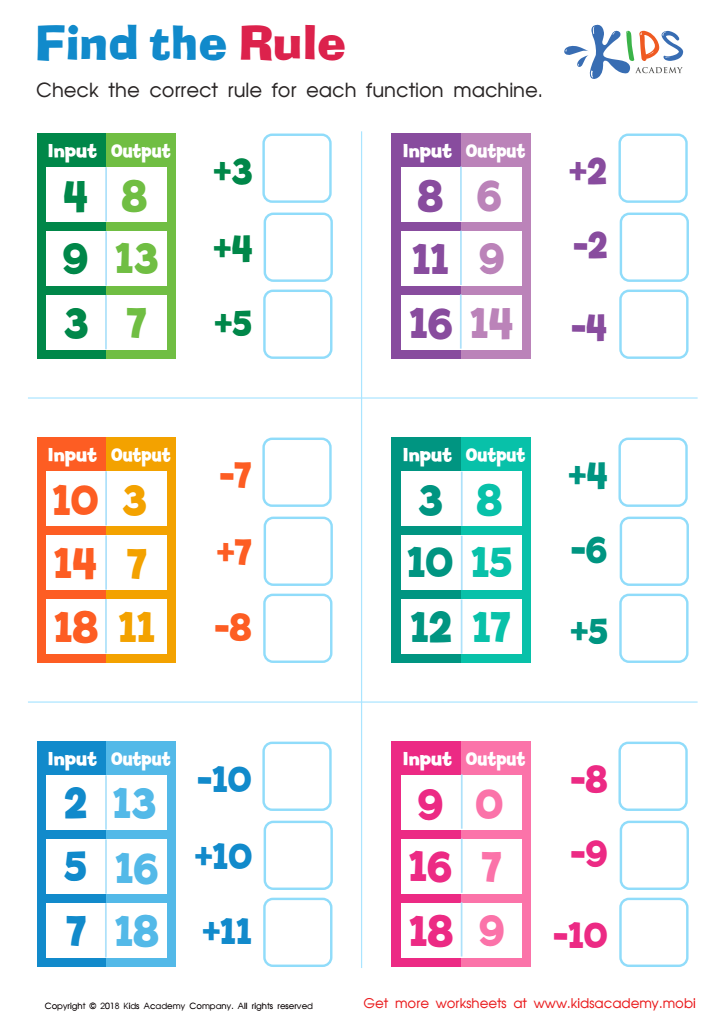
Find the Rule Worksheet
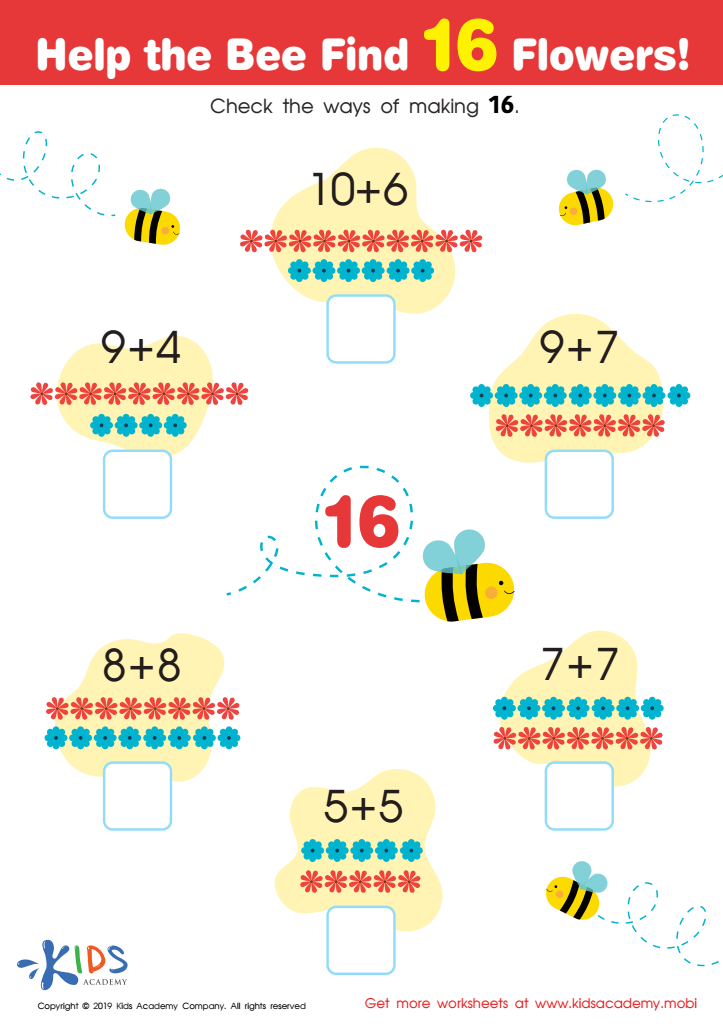
Help the Bee Find 16 Flowers Worksheet
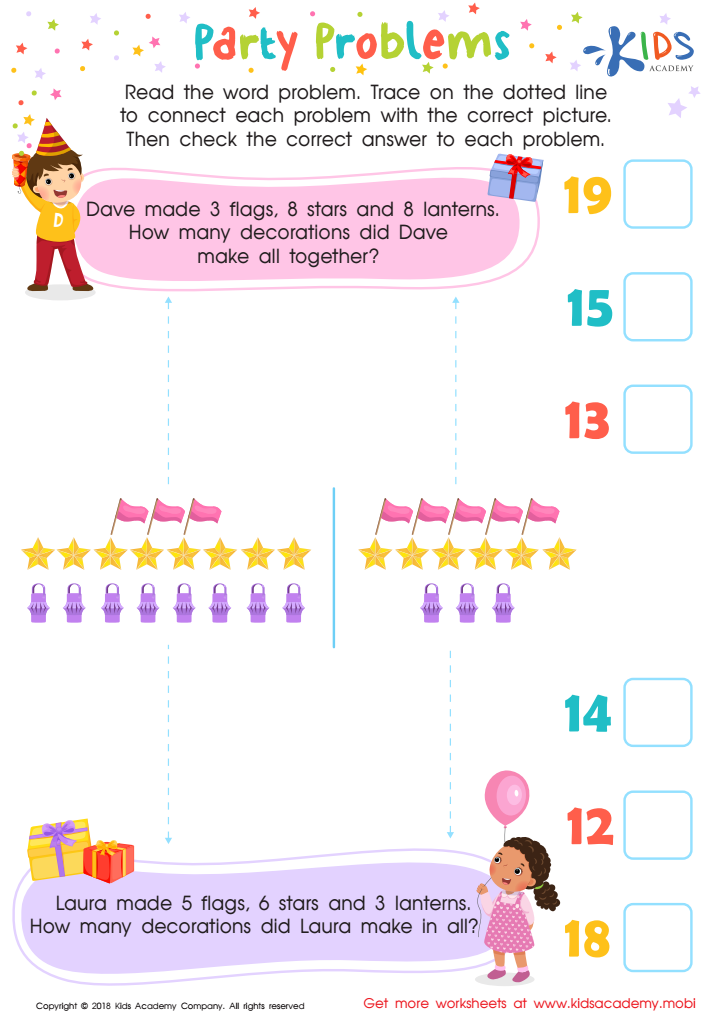
Party Problems Worksheet
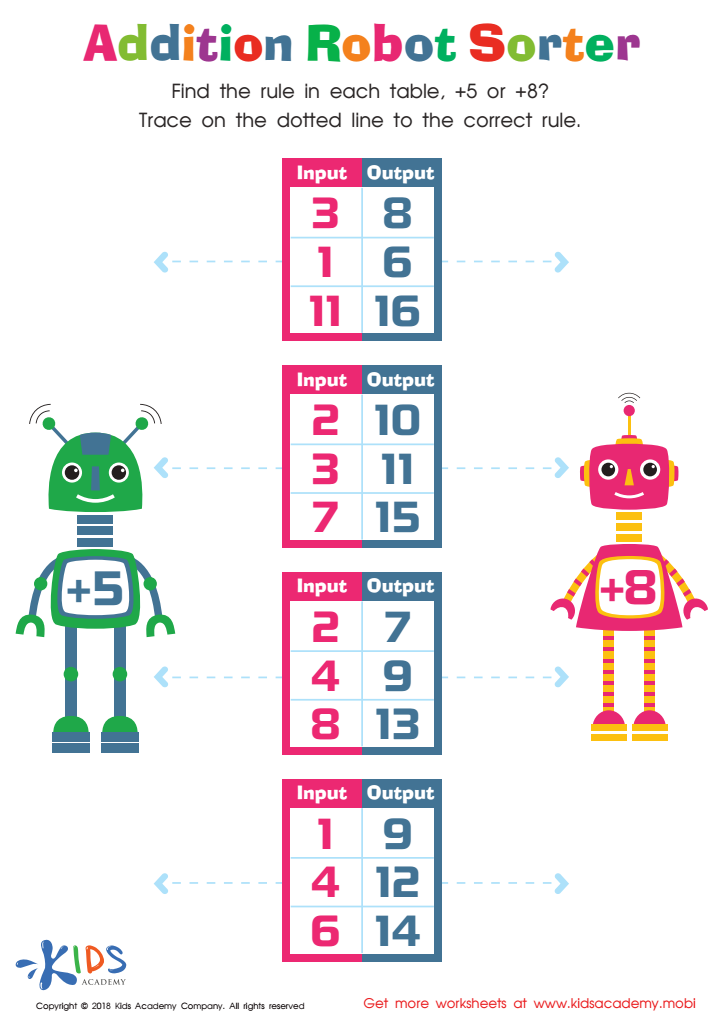
Addition Robot Sorter Worksheet
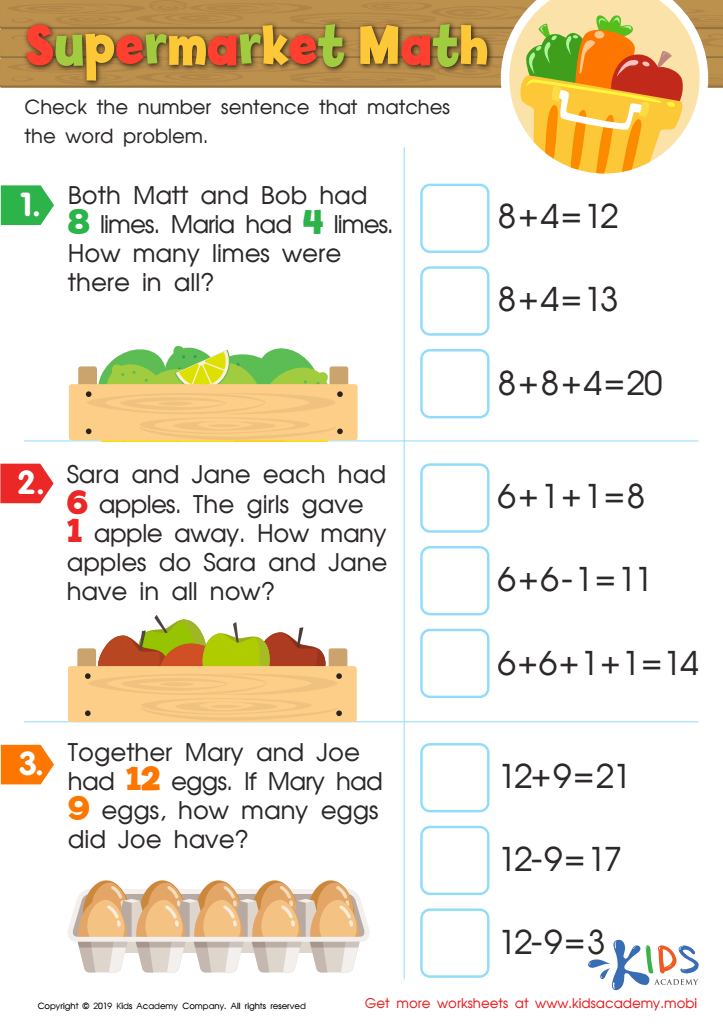
Supermarket Math Worksheet
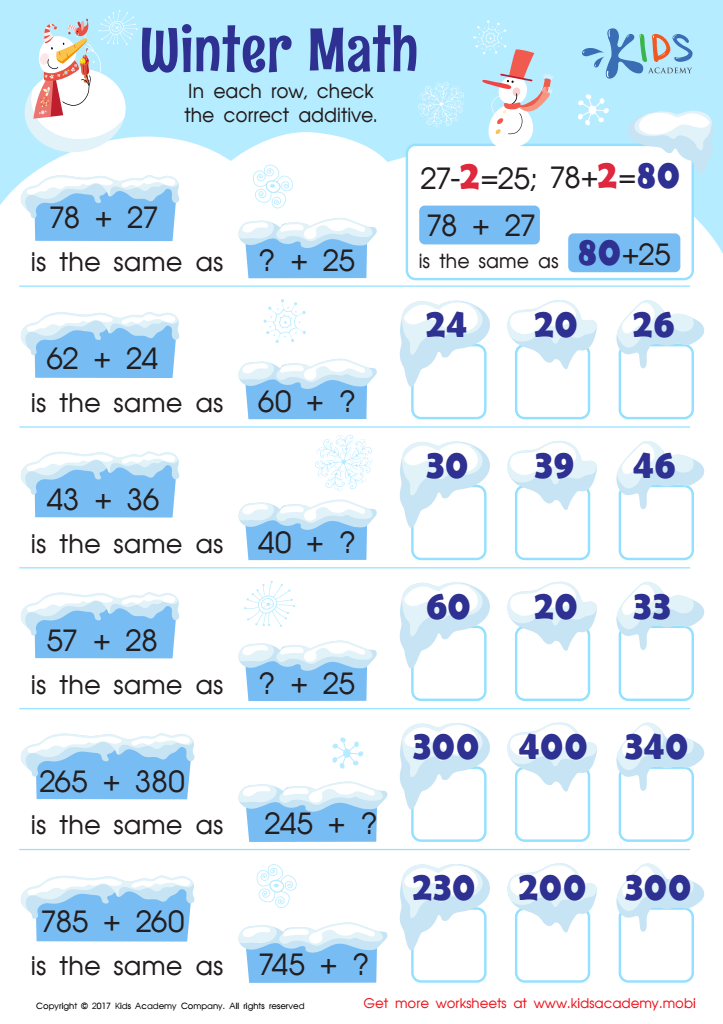
Free Addition Worksheet








Fostering skills in problem solving normal addition and subtraction for children aged 6-9 is crucial for both parents and teachers because it establishes foundational numerical abilities essential for future academic success and everyday functioning. At this age, children are transitioning from simple counting to understanding more complex mathematical concepts. By mastering basic addition and subtraction, they build confidence and develop critical thinking skills that are transferable across various subjects and real-life situations.
Engaging in these problem-solving activities nurtures logical reasoning and promotes cognitive development. Children learn to approach problems methodically, breaking them into manageable steps and cultivating patience and perseverance. Furthermore, these skills enhance their ability to analyze and interpret data, setting the groundwork for more advanced mathematical learning, including multiplication, division, and beyond.
Additionally, integrating problem-solving exercises involving addition and subtraction into daily routines helps children appreciate math as a useful, enjoyable tool rather than a daunting task. This can foster a positive attitude towards mathematics, reducing math-related anxiety and encouraging a growth mindset. Active involvement from parents and teachers shows children that their learning is important, creating a supportive environment that motivates engagement and progress. Thus, prioritizing the development of these skills provides children with a strong foundation for both their academic journey and practical, everyday problem-solving.








