Reading comprehension Normal Geometry Worksheets for Ages 6-9
3 filtered results
-
From - To
Discover our engaging Reading Comprehension Normal Geometry Worksheets designed for children ages 6-9! These worksheets seamlessly combine foundational geometry concepts with reading skills, encouraging young learners to enhance their understanding through fun, interactive exercises. Each worksheet features clear instructions and vibrant illustrations, facilitating a holistic learning experience. As kids tackle geometry-related reading comprehension tasks, they'll boost their critical thinking and literacy skills while enjoying the captivating content. Ideal for classroom settings or home practice, our worksheets promote cognitive development and foster a love for learning. Start nurturing your child's math and reading prowess today with our thoughtfully crafted resources!
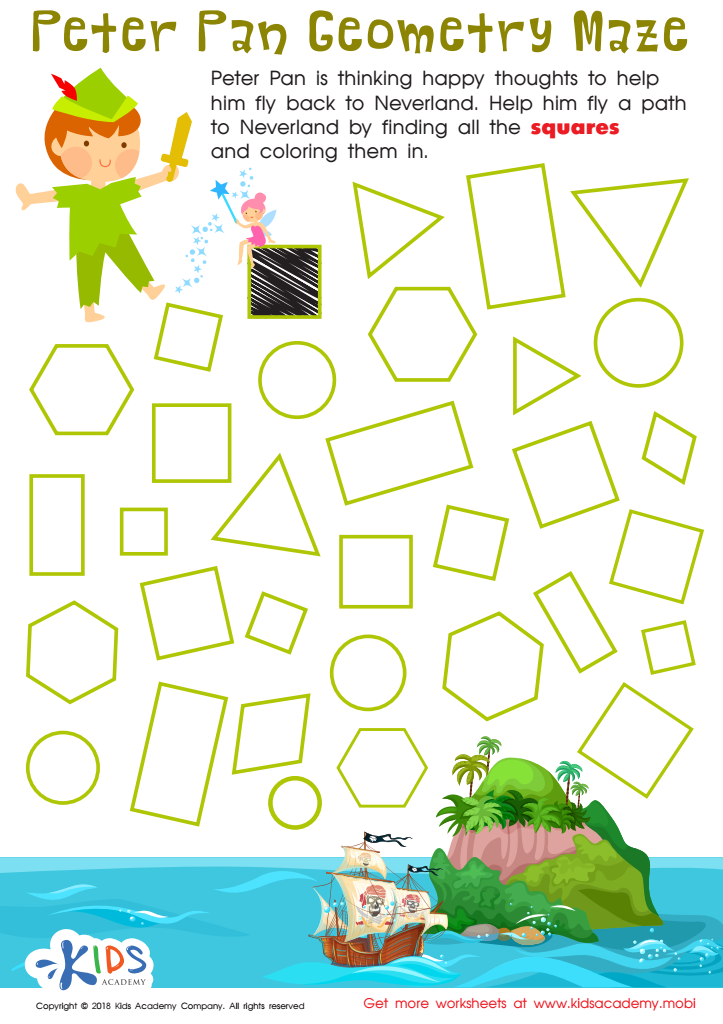
Peter Pan Worksheet
 Assign to My Students











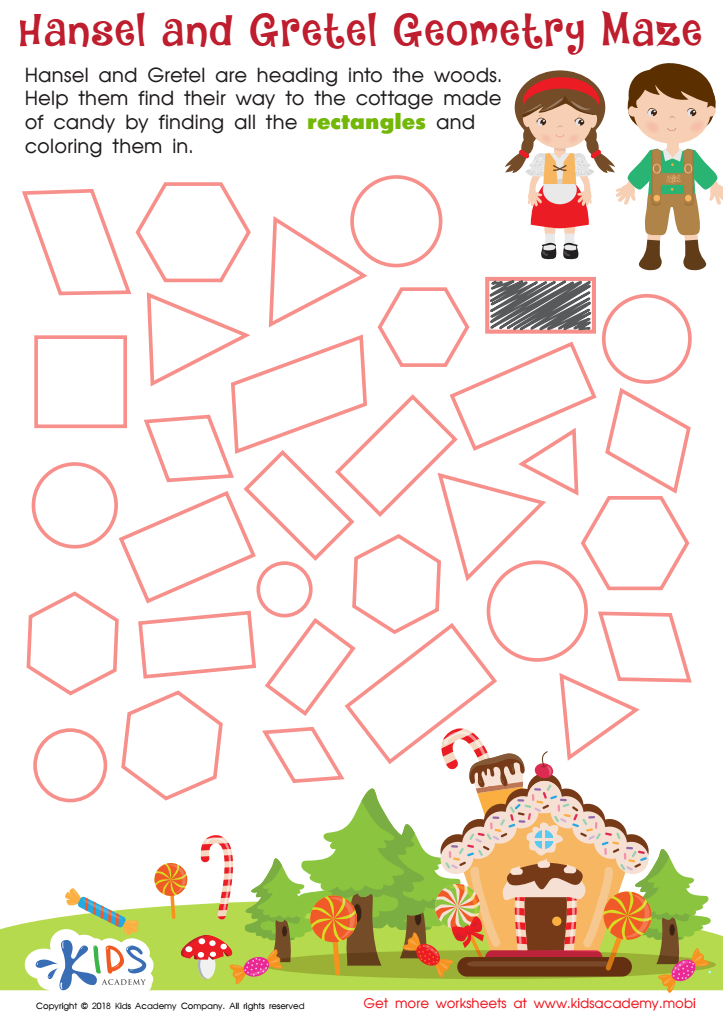
Hansel and Gretel Geometry Maze Worksheet
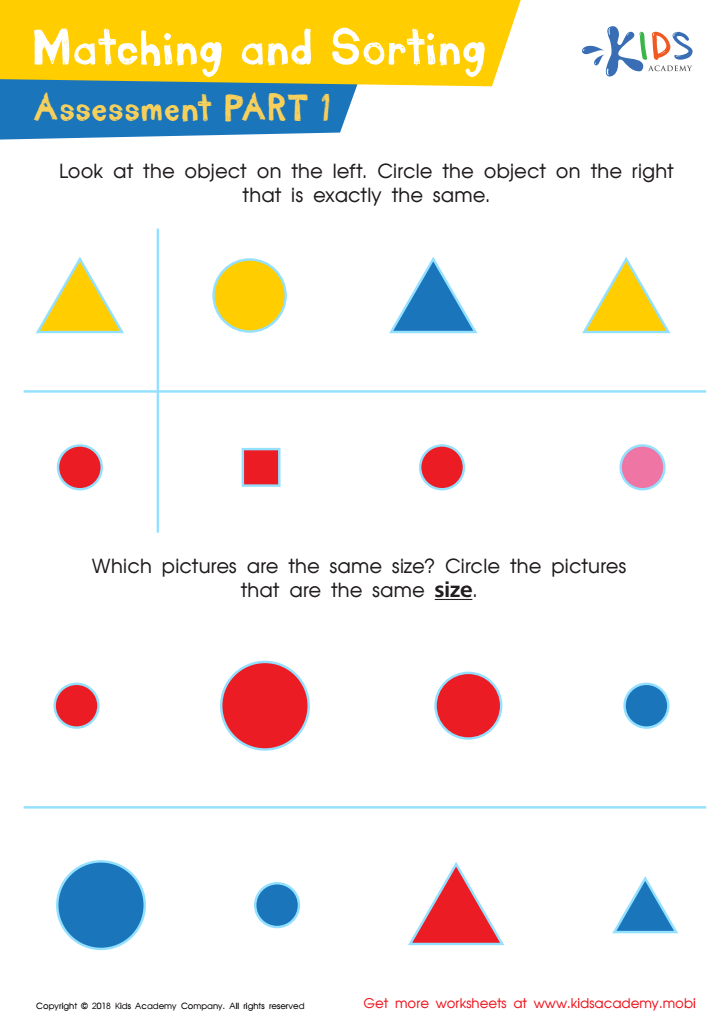
Matching and Sorting for Kindergarten: Assessment 1 Worksheet








Reading comprehension and geometry are foundational skills for children aged 6-9, and their importance cannot be overstated for parents and teachers. Firstly, reading comprehension fosters critical thinking and enhances overall literacy. During these formative years, children begin to decode text and understand both explicit and implicit meanings. Strong reading skills equip them to engage with a variety of subjects, including math and science, as many concepts in these areas require textual understanding.
Normal geometry encourages spatial awareness and logical reasoning skills. Through age-appropriate geometric concepts, children understand shapes, sizes, and spatial relationships, strengthening their analytical skills. Learning geometry at a young age can improve problem-solving abilities, which are vital in everyday scenarios and future academic pursuits.
Moreover, the integration of reading comprehension with geometry can help enrich the learning experience. For instance, story problems in math often require reading skills to interpret and solve. Thus, when parents and teachers prioritize both reading comprehension and geometry, they provide children with the tools necessary for academic success and lifelong learning. This holistic approach lays the groundwork for effective communication, cognitive development, and prepares children not only for standardized testing but also for complex real-world challenges ahead.








