Cognitive Development Normal Numbers Worksheets for Ages 6-9
13 filtered results
-
From - To
Discover our engaging Cognitive Development Normal Numbers Worksheets tailored for children ages 6-9. Designed to enhance numerical understanding, these worksheets promote critical thinking and problem-solving skills through fun, interactive activities. Your child will explore fundamental concepts, including basic addition, subtraction, and number recognition, while developing essential cognitive abilities. Each worksheet incorporates colorful illustrations and entertaining exercises that keep young learners motivated and excited about math. Perfect for at-home practice or classroom use, our resources support your child's growth in both academic and cognitive domains. Help your child build a strong foundation in math with our thoughtfully crafted worksheets today!
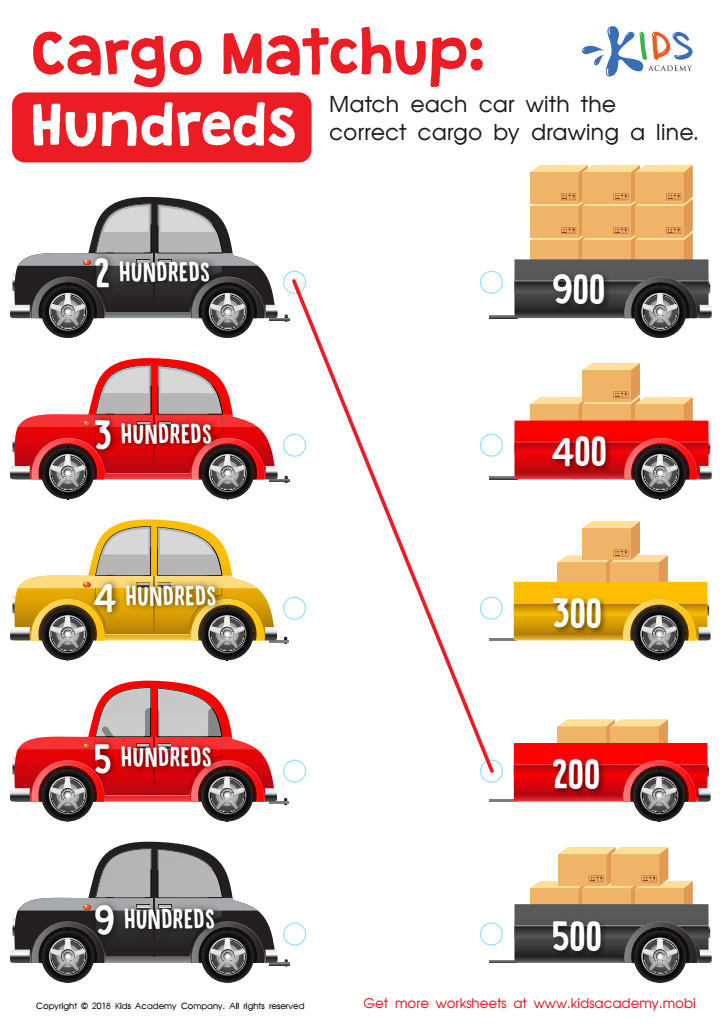
Cargo Matchup: Hundreds Worksheet
 Assign to My Students

Count and Match Boxes with Vegetables

Counting Forward On the Farm Worksheet

Trace And Write Number 7 with Fun Worksheet
Matching: Classifying Toys by Size Worksheet

Count and Pair on the Farm Worksheet
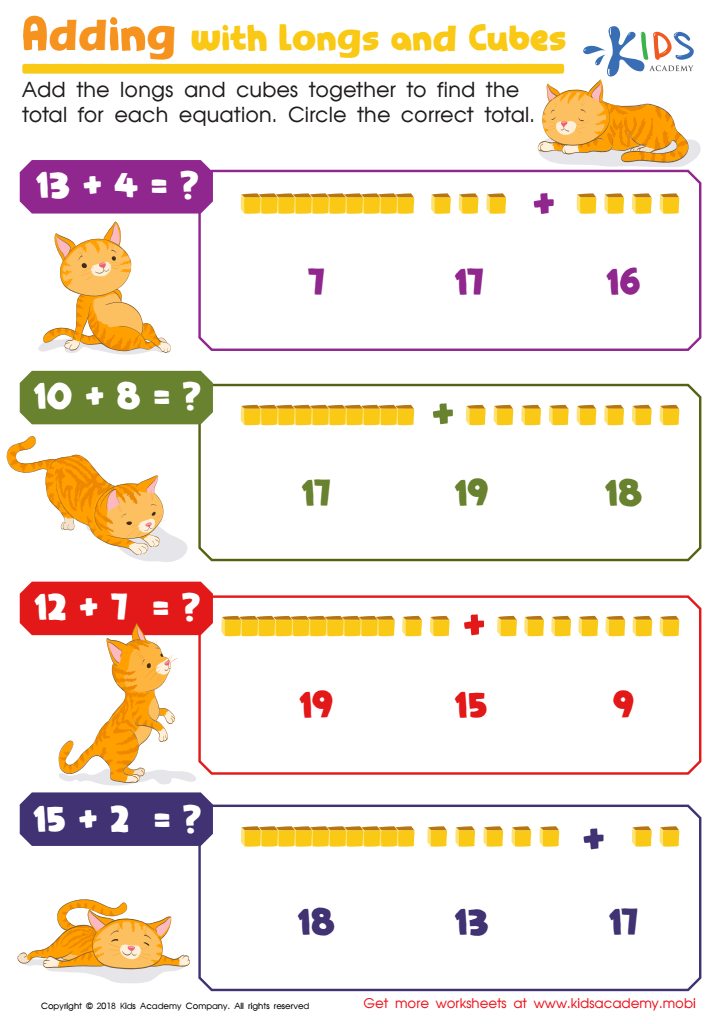
Adding With Longs and Cubes Worksheet
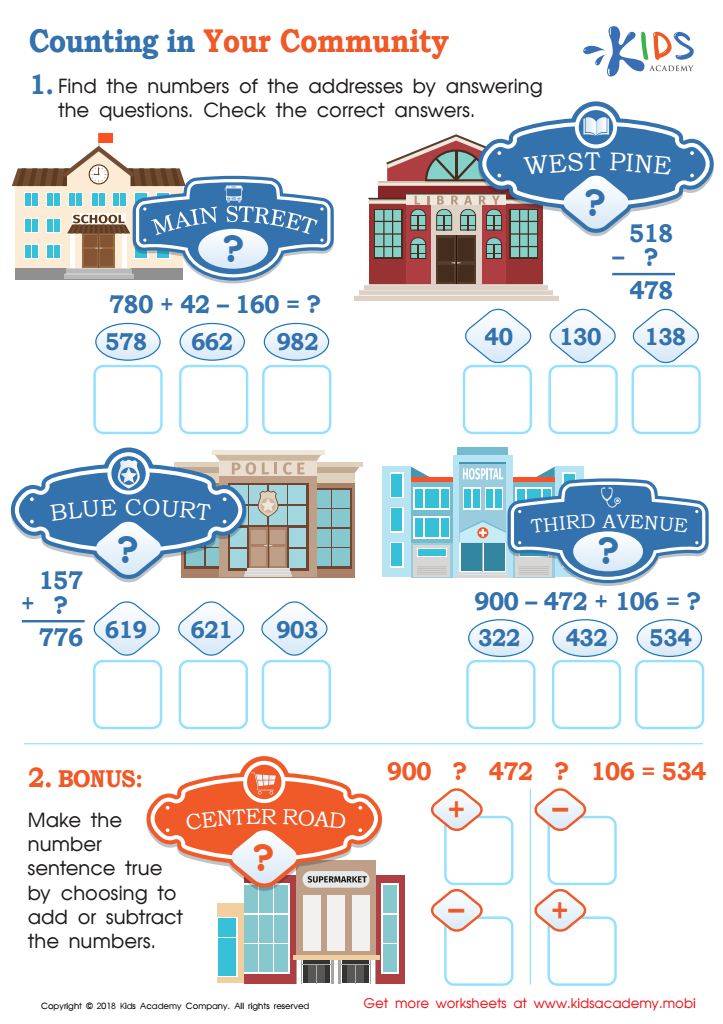
Counting in Your Community Worksheet
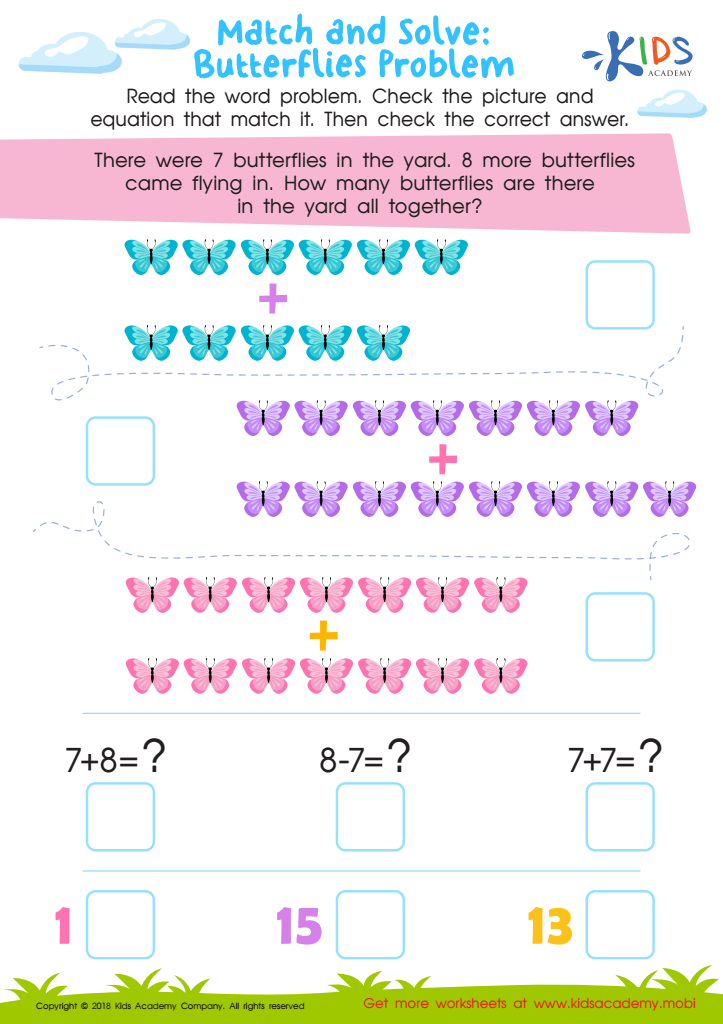
Match and Solve: Butterfly Problem Worksheet
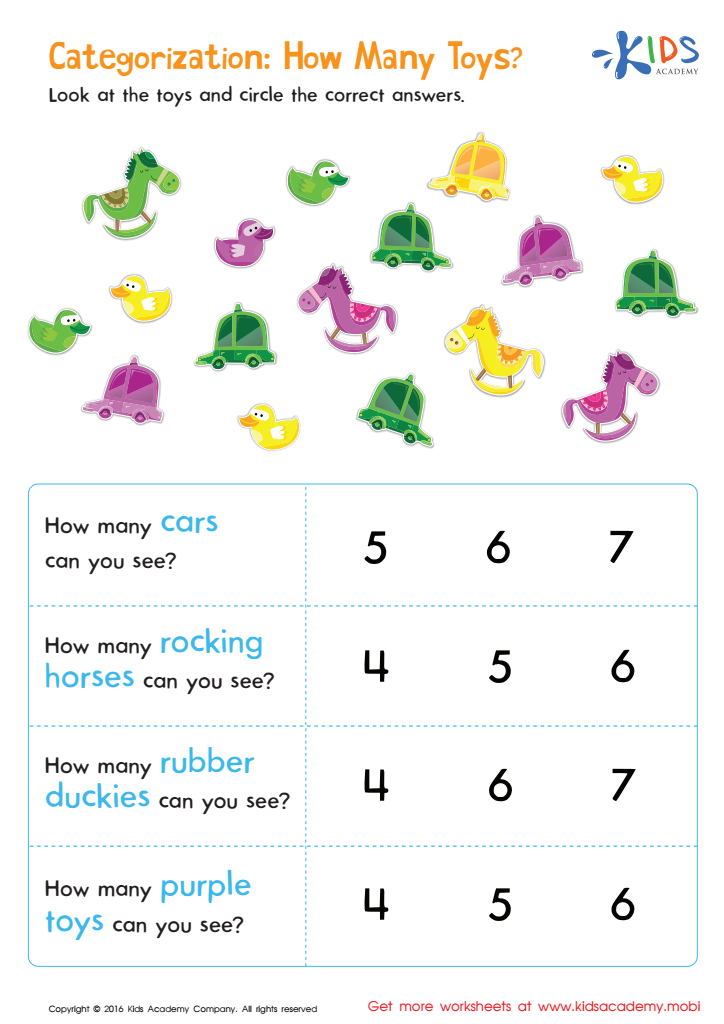
Classifying Toys by Type and Color Sorting Worksheet
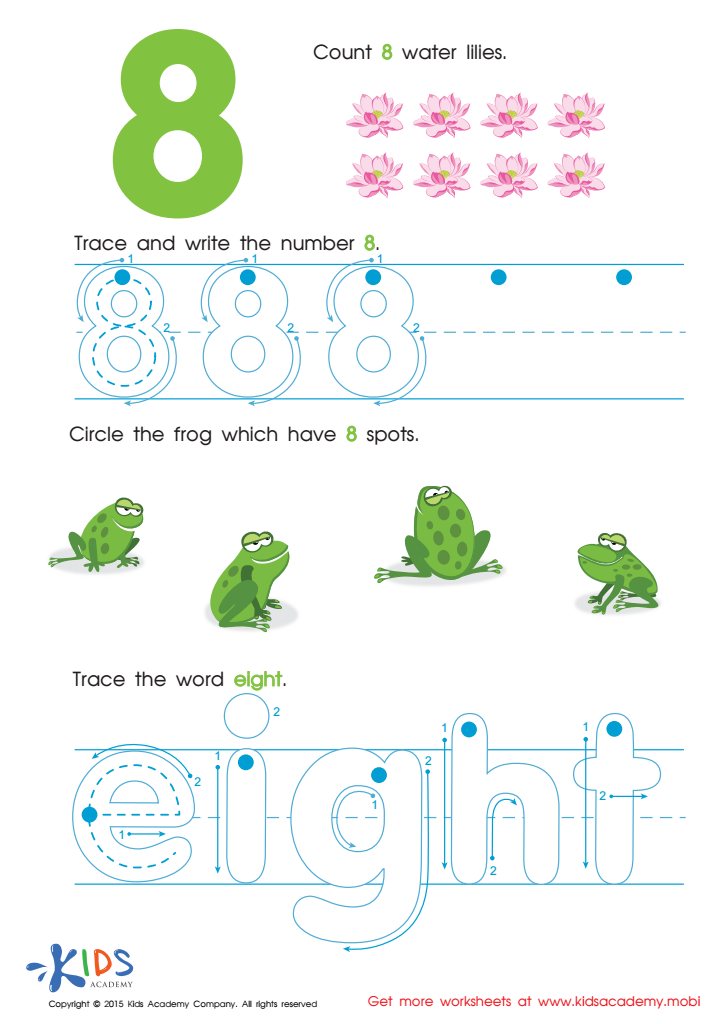
Learn Number 8 Easily Worksheet
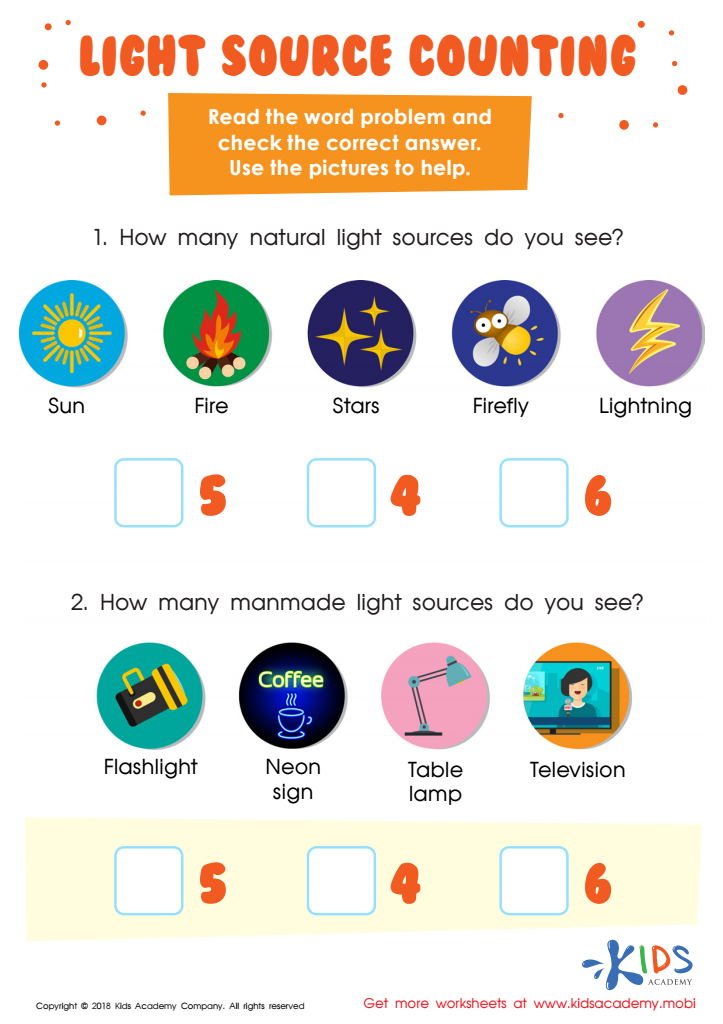
Light Source Counting Worksheet
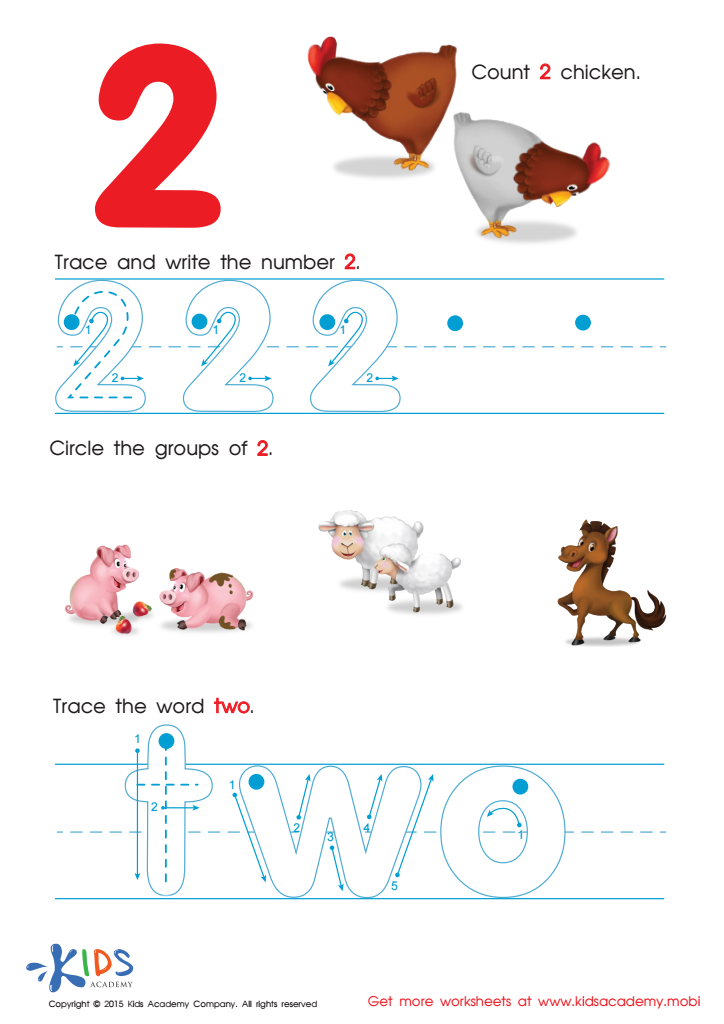
Learn to Write the Number 2 Worksheet








Cognitive development during ages 6-9 is a critical period for children's growth and learning. During this stage, children explore complex thinking skills, such as problem-solving, critical reasoning, and comprehension. Understanding cognitive development in this age range is vital for parents and teachers because it directly impacts a child's academic performance and social interactions.
Typically, children aged 6-9 begin to think more logically and abstractly, transitioning from concrete to more sophisticated forms of reasoning. They develop the ability to organize thoughts, understand cause and effect, and engage in multi-step problem solving. Monitoring cognitive development milestones helps parents and teachers identify children who may need additional support.
Furthermore, social-cognitive skills emerge, improving interactions with peers and adults. As children learn to collaborate, express empathy, and negotiate, these skills enhance their capacity for friendship and teamwork.
By focusing on cognitive development norms, parents and teachers can tailor learning experiences that stimulate and support each child's growth. This targeted approach fosters a love of learning, encourages healthy boundaries for expectations, and cultivates resilience, ensuring that children are well-prepared for more complex academic challenges and social environments in the future.








