Matching numbers Normal Numbers Worksheets for Ages 6-9
5 filtered results
-
From - To
Discover exciting and educational "Matching Numbers Normal Numbers Worksheets" specifically crafted for children aged 6-9. These engaging worksheets help young learners enhance number recognition, counting skills, and numerical order through a variety of fun and interactive exercises. Ideal for both classroom use and at-home practice, these worksheets support essential early math skills while keeping kids entertained. Boost confidence and solidify foundational math concepts as your child enjoys matching numbers in different formats. Unlock the fun of learning with our printable matching numbers worksheets and watch your child's numeric understanding flourish!

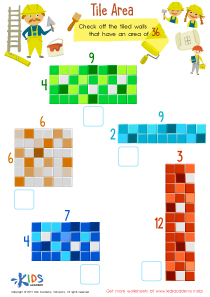
Count and Match Boxes with Vegetables
 Assign to My Students
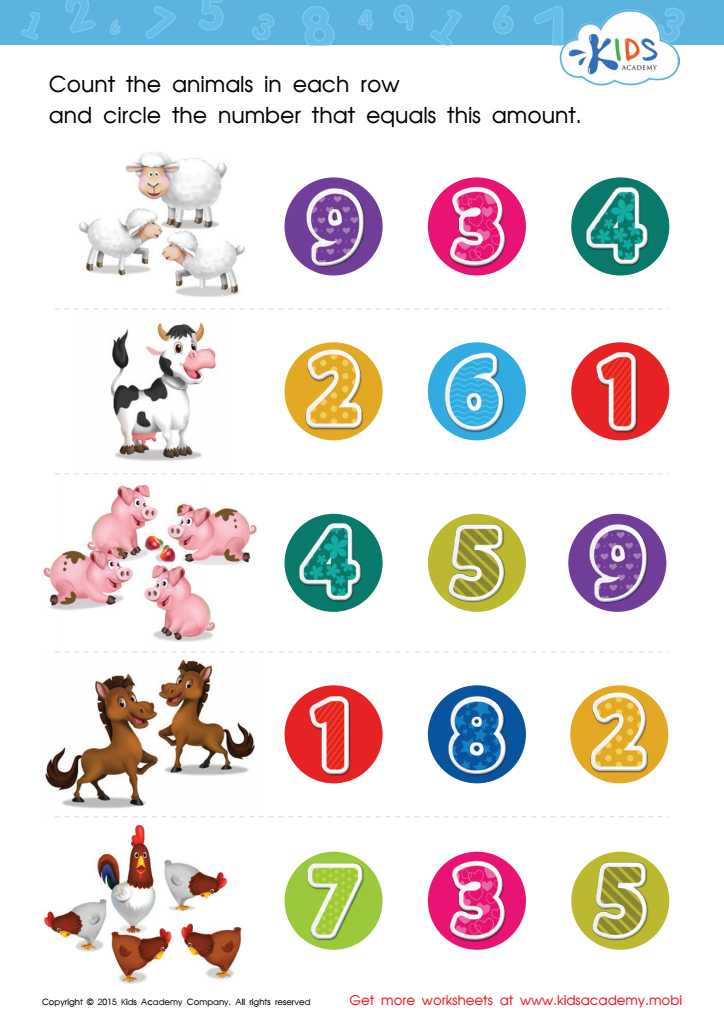
Count and Match 1 – 5 Math Worksheet
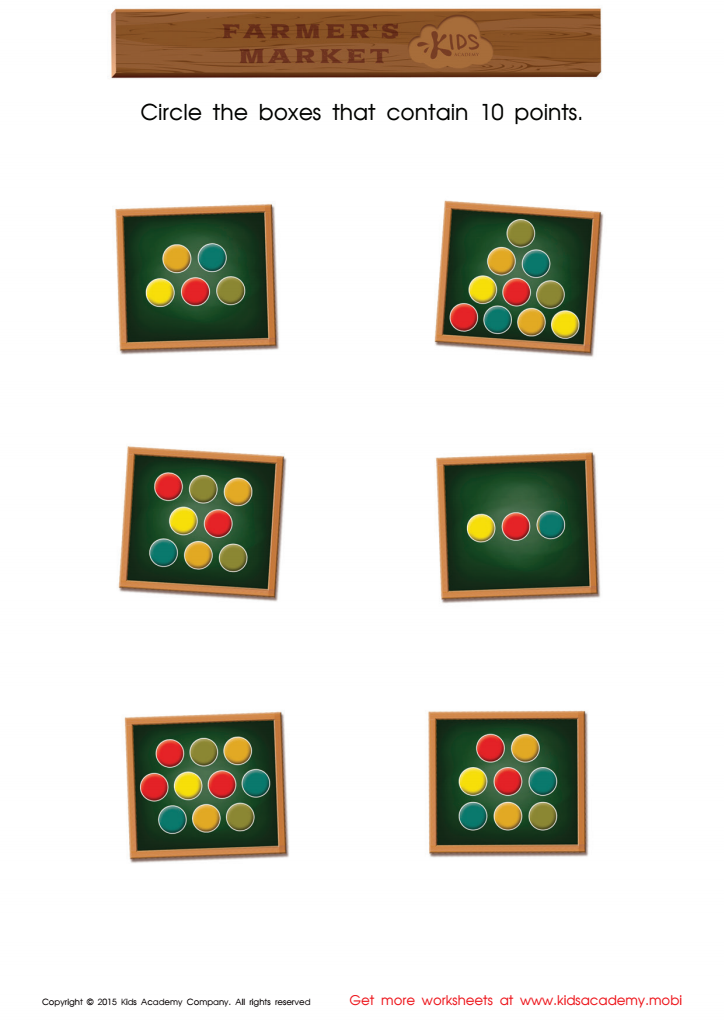
Count and Match Points 10 Math Worksheet
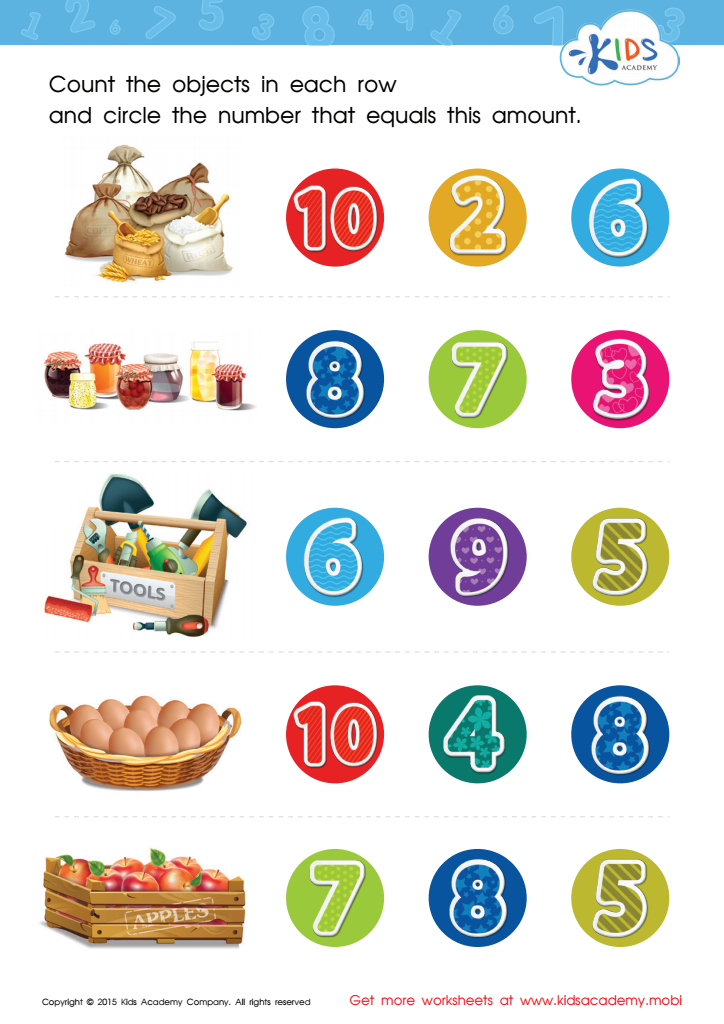
Count and Match 6 – 10 Math Worksheet

Count and Match Vegetables and Points Math Worksheet








Matching numbers with actual quantities is a fundamental skill for children aged 6-9 because it sets the groundwork for their mathematical understanding and future academic success. At this age, children begin developing their numerical cognition, which requires them to make connections between abstract numerals (like the digit "5") and concrete quantities (such as five apples). This skill is crucial for their ability to perform basic arithmetic operations, including addition, subtraction, and eventually, multiplication and division.
Moreover, learning to match numbers with quantities enhances a child's number sense, which is their intuitive understanding of numbers and their relationships. A strong number sense is linked to better problem-solving abilities and greater mathematical fluency as they advance in their schooling.
For teachers and parents, engaging children in activities that promote numerical matching—such as counting games, using flashcards, or integrating math into everyday activities—can make learning fun and foster a positive attitude towards mathematics. It also helps identify early any difficulties a child might have in grasping numerical concepts, allowing for timely intervention. Ultimately, investing time and effort in this area supports not just academic growth, but cognitive development, helping children build critical thinking and analytical skills that are essential beyond the classroom.