Number Sequencing Normal Numbers Worksheets for Ages 6-9
8 filtered results
-
From - To
Discover our engaging Number Sequencing Normal Numbers Worksheets designed for children aged 6-9! These fun and interactive resources are perfect for developing essential math skills in young learners. The worksheets encourage kids to practice ordering numbers, recognize patterns, and enhance their counting abilities. With a variety of exercises, including fill-in-the-blank sequences and number lines, your child will build confidence and proficiency in number sequencing. Ideal for both classroom settings and at-home learning, our worksheets foster a love for math through playful and stimulating activities. Download today and watch your child’s numerical skills soar! Explore the joy of learning with Kids Academy!
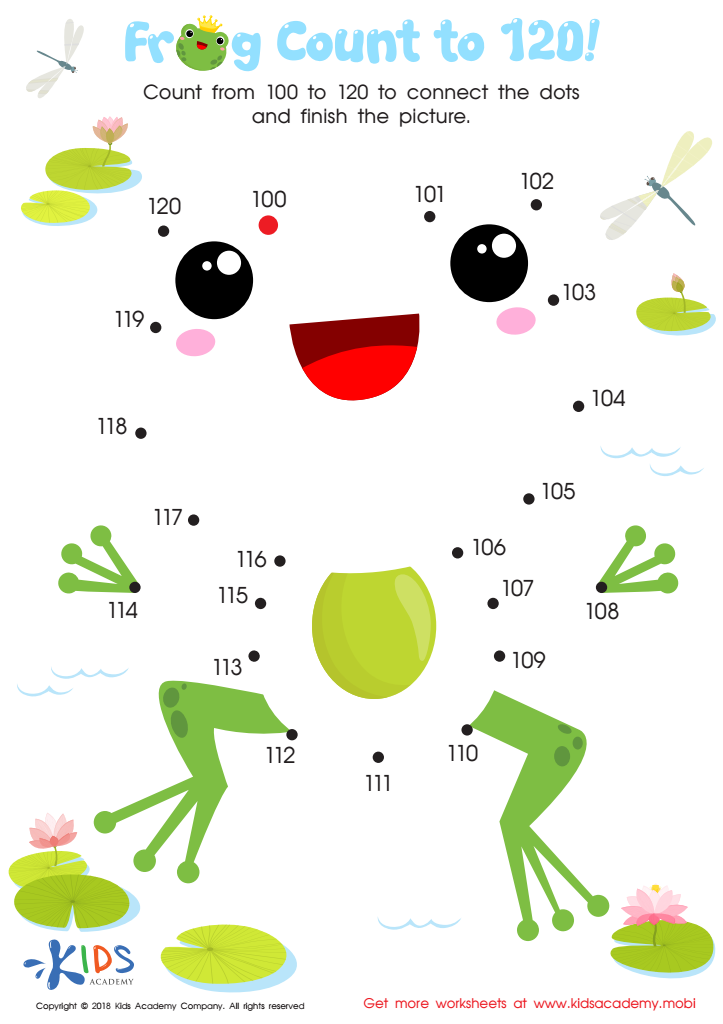
Frog Count to 120 Worksheet
 Assign to My Students
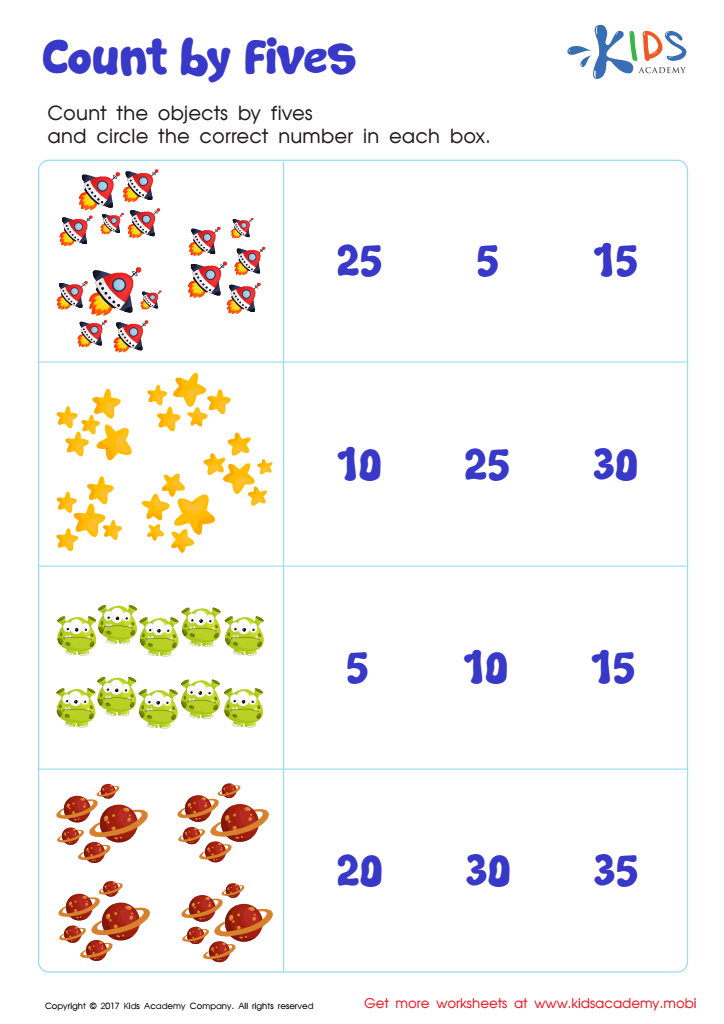
Skip Counting by 5s: Space Math Printable
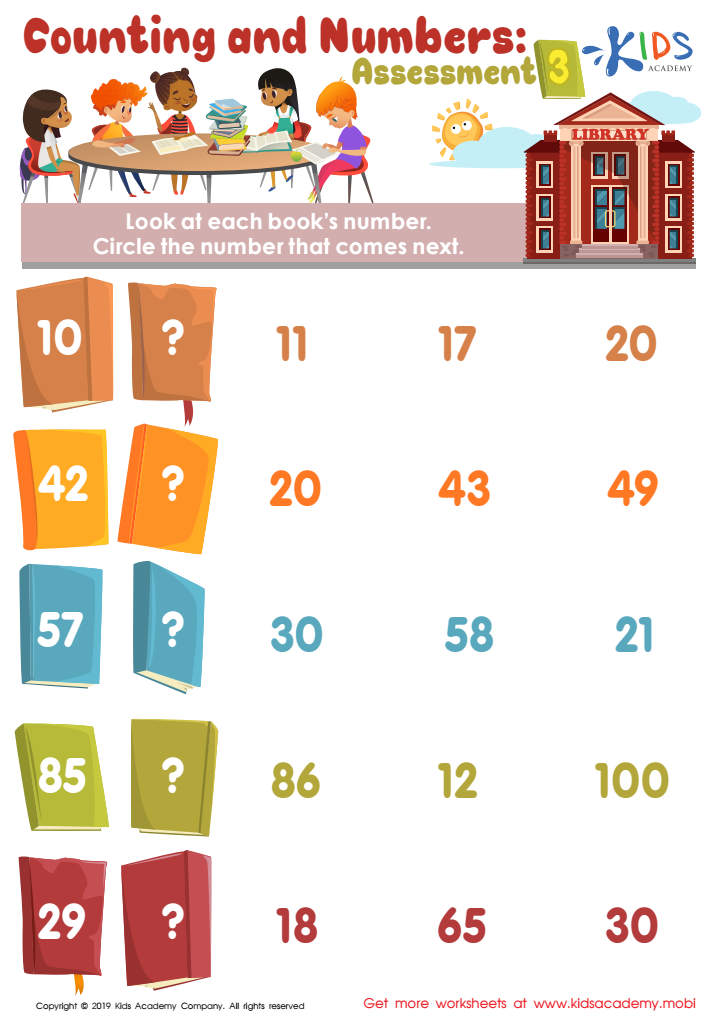
Counting and Numbers: Assessment Worksheet
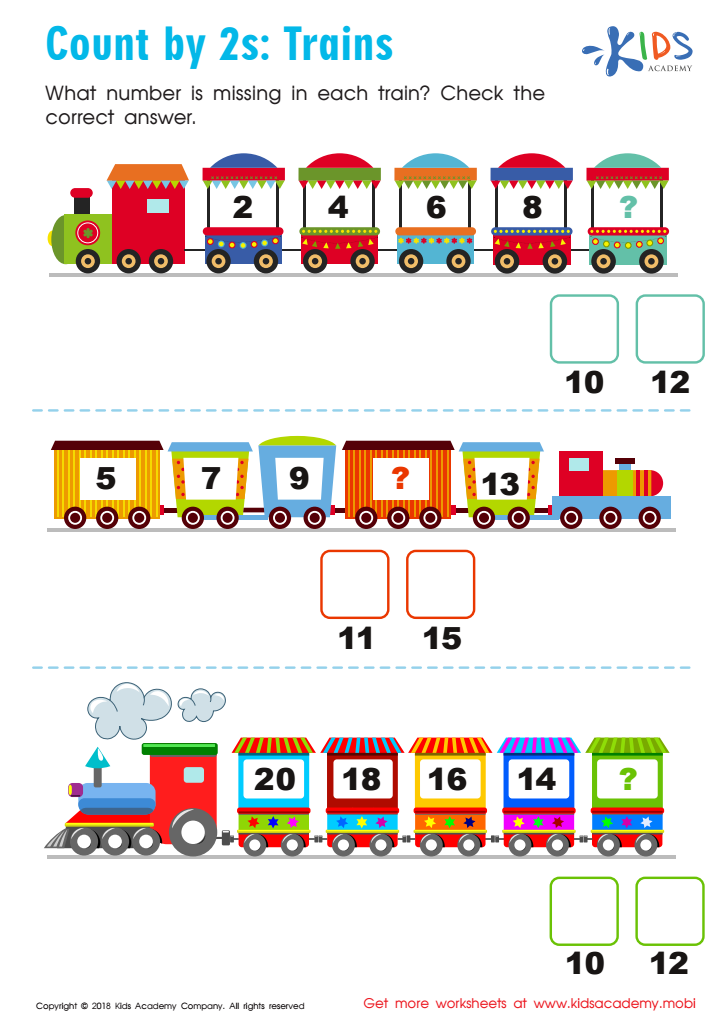
Count by 2's: Trains Worksheet
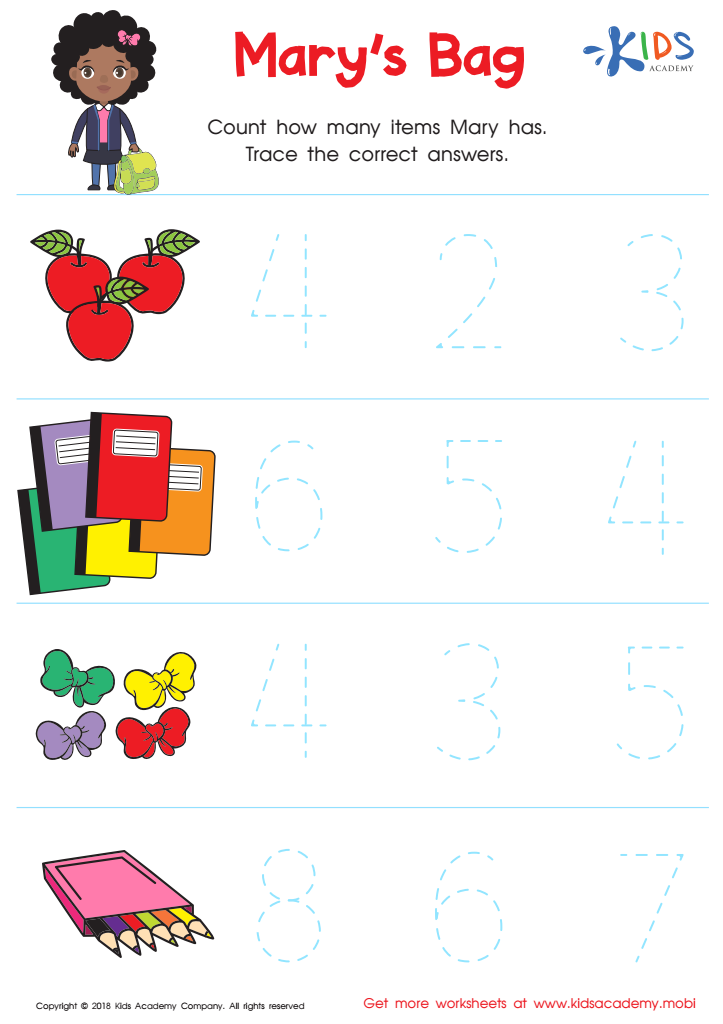
Kindergarten Number Tracing: Mary's Bag Worksheet
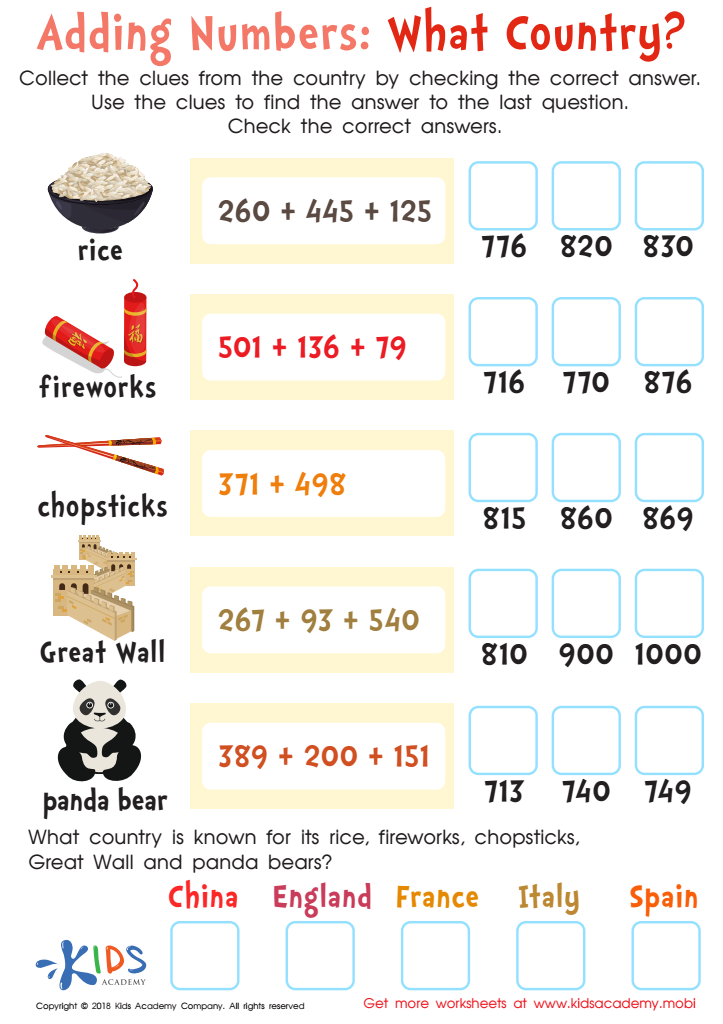
Adding Numbers: What Country Worksheet
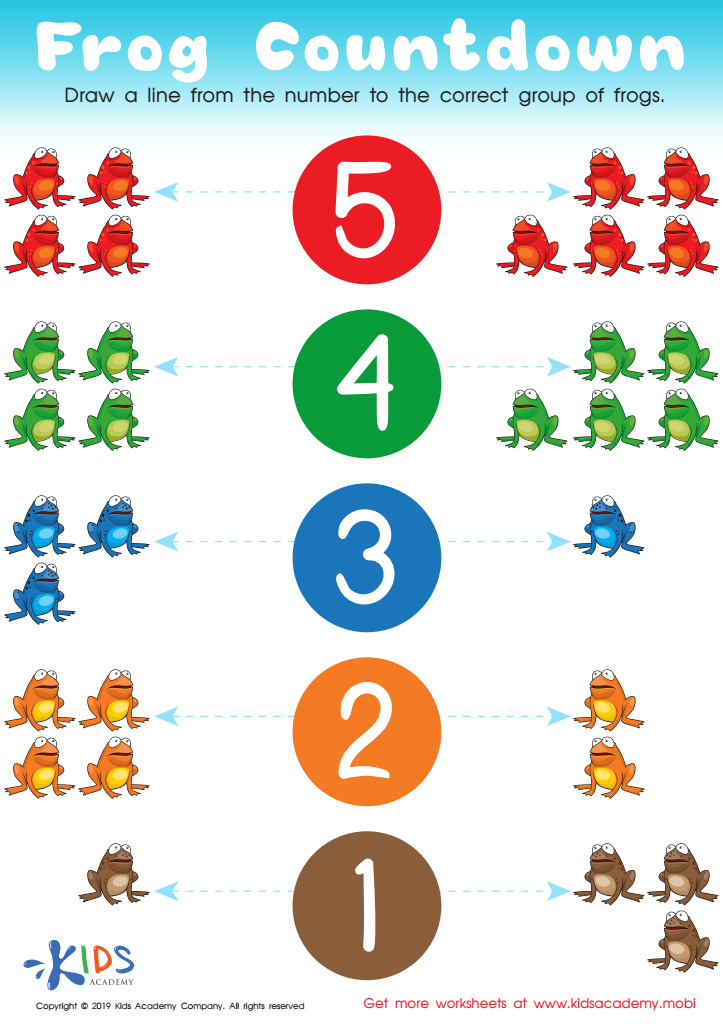
Frog Countdown Worksheet
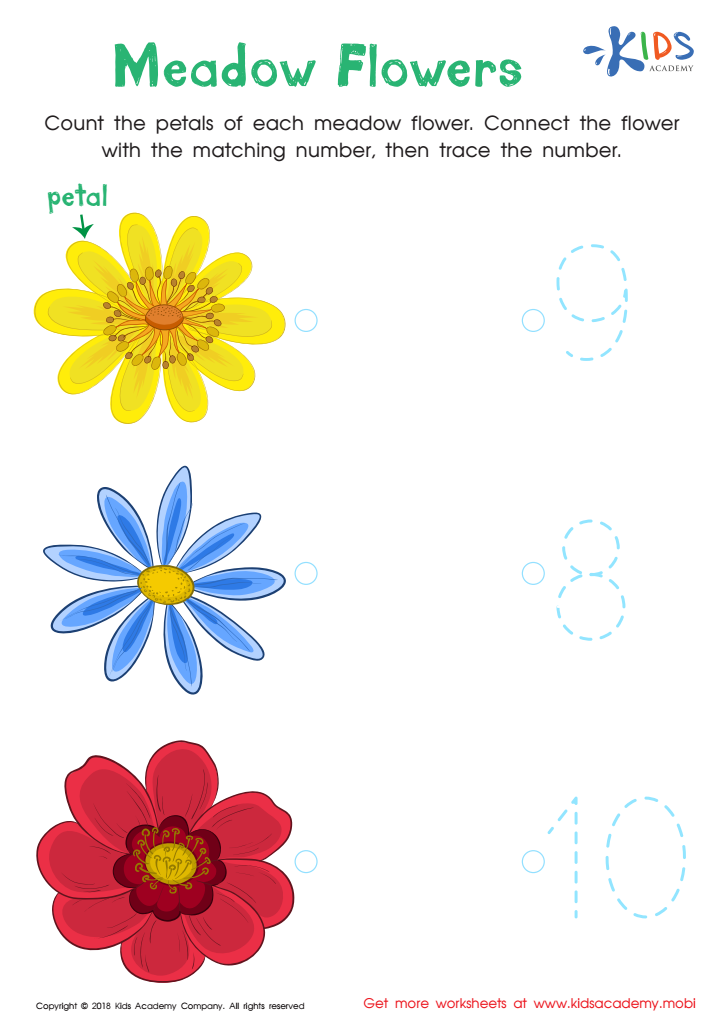
Kindergarten Number Tracing: Medow Flowers Worksheet








Parents and teachers should prioritize number sequencing for children aged 6-9 because it serves as a foundational skill for all future mathematics. Number sequencing helps children understand the order and relationship between numbers, which is crucial when they advance to more complex concepts like addition, subtraction, and even multiplication. Mastering sequencing nurtures logical thinking and promotes their cognitive development, allowing children to notice patterns and make predictions based on numerical understanding.
Additionally, being proficient in number sequencing can boost a child's confidence in their math abilities. As they successfully complete sequencing tasks, they are more inclined to tackle other mathematical concepts. Moreover, sequencing encourages skills like organization and critical thinking, which are essential not just in math, but in overall academic performance and everyday problem-solving.
Furthermore, spiraling math curricula in schools place heavier emphasis on foundational skills, making early proficiency in number sequencing crucial for long-term success. Engaging in number sequencing activities can also create fun and collaborative learning experiences between parents and children, fostering strong home-school connections. In a world increasingly driven by data, these skills are vital for children’s academic prosperity and everyday life skills.








