Problem-solving abilities Normal Math Worksheets for Ages 6-9
12 filtered results
-
From - To
Our Problem-Solving Abilities Normal Math Worksheets for ages 6-9 focus on enhancing children’s critical thinking and analytical skills in a fun and engaging way. Designed by educators, these worksheets cover a variety of math concepts including addition, subtraction, multiplication, and division. Through real-world scenarios and interactive problems, kids practice logical reasoning and improve their ability to approach and solve different types of math challenges. Perfect for classroom use or home learning, these resources help build a solid mathematical foundation. Inspire confidence in your child and make math enjoyable with our extensive collection of problem-solving worksheets.
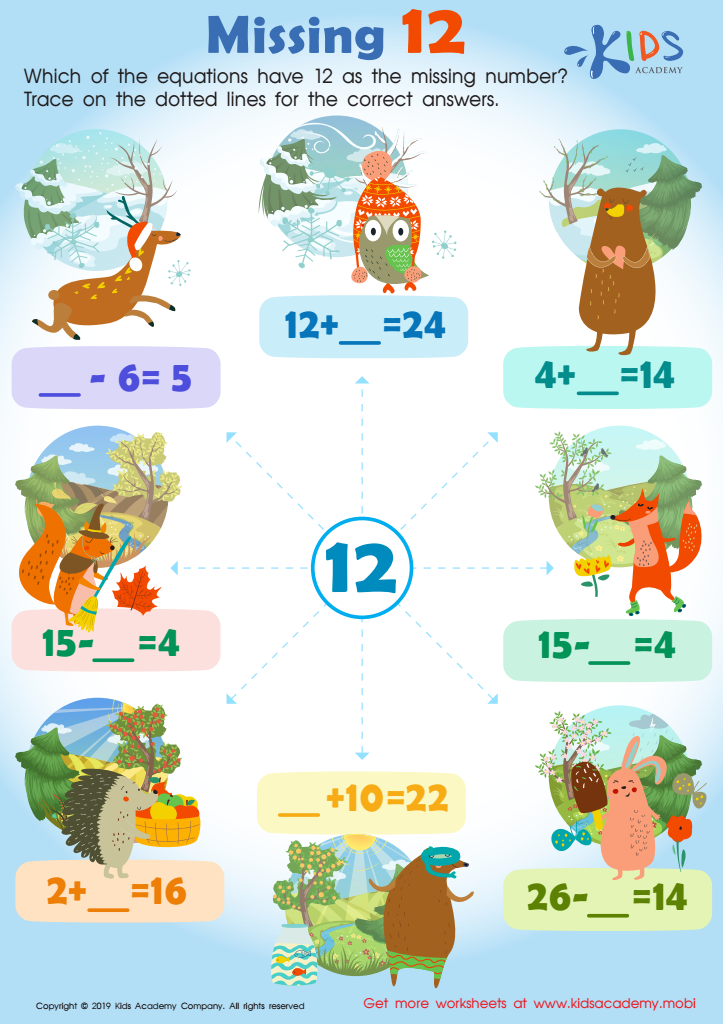
Missing 12 Worksheet
 Assign to My Students
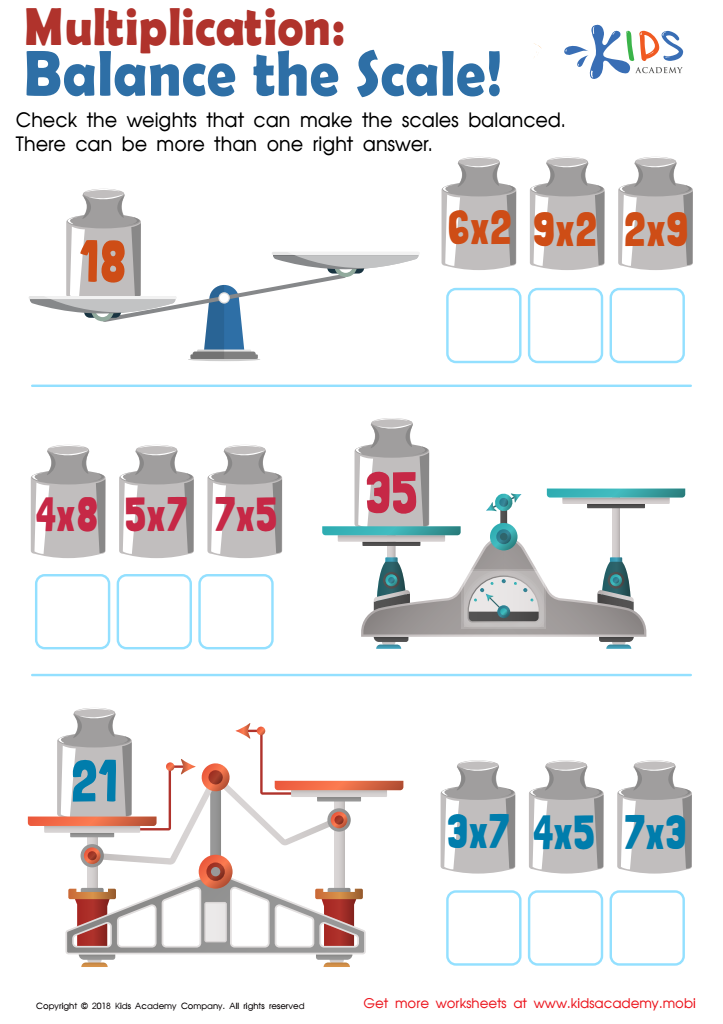
Balance the Scales Multiplication Worksheet
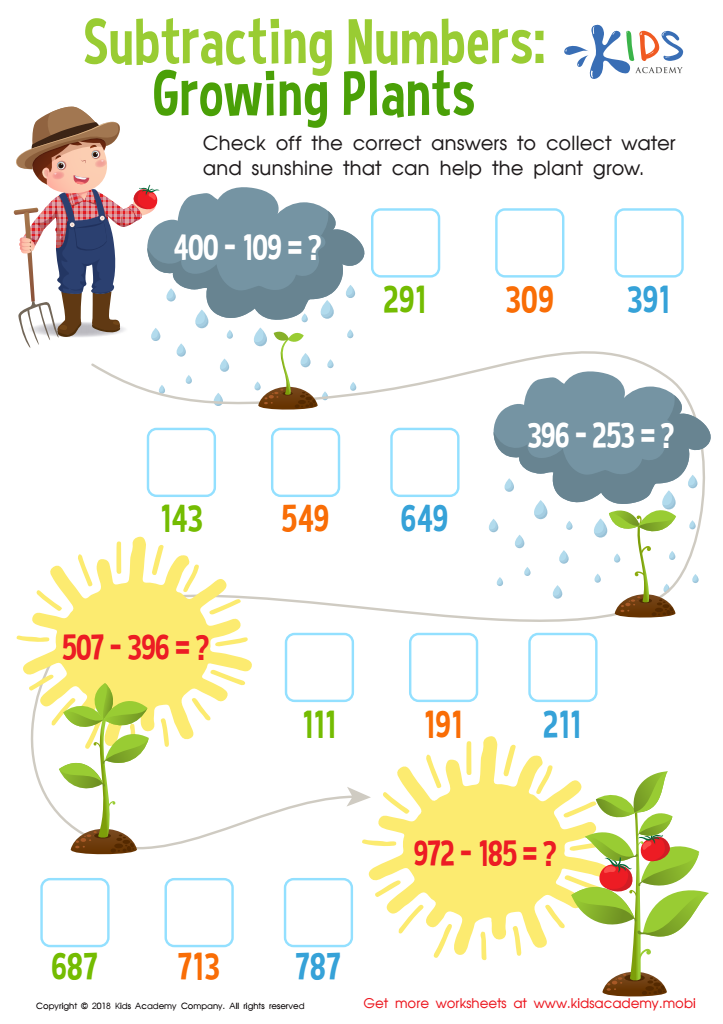
Subtracting Numbers: Growing Plants Worksheet
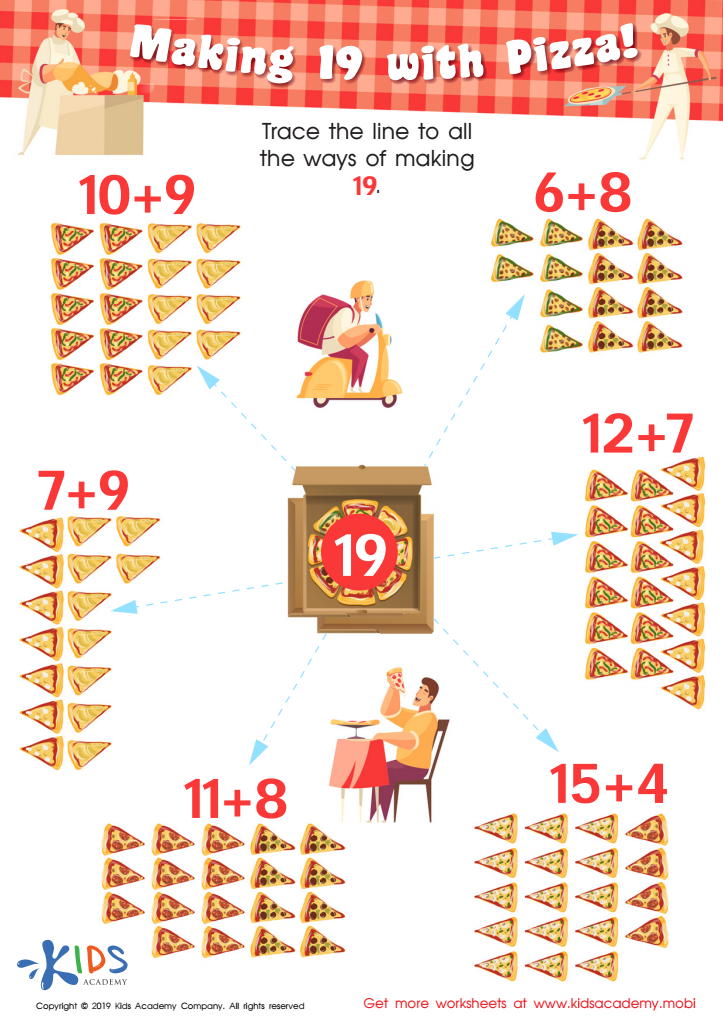
Making 19 with Pizza! Worksheet
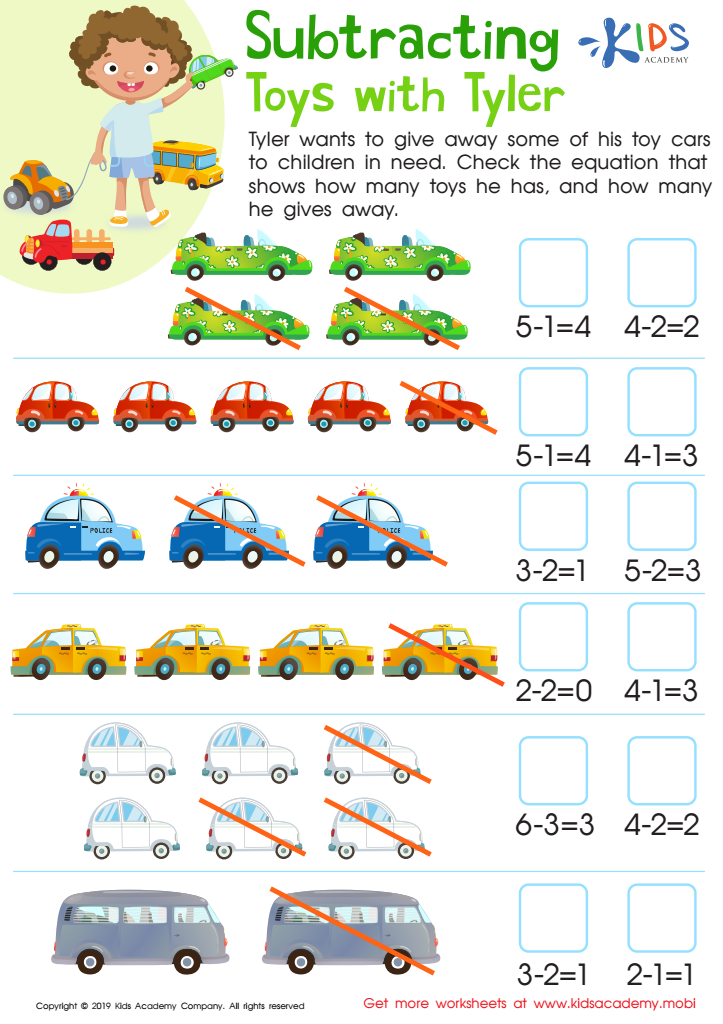
Subtracting Toys with Tyler Worksheet
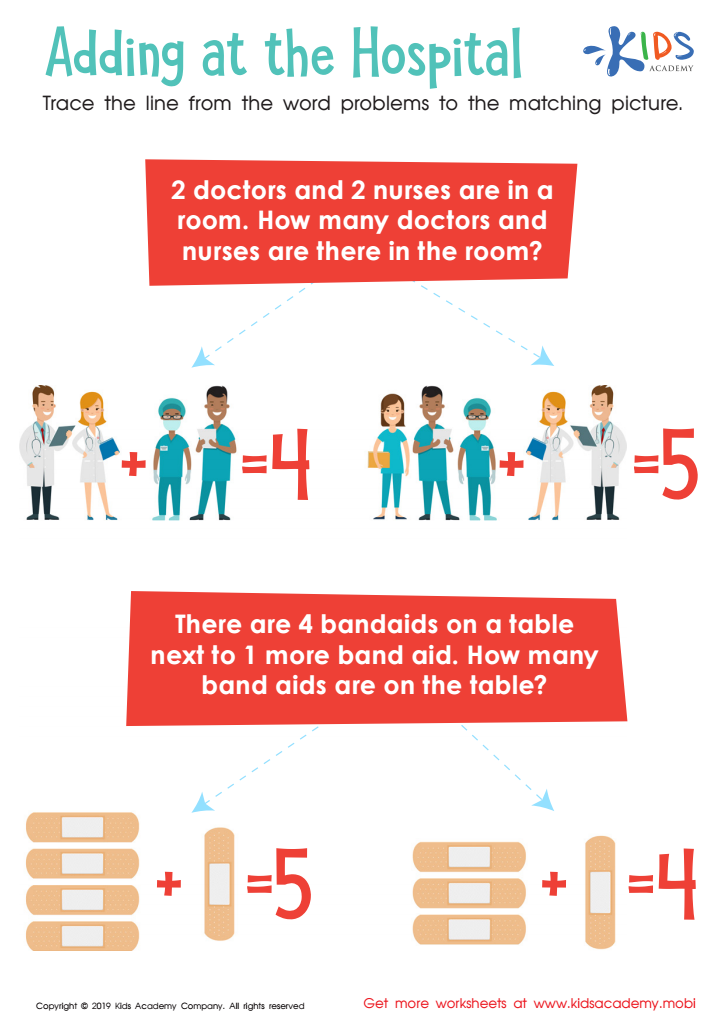
Adding at the Hospital Worksheet
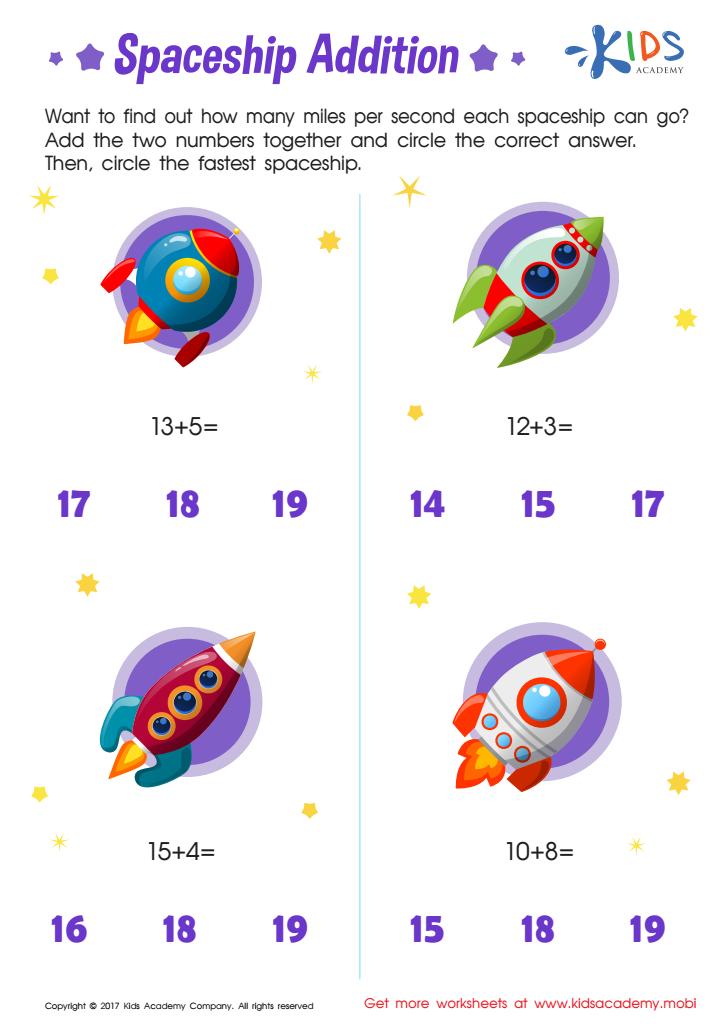
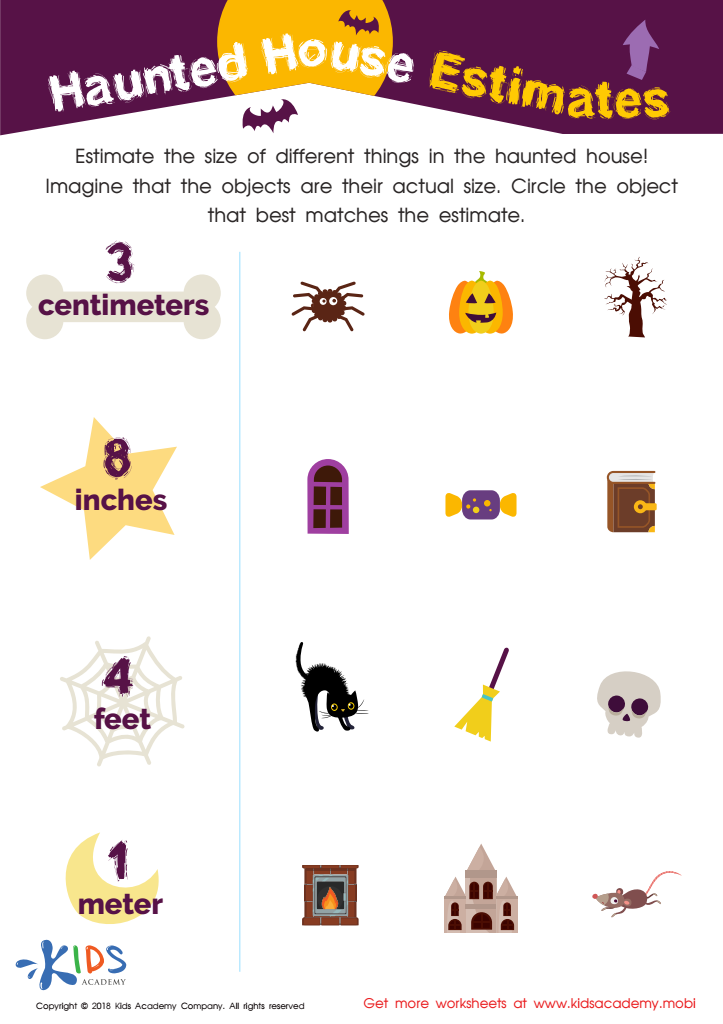
Haunted House Estimates Worksheet
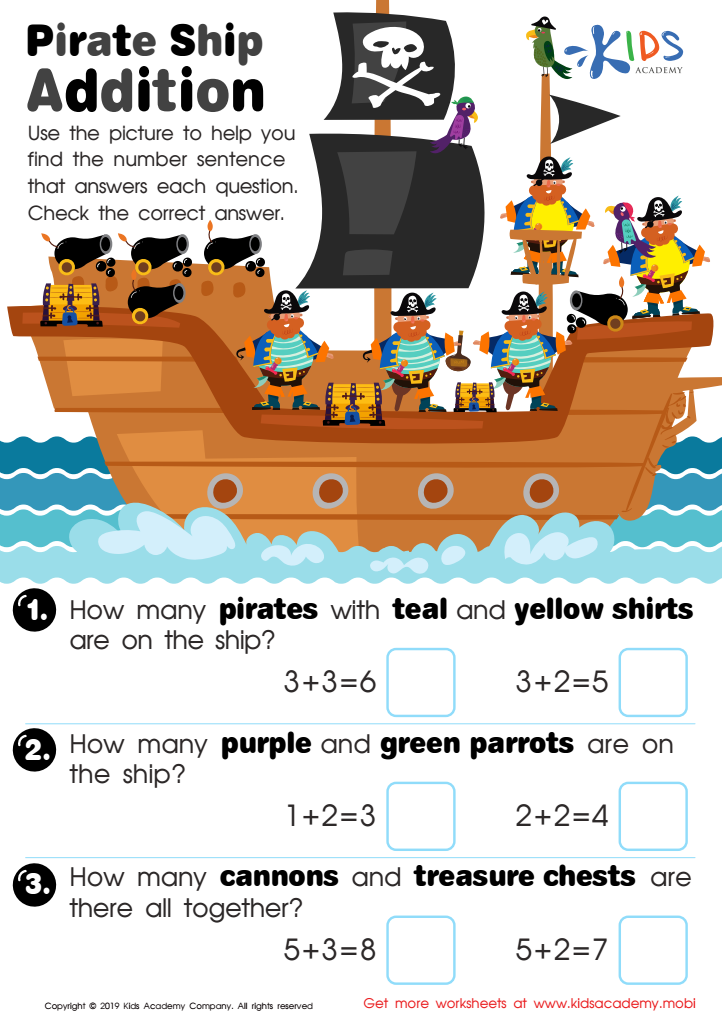
Pirate Ship Addition Worksheet
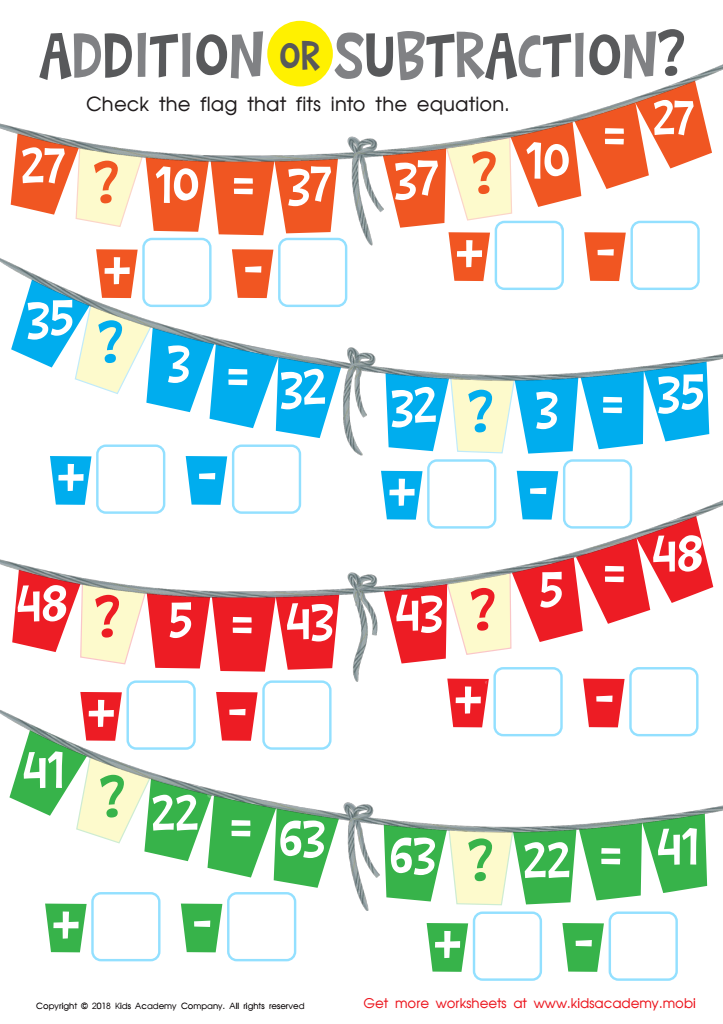
Addition or Subtraction? Worksheet
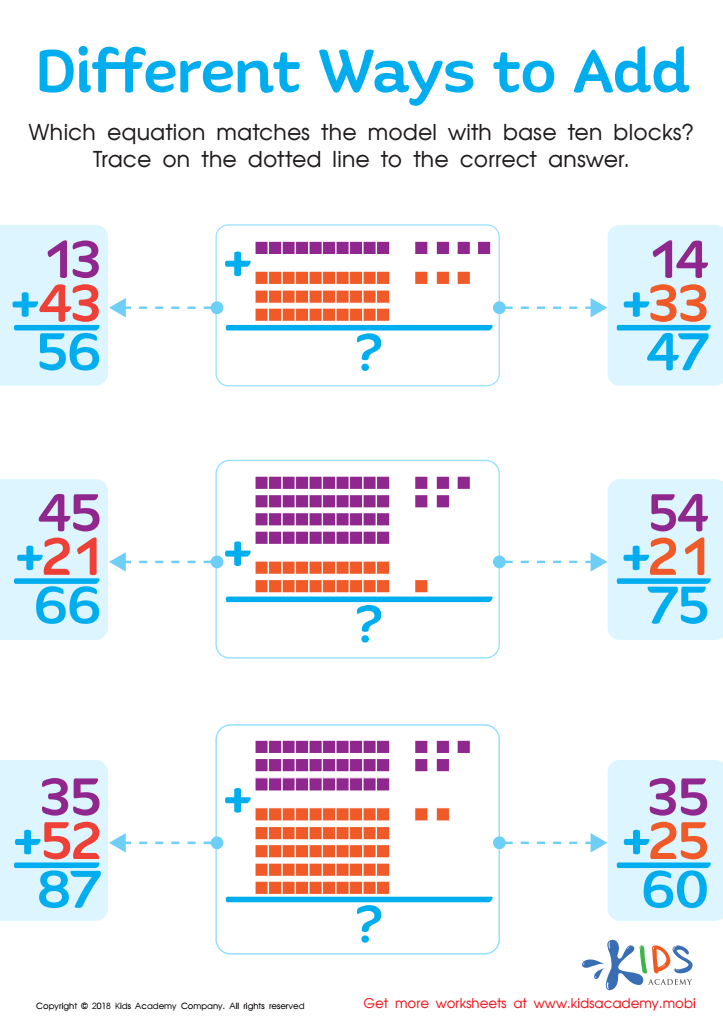
Different Ways to Add Worksheet
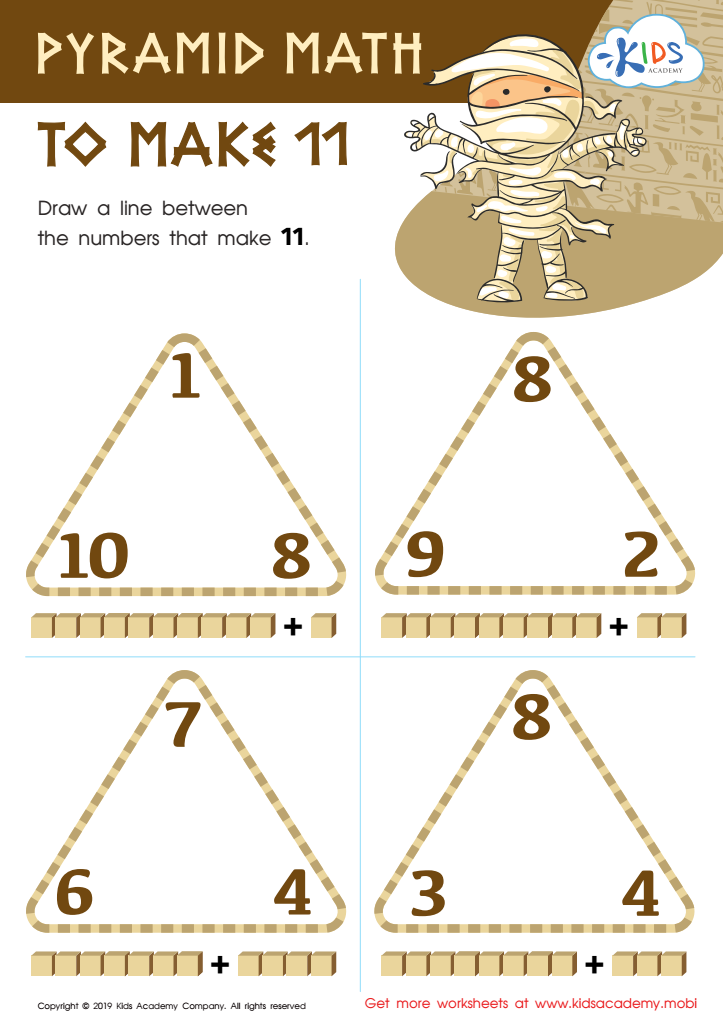
Pyramid Math to Make 11 Worksheet






Developing problem-solving abilities in normal math for children ages 6-9 is essential for several key reasons. First, it lays the foundation for critical thinking and analytical skills, which are crucial for academic success and everyday decision-making. At this formative stage, children are not just learning to add or subtract but are also beginning to understand and apply logical reasoning to diverse situations.
Second, engaging in problem-solving exercises can significantly enhance a child's confidence and independence in learning. When children figure out problems on their own, they feel a sense of achievement, which encourages a positive attitude towards challenges. This resilience is not only important in math but across all areas of life.
Additionally, early problem-solving skills are linked to better cognitive development. Skills such as pattern recognition, sequencing, and spatial awareness are honed through systematic math problem exercises. These capabilities contribute to more general intellectual growth and the development of higher-order thinking skills.
Lastly, involving young minds in math problem-solving encourages a stronger grasp of numbers and mathematical concepts early on. This foundation is critical as they progress through their education, enabling smoother transitions into more complex mathematical subjects in later grades. Therefore, parents and teachers should prioritize nurturing problem-solving abilities to give children the best start in their educational journey.








