Subtraction practice Normal Subtraction Worksheets for Ages 6-9
6 filtered results
-
From - To
Enhance your child's math skills with our Subtraction Practice Normal Worksheets designed specifically for ages 6-9. These engaging printables offer a fun and effective way for young learners to master subtraction concepts and improve their problem-solving abilities. With clear instructions and a variety of exercises, children can practice basic subtraction facts and word problems, ensuring a solid understanding of the subject. Our worksheets are tailored to meet educational standards and provide instant feedback, making learning both enjoyable and rewarding. Perfect for home learning or classroom use, these resources help build confidence and foster a love for math in early learners. Download now!
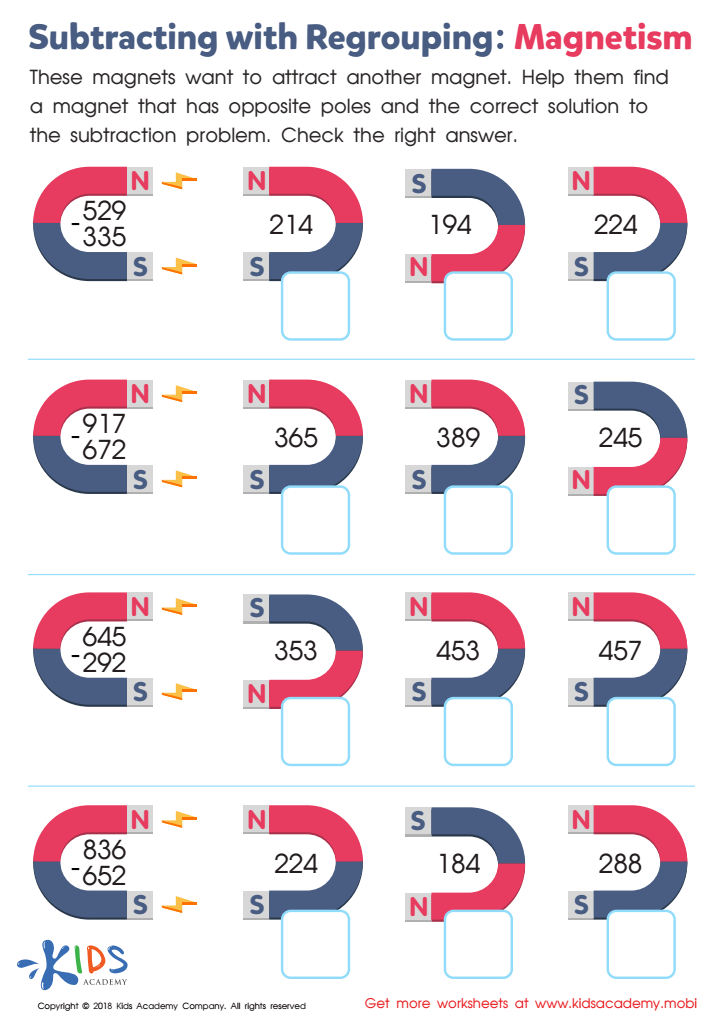
Subtracting with Regrouping: Magnetism Worksheet
 Assign to My Students
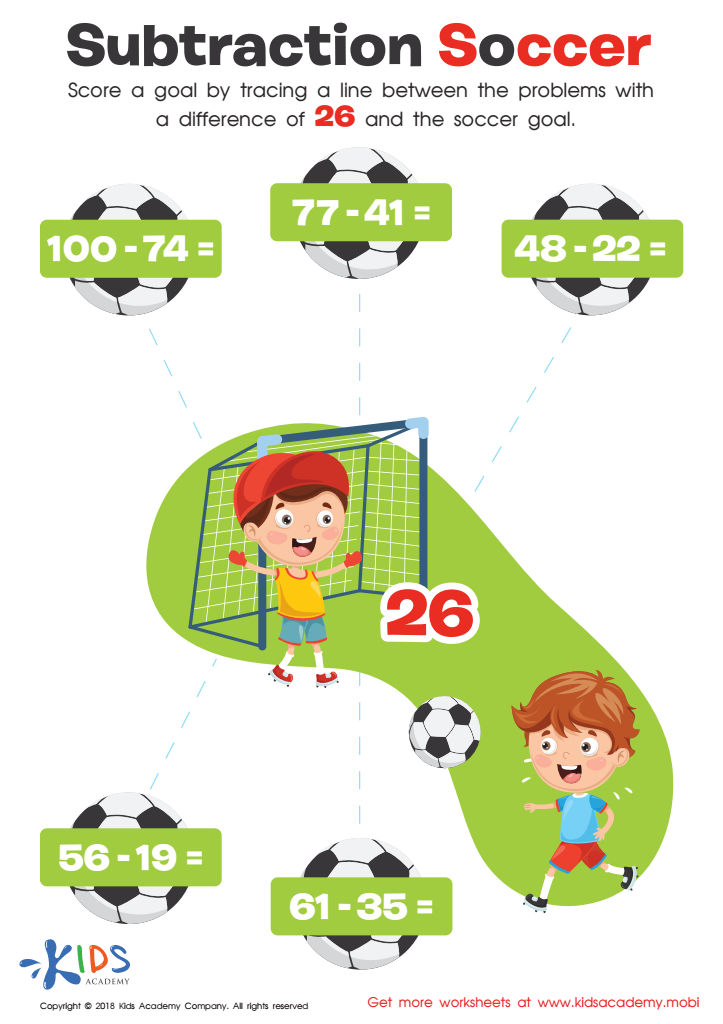
Subtraction Soccer Worksheet
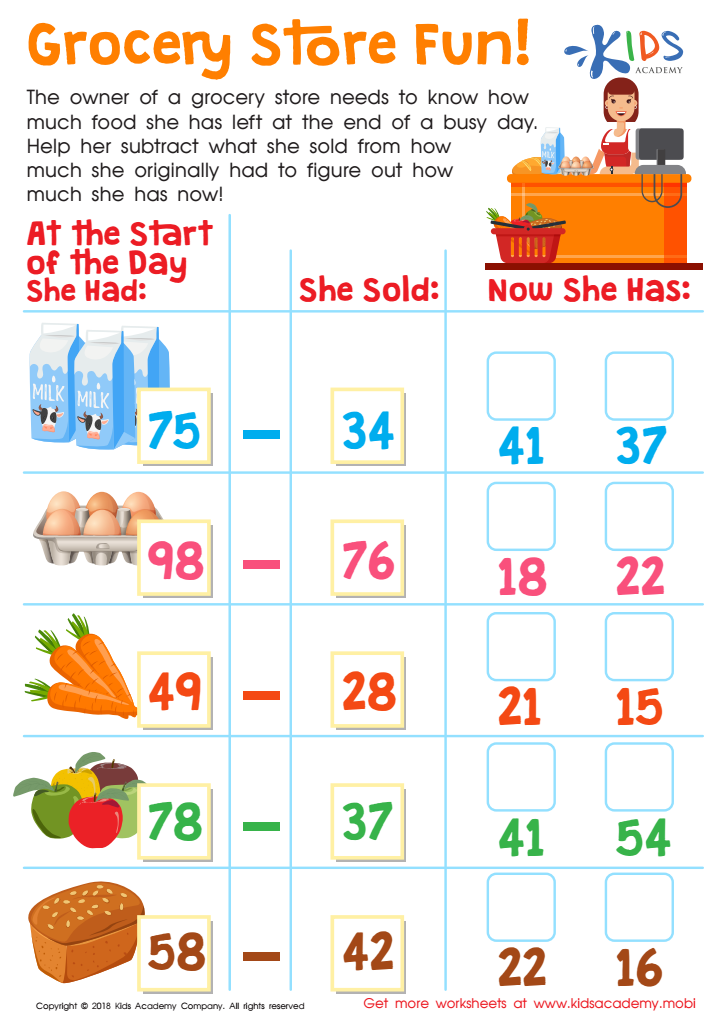
Grocery Store Fun! Worksheet
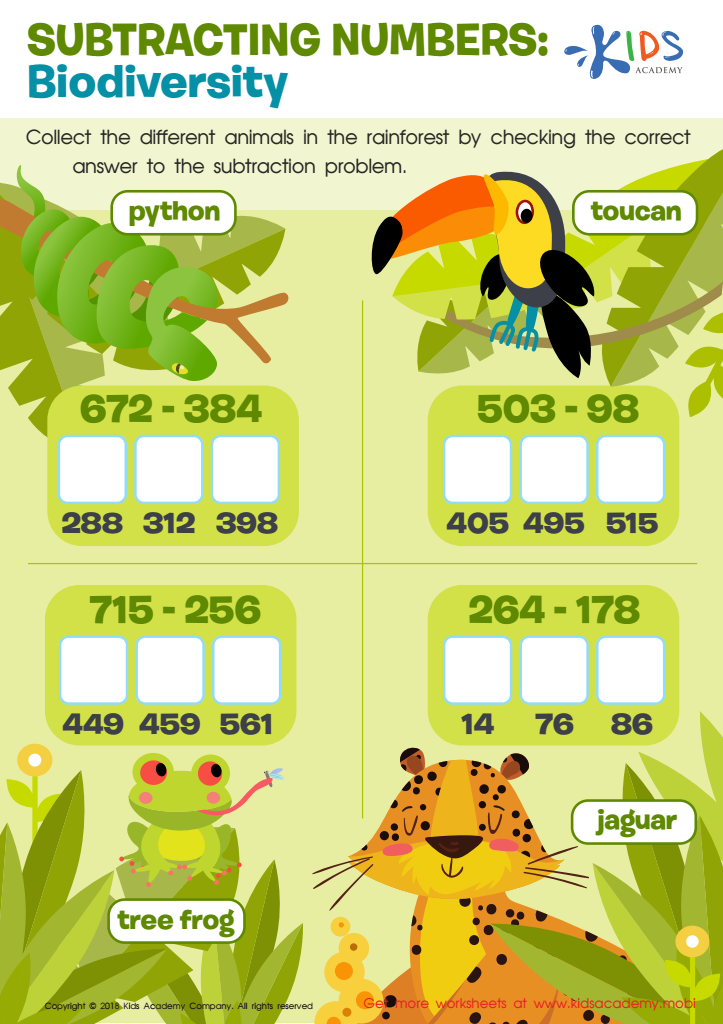
Subtracting Numbers: Biodiversity Worksheet
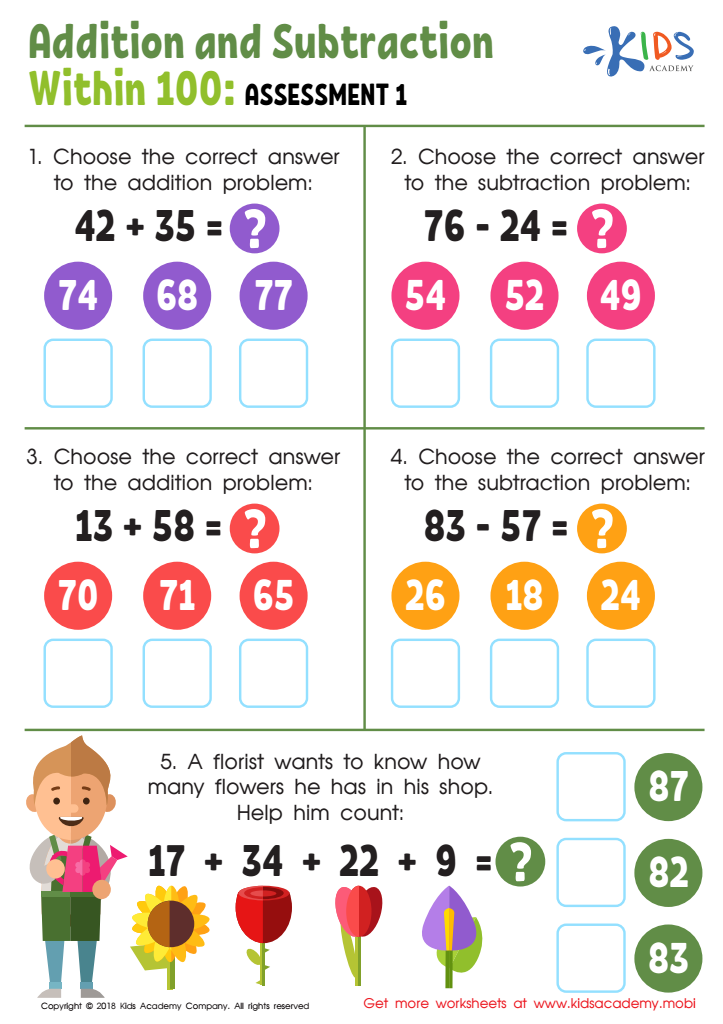
Addition and Subtraction Within 100 Worksheet
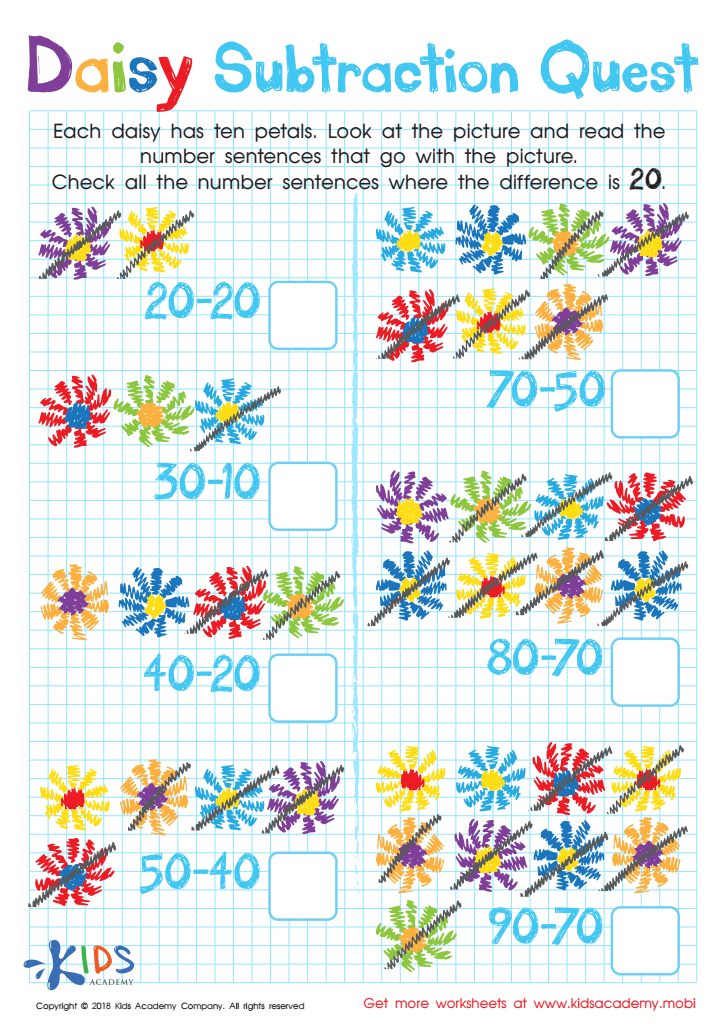
Daisy Subtraction Quest Worksheet








Subtraction practice for children aged 6-9 is essential for several reasons. First, this foundational arithmetic skill is critical as it forms the basis for more complex mathematics that students will encounter later on. Mastery of subtraction not only aids in the understanding of addition but also promotes essential problem-solving and analytical skills necessary for academic success.
Engaging in regular subtraction practice helps children develop a strong numerical sense, enhancing their ability to work with numbers fluidly. It builds confidence, allowing students to tackle various math challenges without fear. Furthermore, the cognitive skills acquired through subtraction exercises, such as logic and reasoning, extend beyond mathematics and are applicable across various subjects and real-life scenarios.
Moreover, effective subtraction practice fosters cooperation and communication skills when conducted in group settings or through games. Involving parents in this practice enables them to track their child’s progress, thus reinforcing learning at home.
Finally, as mastery of subtraction can often lead to a positive attitude towards math, consistent practice helps dispel math anxiety, leading to a healthier relationship with the subject in the long run. Thus, both parents and teachers play an essential role in ensuring that children develop these crucial skills.