Normal Building Vocabulary Worksheets for Ages 6-9 - Page 7
157 filtered results
-
From - To
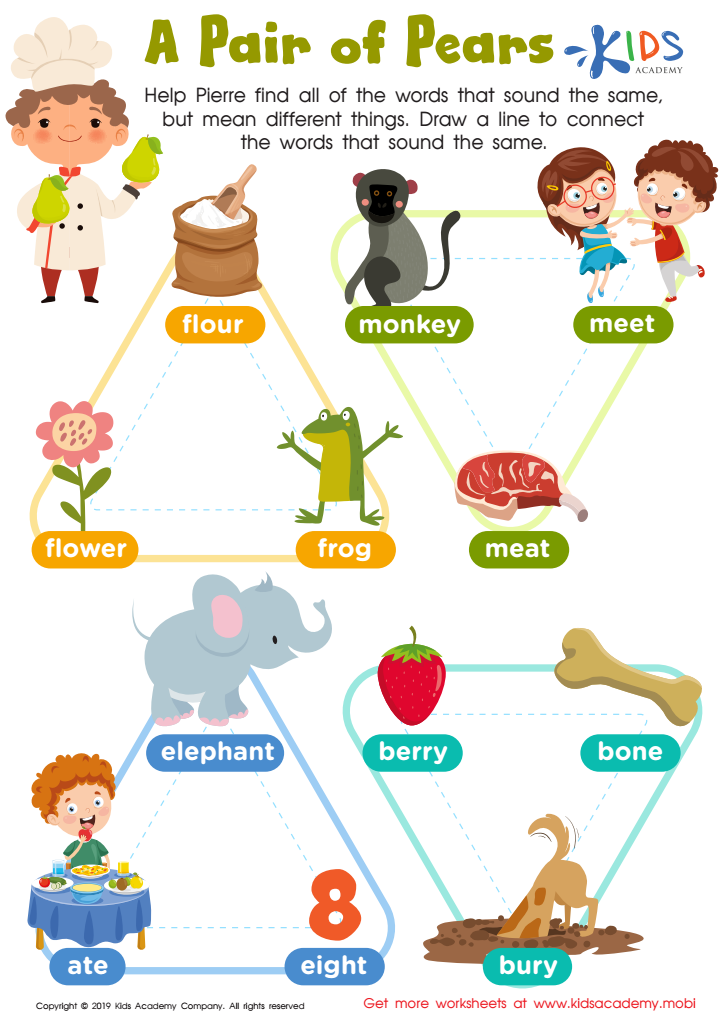
Pair Pears Worksheet
 Assign to My Students











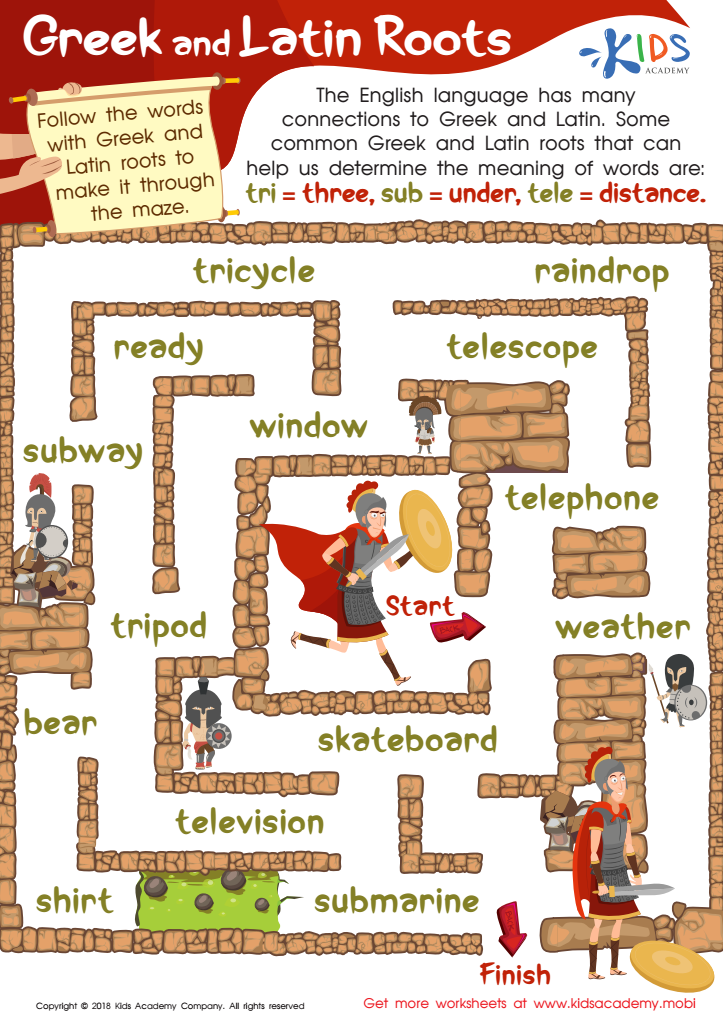
Greek and Latin Roots Worksheet
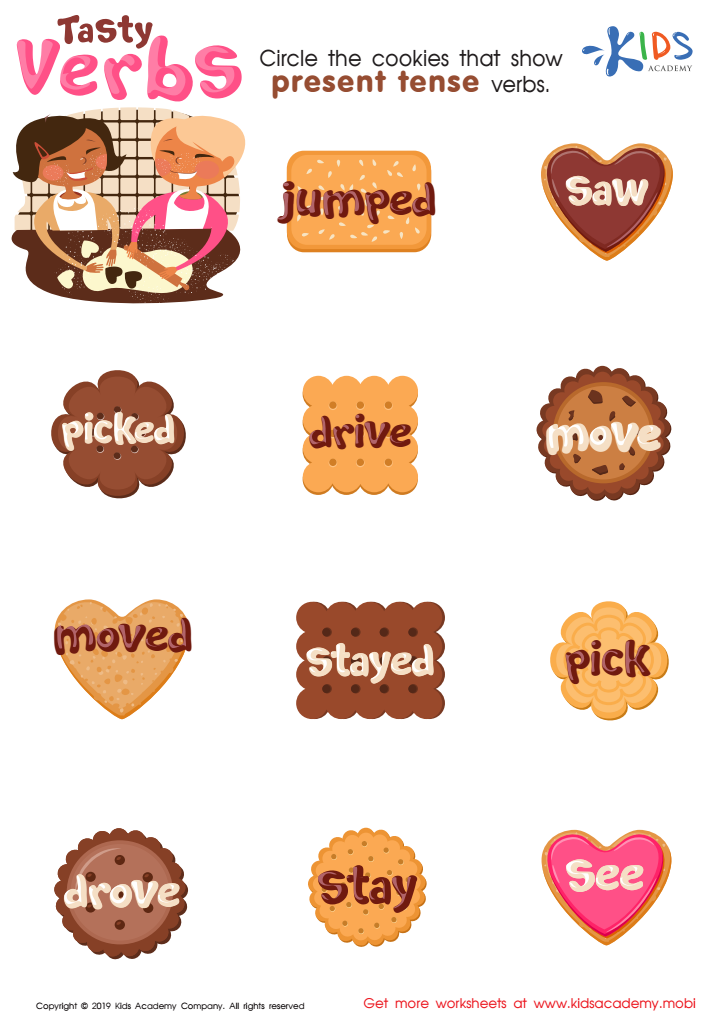
Tasty Verbs Worksheet
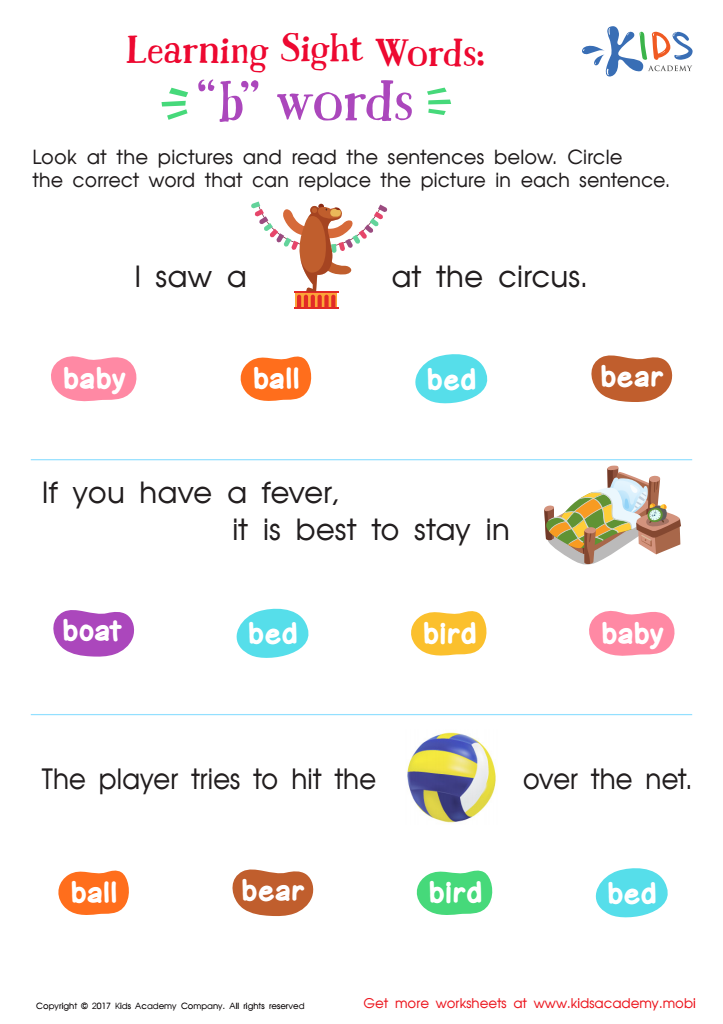
"B" Words Printable Sight Words Worksheet
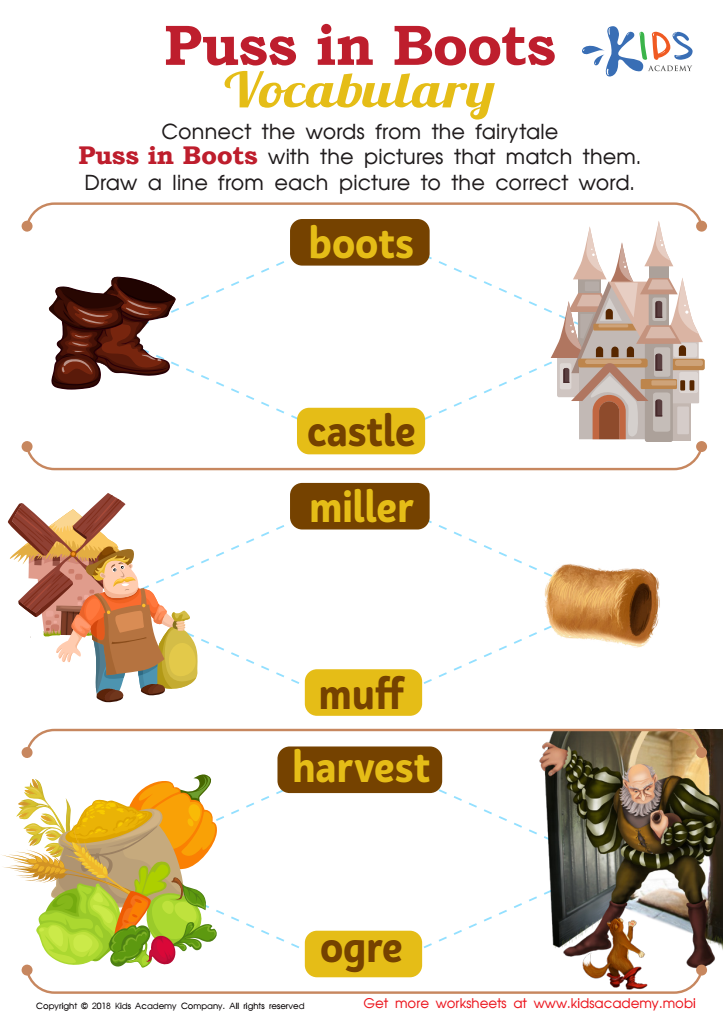
Puss in Boots Vocabulary Worksheet
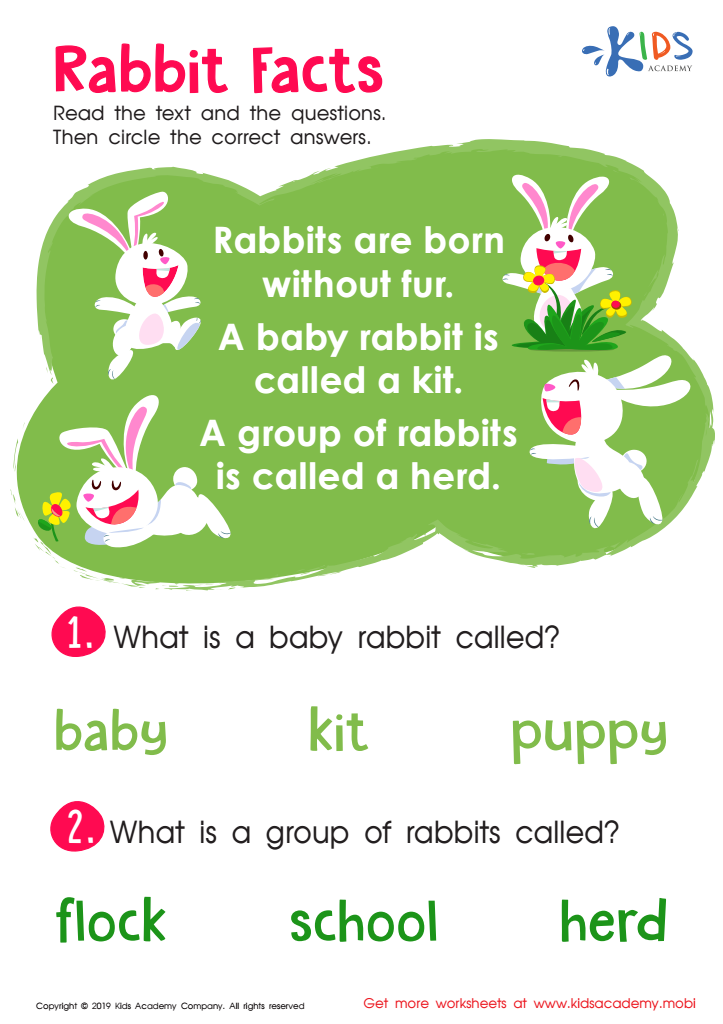
Rabbit Facts Worksheet
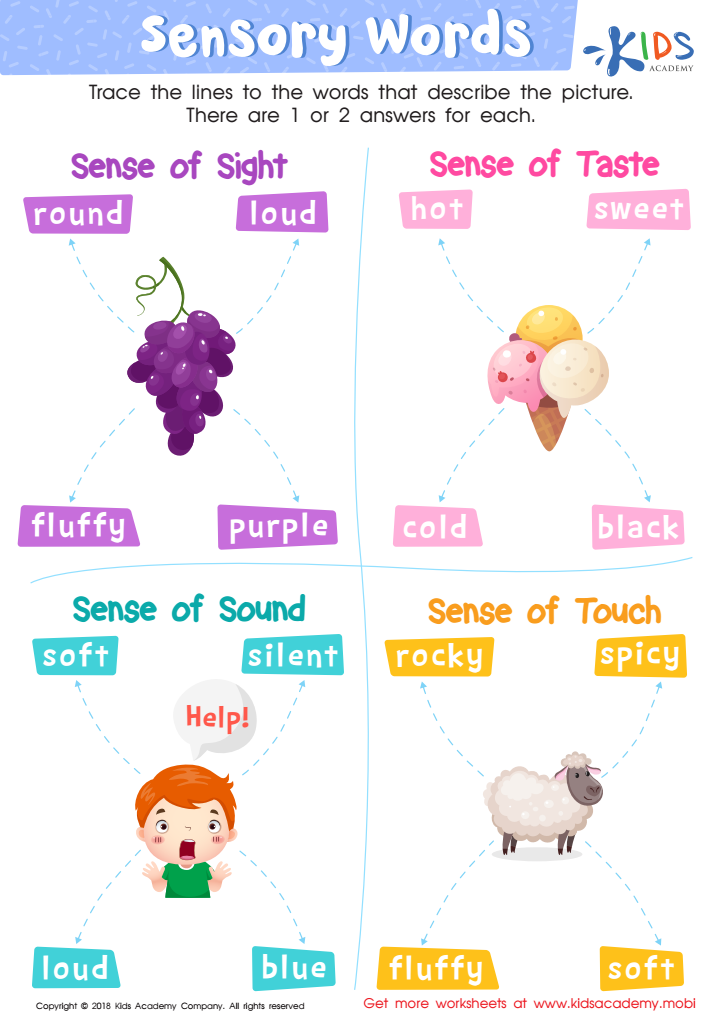
Sensory Words Worksheet
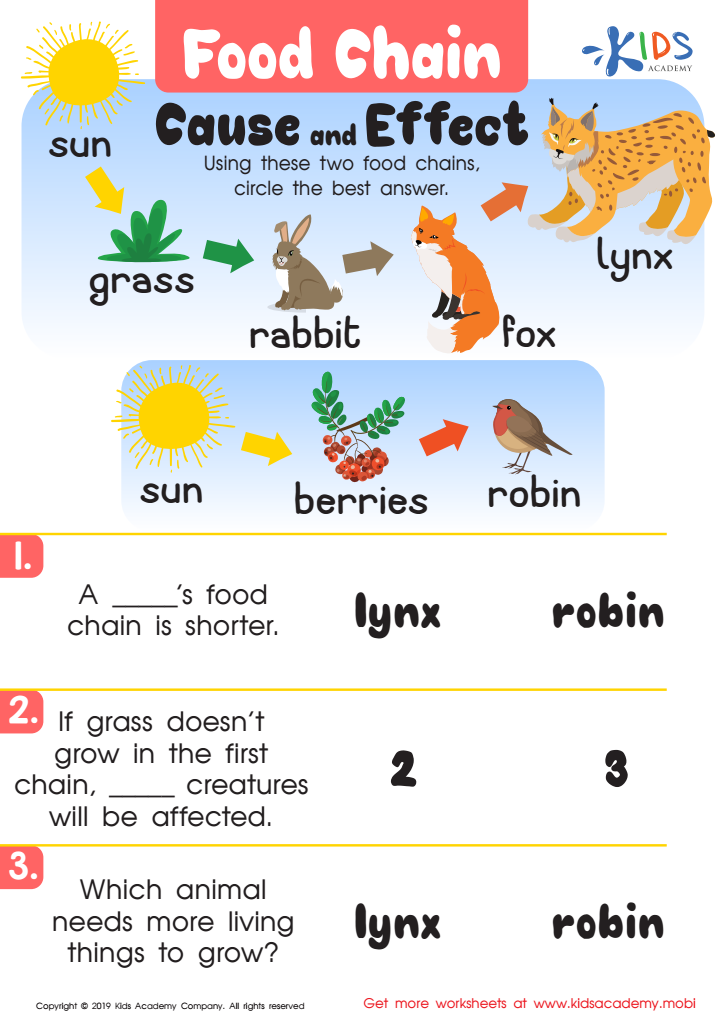
Food Chain Cause Worksheet
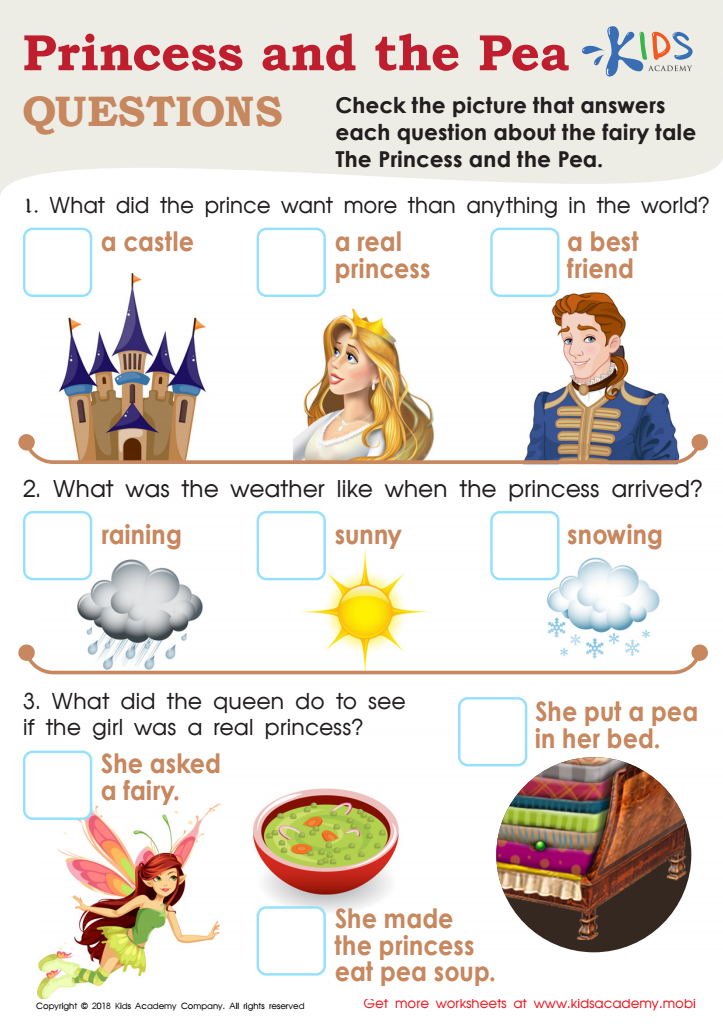
Princess and the Pea Questions Worksheet
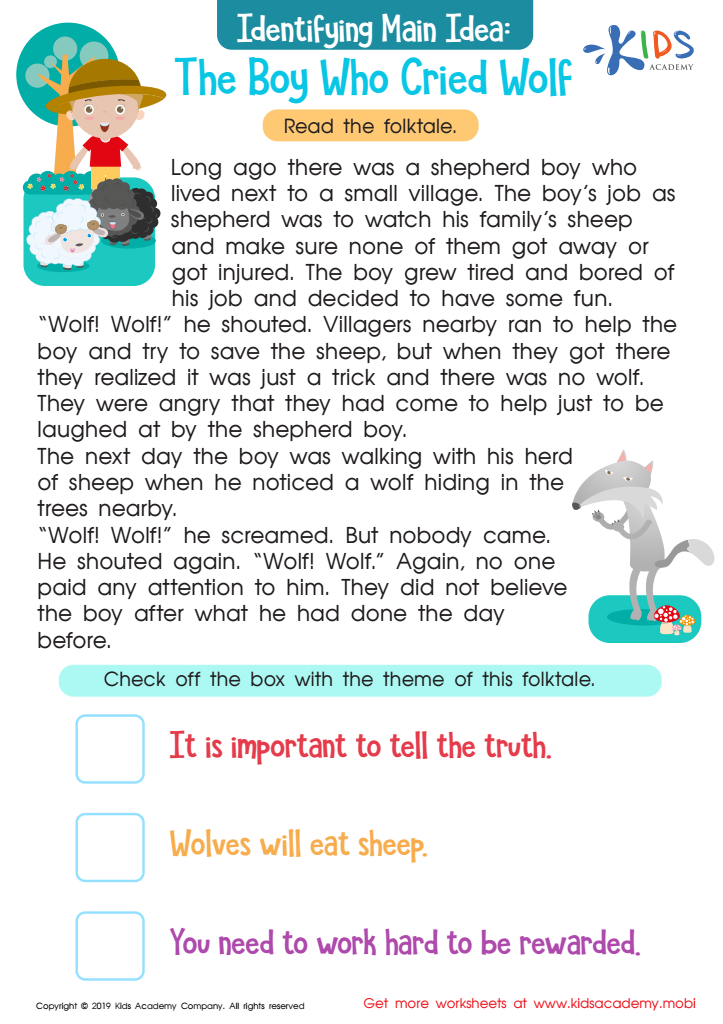
The Boy Who Cried Wolf Part 2 Worksheet
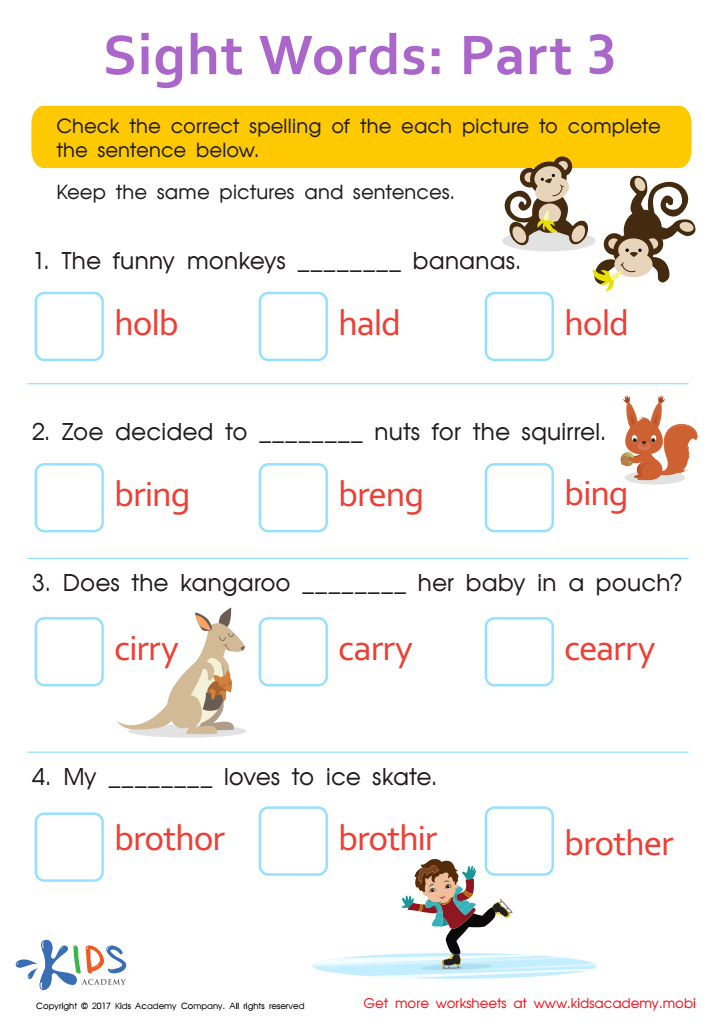
Hold, Bring, Carry, Brother Sight Words Worksheet
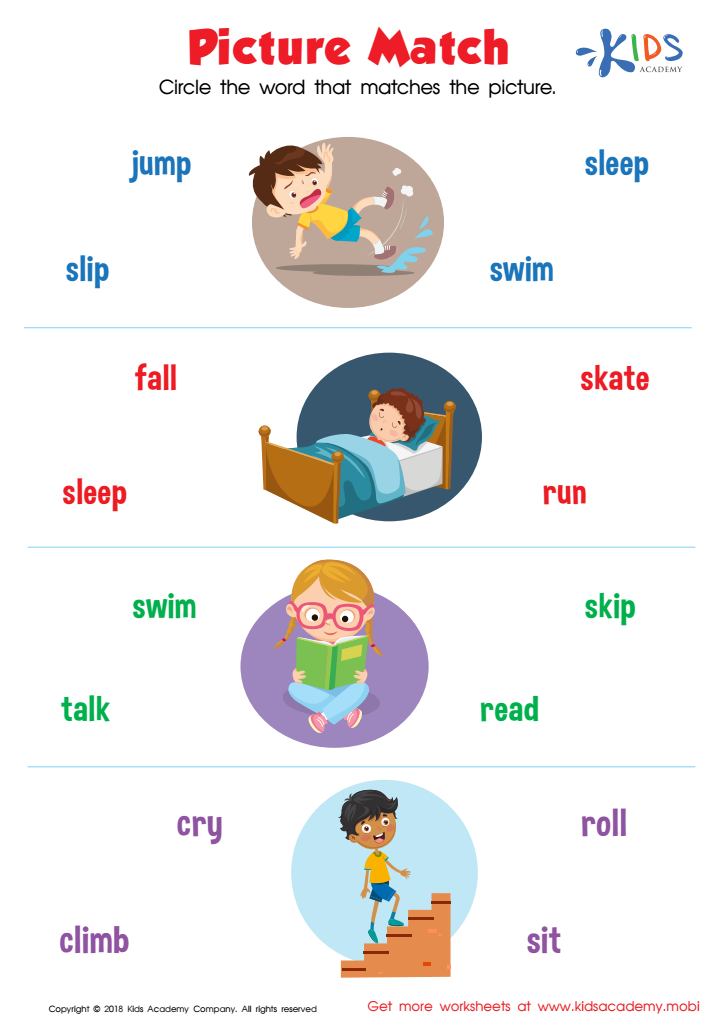
Picture Match Worksheet
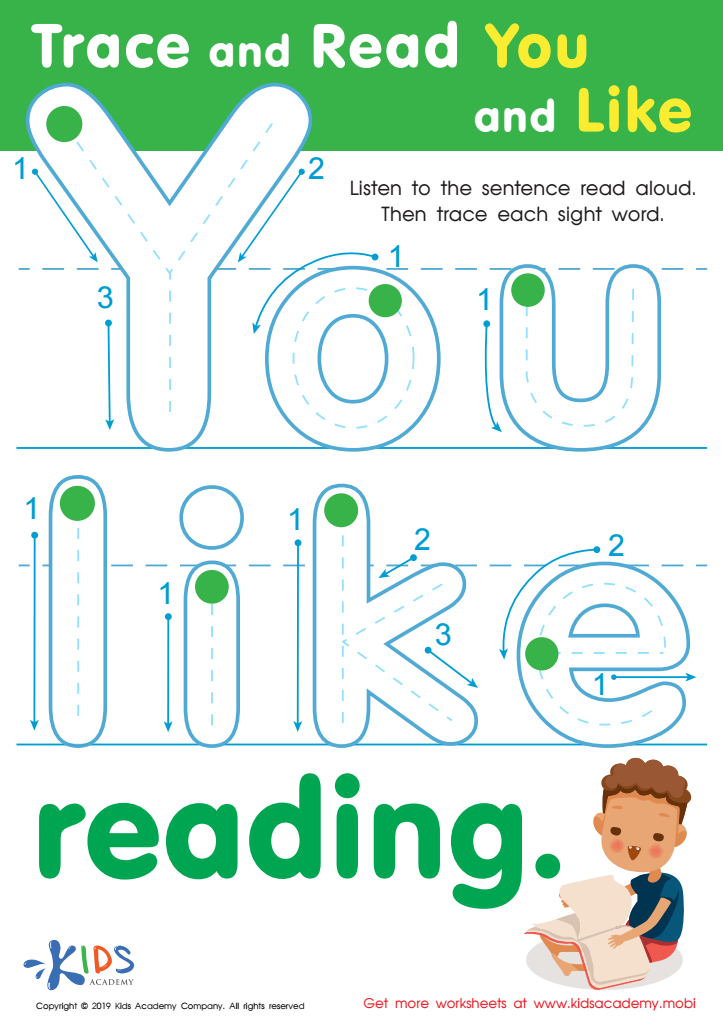
Trace Read You Like Worksheet








Building vocabulary during the ages of 6-9 is crucial for children's overall development and academic success. At this stage, children are not only learning to read but also reading to learn, making a robust vocabulary essential for literacy and comprehension. A rich vocabulary helps them understand texts more deeply, articulate their thoughts better, and express feelings effectively.
Furthermore, vocabulary development fosters critical thinking and cognitive skills as children encounter new words and concepts. It lays the foundation for complex language structures and enhances communication abilities, which are vital in social and academic interactions.
Teachers play a pivotal role in introducing diverse vocabulary through engaging activities, stories, and interactive lessons. Parents can reinforce this at home by encouraging reading, discussing new words, and incorporating vocabulary games into daily routines. This collaboration enhances the child's learning experience.
By prioritizing vocabulary development, teachers and parents empower children to become confident communicators and effective learners, preparing them for future academic challenges and lifelong success. Encouraging a love for language early in life not only benefits educational outcomes but also enriches personal growth and self-esteem.








