Text analysis Normal Reading Worksheets for Ages 6-9
3 filtered results
-
From - To
Welcome to our "Text Analysis Normal Reading Worksheets" designed specifically for children ages 6 to 9! These engaging worksheets help young readers develop critical analysis skills by encouraging them to examine key elements of texts. With a variety of activities focused on identifying main ideas, making inferences, and understanding context, students can practice their reading comprehension in a fun and interactive way. Our easy-to-follow worksheets are perfect for both classroom and at-home learning, making it simple for educators and parents to reinforce essential reading skills. Boost your child's confidence and comprehension with our thoughtful text analysis resources today!
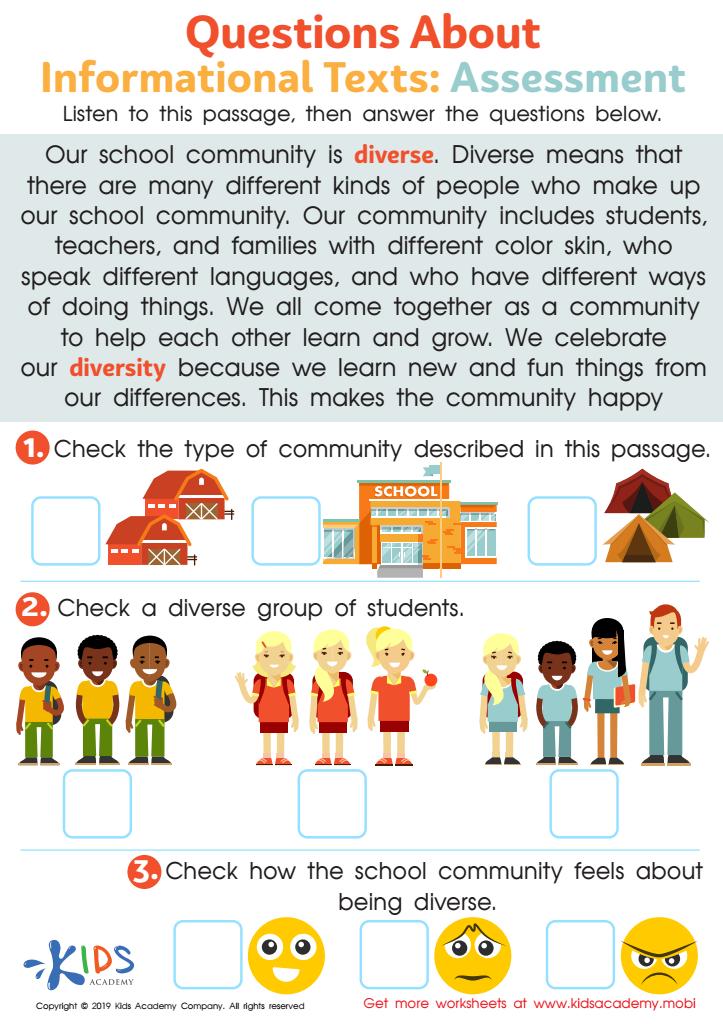
Questions About Informational Texts: Assessment 1 Worksheet
 Assign to My Students
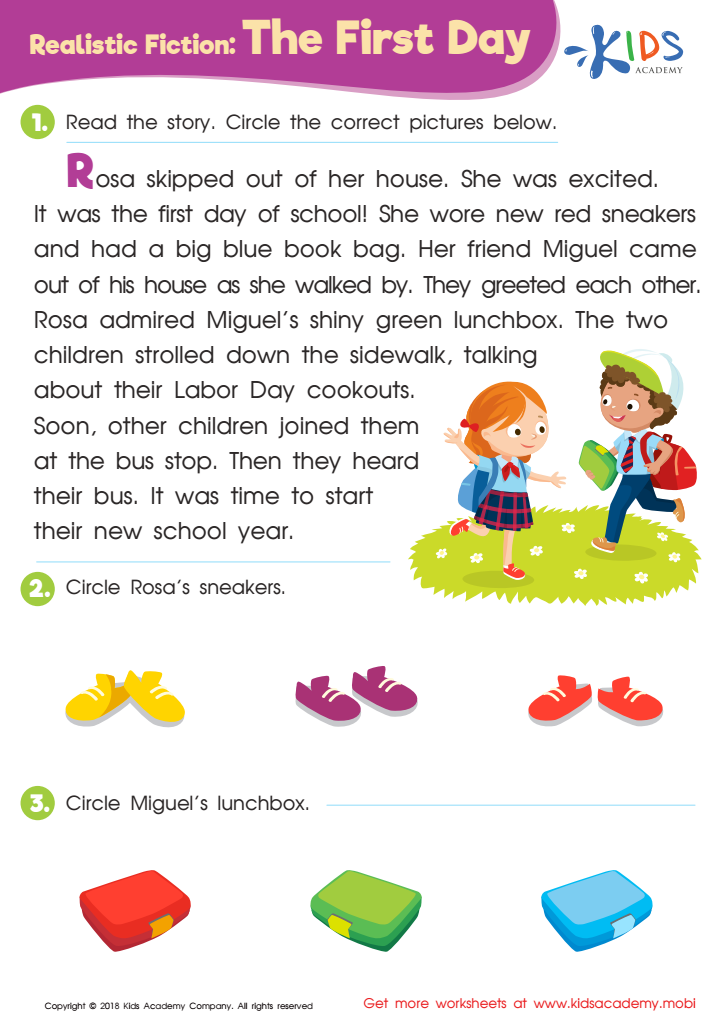
Realistic Fiction: The First Day Worksheet
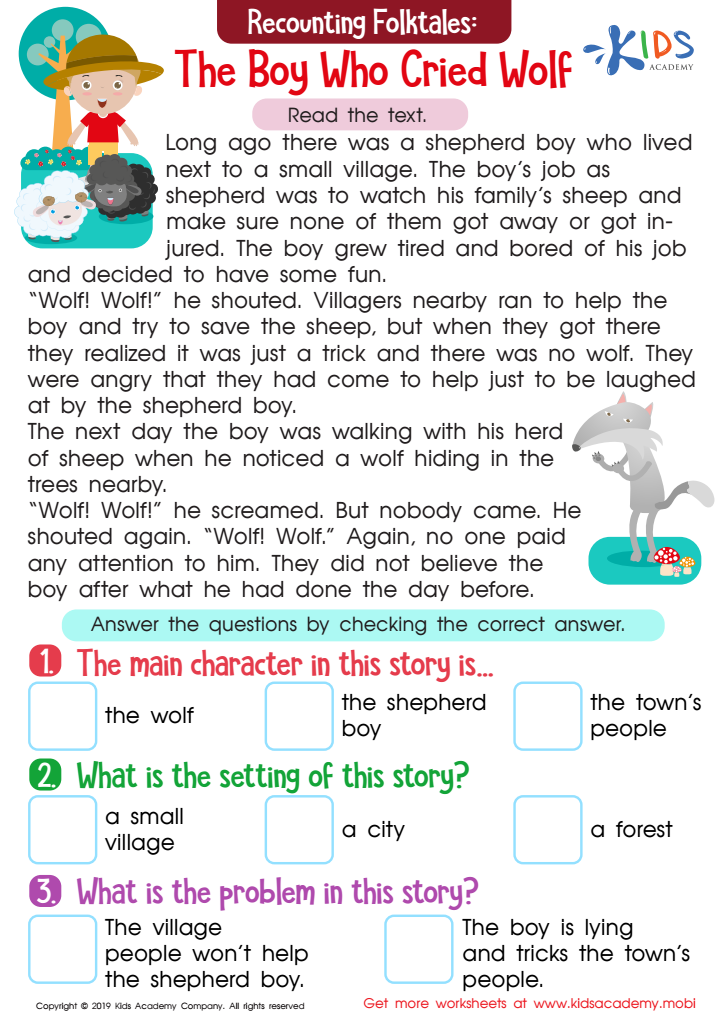
The Boy Who Cried Wolf Part 1 Worksheet








Parents and teachers should care about text analysis and normal reading development for children ages 6-9 because these foundational years are critical for literacy skills. During this formative stage, children begin to refine their reading abilities, moving from decoding words to comprehending and analyzing texts. Engaging in text analysis helps children enhance their understanding of themes, character motivations, and narratives, fostering critical thinking skills essential for academic success.
Furthermore, strong reading comprehension is linked to overall educational achievement. If educators recognize the normal reading stages and the appropriate text analysis strategies for this age group, they can tailor their instruction to meet students’ needs, ensuring that all children progress adequately. By promoting a love for reading through interesting and interactive texts, parents can cultivate a positive attitude towards literacy that lasts a lifetime.
Additionally, collaborative efforts from both parents and teachers in monitoring and supporting a child's reading journey can lead to better outcomes. They can create a nurturing environment at home and at school, emphasizing the importance of reading and comprehension skills. Ultimately, understanding and supporting text analysis in young readers lays the groundwork for lifelong learning and critical literacy skills that are vital in an increasingly complex world.








