Understanding ecosystems Normal Animals Worksheets for Ages 6-9
3 filtered results
-
From - To
Explore the fascinating world of ecosystems with our engaging "Understanding Ecosystems Normal Animals Worksheets" designed specifically for children ages 6-9. These worksheets introduce young learners to key concepts of ecosystems, habitats, and the interconnection between animals and their environment. Interactive activities encourage critical thinking, creativity, and a love for nature while supporting the development of essential science skills. Perfect for home or classroom use, our resources are easy to print and aligned with educational standards. Nurture curiosity and a sense of responsibility toward the environment in your young learners as they discover the vital role animals play within their ecosystems!
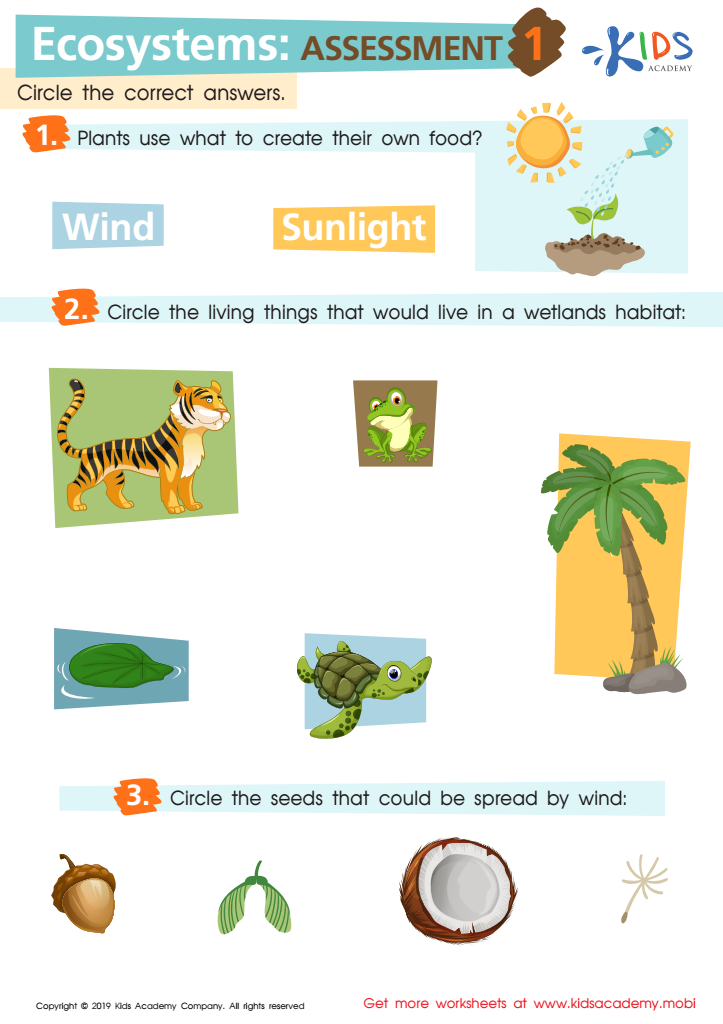
Ecosystems: Assessment 1 Worksheet
 Assign to My Students
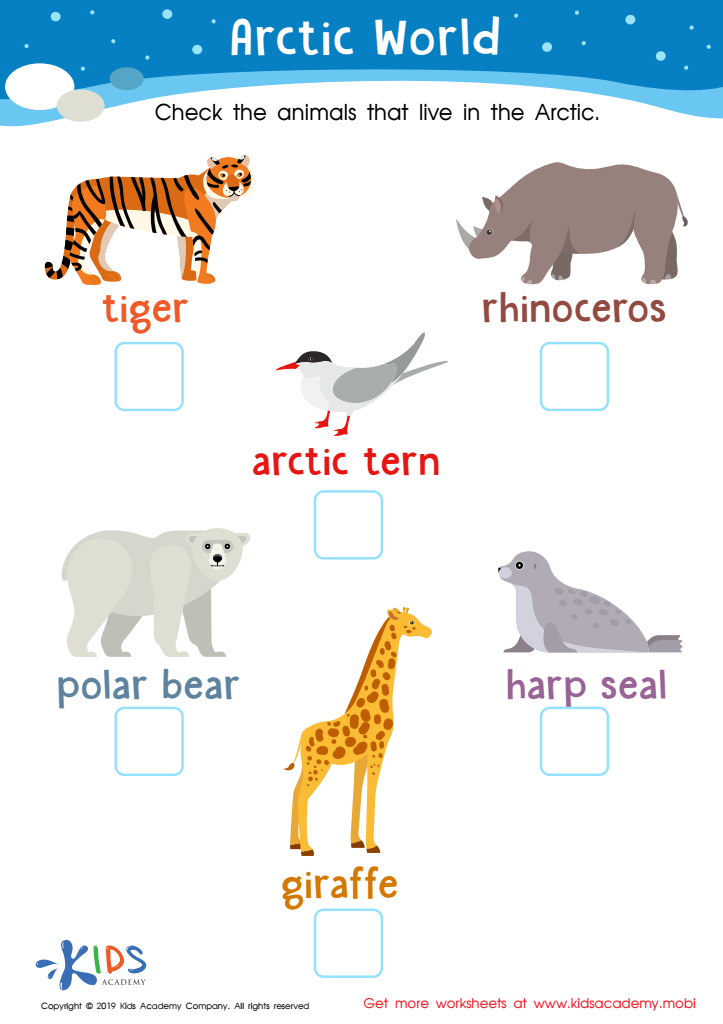
Arctic World Worksheet
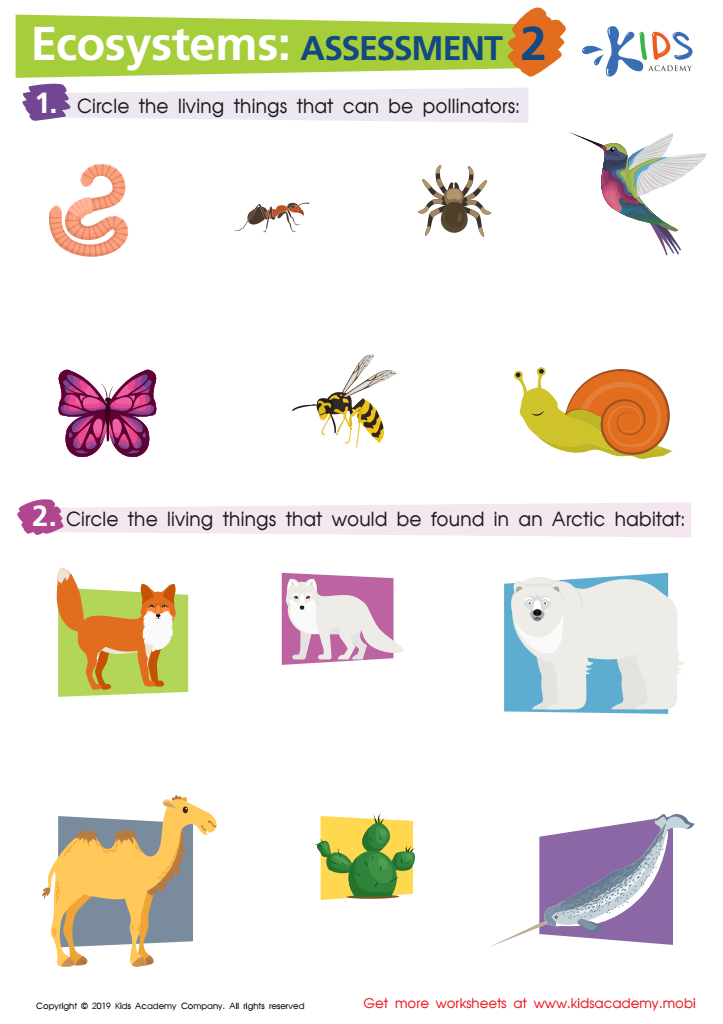
Ecosystems: Assessment 2 Worksheet





%20(1).jpg)

Understanding ecosystems and normal animals is crucial for parents and teachers who work with children aged 6-9. At this stage, children are naturally curious about the world around them, and fostering that curiosity can lead to a deeper appreciation for nature. Learning about ecosystems helps children grasp how living organisms interact with each other and their environments, emphasizing the interconnectedness of life.
By teaching children about animals and their habitats, educators cultivate empathy and respect for all living beings. This knowledge can lead to increased awareness of environmental issues, encouraging kids to become responsible stewards of the planet. For instance, learning about the roles different animals play in an ecosystem can spark discussions about biodiversity, food chains, and the importance of conservation.
Moreover, understanding normal animals helps dispel myths and fears associated with wildlife, promoting a sense of safety and fascination rather than misunderstanding. Engaging children through hands-on activities, field trips, and interactive discussions can reinforce their learning and keep them motivated.
Ultimately, understanding ecosystems and animals is not just about science; it's about nurturing informed, caring individuals who recognize their own role within the larger web of life, preparing future generations for responsible citizenship and environmental stewardship.








