Problem-Solving Skills Normal Community Worksheets for Ages 6-9
5 filtered results
-
From - To
Welcome to our "Problem-Solving Skills Normal Community Worksheets" for ages 6-9! These engaging and interactive worksheets are designed to help young learners develop critical thinking and problem-solving abilities in the context of their community. Each activity encourages children to analyze real-life situations, think creatively, and collaborate with others to find solutions. Perfect for classrooms or at home, our worksheets promote essential skills such as decision-making, teamwork, and empathy. By exploring community-related challenges, kids not only enhance their cognitive skills but also build a stronger connection to their surroundings. Start fostering your child's problem-solving skills today!
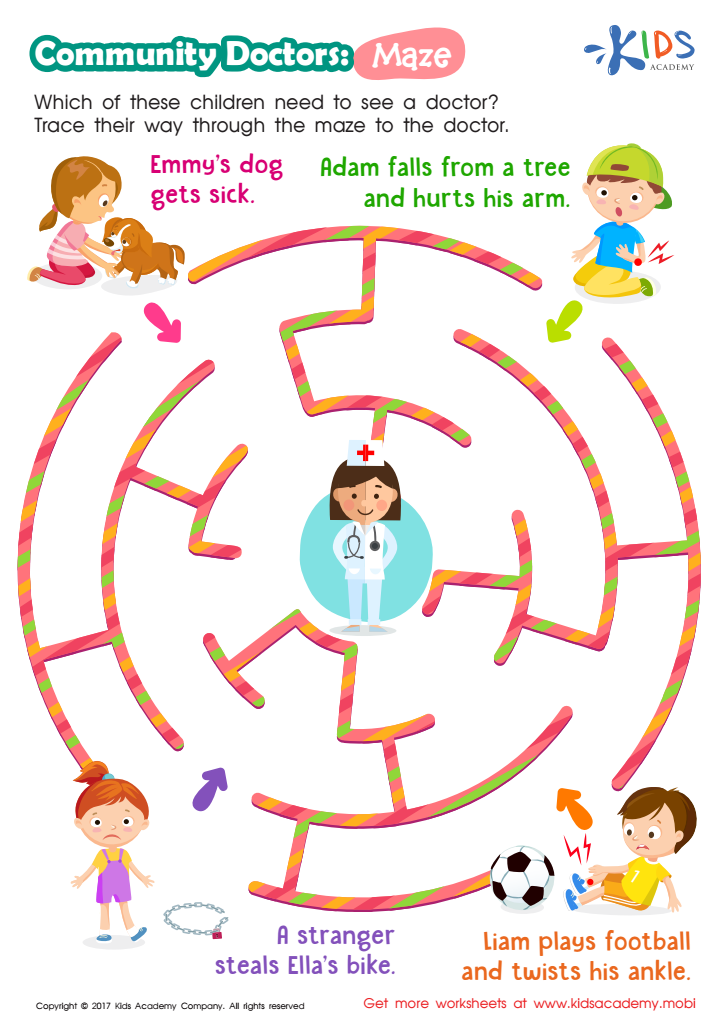
Community Doctors: Maze Printable
 Assign to My Students

At the Market Worksheet

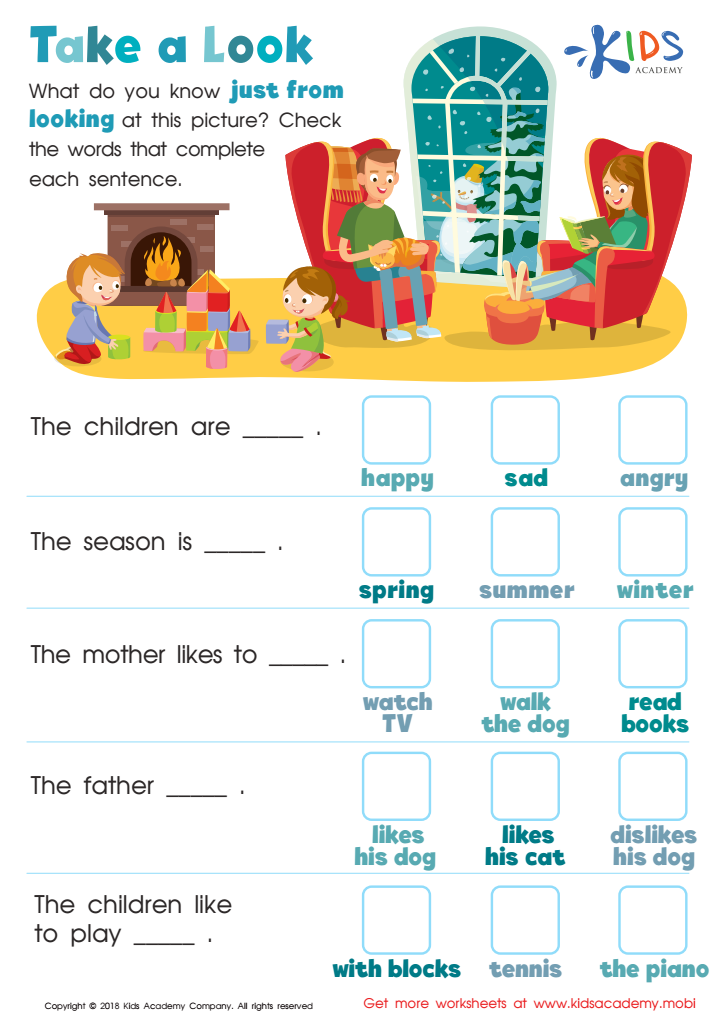
Take a Look - Part 1 Worksheet
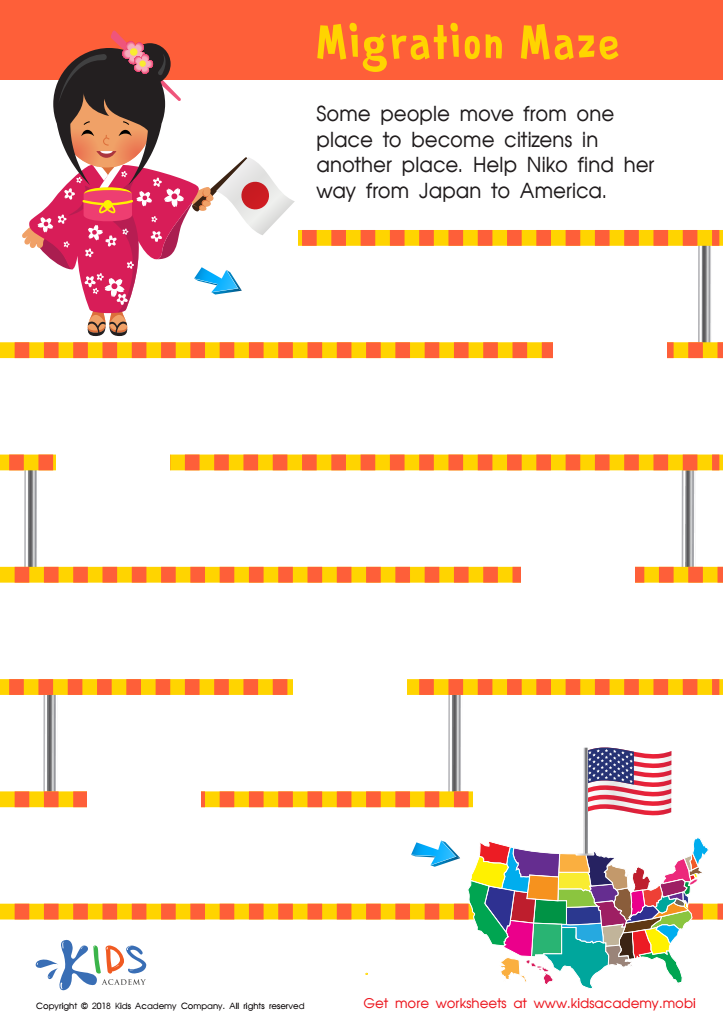
Migration Maze Worksheet








Problem-solving skills are crucial for children aged 6-9 as they form the foundation for lifelong learning and social interactions. During this developmental stage, children become increasingly aware of their surroundings and start to face real-life challenges. Teachers and parents should prioritize cultivating these skills as they empower kids to think critically and independently.
Engaging children in problem-solving activities fosters resilience, creativity, and collaboration, essential traits in a dynamic world. When children learn to articulate problems, brainstorm solutions, and evaluate outcomes, they develop a growth mindset that embraces challenges rather than shying away from them. This cognitive development enhances academic success, helping kids become better learners as they approach subjects like math and science with confidence.
Moreover, problem-solving extends beyond academics into social situations. Children learn vital communication and negotiation skills, enabling them to resolve conflicts and work as part of a team. This ability to navigate social interactions successfully builds their self-esteem and relationships with peers.
By actively encouraging problem-solving skills, parents and teachers equip children with the tools they need to tackle the complexities of life, fostering self-sufficiency and adaptability in a rapidly changing world. Ensuring that children develop these abilities prepares them for future challenges, both in school and beyond.