Normal Geography Worksheets for Ages 6-9 - Page 3
51 filtered results
-
From - To
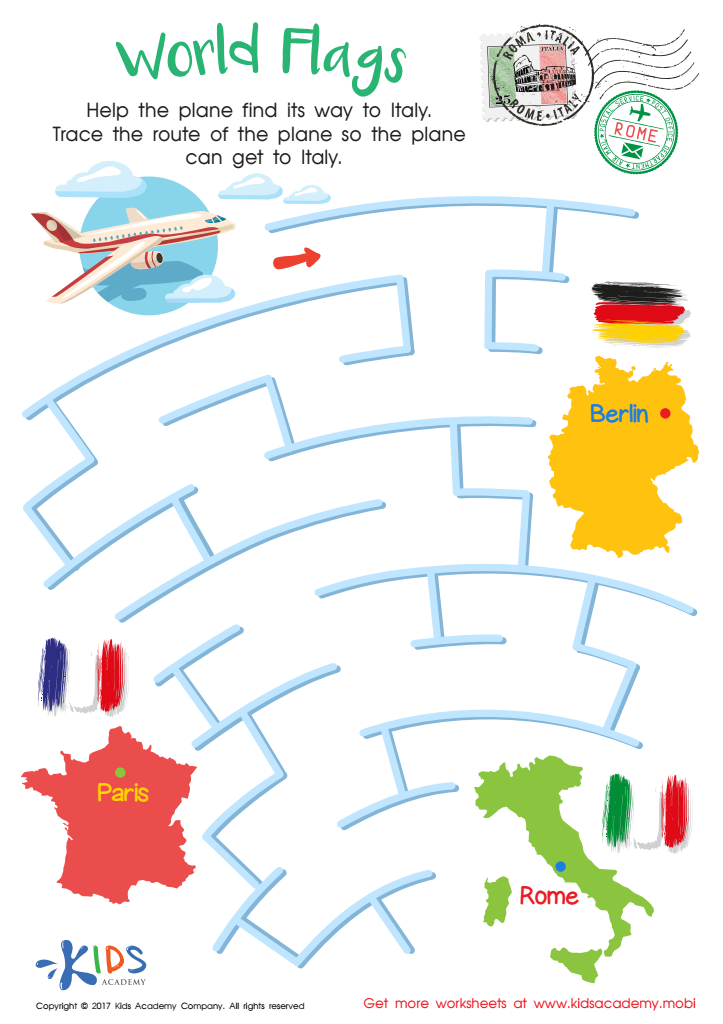
World Flags Maze Worksheet
 Assign to My Students
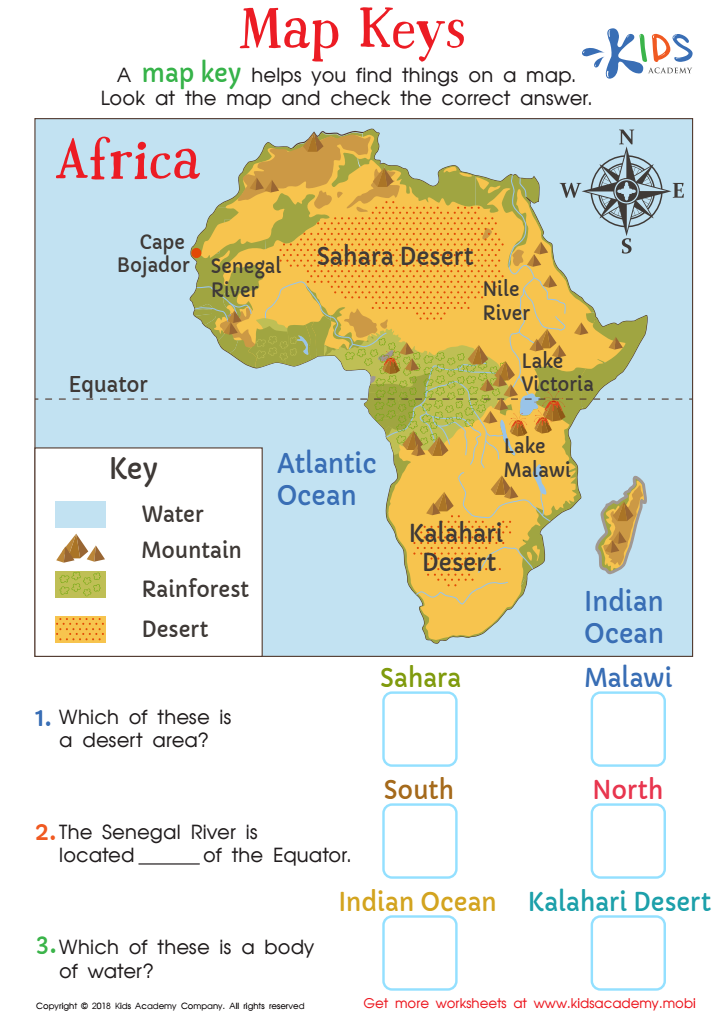
Map Keys Worksheet
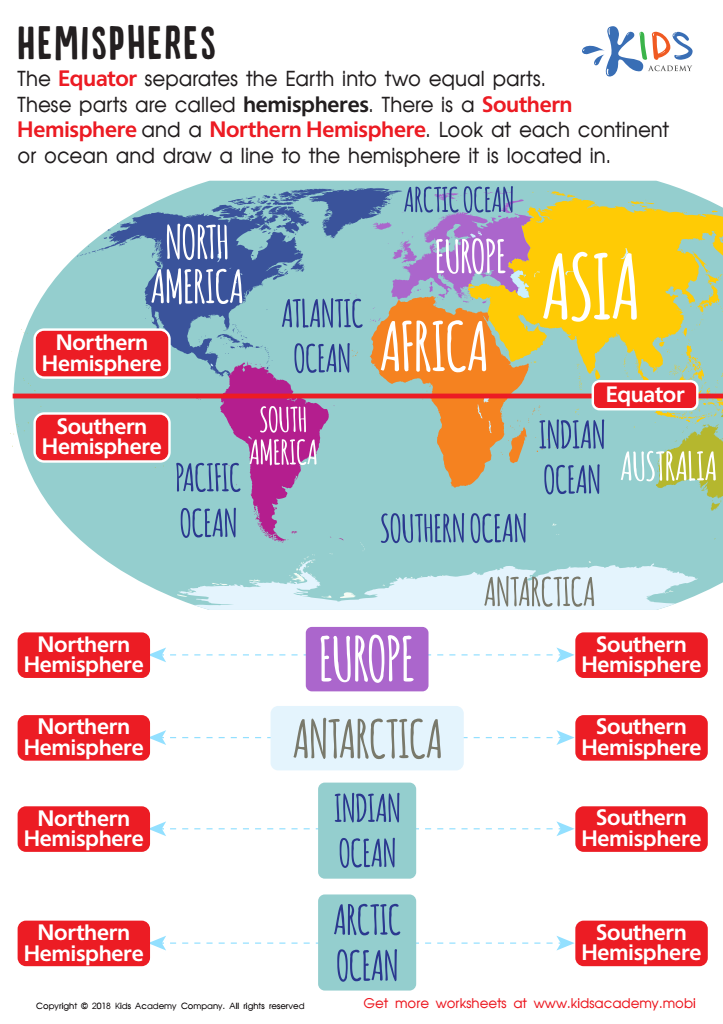
Hemispheres Worksheet







Parents and teachers should prioritize Normal Geography for children aged 6-9 because it lays a foundation for understanding the world around them. At this age, children's curiosity about their environment is at a peak, making it an ideal time to introduce geographic concepts. Learning about geography helps kids grasp the physical layout of the world, including continents, countries, and cultures, fostering an appreciation for diversity.
Additionally, a strong grounding in geography nurtures critical thinking and problem-solving skills as students explore how different regions interact with each other. This can lead to enhanced social awareness and empathy, as children learn about various lifestyles and perspectives.
Moreover, engaging with Normal Geography at a young age promotes spatial awareness and map-reading abilities, which are essential skills in our increasingly globalized society. With the inclusion of technology and resources, geographical education can also merge with subjects like science and history, enriching a child's overall learning experience.
Ultimately, by integrating Normal Geography into early education, parents and teachers give children the tools to navigate their world more effectively, prepare for complex societal issues, and inspire a lifelong passion for discovery and exploration.