Color Identification Normal Worksheets for 6-Year-Olds
19 filtered results
-
From - To
Enhance your child's learning journey with our Color Identification Normal Worksheets designed specifically for 6-year-olds. These engaging worksheets help young learners recognize and name different colors while improving their fine motor skills. Each activity is thoughtfully crafted to provide a fun and interactive way for children to explore the vibrant world of colors. Featuring a variety of exercises such as matching, coloring, and identifying colors in everyday objects, these worksheets encourage creativity and critical thinking. Perfect for home or classroom use, our resources support early childhood education and make learning an enjoyable experience for your little ones. Download now and watch them thrive!
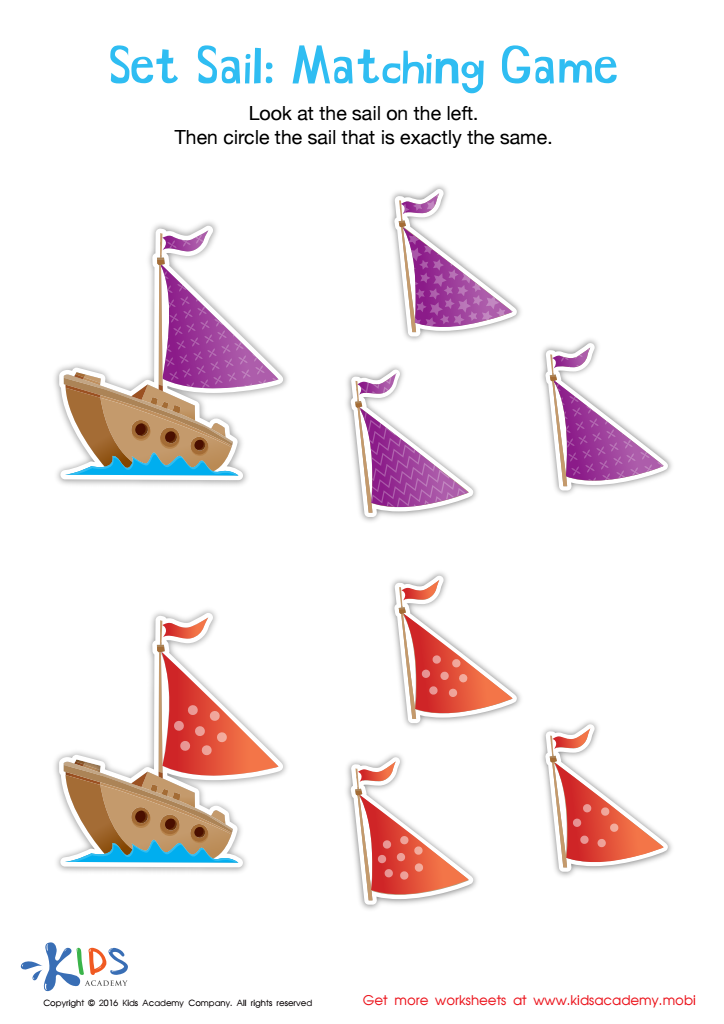
Set Sail Worksheet
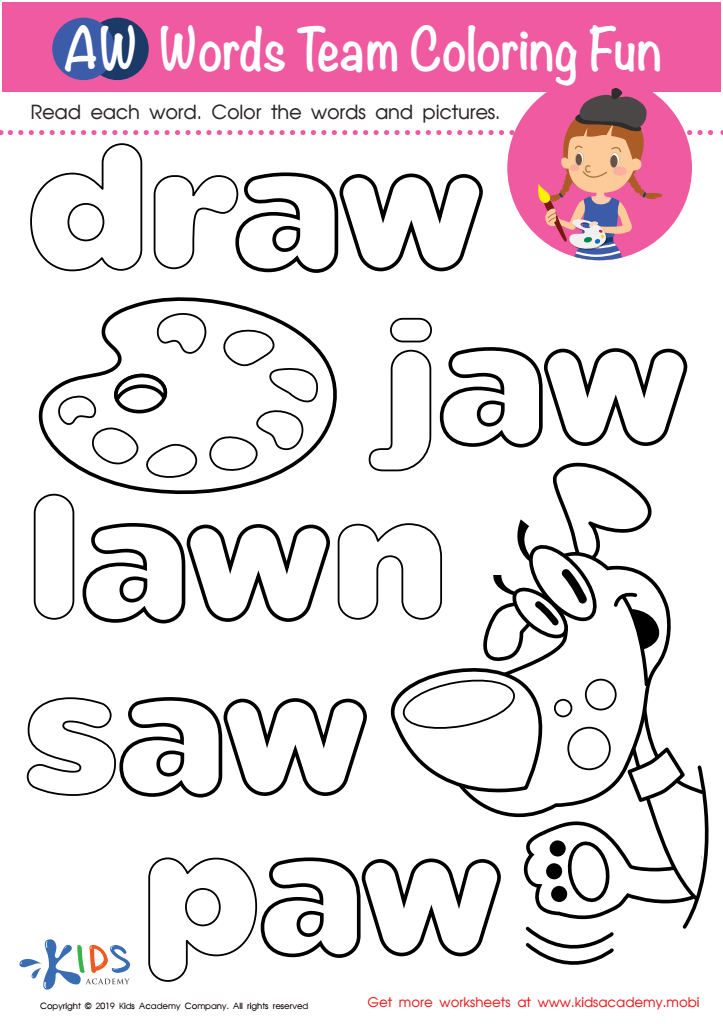
AW Words Team Coloring Fun Worksheet
 Assign to My Students
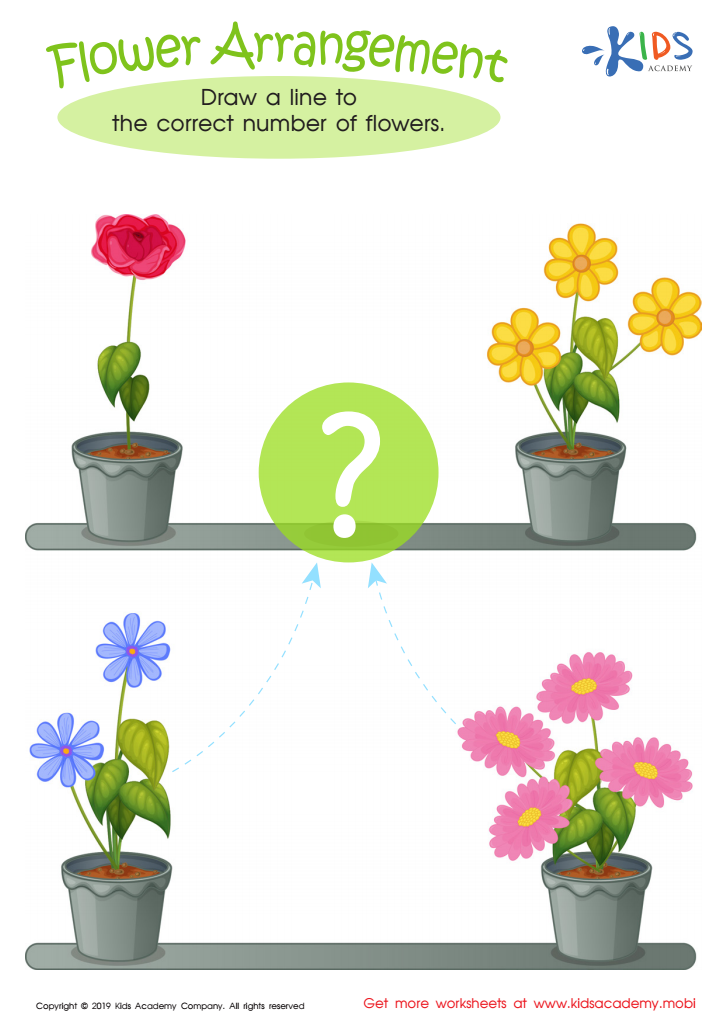
Flower Arrangement Worksheet
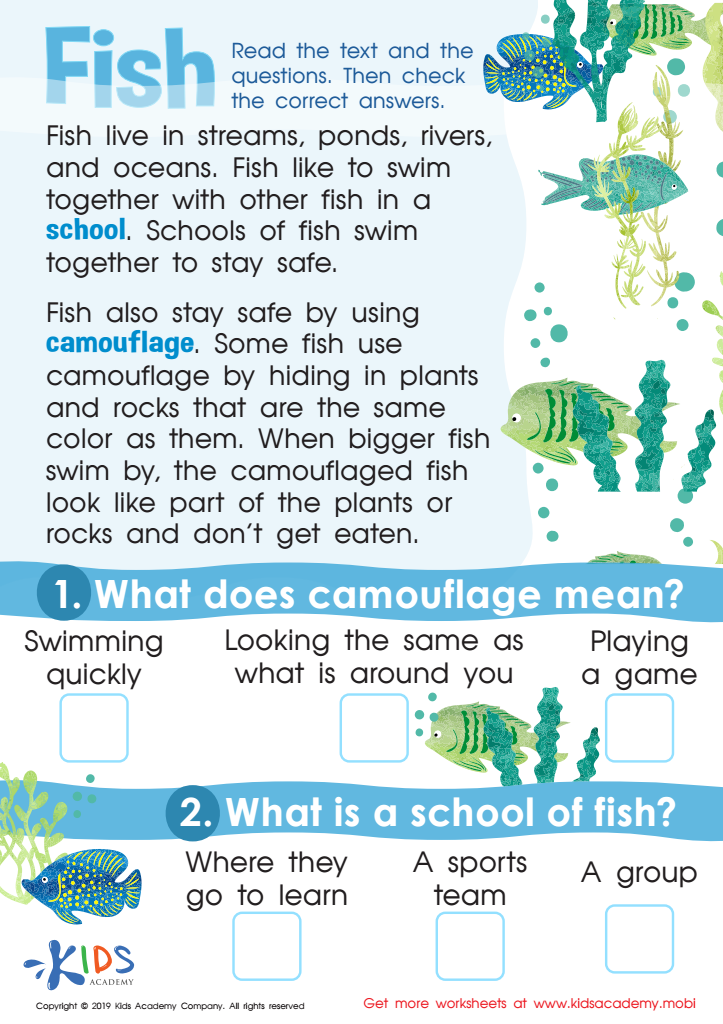
Fish Worksheet
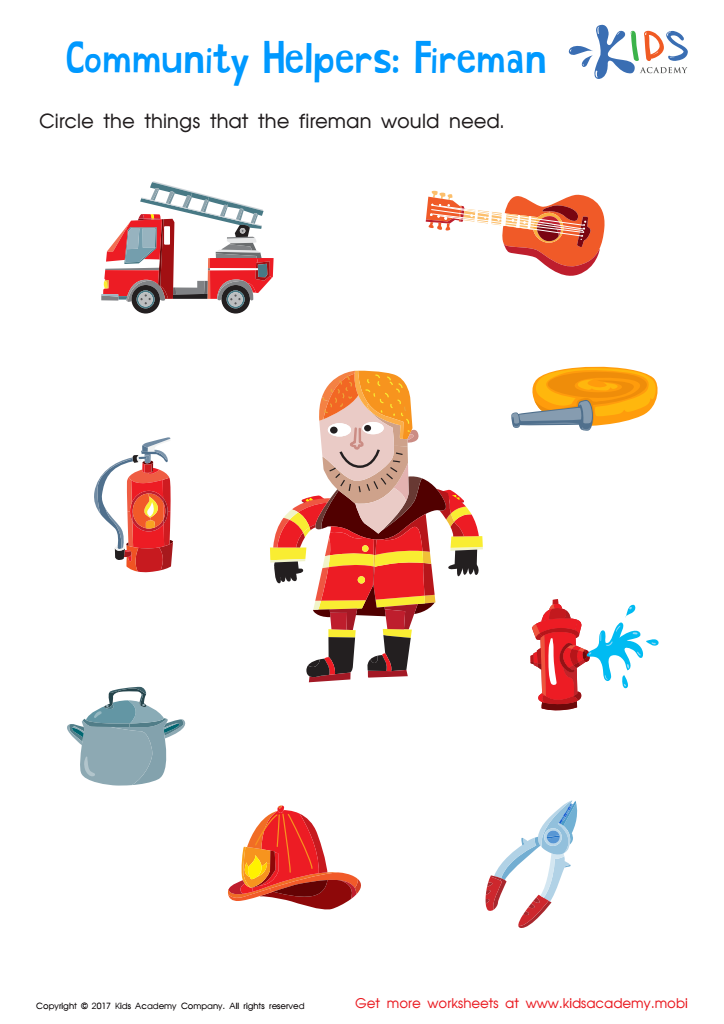
Fireman Worksheet
Halloween: A Funny Monster Worksheet
Assign to My Students
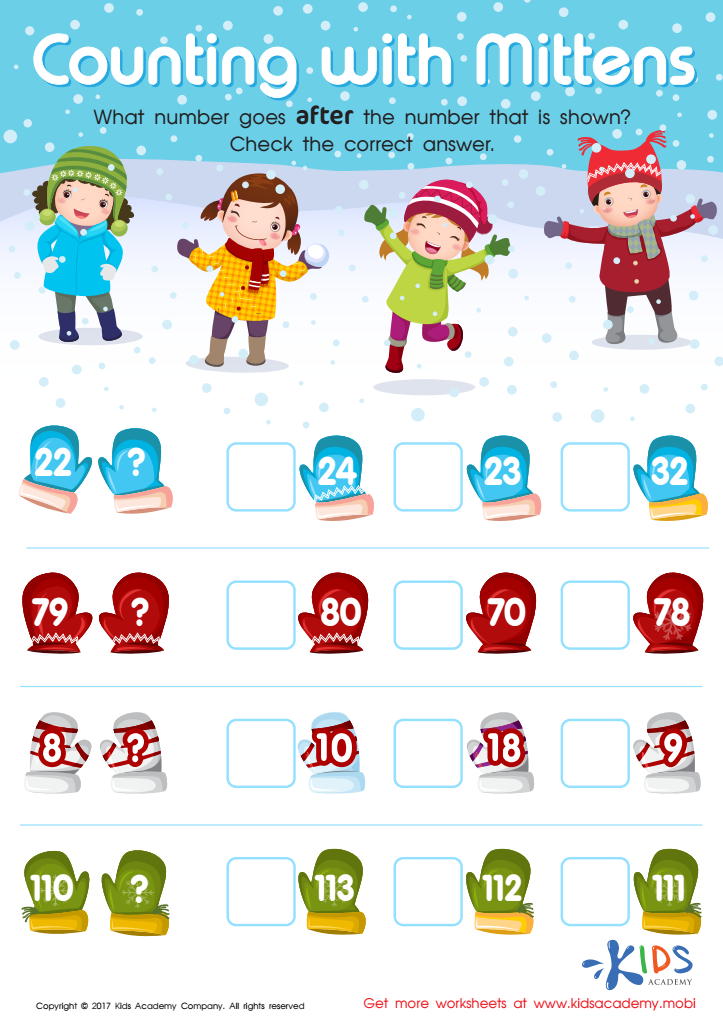
Counting with Mittens Worksheet
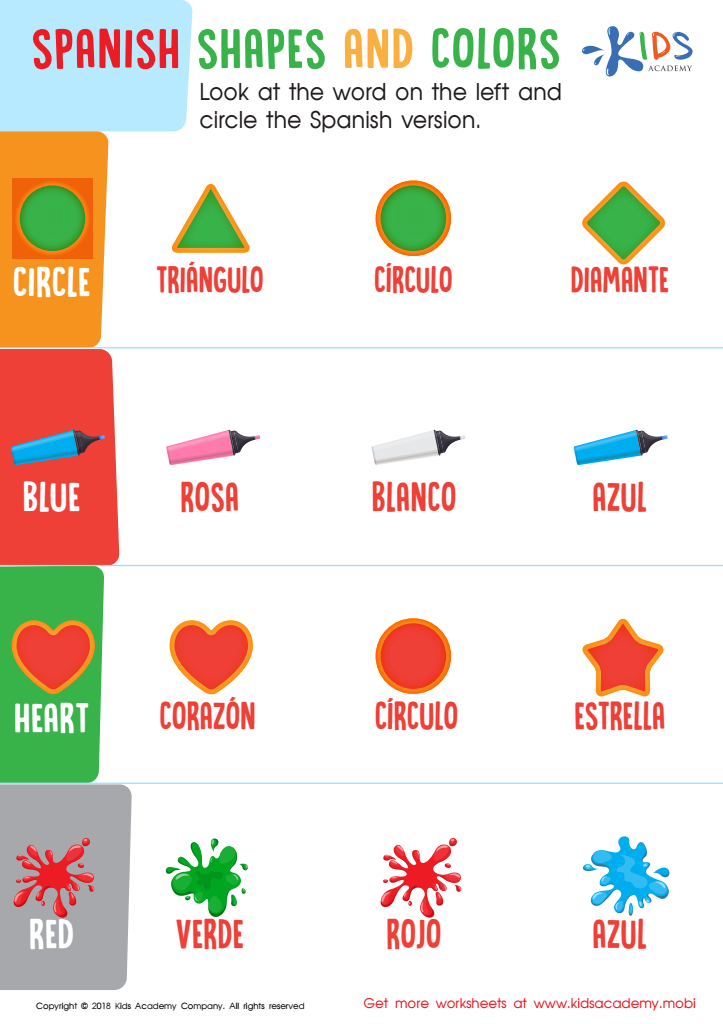
Spanish Shapes and Colors Worksheet
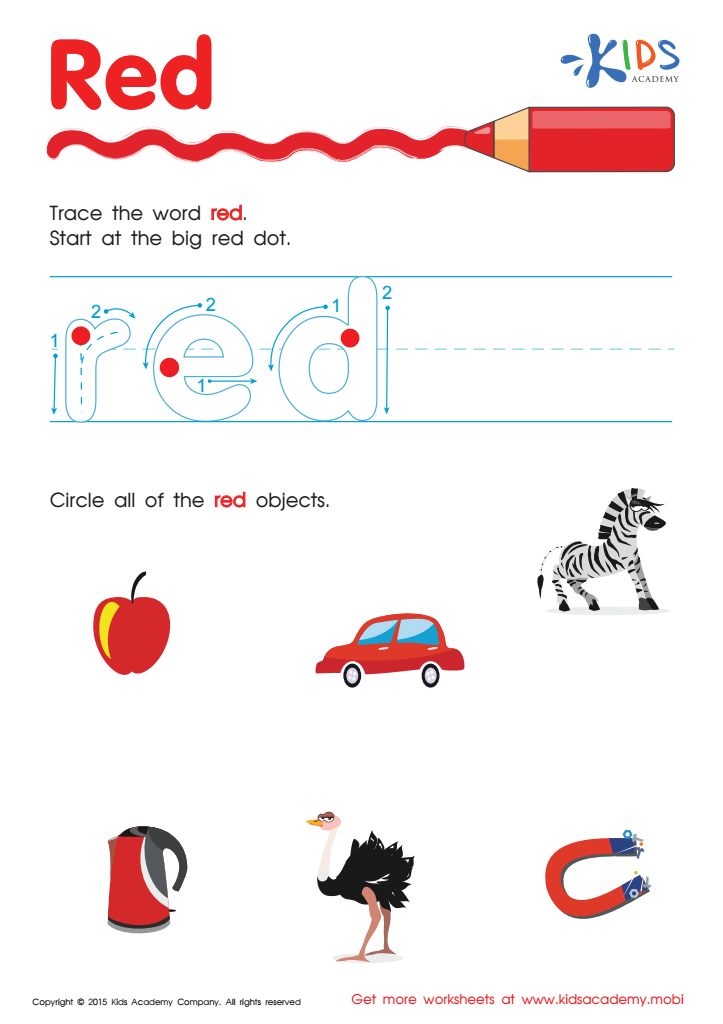
Red Tracing Color Words Printable
Sea Horses Printable
Assign to My Students
Sloth Worksheet
Assign to My Students
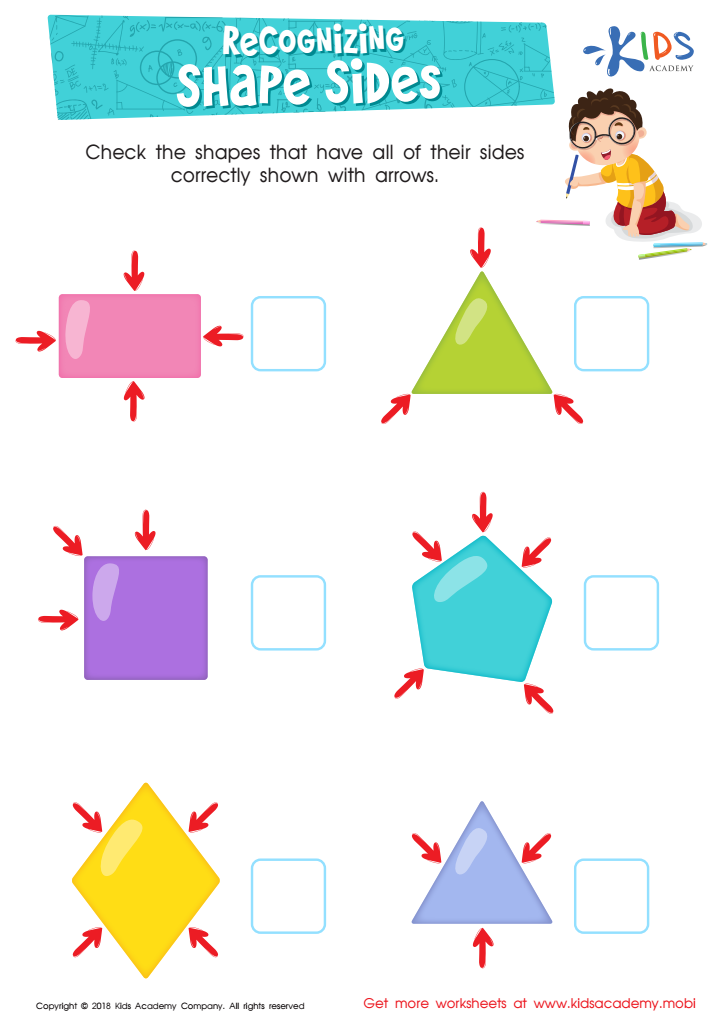
Recognizing Shape Sides Worksheet
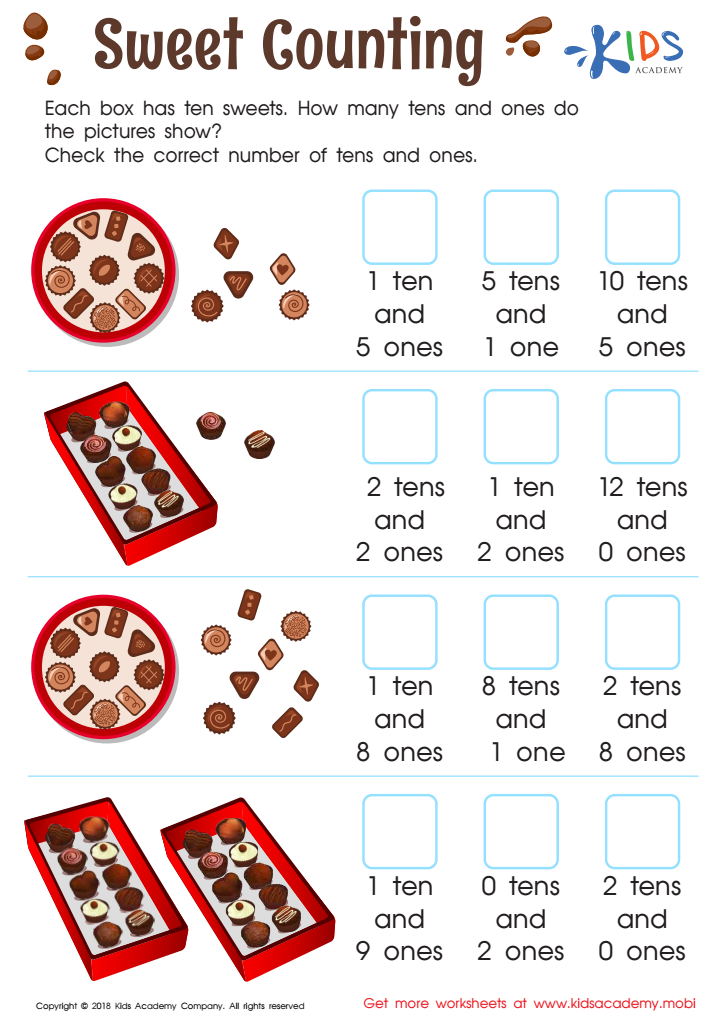
Sweet Counting - Part 2 Worksheet
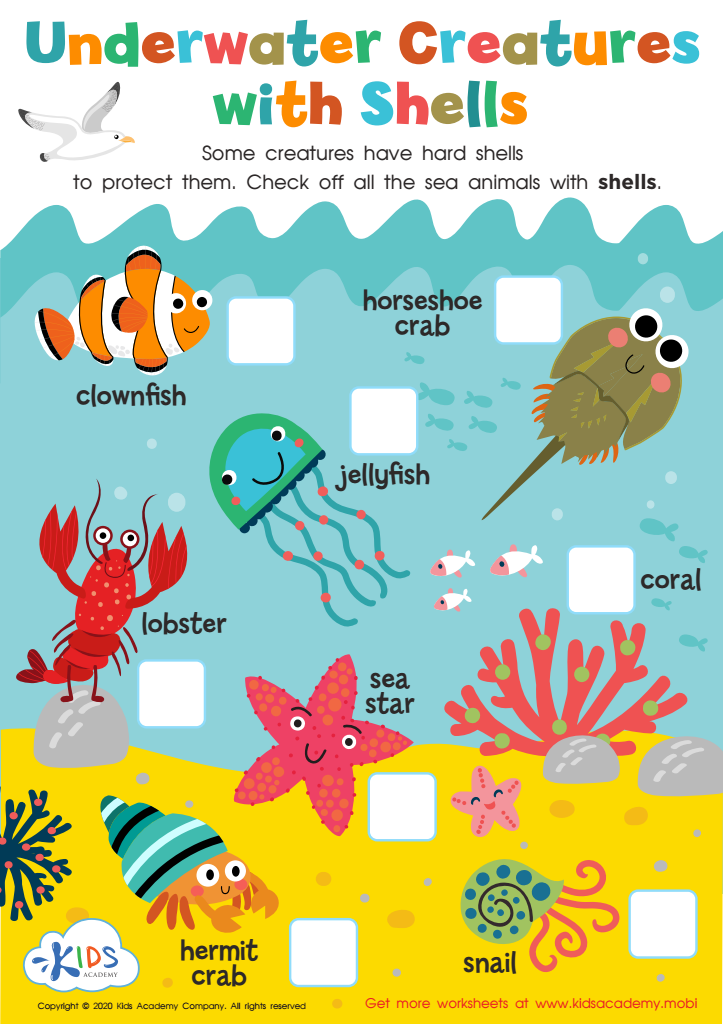
Underwater Creatures with Shells Worksheet
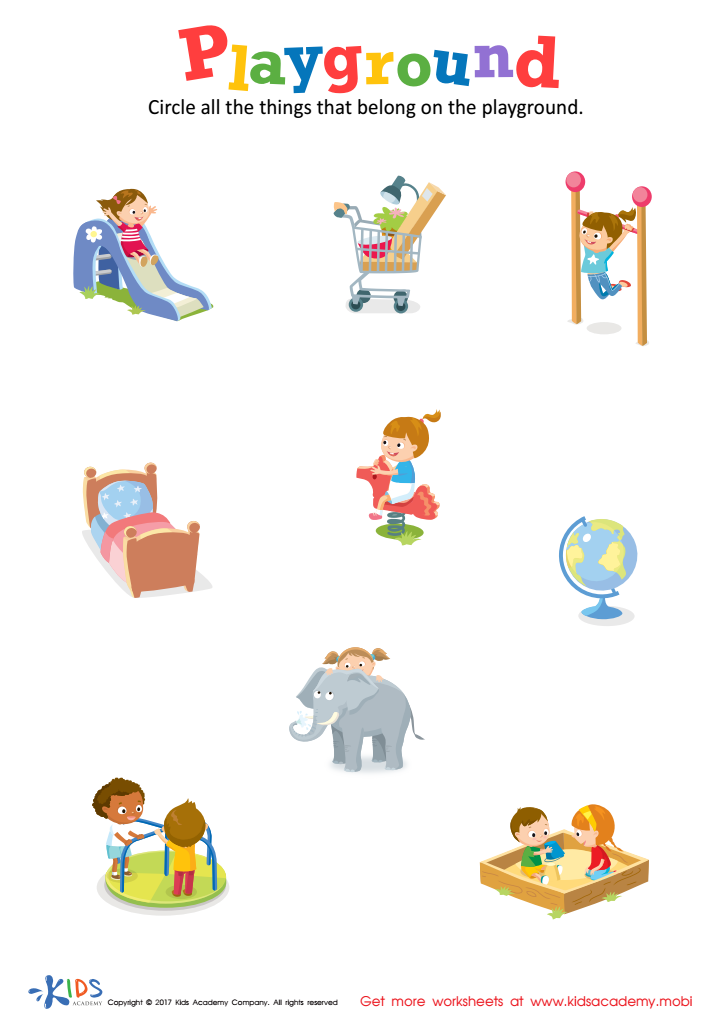
Playground Worksheet
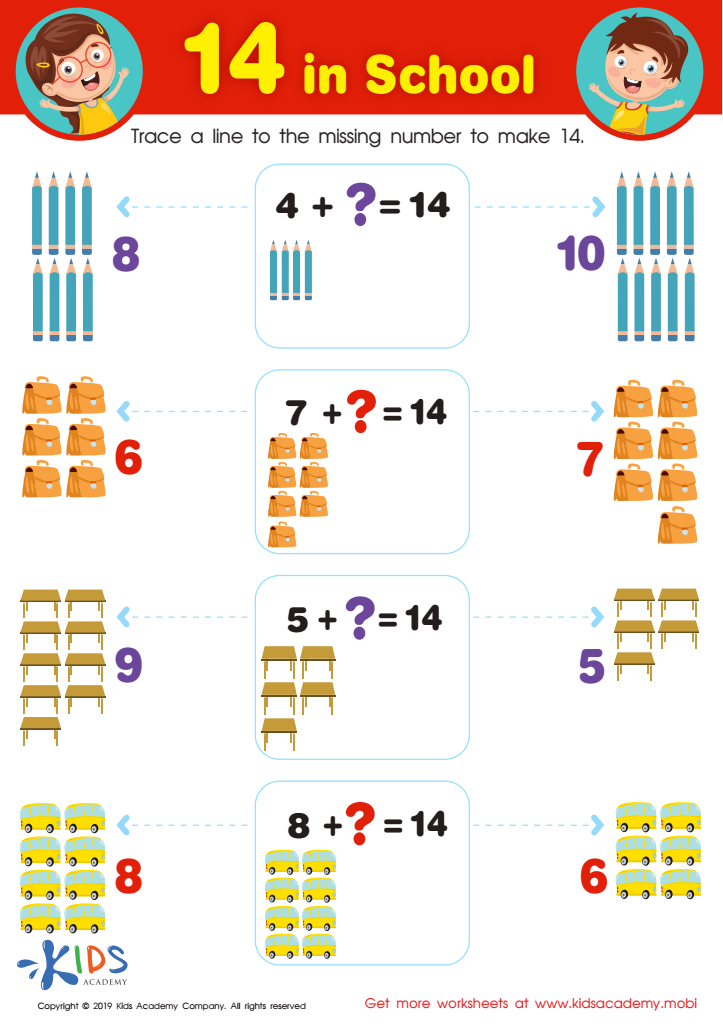
14 in School Worksheet
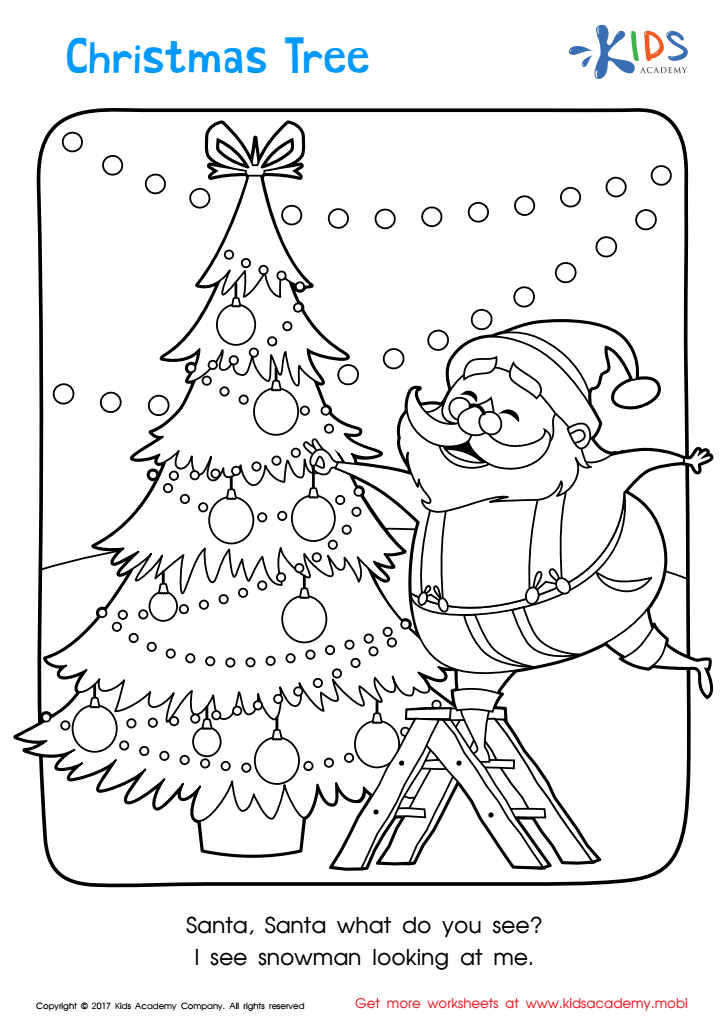
Christmas: Christmas Tree Printable
Assign to My Students
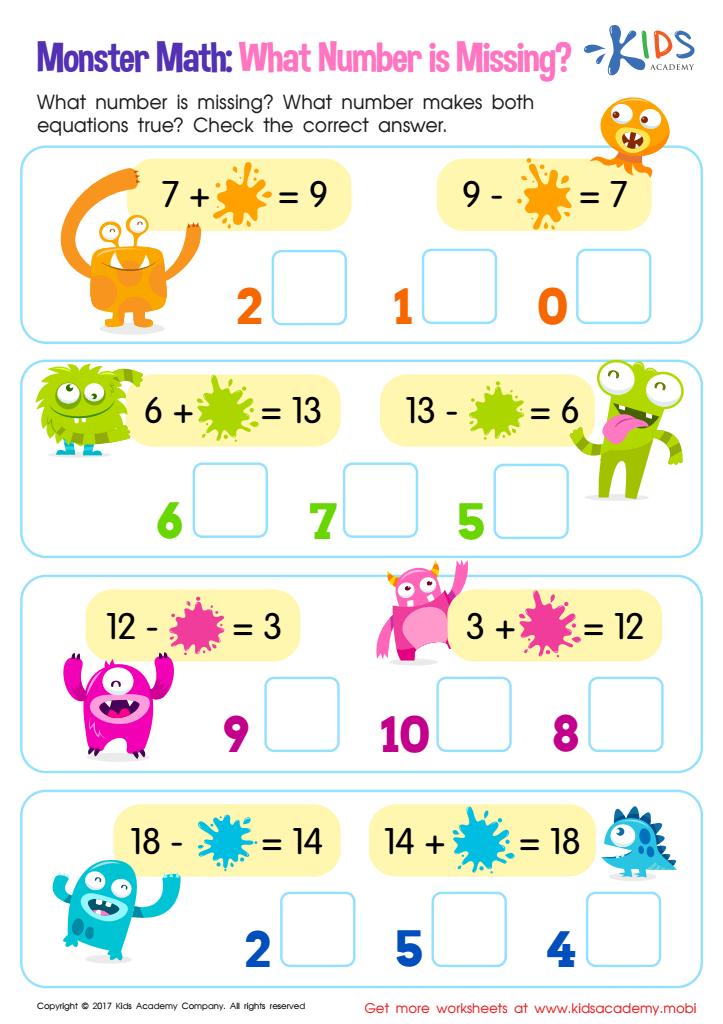
Missing Number: Monster Math Worksheet



.jpg)


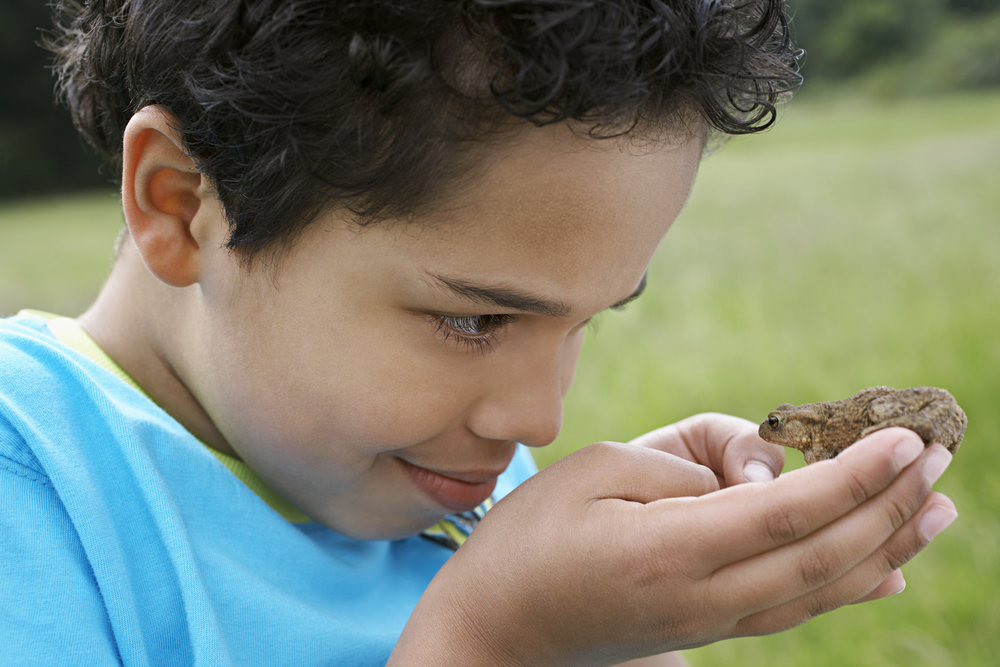

Color identification is a fundamental developmental skill that plays a crucial role in a child's early education and overall cognitive growth. For 6-year-olds, the ability to recognize and name colors is not merely a matter of aesthetic appreciation; it significantly impacts their learning and communication skills. Teachers and parents should care about this aspect of development because it serves as a foundation for various educational concepts.
Understanding colors enhances a child's ability to categorize and organize objects, which is essential for math and science learning. Additionally, color recognition enriches a child's vocabulary as they learn to associate words with visual stimuli, fostering language development.
Moreover, knowing colors can aid in social interaction and emotional expression. Children often use colors to express preferences and feelings, which helps them navigate social contexts and form friendships. Furthermore, activities involving colors, such as art projects and storytelling, encourage creativity and critical thinking.
By fostering color identification skills, parents and teachers can ensure that children are not only ready for more complex learning tasks but are also developing important social and emotional competencies. Ultimately, nurturing these skills contributes to well-rounded childhood development, setting the stage for lifelong learning.








