Fine Motor Skills Normal Worksheets for 6-Year-Olds - Page 5
114 filtered results
-
From - To
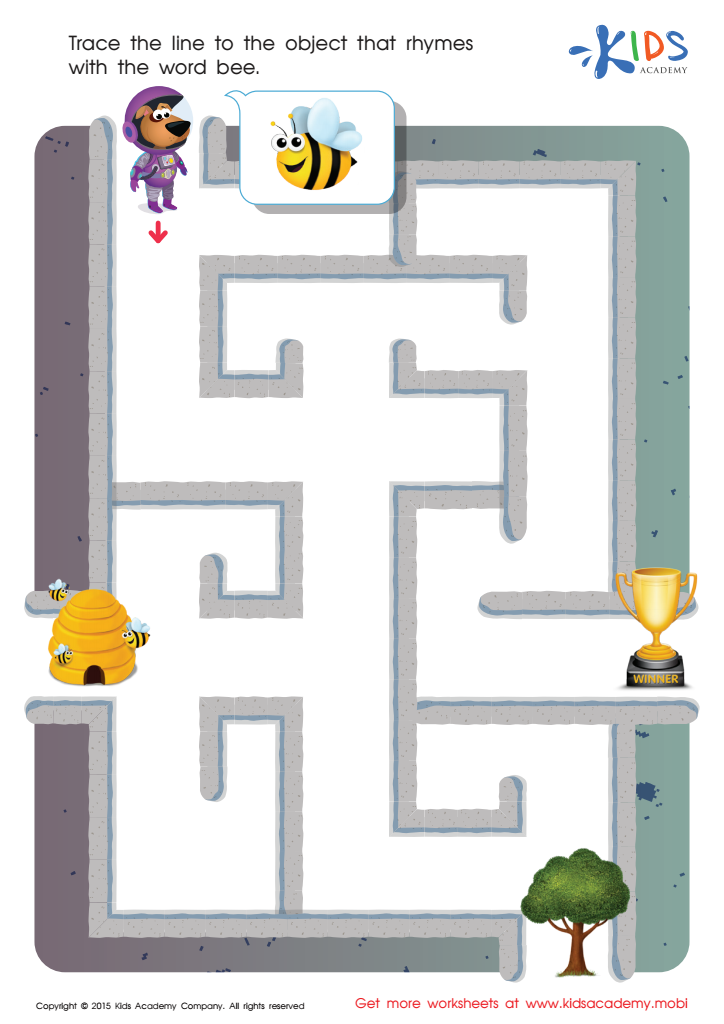
Bee Rhyming Words Worksheet
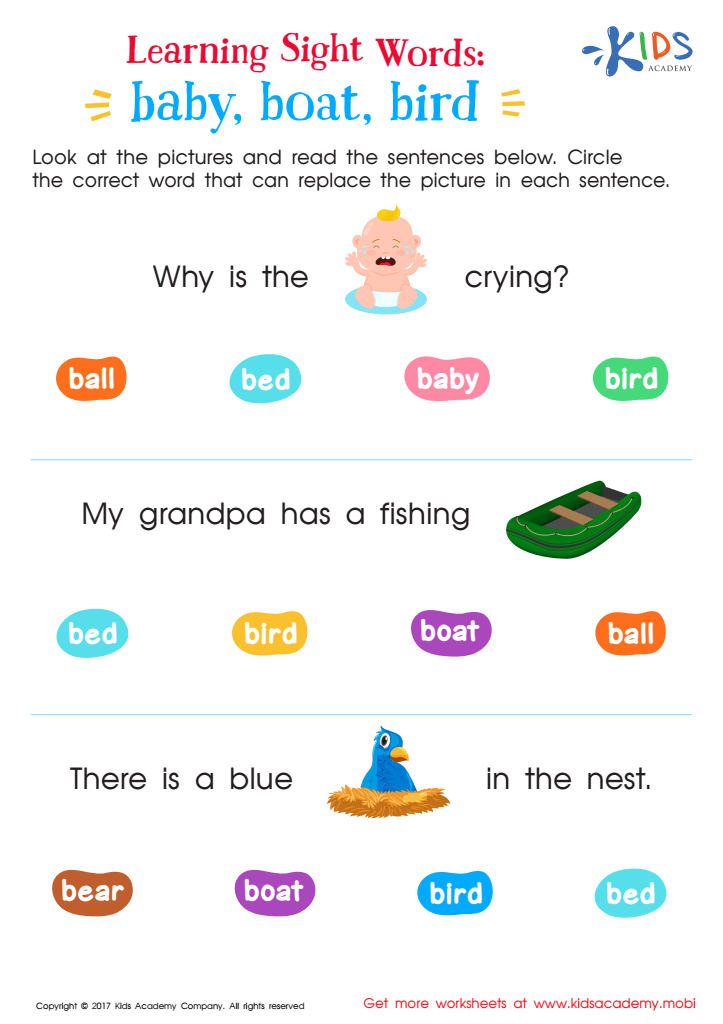
Baby, Boat, Bird Worksheet Sight Words Worksheet
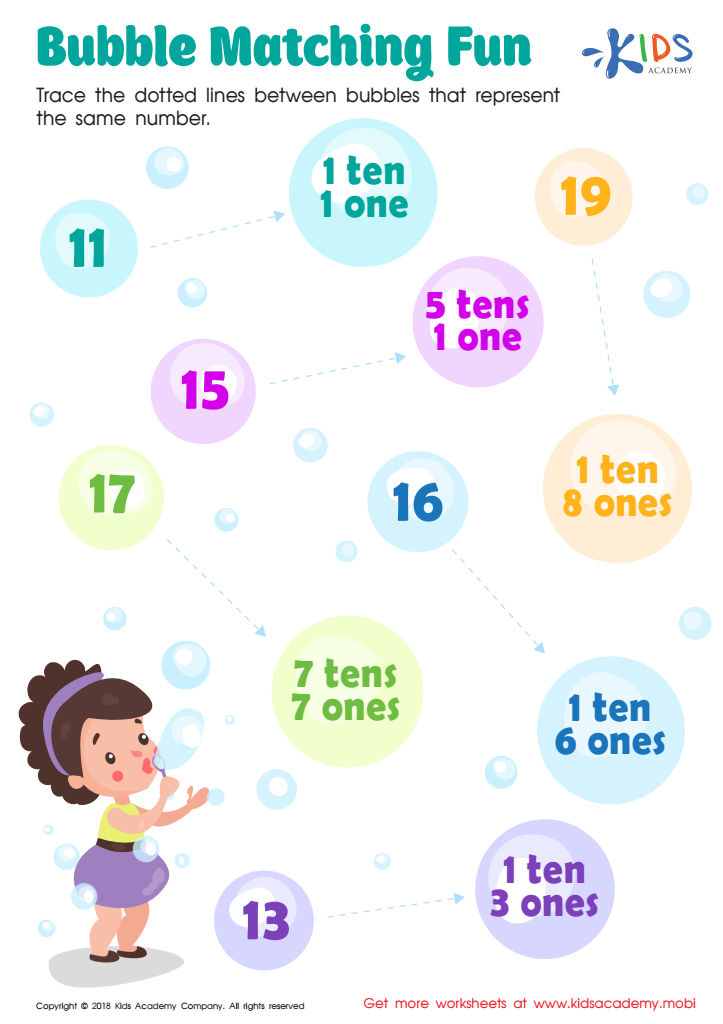
Bubble Matching Fun Worksheet
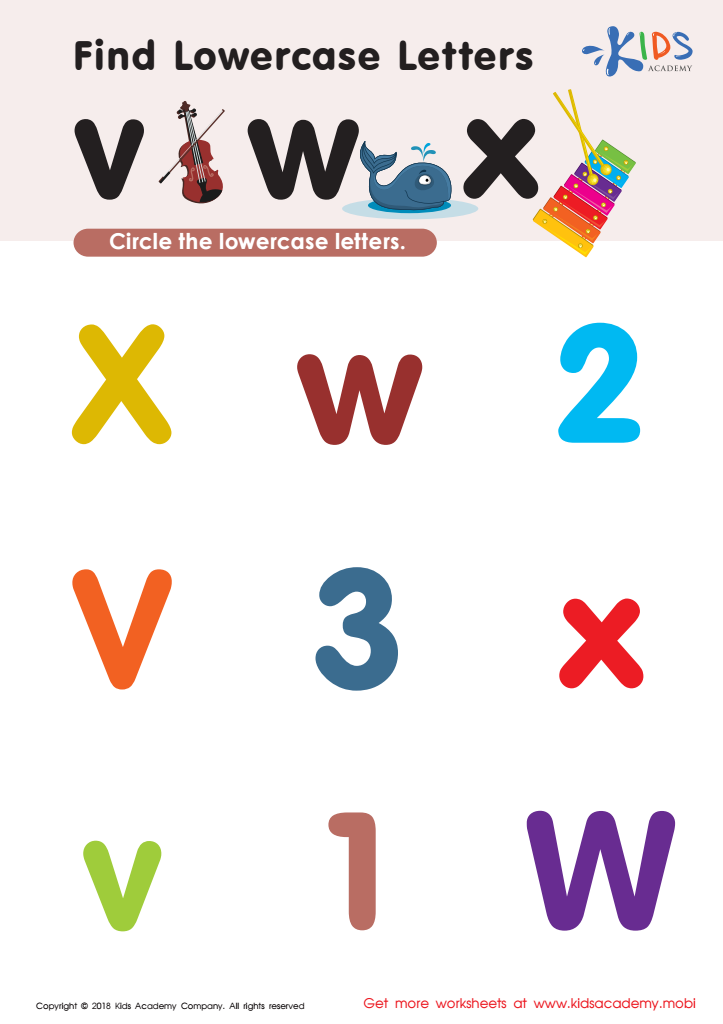
Find Lowercase Letters v w x Worksheet
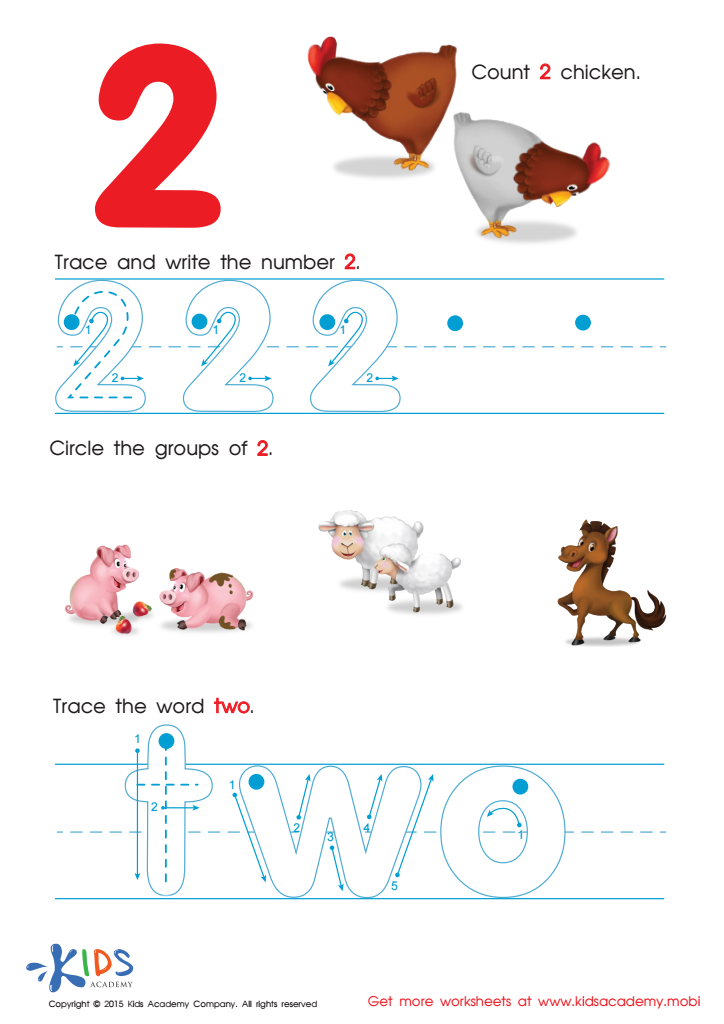
Learn to Write the Number 2 Worksheet
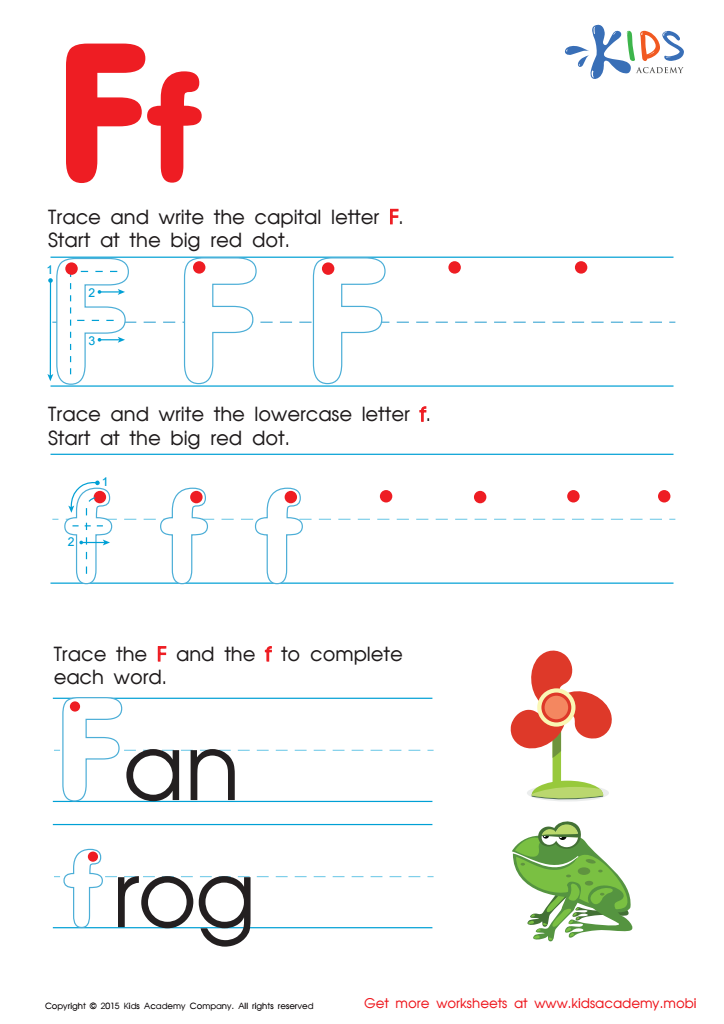
Letter F Tracing Page
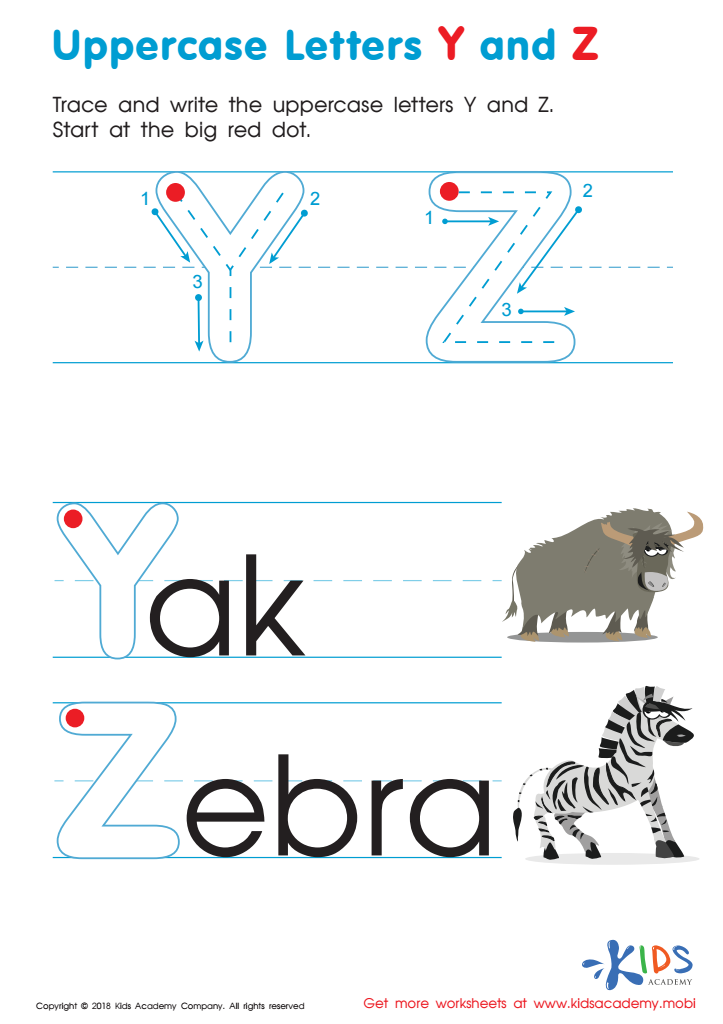
Uppercase Letters Y Z Worksheet
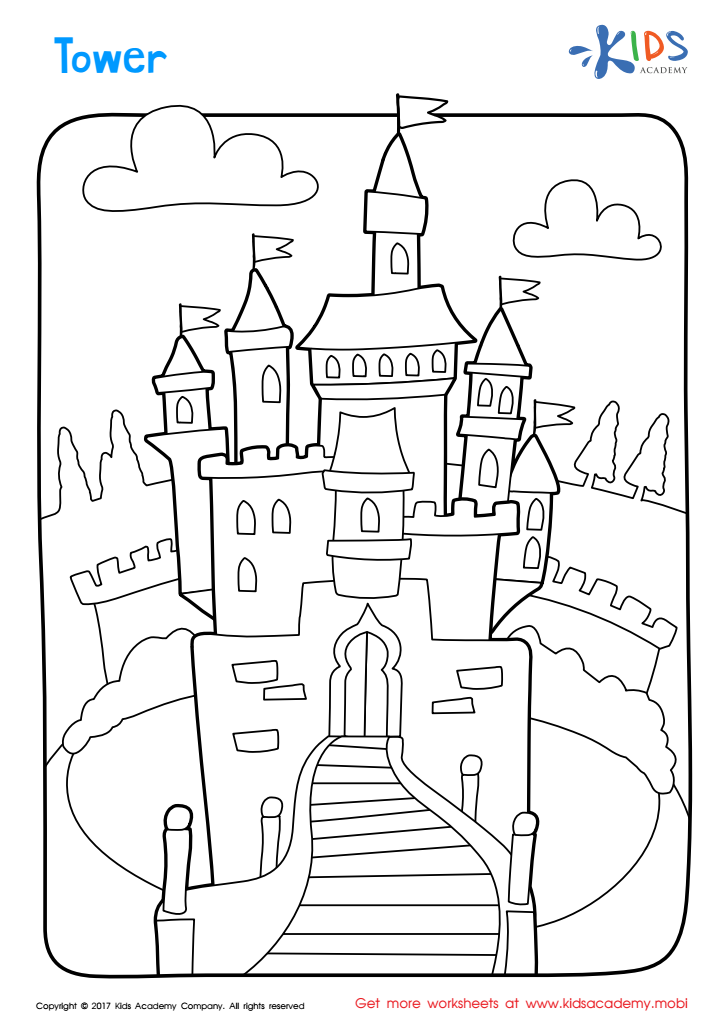
Tower Coloring Page
 Assign to My Students
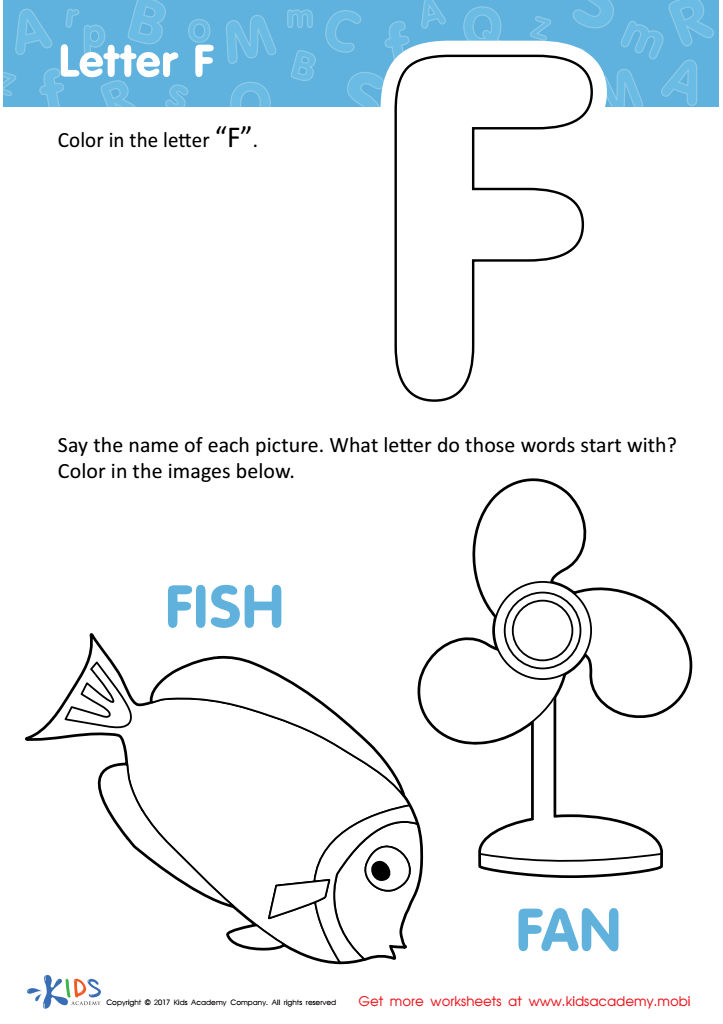
Letter F Coloring Sheet
Assign to My Students
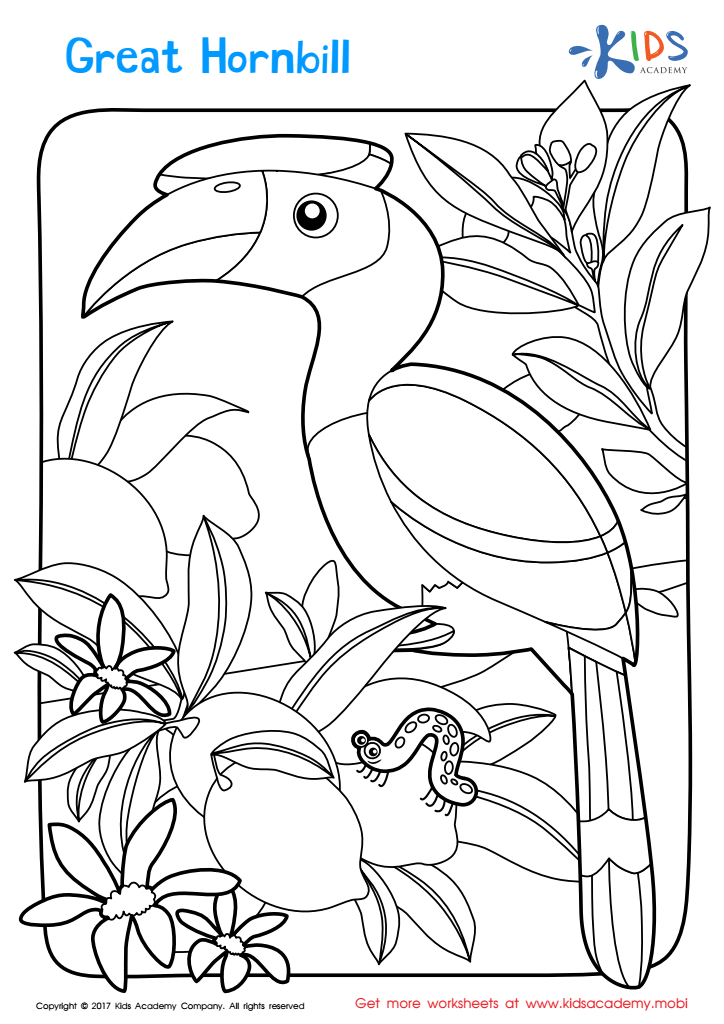
Great Hornbill Worksheet
Assign to My Students

Astronomer Maze: Telescope Worksheet
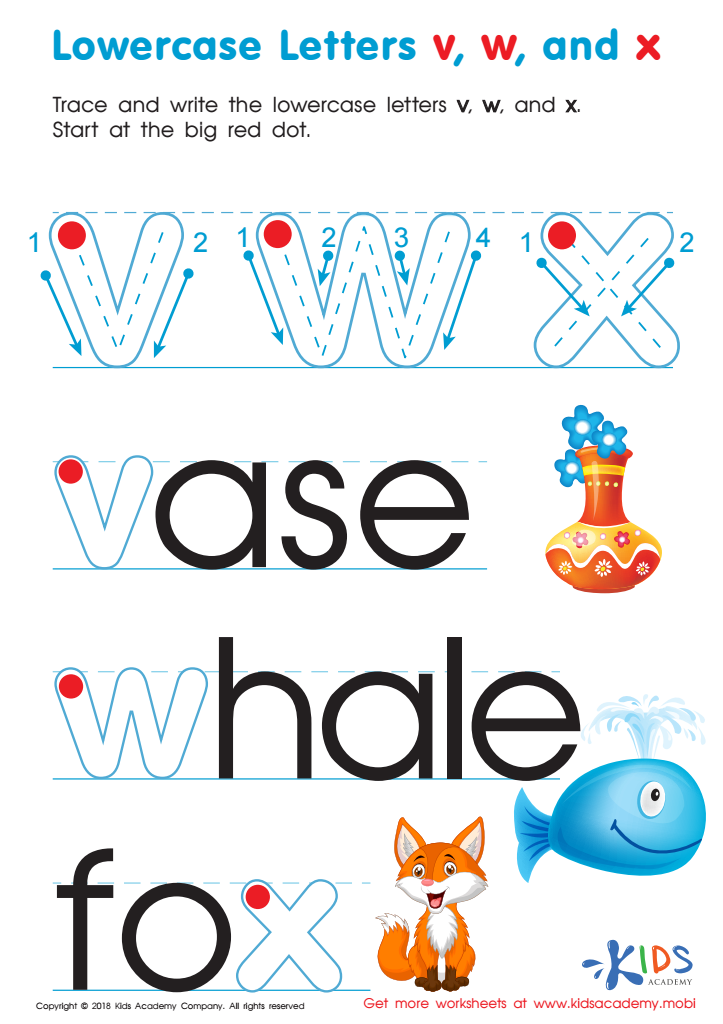
Lowercase Letters v w x Worksheet
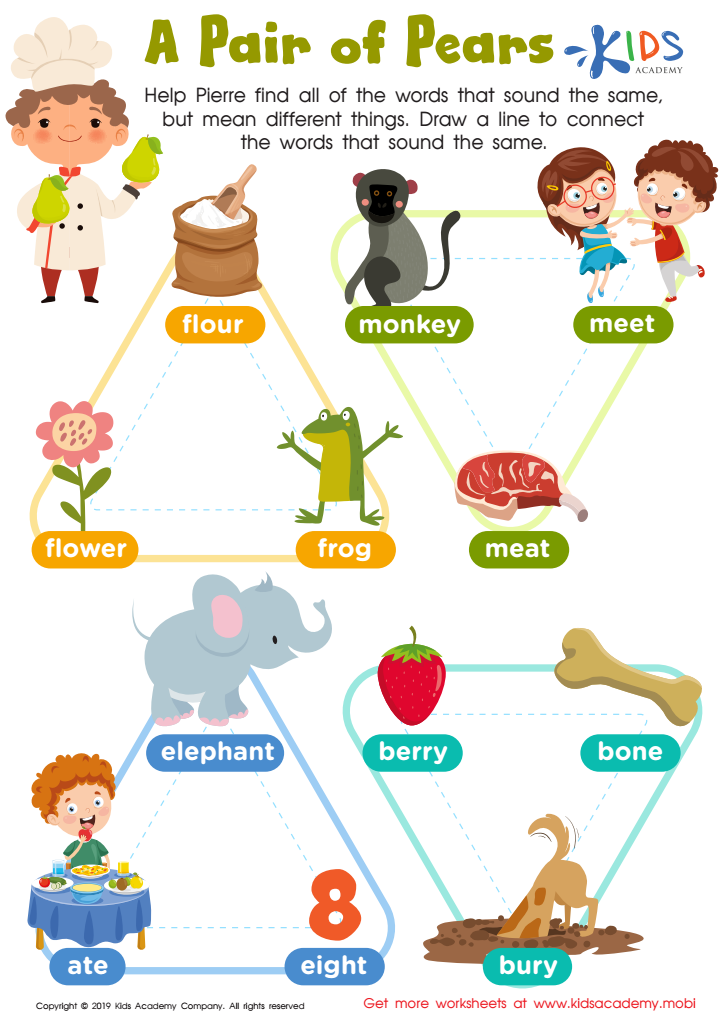
Pair Pears Worksheet
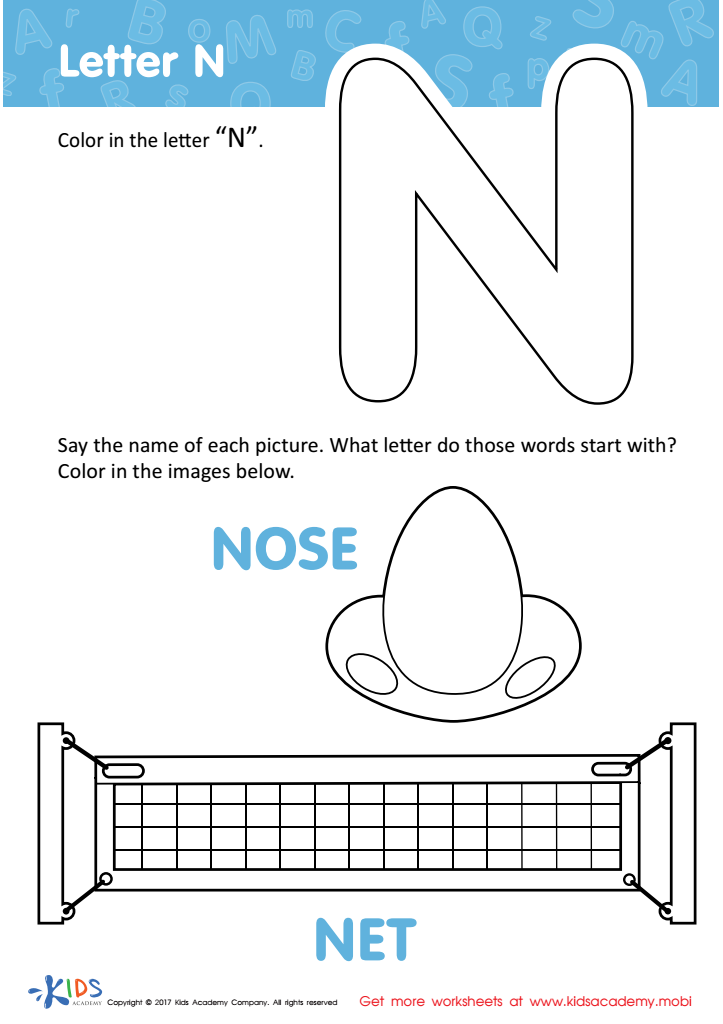
Letter N Coloring Sheet
Assign to My Students
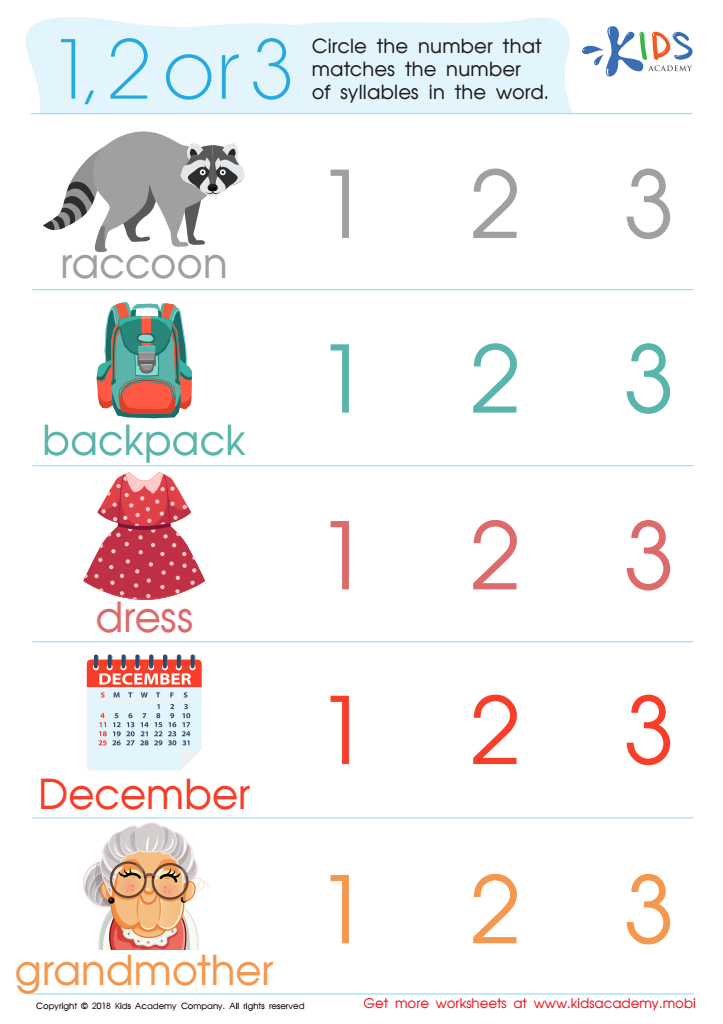
1, 2 or 3? Worksheet

Letter D Tracing Page
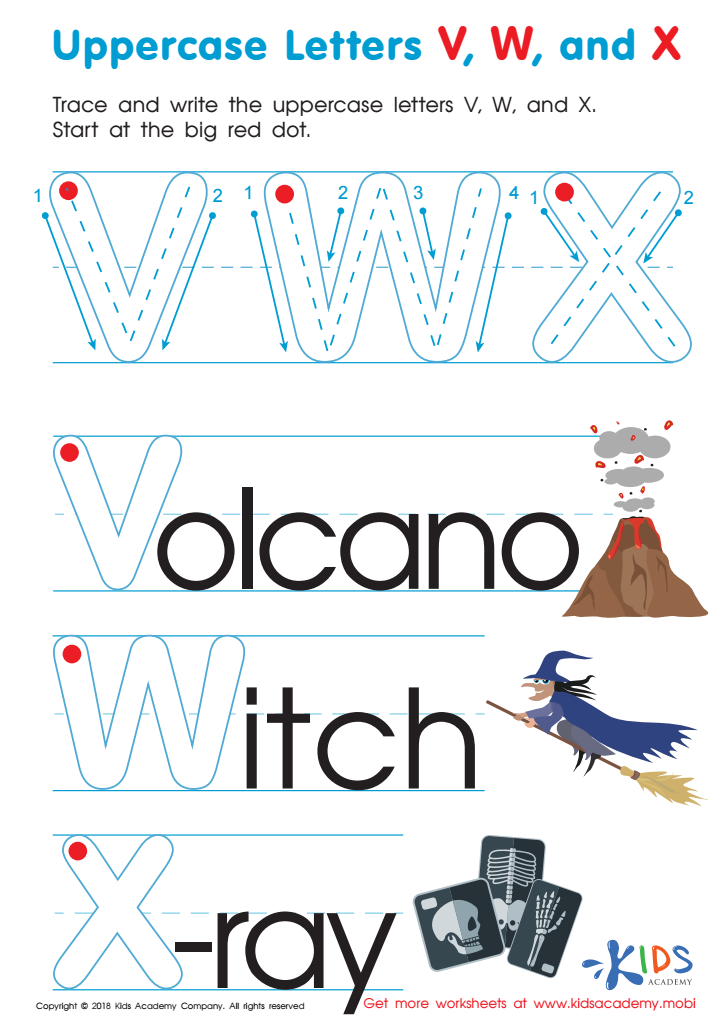
Uppercase Letters V, W, and X Worksheet
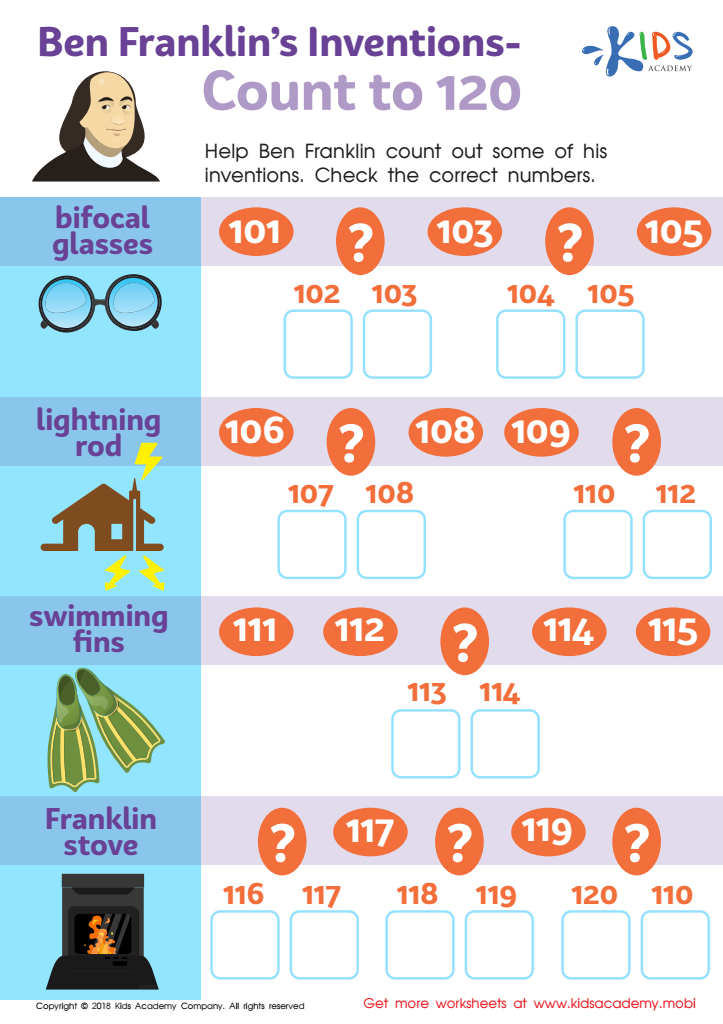
Ben Franklin’s Inventions – Count to 120 Worksheet








Fine motor skills are essential for a child's overall development, especially in early education settings. By the age of 6, children are refining their ability to manipulate small objects, control hand movements, and coordinate their fingers and hands. These skills are crucial not just for academic tasks, such as writing and drawing, but also for self-care activities like buttoning shirts, using scissors, and tying shoelaces.
Parents and teachers should prioritize fine motor skill development because these abilities lay the foundation for future learning and independence. Children with well-developed fine motor skills tend to feel more confident in the classroom, which enhances their overall learning experiences. Activities that promote fine motor skills, such as playing with building blocks, threading beads, or engaging in arts and crafts, can also foster creativity and problem-solving.
Moreover, fine motor skills are linked to cognitive development. As children learn to control their movements, they also enhance their concentration and hand-eye coordination. Thus, supporting the growth of these skills at an early age prepares children for success in school and life, making it imperative for parents and educators to pay attention to this crucial developmental milestone.








