Critical Thinking Normal Worksheets for Ages 7-8 - Page 2
69 filtered results
-
From - To
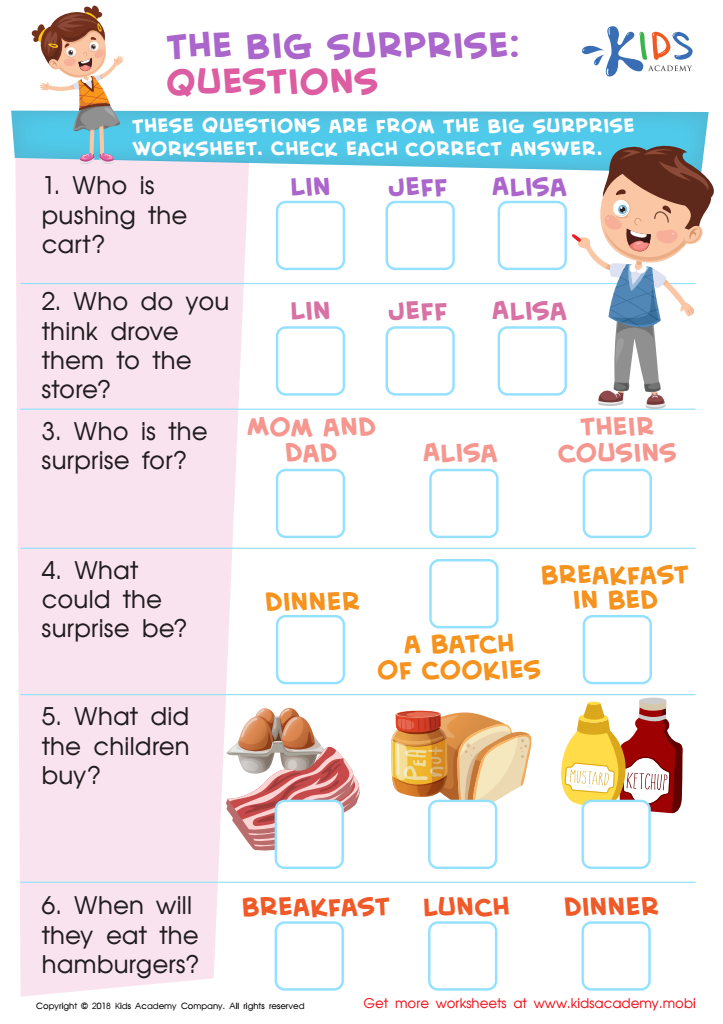
The Big Surprise: Questions Worksheet
 Assign to My Students
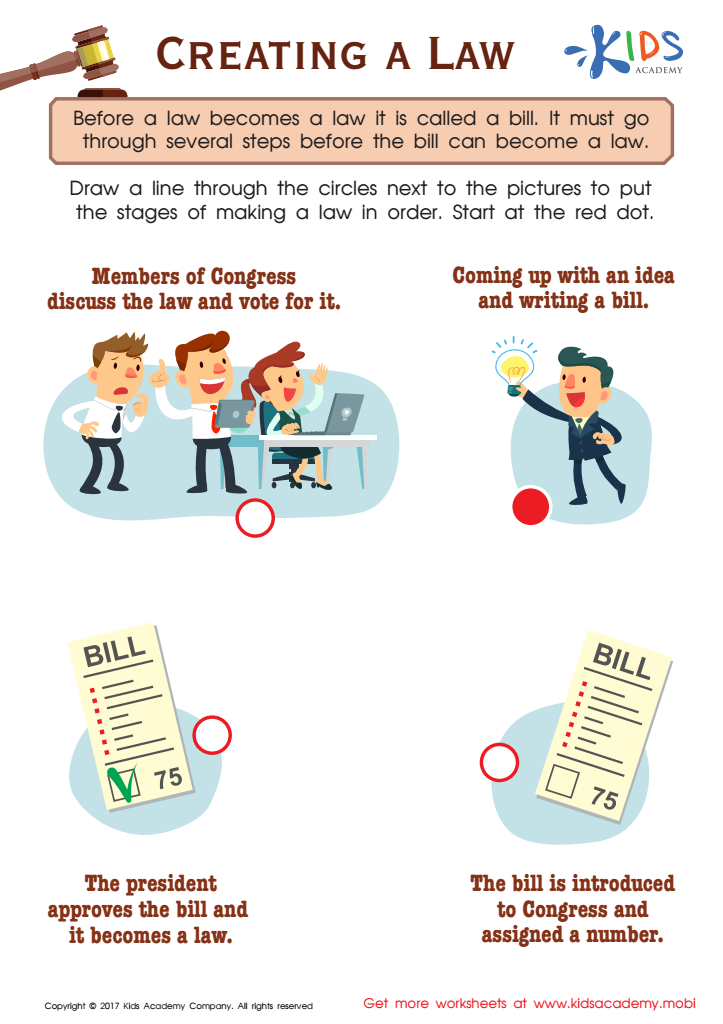
Creating a Law Worksheet
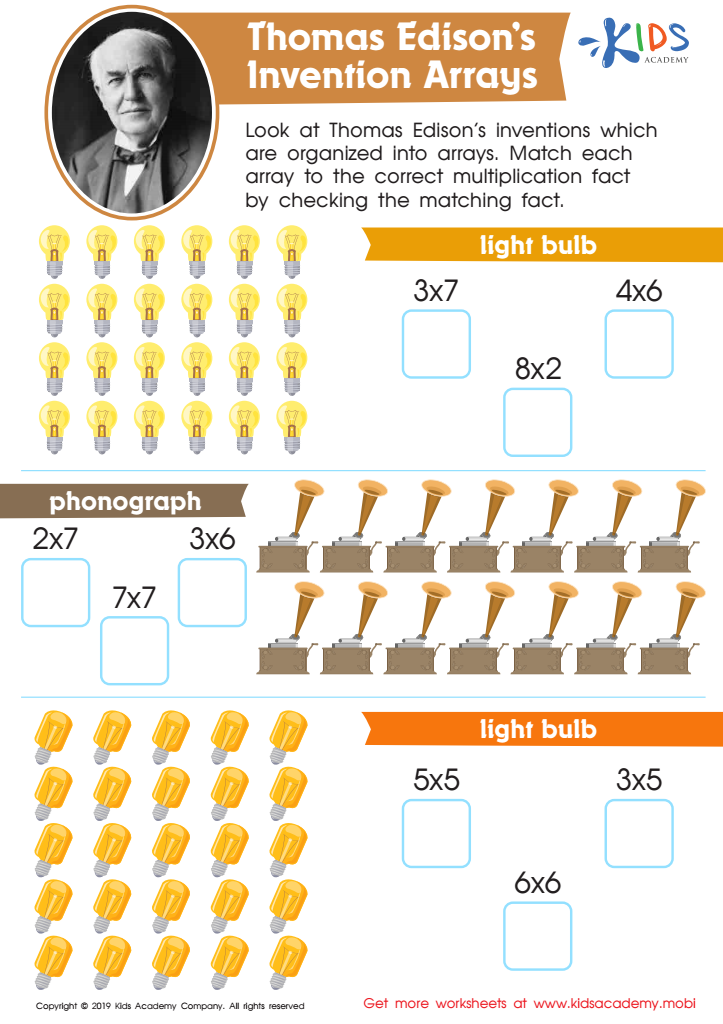
Thomas Edison’s Invention Arrays Worksheet
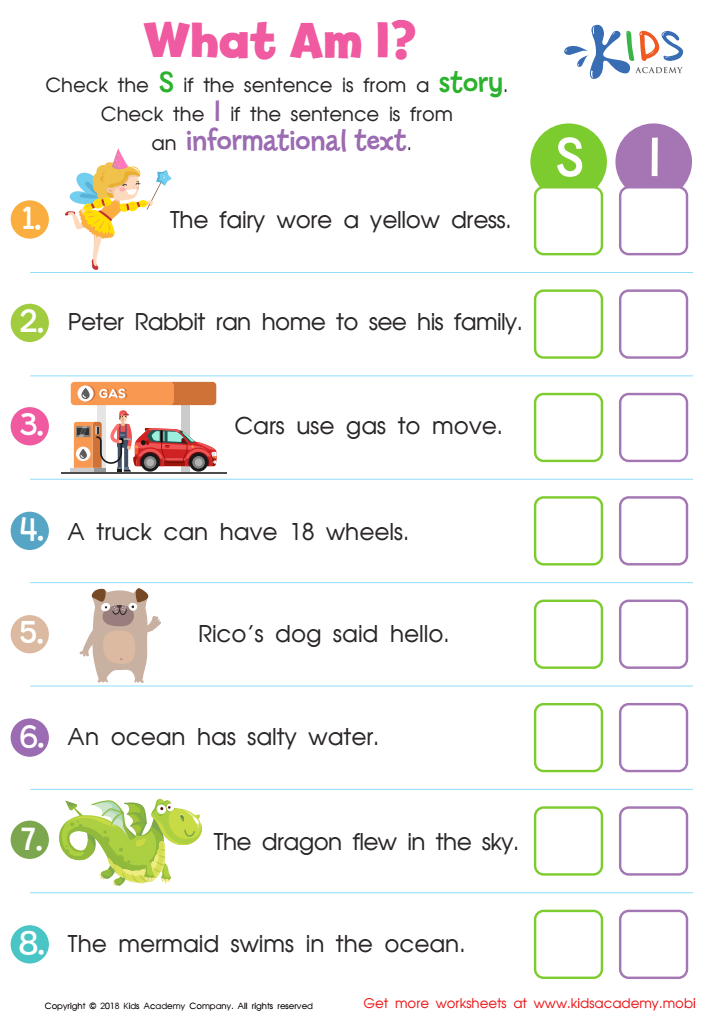
What Am I? Worksheet
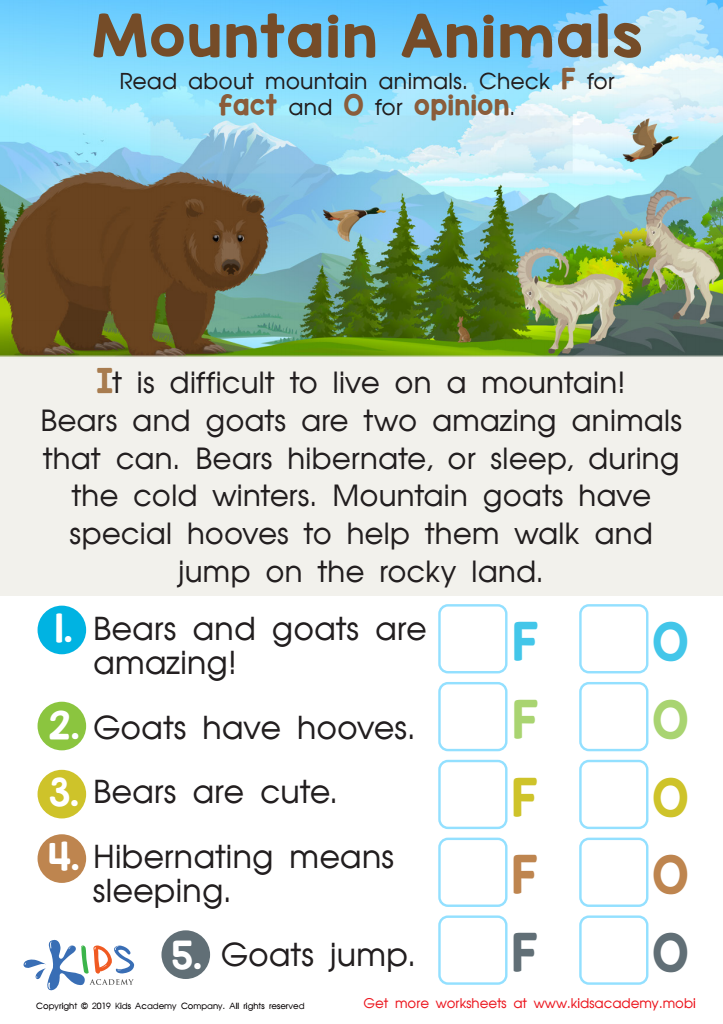
Mountain Animals Worksheet
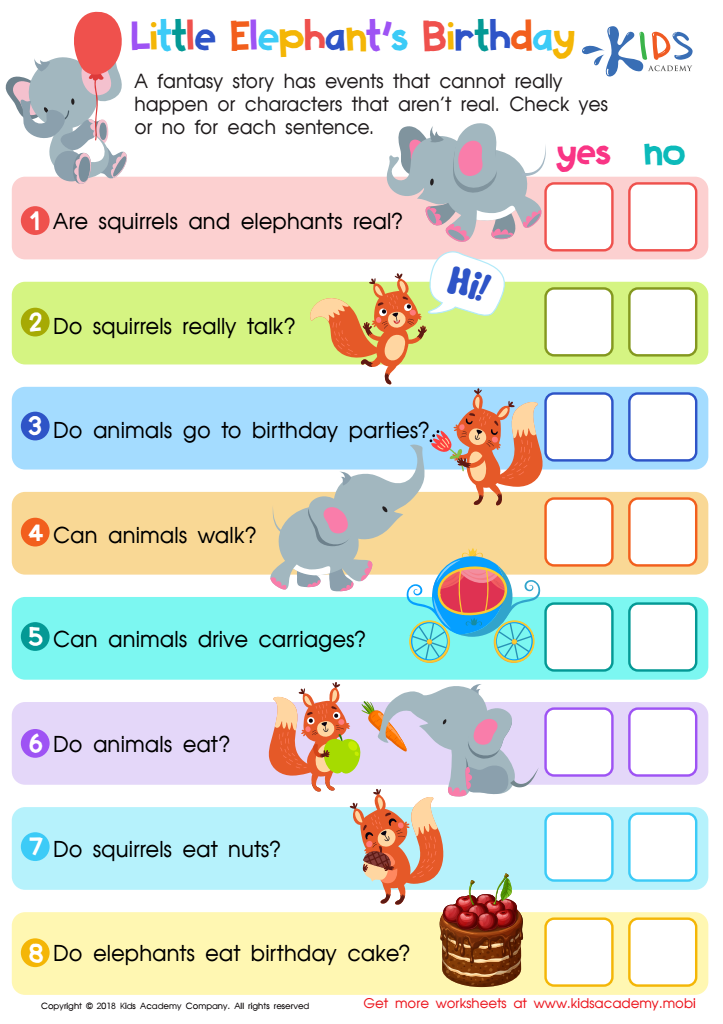
Little Elephant's Birthday Worksheet
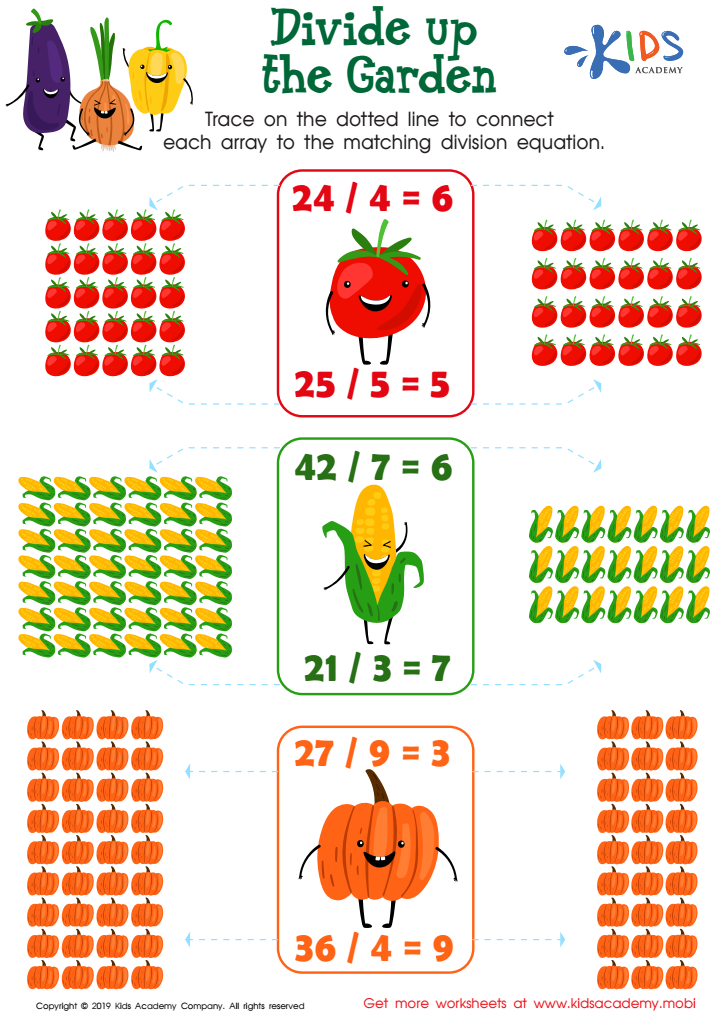
Divide up the Garden Worksheet
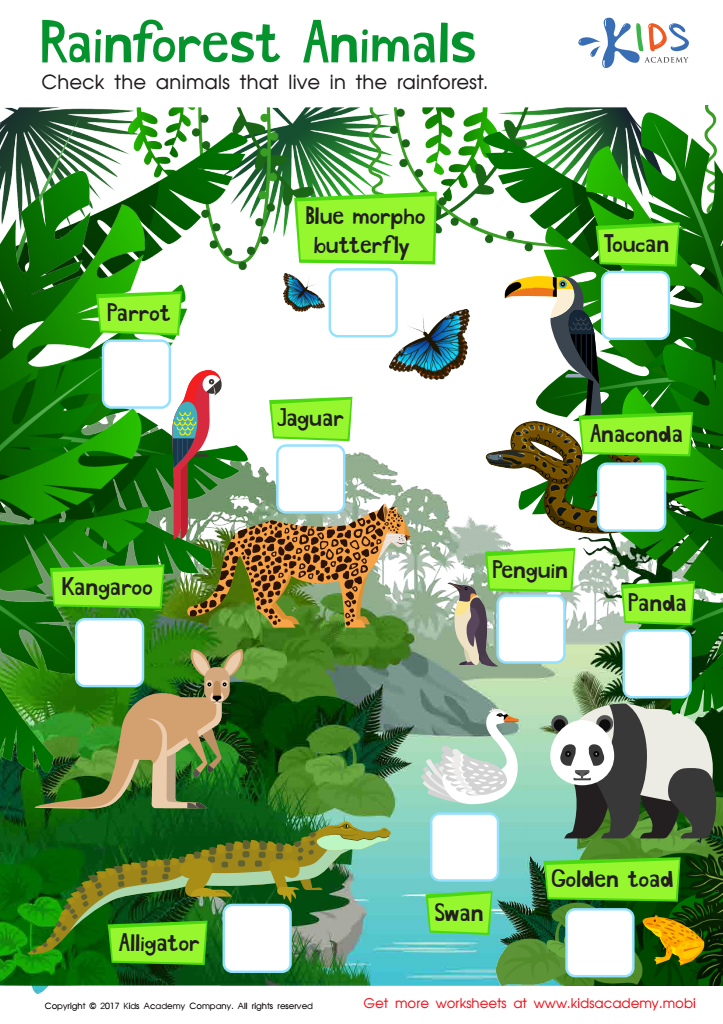
Rainforest Animals Worksheet
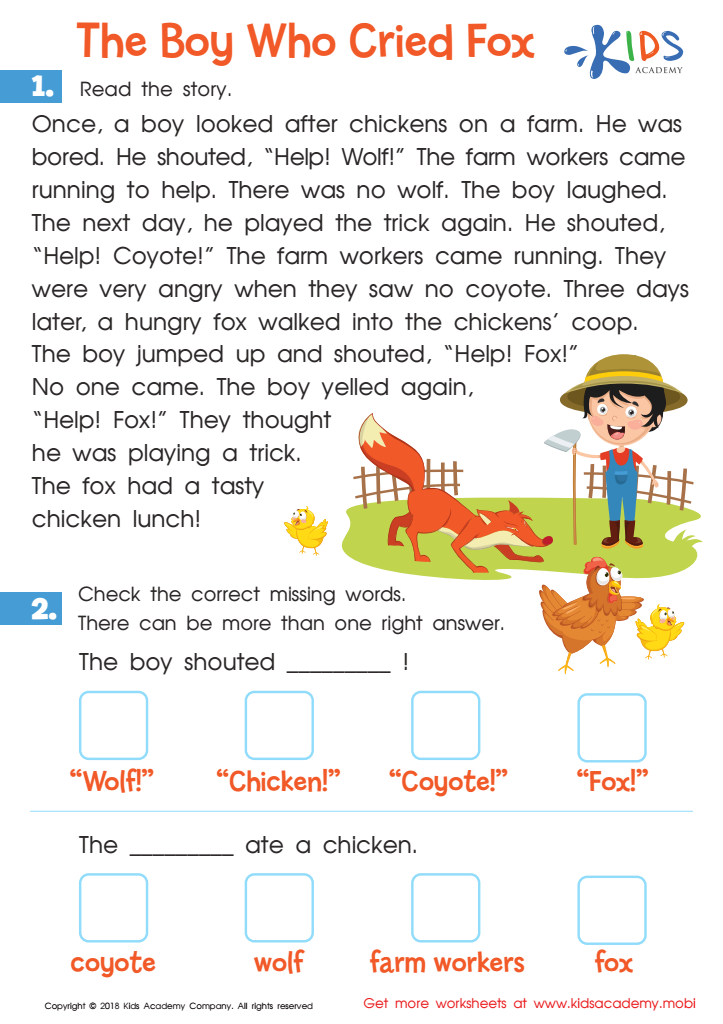
The Boy Who Cried Fox Worksheet
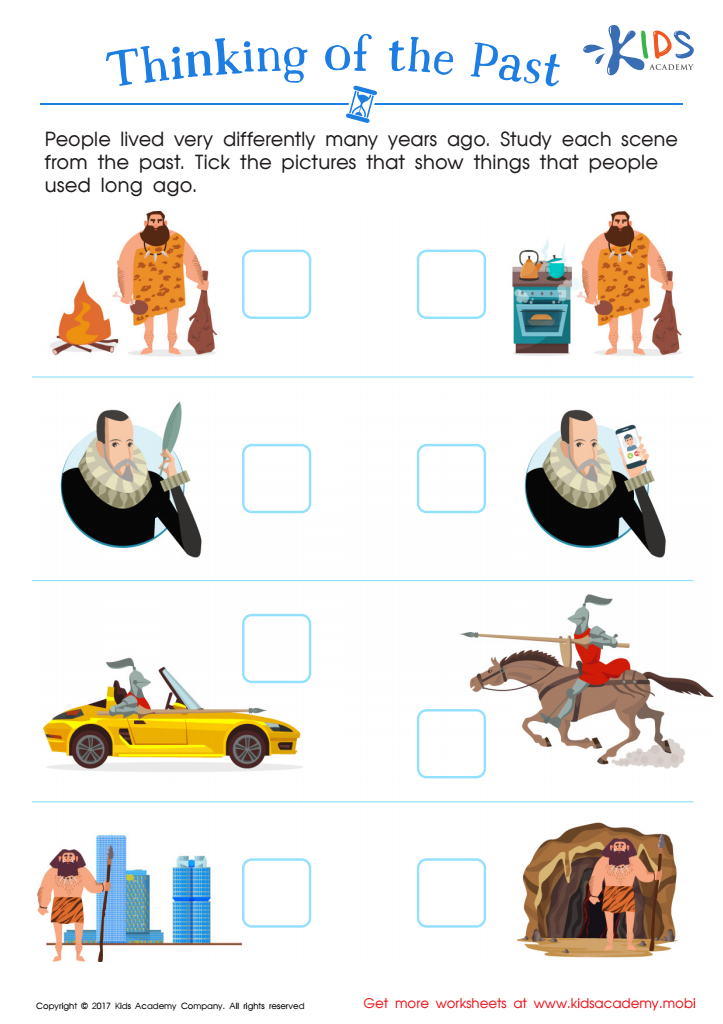
Thinking Past Printable
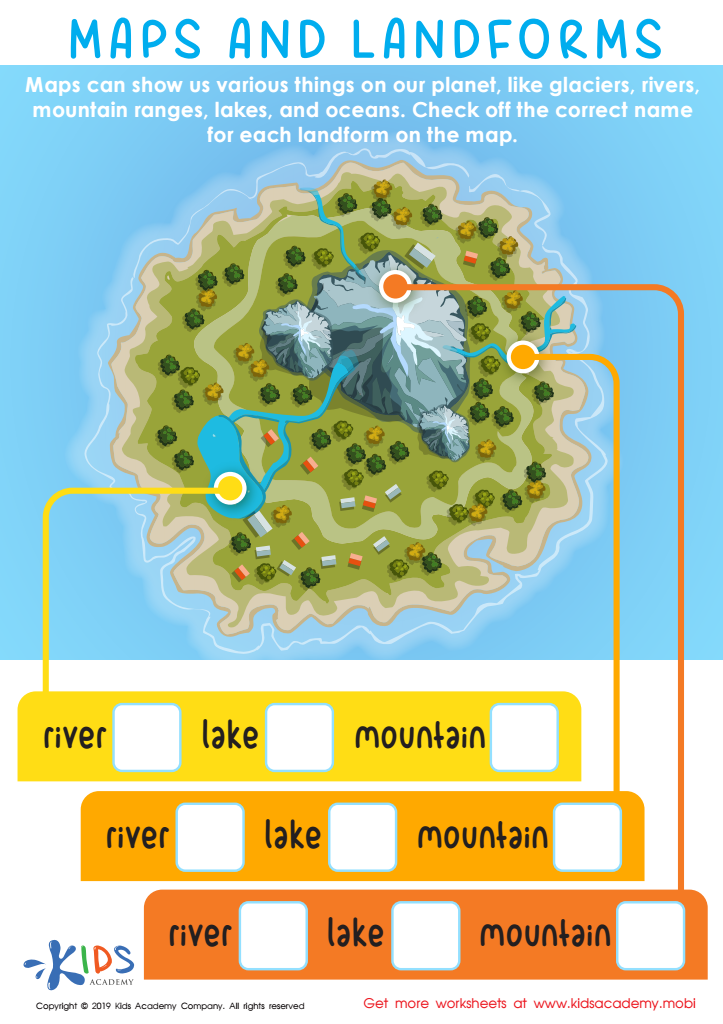
Maps and Landforms Worksheet
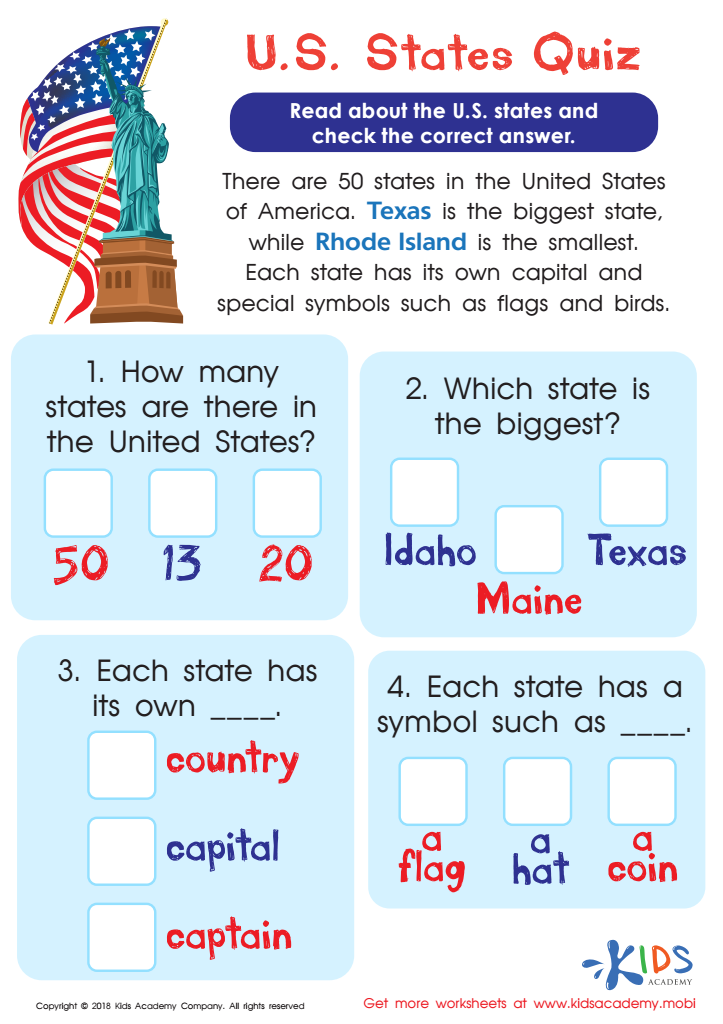
U.S. States Quiz Worksheet
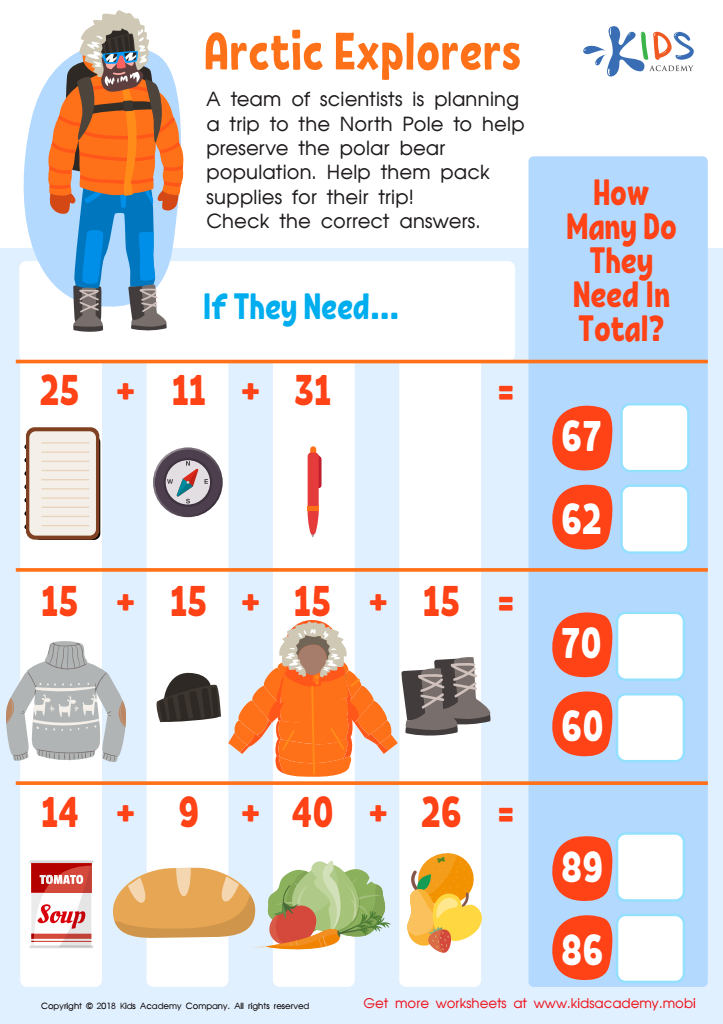
Arctic Explorers Worksheet
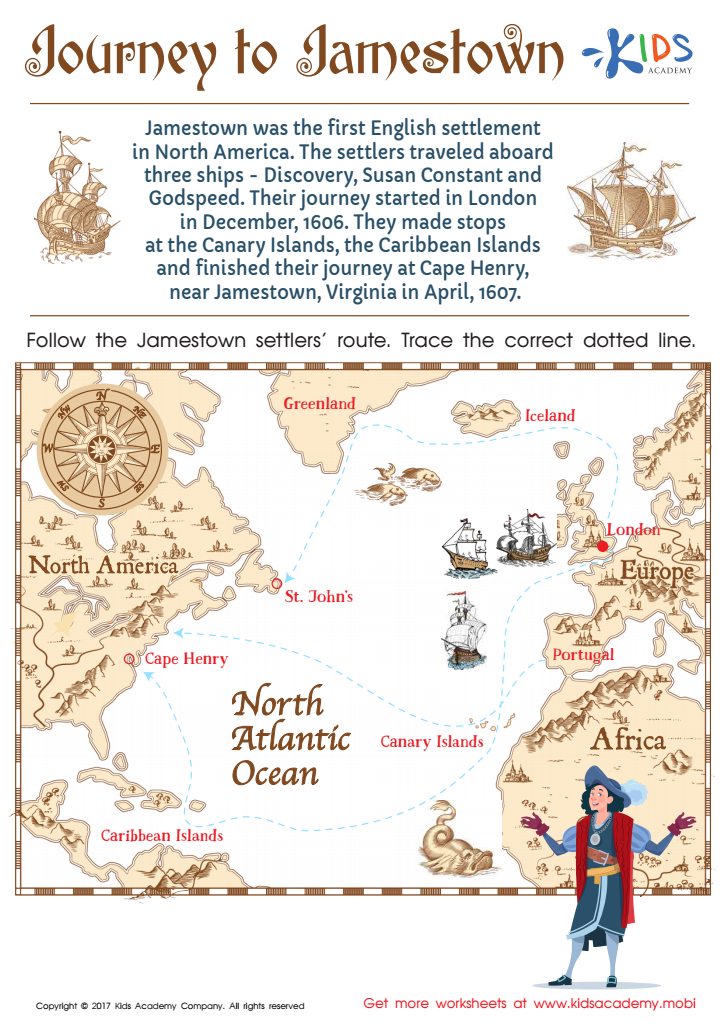
Journey to Jamestown Worksheet
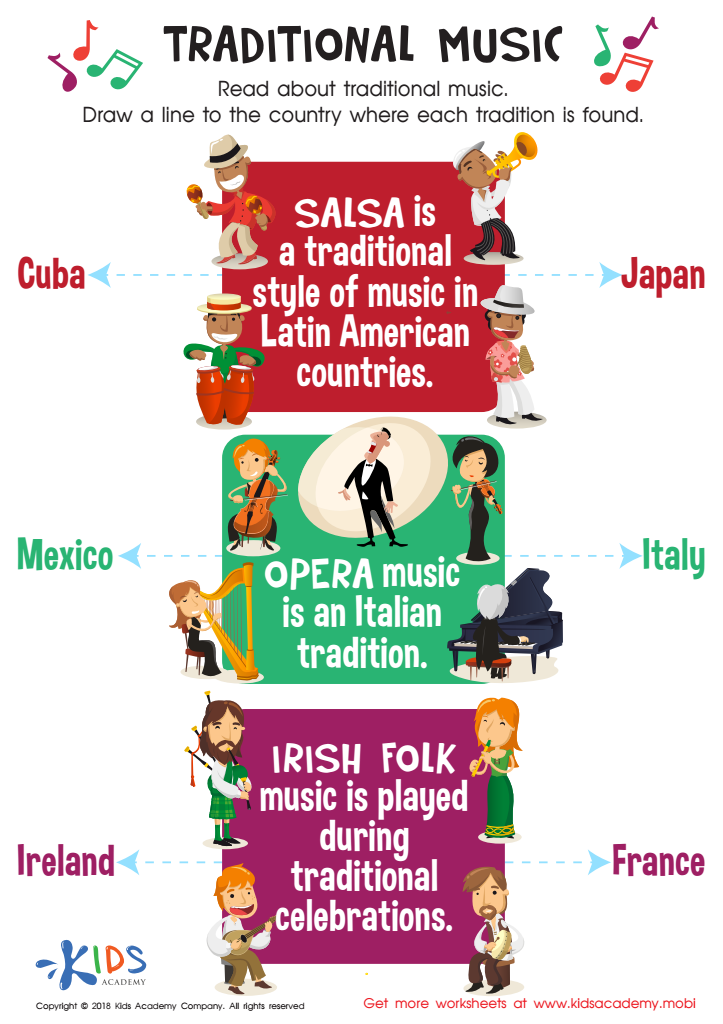
Traditional Music Worksheet
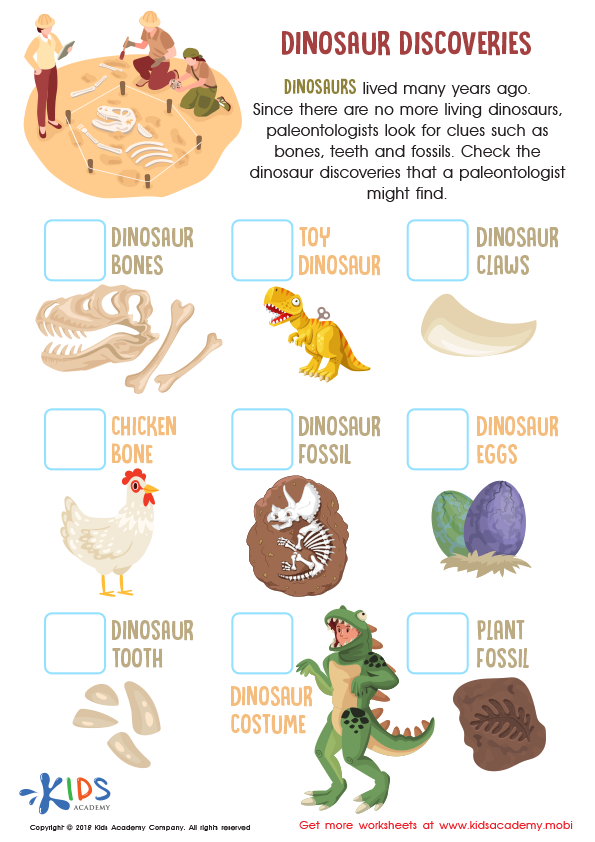
Dinosaur Discoveries Worksheet
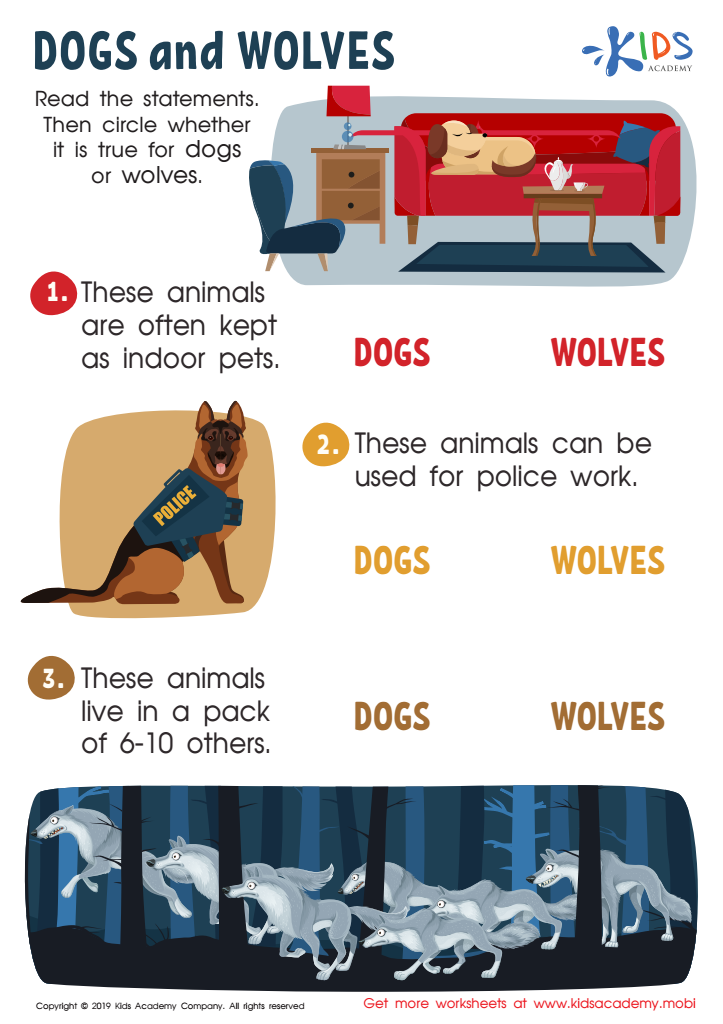
Dogs and Wolves Worksheet
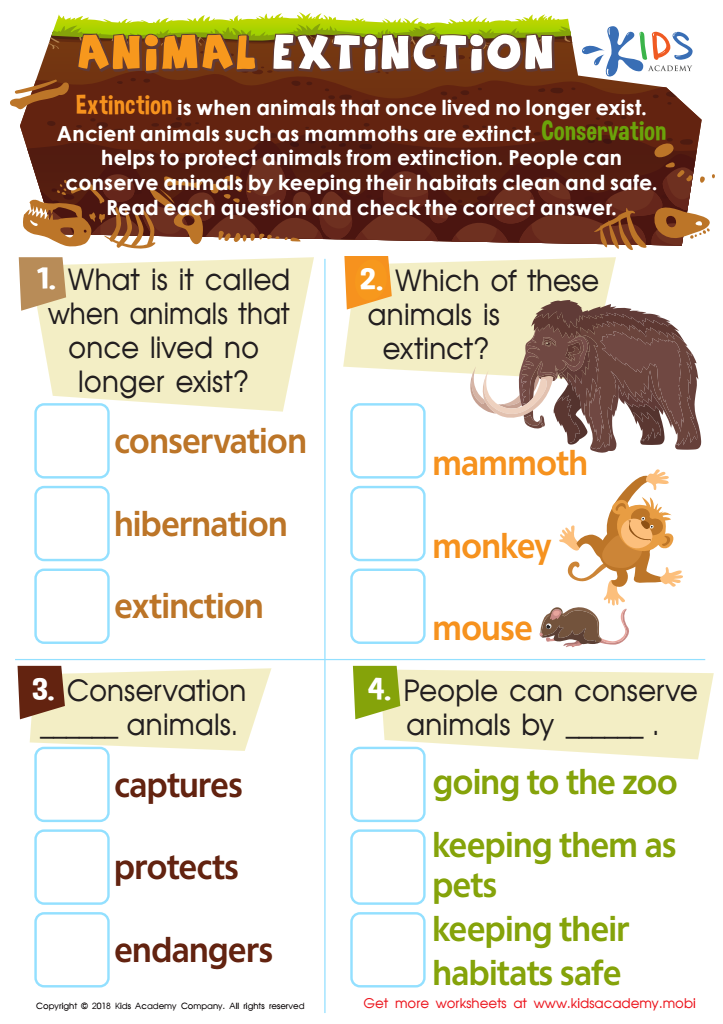
Animal Extinction Worksheet
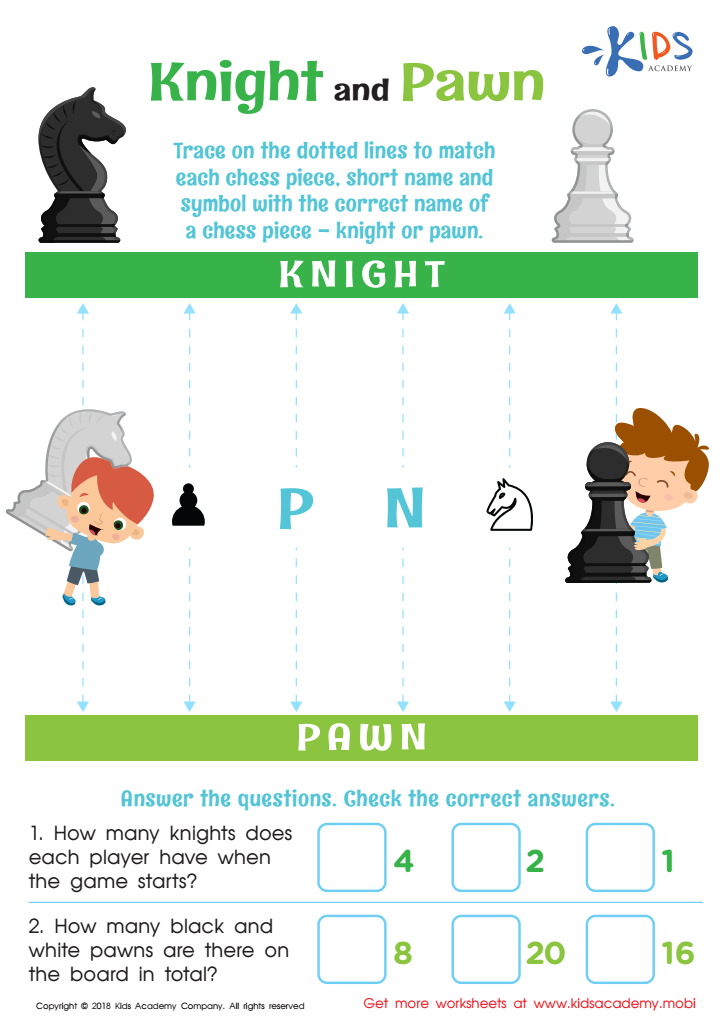
Knight and Pawn Worksheet
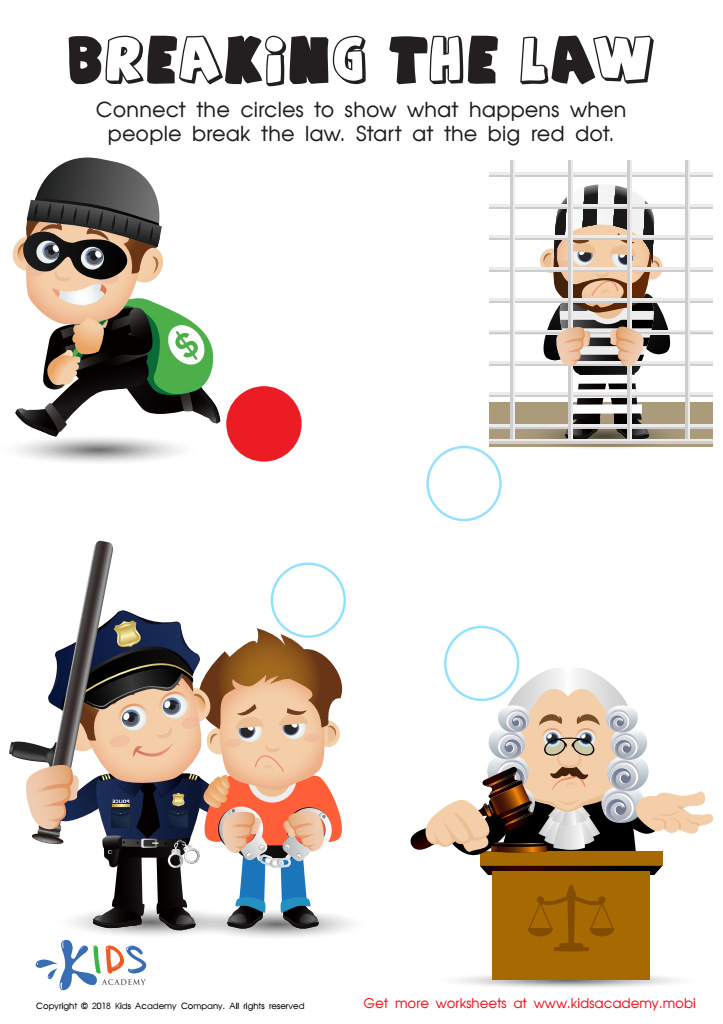
Breaking the Law Worksheet
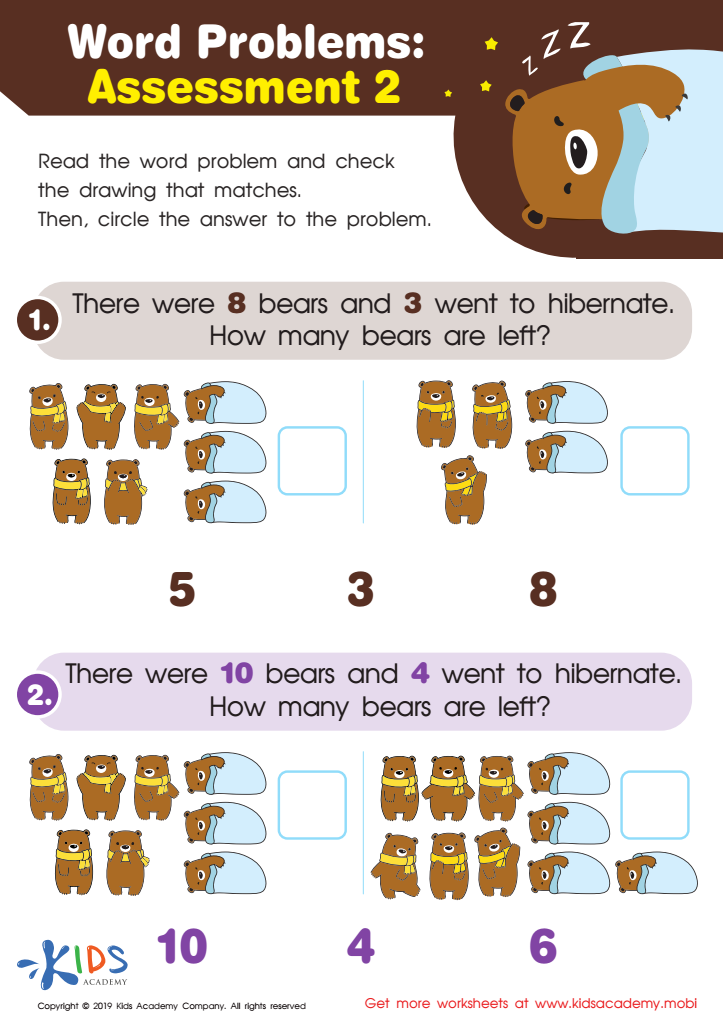
Word Problems: Assessment 2 Worksheet
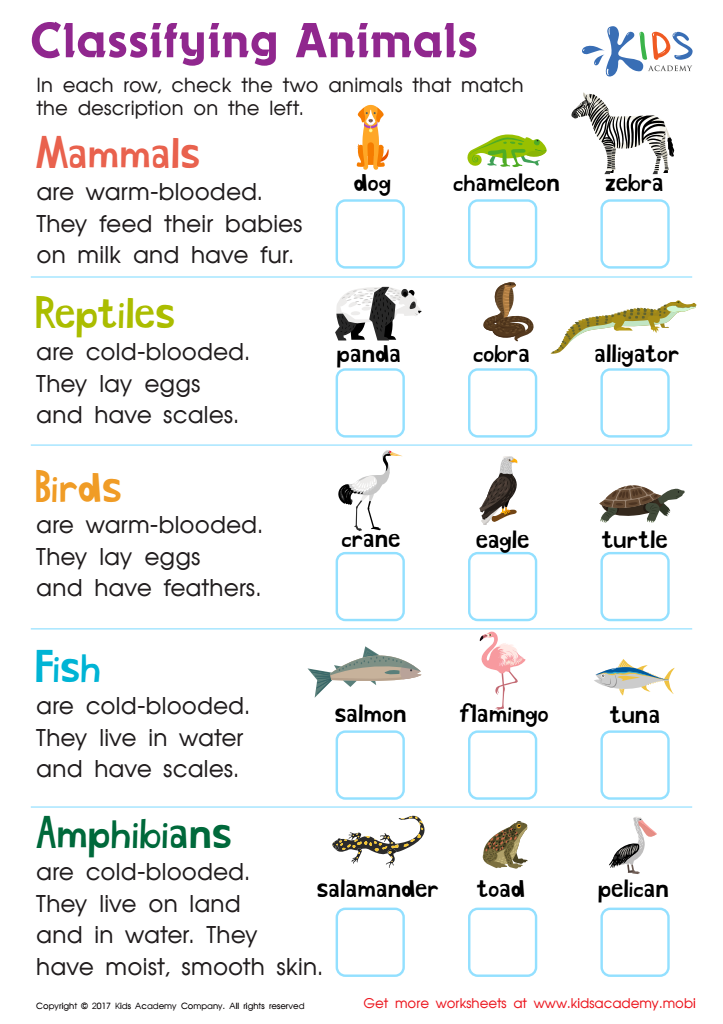
Classifying Animals Worksheet
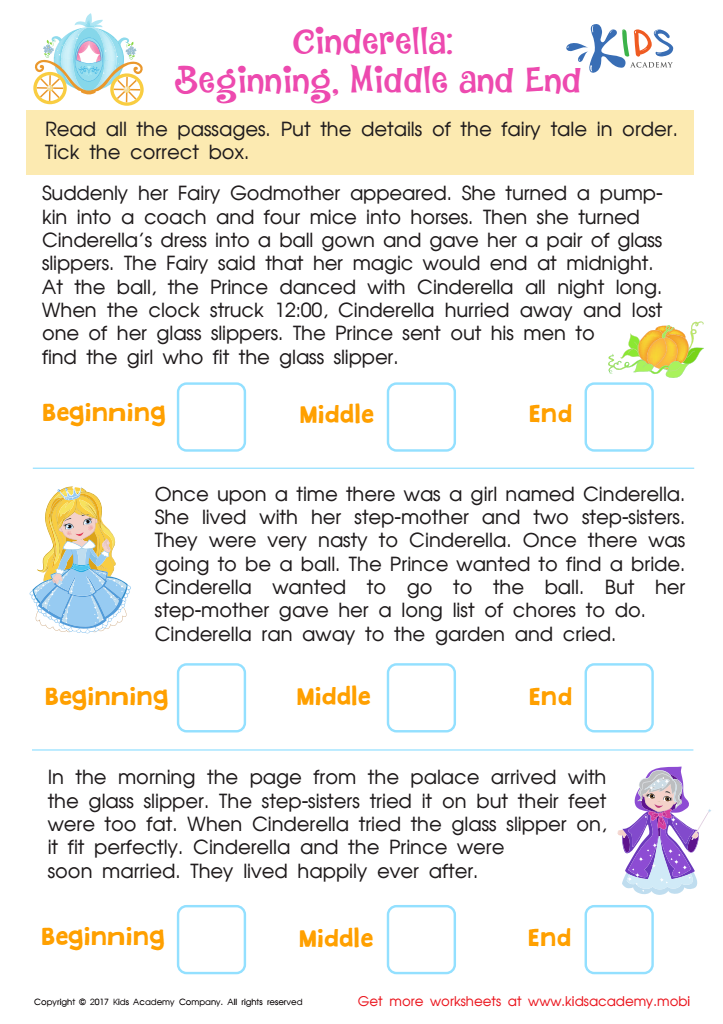
Cinderella: Beginning, Middle and End Worksheet
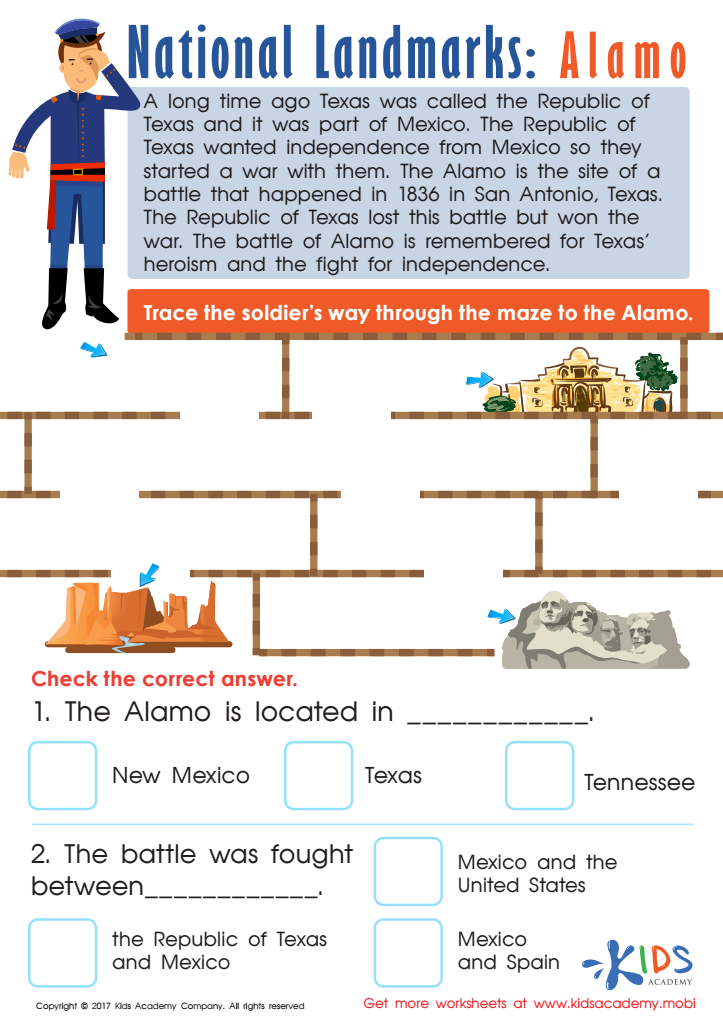
Alamo Printable Worksheet





Critical thinking is an essential skill for children aged 7-8, and both parents and teachers should prioritize its development. At this age, children are increasingly equipped to analyze information, ask questions, and solve problems. Encouraging critical thinking helps them make sense of the world around them, fostering curiosity and enhancing their ability to evaluate different perspectives and arguments.
Parents and teachers play a vital role in nurturing critical thinking by creating environments that encourage exploration and discussion. This age group is characterized by a growing independence in learning, making it the perfect time to introduce open-ended questions and problem-solving activities. For instance, incorporating games that require strategy or cooperation can stimulate young minds to think creatively and critically.
Moreover, critical thinking skills set the foundation for academic achievement and lifelong learning. As children learn to think deeply about various subjects, their ability to analyze and synthesize information improves, benefiting their studies across disciplines. Ultimately, by fostering these skills early on, parents and teachers empower children to become confident, adaptable individuals prepared to navigate the complexities of life in an increasingly dynamic world.








