Handwriting practice Normal Worksheets for Ages 7-8 - Page 2
37 filtered results
-
From - To
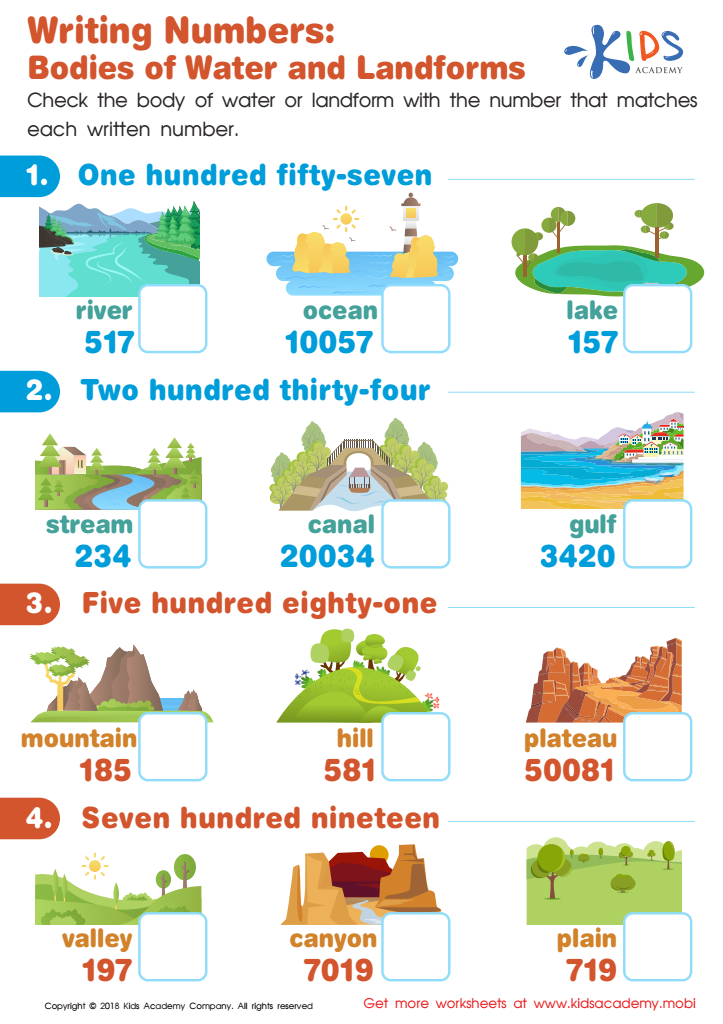
Bodies of Water and Landforms Writing Numbers Worksheet
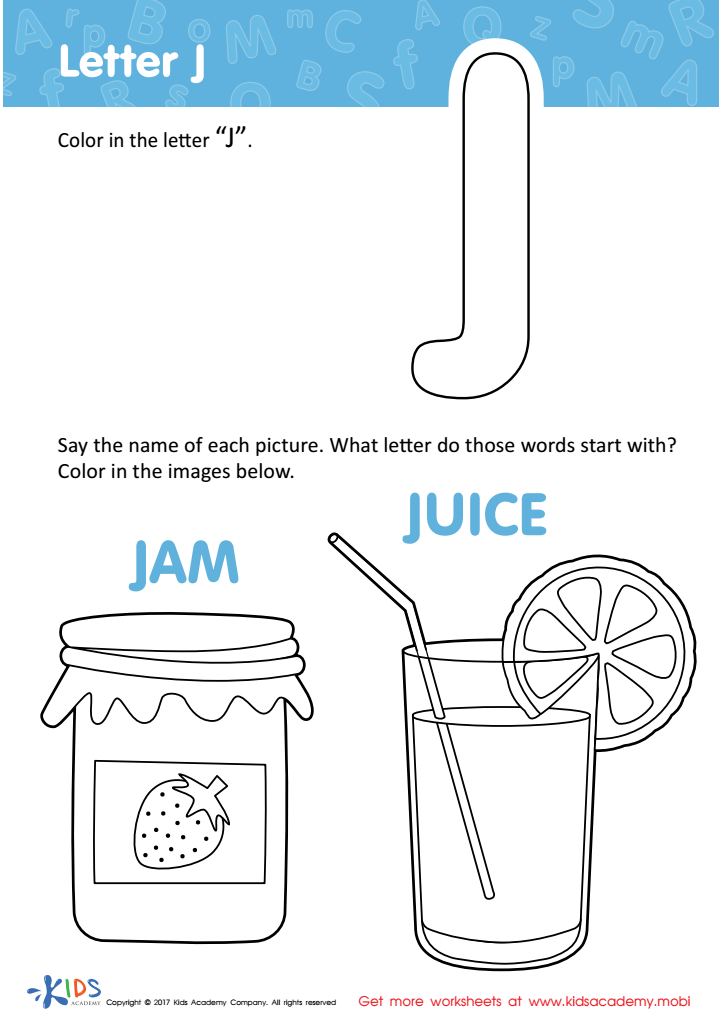
Letter J Coloring Sheet
 Assign to My Students
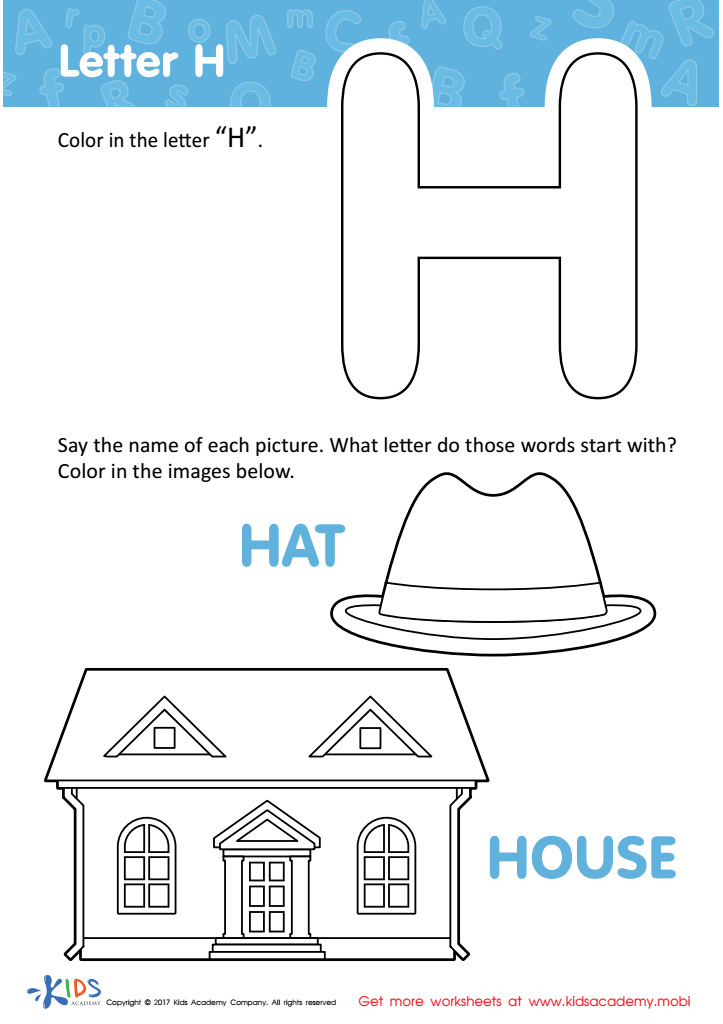
Letter H Coloring Sheet
Assign to My Students
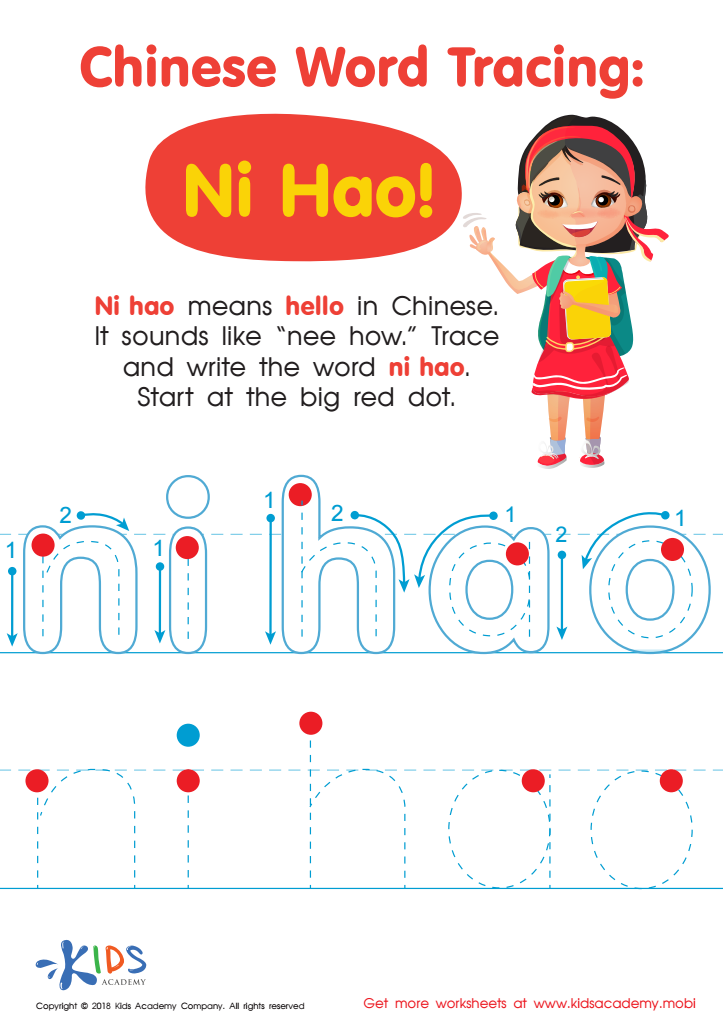
Chinese Word Tracing: Ni Hao Worksheet
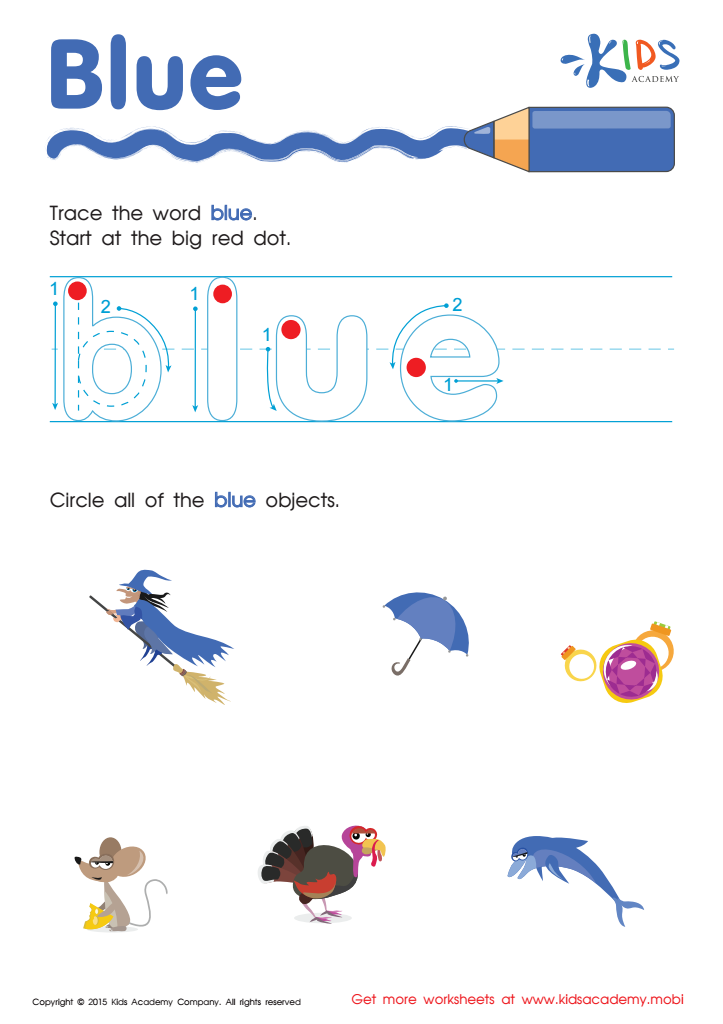
Blue Tracing Color Words Printable
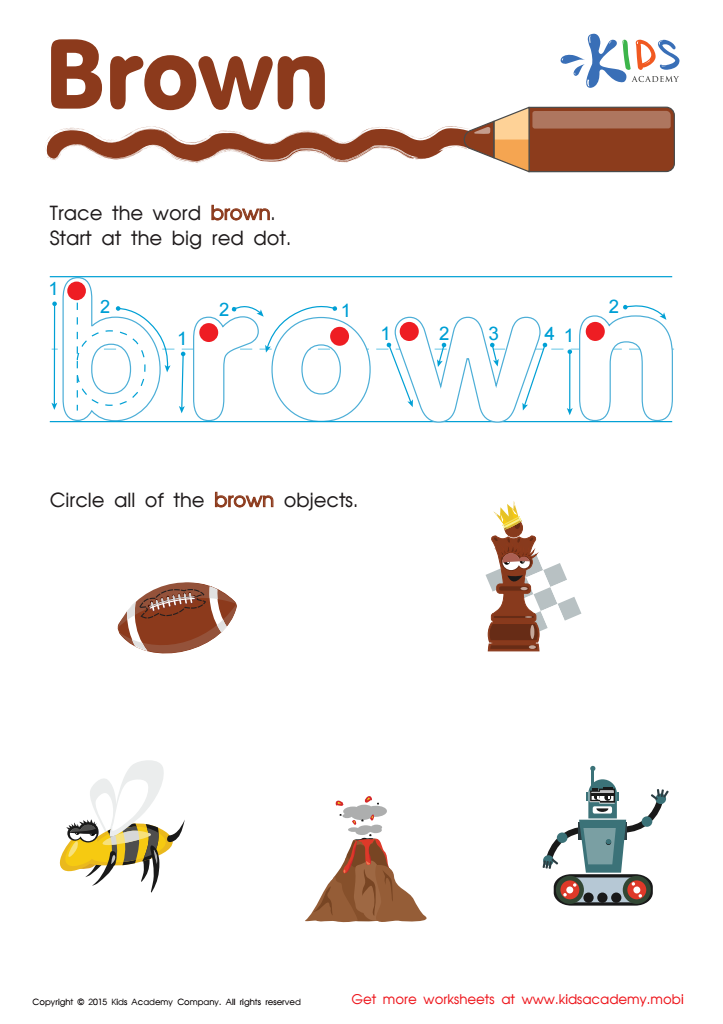
Brown Tracing Color Words Worksheet
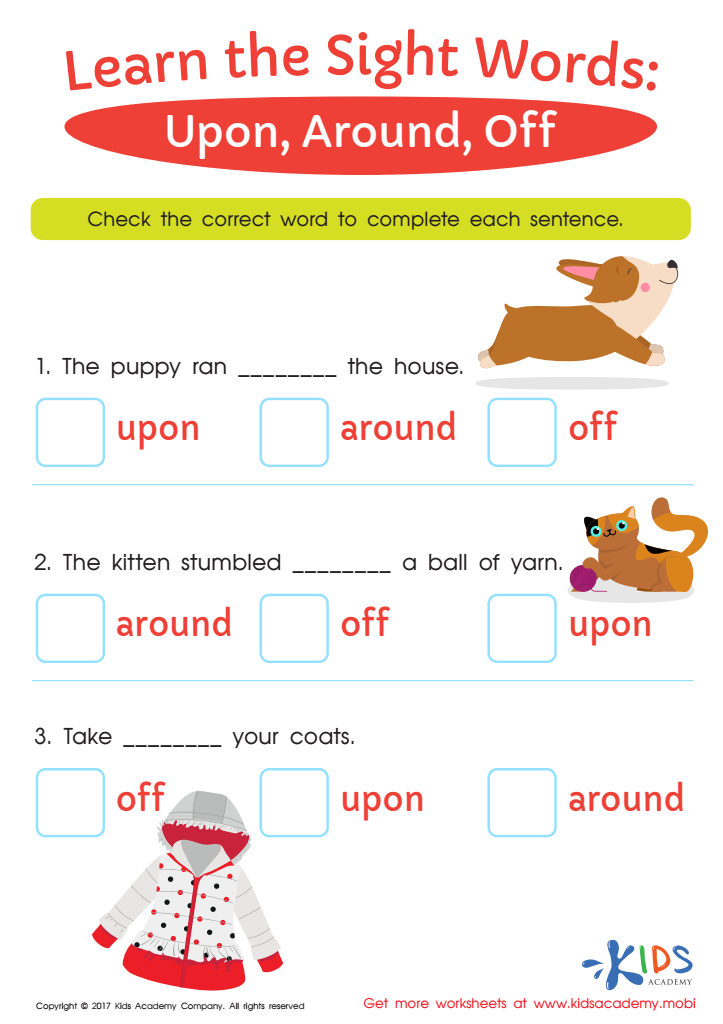
Upon, Around, Off Sight Words Worksheet
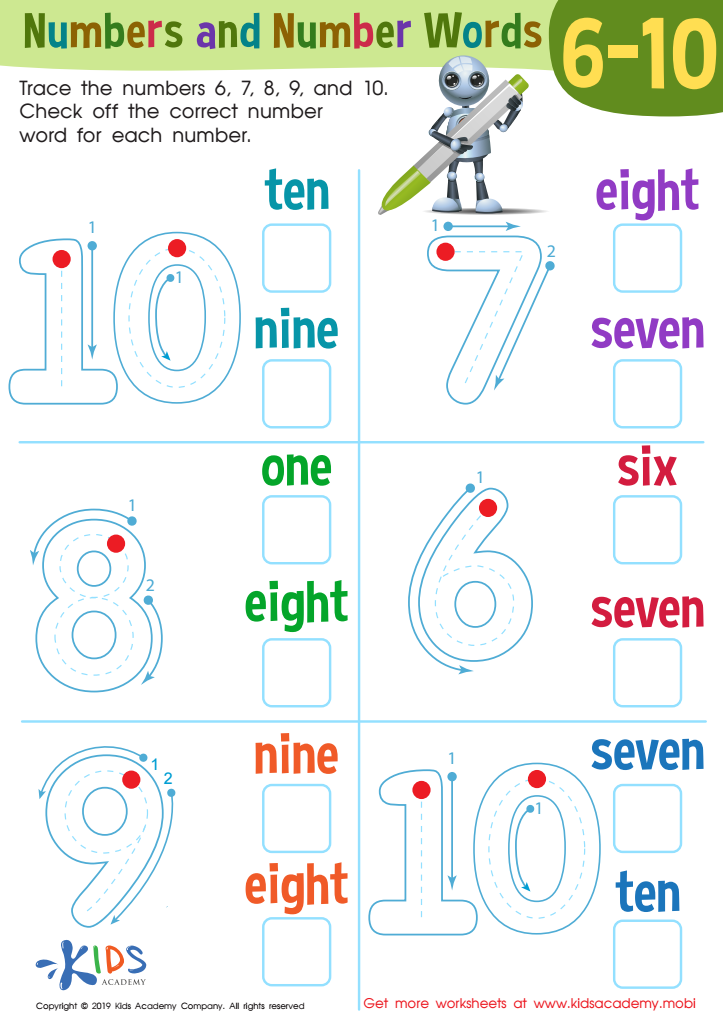
Numbers and Number Words 6–1 Worksheet
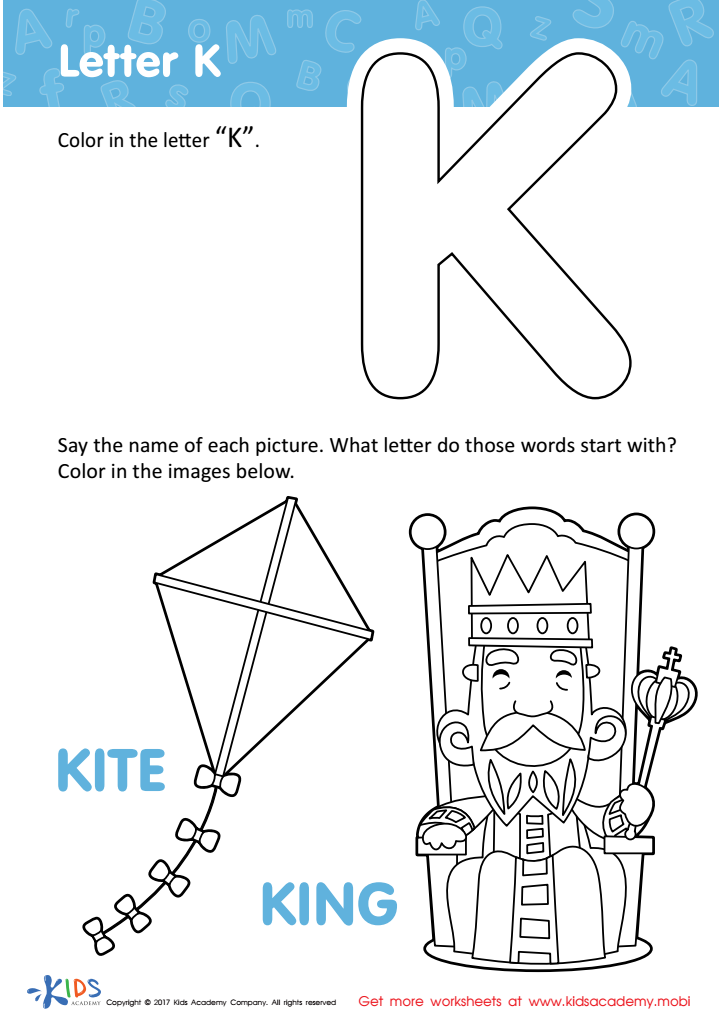
Letter K Coloring Sheet
Assign to My Students
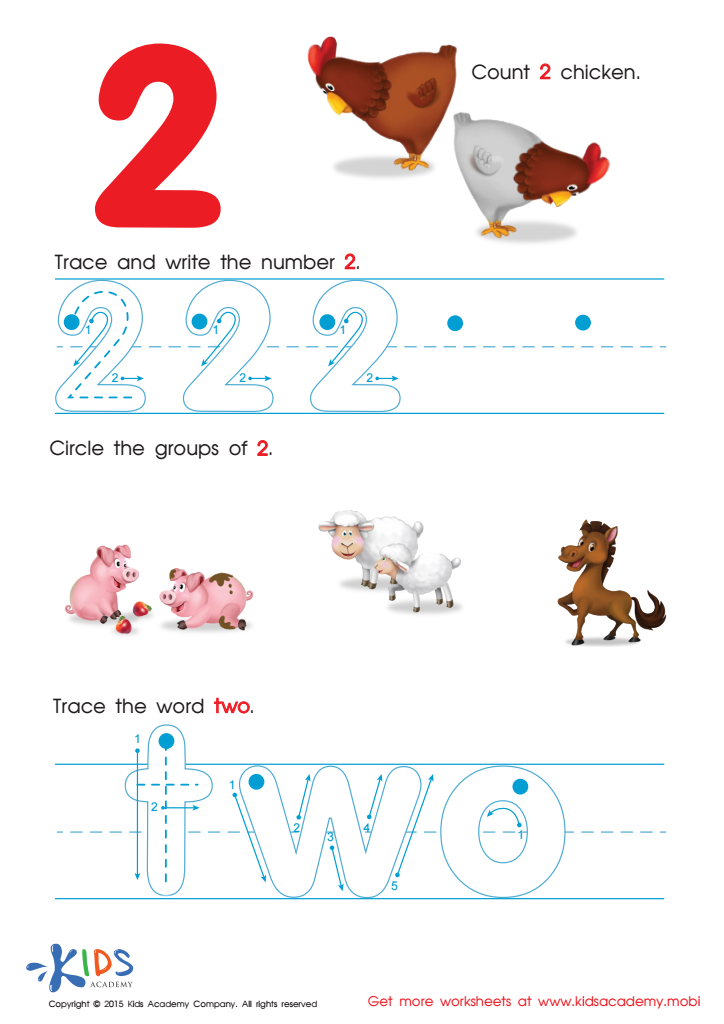
Learn to Write the Number 2 Worksheet
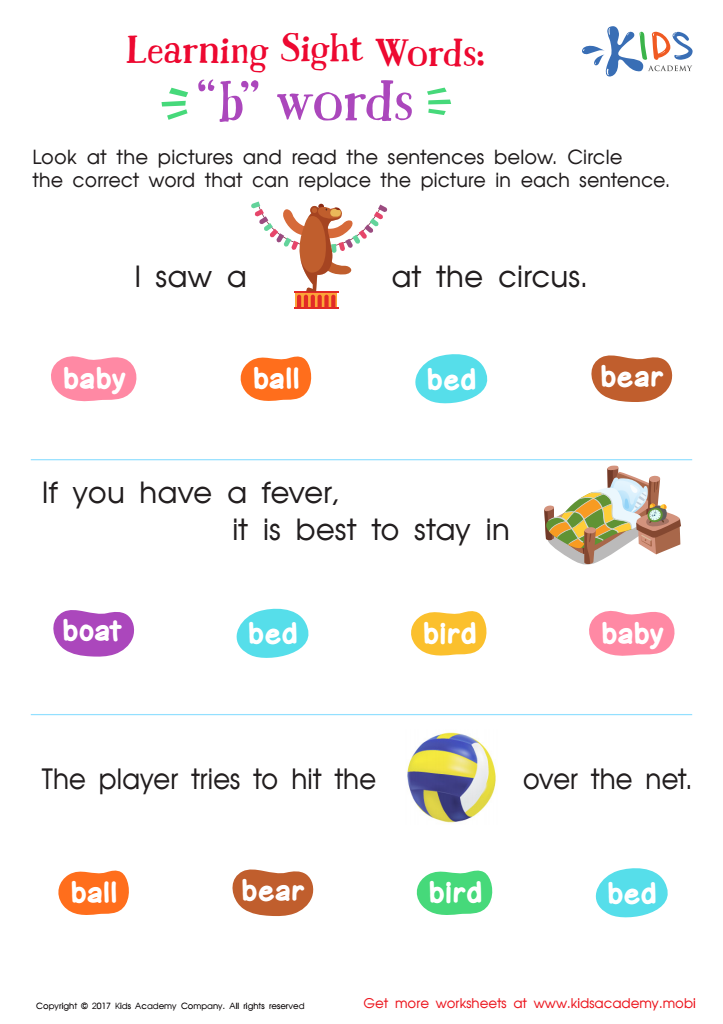
"B" Words Printable Sight Words Worksheet

Letter N Coloring Sheet
Assign to My Students
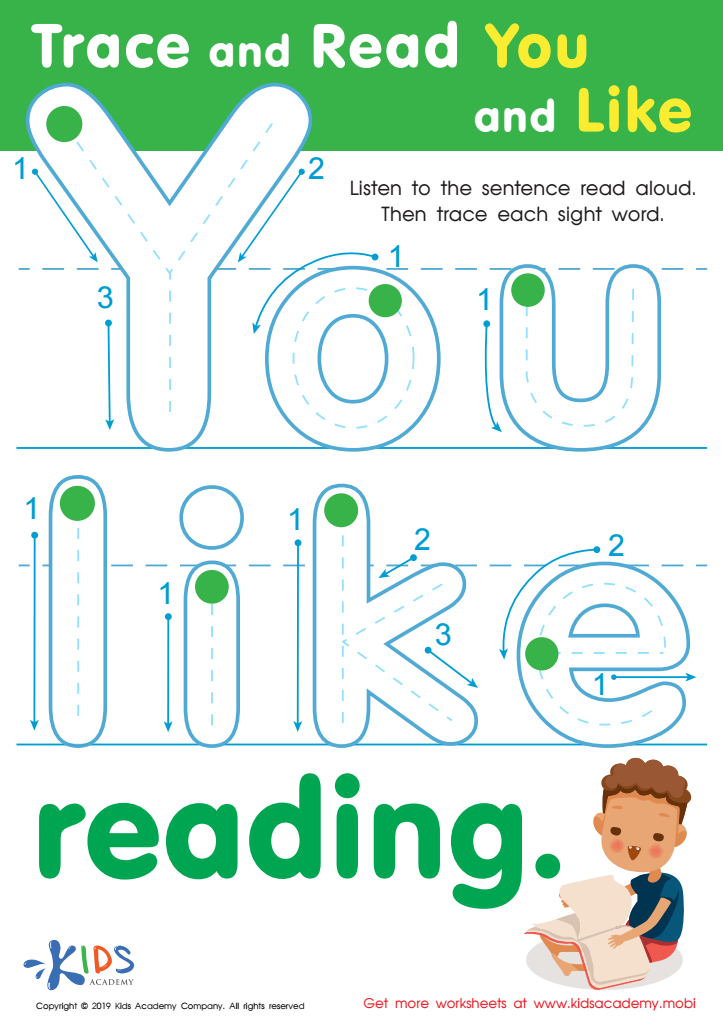
Trace Read You Like Worksheet








Handwriting practice remains a crucial skill for children aged 7-8, and both parents and teachers should prioritize it for several reasons. First, handwriting is directly linked to literacy development. As children begin to compose their thoughts in writing, the physical act of forming letters strengthens their understanding of language structure, spelling, and vocabulary.
Additionally, handwriting fosters fine motor skills. At this age, children are still refining their dexterity, and practicing handwriting helps them develop hand-eye coordination, finger strength, and control, which are vital for various everyday tasks.
Furthermore, neat handwriting can impact a child's self-esteem. When children take pride in their writing, it boosts their confidence and encourages them to express their ideas more freely. Good handwriting can also enhance communication; clearer writing leads to better understanding between the writer and reader, reducing frustration in sharing thoughts.
Finally, in a digital era, where typing often takes precedence, having proficient handwriting skills is still essential. It ensures that children can remain engaged in traditional learning methods, such as note-taking and test-taking, which often require handwritten work. Therefore, cultivating handwriting skills is fundamental for academic success and personal development.








