Identification skills Normal Worksheets for Ages 7-8
6 filtered results
-
From - To
Explore our top-notch Identification Skills Worksheets specially designed for children aged 7-8. These worksheets are crafted to enhance young learners' ability to identify shapes, patterns, letters, and numbers. Packed with fun and interactive activities, each worksheet aims to boost critical thinking and observation skills. Our resources are perfect for reinforcing concepts taught in class and ensuring your child gains a solid foundation in identification skills. Download now and give your child the tools they need to succeed! Visit Kids Academy to access a wide variety of engaging and educational worksheets tailored for developing these essential skills.
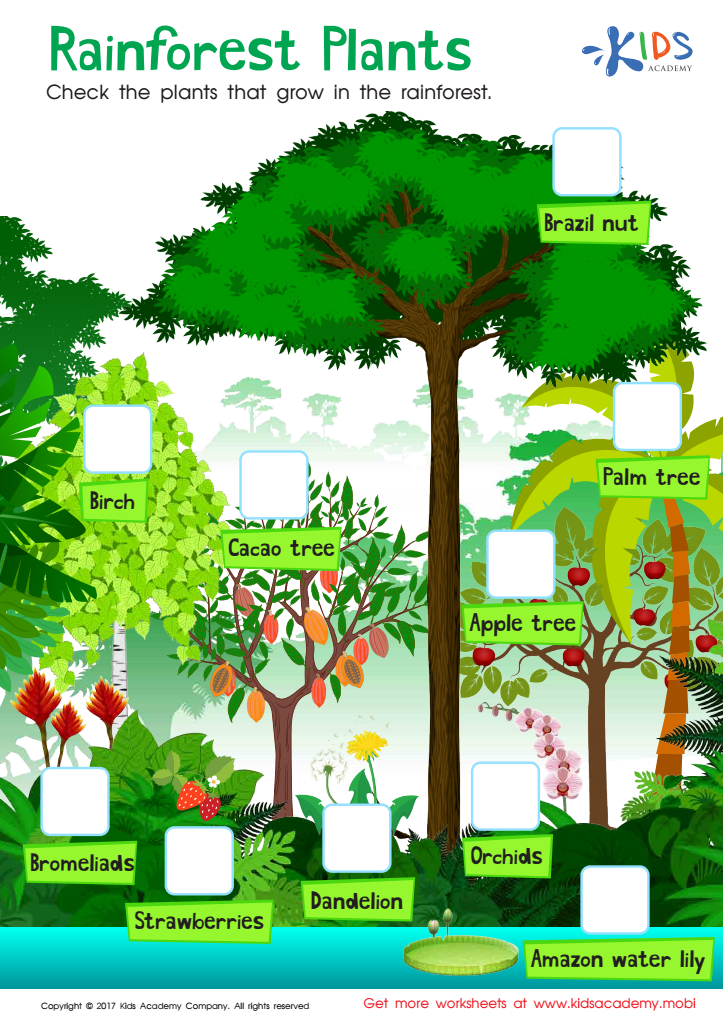
Rainforest Plants Worksheet
 Assign to My Students
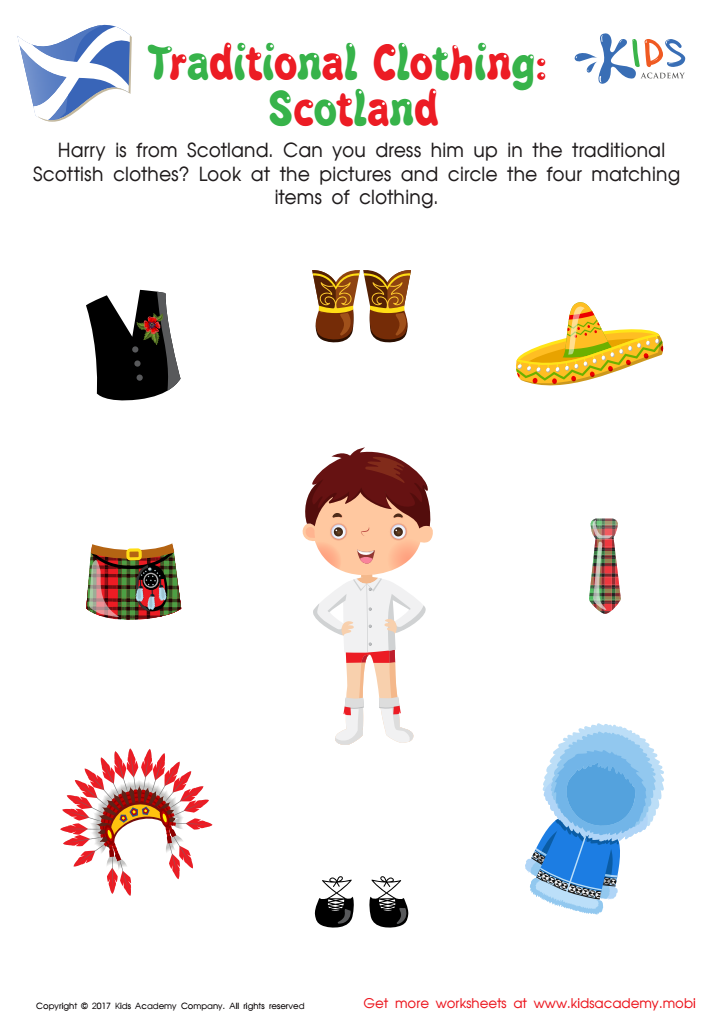
Traditional Clothing in Scotland Worksheet
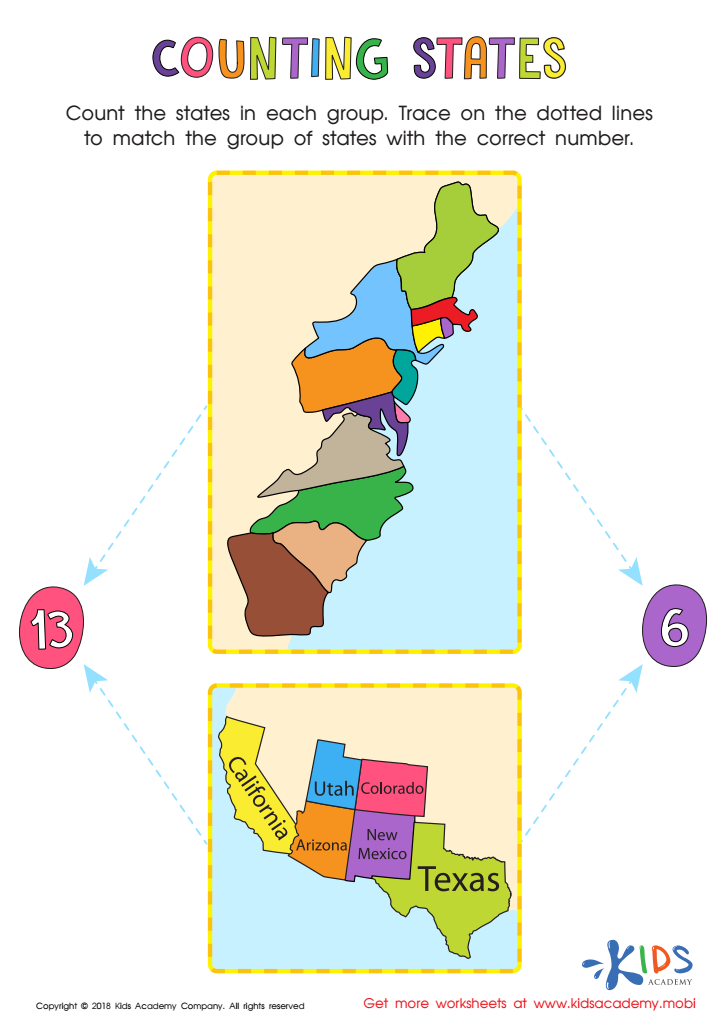
Counting States Worksheet
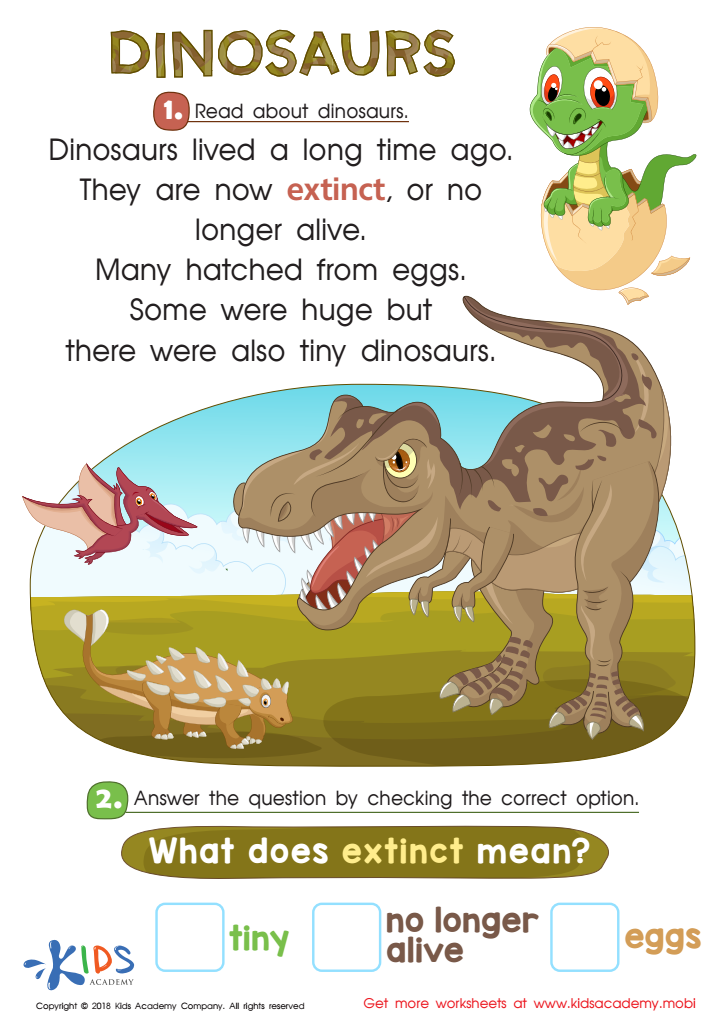
Dinosaurs Worksheet
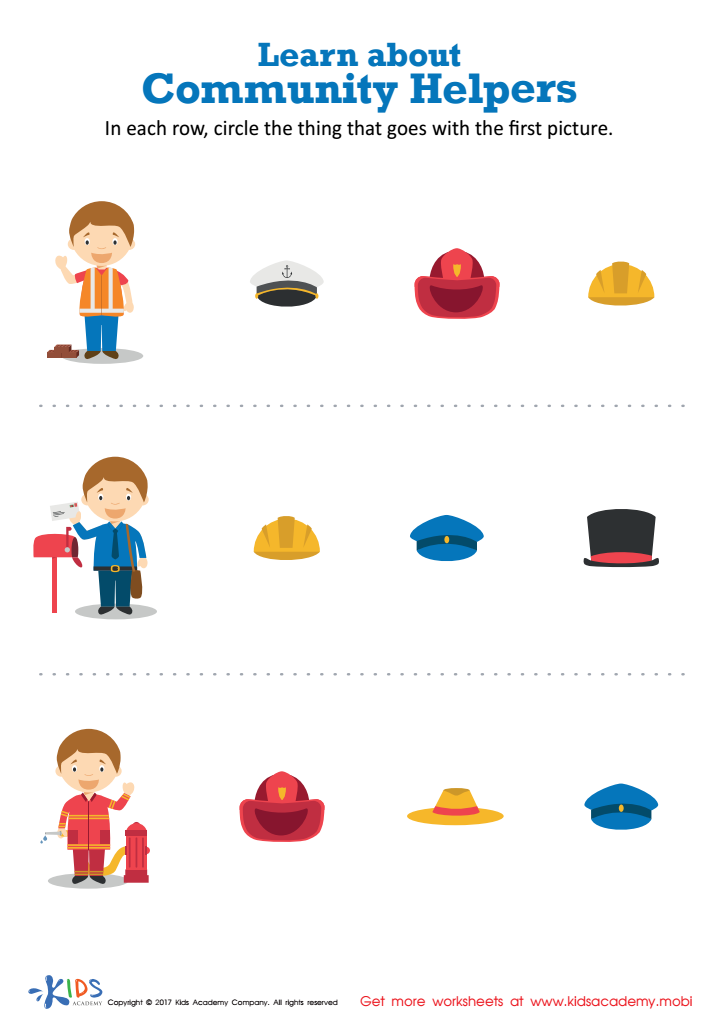
Learn about Community Helpers Printable





%20(1).jpg)

Identification skills, including the ability to recognize and name objects, letters, numbers, and even emotions, are crucial for children aged 7-8. These skills form the foundation for academic success and overall cognitive development. When parents or teachers pay attention to how well children develop these skills, they can intervene early if there are any issues, ensuring any learning difficulties are addressed before they become significant problems.
Poor identification skills at this age can lead to challenges in reading, writing, and arithmetic, impacting a child's self-esteem and interest in school. Children who struggle with identification may also have difficulties with following instructions, problem-solving, and social interactions. By monitoring and supporting these skills, parents and teachers can help children develop confidence and competence in these areas.
Furthermore, identification skills extend beyond academics; they are essential for everyday life activities. Recognizing traffic signs, understanding social cues, and identifying personal items all require strong identification skills. Early detection and support can thus enhance a child’s independence and safety.
Involvement of parents and teachers in nurturing these skills ensures a well-rounded development, laying the groundwork for lifelong learning and adaptive social behaviors. Activities like reading together, playing educational games, and interactive learning can make this process enjoyable and effective.








