Improving reading skills Normal Worksheets for Ages 7-8
6 filtered results
-
From - To
Unlock your child's reading potential with our "Improving Reading Skills Normal Worksheets" designed specifically for ages 7-8. These engaging worksheets provide a structured approach to enhance your child's reading fluency, comprehension, and vocabulary through interactive exercises. Each worksheet features age-appropriate texts and comprehension questions that encourage critical thinking and retention. Ideal for reinforcing classroom learning or providing extra practice at home, our resources cater to various reading levels and interests. Help your child develop a lifelong love for reading while building essential skills in a fun and supportive way. Start boosting your child’s reading confidence today!
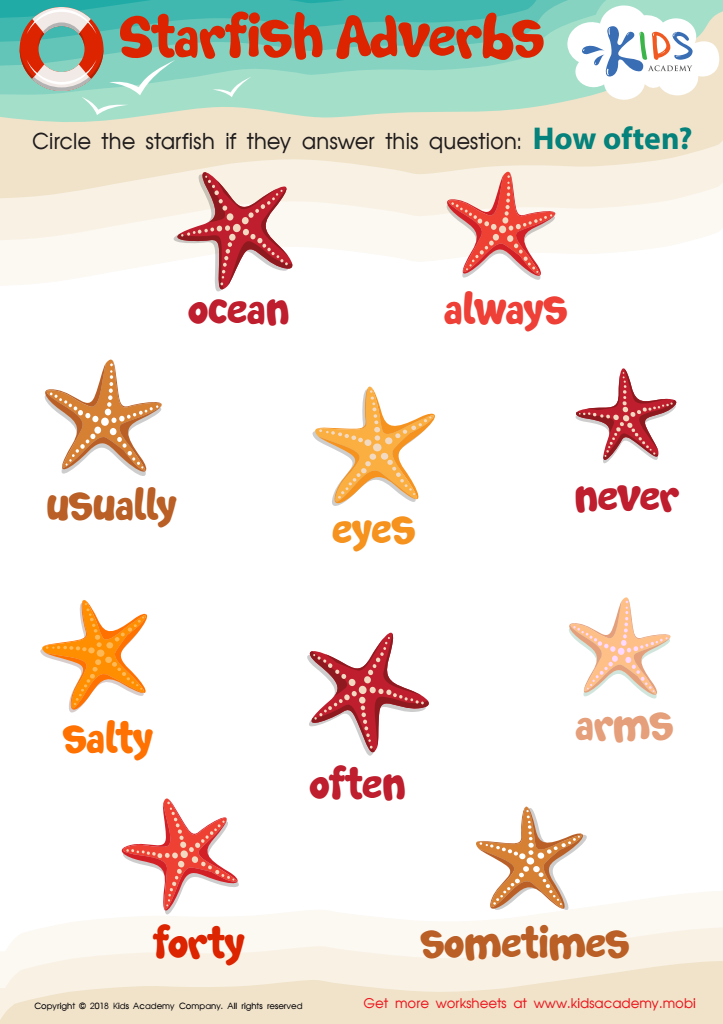
Starfish Adverbs Worksheet
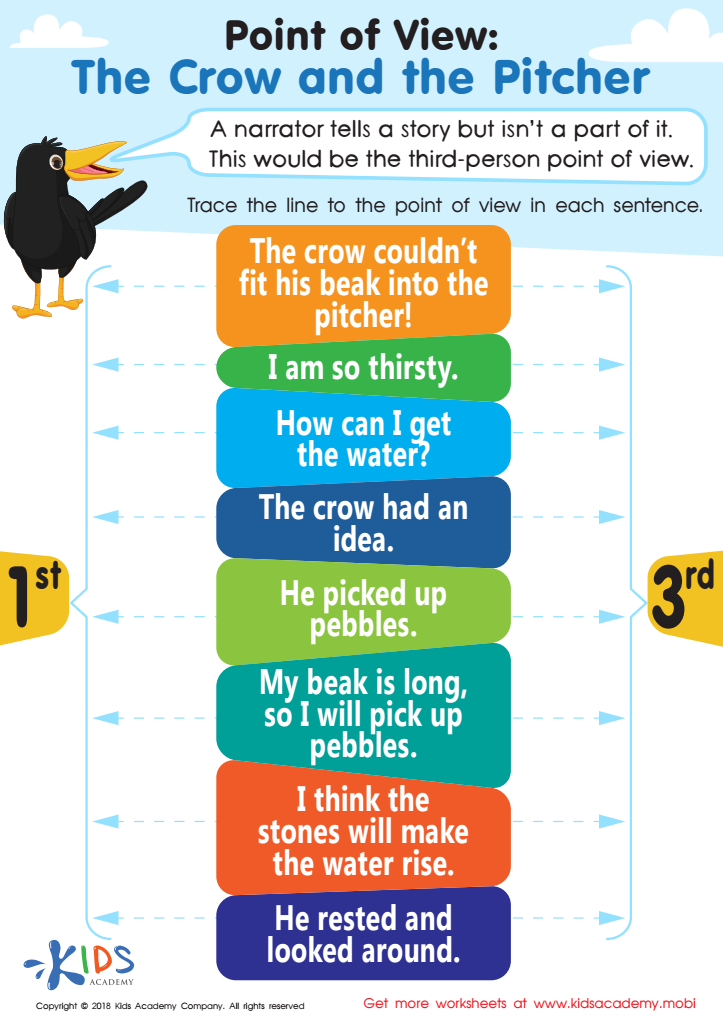
Point of View: The Crow and the Pitcher Worksheet
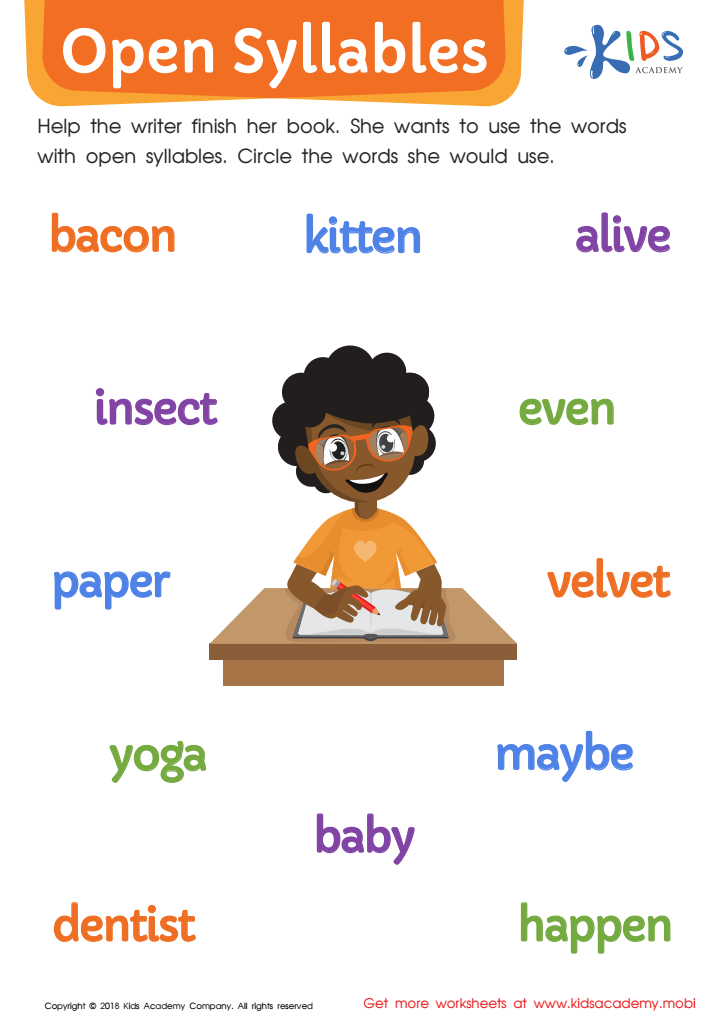
Open Syllables Worksheet
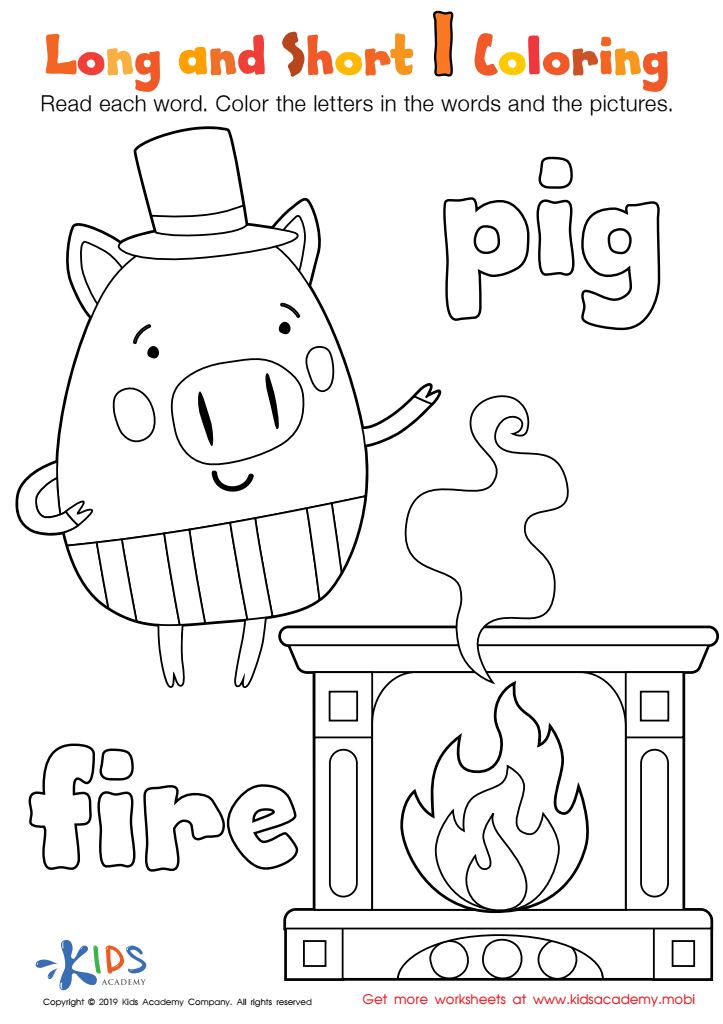
Long and Short I Worksheet
 Assign to My Students
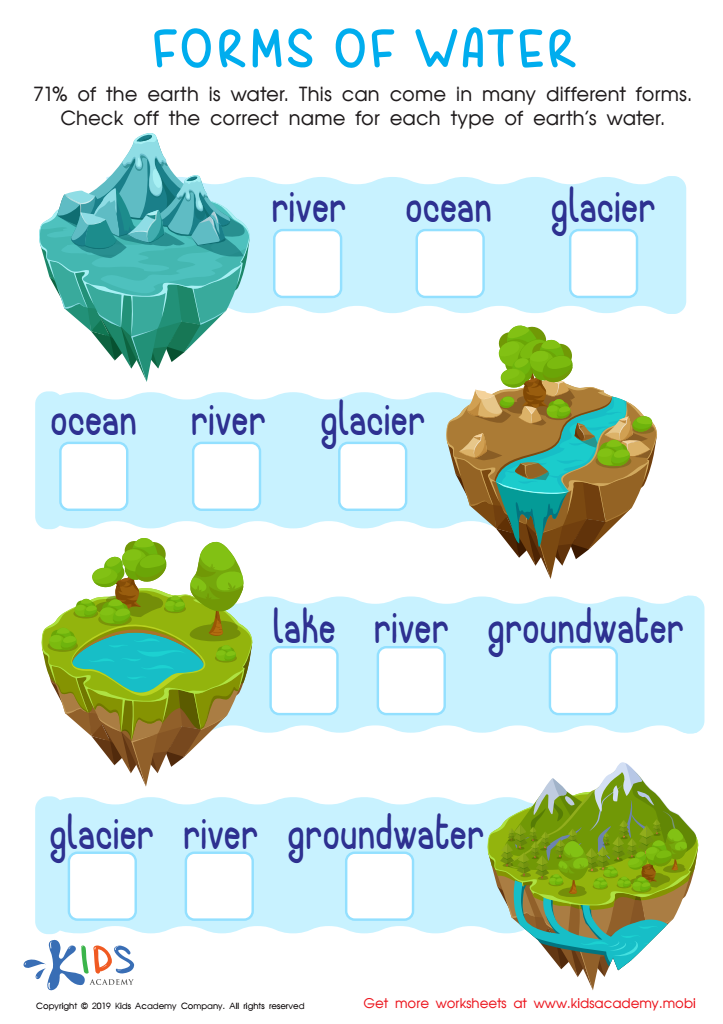
Forms of Water Worksheet
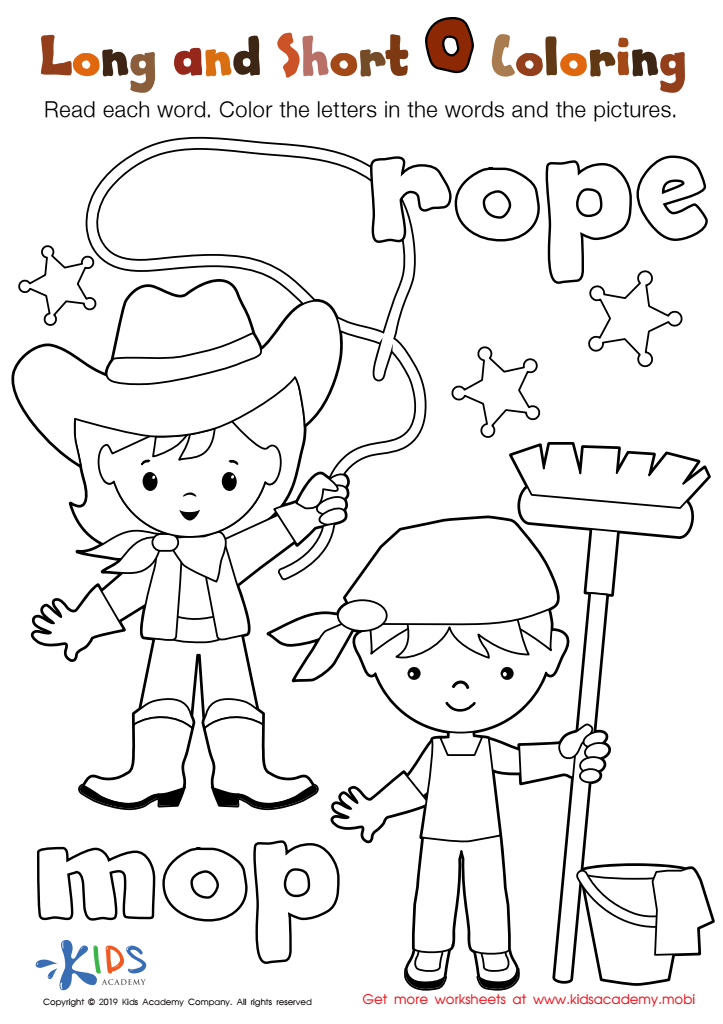
Long and Short O Worksheet
Assign to My Students








Improving reading skills in children aged 7-8 is crucial for several compelling reasons. At this developmental stage, children transition from learning to read to reading to learn. Strong reading abilities are foundational for academic success, as they influence comprehension across subjects like math, science, and social studies. When parents and teachers prioritize reading, they effectively equip children with the tools necessary to understand complex concepts.
Moreover, reading enhances vocabulary, critical thinking, and communication skills, allowing children to articulate their thoughts more clearly. This age is critical for fostering a love of reading and literacy. By nurturing these skills early, children are more likely to become lifelong readers, which opens doors to knowledge and opportunities later in life.
Socially and emotionally, reading can cultivate empathy and emotional intelligence, as stories expose kids to diverse experiences and perspectives. Furthermore, strong reading skills can boost a child's confidence and self-esteem, as they experience achievements and mastery in reading tasks.
In summary, enhancing reading skills in 7- to 8-year-olds empowers them academically, socially, and emotionally, equipping them for future challenges and enriching their overall development. Parents and teachers play a vital role in making literacy a priority during these formative years.








