Number Sequencing Normal Worksheets for Ages 7-8
9 filtered results
-
From - To
Enhance your child's mathematical skills with our Number Sequencing Normal Worksheets designed specifically for ages 7-8. These printable worksheets provide engaging exercises that help children recognize patterns, improve their number sense, and develop critical thinking skills through fun activities. Each worksheet offers a variety of sequencing tasks, including ascending and descending order challenges that cater to varying skill levels. By practicing regularly, kids will build confidence and proficiency in number sequencing, essential for future math concepts. Perfect for home study or classroom use, these worksheets make learning exciting and interactive. Start your child's math journey today!
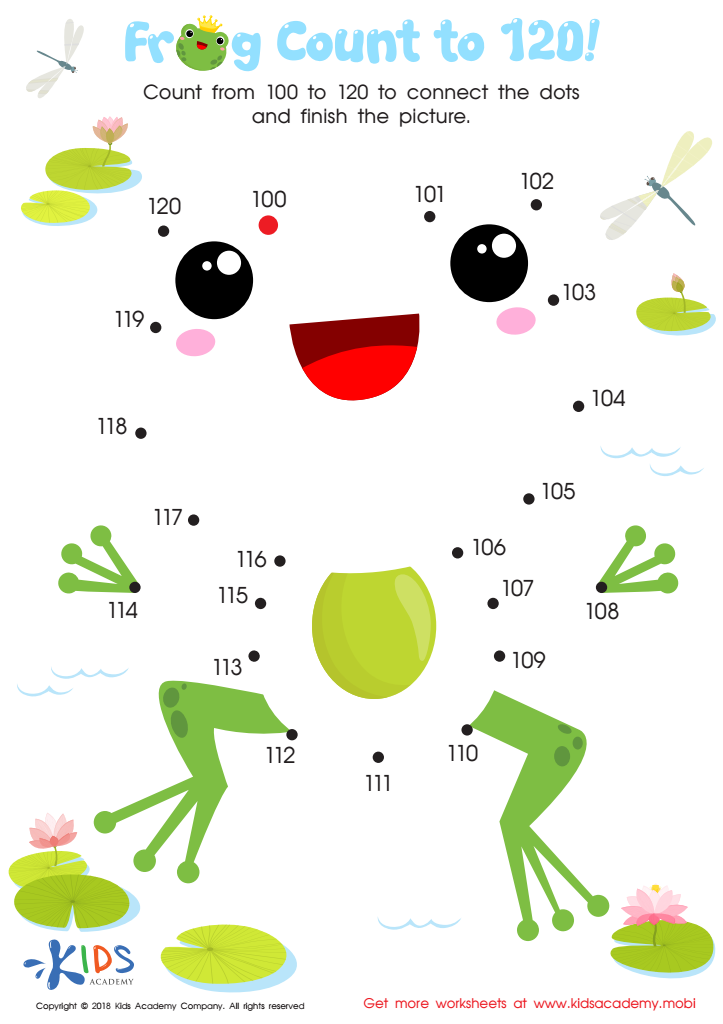
Frog Count to 120 Worksheet
 Assign to My Students
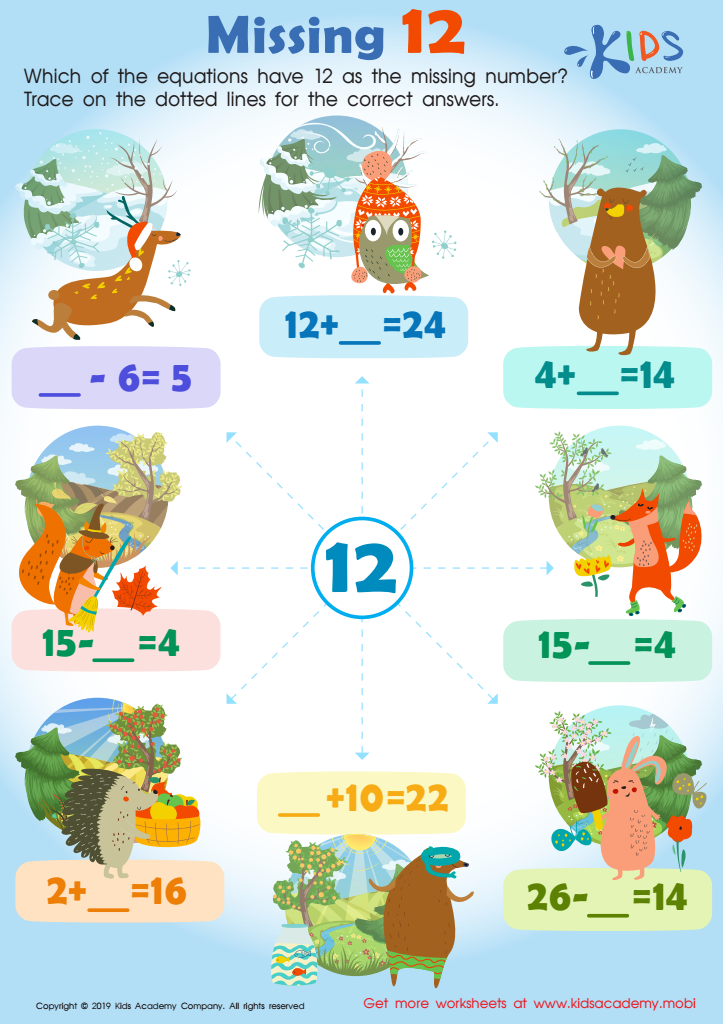
Missing 12 Worksheet
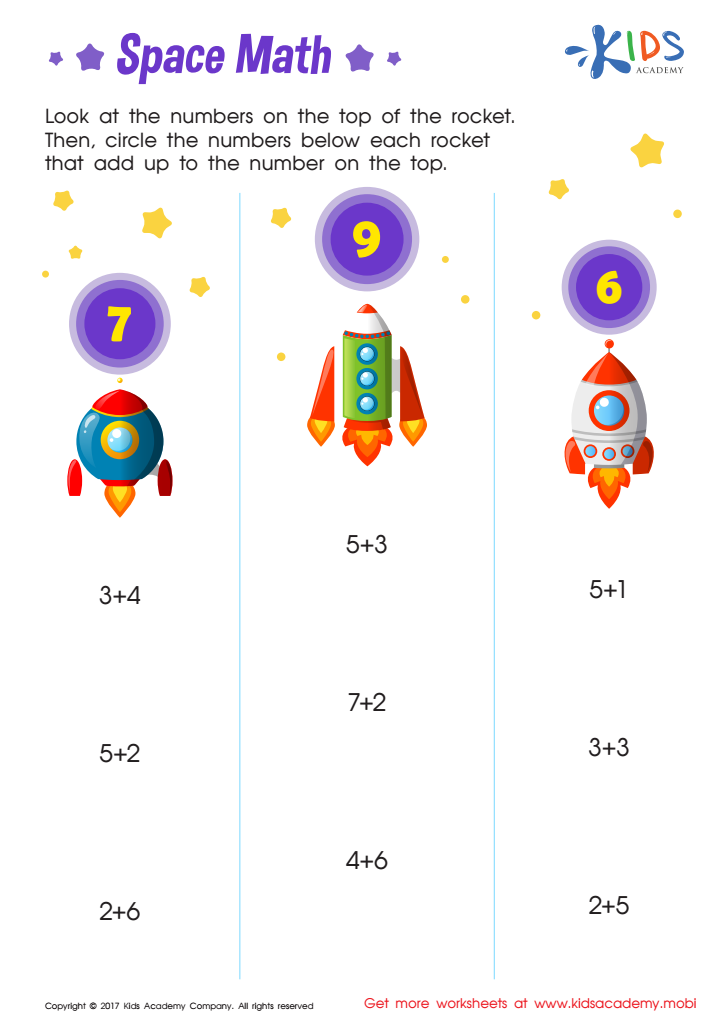
Addition: Space Math Worksheet
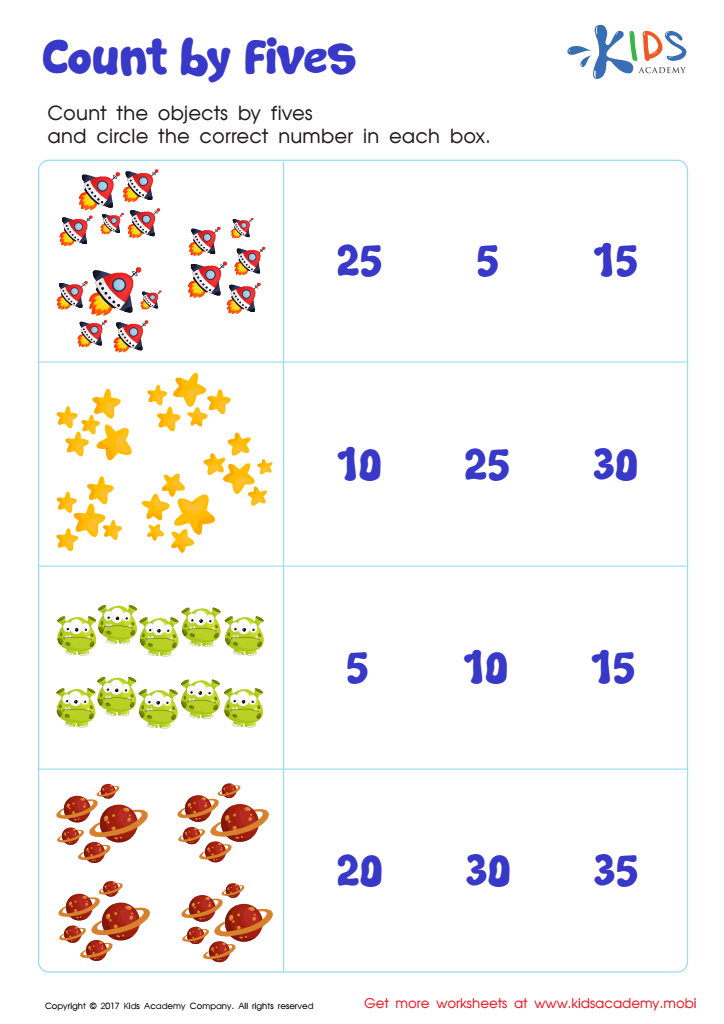
Skip Counting by 5s: Space Math Printable
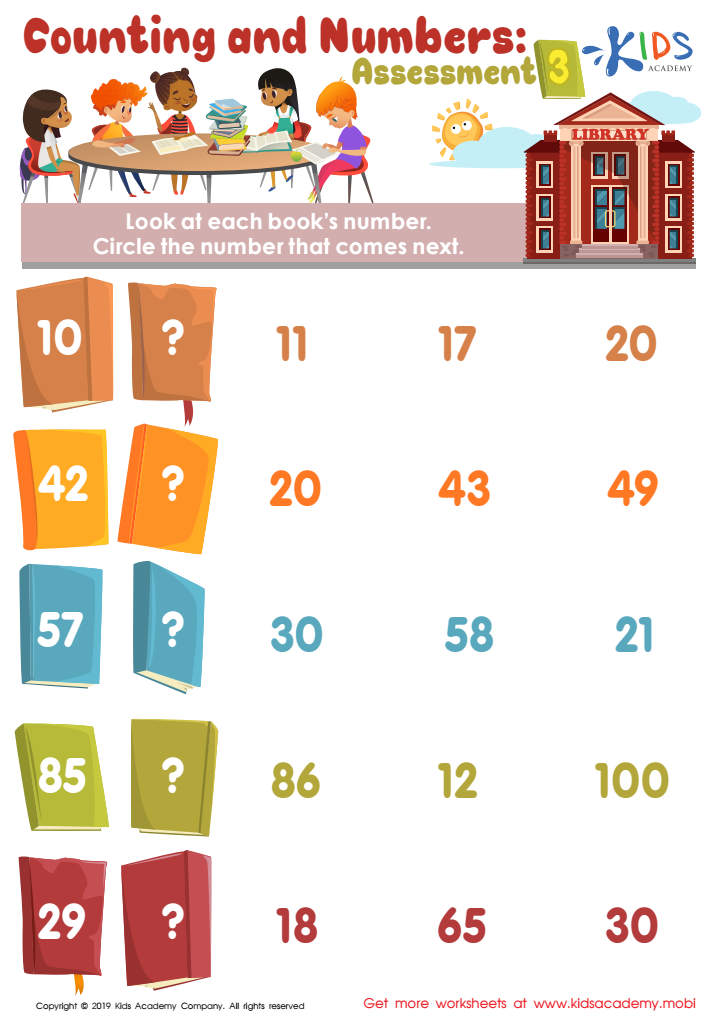
Counting and Numbers: Assessment Worksheet
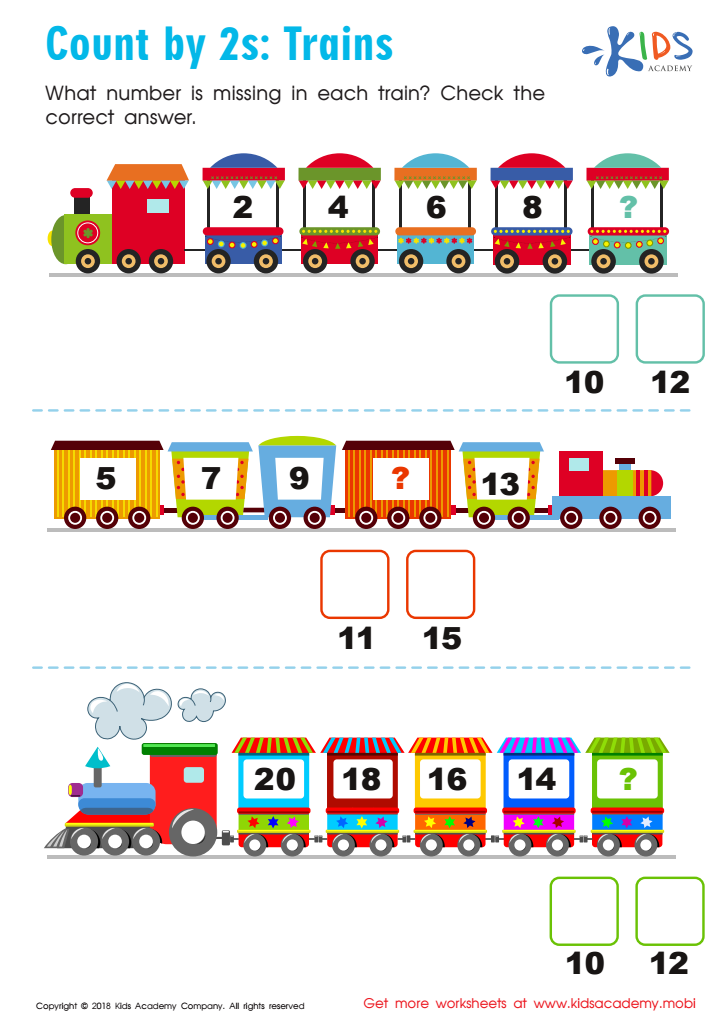
Count by 2's: Trains Worksheet
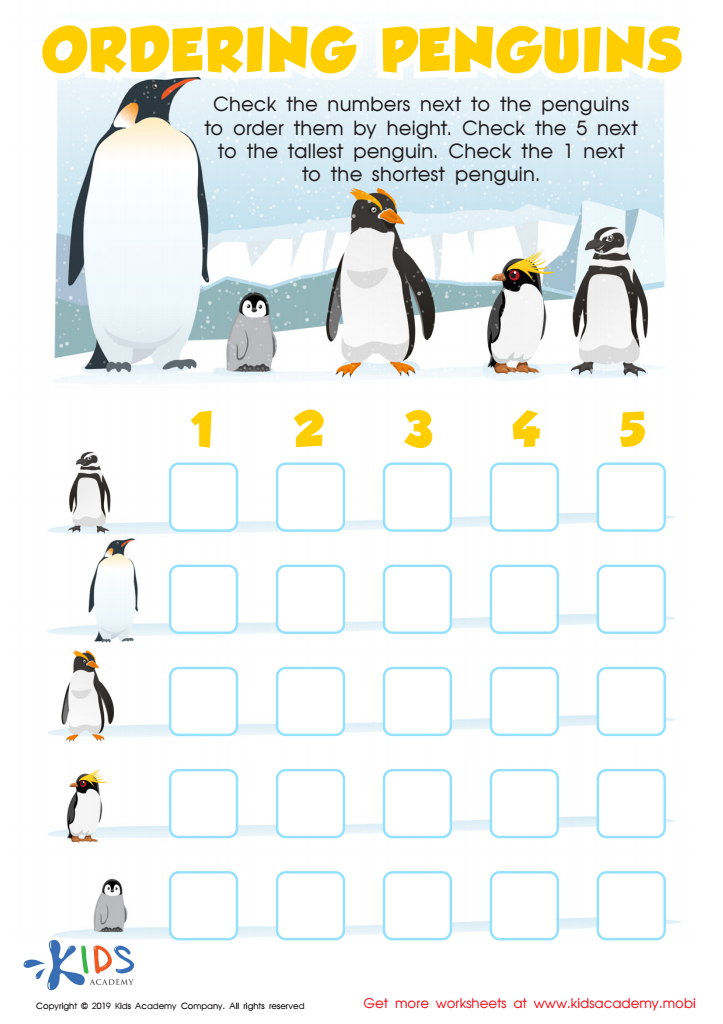
Ordering Penguins Worksheet
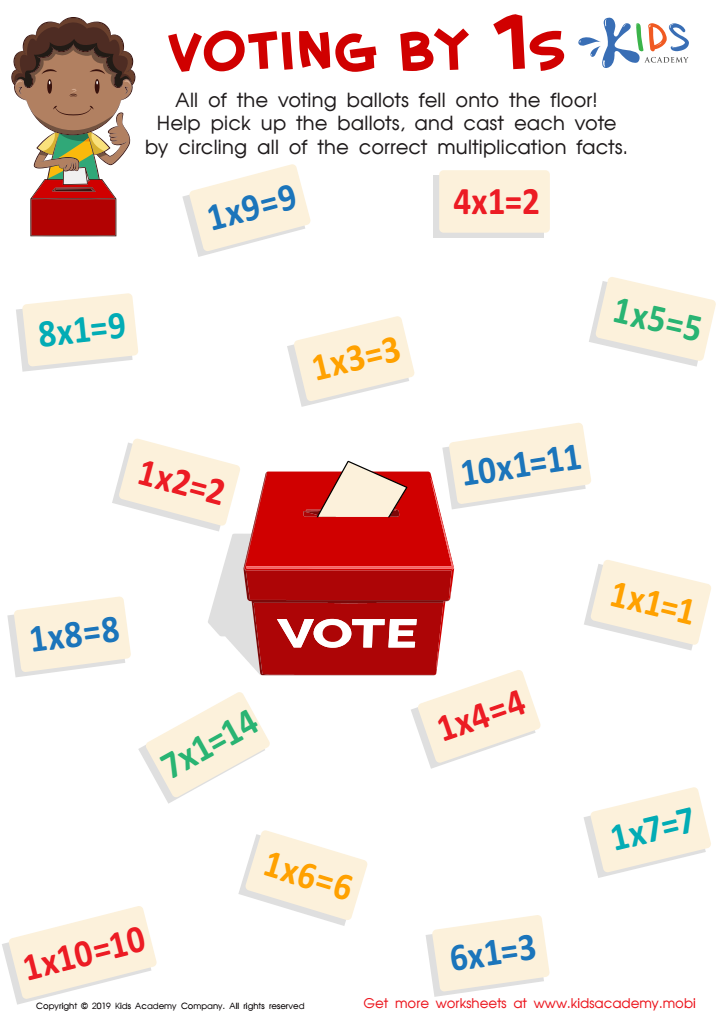
Voting by 1s Worksheet
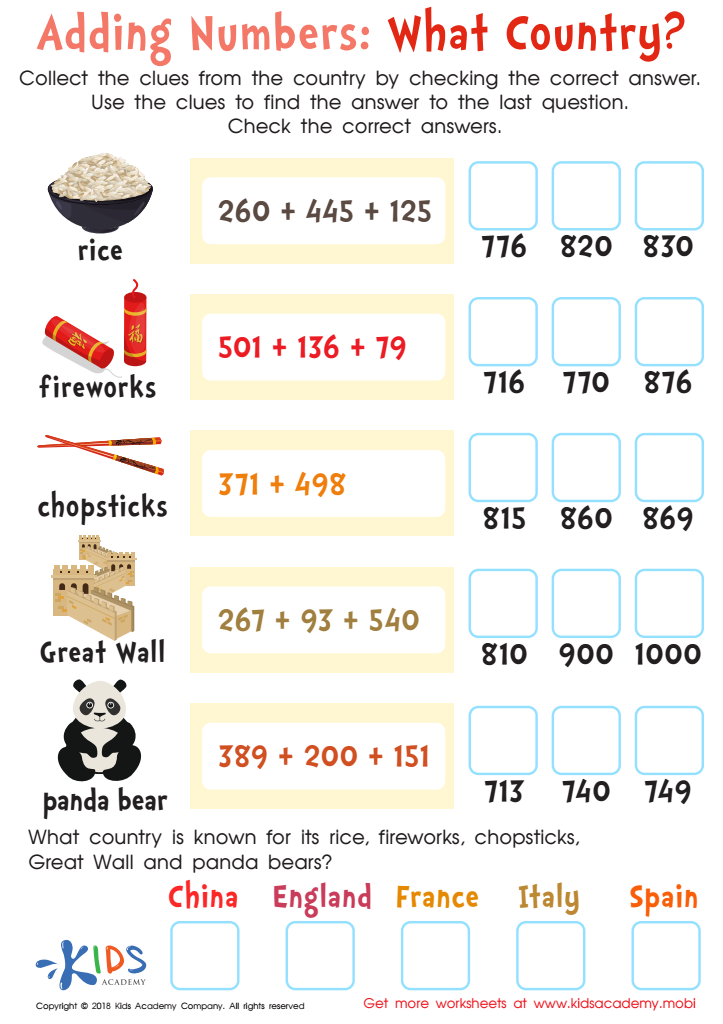
Adding Numbers: What Country Worksheet







.jpg)
Number sequencing is an essential skill for children ages 7-8, laying the groundwork for their overall mathematical understanding and success. This developmental phase often involves strengthening their ability to recognize patterns, which promotes advanced reasoning and problem-solving skills.
When parents and teachers emphasize number sequencing, they can help students grasp concepts such as addition, subtraction, multiplication, and division more fluently. Understanding sequences not only aids in performing arithmetic tasks but also enhances a child's ability to comprehend more complex mathematical ideas, such as algebra in later years.
Moreover, mastering number sequencing boosts children’s confidence in their abilities, fostering a positive attitude towards math. This can alleviate math anxiety, a common issue that some children face, and encourage a lifelong appreciation for learning.
Socially, number sequencing activities can be interactive and collaborative, promoting teamwork and communication skills among peers. By incorporating these learning experiences both at home and in the classroom, parents and teachers can create a supportive environment that nurtures children's cognitive growth.
Ultimately, prioritizing number sequencing for this age group contributes to a solid mathematical foundation that will benefit them not just in school, but in their everyday lives as they continuously encounter numbers.








