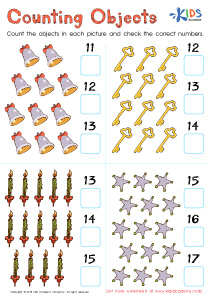
Fine Motor Skills Normal Tracing Numbers Worksheets for Ages 7-8
3 filtered results
-
From - To
Enhance your child’s fine motor skills with our engaging Normal Tracing Numbers Worksheets designed specifically for ages 7-8. These worksheets combine fun and learning, helping young learners master number recognition and improve their writing precision. As children trace each number, they develop hand-eye coordination and dexterity, vital for their academic growth. Our user-friendly format allows kids to practice at their own pace, while the variety of activities keeps them motivated and excited about learning. Perfect for classroom use or at-home reinforcement, these printable worksheets are essential for nurturing your child’s confidence and foundational math skills. Download them today and watch their skills flourish!
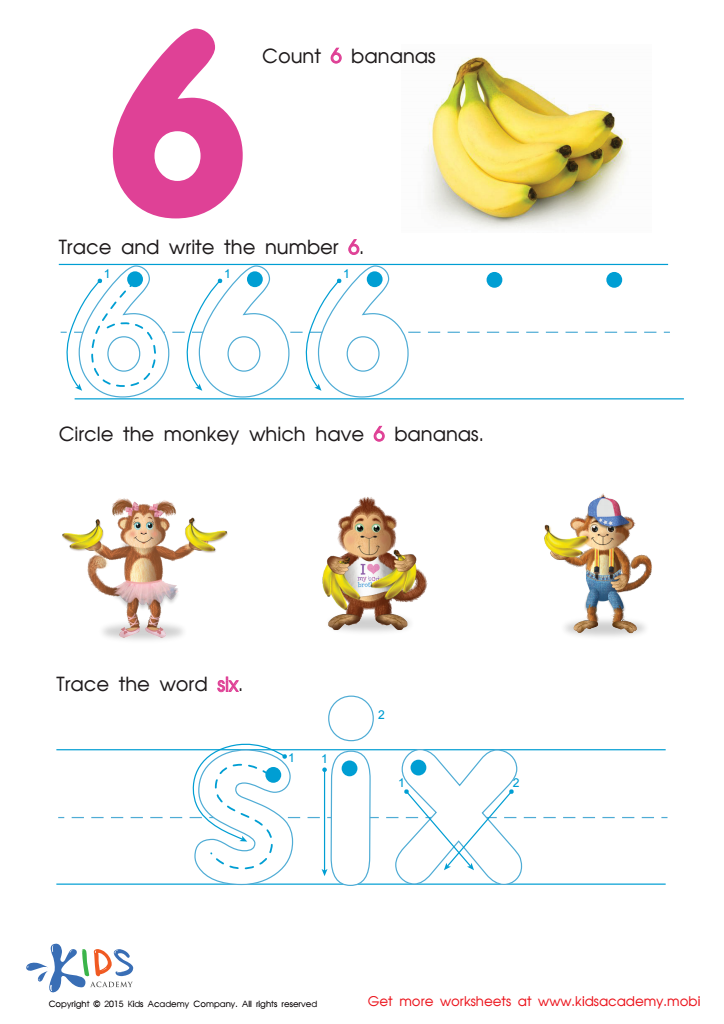
Tracing And Writing Number 6 Worksheet
 Assign to My Students
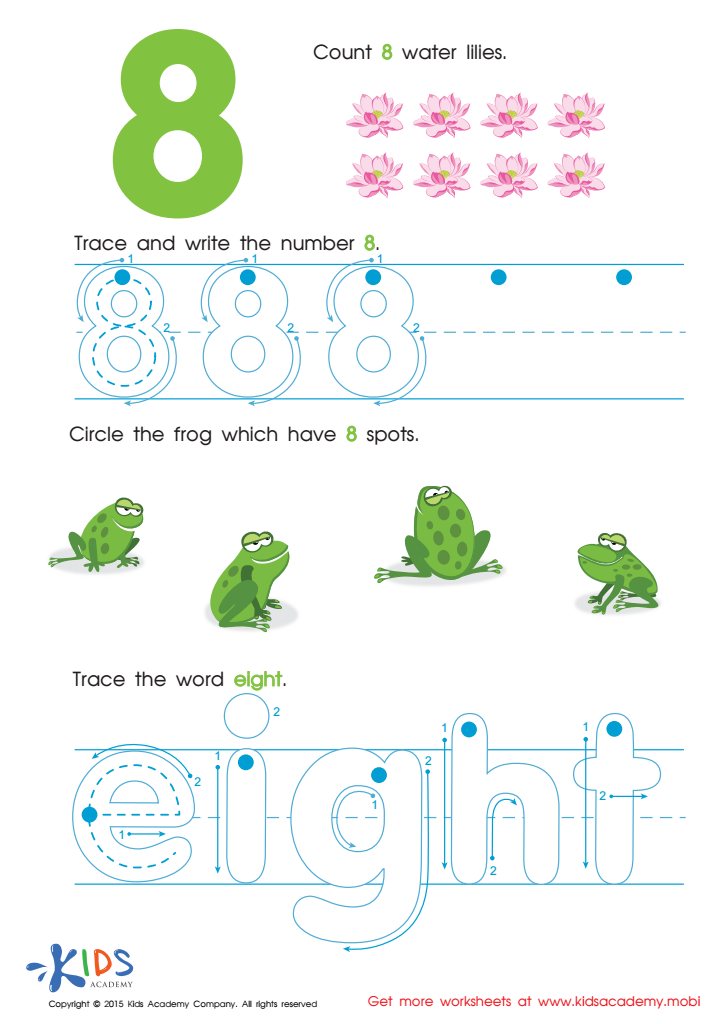
Learn Number 8 Easily Worksheet
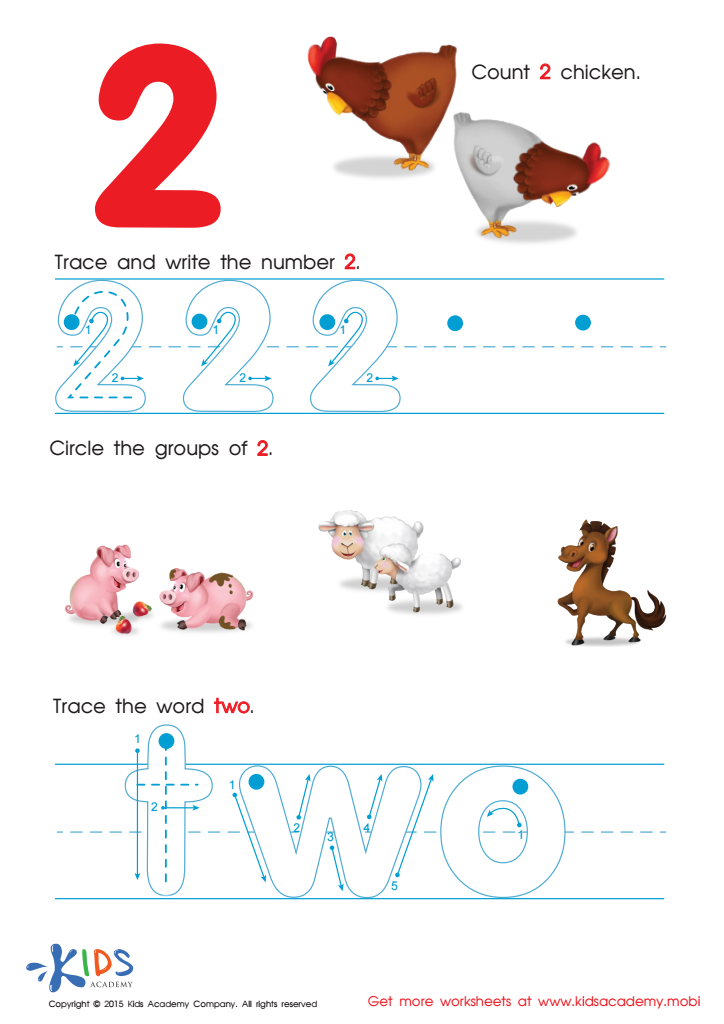
Learn to Write the Number 2 Worksheet




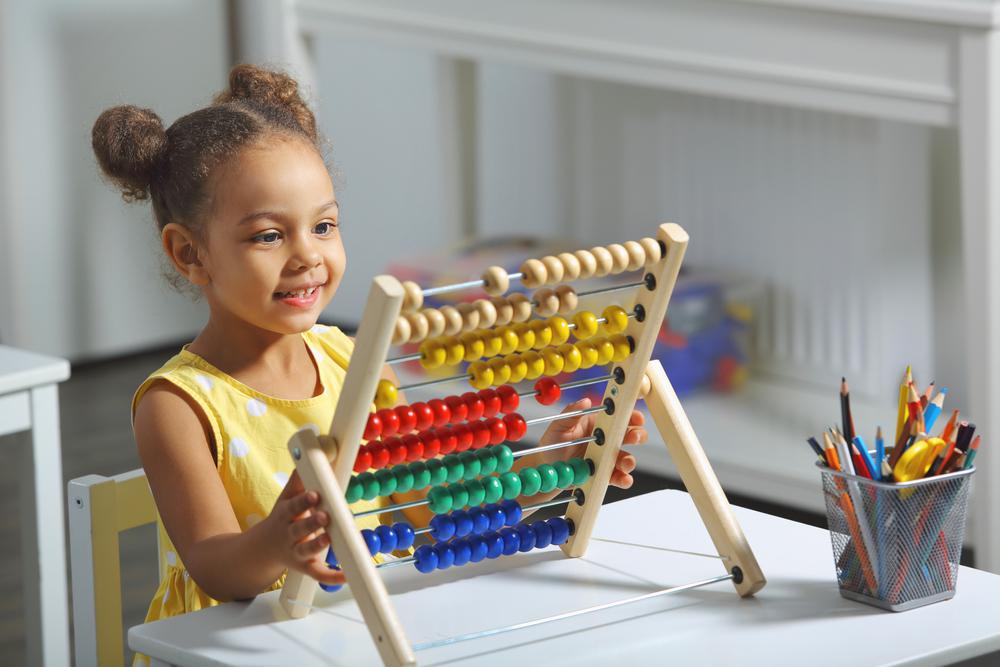



Fine motor skills are critical for children aged 7-8, as they lay the groundwork for various tasks and learning experiences. At this age, children begin to tackle more complex writing, drawing, and other activities that require precision and control. Normal tracing of numbers helps enhance their grip, hand-eye coordination, and dexterity, which are essential for successful handwriting and overall academic performance.
Parents and teachers should care about developing these skills because they directly impact a child's confidence and ability to express themselves. Strong fine motor skills facilitate tasks like using scissors, buttoning clothes, and manipulating small objects, contributing to greater independence. Additionally, challenges in fine motor skills can lead to frustration, low self-esteem, and hesitation to engage in learning activities.
Moreover, early emphasis on these skills can prevent potential learning difficulties later on, paving the way for smoother transitions into more advanced educational settings. Supporting children in refining fine motor skills through tracing numbers not only prepares them for future academic challenges but also guides their development in cognitive and social-emotional areas. Ultimately, investing time in fine motor skill development can foster a more holistic learning experience, equipping children for success both academically and in everyday life.