Normal Vowel Team Worksheets for Ages 7-9
15 filtered results
-
From - To
Enhance your child's reading and writing skills with our Normal Vowel Team Worksheets designed specifically for ages 7-9. These engagingPrintable worksheets focus on vowel teams, helping young learners recognize and use combinations like "ea," "ai," and "oe" effectively. Our resources feature a variety of fun activities, such as fill-in-the-blank exercises and word searches, to reinforce learning while keeping children entertained. Ideal for classroom and home use, these worksheets promote phonetic awareness and boost literacy confidence. Empower your child’s journey to becoming a proficient reader with our easy-to-follow practice tools that make learning enjoyable and interactive!
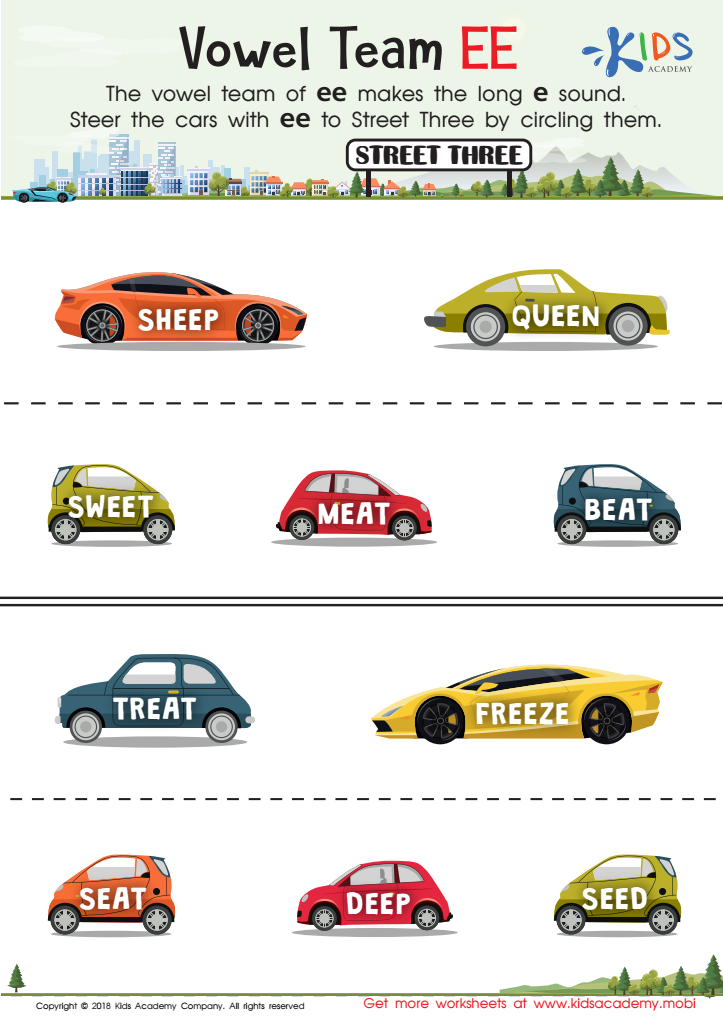
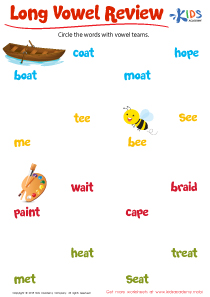
Vowel team ee Worksheet
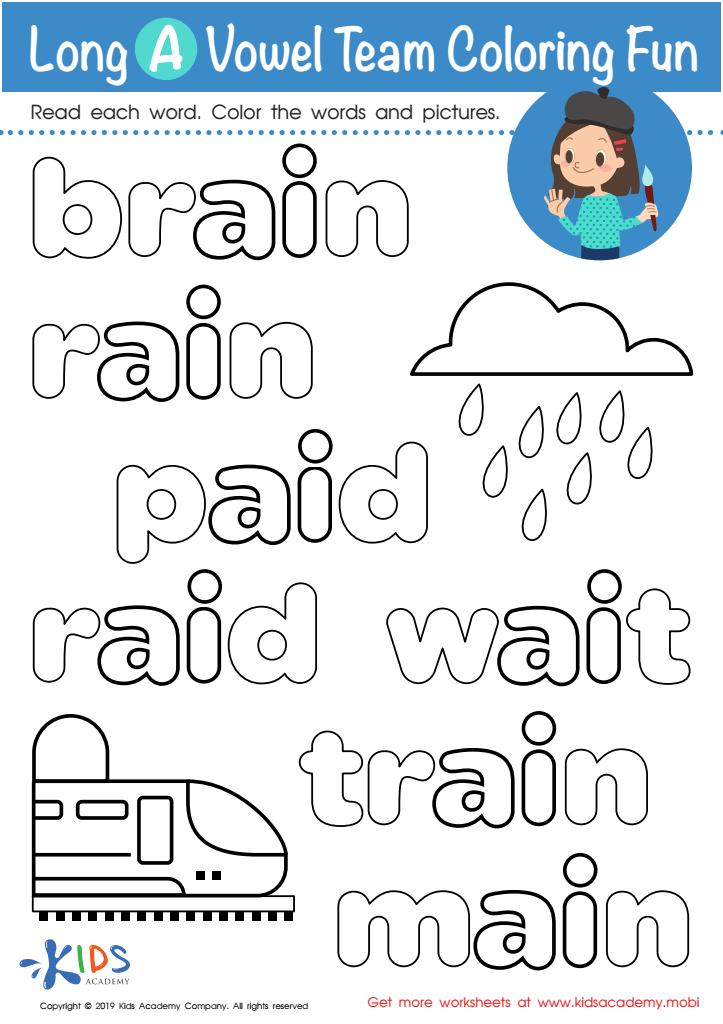
Long A Vowel Team Coloring Fun Worksheet
 Assign to My Students
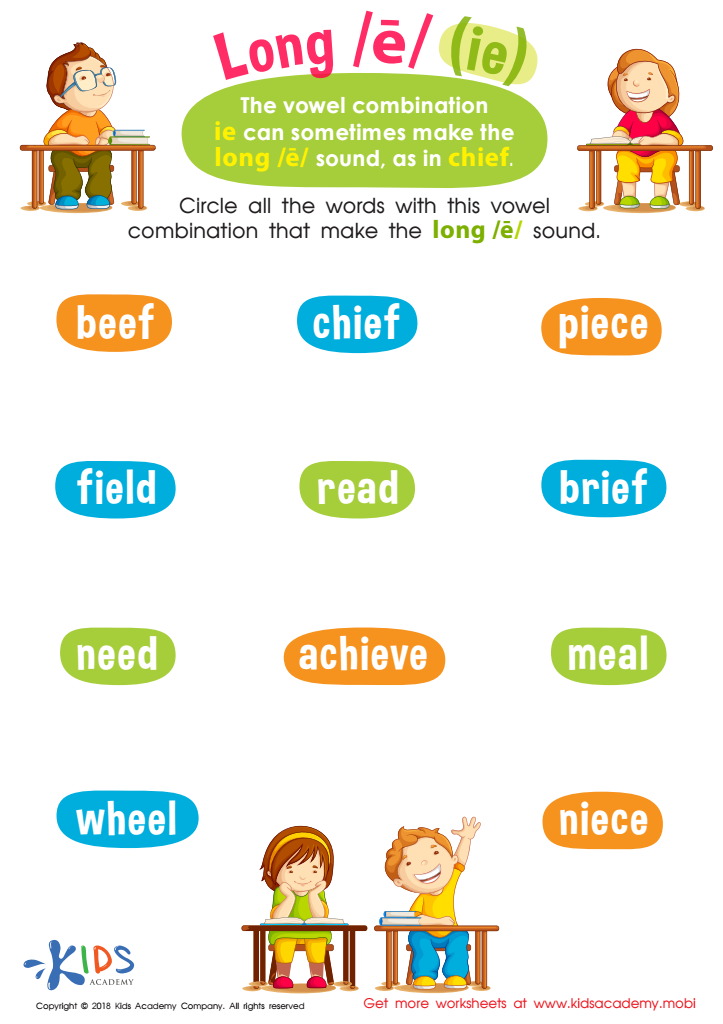
Reading: Long E and IE Worksheet
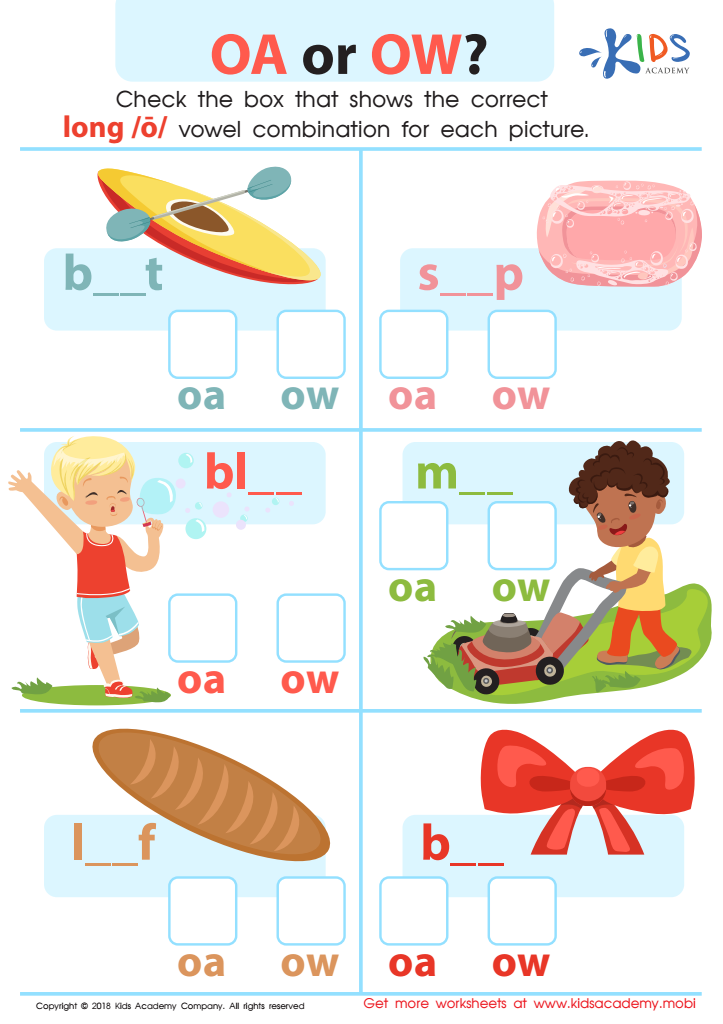
Reading: OA or OW Worksheet
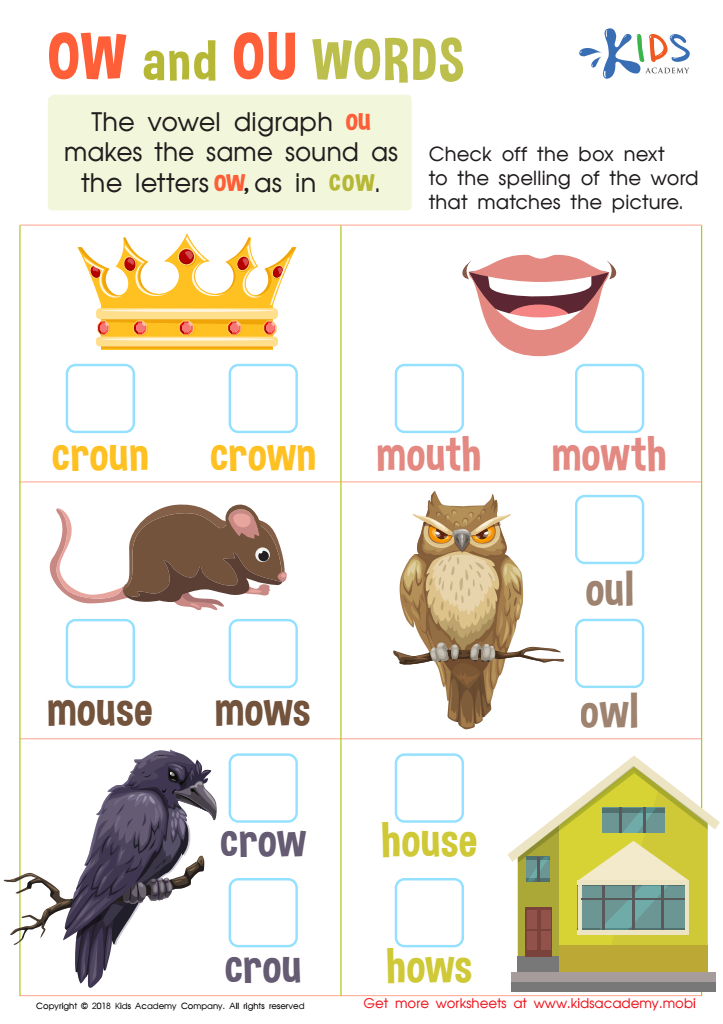
Reading: OW and OU Words Worksheet
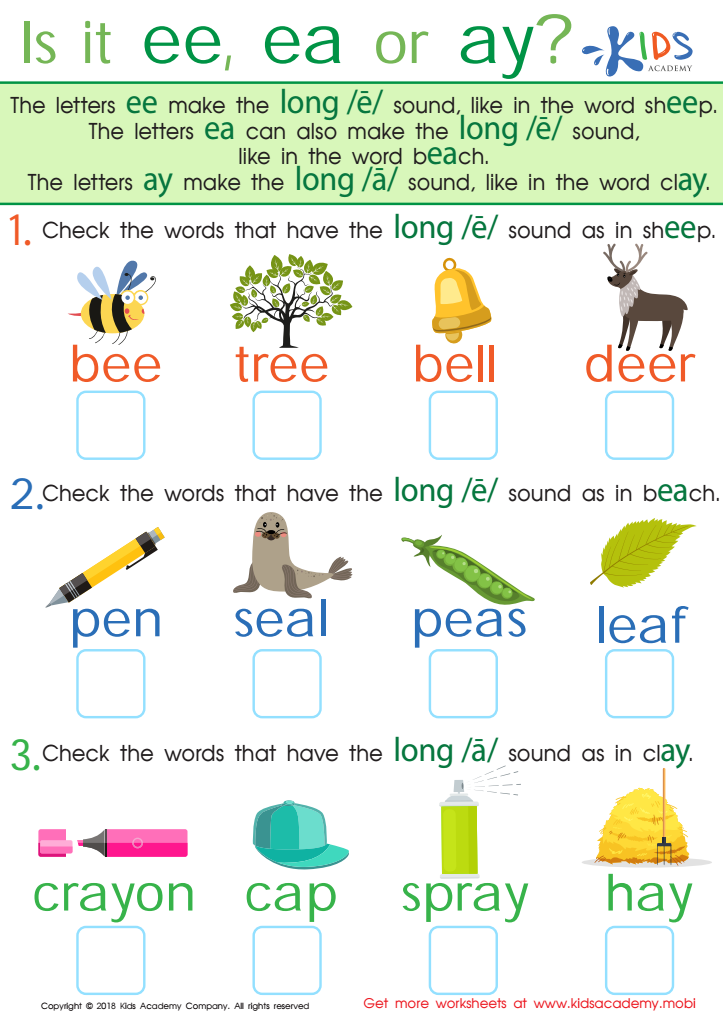
Is It EE, EA, or AY? Worksheet
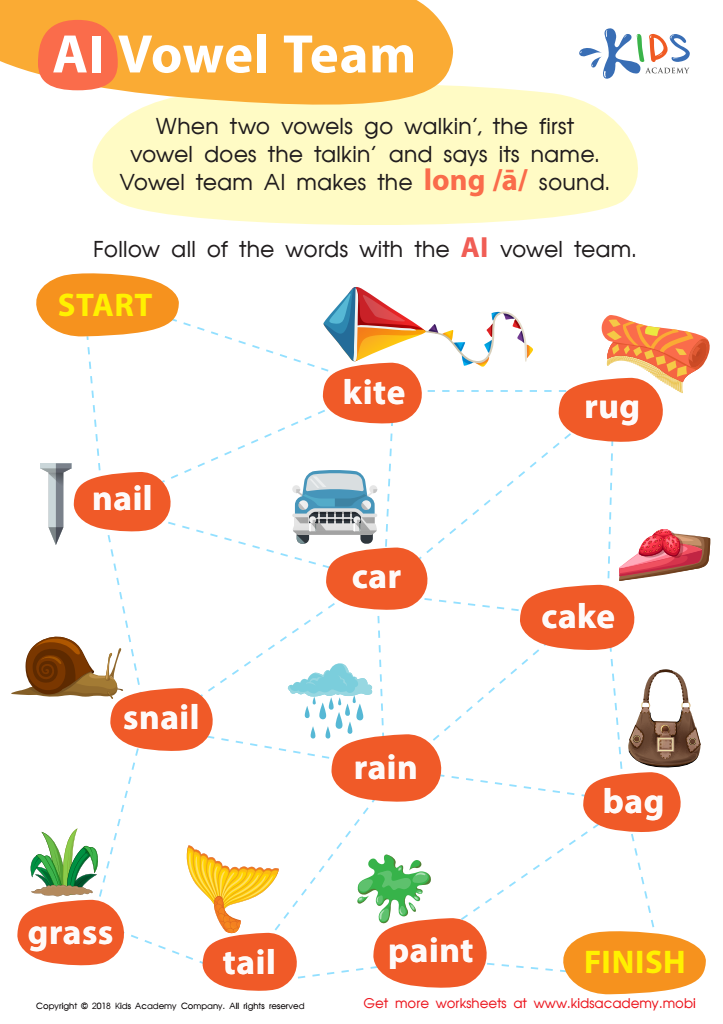
Reading: AI Vowel Team Worksheet
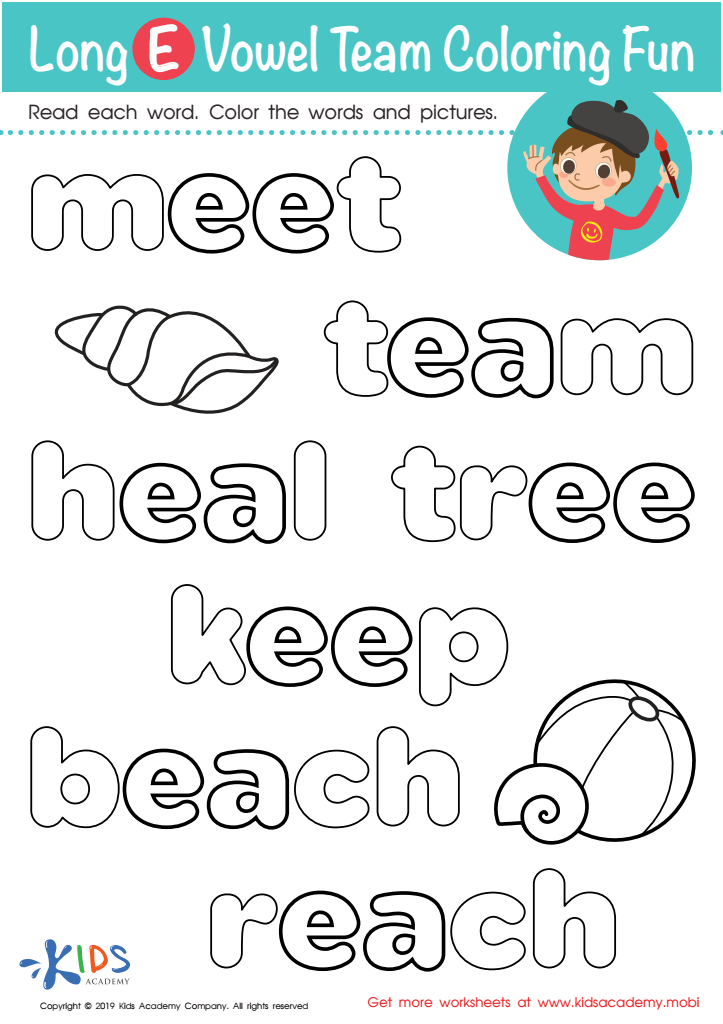
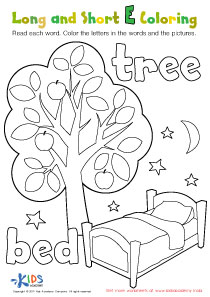
Long E Vowel Team Coloring Worksheet
Assign to My Students
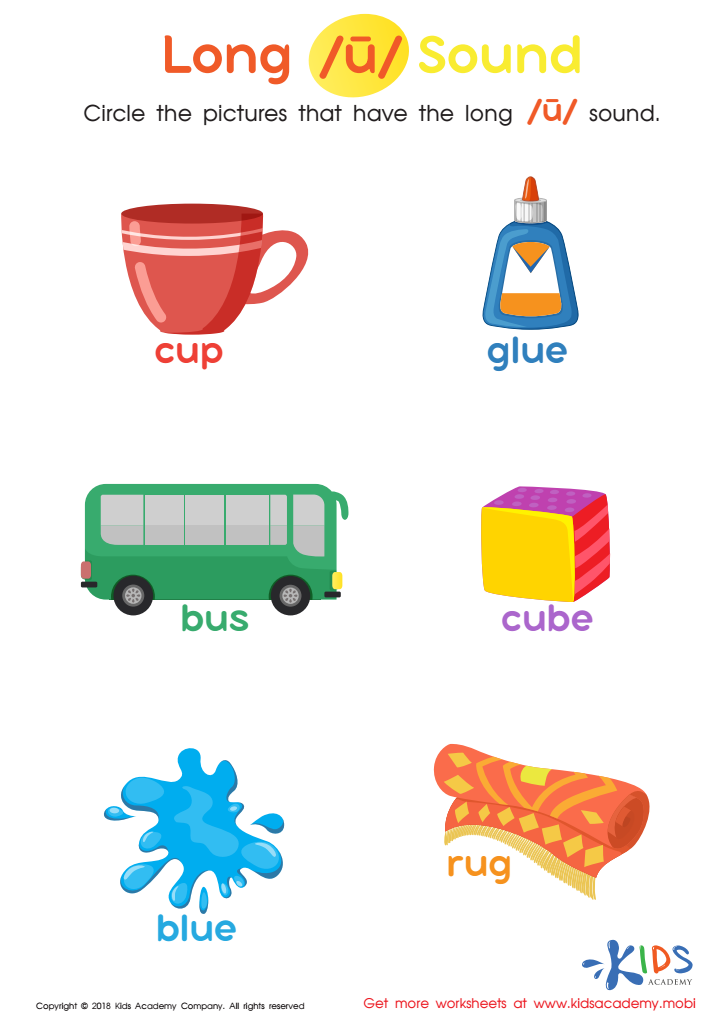
Long «u» Sound Worksheet
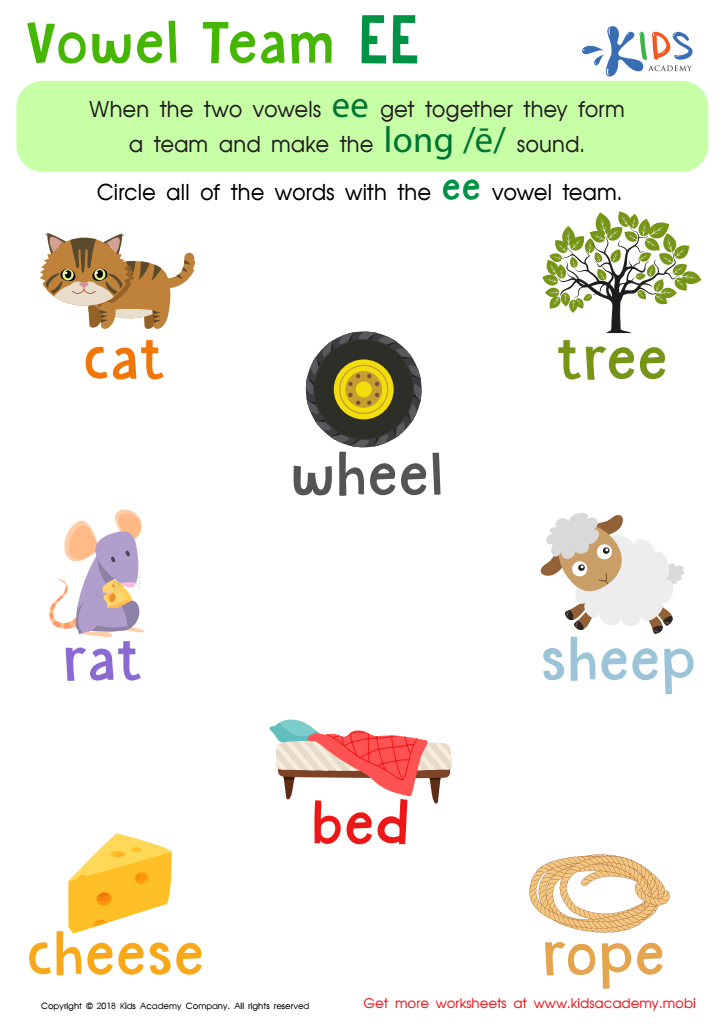
Reading: Vowel Team EE Worksheet
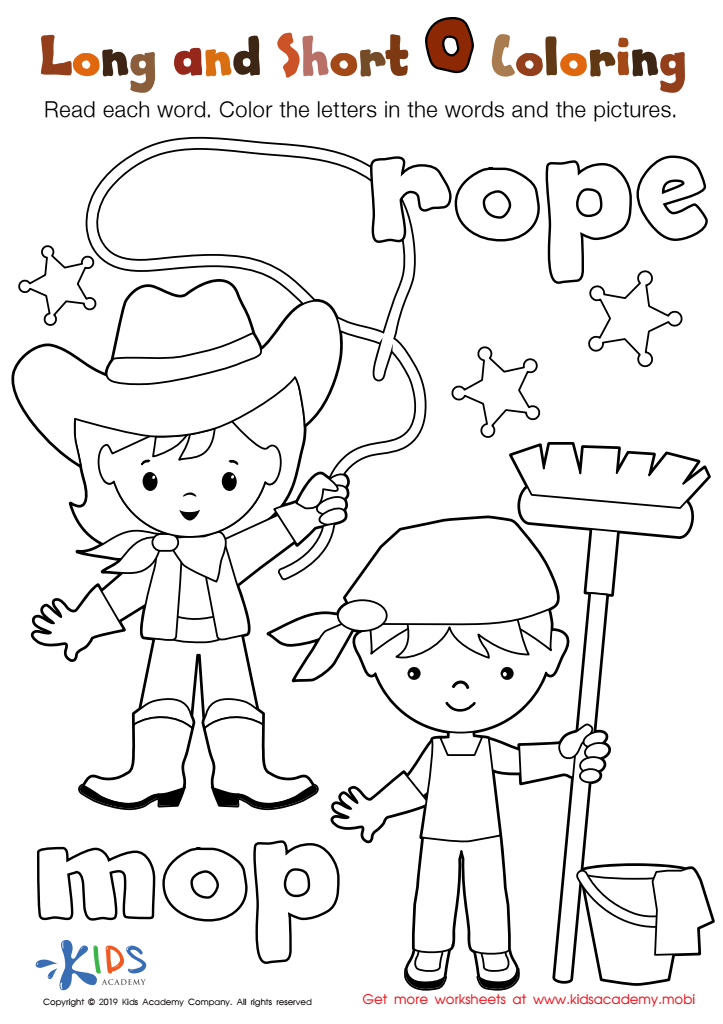
Long and Short O Worksheet
Assign to My Students
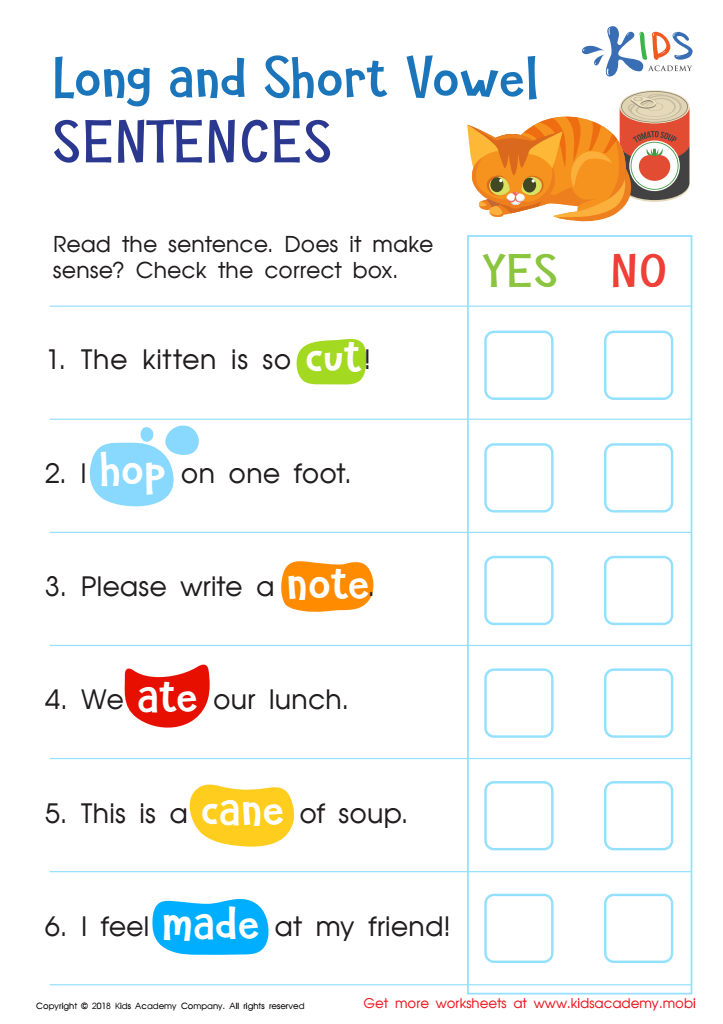
Long and Short Vowel Sentences: Assessment Worksheet
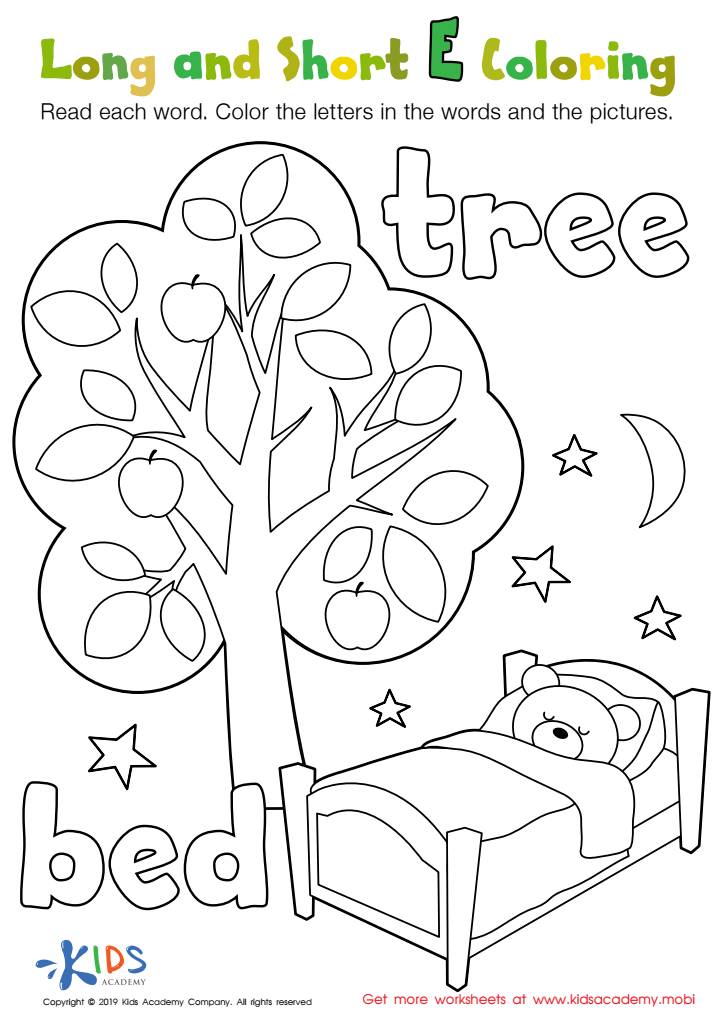
Long and Short E Worksheet
Assign to My Students
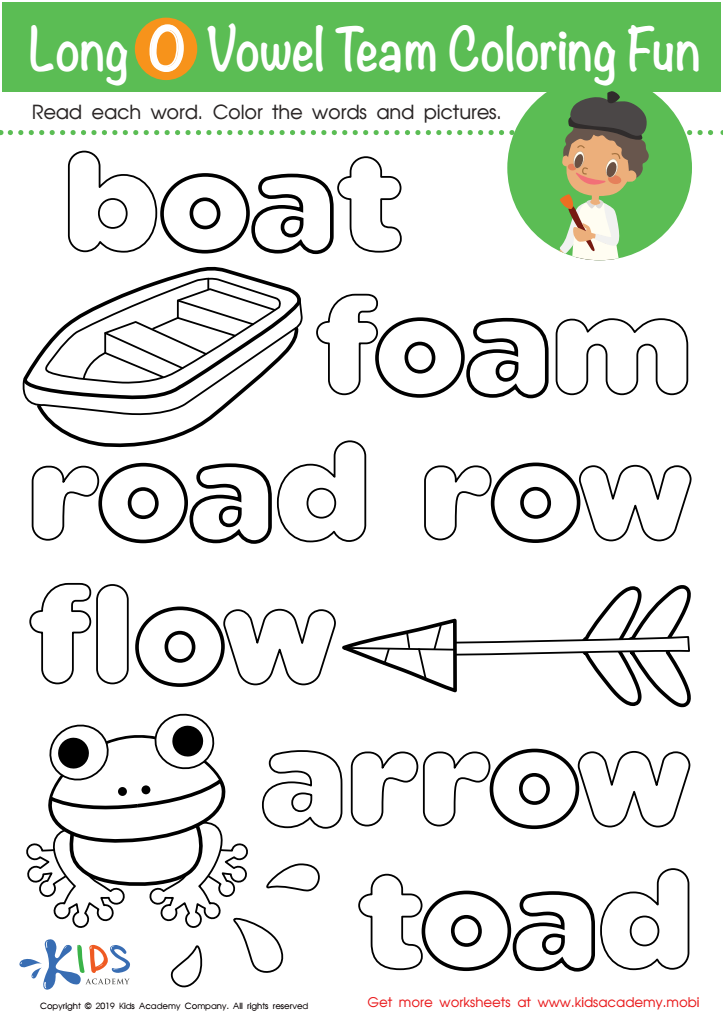
Long O Vowel Team Coloring Worksheet
Assign to My Students
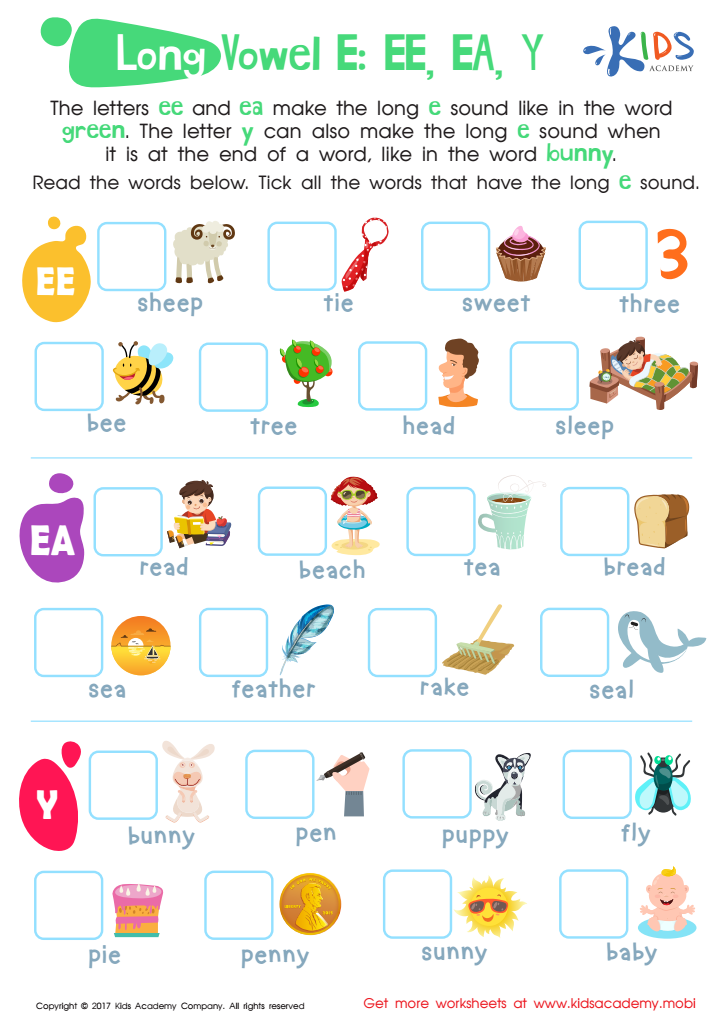
Long Vowel E Printable



Understanding the normal vowel team is crucial for parents and teachers of children ages 7-9 as it significantly impacts reading and writing development. Vowel teams, like 'ea' in "seal" or 'ai' in "rain," form a key part of phonics instruction, helping children recognize patterns within words. This strengthens their decoding skills, enabling them to read more fluently and accurately.
At this developmental stage, children are transitioning from learning to read to reading to learn, making robust phonemic awareness essential. Mastering vowel teams aids in building a more extensive vocabulary and enhances spelling proficiency. As children encounter more complex texts, they’ll benefit from their understanding of vowel combinations, allowing them to tackle challenging words without frustration.
Moreover, a strong foundation in vowel teams can foster confidence in young learners, motivating them to explore literature and not shy away from writing activities. Involving parents in this journey, through support and encouragement at home, can further solidify these skills.
By prioritizing this aspect of literacy education, both teachers and parents can facilitate a more effective learning environment, ensuring children are well-prepared for future academic challenges. Thus, attention to normal vowel teams is pivotal for holistic literacy development in young learners.