Learning about ecosystems Normal Worksheets for Ages 7-9
3 filtered results
-
From - To
Explore the fascinating world of ecosystems with our carefully crafted "Learning about Ecosystems" worksheets, designed for kids ages 7-9. These engaging resources help young learners understand the intricate relationships between living organisms and their environments. Complete with fun facts, colorful illustrations, and interactive activities, these worksheets foster essential skills such as critical thinking and observation. Children will develop a deeper appreciation for nature and enhance their knowledge of various ecosystems, including forests, oceans, and deserts. Encourage curiosity and inspire a lifelong love for science with our educational worksheets, perfect for classroom use or at-home learning. Dive into discovery today!
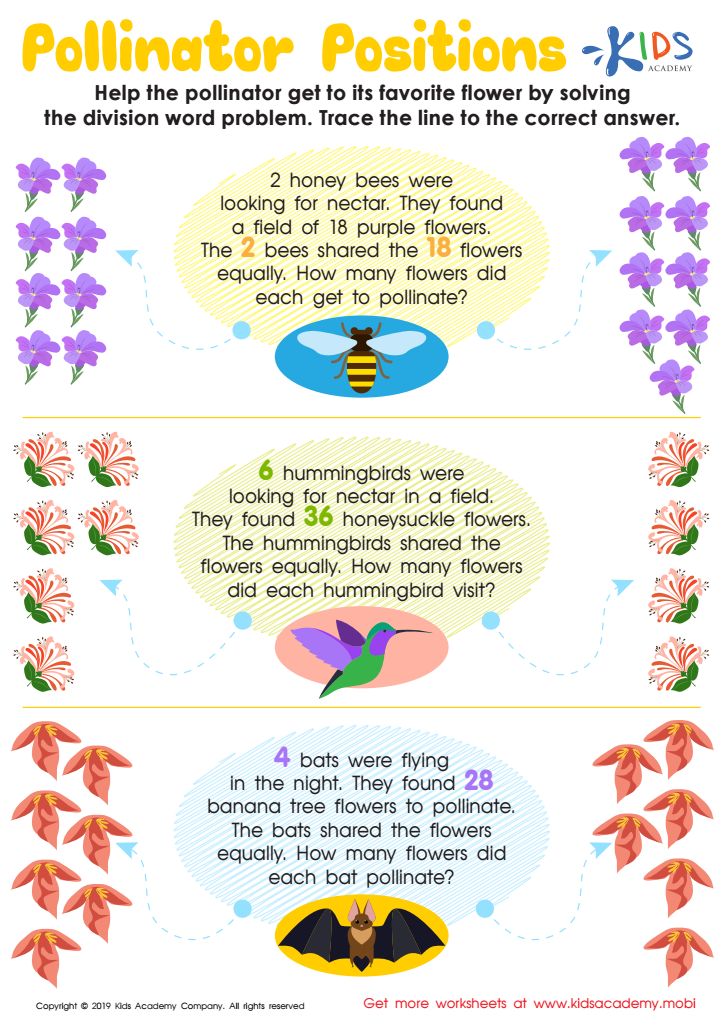
Pollinator Positions Worksheet
 Assign to My Students
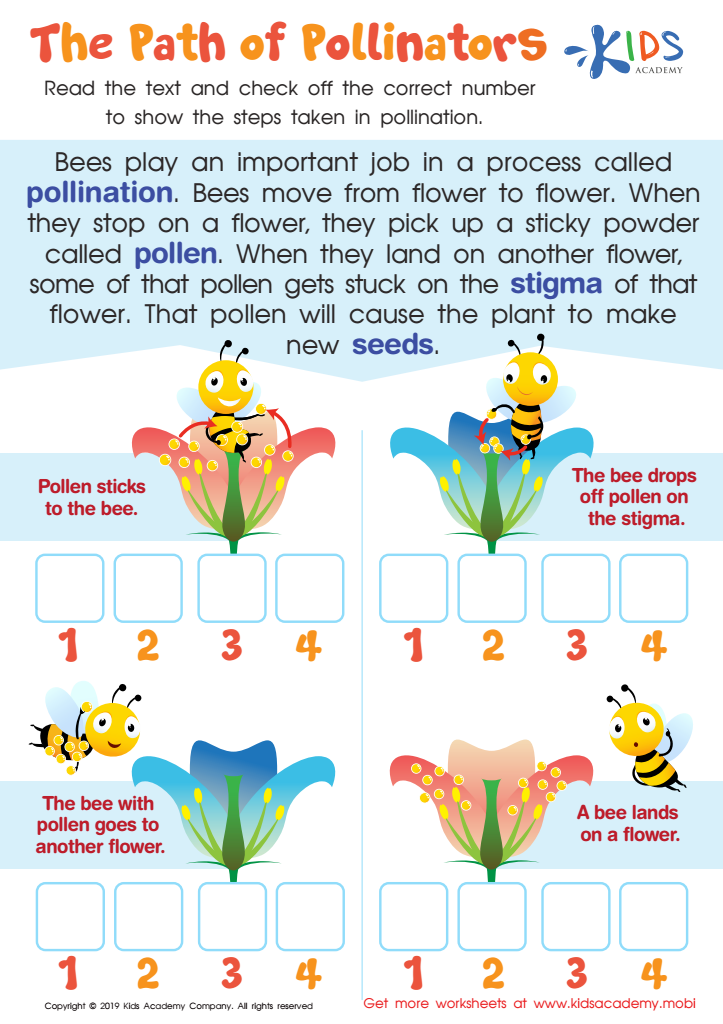
The Path of Pollinators Worksheet
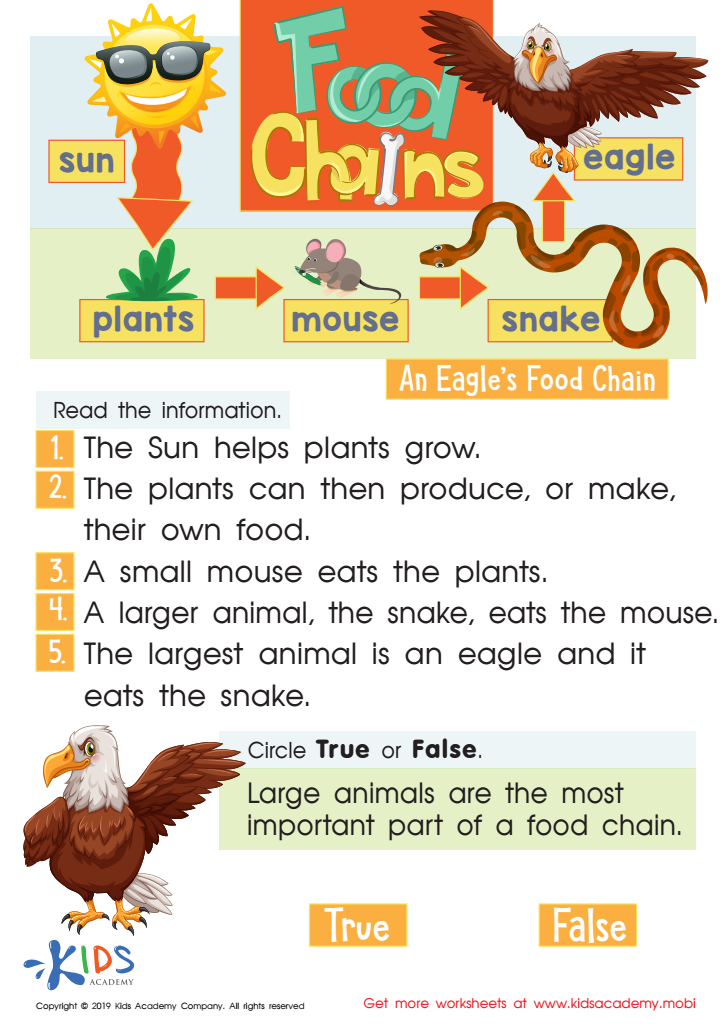
Food Chains Worksheet





.jpg)
Understanding ecosystems is essential for kids ages 7-9 because it helps them see the connections between living things and their environment. By learning about ecosystems, children discover how plants, animals, and even tiny microorganisms work together to create balance in nature. This knowledge fosters a sense of responsibility toward the earth, encouraging them to care for the environment from an early age.
Parents and teachers play a crucial role in this educational journey. Engaging in discussions about ecosystems can spark children’s curiosity and help develop critical thinking skills. It teaches them the importance of biodiversity and the impact of human activities, such as pollution and deforestation, on living organisms. This understanding enables kids to appreciate the beauty of nature and feel a personal connection to their surroundings.
Moreover, learning about ecosystems can inspire hands-on activities, such as gardening or field trips to local parks, creating memorable learning experiences. By nurturing their interest, parents and teachers ensure that children grow into informed and conscientious adults who value sustainability and environmental stewardship. In this way, studying ecosystems supports both the educational development and moral growth of children.








