Interpreting data Normal Numbers Worksheets for Ages 7-9
3 filtered results
-
From - To
Unlock the power of data interpretation with our "Normal Numbers Worksheets" designed specifically for children ages 7 to 9! Our engaging worksheets help young learners develop essential math skills by exploring data in tangible and relatable ways. Kids will enhance their ability to analyze and interpret data through fun activities that introduce concepts like graphs, charts, and number facts. These interactive resources are perfect for classroom use or at-home learning, ensuring a solid foundation in mathematics. Encourage your child's curiosity and boost their confidence in interpreting data with these thoughtfully crafted worksheets! Discover the joy of learning and grow those critical thinking skills today!
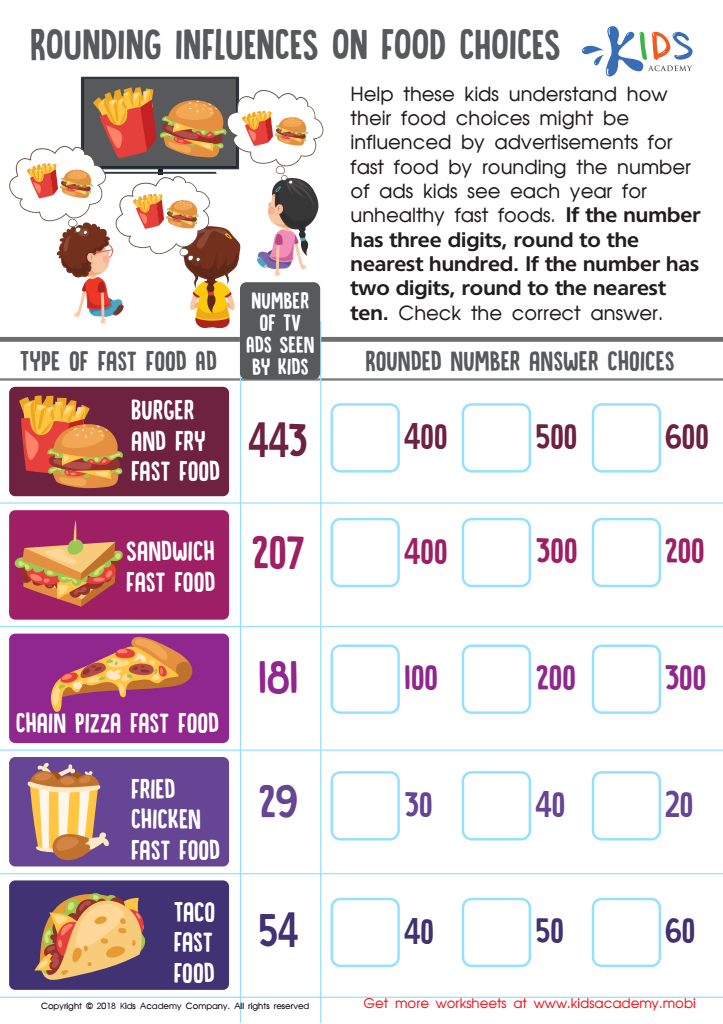
Rounding Influences Food Choices Worksheet
 Assign to My Students
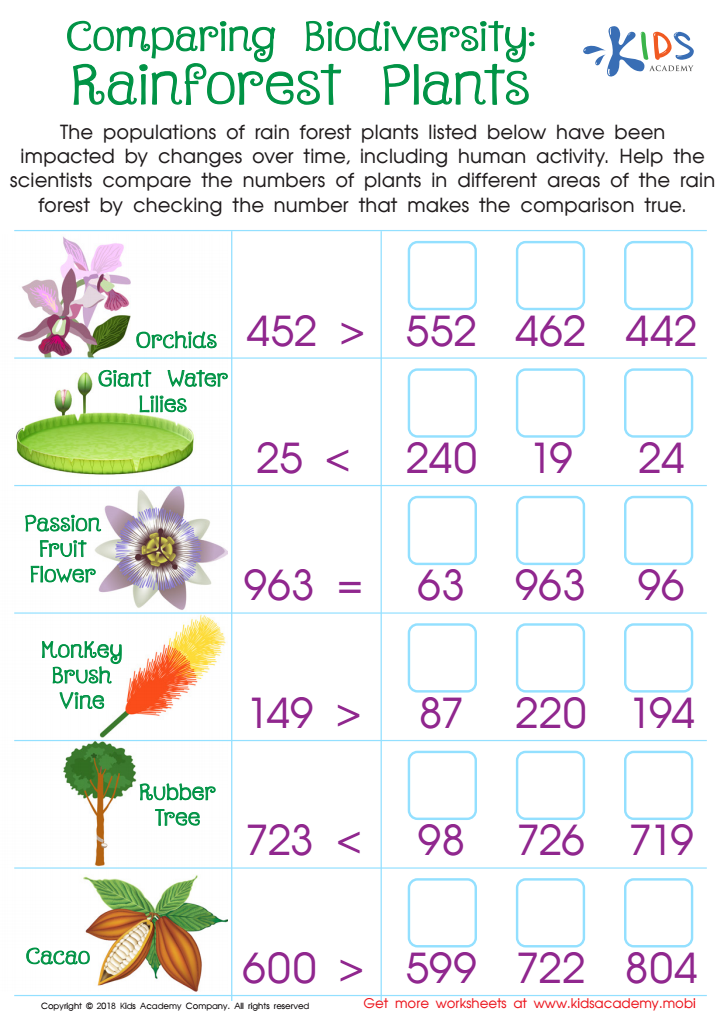
Comparing Biodiversity: Rainforest Plants Worksheet
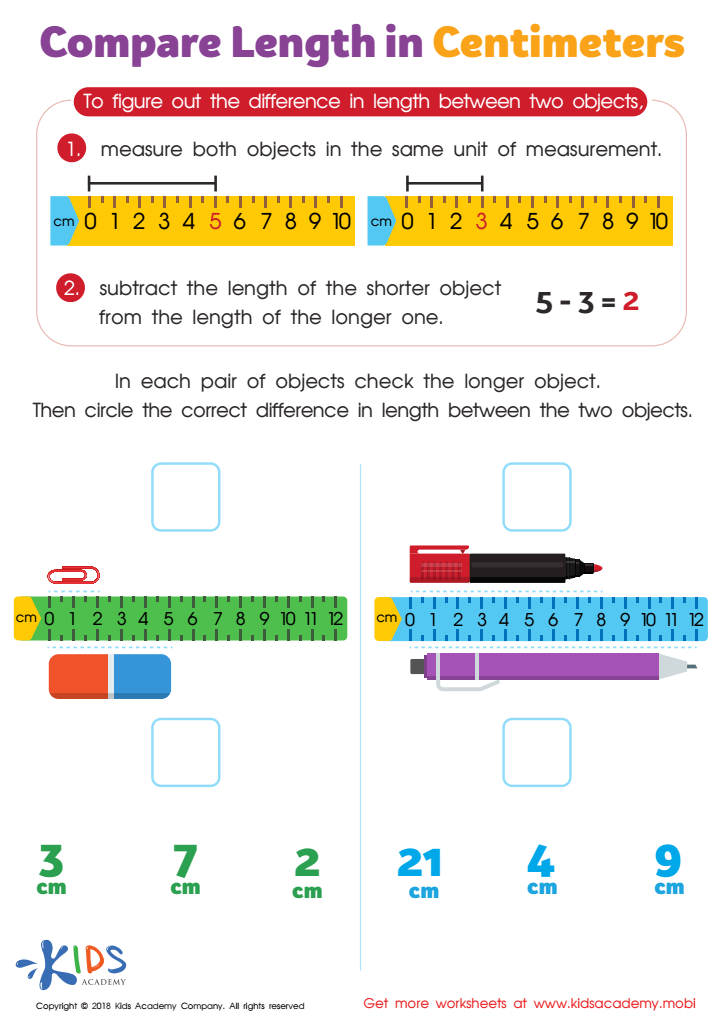
Compare Length in Centimeters Worksheet








Interpreting data using normal numbers is vital for children aged 7-9 as it lays the foundation for critical thinking and problem-solving skills. At this developmental stage, students begin to understand mathematical concepts more deeply, fostering their curiosity about the world around them. By analyzing and interpreting data—whether through charts, graphs, or simple tables—they learn how to draw conclusions and make informed decisions based on evidence.
Parents and teachers should care because these early experiences with data help develop a child’s analytical abilities, which are crucial in various subjects, including science, social studies, and math. Familiarity with normal numbers prepares children for future academic challenges, as they gain confidence in working with averages, locating patterns, and comprehending statistical concepts.
Moreover, data literacy nurtures real-life skills. By interpreting data, children can engage in discussions about everyday situations, such as sports statistics, weather forecasts, or shopping comparisons. This engagement not only enhances their mathematical understanding but encourages a passion for learning.
Ultimately, empowering children with the skills to interpret normal numbers and data helps cultivate informed, engaged individuals ready to navigate an increasingly data-driven world—an essential outcome for both parents and educators.








